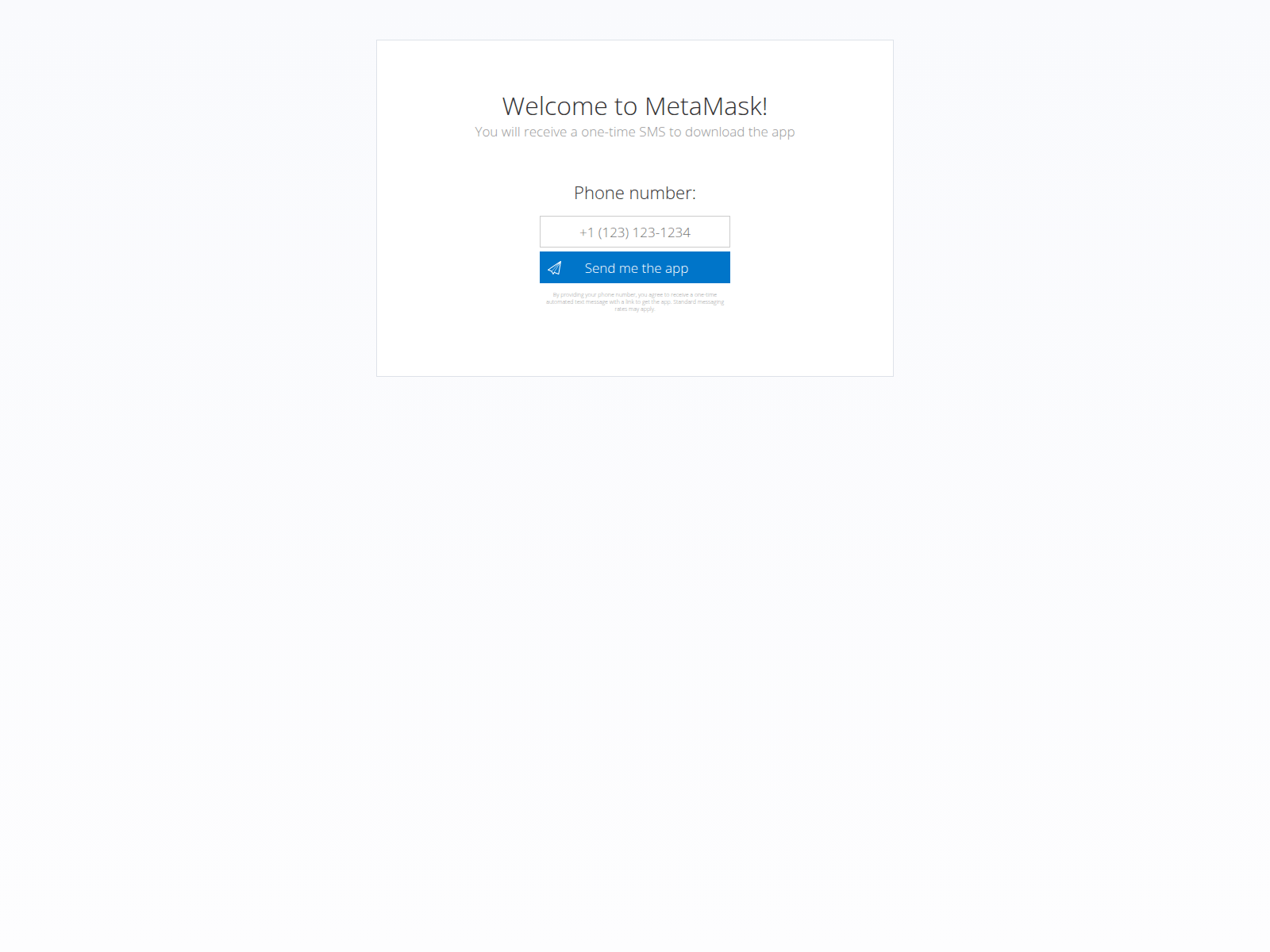
usdcnu.com is an impersonation phishing page. Its name plays on USDC, while the page itself presents as "Onchain-ETH", posing as an Ethereum on-chain service for stablecoin and ETH holders. PhishDestroy first flagged it on 2026-10-11. As of 2026-10-19 the site was still online and serving its phishing content.
诈骗手法解析
Impersonation pages like this borrow the look and language of a legitimate on-chain platform so visitors trust it enough to act. The "Onchain-ETH" branding is built to make the site feel like a genuine Ethereum tool. The usual next step is a request to connect a wallet, sign a transaction or message, or enter a recovery phrase. Any of these can give the operators control over the victim's funds. Signed approvals or a revealed seed phrase let attackers move USDC, ETH and other tokens out of the wallet, and those transfers cannot be reversed.
证据
Independent detection is thin so far. On 2026-10-16, 5 of 92 VirusTotal engines flagged the domain: CRDF, Forcepoint ThreatSeeker, Gridinsoft, SOCRadar and VIPRE. The domain also appears in 4 AlienVault OTX threat pulses, so other researchers have tied it to malicious activity. Among blocklists, only PhishDestroy currently lists it. Most security tools will therefore not warn visitors yet.
基础设施
The domain was registered through NameSilo, LLC on 2026-09-21, just 20 days before PhishDestroy caught it, which fits a fresh, short-lived phishing setup. Traffic passes through Cloudflare's network at an address geolocated to Canada, which hides the real server behind the proxy. The site uses a free, automatically issued Let's Encrypt certificate, so the browser padlock says nothing about whether the site is legitimate.
What to do
If you connected a wallet to usdcnu.com, open a token-approval tool and revoke any permissions you granted to unfamiliar contracts. Then move your remaining assets to a fresh wallet. If you typed in a seed phrase or private key, treat that wallet as compromised and transfer everything out immediately, because revoking approvals will not protect it. Do not sign anything further on the site. Defenders should block the domain at DNS and proxy level, report it to Cloudflare and NameSilo for takedown, and watch for lookalike USDC or Onchain-ETH domains registered around the same time.
usdcnu.com is an impersonation phishing page branded Onchain-ETH that targets crypto users holding USDC or ETH who may be lured into connecting a wallet.
Ai summary
Overview usdcnu.com is an impersonation phishing page. Its name plays on USDC, while the page itself presents as "Onchain-ETH", posing as an Ethereum on-chain service for stablecoin and ETH holders. PhishDestroy first flagged it on 2026-10-11. As of 2026-10-19 the site was still online and serving its phishing content. How the scam works Impersonation pages like this borrow the look and language of a legitimate on-chain platform so visitors trust it enough to act. The "Onchain-ETH" branding is built to make the site feel like a genuine Ethereum tool. The usual next step is a request to connect a wallet, sign a transaction or message, or enter a recovery phrase. Any of these can give the operators control over the victim's funds. Signed approvals or a revealed seed phrase let attackers move USDC, ETH and other tokens out of the wallet, and those transfers cannot be reversed. Evidence Independent detection is thin so far. On 2026-10-16, 5 of 92 VirusTotal engines flagged the domain: CRDF, Forcepoint ThreatSeeker, Gridinsoft, SOCRadar and VIPRE. The domain also appears in 4 AlienVault OTX threat pulses, so other researchers have tied it to malicious activity. Among blocklists, only PhishDestroy currently lists it. Most security tools will therefore not warn visitors yet. Infrastructure The domain was registered through NameSilo, LLC on 2026-09-21, just 20 days before PhishDestroy caught it, which fits a fresh, short-lived phishing setup. Traffic passes through Cloudflare's network at an address geolocated to Canada, which hides the real server behind the proxy. The site uses a free, automatically issued Let's Encrypt certificate, so the browser padlock says nothing about whether the site is legitimate. What to do If you connected a wallet to usdcnu.com, open a token-approval tool and revoke any permissions you granted to unfamiliar contracts. Then move your remaining assets to a fresh wallet. If you typed in a seed phrase or private key, treat that wallet as compromised and transfer everything out immediately, because revoking approvals will not protect it. Do not sign anything further on the site. Defenders should block the domain at DNS and proxy level, report it to Cloudflare and NameSilo for takedown, and watch for lookalike USDC or Onchain-ETH domains registered around the same time. Useful links urlscan.io scan and screenshot: https://urlscan.io/result/01a12a64-7ee2-731b-9b57-28b1b2e4e30c/ VirusTotal report: https://www.virustotal.com/gui/domain/usdcnu.com Google Safe Browsing status: https://transparencyreport.google.com/safe-browsing/search?url=usdcnu.com Archived copy: https://web.archive.org/web/20261011100042/https://usdcnu.com/ Report phishing to Google: https://safebrowsing.google.com/safebrowsing/report_phish/ Site owner? Request a review: https://phishdestroy.io/appeals/
Stored registration data identifies NameSilo as the registrar. PhishDestroy maintains separate registrar investigations; that broader material is contextual and is not an independent detection for this domain.
证据层Availability: Content servingContent: Content served at rootDNS: Resolved
最新的 HTTP 观察结果内容在线提供普通 HTTP 内容90%2026-11-17 12:01 UTC
RDAP注册
观测时间线last reachable: 2026-11-17 12:01 UTClast content: 2026-11-17 12:01 UTC
Availability, content, DNS and registration are independent evidence layers. NXDOMAIN, an unreachable origin or missing content alone does not prove registrar action. A registrar or provider is credited only when a direct technical marker identifies that actor. Report causality is shown separately.

 NameSilo
 188.114.97.3


 Microsoft
 Cloudflare
 Yandex
 ESET
 Bitdefender
 Norton
 Symantec
 Avira
 Avast / AVG
 卡巴斯基
 Dr.Web
 Netcraft
 PhishTank
 APWG eCX
 PhishStats
 Phish.Report
 PolySwarm
 CheckPhish
 Quttera
 Criminal IP
 CRDF
 Scamadviser
 MyWOT