
搜索受监控的域名,并查看存储的证据、检测结果以及最新观察到的可用性情况。
搜索已保存的报告。此操作不会提交威胁举报。没有记录并不意味着域名安全。

How This Attack Works
Fake Token Presale scams trick victims into believing they are investing in legitimate cryptocurrency projects. Here's how the scam typically unfolds:
STEP 1
Create Fake Websites
Scammers set up realistic-looking websites mimicking legitimate token presale portals.
STEP 2
Promote Presale on 社交 Media
Using social media and fake endorsements, scammers attract potential investors.
STEP 3
Collect Cryptocurrency
Victims are prompted to send cryptocurrency to a specified address under the guise of buying tokens.
STEP 4
Disappear with Funds
Once funds are collected, scammers shut down the site and disappear, leaving victims without recourse.
Technical 分析
Fake Token Presale scams often leverage phishing tactics combined with cryptocurrency-specific techniques. Attackers use homograph attacks to create URLs that closely resemble legitimate sites, often registered through top registrars like NICENIC INTERNATIONAL GROUP CO., LIMITED and PDR Ltd. d/b/a PublicDomainRegistry.com. They exploit the decentralized nature of blockchain networks, utilizing smart contracts that mimic legitimate presale contracts but are programmed to divert funds to the attacker’s wallet. The infrastructure often involves cloud-based hosting services to quickly deploy and dismantle sites, minimizing the chance of detection. HTML and JavaScript are commonly used to create dynamic, convincing interfaces that reassure potential victims of the site’s legitimacy. Additionally, attackers might deploy SEO techniques to improve the visibility of their fraudulent sites in search engine 条结果, further increasing their reach.
Real Cases
CryptoX Presale 诈骗 (2024)
$2 million stolen
A fake presale for a non-existent token, CryptoX, duped investors into contributing significant sums.
TokenLaunch Fraud (2023)
$1.5 million stolen
Victims were lured into a fake token launch with promises of high returns, only for the site to vanish post-collection.
QuickCoin Deception (2024)
$3 million stolen
Scammers created a sophisticated site mimicking a known exchange, leading to substantial financial losses.
How to Detect
检查 for slight misspellings in domain names.
Look for inconsistent branding or layout compared to legitimate sites.
Be wary of unsolicited investment opportunities via social media.
Verify presale details on official project channels.
Beware of high-pressure tactics urging immediate investment.
How to Protect Yourself
1 Always verify URLs before entering personal information.
2 Use browser extensions to detect phishing attempts.
3 Consult official project websites or channels for presale information.
4 Enable two-factor authentication on cryptocurrency exchanges.
5 报告 suspicious sites to authorities and platforms like PhishDestroy.
Frequently Asked Questions
Data sourced from PhishDestroy threat intelligence database — 707 domains tracked for this threat type
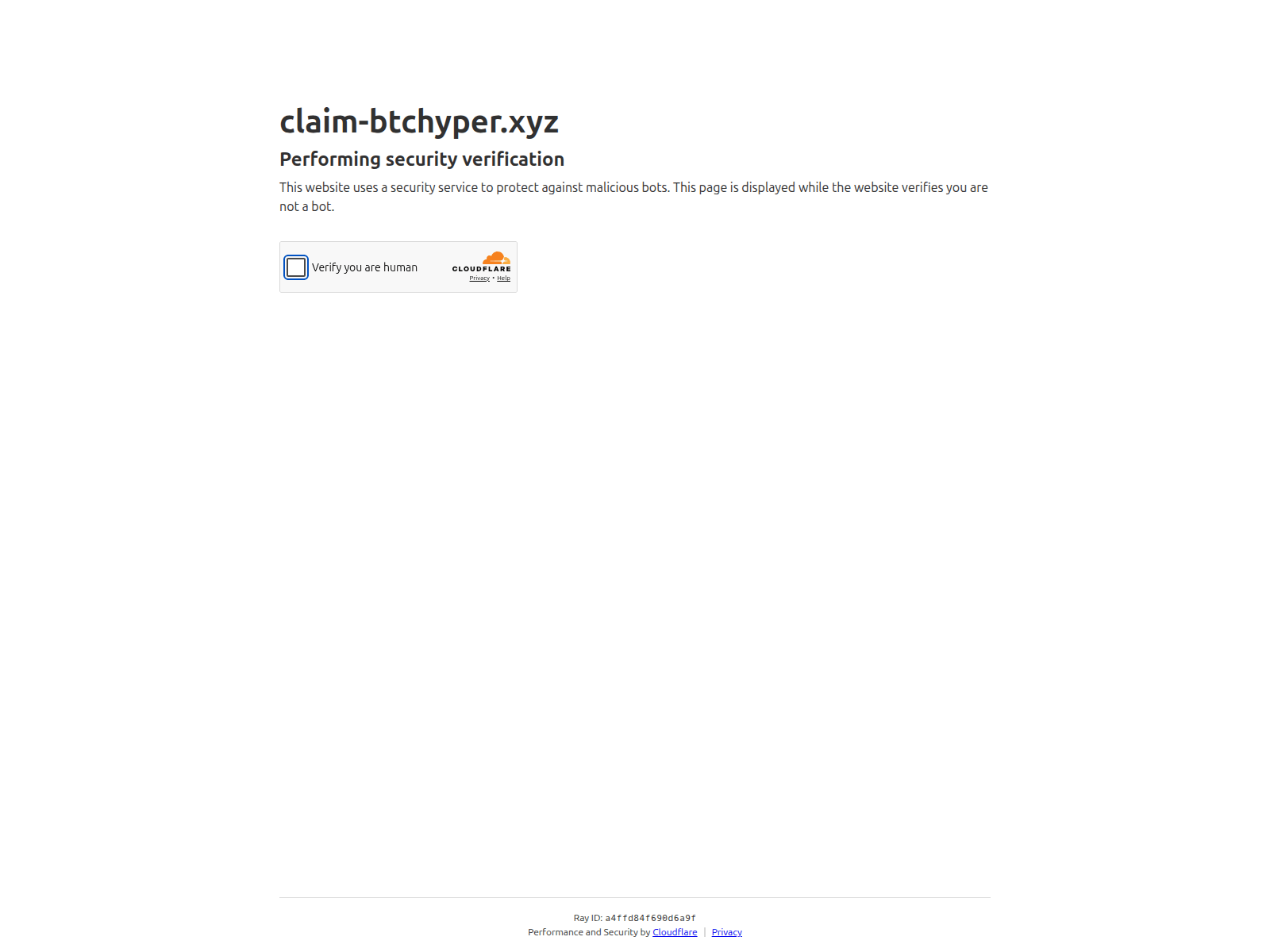
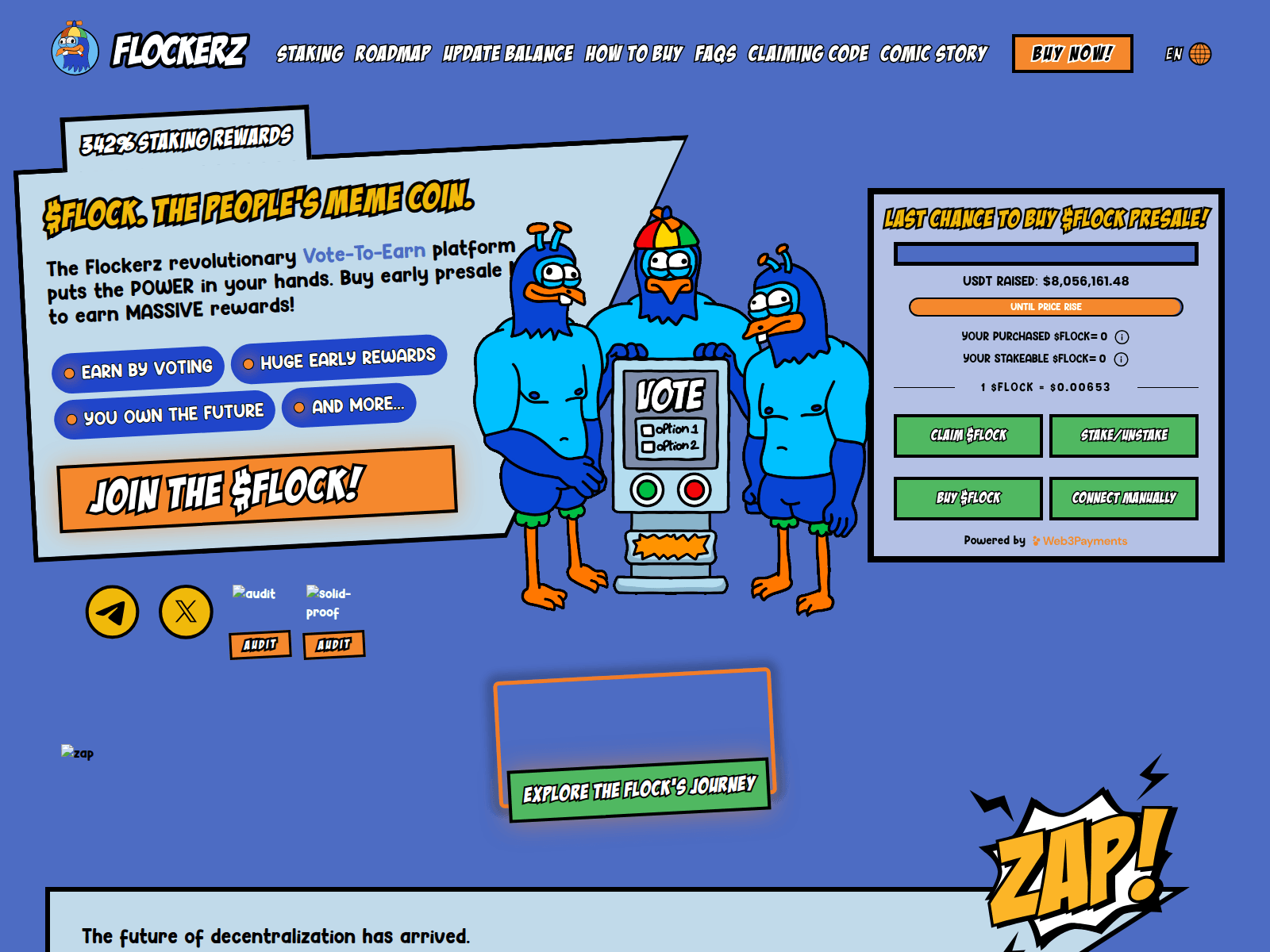
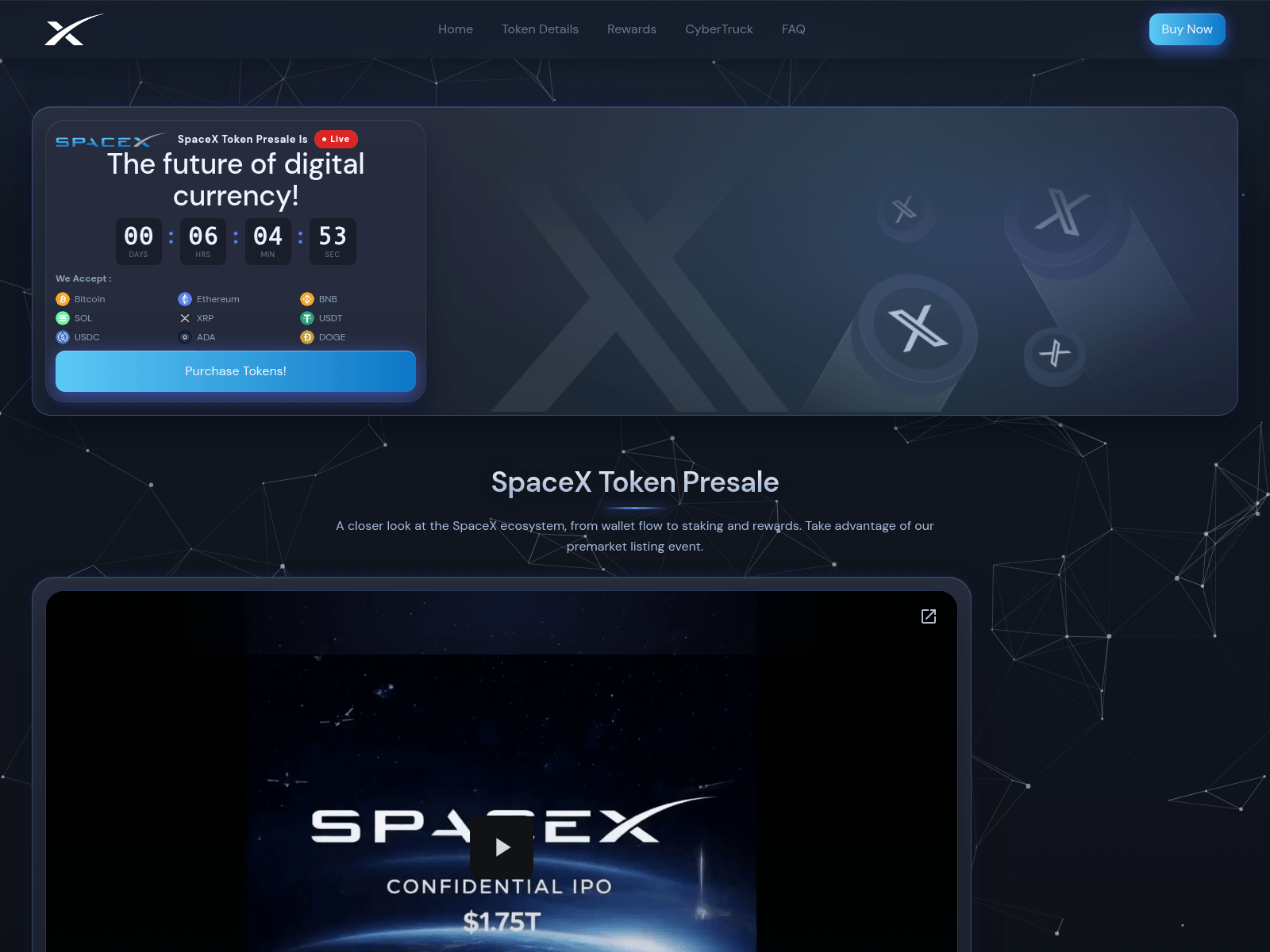
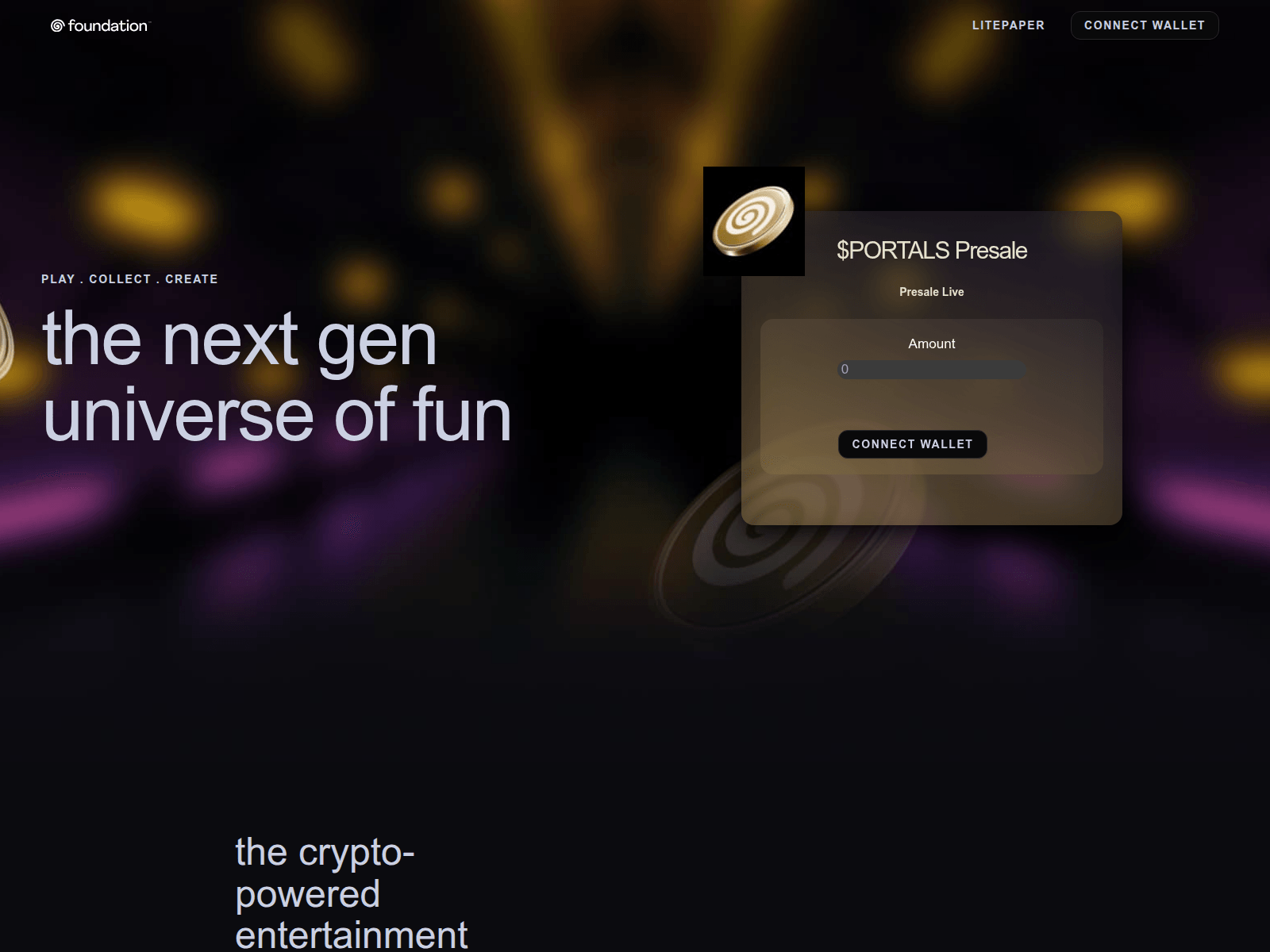
Fake Token Presale 707 domains



威胁响应 Pipeline
该中心内的每个域名是如何经过验证的,以及已确认的威胁是如何被消除的。 完整流程可视化 →
威胁情报核查— 每个域名都会经过扫描,并与以下内容进行交叉核对:
urlscan.io屏幕截图 · DOM · HTTPVirusTotal90+ 款杀毒引擎Google Safe Browsing透明度报告Cloudflare RadarDNS · 证书 · 分类AlienVault OTX威胁情报快讯Wayback Machine历史证据abuse.ch ThreatFoxIOC关联分析crt.sh证书透明度DNS安全过滤器Quad9 · AdGuard · CleanBrowsingWeb-检查全面扫描
 urlscan.io
 VirusTotal
 Google Safe Browsing
 Cloudflare Radar
 Wayback Machine
 abuse.ch ThreatFox
 crt.sh
 Web-检查
全球供应商同步— 已确认的检测结果将推送给 29 家合作伙伴:
GoogleSafe BrowsingGoogleWeb Risk APIMicrosoftSmartScreenVirusTotal检测源CloudflareRadar / 1.1.1.1YandexSafe BrowsingURLScan.io公开扫描ESETWebGuardBitdefender威胁情报交换NortonSafe WebSymantec网站评审Avira云端检测Avast / AVGWeb Shield卡巴斯基OpenTIPDr.Web在线扫描器Netcraft关停 APIPhishTank已验证的投票APWG eCX批量数据源PhishStats打开 feedPhish.Report主机滥用SpamhausDBL feedPolySwarmMarketplaceCheckPhishBolster scanQuttera恶意软件扫描URLquerySandboxCriminal IP资产情报CRDFThreat CenterScamadviser可信度评分MyWOTWeb of Trust
 Google
 Google
 Microsoft
 Yandex
 ESET
 Bitdefender
 Norton
 Symantec
 Avira
 Avast / AVG
 卡巴斯基
 Dr.Web
 Netcraft
 PhishTank
 APWG eCX
 PhishStats
 Phish.Report
 Spamhaus
 PolySwarm
 CheckPhish
 Quttera
 URLquery
 Criminal IP
 CRDF
 Scamadviser
 MyWOT