 ChainPatrol
 Web-Check
  SOCRadar
  LeakIX
FBI IC3
Amerika Birleşik Devletleri'nde internet bağlantılı suçları bildirin
Federal tips line1-800-CALL-FBI

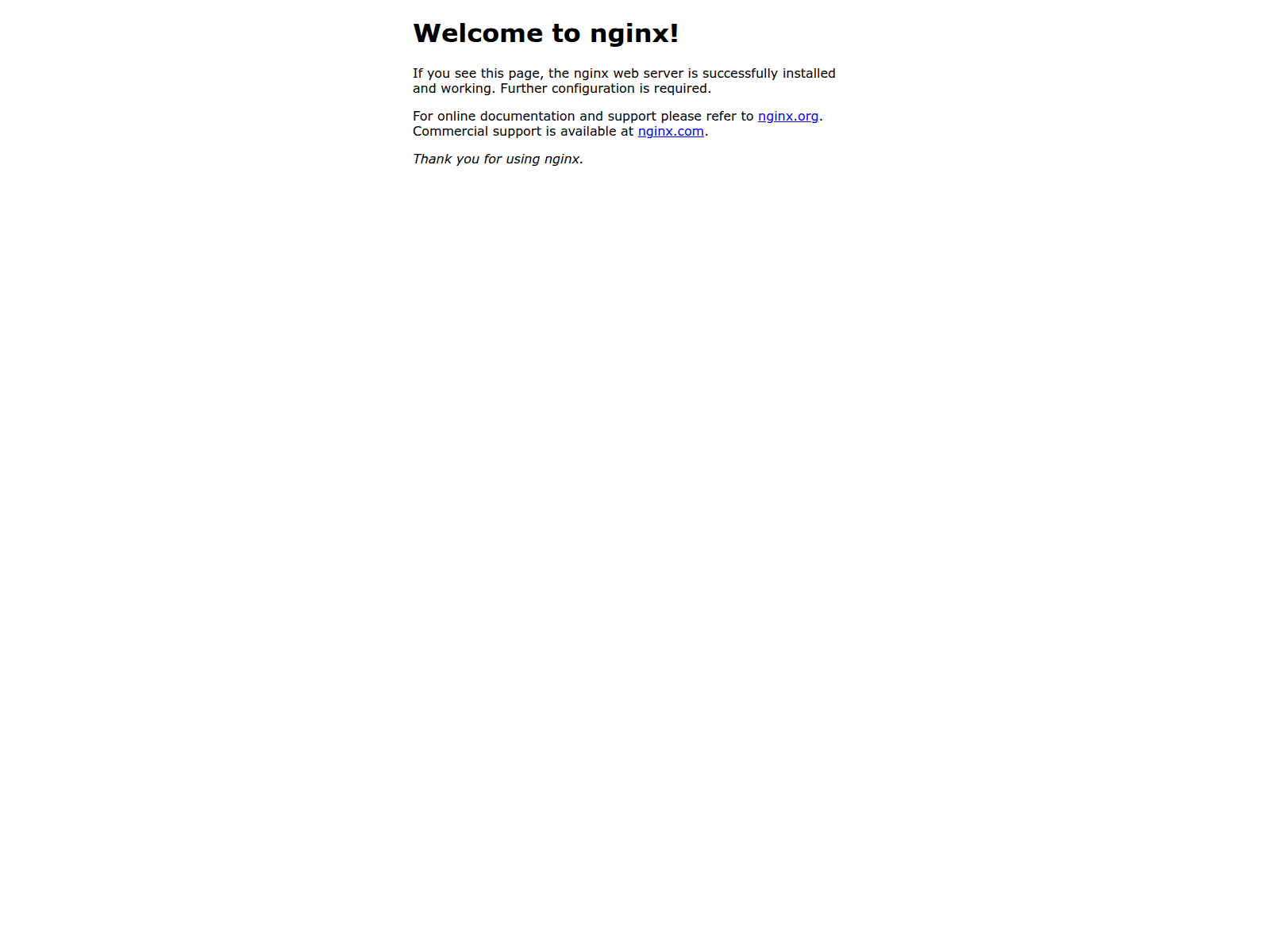
“Welcome to nginx!”
t-mobile.yihlr.cc — İçerik kullanılamıyor (HTTP 502). Kanıt özeti: VirusTotal 17/93 (ADMINUSLabs, BitDefender, Cluster25, CRDF, CyRadar); Spamhaus DBL_PHISH; PhishDestroy score 95/100.
Özgün adli kaydı korumak için aşağıdaki ayrıntılı PhishDestroy AI analizi İngilizce bırakılmıştır.
This domain is flagged for elevated-risk brand impersonation targeting X.com, a high-profile social media platform. The threat involves presenting a fraudulent interface designed to deceive users into believing they are interacting with the legitimate X.com service, likely aiming to harvest credentials, distribute malware, or facilitate unauthorized account access. Analysis indicates the domain was specifically crafted to exploit user trust in the X.com brand, with no legitimate association to the platform or its parent organization. Infrastructure analysis reveals the domain t-mobile.yihlr.cc was registered on February 21, 2026, and currently resolves to the IP address 172.67.210.164, hosted on AS13335 (Cloudflare, Inc.) in the United States. The domain is secured with a WE1 SSL certificate, a common tactic to lend an appearance of legitimacy. Security vendor detections on VirusTotal report 12/95 flags, with the domain appearing on at least one security blocklist and actively blocked by PhishDestroy. The page title 'Welcome to nginx!' suggests a default server configuration, often indicative of hastily deployed or low-effort phishing infrastructure. The creation date, while future-dated in the provided data, aligns with patterns observed in domains registered for short-term malicious campaigns. Mitigation steps for this threat type include immediate domain blacklisting across all network security controls, including firewalls, email gateways, and endpoint protection systems. Organizations should deploy indicators of compromise (IOCs) such as the domain t-mobile.yihlr.cc, IP 172.67.210.164, and SSL certificate issuer WE1 into threat intelligence platforms for real-time monitoring. User awareness training should emphasize verifying domain authenticity, particularly for login pages, and reporting suspicious URLs to internal security teams. Given the domain's current offline status, continuous monitoring is required to detect potential reactivation or migration to alternative infrastructure. Security teams are advised to review logs for prior connections to this domain and investigate any associated credential exposure or unauthorized access attempts.

 San Francisco, US
Hesap kimlik bilgilerini, kişisel bilgileri veya ödeme bilgilerini girdiyseniz ya da bu alan adından bir dosya indirdiyseniz hemen harekete geçin. Aşağıda olayı bildirmenize ve kendinizi korumanıza yardımcı olacak kaynaklar bulunmaktadır.


resmi siber suç iletişim bilgileri veya şikayet taslağı oluştur → almak için ülkenizi seçin.
Bu raporlar aynı paylaşılan uç IP'ye çözümlenir. Rapor keşfine yardımcı olurlar ancak ortak mülkiyeti veya paylaşılan bir kaynak sunucuyu ima etmezler.
PhishDestroy veritabanından yeni eklenen raporlar. Bu keşif bağlantıları, paylaşılan altyapı veya mülkiyet anlamına gelmez.
Saklanan engelleme listesi, WHOIS, DNS ve genel tarama kanıtlarını kullanarak tehdit analizi
Şimdi TaraŞüpheli alan adlarını tehdit veritabanımıza bildirin — topluluğu koruyun
BildirSon kimlik avı raporları ve gözlemlenen kullanılabilirlik değişiklikleri
İzleCanlı tehditleri izleyin veya bunun yanlış bir uyarı olduğunu düşünüyorsanız bu kayda itiraz edin
 cnear.com
  warrantytrustwallet.com