


 ChainPatrol
 Web-Check
  SOCRadar
  LeakIX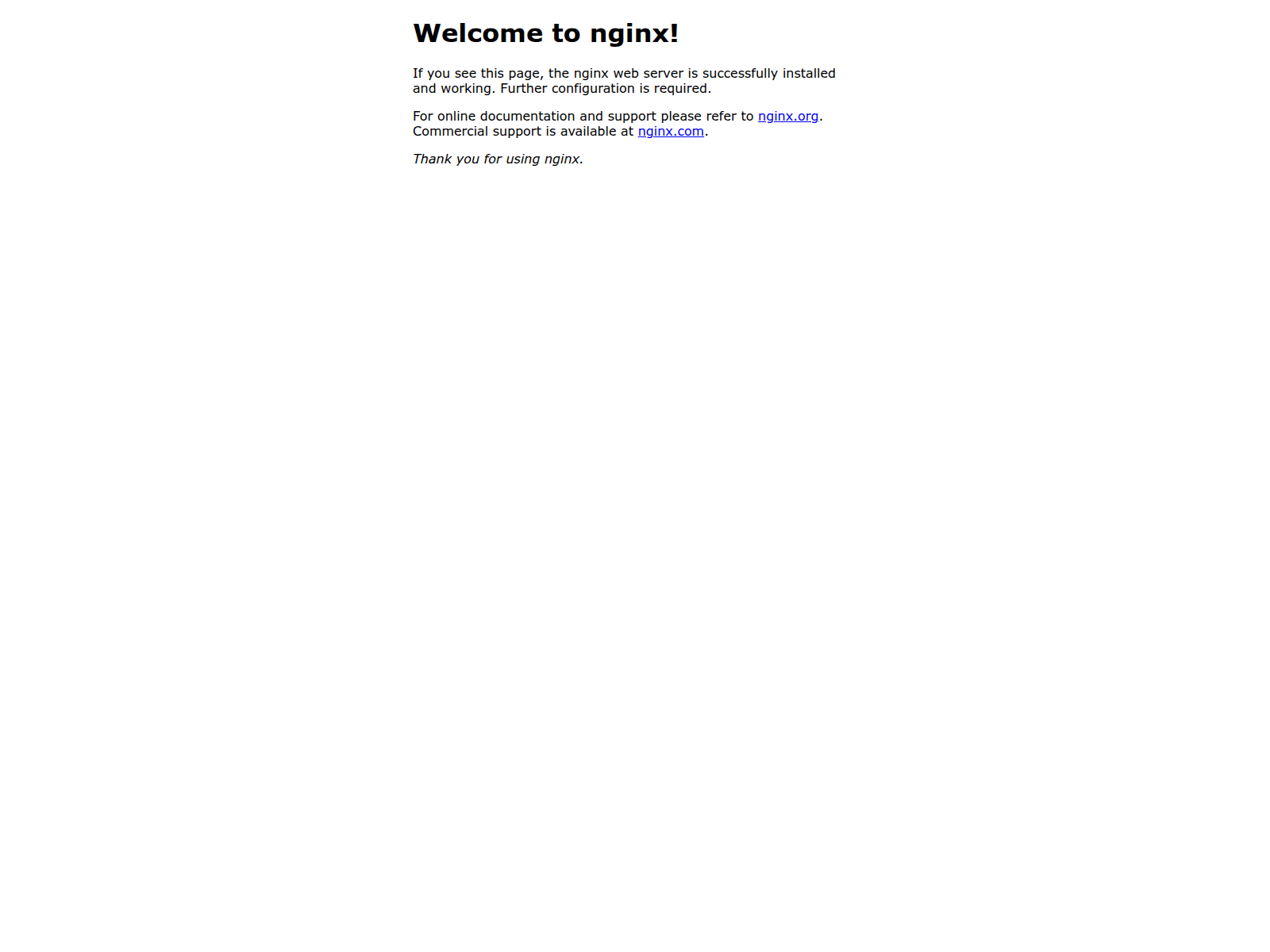

FBI IC3
Amerika Birleşik Devletleri'nde internet bağlantılı suçları bildirin
Federal tips line1-800-CALL-FBI

“Welcome to nginx!”
t-mobile.viflcbv.cc — İçerik kullanılamıyor (HTTP 502). Kanıt özeti: VirusTotal 18/95 (ADMINUSLabs, BitDefender, Chong Lua Dao, Cluster25, CRDF); Spamhaus DBL_PHISH; PhishDestroy score 95/100.
Özgün adli kaydı korumak için aşağıdaki ayrıntılı PhishDestroy AI analizi İngilizce bırakılmıştır.
This domain, t-mobile.viflcbv.cc, is flagged as a brand impersonation phishing site designed to mimic X.com (formerly Twitter). Analysis indicates the threat type involves fraudulent login pages or credential harvesting, though no specific drainer kit signatures were identified in initial scans. The domain leverages the T-Mobile brand name in its subdomain structure to enhance credibility, a common tactic in phishing campaigns targeting social media platforms. The page title 'Welcome to nginx!' suggests a misconfigured or placeholder server, which may indicate either an incomplete setup or an attempt to evade detection by security tools. Technical indicators reveal the domain was created on February 21, 2026, an anomalous future date likely resulting from registrar data manipulation or a typo. It resolves to the IPv6 address 2606:4700:3030::6815:1ad9, hosted on Cloudflare's infrastructure (AS13335). VirusTotal reports 18 out of 95 security vendors flagging the domain as malicious, while it appears on one security blocklist. The SSL certificate is issued by WE1, a provider often associated with low-cost or automated certificate issuance. No Google Safe Browsing (GSB) detections were recorded at the time of analysis, though this may reflect a lag in GSB's detection pipeline rather than an absence of malicious activity. The domain is currently offline, likely taken down due to detection by security blocklists or manual intervention. However, residual risk remains for users who may have interacted with the site prior to takedown, particularly if credentials were entered or malicious payloads were delivered. Infrastructure analysis reveals the use of Cloudflare, which can obscure hosting details and complicate attribution. Organizations and users are advised to block the domain and associated IP address at the network level, monitor for credential reuse, and conduct password resets for any accounts potentially exposed. Future monitoring of the registrar and certificate provider may reveal additional related domains, as threat actors often reuse infrastructure across campaigns.

 San Francisco, US
Hesap kimlik bilgilerini, kişisel bilgileri veya ödeme bilgilerini girdiyseniz ya da bu alan adından bir dosya indirdiyseniz hemen harekete geçin. Aşağıda olayı bildirmenize ve kendinizi korumanıza yardımcı olacak kaynaklar bulunmaktadır.


resmi siber suç iletişim bilgileri veya şikayet taslağı oluştur → almak için ülkenizi seçin.
PhishDestroy veritabanından yeni eklenen raporlar. Bu keşif bağlantıları, paylaşılan altyapı veya mülkiyet anlamına gelmez.
Saklanan engelleme listesi, WHOIS, DNS ve genel tarama kanıtlarını kullanarak tehdit analizi
Şimdi TaraŞüpheli alan adlarını tehdit veritabanımıza bildirin — topluluğu koruyun
BildirSon kimlik avı raporları ve gözlemlenen kullanılabilirlik değişiklikleri
İzleCanlı tehditleri izleyin veya bunun yanlış bir uyarı olduğunu düşünüyorsanız bu kayda itiraz edin