


 ChainPatrol
 Web-Check
  SOCRadar
  LeakIX
Безопасность домена и анализ угроз

t-mobile[.]cfmhu[.]cc
“Welcome to nginx!”
Вердикт по угрозе
Критический
95/100 оценка доказательств
Доступность
Контент недоступен
Контент был недоступен в последнем наблюдении.
Сигналы риска
Всего обнаружений вирусов: 18/93
Spamhaus DBL: DBL_PHISH
URLQuery threat systems: 5 alerts
Краткий обзор отчёта
t-mobile.cfmhu.cc — Контент недоступен (HTTP 502). Сводка доказательств: VirusTotal 18/93 (ADMINUSLabs, Criminal IP, alphaMountain.ai, BitDefender, Cluster25); URLQuery 5 alerts; Spamhaus DBL_PHISH; PhishDestroy score 95/100. Регистратор: Gname.
Подробный анализ PhishDestroy AI ниже оставлен на английском, чтобы сохранить исходную криминалистическую запись.
Сводка доказательств
КРИТИЧЕСКИЙ
This domain, t-mobile.cfmhu.cc, is identified as a brand impersonation threat targeting x.com, a high-profile social media platform. Analysis indicates the infrastructure was configured to deceive users into believing they were interacting with legitimate x.com services, likely for credential theft or unauthorized account access. The page title, 'Welcome to nginx!', suggests misconfigured or placeholder content, which may have been intended to host a phishing landing page mimicking the targeted brand's interface. No evidence of a crypto drainer kit or direct financial exfiltration mechanism was observed in this instance, though the domain's structure aligns with known impersonation tactics. Infrastructure analysis reveals the domain was registered through Gname.com Pte. Ltd. on February 21, 2026, an unusually future-dated creation that may indicate registry manipulation or a placeholder entry. It resolves to the IP address 172.67.157.30, hosted under AS13335 (Cloudflare, Inc.), a network frequently leveraged for both legitimate and malicious activities due to its proxy services. At the time of assessment, 18 out of 95 security vendors on VirusTotal flagged the domain as malicious, while it appeared on one additional security blocklist. No SSL certificate was present, further reducing the domain's legitimacy and increasing its detectability by security controls. Google Safe Browsing did not list the domain at the time of analysis, though this may reflect a delay in propagation rather than an absence of risk. The domain is currently offline, likely due to takedown actions or infrastructure abandonment by the threat actor. Despite its inactive status, residual risk remains, particularly for users who may have been exposed prior to its removal. Organizations are advised to monitor for related indicators, including the IP address 172.67.157.30 and the registrar Gname.com Pte. Ltd., as these may be reused in future campaigns. End users should verify domain authenticity before entering credentials, especially when redirected from unexpected sources. Security teams are recommended to update detection rules to include this domain and its associated indicators to prevent potential re-emergence or similar impersonation attempts.
VirusTotal
18 det.
URLQuery
5 threat alerts
URLScan
Зафиксированный статус
Контент недоступен 502

DestroyList
В списке
Reports Sent
1
Охват данных
VirusTotal
18 / 93
URLQuery
5 threat-system alerts
PhishStats
checked — no match recorded
OTX
no community references
CF Radar
scan completed
URLScan capture
сохраненный отчет
URLScan verdict
Анализ завершён
DNS-блокировки
не проверено
TLS
нет данных сертификата
WHOIS
not parsed
Снимок экрана
3 captures · 3 sources
Цепочка перенаправлений
не исследовано
Данные сетевой безопасности
| Detection System | Indicator | Verdict | Alert |
|---|---|---|---|
| OpenDNS | t-mobile.cfmhu.cc |
phishing | Phishing Block |
| Quad9 DNS | t-mobile.cfmhu.cc |
malicious | Sinkholed |
| Cloudflare DNS | t-mobile.cfmhu.cc |
malicious | Sinkholed |
| DNS4EU | t-mobile.cfmhu.cc |
malicious | Sinkholed |
| Hagezi Threat Feed | t-mobile.cfmhu.cc |
malicious | Sinkholed |
Процесс реагирования на угрозы
Открытие
Checks
Reports
Доступность
13/13
Sent Report Recorded
Stored sent-report record for registrar Gname.com Pte. Ltd., hosting provider, 1 abuse contact
complaint@gname.com
Статус в публичных блок-листах
Сохранённый снимок
Аналитика доменов
Домен
URLScan Verdict
Анализ завершён
score 0 report ↗
Сервер / ASN
cloudflare · AS13335 CLOUDFLARENET, US
IP Context
Cloudflare shared edge
origin IP hidden
Репутация Edge-IP не связана с этим доменом.
Registrar (base domain)
Gname
 (SG)
(SG)
(SG)
IP-адрес
172.67.157.30
CDN
Геолокация San Francisco, US
San Francisco, USСетьAS13335 · Cloudflare, Inc.
Исходный IP-адрес скрыт за прокси-сервером CDN. Результаты обратного IP-адреса для граничного адреса содержат несвязанных клиентов; для определения источника требуется пассивный DNS или данные прозрачности сертификатов.
Registration (base domain)cfmhu.cc · Expires 11.01.2027
Статус HTTP502 Error
Технические сведенияDNS, SAN в протоколе SSL, временные метки
Впервые обнаружено19.01.2026
DOM Analysisanalyzed 23.04.2026score 10/100
IoC Extractionscanned 02.08.20260 wallet · 0 Telegram IoCs
Submitted URLhttp://t-mobile.cfmhu.cc/
Серверы имёнjasper.ns.cloudflare.comlilith.ns.cloudflare.com
TLS Observationvalid from 11.01.2026scanned 15.03.2026
Case ID
Пожаловаться на этот домен
Предоставьте доказательства и помогите защитить других
Анализ VirusTotal
18 / Поставщики средств безопасности 93 отметили этот домен
View on VT
Last analyzed
ADMINUSLabs
Criminal IP
alphaMountain.ai
BitDefender
Cluster25
CRDF
CyRadar
ESET
Forcepoint ThreatSeeker
Fortinet
G-Data
Gridinsoft
Lionic
Seclookup
SOCRadar
Sophos
VIPRE
Webroot
Доказательства и внешние отчеты
Анализ безопасности
Submitted Evidence Snapshot
Sent: Ledger records: 1
Case ID:
PD-20260119-5F7FB1 Recipient: complaint@gname.com OSINT и разведка
DNS и сеть
SEO и домены
Повлиял ли на вас этот сайт?
If credentials were compromised, report immediately. Do not engage with recovery scammers.
Если вы ввели учетные данные, личную или платежную информацию или загрузили файл с этого домена, примите немедленные меры. Ниже приведены ресурсы, которые помогут вам сообщить об инциденте и защитить себя.


«Action Fraud»
Сообщайте о мошенничестве и киберпреступлениях в Англии, Уэльсе и Северной Ирландии
Contact centre0300 123 2040
PhishDestroy listing review Не отчет правоохранительных органов
Обжалование решения по домену
Запросите проверку, если вы являетесь владельцем этого домена и считаете, что его данные неверны.
Остерегайтесь мошенников, предлагающих услуги по восстановлению данных! Преступники могут снова связаться с жертвами, притворяясь следователями, адвокатами или агентами по восстановлению. Не платите авансовые платежи и не делитесь учетными данными. Узнайте больше о мошенничестве при получении компенсаций →
Сообщите об этом в местные органы власти
Выберите свою страну, чтобы получить официальные контакты по киберпреступности или создать проект жалобы →.
Каталог 97 стран
Черновик по шаблону • помощь AI с формулировками включается только с отдельного согласия.
Просмотрите и отправьте его самостоятельно
Связанная инфраструктура и отчёты
Content matches 4
Другие отчеты об общем крае Cloudflare 1
Эти отчеты относятся к одному и тому же общему граничному IP-адресу. Они помогают при обнаружении отчетов, но не подразумевают совместное владение или общий исходный сервер.
 casinoposido1.com
 Тот же регистратор: Gname 6
 mhvqol.shop
  fnlockers.cc
  cnear.com
  f230q.xyz
 Недавние сообщения об угрозах 4
Недавно добавленные отчёты об угрозах. Эти ссылки не означают общую инфраструктуру или одного владельца.
 terbolox.org
  quiz-amazon.shop
  mrbeastgift.com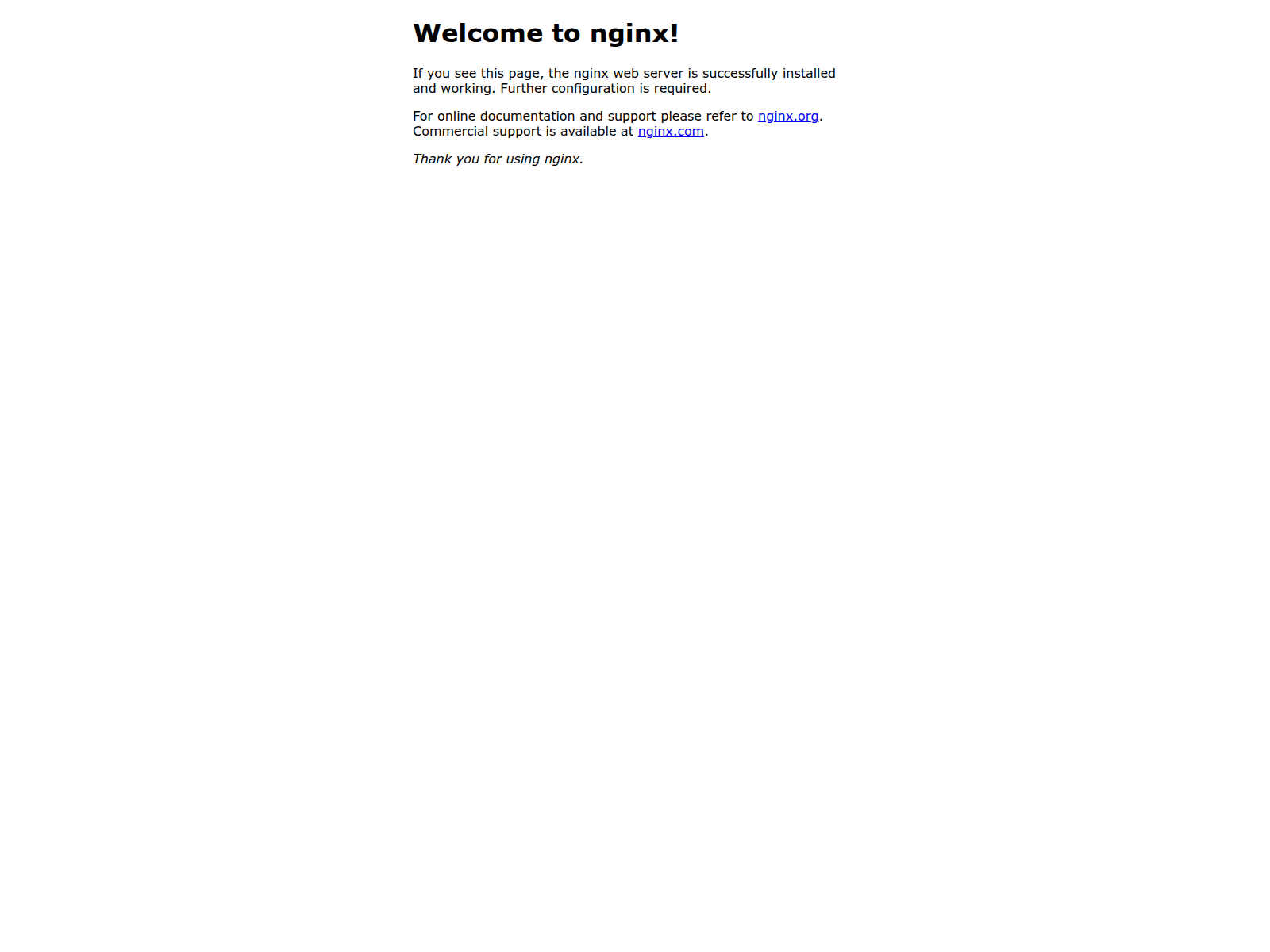
Проверить любой домен
Анализ угроз с использованием сохраненного черного списка, WHOIS, DNS и общедоступных доказательств сканирования.
Сканировать сейчасСообщить о фишинге
Добавляйте подозрительные домены в нашу базу данных угроз — защищайте сообщество
СообщитьПоток оперативных данных об угрозах
Недавние сообщения о фишинге и наблюдаемые изменения доступности
ОтслеживатьБудьте в курсе событий, берегите себя
Отслеживайте актуальные угрозы или оспорьте эту запись, если считаете, что это ложное срабатывание