


 ChainPatrol
 Web-Check
  SOCRadar
  LeakIX
Безопасность домена и анализ угроз

cgl[.]iwp[.]mybluehost[.]me
“Welcome — Próximamente”
Вердикт по угрозе
Критический
78/100 оценка доказательств
Доступность
Непроверенный
Текущая доступность не проверена
Сигналы риска
Всего обнаружений вирусов: 6/91
Краткий обзор отчёта
cgl.iwp.mybluehost.me — Непроверенный. Сводка доказательств: VirusTotal 6/91 (alphaMountain.ai, Chong Lua Dao, Emsisoft, Gridinsoft, LevelBlue); CF Radar malicious; PhishDestroy score 78/100. Регистратор: Domain.com - Network S….
Подробный анализ PhishDestroy AI ниже оставлен на английском, чтобы сохранить исходную криминалистическую запись.
Сводка доказательств
КРИТИЧЕСКИЙ
cgl.iwp.mybluehost.me is currently active and has been classified as a generic phishing site. The domain was registered on October 05 2016 through Domain.com – Network Solutions, LLC and is hosted on the MyBluehost infrastructure, using the authoritative nameservers ns1.mybluehost.me and ns2.mybluehost.me. DNS resolution points to the IPv4 address 69.6.192.12, which belongs to an Oracle Corporation network (AS31898) located in Spain. The server presents a Sectigo Limited‑issued DV certificate (Sectigo Public Server Authentication CA R36), indicating that TLS is enabled but offering no additional trust.
HTTP requests receive a 302 redirect response, a common technique used to forward victims to malicious payloads or credential‑harvesting pages. The public page title returned by the web server is “Welcome — Próximamente”, and no further content has been collected, leaving the exact phishing landing page unknown. Threat intelligence sources have placed the domain on a single security blocklist and it is explicitly blocked by the PhishDestroy service. VirusTotal analysis reports that 8 of 93 scanned security vendors flag the domain as malicious, reinforcing the suspicion of phishing activity.
The limited number of blocklist appearances suggests that the infrastructure may be newly repurposed or that detection coverage is still expanding. Defenders should consider immediate network‑level blocking of the domain and its resolved IP address, enforce TLS inspection to capture any redirected traffic, and monitor for new sub‑domains under the same registrar and nameserver pair. Continuous re‑scanning with multi‑vendor engines is advised to detect any changes in the detection ratio. Because the underlying content has not been fully enumerated, threat hunters should collect the actual response payloads after following the 302 redirect to confirm the credential‑stealing mechanism and to enrich detection signatures.
VirusTotal
6 det.
CF Radar
Вредоносный
URLScan
Сертификат TLS
Sectigo Limited / Sectigo Public Server Authentication CA DV R36
Возраст
9.9 yr
Зафиксированный статус
Непроверенный

DestroyList
В списке
Охват данных
VirusTotal
6 / 91
URLQuery
отчет сохранен — ожидается подробный вердикт
PhishStats
не проверено
OTX
no community references
CF Radar
provider verdict: malicious
URLScan capture
сохраненный отчет
URLScan verdict
Анализ завершён
DNS-блокировки
не проверено
TLS
valid certificate, 141d
WHOIS
120 mo old
Снимок экрана
2 captures · 2 sources
Цепочка перенаправлений
не исследовано
Данные сетевой безопасности
Процесс реагирования на угрозы
Открытие
Checks
Reports
Доступность
14/16
Статус в публичных блок-листах
Сохранённый снимок
Аналитика доменов
Домен
URLScan Verdict
Анализ завершён
score 0 report ↗
Сервер / ASN
Apache · AS31898 ORACLE-BMC-31898, US
Репутация IP
abuse score 0/100 0 reports checked 16.08.2026
Registrar (base domain)
Domain.com - Network S…
 (US)
(US)
(US)
Registration (base domain)mybluehost.me · Создано 05.10.2016 — Expires 05.10.2026
Технические сведенияDNS, SAN в протоколе SSL, временные метки
Впервые обнаружено26.12.2025
DOM Analysisanalyzed 10.07.2026score 78/100
IoC Extractionscanned 29.07.20260 wallet · 0 Telegram IoCs
Submitted URLhttp://cgl.iwp.mybluehost.me/
Серверы имёнns1.mybluehost.mens2.mybluehost.me
TLS Fingerprint
TLS Observationvalid from 06.01.2026scanned 12.03.2026
TLS SAN Domainsbluehost.com
Пожаловаться на этот домен
Предоставьте доказательства и помогите защитить других
Анализ VirusTotal
6 / Поставщики средств безопасности 91 отметили этот домен
View on VT
Last analyzed Previous stored snapshot: 8 detections
alphaMountain.ai
Chong Lua Dao
Emsisoft
Gridinsoft
LevelBlue
Webroot
Архивные доказательства
Wayback Machine Snapshot
Исторический снимок доступен для проверки доказательств.
Доказательства и внешние отчеты
Анализ безопасности
OSINT и разведка
DNS и сеть
SEO и домены
Повлиял ли на вас этот сайт?
If credentials were compromised, report immediately. Do not engage with recovery scammers.
Если вы ввели учетные данные, личную или платежную информацию или загрузили файл с этого домена, примите немедленные меры. Ниже приведены ресурсы, которые помогут вам сообщить об инциденте и защитить себя.

«Action Fraud»
Сообщайте о мошенничестве и киберпреступлениях в Англии, Уэльсе и Северной Ирландии
Contact centre0300 123 2040
PhishDestroy listing review Не отчет правоохранительных органов
Обжалование решения по домену
Запросите проверку, если вы являетесь владельцем этого домена и считаете, что его данные неверны.
Остерегайтесь мошенников, предлагающих услуги по восстановлению данных! Преступники могут снова связаться с жертвами, притворяясь следователями, адвокатами или агентами по восстановлению. Не платите авансовые платежи и не делитесь учетными данными. Узнайте больше о мошенничестве при получении компенсаций →
Сообщите об этом в местные органы власти
Выберите свою страну, чтобы получить официальные контакты по киберпреступности или создать проект жалобы →.
Каталог 97 стран
Черновик по шаблону • помощь AI с формулировками включается только с отдельного согласия.
Просмотрите и отправьте его самостоятельно
Связанная инфраструктура и отчёты
Content matches 4
Shared IP 69.6.192.12 3
На этом исходном IP-адресе размещено несколько фишинговых доменов — инфраструктура может использоваться в разных кампаниях.
Тот же регистратор: Domain.com - Network S… 6
 admin-dev.blackuptech.com
 Недавние сообщения об угрозах 4
Недавно добавленные отчёты об угрозах. Эти ссылки не означают общую инфраструктуру или одного владельца.
 megatradespro.com
  hii-alight.com
  disney2-0.vercel.app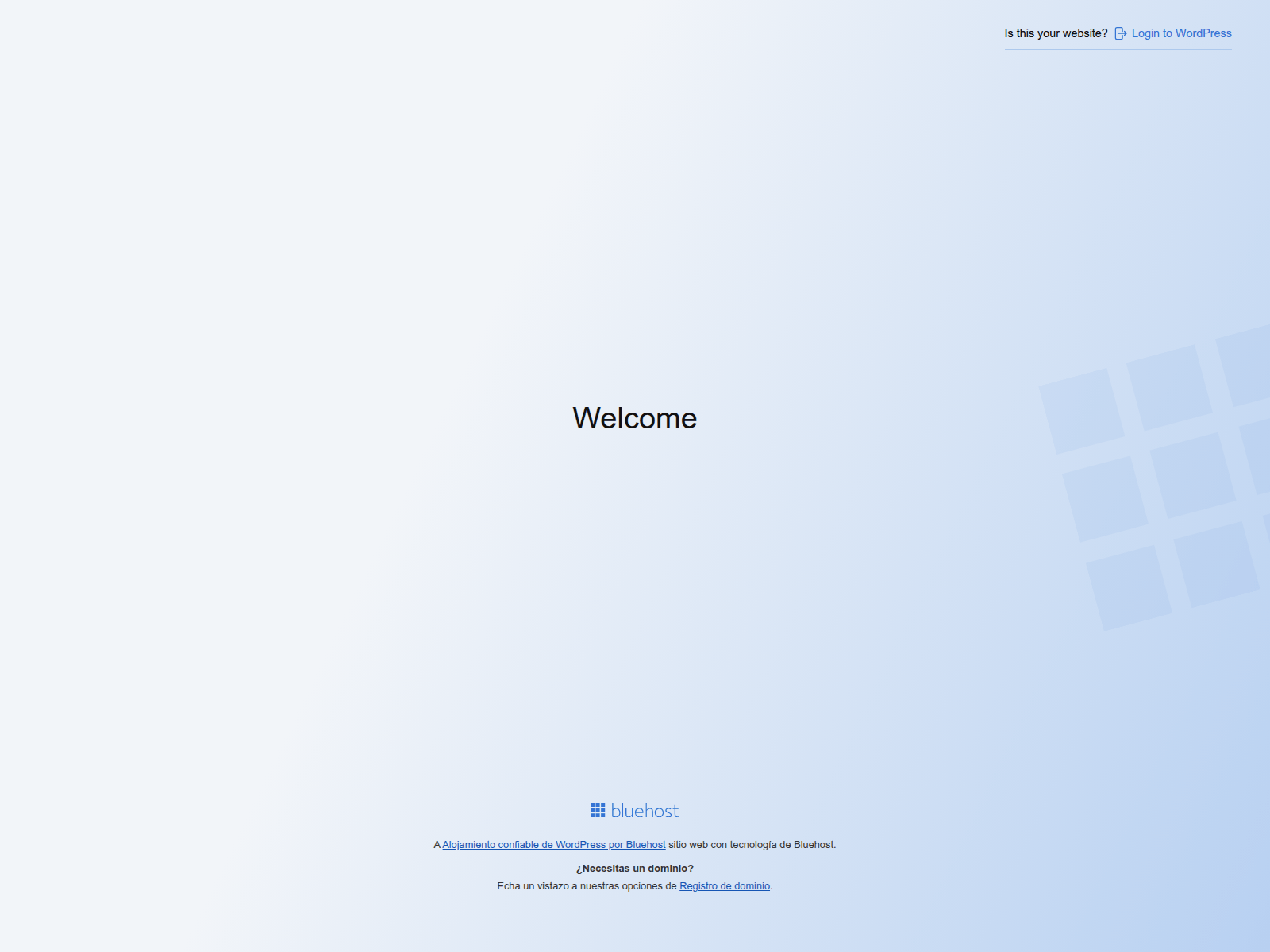
Проверить любой домен
Анализ угроз с использованием сохраненного черного списка, WHOIS, DNS и общедоступных доказательств сканирования.
Сканировать сейчасСообщить о фишинге
Добавляйте подозрительные домены в нашу базу данных угроз — защищайте сообщество
СообщитьПоток оперативных данных об угрозах
Недавние сообщения о фишинге и наблюдаемые изменения доступности
ОтслеживатьБудьте в курсе событий, берегите себя
Отслеживайте актуальные угрозы или оспорьте эту запись, если считаете, что это ложное срабатывание