ChainPatrol
 Web-Check
  SOCRadar
  LeakIX
FBI IC3
Denuncie crimes possibilitados pela Internet nos Estados Unidos
Federal tips line1-800-CALL-FBI

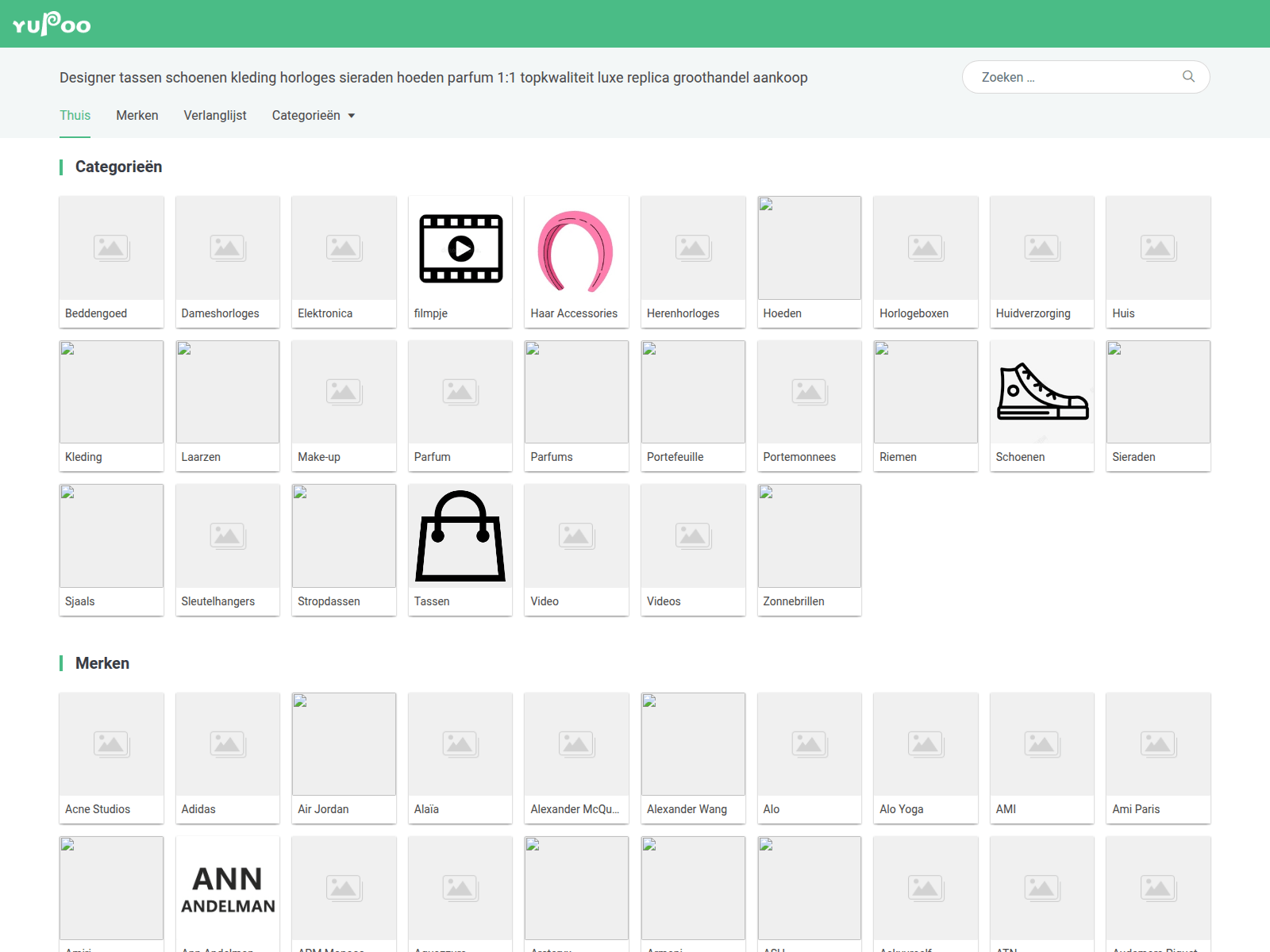
“Thuis - yupoo netherlands”
yupoonetherlands.ru — Conteúdo indisponível (HTTP 502). Representação da marca: WhatsApp; Tipo de golpe: Crypto Scam. Resumo das evidências: VirusTotal 19/95 (ADMINUSLabs, alphaMountain.ai, Bfore.Ai PreCrime, BitDefender, CRDF); 3 external blocklist matches (Polkadot, Enkrypt, Codeesura); PhishDestroy score 95/100. Registrador: RU-CENTER-RU.
A análise detalhada do PhishDestroy AI permanece em inglês para preservar o registro forense original.
This domain, yupoonetherlands.ru, poses a high-risk brand impersonation threat designed to deceive users into believing they are interacting with WhatsApp, a widely used messaging platform. The site likely employs social engineering tactics, such as fake login portals or fraudulent notifications, to harvest user credentials, personal information, or financial details. Brand impersonation attacks like this exploit trust in well-known services to bypass user skepticism, increasing the likelihood of successful compromise. Given the domain’s offline status, it may have already been taken down, but similar threats often reappear under new domains or infrastructure. Analysis indicates this domain was registered on April 17, 2025, through RU-CENTER-RU, a registrar frequently associated with malicious activity. Infrastructure analysis reveals the site resolved to IP address 172.67.159.228, hosted on Cloudflare’s network (AS13335), a common tactic to obscure the true origin of fraudulent sites. The domain lacks an SSL certificate, a red flag for legitimacy, and is flagged by 17 out of 95 security vendors on VirusTotal. Additionally, it appears on five security blocklists, including PhishDestroy and PhishingDB, further confirming its malicious nature. The page title, 'Thuis - yupoo netherlands,' suggests an attempt to mimic localized or regional services, a technique often used to lower user defenses. If you visited yupoonetherlands.ru or entered any information on the site, immediate action is required. First, disconnect the affected device from the internet to prevent potential data exfiltration. Run a full antivirus scan to detect and remove any malware or spyware that may have been installed. Change passwords for all accounts accessed from the compromised device, prioritizing email, financial, and social media platforms. Enable multi-factor authentication wherever possible to add an extra layer of security. Monitor accounts for unusual activity, such as unauthorized logins or transactions, and report any suspicious behavior to the relevant service providers. Users should also consider freezing their credit if financial information was exposed. Finally, report the domain to local cybersecurity authorities or platforms like the Anti-Phishing Working Group to aid in broader mitigation efforts.

 (RU)
(RU)
 San Francisco, US
Se você inseriu credenciais de conta, informações pessoais ou de pagamento, ou baixou um arquivo deste domínio, tome medidas imediatas. Abaixo estão os recursos para ajudá-lo a relatar o incidente e se proteger.


Selecione seu país para obter contactos oficiais do cibercrime ou crie um rascunho de reclamação →.
These domains also target WhatsApp users. View all WhatsApp threats →
Relatórios adicionados recentemente do banco de dados PhishDestroy. Esses links de descoberta não implicam infraestrutura ou propriedade compartilhada.
Análise de ameaças usando lista de bloqueio armazenada, WHOIS, DNS e evidências de verificação pública
Digitalize agoraEnvie domínios suspeitos para nosso banco de dados de ameaças — proteja a comunidade
DenunciarRelatórios recentes de phishing e alterações de disponibilidade observadas
MonitorarMonitore ameaças em tempo real ou conteste esta listagem caso acredite que se trate de um falso positivo
 kraken-ssilka-onion.ru
  slon4-at-zerkalo.ru
  kra47ccc.ru
  krab6--cc.ru
  drk-whatsapp.hk.cn
  opensea-session443.onrender.com
  sjdd.gitbook.io