
 ChainPatrol
 Web-Check
  SOCRadar
  LeakIX
FBI IC3
Denuncie crimes possibilitados pela Internet nos Estados Unidos
Federal tips line1-800-CALL-FBI

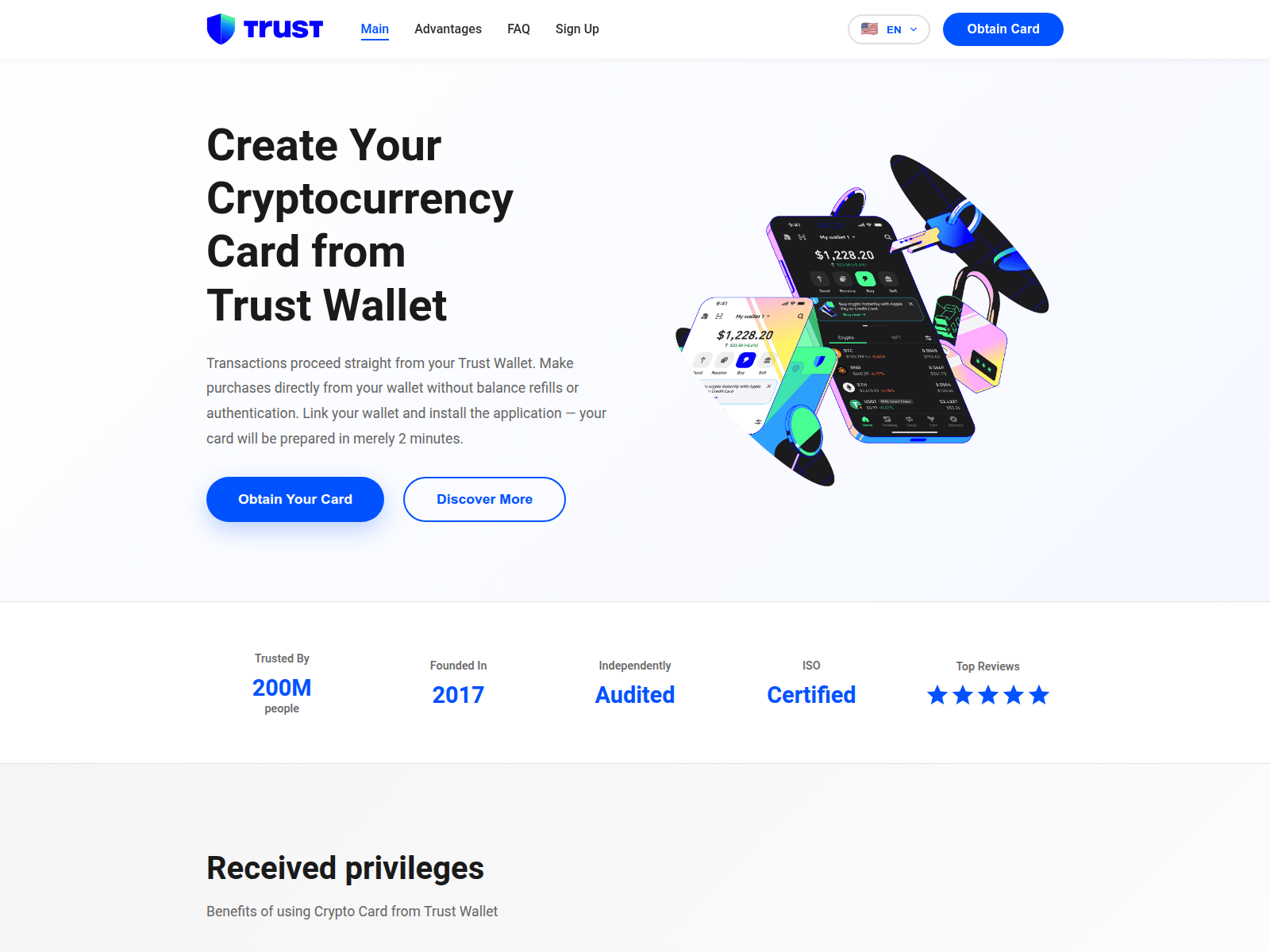
“Trust - Cryptocurrency Card from Trust Wallet”
trustcards.io — Erro no servidor (HTTP 502). Representação da marca: Trust Wallet; Tipo de golpe: Brand Impersonation. Resumo das evidências: VirusTotal 10/94 (alphaMountain.ai, CRDF, Emsisoft, Fortinet, G-Data); URLScan malicious verdict; Spamhaus DBL_PHISH; 2 external blocklist matches (MetaMask, SEAL); PhishDestroy score 80/100. Registrador: NiceNIC.
A análise detalhada do PhishDestroy AI permanece em inglês para preservar o registro forense original.
trustcards.io has been identified by PhishDestroy as a live phishing domain actively serving fraudulent content designed to steal payment card information. The site mimics legitimate card services to deceive users into submitting sensitive financial details, which are then harvested by threat actors for immediate exploitation. This domain is currently under active investigation and poses an immediate risk to any user who engages with its content. The site was first detected on March 25 2026 and remains unblocked across most threat intelligence platforms, indicating a rapidly evolving threat that has yet to be fully contained.
This domain resolves to IP address 188.114.97.3 and is protected by a Let’s Encrypt SSL certificate to appear legitimate. It was registered through NICENIC INTERNATIONAL GROUP CO., LIMITED and currently shows zero detections out of 95 engines on VirusTotal, suggesting it has evaded detection by most antivirus vendors. No entries were found on major blocklists at the time of analysis, and no reputation scores are available from threat intelligence feeds. The domain is less than one week old, which is typical for newly launched phishing campaigns designed to operate before takedown processes can be initiated.
Users are strongly advised to avoid accessing trustcards.io or any subpages and to report the domain to their security teams immediately. Organizations should consider blocking the domain and IP address at the network perimeter using DNS and firewall rules. Employees should be reminded not to input any payment or personal information into unknown or unsolicited websites. Security teams are encouraged to monitor for outbound connections to 188.114.97.3 and to scan endpoints for signs of credential theft or unauthorized data exfiltration. Given the lack of detection coverage, behavioral monitoring and user awareness training remain critical defenses against this emerging threat.

 (RU)
PhishDestroy Investigation
(RU)
PhishDestroy Investigation
 Toronto, CA
Conversion-tracking pixel by Meta — logs page views and custom events to Facebook/Instagram ad accounts.
www.facebook.comPerformance monitoring tool that measures website speed from real users.
www.cloudflare.comWeb infrastructure and security company providing CDN, DDoS mitigation, and DNS services.
www.cloudflare.comThird major version of HTTP protocol, built on QUIC for faster, more reliable connections.
Google PageSpeed Insights — mobile performance audit of trustcards.io · checked Mar 27, 2026
Se você inseriu credenciais de conta, informações pessoais ou de pagamento, ou baixou um arquivo deste domínio, tome medidas imediatas. Abaixo estão os recursos para ajudá-lo a relatar o incidente e se proteger.


Selecione seu país para obter contactos oficiais do cibercrime ou crie um rascunho de reclamação →.
Esses relatórios são resolvidos para o mesmo IP de borda compartilhado. Eles ajudam na descoberta de relatórios, mas não implicam propriedade comum ou um servidor de origem compartilhado.
These domains also target Trust Wallet users. View all Trust Wallet threats →
Relatórios adicionados recentemente do banco de dados PhishDestroy. Esses links de descoberta não implicam infraestrutura ou propriedade compartilhada.
Análise de ameaças usando lista de bloqueio armazenada, WHOIS, DNS e evidências de verificação pública
Digitalize agoraEnvie domínios suspeitos para nosso banco de dados de ameaças — proteja a comunidade
DenunciarRelatórios recentes de phishing e alterações de disponibilidade observadas
MonitorarMonitore ameaças em tempo real ou conteste esta listagem caso acredite que se trate de um falso positivo
 flamefortune.cc
  livepump.solstream.cc
  epicstresser.net
  zebec-app.lat