dfximpact.live
  kineticmarket.pro
  betmexico-bet.com.mx
  stake-casino.ie
  stresser.pw
  ipstresser.ru
FBI IC3
Denuncie crimes possibilitados pela Internet nos Estados Unidos
Federal tips line1-800-CALL-FBI
The sent-report ledger records the first outgoing report at . A report was sent to the recorded registrar; contact details remain in Domain Intelligence. The latest stored availability evidence still shows the domain reachable; 16 days has elapsed since the first outgoing report.
ICANN RAA §3.18 describes registrar abuse-contact and handling obligations. This section records outgoing timestamps and later availability. It does not by itself prove receipt, acknowledgement, investigation, remediation, or contractual non-compliance.

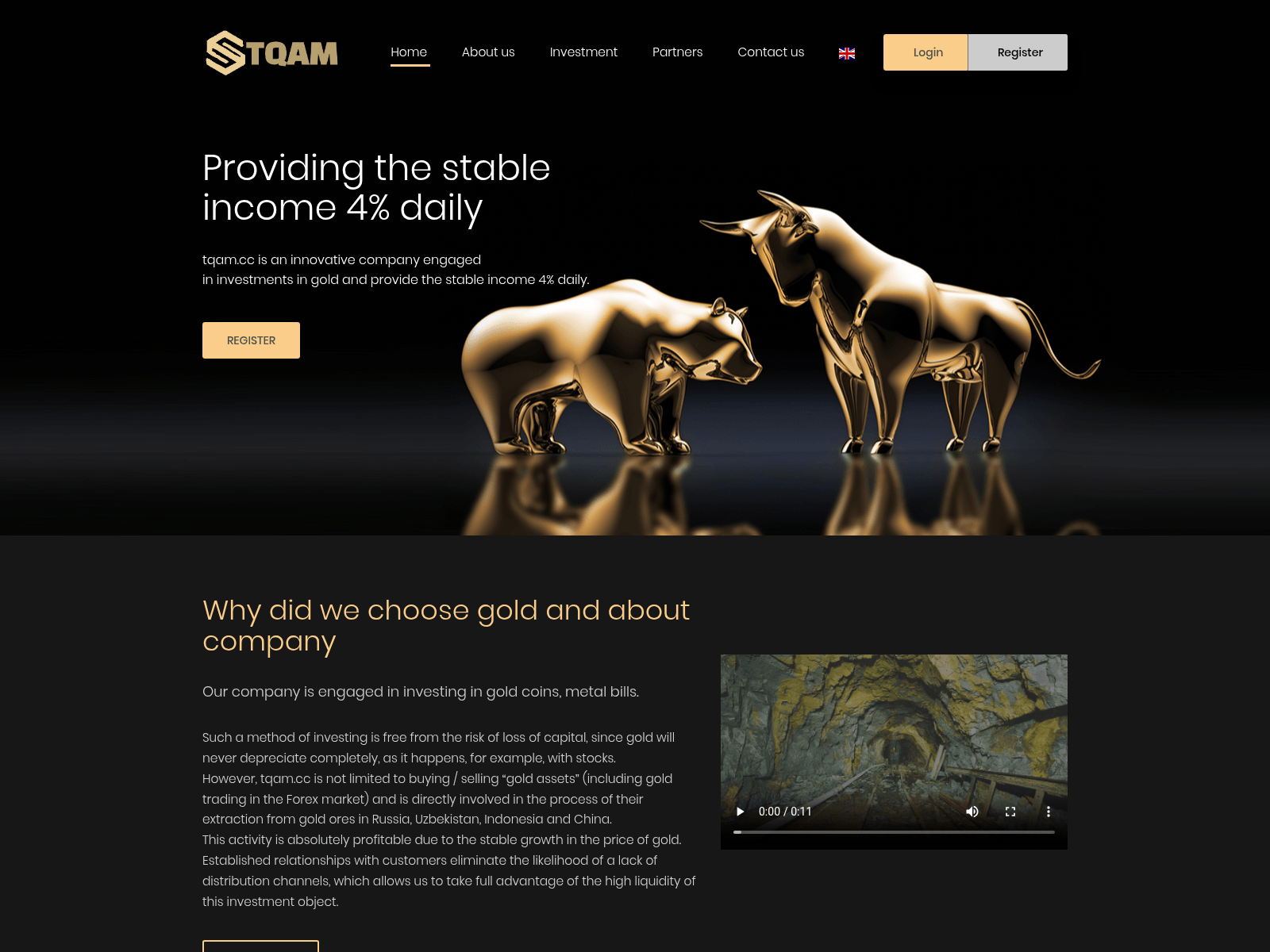
“Home / tqam.cc”
The domain tqam.cc is currently classified as a high‑risk generic phishing operation and remains active as of the report date, July 27, 2026. Registration data shows the domain was created on June 24, 2026 through Dynadot Inc, indicating a very short lifespan typical of malicious infrastructure. DNS resolution points to the IPv4 address 188.114.97.3 and the authoritative nameservers are hal.ns.cloudflare.com and venus.ns.cloudflare.com, both belonging to Cloudflare’s global network, which can provide anonymity and rapid re‑deployment for threat actors.
Threat intelligence indicates the domain is listed on a single security blocklist and has been blocked by the PhishDestroy service, reflecting that at least one external mitigation platform has taken action against it. VirusTotal analysis records five of ninety‑one security vendors flagging tqam.cc, demonstrating modest but notable detection across the scanning ecosystem. No additional evidence such as SSL certificates, HTTP response codes, or page titles is presently available, leaving the exact content of the site unverified.
Defenders should continue to monitor tqam.cc for changes in detection prevalence, consider adding the domain to internal blocklists, and enforce outbound traffic filtering to prevent user interaction. Given the recent creation date, active status, and existing detections, the domain should be treated as a confirmed phishing threat pending further investigation.
PD-20260727-70BFE8
10 fontes externas monitoradas · instantâneo de 13/08/2026
Primeiro valor armazenado: Acessível
Denunciado por 0 membro da comunidade; visto pela primeira vez em 27/07/2026
3 denúncias da comunidade
CategoriaOTHER_INVESTMENT_SCAM
Data submited by Intelligence for good
 (US)
(US)
 Toronto, CA
9 tecnologias identificadas com alta confiança
Google PageSpeed Insights — mobile performance audit of tqam.cc · checked Jul 27, 2026
Esses relatórios são resolvidos para o mesmo IP de borda compartilhado. Eles ajudam na descoberta de relatórios, mas não implicam propriedade comum ou um servidor de origem compartilhado.
Relatórios adicionados recentemente do banco de dados PhishDestroy. Esses links de descoberta não implicam infraestrutura ou propriedade compartilhada.
Se você inseriu credenciais de conta, informações pessoais ou de pagamento, ou baixou um arquivo deste domínio, tome medidas imediatas. Abaixo estão os recursos para ajudá-lo a relatar o incidente e se proteger.


Selecione seu país para obter contactos oficiais do cibercrime ou crie um rascunho de reclamação →.
Análise de ameaças usando lista de bloqueio armazenada, WHOIS, DNS e evidências de verificação pública
Digitalize agoraEnvie domínios suspeitos para nosso banco de dados de ameaças — proteja a comunidade
DenunciarRelatórios recentes de phishing e alterações de disponibilidade observadas
MonitorarMonitore ameaças em tempo real ou conteste esta listagem caso acredite que se trate de um falso positivo