 ChainPatrol
 Web-Check
  SOCRadar
  LeakIX
FBI IC3
Denuncie crimes possibilitados pela Internet nos Estados Unidos
Federal tips line1-800-CALL-FBI

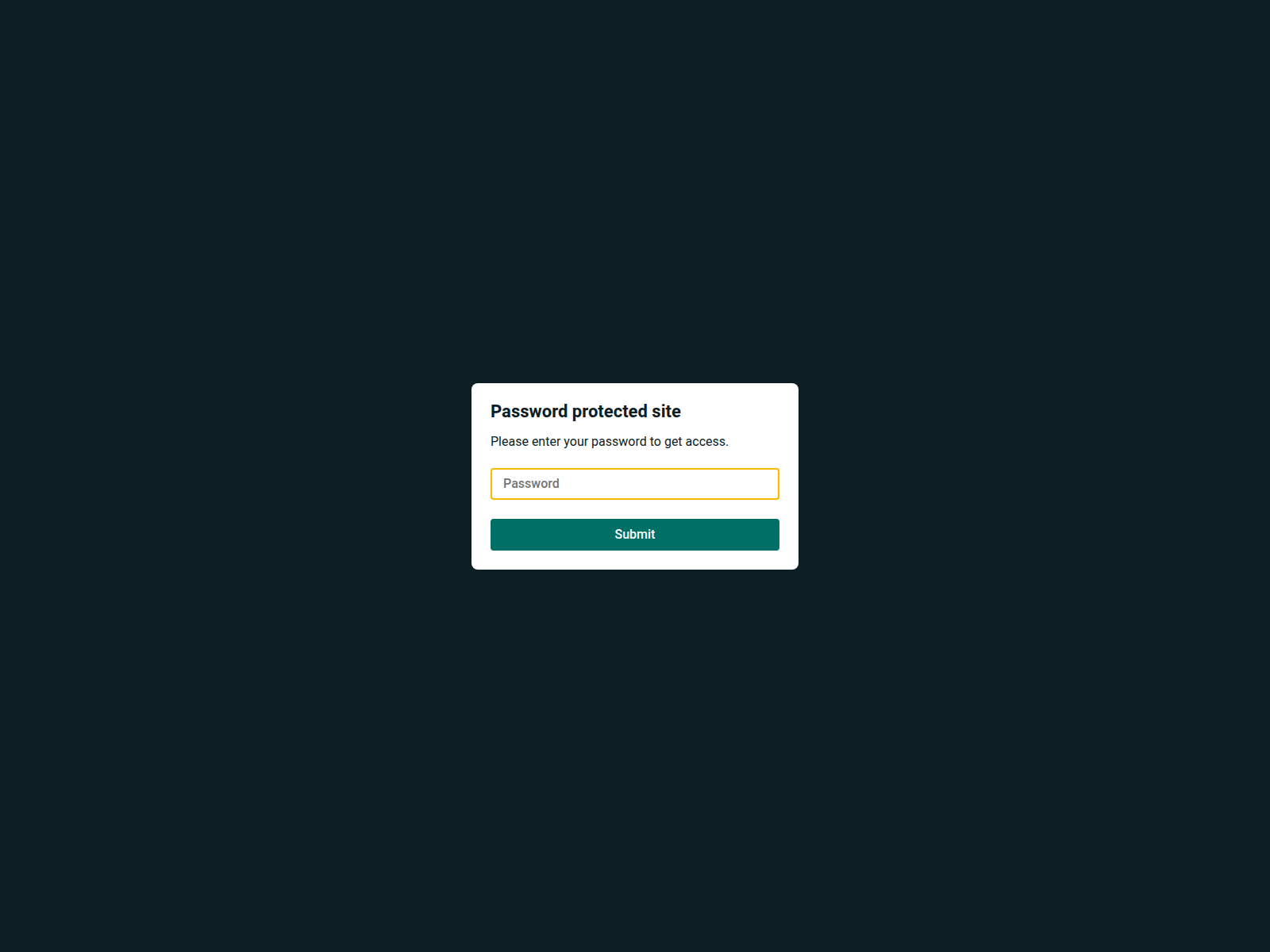
“Password Protection”
tdj-rig-usf-swt-tss-wcs-amfu.netlify.app — Conteúdo indisponível. Tipo de golpe: Credential Phishing. Resumo das evidências: VirusTotal 13/94 (ADMINUSLabs, ChainPatrol, alphaMountain.ai, Chong Lua Dao, CyRadar); URLQuery 1 alert; 2 external blocklist matches (MetaMask, SEAL); PhishDestroy score 94/100. Registrador: Netlify.
A análise detalhada do PhishDestroy AI permanece em inglês para preservar o registro forense original.
This domain is flagged as a high-risk generic phishing threat designed to harvest credentials through a deceptive password protection interface. Analysis indicates the site mimics authentication portals to trick users into submitting sensitive login details, which are then exfiltrated to attacker-controlled infrastructure. The specific threat type involves a fake login mechanism, commonly used in credential theft campaigns targeting both corporate and personal accounts. Infrastructure analysis reveals multiple high-confidence indicators of compromise. The domain, registered through Netlify, resolves to IP address 63.176.8.218, hosted on AWS EC2 in the eu-central-1 region (Germany). The SSL certificate is issued by DigiCert Inc under the DigiCert Global G2 TLS RSA SHA256 2020 CA1 chain, a common but abused authority in phishing operations. The domain was created on March 22, 2026, an anomalous future date suggesting potential spoofing or misconfiguration. Detection engines flagged the domain on VirusTotal with 13 out of 95 security vendors marking it as malicious. Three independent security blocklists—PhishDestroy, MetaMask, and SEAL—have actively blocked this domain, reinforcing its classification as a confirmed phishing resource. The page title, 'Password Protection,' further corroborates the credential harvesting intent. Mitigation requires immediate action to prevent credential exposure. Users who may have interacted with this domain should invalidate any entered credentials across all platforms, particularly if password reuse is suspected. Network administrators are advised to block the domain and its resolving IP (63.176.8.218) at the perimeter firewall or DNS level. Security teams should monitor for outbound connections to the domain or IP in logs, as such activity may indicate successful phishing attempts. Given the domain's active status and high detection rate, organizations should treat any access attempts as potential security incidents and initiate appropriate response protocols, including user awareness training on recognizing fake login portals.

| Detection System | Indicator | Verdict | Alert |
|---|---|---|---|
| Quad9 DNS | tdj-rig-usf-swt-tss-wcs-amfu.netlify.app |
malicious | Sinkholed |
 (US)
(US)
 Frankfurt am Main, DE
Platform for deploying and hosting modern web applications.
HTTP Strict Transport Security — forces browsers to use HTTPS connections only.
Google PageSpeed Insights — mobile performance audit of tdj-rig-usf-swt-tss-wcs-amfu.netlify.app · checked Mar 21, 2026
Se você inseriu credenciais de conta, informações pessoais ou de pagamento, ou baixou um arquivo deste domínio, tome medidas imediatas. Abaixo estão os recursos para ajudá-lo a relatar o incidente e se proteger.


Selecione seu país para obter contactos oficiais do cibercrime ou crie um rascunho de reclamação →.
Esses relatórios são resolvidos para o mesmo IP de borda compartilhado. Eles ajudam na descoberta de relatórios, mas não implicam propriedade comum ou um servidor de origem compartilhado.
Relatórios adicionados recentemente do banco de dados PhishDestroy. Esses links de descoberta não implicam infraestrutura ou propriedade compartilhada.
Análise de ameaças usando lista de bloqueio armazenada, WHOIS, DNS e evidências de verificação pública
Digitalize agoraEnvie domínios suspeitos para nosso banco de dados de ameaças — proteja a comunidade
DenunciarRelatórios recentes de phishing e alterações de disponibilidade observadas
MonitorarMonitore ameaças em tempo real ou conteste esta listagem caso acredite que se trate de um falso positivo
 spcx47p.xyz
  web-api.pro
  mars24pazjige72veied4awxfb6gtkjauij7qkofveula8gc6fljy8qd.icu