 ChainPatrol
 Web-Check
  SOCRadar
  LeakIX
FBI IC3
Denuncie crimes possibilitados pela Internet nos Estados Unidos
Federal tips line1-800-CALL-FBI

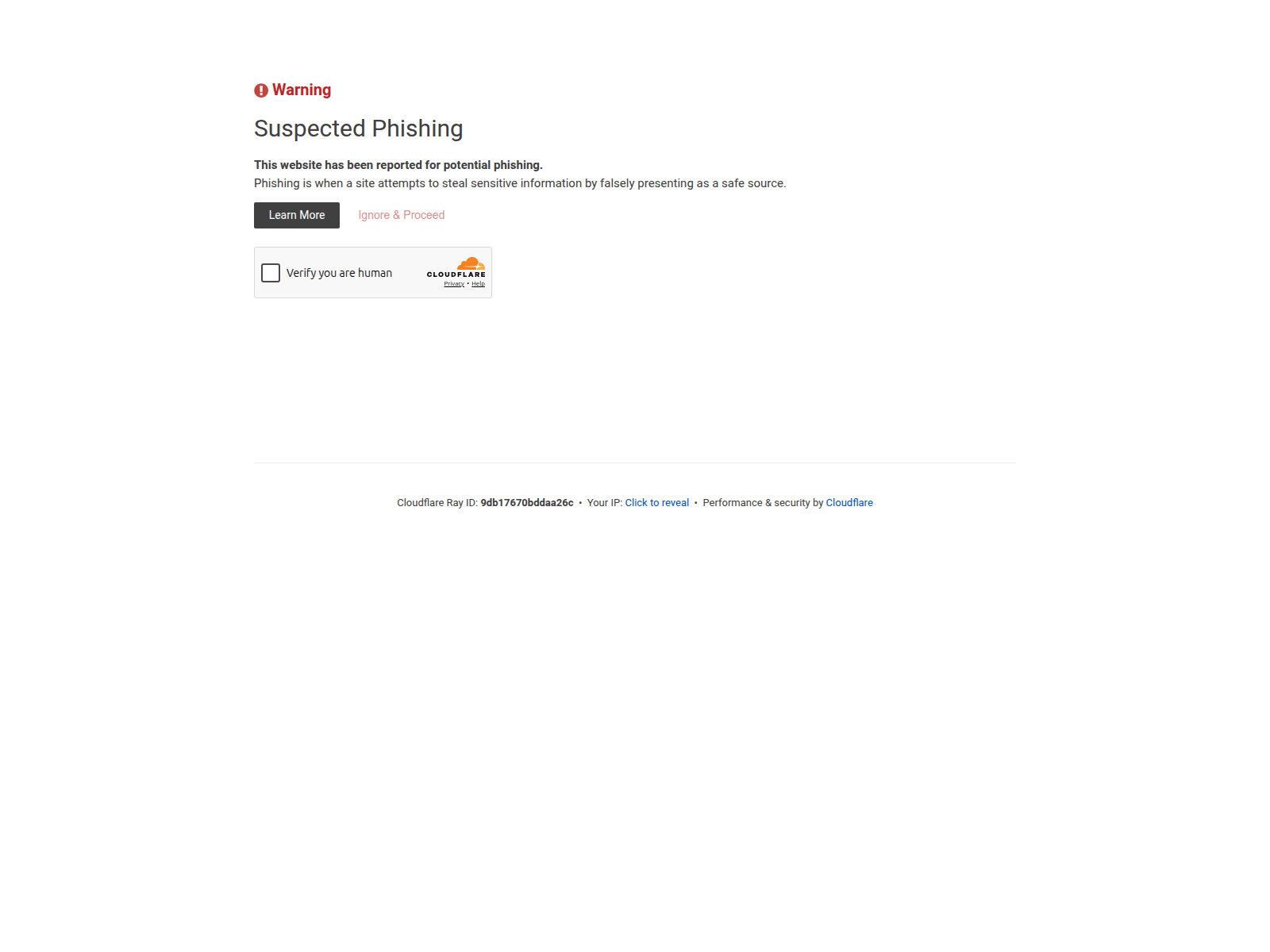
“Suspected phishing site | Cloudflare”
t-mobile.sflby.cc — Conteúdo indisponível (HTTP 502). Representação da marca: Genericcloudflare. Resumo das evidências: VirusTotal 19/93 (ADMINUSLabs, alphaMountain.ai, BitDefender, Cluster25, CRDF); URLScan malicious verdict; Google Safe Browsing flagged; CF Radar malicious; PhishDestroy score 95/100. Registrador: Gname.
A análise detalhada do PhishDestroy AI permanece em inglês para preservar o registro forense original.
This domain, t-mobile.sflby.cc, operates as a credential theft platform impersonating T-Mobile’s official login portals. Analysis indicates the site is designed to harvest user credentials, including usernames, passwords, and potentially multi-factor authentication codes, by presenting a fraudulent replica of T-Mobile’s authentication interface. The domain leverages brand-specific visual elements and URL obfuscation techniques to deceive victims into submitting sensitive account details, which are then exfiltrated to attacker-controlled infrastructure for unauthorized access or financial exploitation. Infrastructure analysis reveals multiple high-risk indicators. The domain was registered on January 29, 2026, through Gname.com Pte. Ltd., a registrar frequently associated with malicious activity. It resolves to IP address 172.67.154.174, hosted on AS13335 (Cloudflare, Inc.), a network commonly abused for phishing due to its anonymization capabilities. VirusTotal reports 19 out of 95 security vendors flagging the domain as malicious, while Google Safe Browsing and PhishDestroy have both classified it as phishing. Additionally, the domain appears on one security blocklist, and its SSL certificate, issued by Google Trust Services (WE1), does not mitigate the underlying threat. The page title, 'Suspected phishing site | Cloudflare,' further confirms its deceptive nature, as legitimate T-Mobile pages do not carry such warnings. Users who have visited t-mobile.sflby.cc or entered credentials on the site should immediately take corrective action. First, reset passwords for T-Mobile accounts and any other services where identical credentials may have been reused. Enable multi-factor authentication (MFA) using app-based or hardware tokens, avoiding SMS-based methods if previously configured. Monitor T-Mobile accounts for unauthorized transactions, device additions, or changes to account settings. If financial or personal data was submitted, report the incident to relevant authorities and consider placing a fraud alert on credit files. Network administrators should block the domain and its resolving IP (172.67.154.174) at the perimeter to prevent further exposure.

 (SG)
(SG)
 San Francisco, US
Cloudflare is a web-infrastructure and website-security company, providing content-delivery-network services, DDoS mitigation, Internet security, and distributed domain-name-server services.
www.cloudflare.com 100% de confiançaGoogle PageSpeed Insights — mobile performance audit of t-mobile.sflby.cc · checked Mar 2, 2026
Se você inseriu credenciais de conta, informações pessoais ou de pagamento, ou baixou um arquivo deste domínio, tome medidas imediatas. Abaixo estão os recursos para ajudá-lo a relatar o incidente e se proteger.


Selecione seu país para obter contactos oficiais do cibercrime ou crie um rascunho de reclamação →.
These domains also target Genericcloudflare users. View all Genericcloudflare threats →
Relatórios adicionados recentemente do banco de dados PhishDestroy. Esses links de descoberta não implicam infraestrutura ou propriedade compartilhada.
Análise de ameaças usando lista de bloqueio armazenada, WHOIS, DNS e evidências de verificação pública
Digitalize agoraEnvie domínios suspeitos para nosso banco de dados de ameaças — proteja a comunidade
DenunciarRelatórios recentes de phishing e alterações de disponibilidade observadas
MonitorarMonitore ameaças em tempo real ou conteste esta listagem caso acredite que se trate de um falso positivo
 batonmatch.com
  citprime.com
  riverea.cc
  bits-vip.com