ChainPatrol
 Web-Check
  SOCRadar
  LeakIX
FBI IC3
Denuncie crimes possibilitados pela Internet nos Estados Unidos
Federal tips line1-800-CALL-FBI

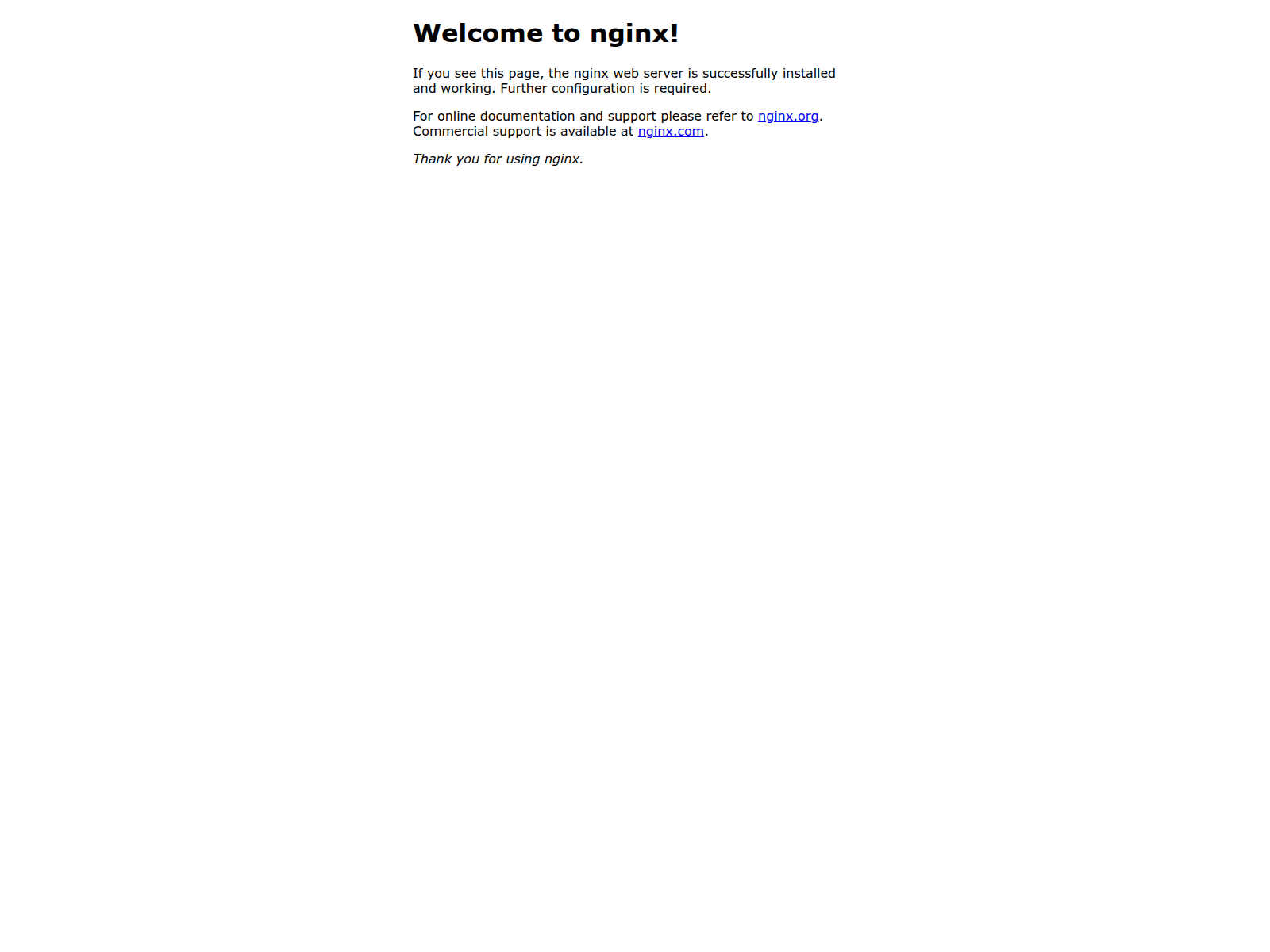
“Welcome to nginx!”
t-mobile.cfmhu.cc — Conteúdo indisponível (HTTP 502). Resumo das evidências: VirusTotal 18/93 (ADMINUSLabs, Criminal IP, alphaMountain.ai, BitDefender, Cluster25); URLQuery 5 alerts; Spamhaus DBL_PHISH; PhishDestroy score 95/100. Registrador: Gname.
A análise detalhada do PhishDestroy AI permanece em inglês para preservar o registro forense original.
This domain, t-mobile.cfmhu.cc, is identified as a brand impersonation threat targeting x.com, a high-profile social media platform. Analysis indicates the infrastructure was configured to deceive users into believing they were interacting with legitimate x.com services, likely for credential theft or unauthorized account access. The page title, 'Welcome to nginx!', suggests misconfigured or placeholder content, which may have been intended to host a phishing landing page mimicking the targeted brand's interface. No evidence of a crypto drainer kit or direct financial exfiltration mechanism was observed in this instance, though the domain's structure aligns with known impersonation tactics. Infrastructure analysis reveals the domain was registered through Gname.com Pte. Ltd. on February 21, 2026, an unusually future-dated creation that may indicate registry manipulation or a placeholder entry. It resolves to the IP address 172.67.157.30, hosted under AS13335 (Cloudflare, Inc.), a network frequently leveraged for both legitimate and malicious activities due to its proxy services. At the time of assessment, 18 out of 95 security vendors on VirusTotal flagged the domain as malicious, while it appeared on one additional security blocklist. No SSL certificate was present, further reducing the domain's legitimacy and increasing its detectability by security controls. Google Safe Browsing did not list the domain at the time of analysis, though this may reflect a delay in propagation rather than an absence of risk. The domain is currently offline, likely due to takedown actions or infrastructure abandonment by the threat actor. Despite its inactive status, residual risk remains, particularly for users who may have been exposed prior to its removal. Organizations are advised to monitor for related indicators, including the IP address 172.67.157.30 and the registrar Gname.com Pte. Ltd., as these may be reused in future campaigns. End users should verify domain authenticity before entering credentials, especially when redirected from unexpected sources. Security teams are recommended to update detection rules to include this domain and its associated indicators to prevent potential re-emergence or similar impersonation attempts.

| Detection System | Indicator | Verdict | Alert |
|---|---|---|---|
| OpenDNS | t-mobile.cfmhu.cc |
phishing | Phishing Block |
| Quad9 DNS | t-mobile.cfmhu.cc |
malicious | Sinkholed |
| Cloudflare DNS | t-mobile.cfmhu.cc |
malicious | Sinkholed |
| DNS4EU | t-mobile.cfmhu.cc |
malicious | Sinkholed |
| Hagezi Threat Feed | t-mobile.cfmhu.cc |
malicious | Sinkholed |
 (SG)
(SG)
 San Francisco, US
PD-20260119-5F7FB1 Recipient: complaint@gname.com Se você inseriu credenciais de conta, informações pessoais ou de pagamento, ou baixou um arquivo deste domínio, tome medidas imediatas. Abaixo estão os recursos para ajudá-lo a relatar o incidente e se proteger.


Selecione seu país para obter contactos oficiais do cibercrime ou crie um rascunho de reclamação →.
Esses relatórios são resolvidos para o mesmo IP de borda compartilhado. Eles ajudam na descoberta de relatórios, mas não implicam propriedade comum ou um servidor de origem compartilhado.
Relatórios adicionados recentemente do banco de dados PhishDestroy. Esses links de descoberta não implicam infraestrutura ou propriedade compartilhada.
Análise de ameaças usando lista de bloqueio armazenada, WHOIS, DNS e evidências de verificação pública
Digitalize agoraEnvie domínios suspeitos para nosso banco de dados de ameaças — proteja a comunidade
DenunciarRelatórios recentes de phishing e alterações de disponibilidade observadas
MonitorarMonitore ameaças em tempo real ou conteste esta listagem caso acredite que se trate de um falso positivo
 casinoposido1.com
  batonmatch.com
  citprime.com
  riverea.cc
  hobiom.shop