mxhaisyx.us.cc
  shopee8083.blogspot.com
FBI IC3
Denuncie crimes possibilitados pela Internet nos Estados Unidos
Federal tips line1-800-CALL-FBI
The sent-report ledger records the first outgoing report at . A report was sent to the recorded registrar; contact details remain in Domain Intelligence. The latest stored availability evidence still shows the domain reachable; 19 days has elapsed since the first outgoing report.
ICANN RAA §3.18 describes registrar abuse-contact and handling obligations. This section records outgoing timestamps and later availability. It does not by itself prove receipt, acknowledgement, investigation, remediation, or contractual non-compliance.

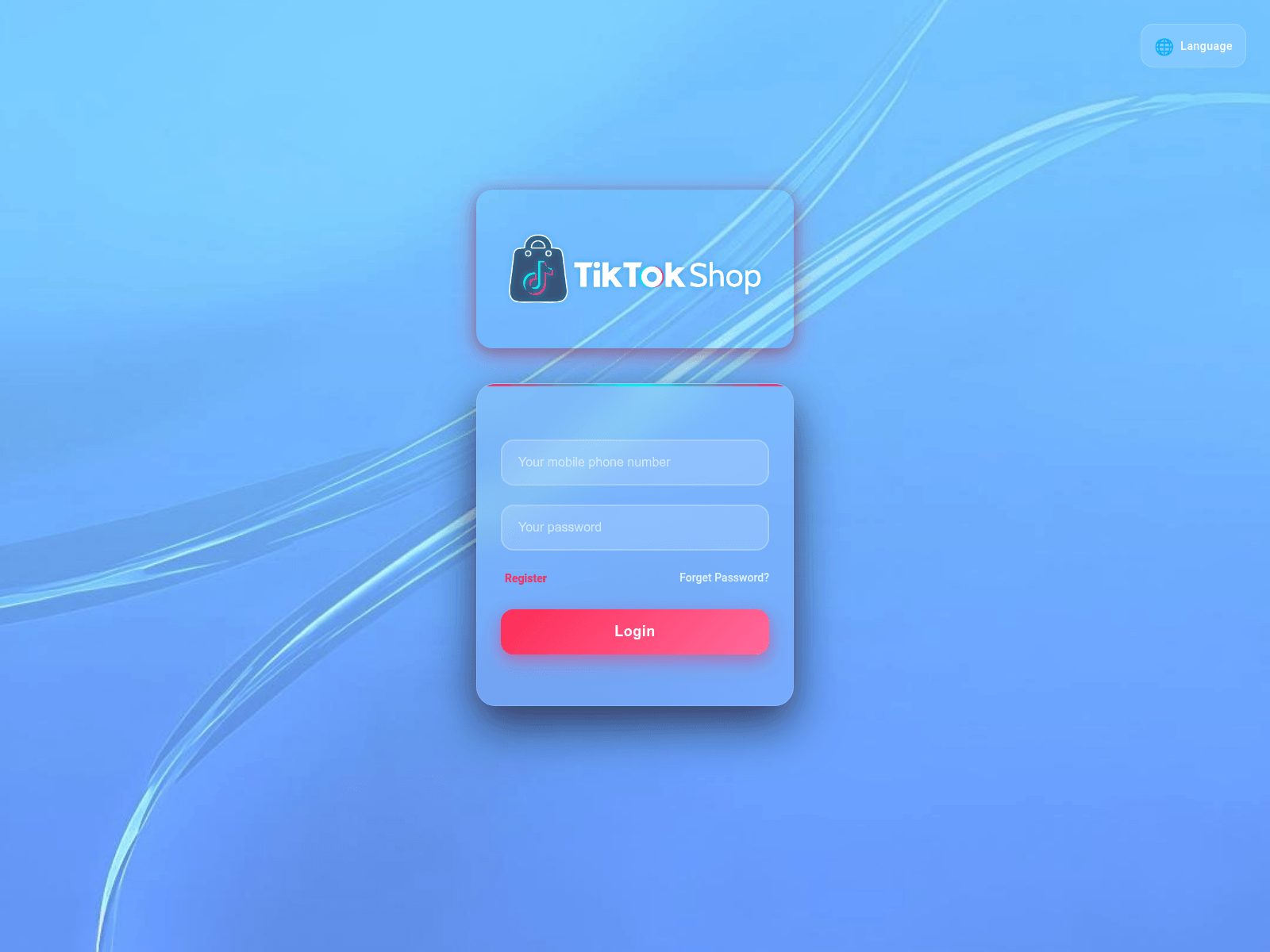
“Login”
Analysis of ss136.us.cc as of July 24, 2026, confirms active phishing infrastructure targeting user credentials. The domain was registered on April 7, 2006, through Gname.com Pte. Ltd., an uncommon registrar for phishing activity but not unprecedented. It currently resolves to IP address 128.241.229.113, with nameserver delegation split between a.rsp-dns.com, b.rsp-dns.com, ns1.domainnamens.com, and ns2.domainnamens.com—infrastructure patterns consistent with bulletproof or low-reputation DNS providers frequently reused across multiple phishing campaigns.
One security blocklist, PhishDestroy, has already flagged the domain, and six of ninety-one security vendors on VirusTotal classify it as malicious, indicating cross-industry detection without widespread consensus. No specific brand impersonation or phishing kit has been confirmed through available metadata; the exact content and target remain unanalysed. However, the domain's continued resolution and active blocklist presence suggest ongoing operational use.
Defenders should treat ss136.us.cc as high-risk and prioritise blocking at DNS, proxy, and endpoint layers. Network monitoring for connections to 128.241.229.113 or the listed nameservers may reveal additional compromised endpoints or related phishing domains sharing the same infrastructure. No SSL certificate or HTTP status data was provided; further enrichment is recommended if the domain remains active beyond initial triage.
PD-20260724-5B4CFC
| Detection System | Indicator | Verdict | Alert |
|---|---|---|---|
| Cloudflare DNS | ss136.us.cc |
malicious | Sinkholed |
| DNS4EU | ss136.us.cc |
malicious | Sinkholed |
10 fontes externas monitoradas · instantâneo de 12/08/2026
Acessível → Inacessível
Inacessível → Acessível
 (SG)
(SG)

2 tecnologias identificadas com alta confiança
Google PageSpeed Insights — mobile performance audit of ss136.us.cc · checked Jul 24, 2026
Relatórios adicionados recentemente do banco de dados PhishDestroy. Esses links de descoberta não implicam infraestrutura ou propriedade compartilhada.
Se você inseriu credenciais de conta, informações pessoais ou de pagamento, ou baixou um arquivo deste domínio, tome medidas imediatas. Abaixo estão os recursos para ajudá-lo a relatar o incidente e se proteger.


Selecione seu país para obter contactos oficiais do cibercrime ou crie um rascunho de reclamação →.
Análise de ameaças usando lista de bloqueio armazenada, WHOIS, DNS e evidências de verificação pública
Digitalize agoraEnvie domínios suspeitos para nosso banco de dados de ameaças — proteja a comunidade
DenunciarRelatórios recentes de phishing e alterações de disponibilidade observadas
MonitorarMonitore ameaças em tempo real ou conteste esta listagem caso acredite que se trate de um falso positivo