 ChainPatrol
 Web-Check
  SOCRadar
  LeakIX
FBI IC3
Denuncie crimes possibilitados pela Internet nos Estados Unidos
Federal tips line1-800-CALL-FBI

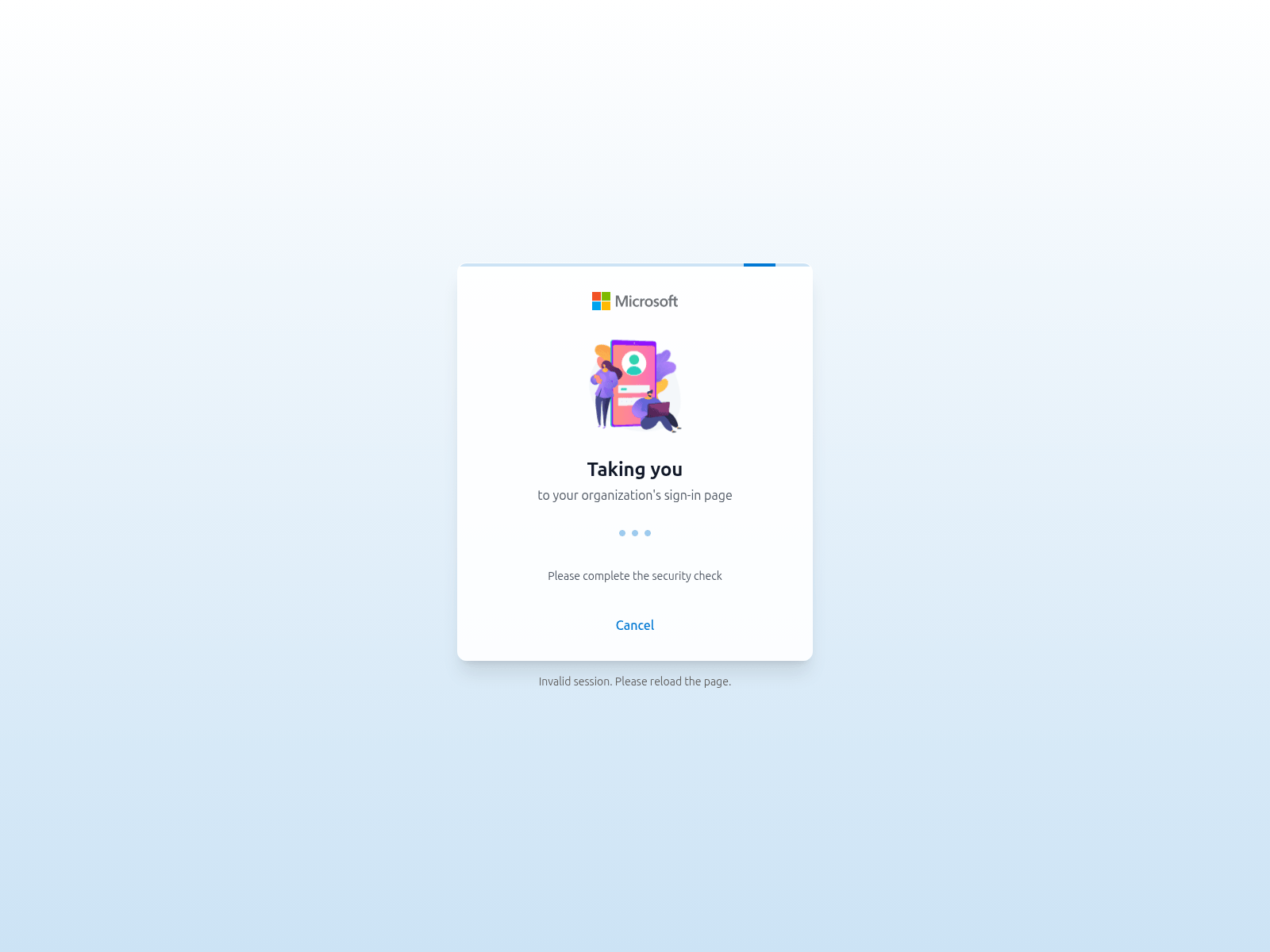
“Microsoft Sign-in Redirect”
pub-e66b4b88b1d24aeeaf754f0ecee122c7.r2.dev — Conteúdo indisponível. Representação da marca: Microsoft; Tipo de golpe: Generic Phishing. Resumo das evidências: VirusTotal 16/94 (ADMINUSLabs, alphaMountain.ai, BitDefender, Chong Lua Dao, CyRadar); URLQuery 3 alerts; URLScan malicious verdict; PhishDestroy score 95/100. Registrador: Cloudflare R2.
A análise detalhada do PhishDestroy AI permanece em inglês para preservar o registro forense original.
PhishDestroy identifies pub-e66b4b88b1d24aeeaf754f0ecee122c7.r2.dev as an active credential theft phishing domain currently under investigation with a high risk profile. This subdomain mimics legitimate cloud storage or service authentication portals to harvest user credentials, posing a direct threat to account security. The domain leverages compromised or fraudulent cloud infrastructure to bypass traditional security controls, making it a critical concern for both individuals and organizations. Immediate action is strongly recommended to prevent potential data breaches or identity theft. This domain was flagged by multiple independent security researchers and blocklist providers, including VirusTotal with 16/95 detections (indicating low AV coverage), PhishingArmy, and OISD. It resolves to IP address 104.18.50.34, which is associated with Cloudflare’s edge network. The domain utilizes a Let's Encrypt SSL certificate, adding a false sense of legitimacy. While the specific creation date is not provided in available threat intelligence, its active status and inclusion on two major blocklists suggest recent deployment. The absence of detections on VirusTotal highlights a concerning gap in automated detection capabilities, emphasizing the need for behavioral and reputation-based monitoring. To mitigate the risk posed by this credential theft phishing domain, users should avoid interacting with the site entirely. Organizations should immediately update firewall and proxy rules to block access to 104.18.50.34 and the domain pub-e66b4b88b1d24aeeaf754f0ecee122c7.r2.dev. It is also advisable to inspect network logs for any outbound connections to this IP or domain. Users who may have entered credentials should immediately change passwords on all affected accounts and enable multi-factor authentication where possible. Reporting the domain to PhishingArmy and OISD can help improve collective security by accelerating its removal from other blocklists. Exercise heightened vigilance for similar phishing campaigns using cloud service impersonation tactics.

| Detection System | Indicator | Verdict | Alert |
|---|---|---|---|
| Cloudflare DNS | pub-e66b4b88b1d24aeeaf754f0ecee122c7.r2.dev |
malicious | Sinkholed |
| OpenDNS | pub-e66b4b88b1d24aeeaf754f0ecee122c7.r2.dev |
phishing | Phishing Block |
| DNS4EU | pub-e66b4b88b1d24aeeaf754f0ecee122c7.r2.dev |
malicious | Sinkholed |
 Toronto, CA
Google PageSpeed Insights — mobile performance audit of pub-e66b4b88b1d24aeeaf754f0ecee122c7.r2.dev · checked Apr 5, 2026
Se você inseriu credenciais de conta, informações pessoais ou de pagamento, ou baixou um arquivo deste domínio, tome medidas imediatas. Abaixo estão os recursos para ajudá-lo a relatar o incidente e se proteger.


Selecione seu país para obter contactos oficiais do cibercrime ou crie um rascunho de reclamação →.
Esses relatórios são resolvidos para o mesmo IP de borda compartilhado. Eles ajudam na descoberta de relatórios, mas não implicam propriedade comum ou um servidor de origem compartilhado.
These domains also target Microsoft users. View all Microsoft threats →
Relatórios adicionados recentemente do banco de dados PhishDestroy. Esses links de descoberta não implicam infraestrutura ou propriedade compartilhada.
Análise de ameaças usando lista de bloqueio armazenada, WHOIS, DNS e evidências de verificação pública
Digitalize agoraEnvie domínios suspeitos para nosso banco de dados de ameaças — proteja a comunidade
DenunciarRelatórios recentes de phishing e alterações de disponibilidade observadas
MonitorarMonitore ameaças em tempo real ou conteste esta listagem caso acredite que se trate de um falso positivo

 spcx30b.icu
  temuplus.blogspot.com
  mrbeast-gifts.blogspot.com
  lolocoupon.blogspot.com