chengilly.to
  app-rabby.to
  hyperliquid-perps.com
  hyperliquid-xyz.app
  dfximpact.live
  ethguanfangweiyilianjie.com
FBI IC3
Denuncie crimes possibilitados pela Internet nos Estados Unidos
Federal tips line1-800-CALL-FBI
The sent-report ledger records the first outgoing report at . A report was sent to the recorded registrar; contact details remain in Domain Intelligence. The latest stored availability evidence still shows the domain reachable; 1 month has elapsed since the first outgoing report.
ICANN RAA §3.18 describes registrar abuse-contact and handling obligations. This section records outgoing timestamps and later availability. It does not by itself prove receipt, acknowledgement, investigation, remediation, or contractual non-compliance.

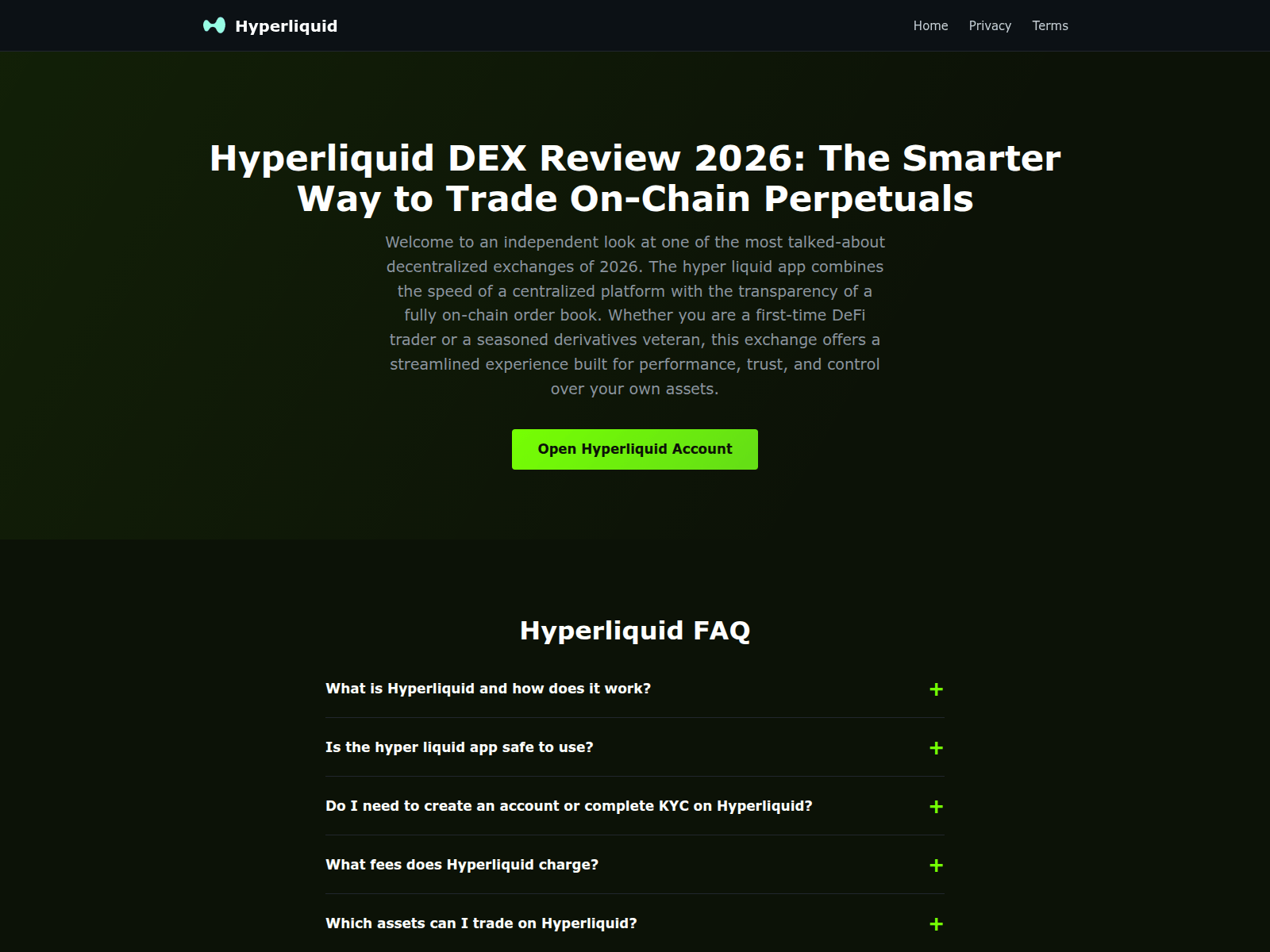
“Hyperliquid Review 2026 | Hyper Liquid App DEX Guide & Analysis”
Risk level is under investigation, with the specific threat type being brand impersonation targeting Hyperliquid. The domain hyperliquid-exchange.to is actively mimicking the legitimate Hyperliquid platform to deceive users into potential credential theft or crypto drainer activity. Analysis indicates the domain remains operational and is not yet widely recognized as malicious.
Technical indicators include a VirusTotal detection count of 0/95, meaning no security vendors have flagged this domain as malicious. The domain resolves to IP address 188.114.97.3, hosted via Cloudflare infrastructure, and uses an SSL certificate issued by Google Trust Services. Registration was completed on June 24, 2026, through the Government of Kingdom of Tonga registrar. No blocklist entries or low trust scores are currently associated with this domain, contributing to its low detection rate.
Mitigation steps specific to brand impersonation include verifying official Hyperliquid URLs through trusted sources, avoiding direct clicks on links from unsolicited communications, and reporting the domain to relevant security teams. Users should enable two-factor authentication on legitimate accounts and monitor for unauthorized transactions. Organizations should implement domain monitoring services to detect similar impersonation attempts proactively.
PD-20260629-407615
10 fontes externas monitoradas · instantâneo de 13/08/2026
 San Francisco, US
3 tecnologias identificadas com alta confiança
Google PageSpeed Insights — mobile performance audit of hyperliquid-exchange.to · checked Jun 29, 2026
Esses relatórios são resolvidos para o mesmo IP de borda compartilhado. Eles ajudam na descoberta de relatórios, mas não implicam propriedade comum ou um servidor de origem compartilhado.
These domains also target Hyperliquid users. View all Hyperliquid threats →
Relatórios adicionados recentemente do banco de dados PhishDestroy. Esses links de descoberta não implicam infraestrutura ou propriedade compartilhada.
Se você inseriu credenciais de conta, informações pessoais ou de pagamento, ou baixou um arquivo deste domínio, tome medidas imediatas. Abaixo estão os recursos para ajudá-lo a relatar o incidente e se proteger.


Selecione seu país para obter contactos oficiais do cibercrime ou crie um rascunho de reclamação →.
Análise de ameaças usando lista de bloqueio armazenada, WHOIS, DNS e evidências de verificação pública
Digitalize agoraEnvie domínios suspeitos para nosso banco de dados de ameaças — proteja a comunidade
DenunciarRelatórios recentes de phishing e alterações de disponibilidade observadas
MonitorarMonitore ameaças em tempo real ou conteste esta listagem caso acredite que se trate de um falso positivo