letsvpn-ai.com
  tronoscan.org
  dfximpact.live
  ethguanfangweiyilianjie.com
  trust-aml.org
FBI IC3
Denuncie crimes possibilitados pela Internet nos Estados Unidos
Federal tips line1-800-CALL-FBI
The sent-report ledger records the first outgoing report at . A report was sent to the recorded registrar; contact details remain in Domain Intelligence. The latest stored availability evidence still shows the domain reachable; 5 months has elapsed since the first outgoing report.
ICANN RAA §3.18 describes registrar abuse-contact and handling obligations. This section records outgoing timestamps and later availability. It does not by itself prove receipt, acknowledgement, investigation, remediation, or contractual non-compliance.

“Chainlink”
Observação armazenada
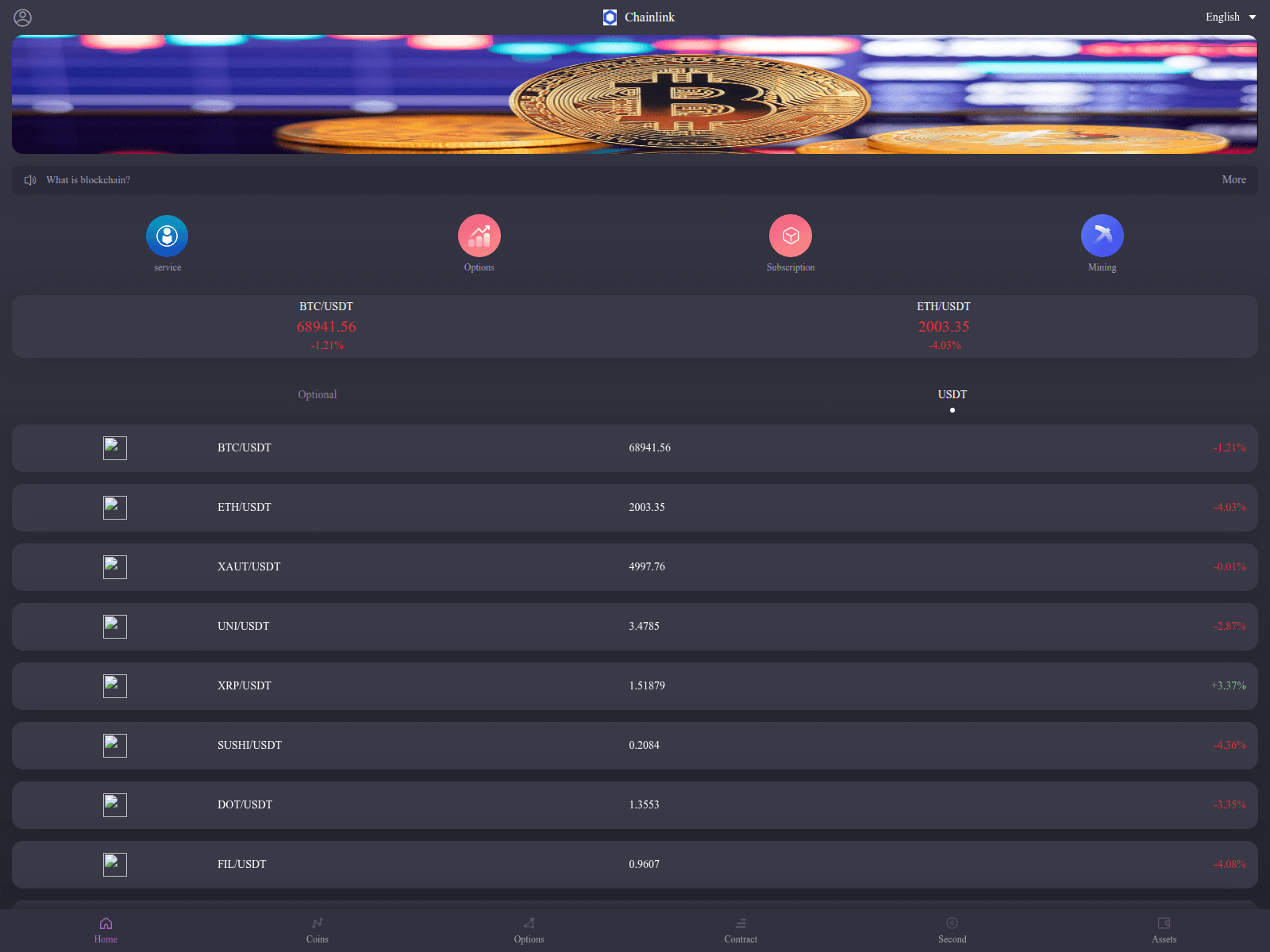
PhishDestroy has identified chainlink.eu.cc as a generic phishing domain engaged in brand impersonation, specifically targeting the Chainlink brand. The domain was registered on February 21, 2026, through Gname.com Pte. Ltd., and its page title was set to "Chainlink" to deceive visitors into believing it was an official site. The threat type is brand impersonation, designed to trick users into revealing sensitive information or connecting their wallets.
Technical analysis reveals that the domain resolves to IP address 188.114.97.3 and uses an SSL certificate issued by Google Trust Services (WE1). VirusTotal flagged the domain with a score of 5 out of 95 security vendors, indicating moderate detection. It appears on one security blocklist, and Google Safe Browsing flags it as phishing. The domain's creation date is recent, suggesting it was set up specifically for malicious purposes.
As of the latest update, the domain is offline, indicating that it has been taken down or suspended. However, users should remain cautious as similar domains may appear. PhishDestroy recommends that users avoid interacting with any unsolicited communications referencing Chainlink and verify URLs carefully before entering credentials or connecting wallets. If you have already interacted with this domain, change your passwords and enable two-factor authentication immediately.
PD-20260215-D63776
| Detection System | Indicator | Verdict | Alert |
|---|---|---|---|
| Hagezi Threat Feed | chainlink.eu.cc |
malicious | Sinkholed |
| Quad9 DNS | chainlink.eu.cc |
malicious | Sinkholed |
10 fontes externas monitoradas · instantâneo de 12/08/2026
5 → 4
5 → 4
5 → 4
5 → 4
 (SG)
(SG)
 San Francisco, US
Google PageSpeed Insights — mobile performance audit of chainlink.eu.cc · checked Mar 2, 2026
Esses relatórios são resolvidos para o mesmo IP de borda compartilhado. Eles ajudam na descoberta de relatórios, mas não implicam propriedade comum ou um servidor de origem compartilhado.
Relatórios adicionados recentemente do banco de dados PhishDestroy. Esses links de descoberta não implicam infraestrutura ou propriedade compartilhada.
Se você inseriu credenciais de conta, informações pessoais ou de pagamento, ou baixou um arquivo deste domínio, tome medidas imediatas. Abaixo estão os recursos para ajudá-lo a relatar o incidente e se proteger.


Selecione seu país para obter contactos oficiais do cibercrime ou crie um rascunho de reclamação →.
Análise de ameaças usando lista de bloqueio armazenada, WHOIS, DNS e evidências de verificação pública
Digitalize agoraEnvie domínios suspeitos para nosso banco de dados de ameaças — proteja a comunidade
DenunciarRelatórios recentes de phishing e alterações de disponibilidade observadas
MonitorarMonitore ameaças em tempo real ou conteste esta listagem caso acredite que se trate de um falso positivo