




 ChainPatrol
 Web-Check
  SOCRadar
  LeakIX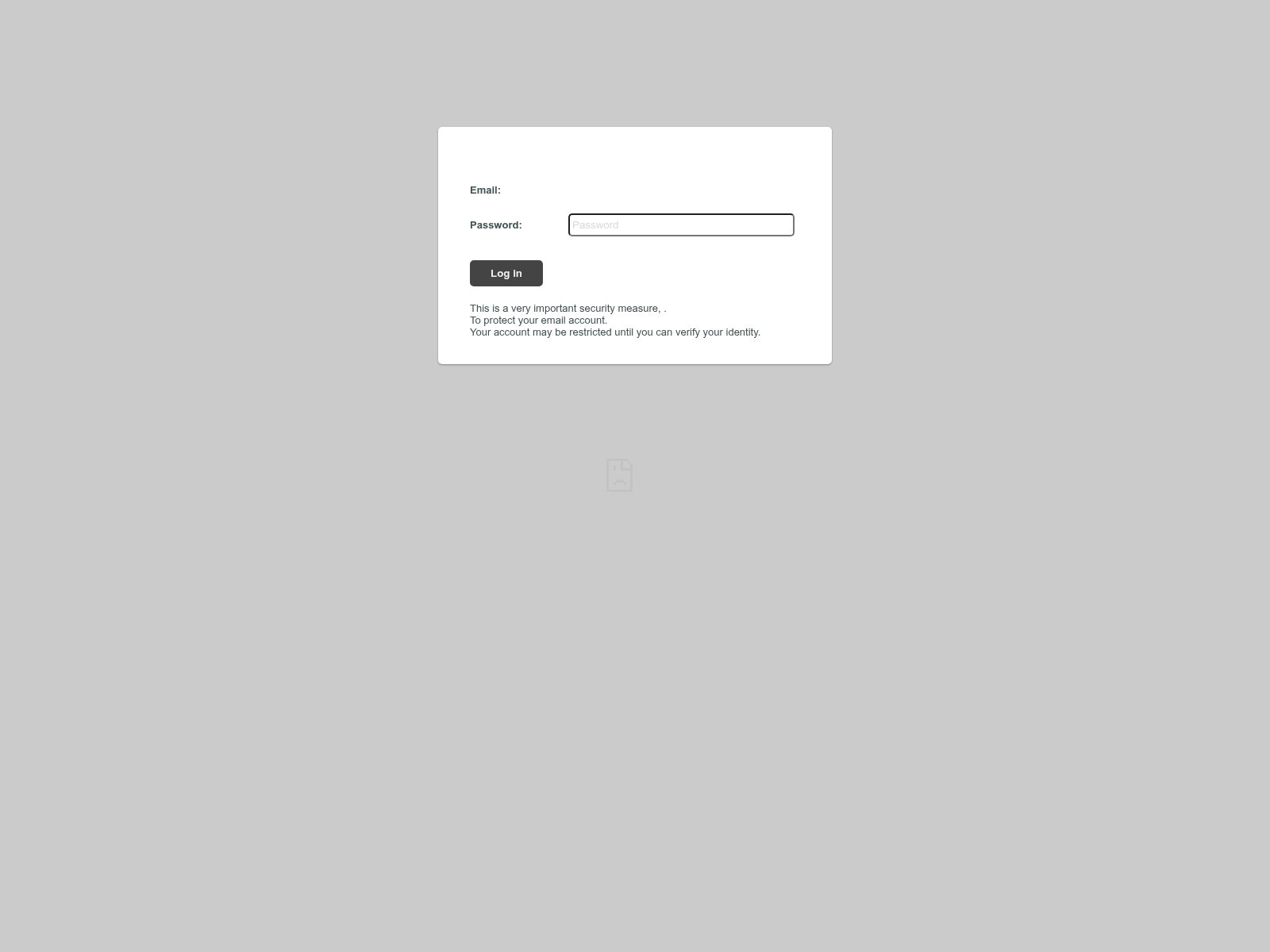

FBI IC3
Denuncie crimes possibilitados pela Internet nos Estados Unidos
Federal tips line1-800-CALL-FBI

“Webmail”
bafybeigz3zfosvwiso3abzamcwdp6v2o4xasnj4smntd4uienjeb2sklle.ipfs.dweb.link — Conteúdo indisponível. Representação da marca: Generic Email; Tipo de golpe: Brand Impersonation. Resumo das evidências: VirusTotal 18/95 (ADMINUSLabs, alphaMountain.ai, BitDefender, CRDF, CyRadar); URLScan malicious verdict; CF Radar malicious; PhishDestroy score 100/100. Registrador: CSC.
A análise detalhada do PhishDestroy AI permanece em inglês para preservar o registro forense original.
The domain bafybeigz3zfosvwiso3abzamcwdp6v2o4xasnj4smntd4uienjeb2sklle.ipfs.dweb.link has been identified as a brand impersonation threat targeting Generic Email services, specifically mimicking Webmail login portals. Analysis confirms the domain is currently offline, though prior activity indicates a deliberate attempt to deceive users into disclosing credentials. The page title 'Webmail' further corroborates the intent to impersonate legitimate email service providers, a common tactic in credential harvesting campaigns. Technical indicators reveal the domain was registered through CSC Corporate Domains, Inc. on February 24, 2017, though malicious activity associated with this specific subdomain path appears to be more recent. The domain resolves to the IP address 209.94.90.2, hosted under AS40680 (Protocol Labs) in the United States. Detection metrics show 18 of 95 security vendors on VirusTotal flagged this domain as malicious, while it appears on two independent security blocklists, including PhishDestroy and PhishingDB. The SSL certificate, issued by Let's Encrypt (serial number E7), does not mitigate the risk, as phishing domains frequently leverage valid certificates to appear legitimate. Current status indicates the domain has been taken offline, likely due to enforcement actions or infrastructure changes. However, the underlying threat remains relevant due to the domain's historical use in phishing operations. Organizations and users are advised to block the domain and its resolving IP (209.94.90.2) at the network level, particularly in environments where Generic Email or Webmail services are utilized. Security teams should monitor for similar impersonation attempts using IPFS or decentralized web infrastructure, as these platforms are increasingly exploited for phishing due to their perceived anonymity. End-users should verify the authenticity of Webmail login pages by checking for official domain names, SSL certificate details, and multi-factor authentication prompts before entering credentials.

 Scamadviser Warnings
1/100
Scamadviser Warnings
1/100
 (US)
San Francisco, US
(US)
San Francisco, USCloudflare is a web-infrastructure and website-security company, providing content-delivery-network services, DDoS mitigation, Internet security, and distributed domain-name-server services.
www.cloudflare.com 100% de confiançaHTTP/3 is the third major version of the Hypertext Transfer Protocol used to exchange information on the World Wide Web.
httpwg.org 100% de confiançaSe você inseriu credenciais de conta, informações pessoais ou de pagamento, ou baixou um arquivo deste domínio, tome medidas imediatas. Abaixo estão os recursos para ajudá-lo a relatar o incidente e se proteger.


Selecione seu país para obter contactos oficiais do cibercrime ou crie um rascunho de reclamação →.
Esses relatórios são resolvidos para o mesmo IP de borda compartilhado. Eles ajudam na descoberta de relatórios, mas não implicam propriedade comum ou um servidor de origem compartilhado.
These domains also target Generic Email users. View all Generic Email threats →
Relatórios adicionados recentemente do banco de dados PhishDestroy. Esses links de descoberta não implicam infraestrutura ou propriedade compartilhada.
Análise de ameaças usando lista de bloqueio armazenada, WHOIS, DNS e evidências de verificação pública
Digitalize agoraEnvie domínios suspeitos para nosso banco de dados de ameaças — proteja a comunidade
DenunciarRelatórios recentes de phishing e alterações de disponibilidade observadas
MonitorarMonitore ameaças em tempo real ou conteste esta listagem caso acredite que se trate de um falso positivo