
 ChainPatrol
 Web-Check
  SOCRadar
  LeakIX
FBI IC3
Denuncie crimes possibilitados pela Internet nos Estados Unidos
Federal tips line1-800-CALL-FBI

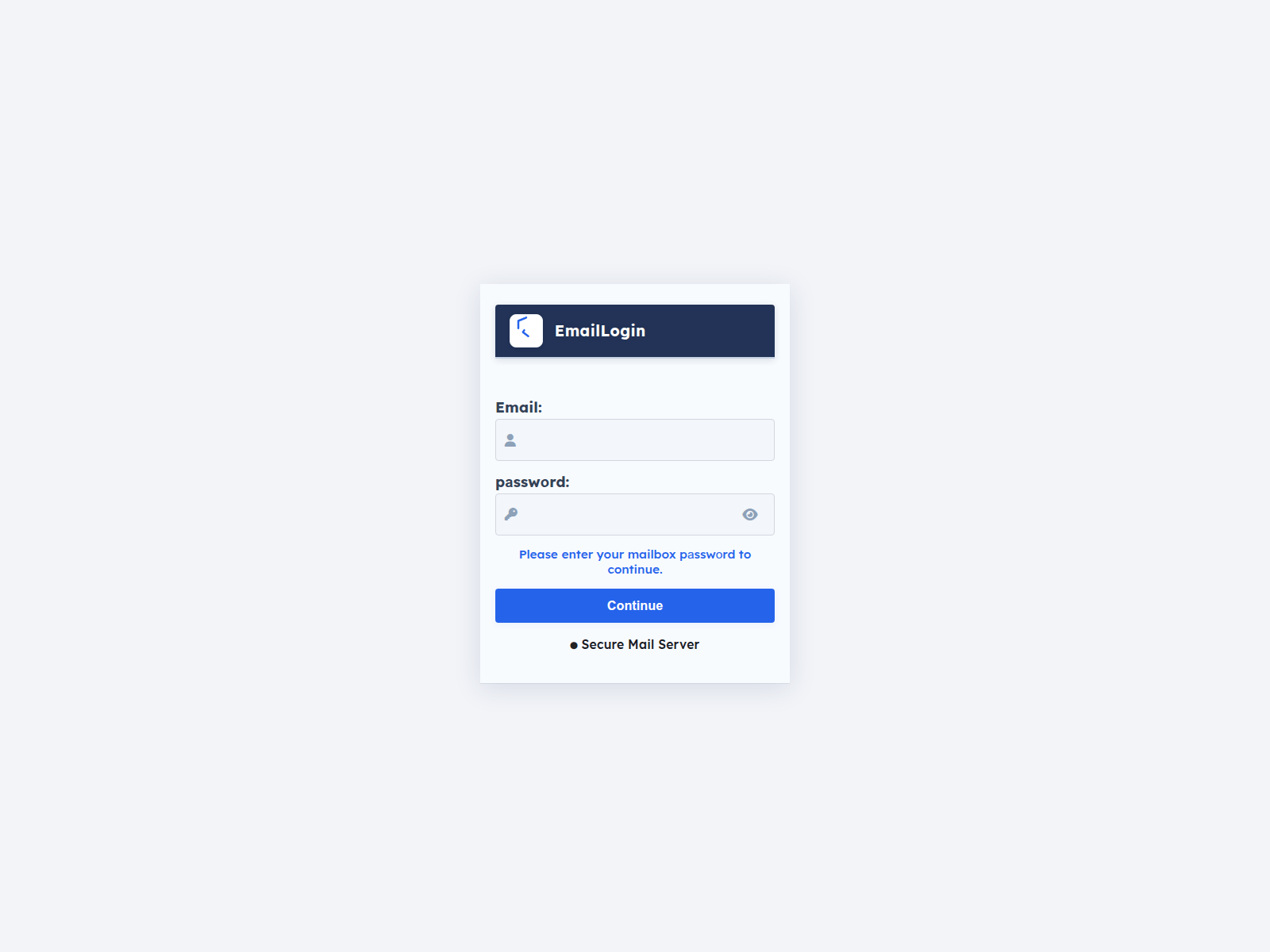
“EmailLogin”
bafkreiak6rgnyp5ck6773bzh327hyjmfcbs7i6t6ihj35zuz2vljnyuh54.ipfs.dweb.link — Não verificado. Tipo de golpe: Credential Phishing. Resumo das evidências: VirusTotal 17/91 (alphaMountain.ai, BitDefender, CRDF, ESET, Emsisoft); PhishDestroy score 100/100. Registrador: CSC.
A análise detalhada do PhishDestroy AI permanece em inglês para preservar o registro forense original.
This domain, bafkreiak6rgnyp5ck6773bzh327hyjmfcbs7i6t6ihj35zuz2vljnyuh54.ipfs.dweb.link, operates as a credential theft phishing infrastructure targeting users through an EmailLogin interface. Analysis indicates the site mimics email authentication portals to harvest login credentials, though no specific brand impersonation or crypto drainer kit signatures have been confirmed. The page title EmailLogin suggests a focus on generic email service credential collection, a common tactic for account compromise and subsequent lateral movement in compromised environments. Infrastructure analysis reveals the domain resolves to IP address 209.94.90.2 and is secured with a Let's Encrypt SSL certificate. The domain was registered on February 24, 2017, through CSC Corporate Domains, Inc. Security vendor detection on VirusTotal stands at 17/95, indicating moderate but not universal recognition of the threat. No Google Safe Browsing (GSB) listing was identified in the current dataset, though the absence of GSB flags does not preclude malicious activity. Additional blocklist monitoring shows the domain remains active across multiple threat intelligence feeds, with no evidence of takedown or sinkholing. The domain remains active as of the latest verification, posing an ongoing risk to users who may encounter it through phishing emails, malicious redirects, or compromised web advertisements. Recommended response actions include blocking the domain and associated IP at the network perimeter, implementing browser-based warnings for users, and monitoring for credential reuse in enterprise environments. The risk level is classified as high due to the domain's persistence, active credential harvesting functionality, and partial but incomplete coverage by security vendors. Organizations should treat this infrastructure as a live threat and prioritize user education on recognizing email login fraud attempts.

 (US)
San Francisco, US
(US)
San Francisco, USIPFS is a peer-to-peer hypermedia protocol that provides a distributed hypermedia web.
ipfs.tech 100% de confiançaCloudflare is a web-infrastructure and website-security company, providing content-delivery-network services, DDoS mitigation, Internet security, and distributed domain-name-server services.
www.cloudflare.com 100% de confiançaHTTP/3 is the third major version of the Hypertext Transfer Protocol used to exchange information on the World Wide Web.
httpwg.org 100% de confiançaGoogle PageSpeed Insights — mobile performance audit of bafkreiak6rgnyp5ck6773bzh327hyjmfcbs7i6t6ihj35zuz2vljnyuh54.ipfs.dweb.link · checked Jul 8, 2026
Se você inseriu credenciais de conta, informações pessoais ou de pagamento, ou baixou um arquivo deste domínio, tome medidas imediatas. Abaixo estão os recursos para ajudá-lo a relatar o incidente e se proteger.


Selecione seu país para obter contactos oficiais do cibercrime ou crie um rascunho de reclamação →.
Esses relatórios são resolvidos para o mesmo IP de borda compartilhado. Eles ajudam na descoberta de relatórios, mas não implicam propriedade comum ou um servidor de origem compartilhado.
Relatórios adicionados recentemente do banco de dados PhishDestroy. Esses links de descoberta não implicam infraestrutura ou propriedade compartilhada.
Análise de ameaças usando lista de bloqueio armazenada, WHOIS, DNS e evidências de verificação pública
Digitalize agoraEnvie domínios suspeitos para nosso banco de dados de ameaças — proteja a comunidade
DenunciarRelatórios recentes de phishing e alterações de disponibilidade observadas
MonitorarMonitore ameaças em tempo real ou conteste esta listagem caso acredite que se trate de um falso positivo
 efootball2025.netlify.app