 ChainPatrol
 Web-Check
  SOCRadar
  LeakIX
FBI IC3
Denuncie crimes possibilitados pela Internet nos Estados Unidos
Federal tips line1-800-CALL-FBI
The sent-report ledger records the first outgoing report at .
The recorded recipient is abuse@alibaba-inc.com.
The latest stored availability evidence still shows the domain reachable; 5 months has elapsed since the first outgoing report.
ICANN RAA §3.18 describes registrar abuse-contact and handling obligations. This section records outgoing timestamps, listed recipients, case identifiers, and later availability. It does not by itself prove receipt, acknowledgement, investigation, remediation, or contractual non-compliance.

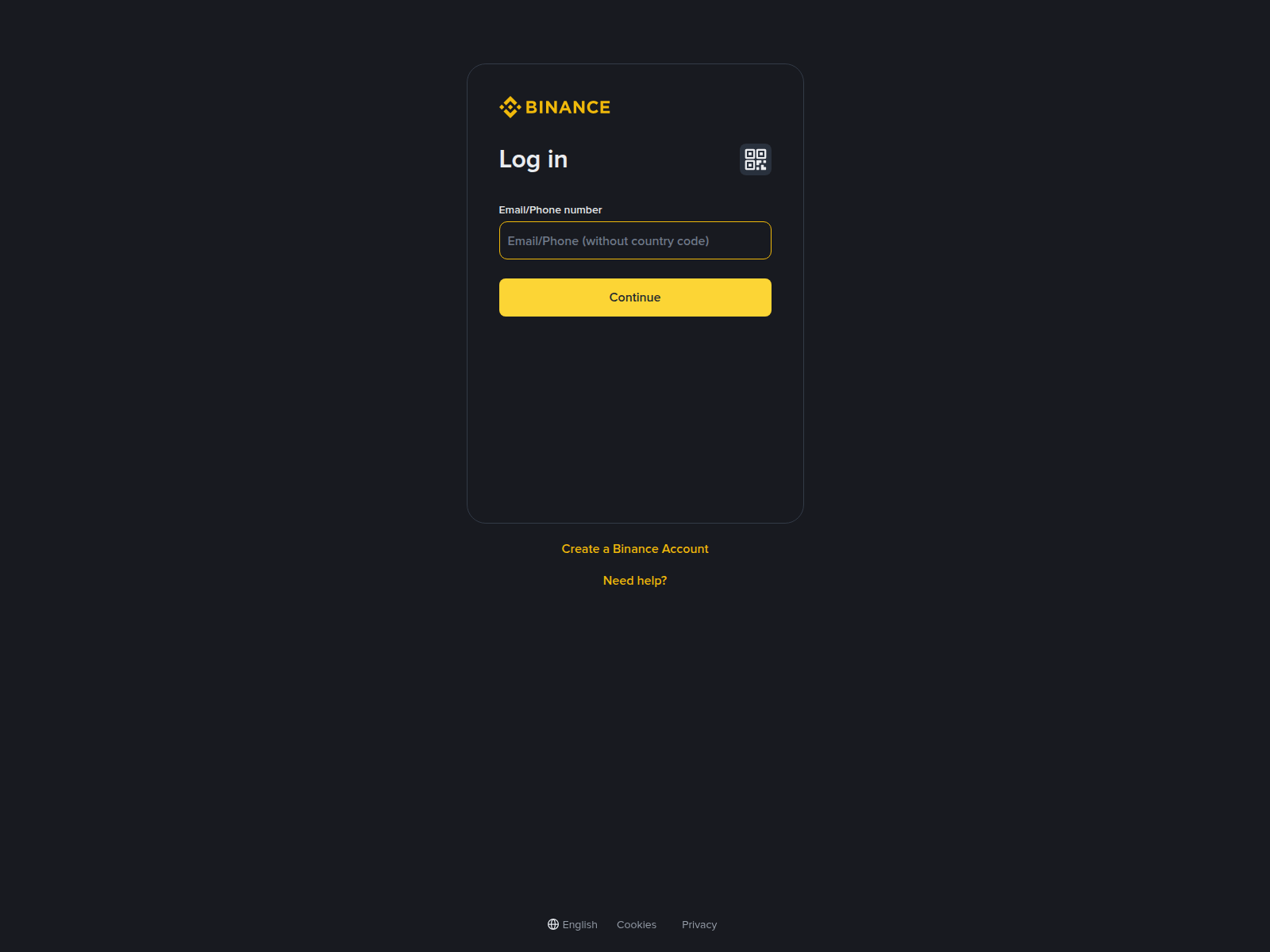
“Log In | Binance”
accounts.binanceuz.co — Não verificado. Representação da marca: Binance; Tipo de golpe: Crypto Scam. Resumo das evidências: VirusTotal 15/91 (ADMINUSLabs, BitDefender, Chong Lua Dao, CyRadar, ESET); URLQuery 3 alerts; URLScan malicious verdict; 1 external blocklist match (Phishunt); PhishDestroy score 95/100. Registrador: Amazon.
A análise detalhada do PhishDestroy AI permanece em inglês para preservar o registro forense original.
The domain accounts.binanceuz.co is assessed as having an elevated risk level, specifically for brand impersonation. This domain poses a significant threat to users who may be misled into believing they are interacting with a legitimate Binance service, potentially leading to the compromise of sensitive information or financial loss.
Infrastructure analysis reveals that the domain was created on March 11, 2026, and is registered through Amazon Registrar, Inc. It resolves to the IP address 170.33.96.17, which is located in Singapore and is associated with AS134963 Alibaba Cloud (Singapore) Private Limited. The domain appears on one security blocklist, is flagged by 17 out of 95 security vendors on VirusTotal, and has an SSL certificate issued by Alibaba Cloud Computing Ltd. / Alibaba Cloud GCC R3 AlphaSSL CA 2023. The page title 'Log In | Binance' further reinforces the domain's intent to impersonate the Binance brand, increasing the likelihood of user confusion and potential harm.
To mitigate the risks associated with brand impersonation, users should verify the domain and URL of the Binance website before entering any credentials or financial information. Implementing multi-factor authentication (MFA) can also significantly reduce the likelihood of account takeover. Security teams should monitor for similar domain registrations and block access to known malicious sites. Additionally, reporting the domain to official Binance support and relevant cybersecurity authorities can help in taking further action to protect potential victims.

| Detection System | Indicator | Verdict | Alert |
|---|---|---|---|
| OpenDNS | accounts.binanceuz.co |
phishing | Phishing Block |
| DigiCert UltraDNS | accounts.binanceuz.co |
malicious | Sinkholed |
| Hagezi Threat Feed | accounts.binanceuz.co |
malicious | Sinkholed |
 (US)
(US)
 Singapore, SG
Google PageSpeed Insights — mobile performance audit of accounts.binanceuz.co · checked Mar 24, 2026
PD-20260312-82131C Recipient: abuse@alibaba-inc.com Se você inseriu credenciais de conta, informações pessoais ou de pagamento, ou baixou um arquivo deste domínio, tome medidas imediatas. Abaixo estão os recursos para ajudá-lo a relatar o incidente e se proteger.


Selecione seu país para obter contactos oficiais do cibercrime ou crie um rascunho de reclamação →.
Este IP de origem hospeda vários domínios de phishing — a infraestrutura pode ser compartilhada entre campanhas.
These domains also target Binance users. View all Binance threats →
Análise de ameaças usando lista de bloqueio armazenada, WHOIS, DNS e evidências de verificação pública
Digitalize agoraEnvie domínios suspeitos para nosso banco de dados de ameaças — proteja a comunidade
DenunciarRelatórios recentes de phishing e alterações de disponibilidade observadas
MonitorarMonitore ameaças em tempo real ou conteste esta listagem caso acredite que se trate de um falso positivo
 blowfish.alodev.org
  pr-universe.com