
Pesquise domínios monitorados e analise as evidências armazenadas, as detecções e a disponibilidade mais recente observada.
219,779
Total rastreado
213,476
VT detectado
91,884
Visto pela última vez: Ativo
127,895
Indisponível na última verificação
541
VT Pendente
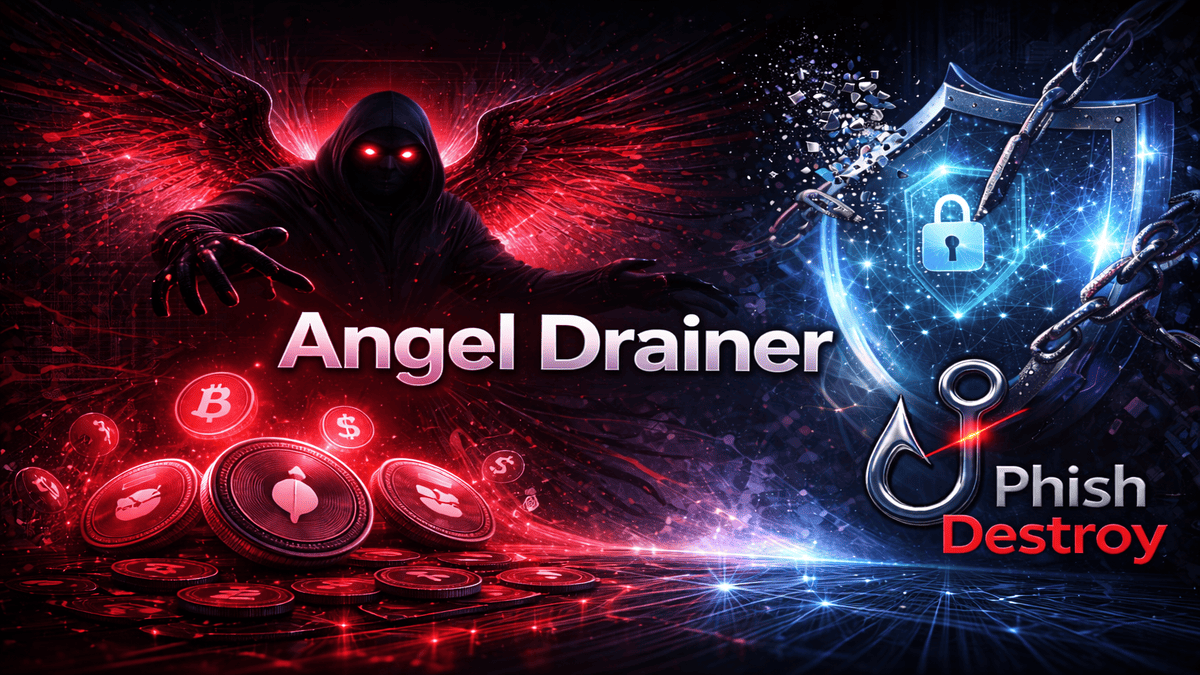
How This Attack Works
Angel Drainer operates by luring victims into interacting with malicious websites that appear legitimate. The attack unfolds in a series of deceptive steps designed to steal cryptocurrency assets.
STEP 1
Baiting with Fake Offers
Attackers create phishing sites mimicking trusted platforms like NFT marketplaces or DeFi protocols, often using domains like opensea.com.offer-proposal.com to appear authentic. Victims are enticed with fake airdrops, giveaways, or urgent account verification prompts.
STEP 2
Wallet Connection Request
Once on the site, users are prompted to connect their crypto wallets (e.g., MetaMask) to 'claim' rewards or 'verify' their accounts. This step often bypasses user suspicion by mimicking standard Web3 interactions.
STEP 3
Malicious Smart Contract Execution
Upon connection, the site triggers a malicious smart contract that requests sweeping permissions, allowing attackers to drain funds or NFTs from the wallet. Victims often don’t realize they’ve approved a transaction that compromises their assets.
STEP 4
Asset Drainage and Laundering
Stolen funds are quickly transferred to attacker-controlled wallets and laundered through mixers like Tornado Cash or cross-chain bridges, making recovery nearly impossible.
Technical Analysis
Angel Drainer is a sophisticated phishing-as-a-service (PhaaS) toolkit that emerged in late 2022, primarily targeting cryptocurrency users. It leverages malicious JavaScript embedded in phishing websites to interact with victims’ wallets. The core mechanism involves tricking users into signing transactions that call functions like 'approve()' or 'transferFrom()' on ERC-20 tokens or NFTs, granting attackers full control over assets. These scripts are often obfuscated to evade detection by antivirus software or browser security extensions. Infrastructure-wise, attackers rely on cheap or compromised domain registrars—PhishDestroy data shows NICENIC INTERNATIONAL GROUP CO., LIMITED (1,173 domains) and Cloudflare, Inc. (434 domains) as top choices for hosting these threats. Common TLDs include .com (1,212 domains), .xyz (712), and .app (290), often paired with free hosting on platforms like Vercel, as seen in examples like mysteryclaims6345-live.vercel.app.
The toolkit also employs advanced evasion techniques, such as IP-based redirects to show benign content to bots or security researchers while serving malicious payloads to real users. Angel Drainer campaigns frequently clone legitimate Web3 interfaces, using typosquatting or subdomain tricks (e.g., opensea.com.offer-proposal.com) to deceive users. On the blockchain side, stolen assets are often routed through intermediary wallets before being mixed, with on-chain analysis revealing connections to known money laundering services. This combination of social engineering and technical exploitation makes Angel Drainer a persistent and evolving threat in the Web3 ecosystem.
Additionally, attackers customize their campaigns based on trending topics in the crypto space, such as new token launches or NFT drops, to maximize victim engagement. The use of decentralized hosting and domain privacy services further complicates takedown efforts, as seen with the 431 active domains still operational in PhishDestroy’s database. This infrastructure resilience, paired with the toolkit’s low barrier to entry for cybercriminals, underscores why Angel Drainer remains a critical risk.
The toolkit also employs advanced evasion techniques, such as IP-based redirects to show benign content to bots or security researchers while serving malicious payloads to real users. Angel Drainer campaigns frequently clone legitimate Web3 interfaces, using typosquatting or subdomain tricks (e.g., opensea.com.offer-proposal.com) to deceive users. On the blockchain side, stolen assets are often routed through intermediary wallets before being mixed, with on-chain analysis revealing connections to known money laundering services. This combination of social engineering and technical exploitation makes Angel Drainer a persistent and evolving threat in the Web3 ecosystem.
Additionally, attackers customize their campaigns based on trending topics in the crypto space, such as new token launches or NFT drops, to maximize victim engagement. The use of decentralized hosting and domain privacy services further complicates takedown efforts, as seen with the 431 active domains still operational in PhishDestroy’s database. This infrastructure resilience, paired with the toolkit’s low barrier to entry for cybercriminals, underscores why Angel Drainer remains a critical risk.
Real Cases
ParaSpace NFT Exploit (2023)
$5 million stolen
In March 2023, attackers used Angel Drainer to target users of the ParaSpace NFT lending platform, tricking them into signing malicious transactions via a fake update prompt, resulting in $5 million in stolen assets.
Fake OpenSea Campaign (2023)
$1.7 million stolen
A widespread phishing campaign in late 2023 mimicked OpenSea’s interface, using domains similar to opensea.com.offer-proposal.com, draining $1.7 million in NFTs and tokens from unsuspecting users.
Blur Marketplace Scam (2024)
$2.3 million stolen
Early 2024 saw Angel Drainer used in a fake Blur marketplace airdrop scam, where users connected wallets to claim 'free tokens,' losing $2.3 million in assets to malicious smart contracts.
How to Detect
Unsolicited offers or urgent prompts for wallet connection on websites mimicking platforms like OpenSea or Vercel, often using domains tracked by PhishDestroy such as mysteryclaims6345-live.vercel.app.
Suspicious domain structures, especially subdomains or unusual TLDs like .xyz or .app, which account for a significant portion of the 4,385 domains in our database.
Transaction requests that ask for broad permissions or unlimited token approvals when connecting a wallet to a site.
Lack of HTTPS or mixed content warnings on supposed Web3 platforms, often a sign of hastily deployed phishing pages.
Unexpected wallet activity or pop-ups prompting signature approvals without clear explanations of the transaction purpose.
How to Protect Yourself
1
Always verify the URL of Web3 platforms before connecting your wallet—avoid clicking links from unsolicited emails or social media, as PhishDestroy has identified 4,385 Angel Drainer-related domains.
2
Use hardware wallets or wallet extensions with transaction simulation features to preview smart contract interactions before signing.
3
Enable two-factor authentication (2FA) and set spending limits on your crypto wallets to minimize potential losses.
4
Regularly monitor your wallet for unauthorized transactions using blockchain explorers and revoke permissions for unused dApps.
5
Leverage PhishDestroy’s threat database to check suspicious domains or report potential Angel Drainer phishing sites for community protection.
Frequently Asked Questions
Data sourced from PhishDestroy threat intelligence database — 4,455 domains tracked for this threat type
Angel Drainer 4,455 domains
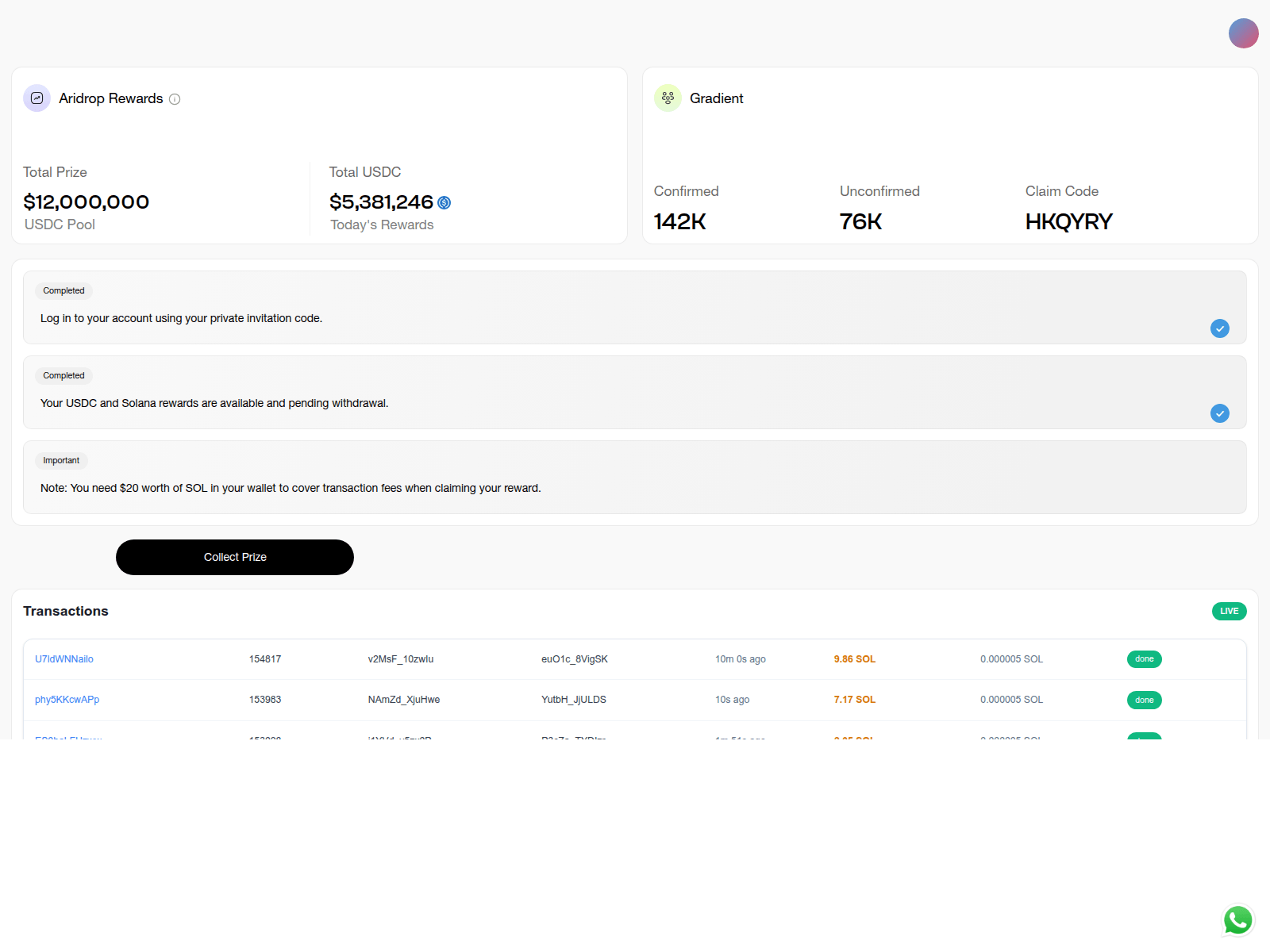

claims.grediants.network
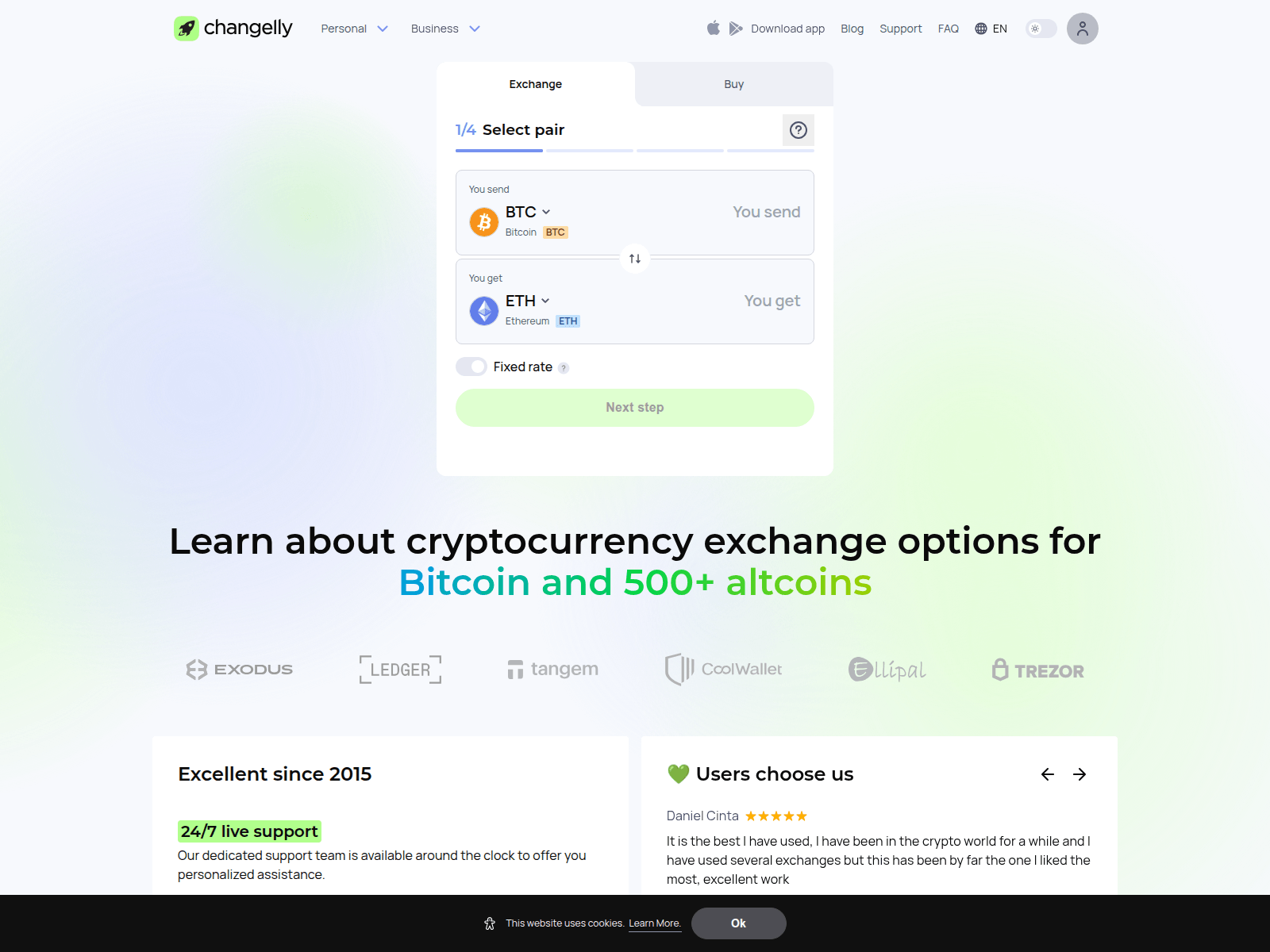
cnangelly.com
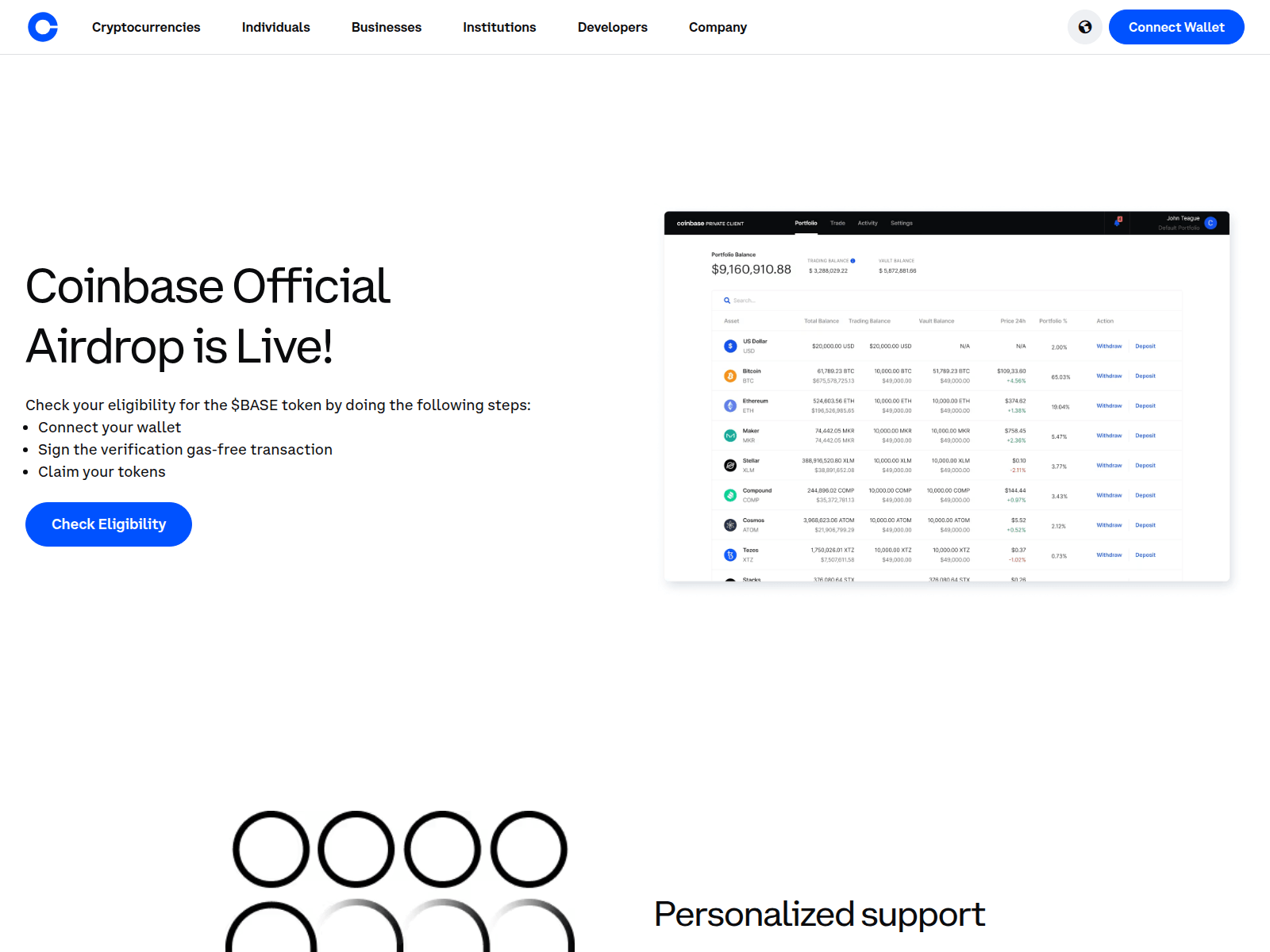
coinbase-airdrop.com
com-connect-wallet.trade
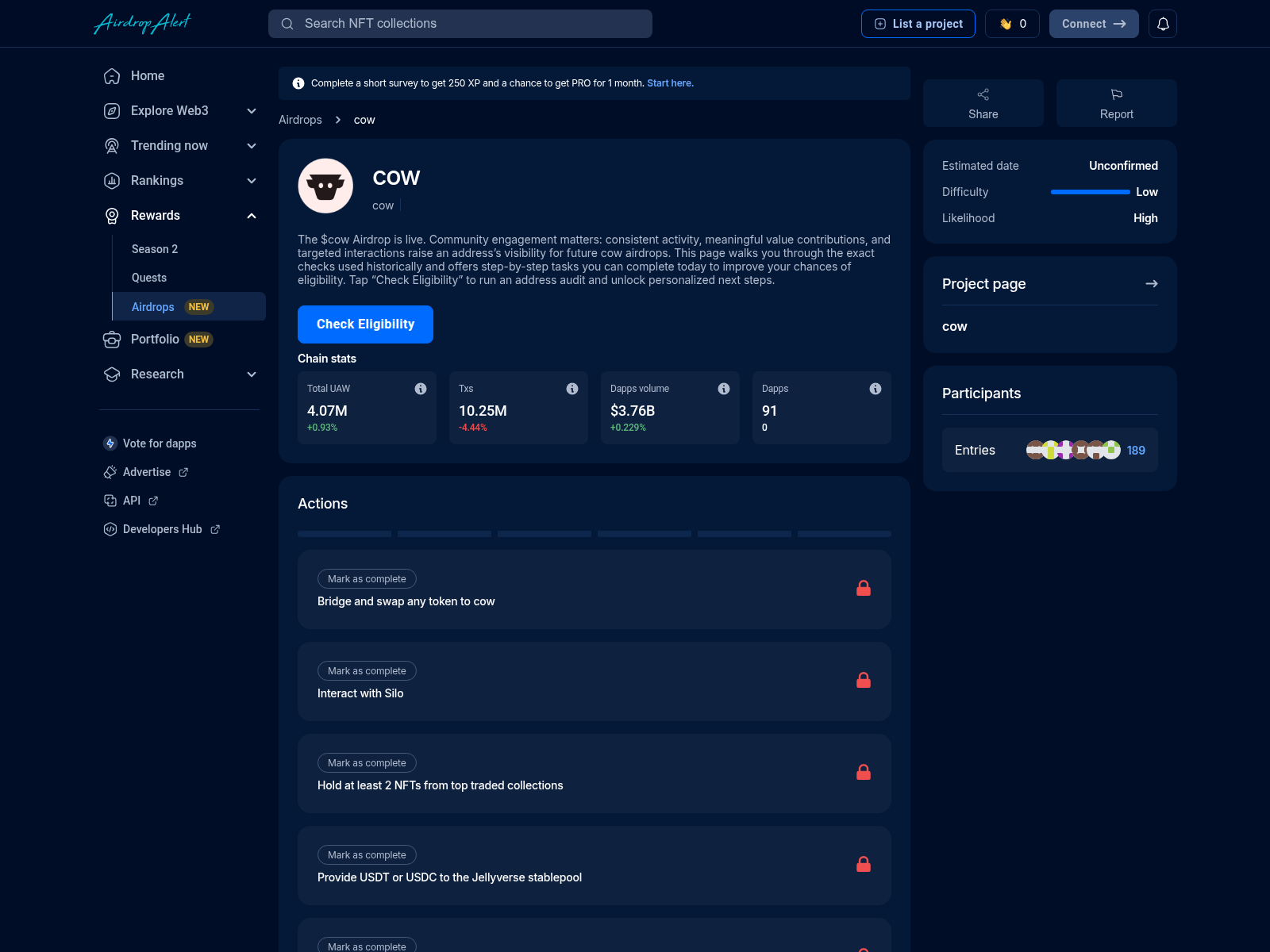
cow.airdropsalert.click
crazyxangel-airdrop.pages.dev
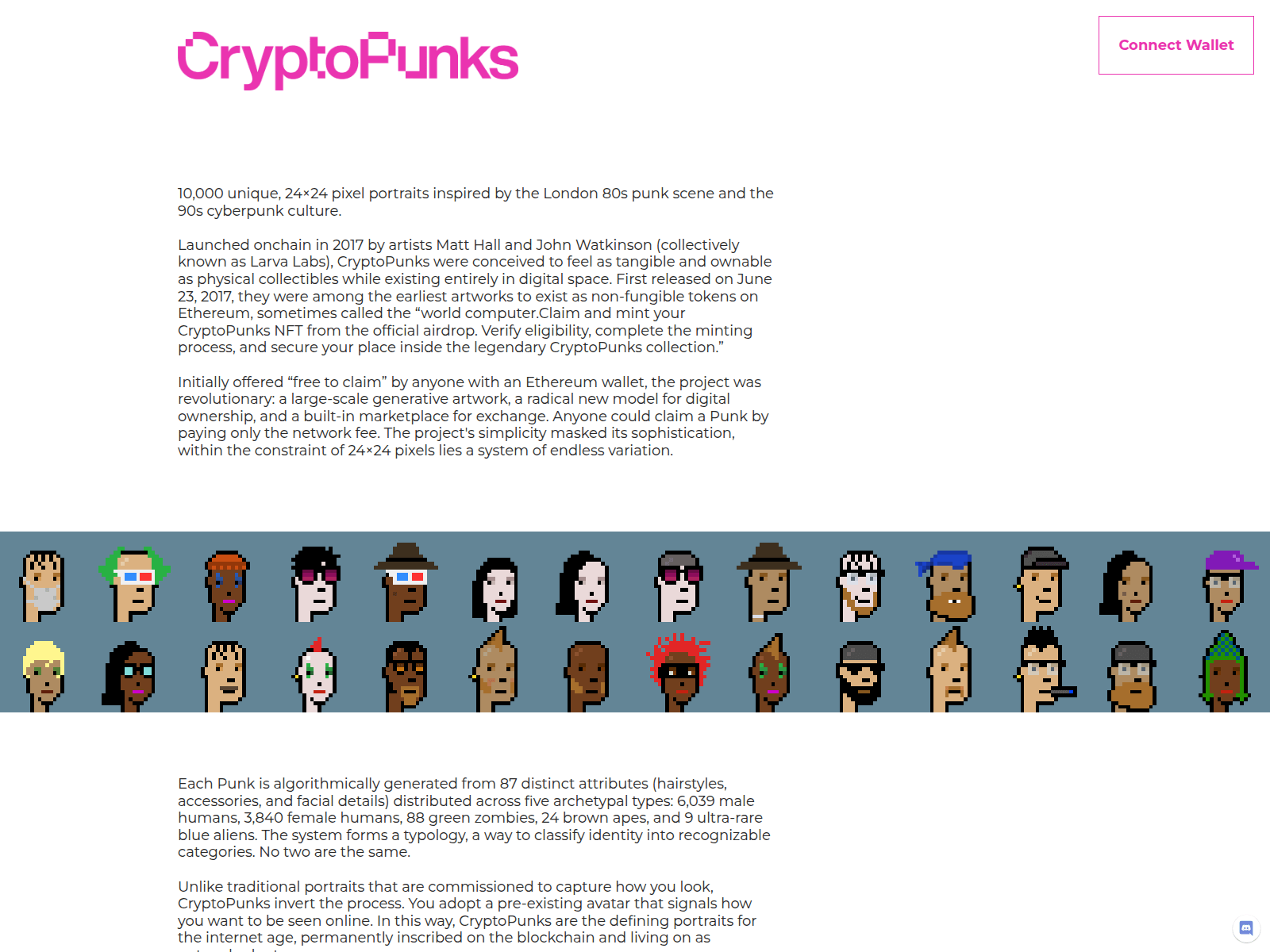
cryptopankes.xyz
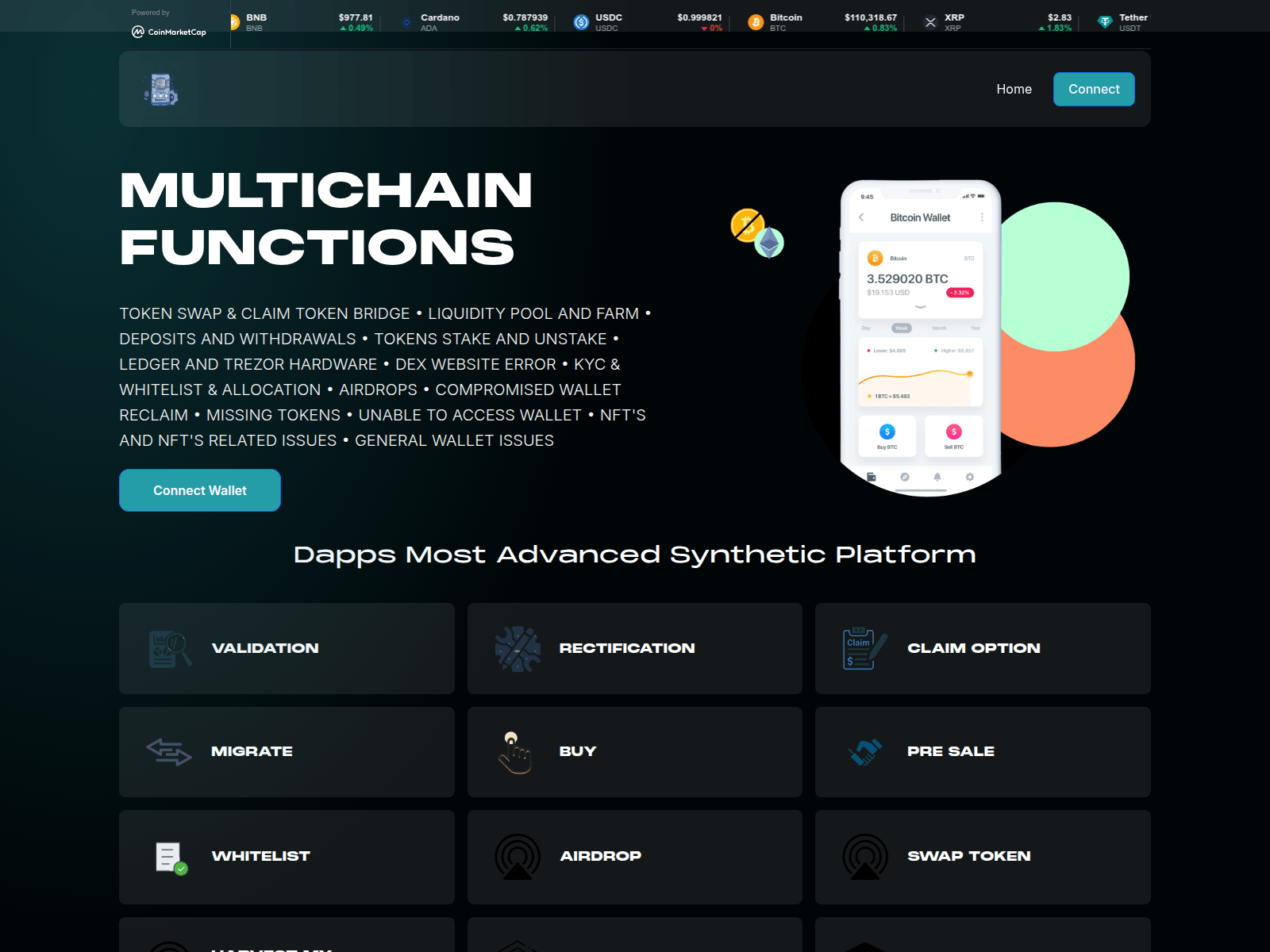
dappscontract.xyz
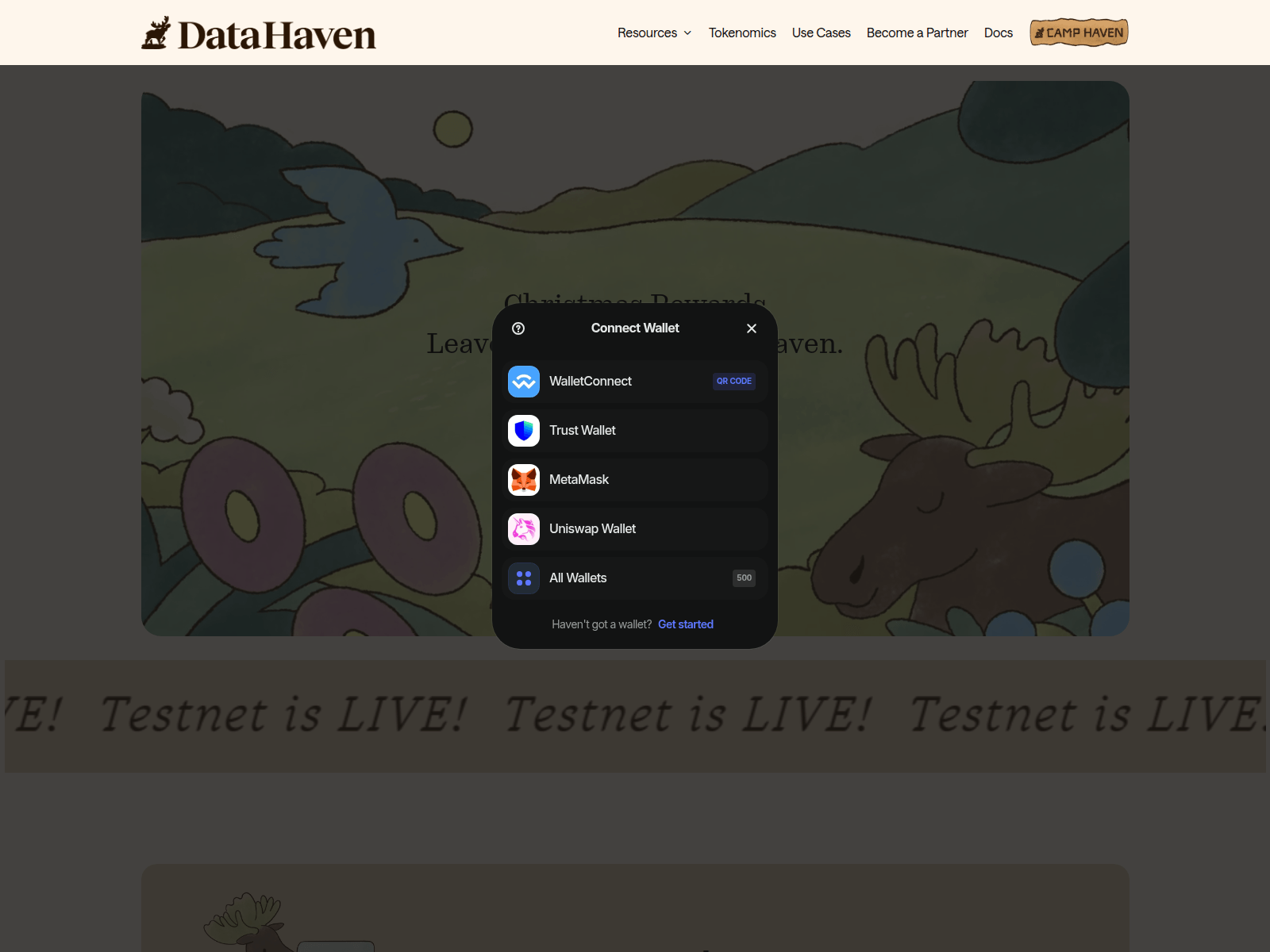
data-haven.xyz
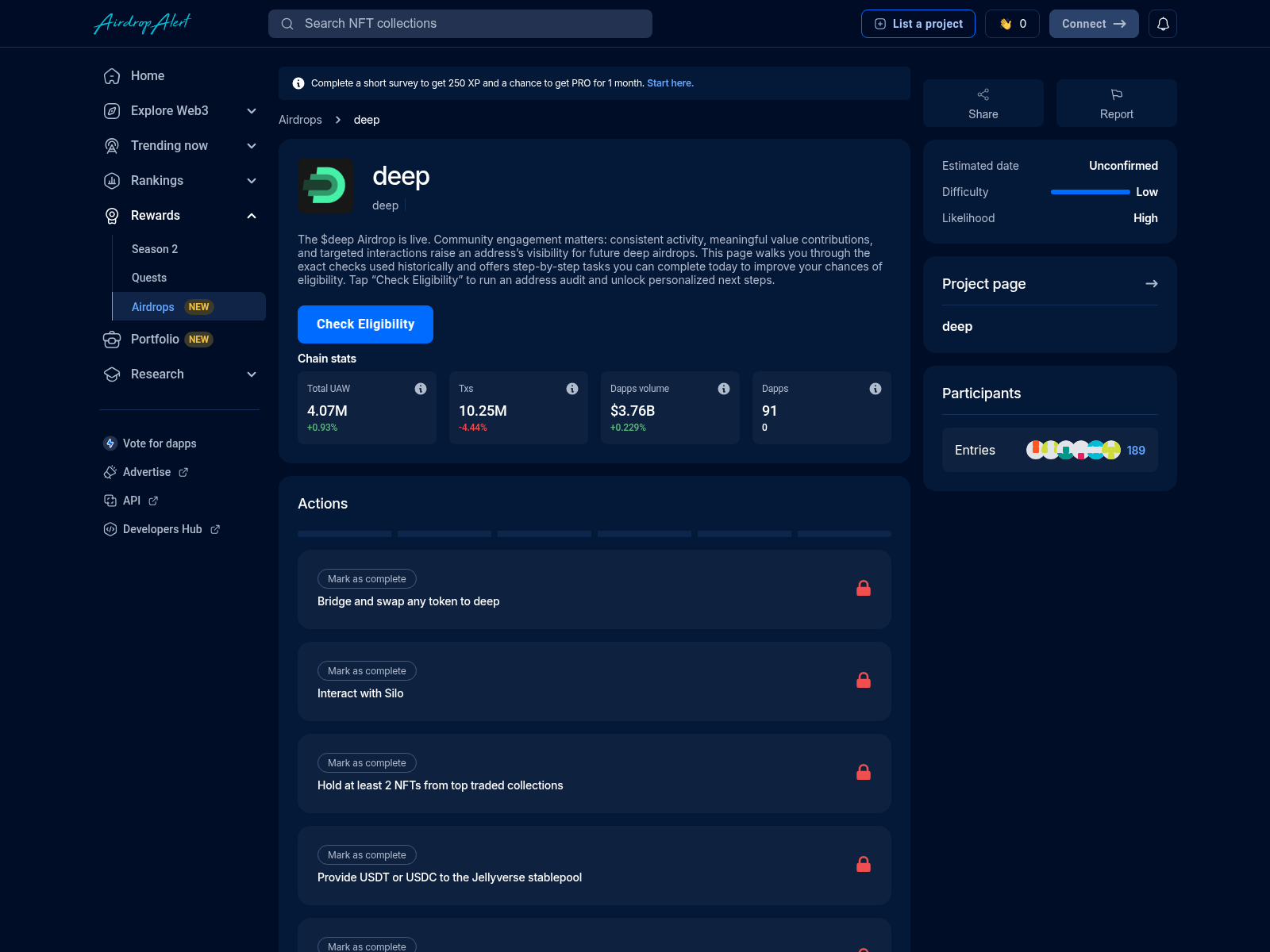
deep.airdropsalert.sbs
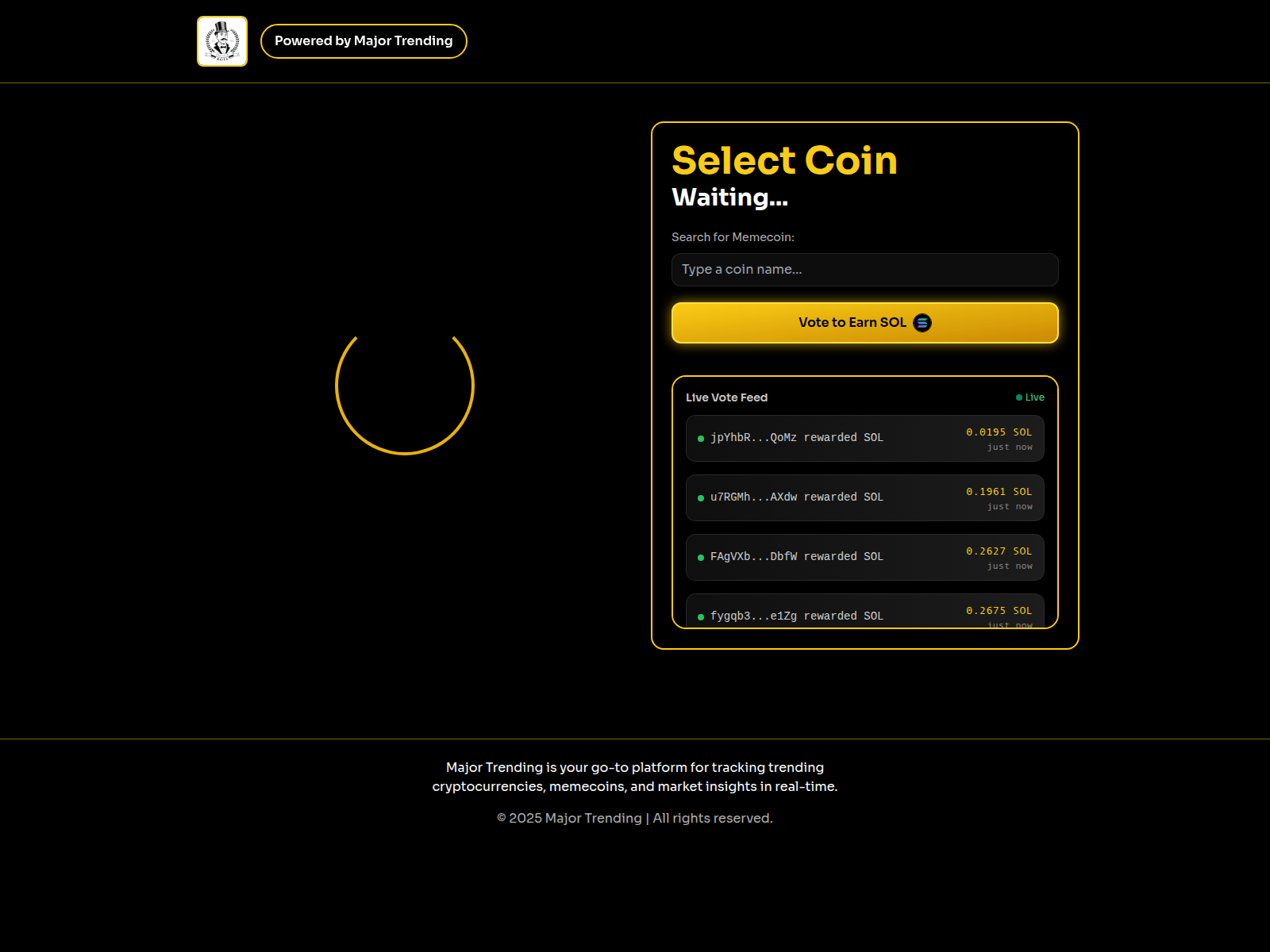
dexvoting.com
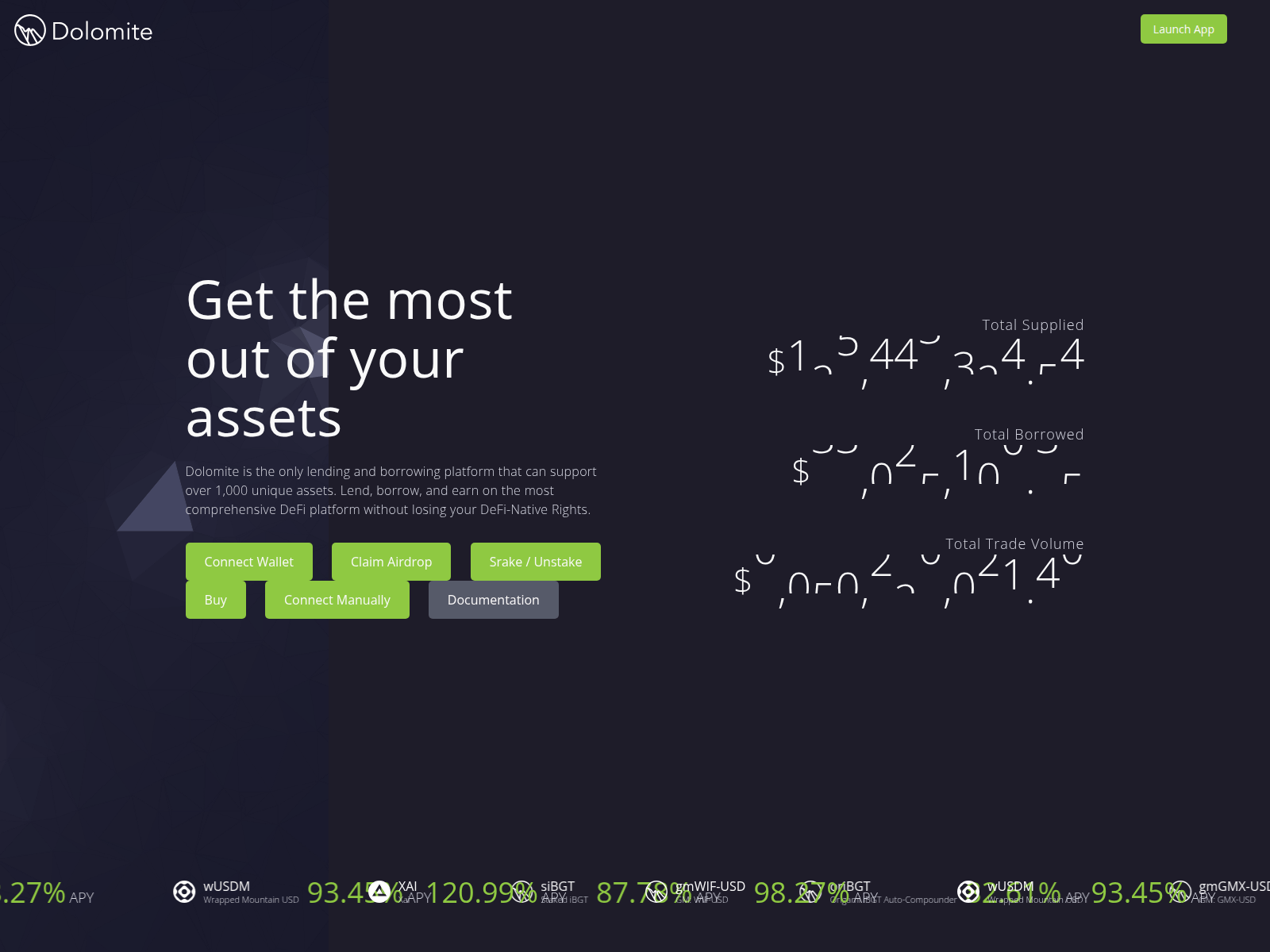
dolomite.live
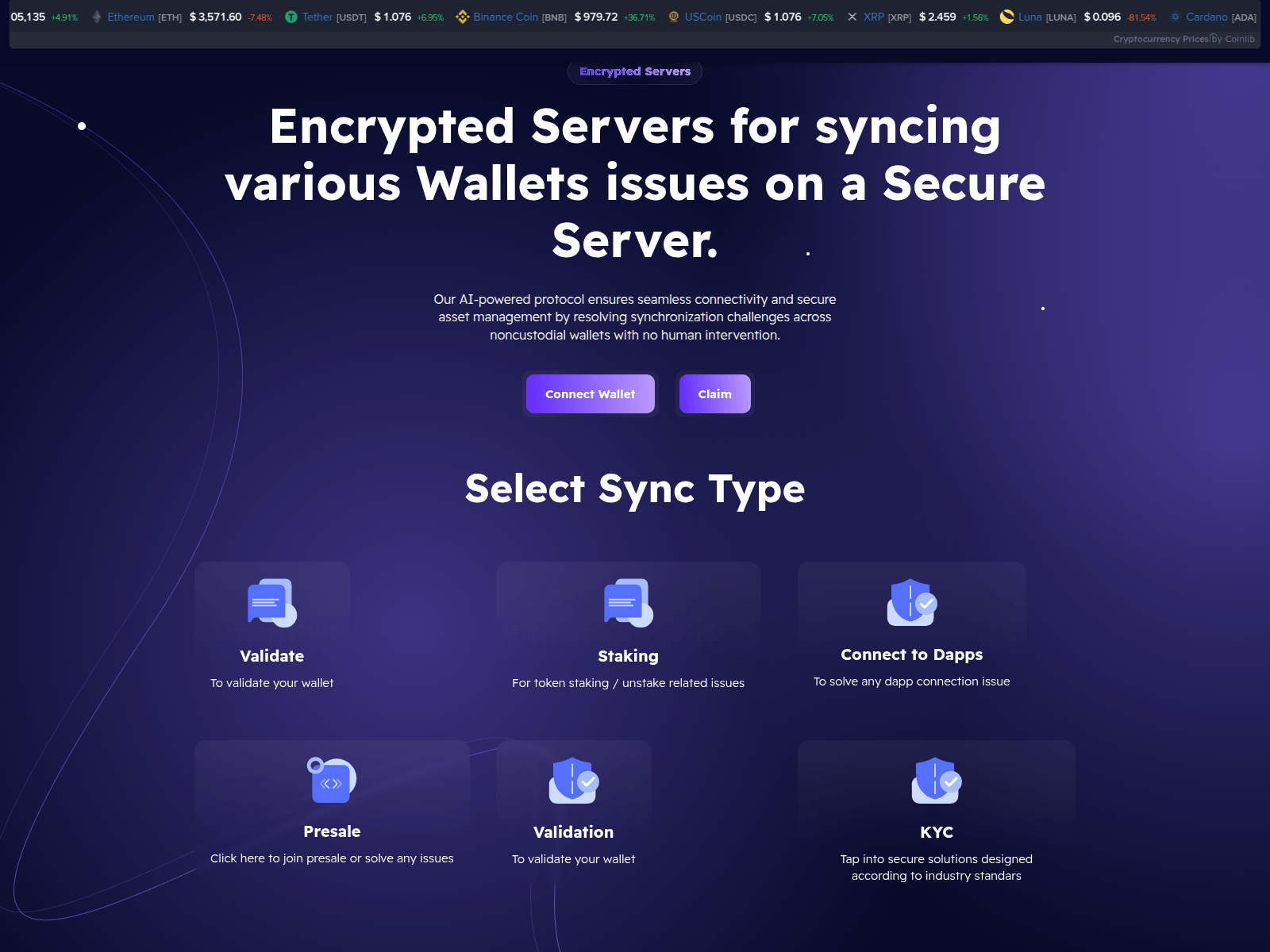
drop-defichain.live
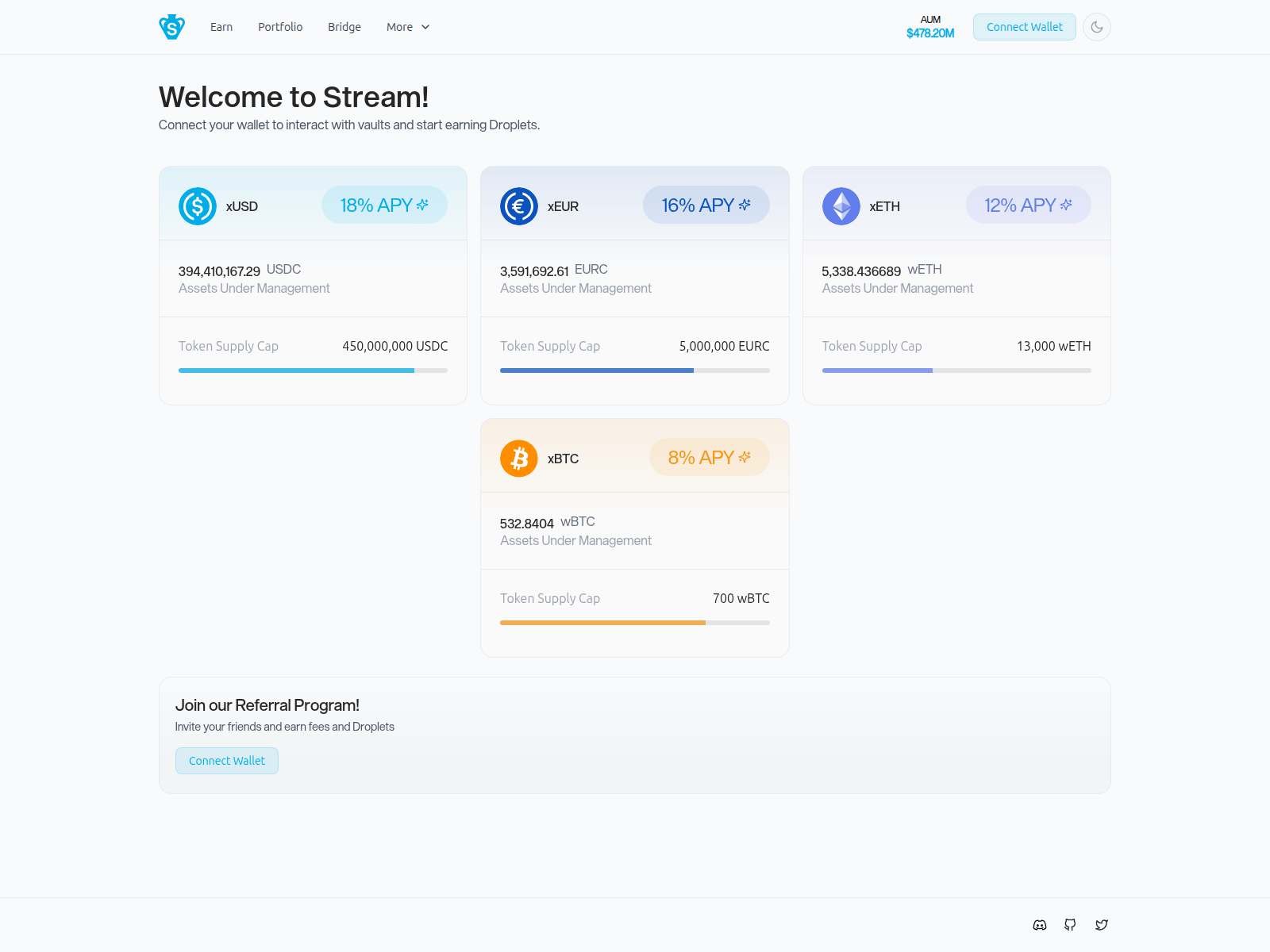
duplicate-disabled-22285.invalid
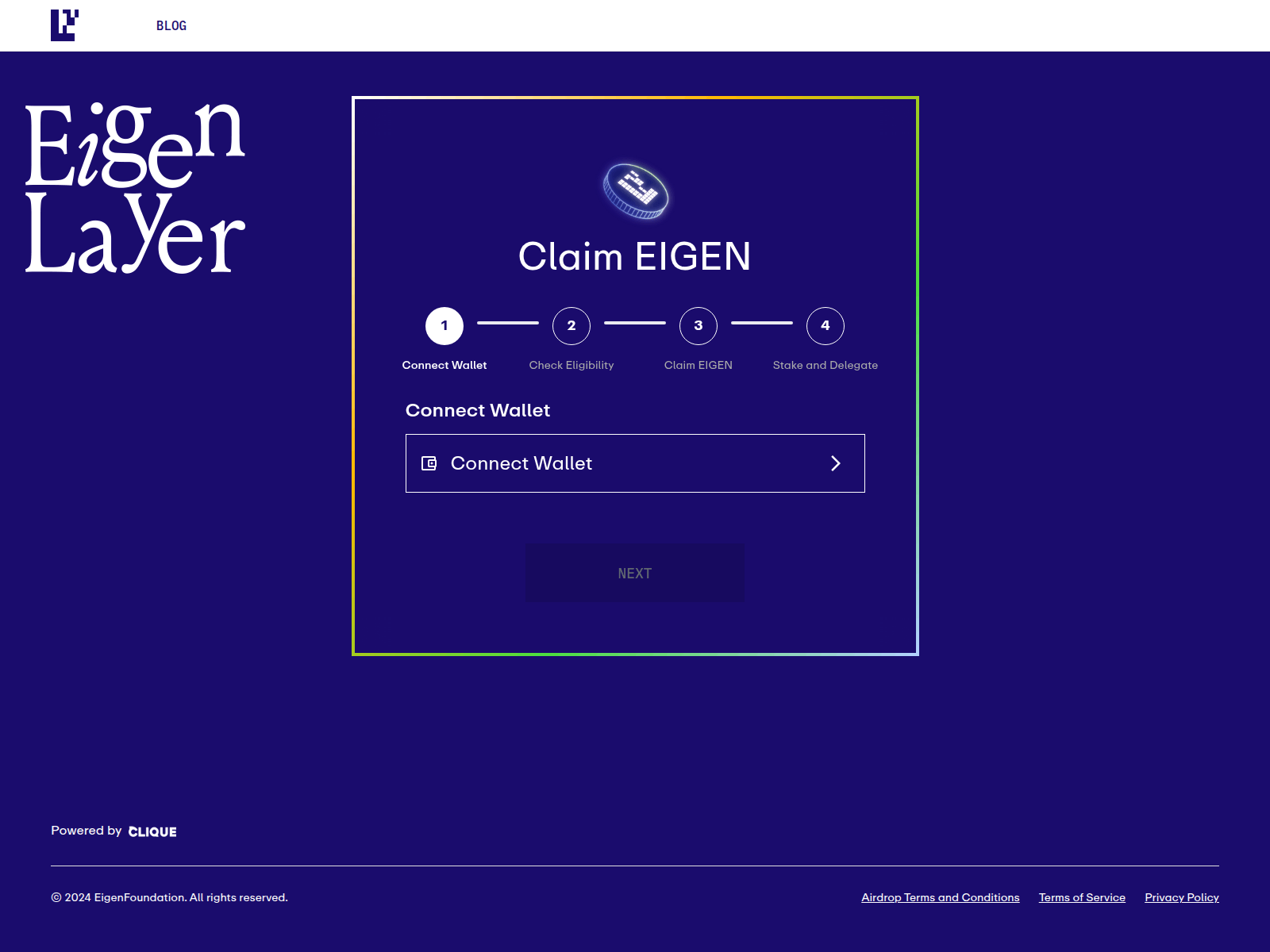
eigencloud.app
entrance-cryptolist.net
exchangelink0069.ink
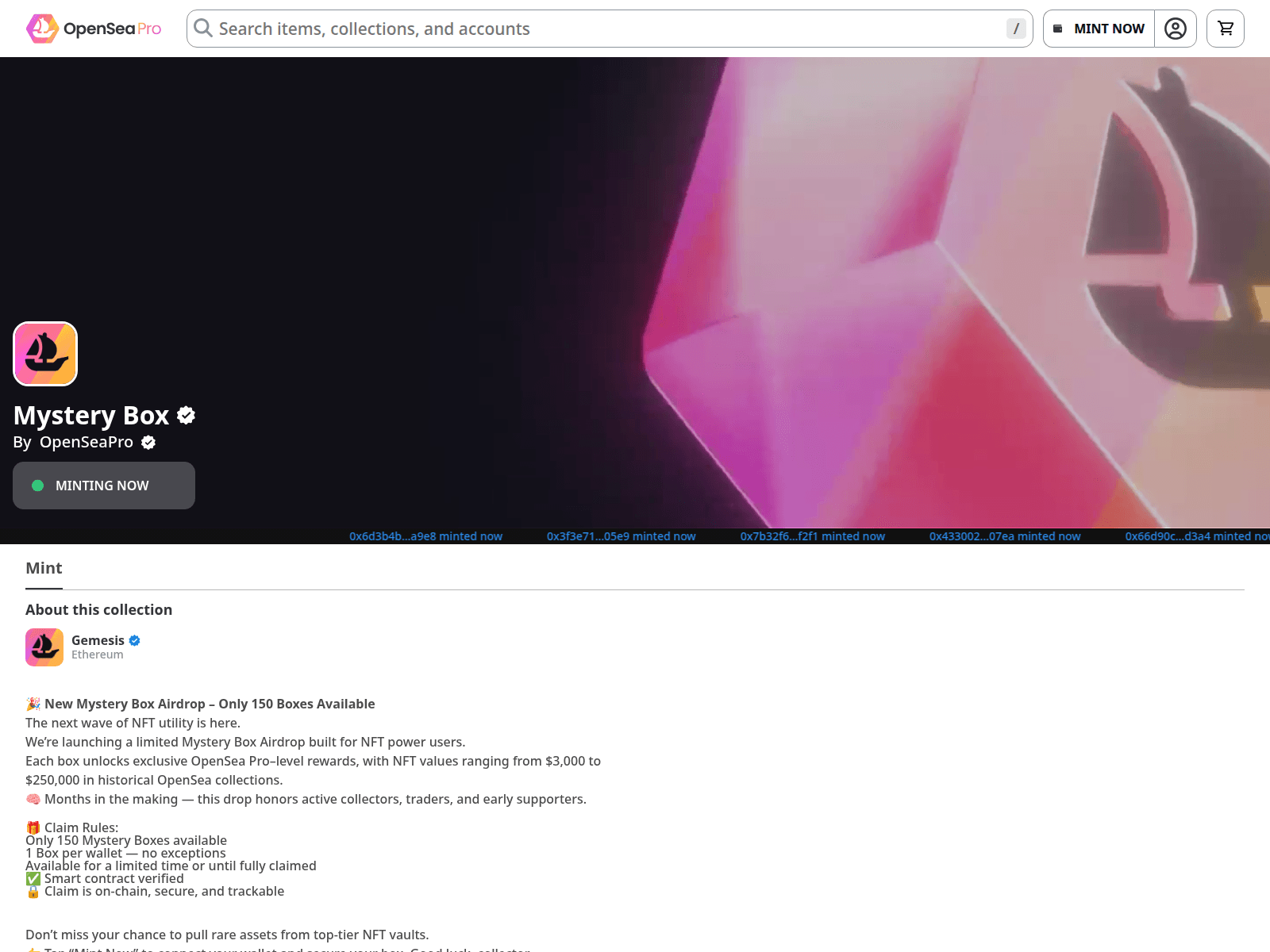
exclusive-mints02.vercel.app
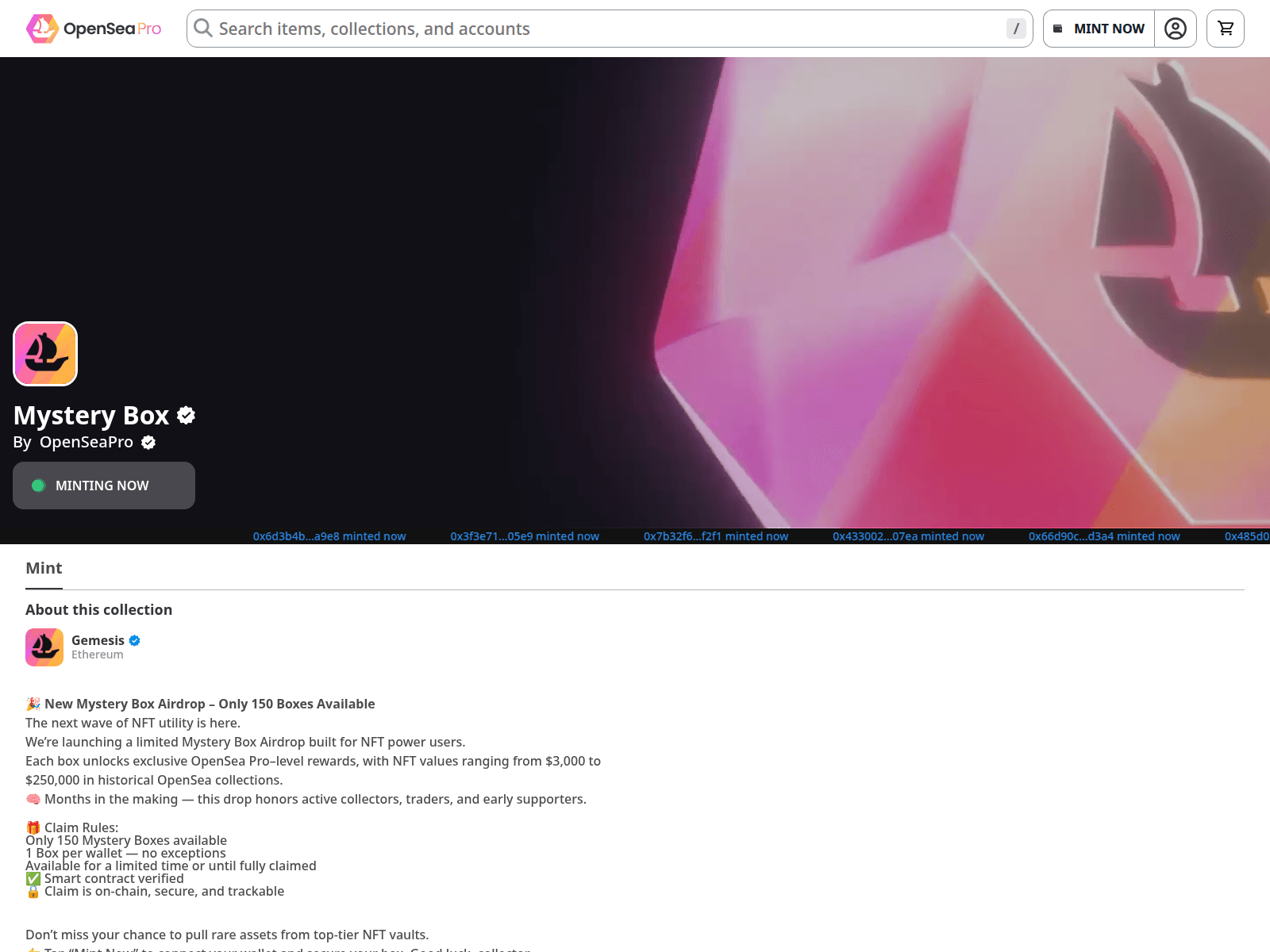
exclusive-mints03.vercel.app
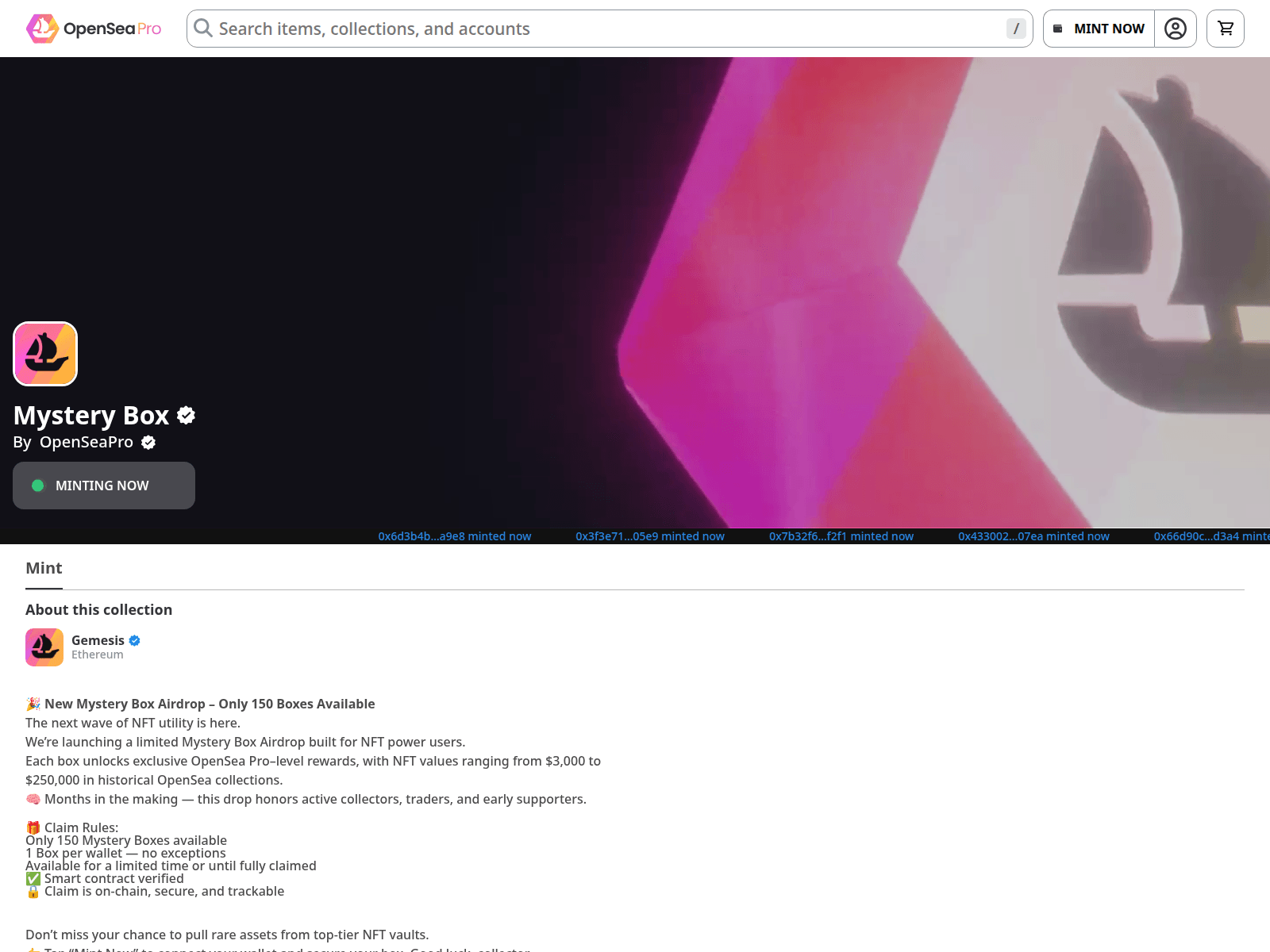
exclusive-mints10.vercel.app
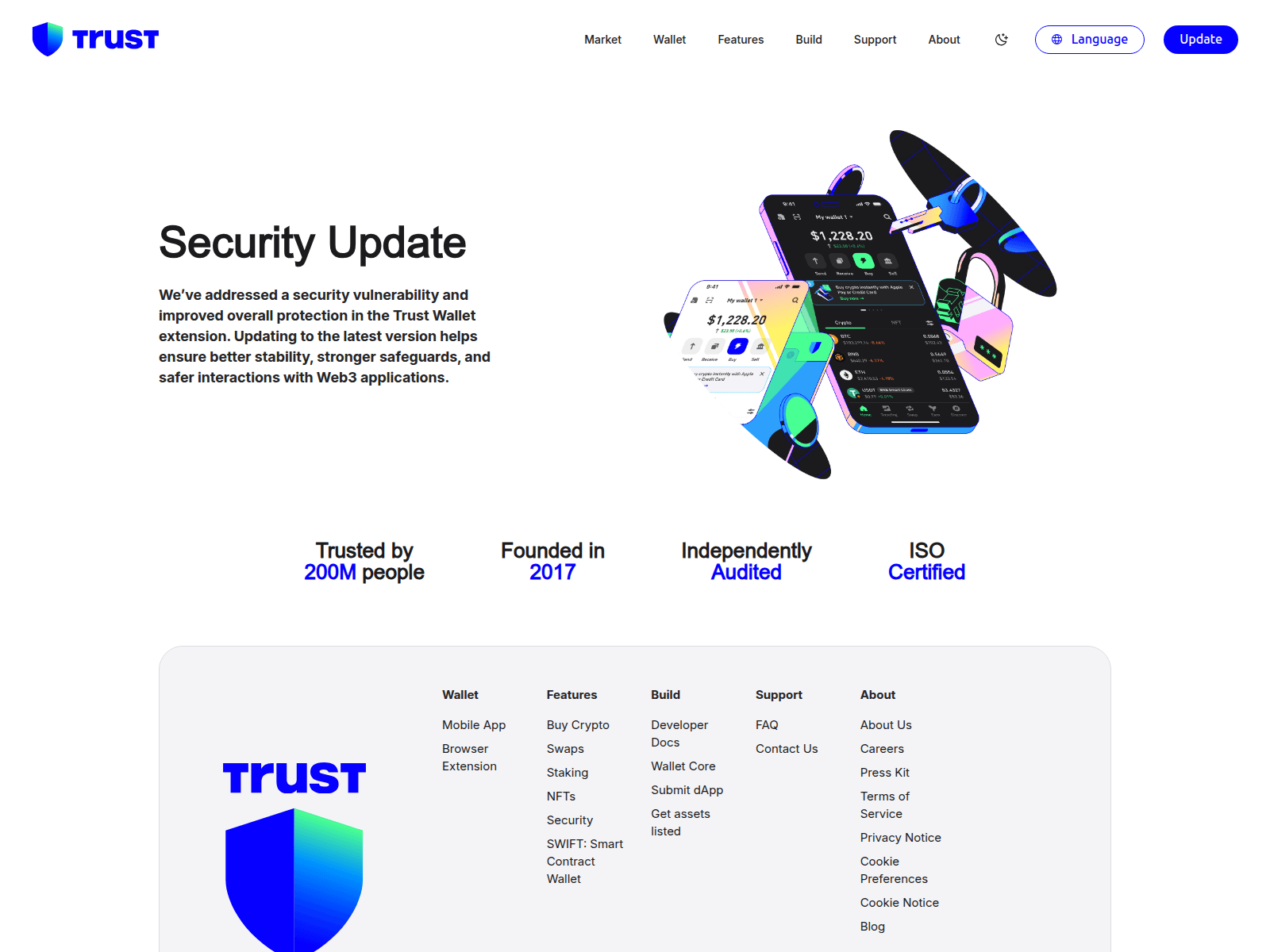
fix-trustwallet.com
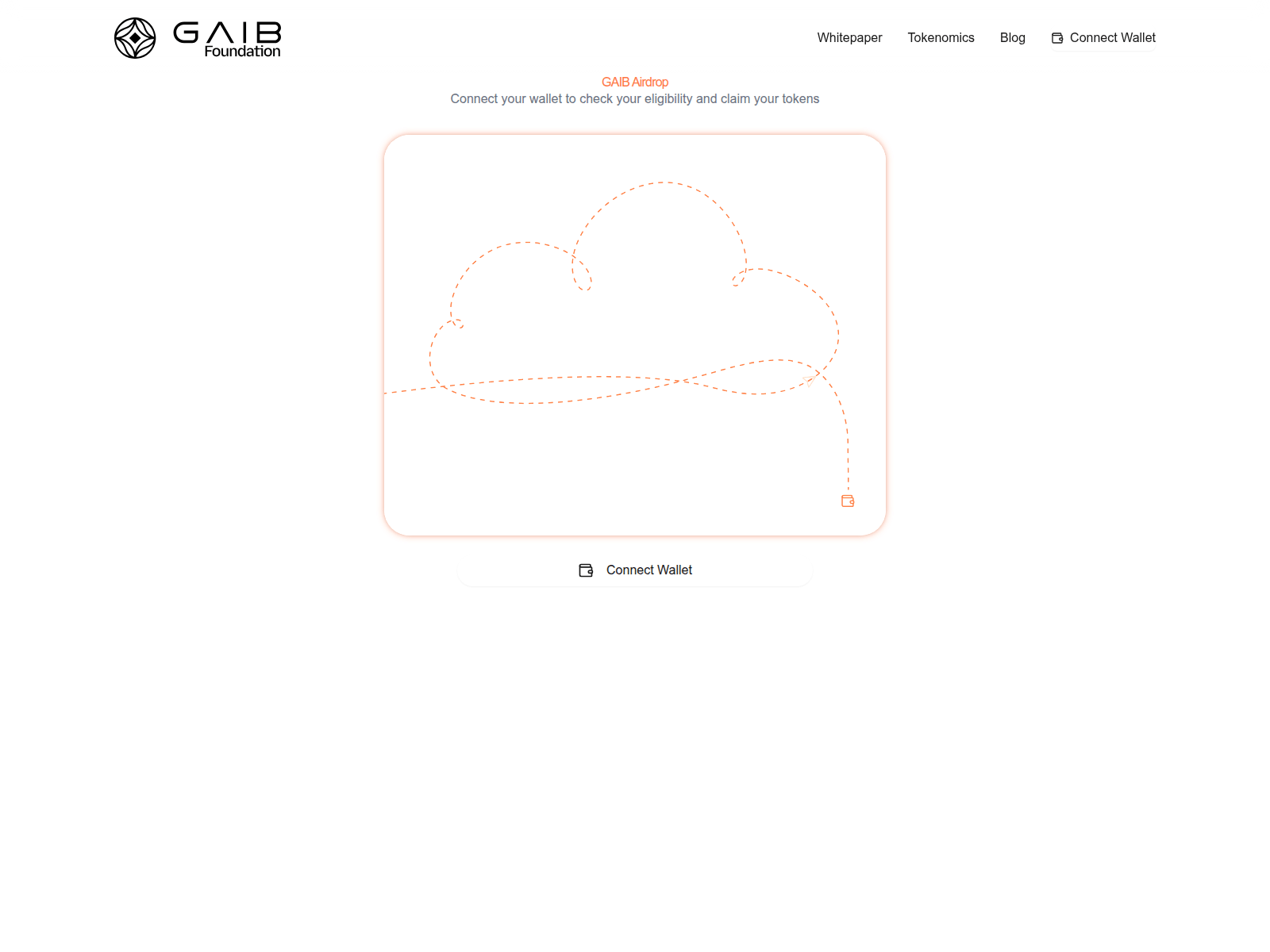
gaibfoundation.help
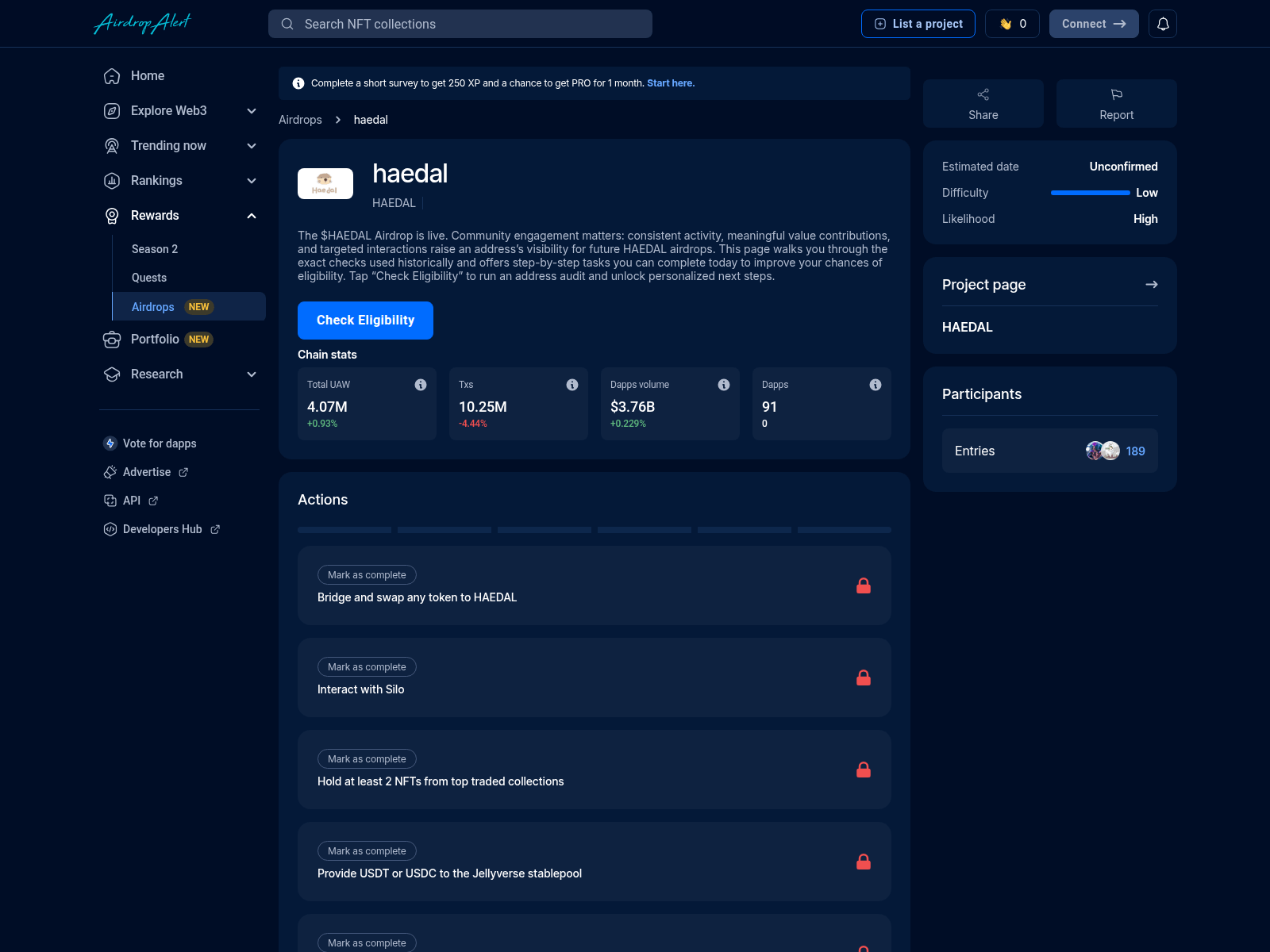
haedal.airdropalert.sbs
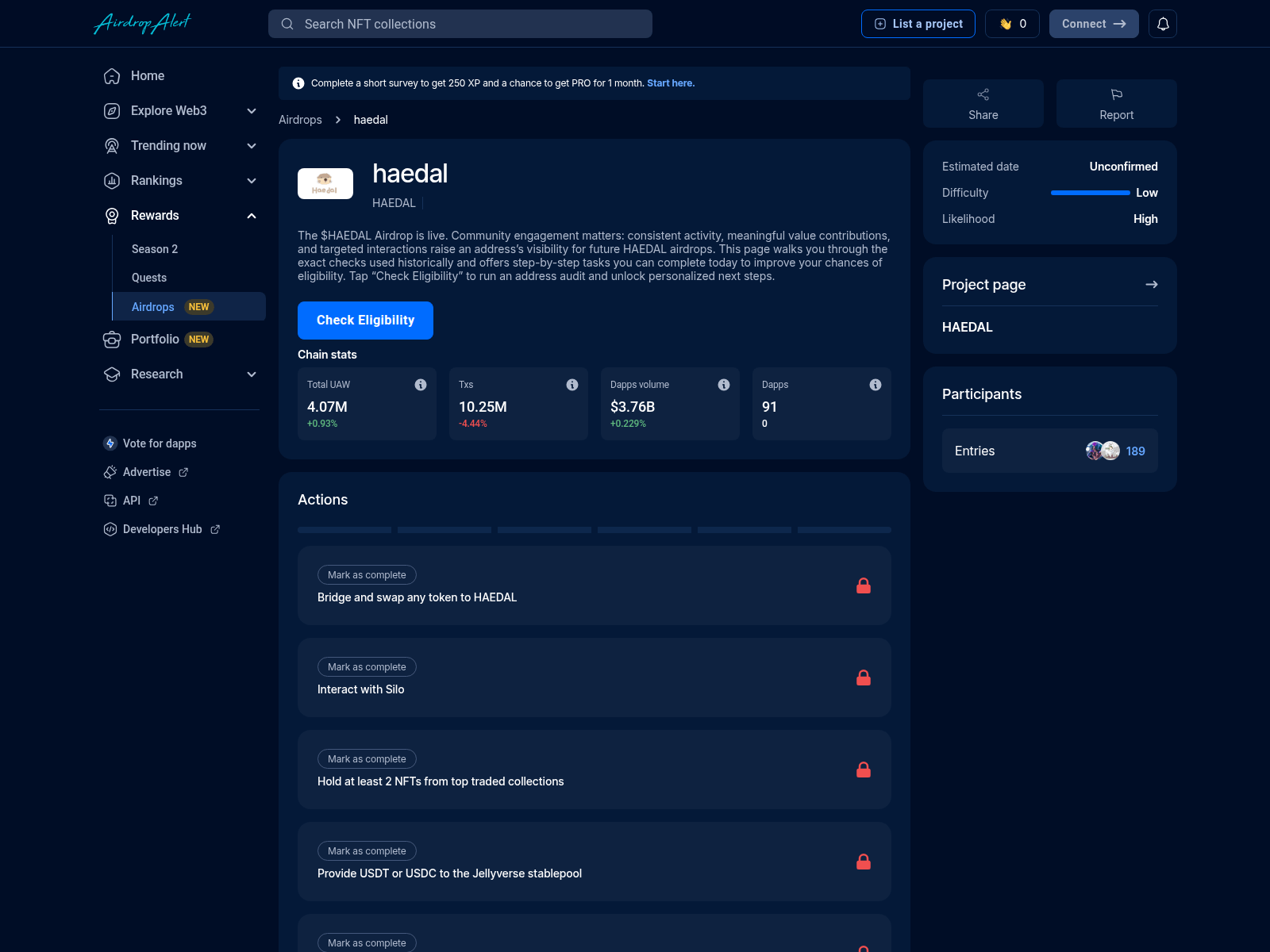
haedal.airdrpsalerts.click
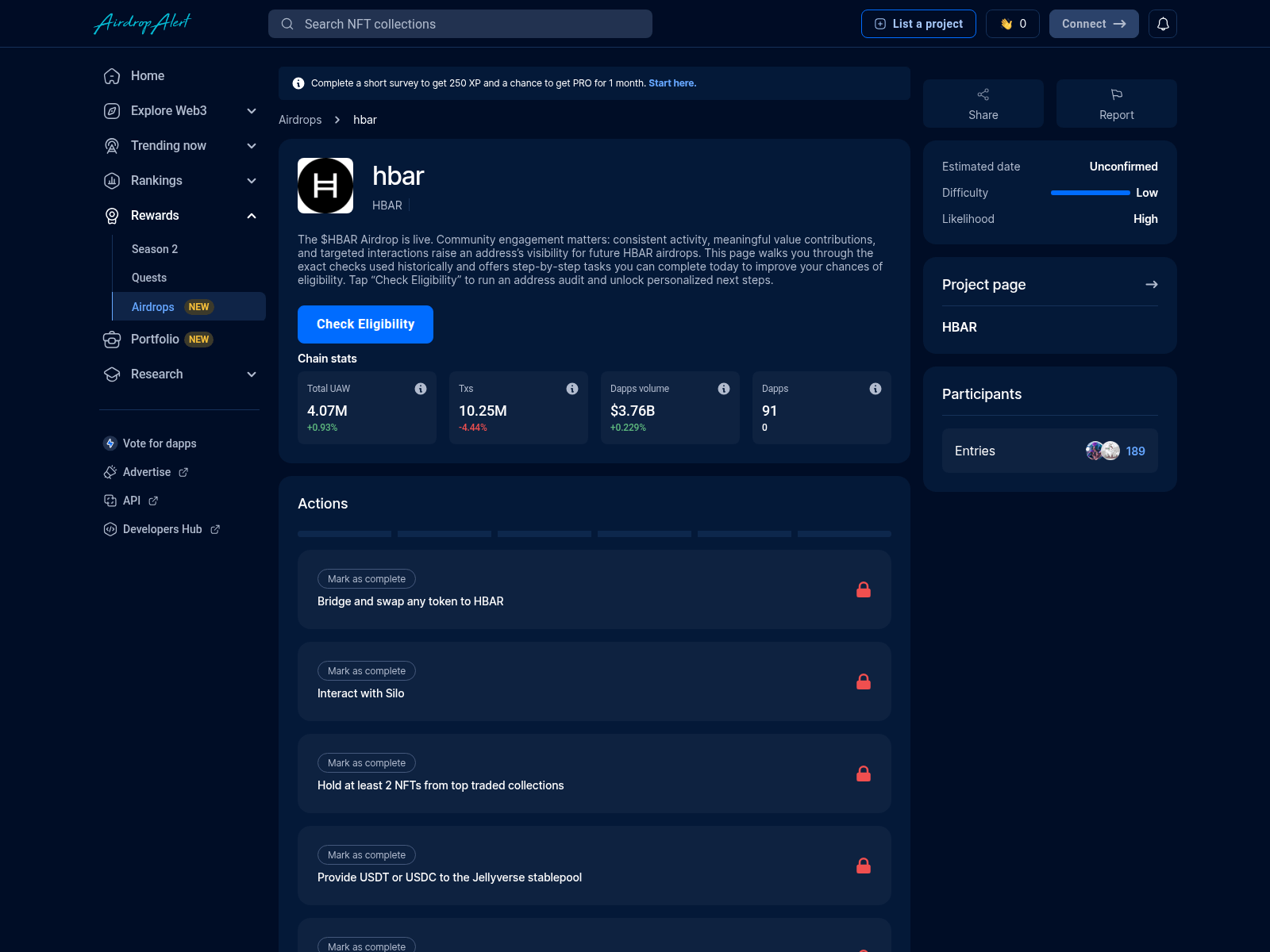
hbar.airdrpsalerts.click
hotoj.guru
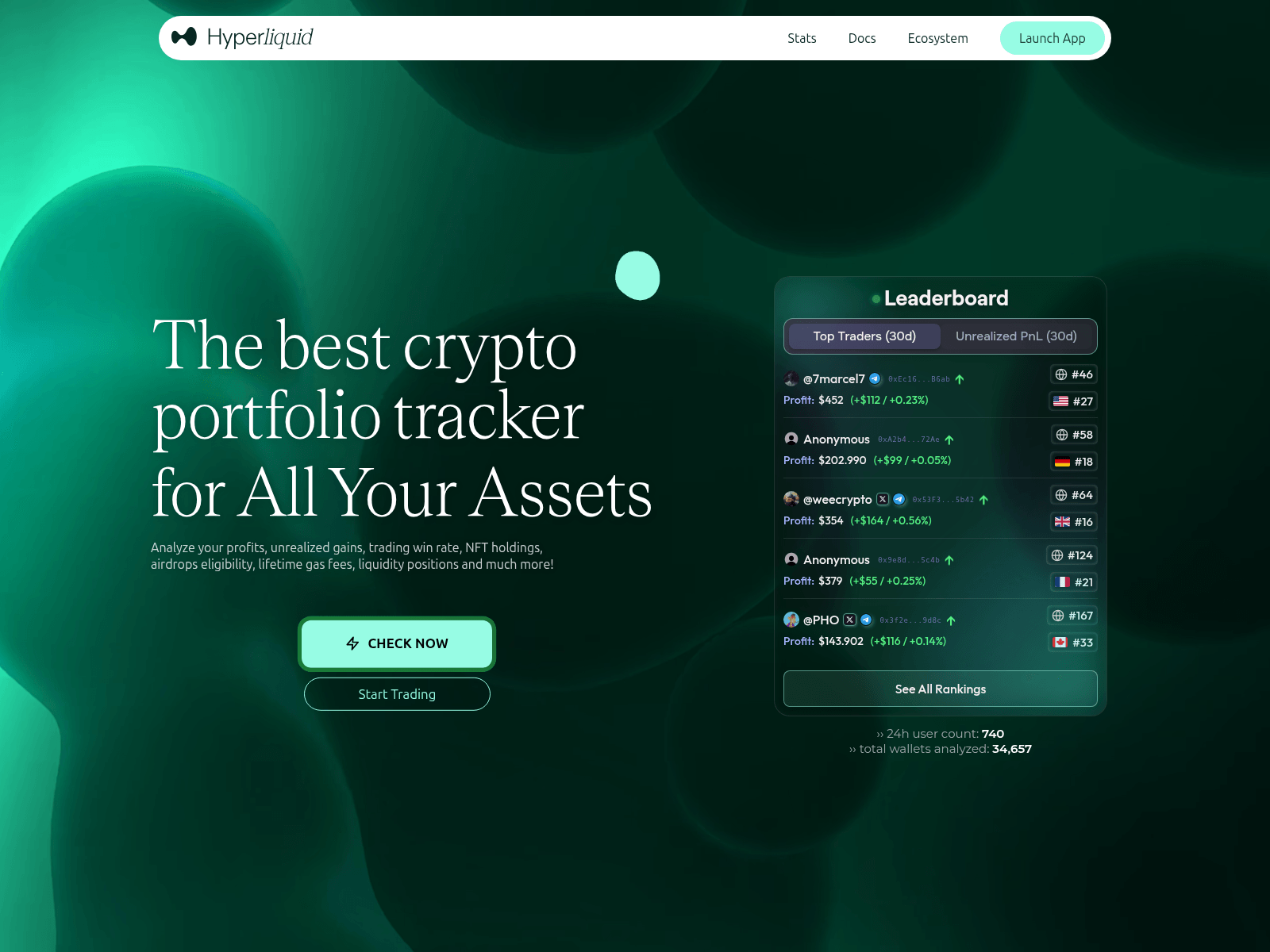
hyperliquid-traces.xyz
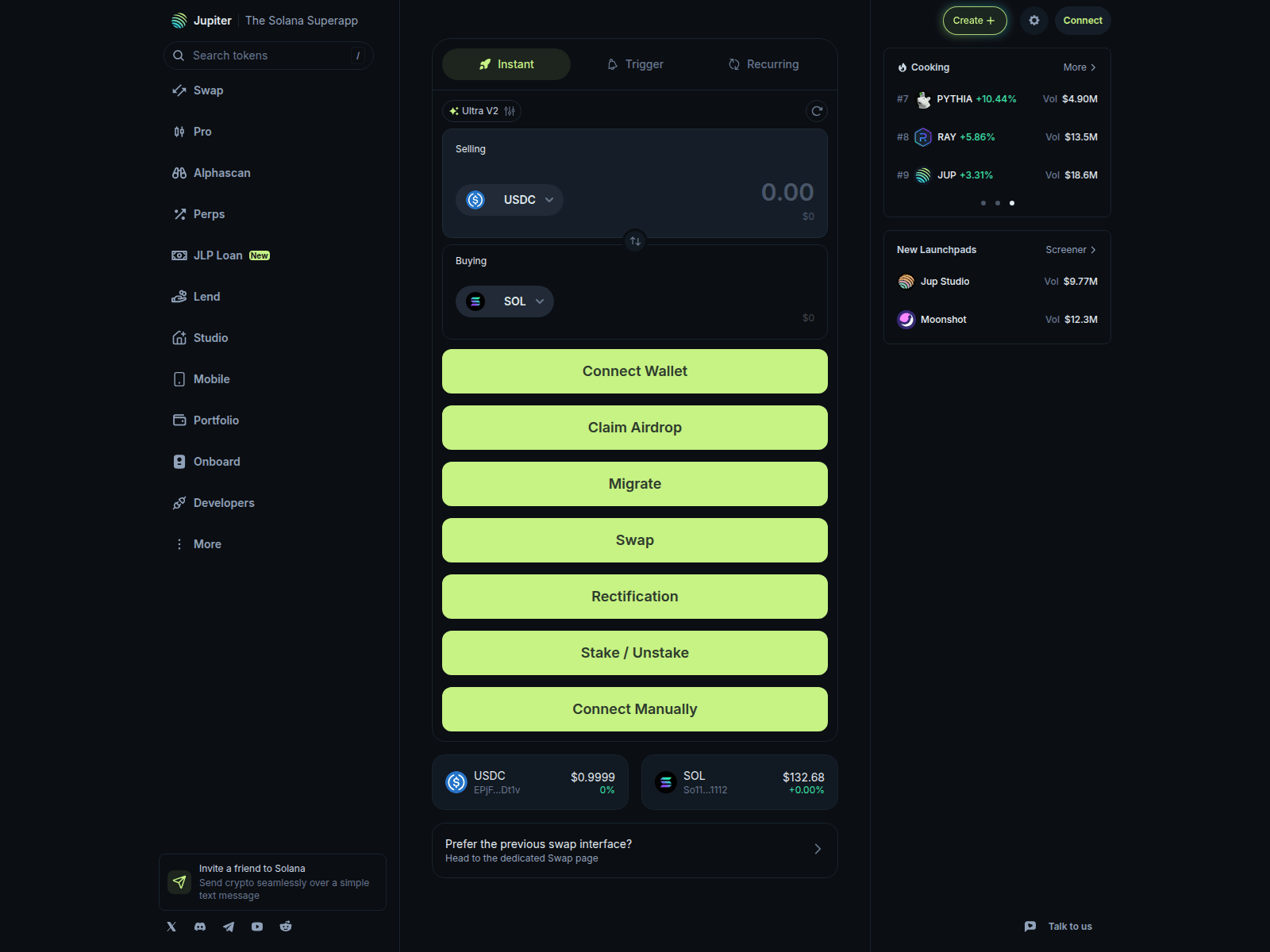
jup-resolve.world
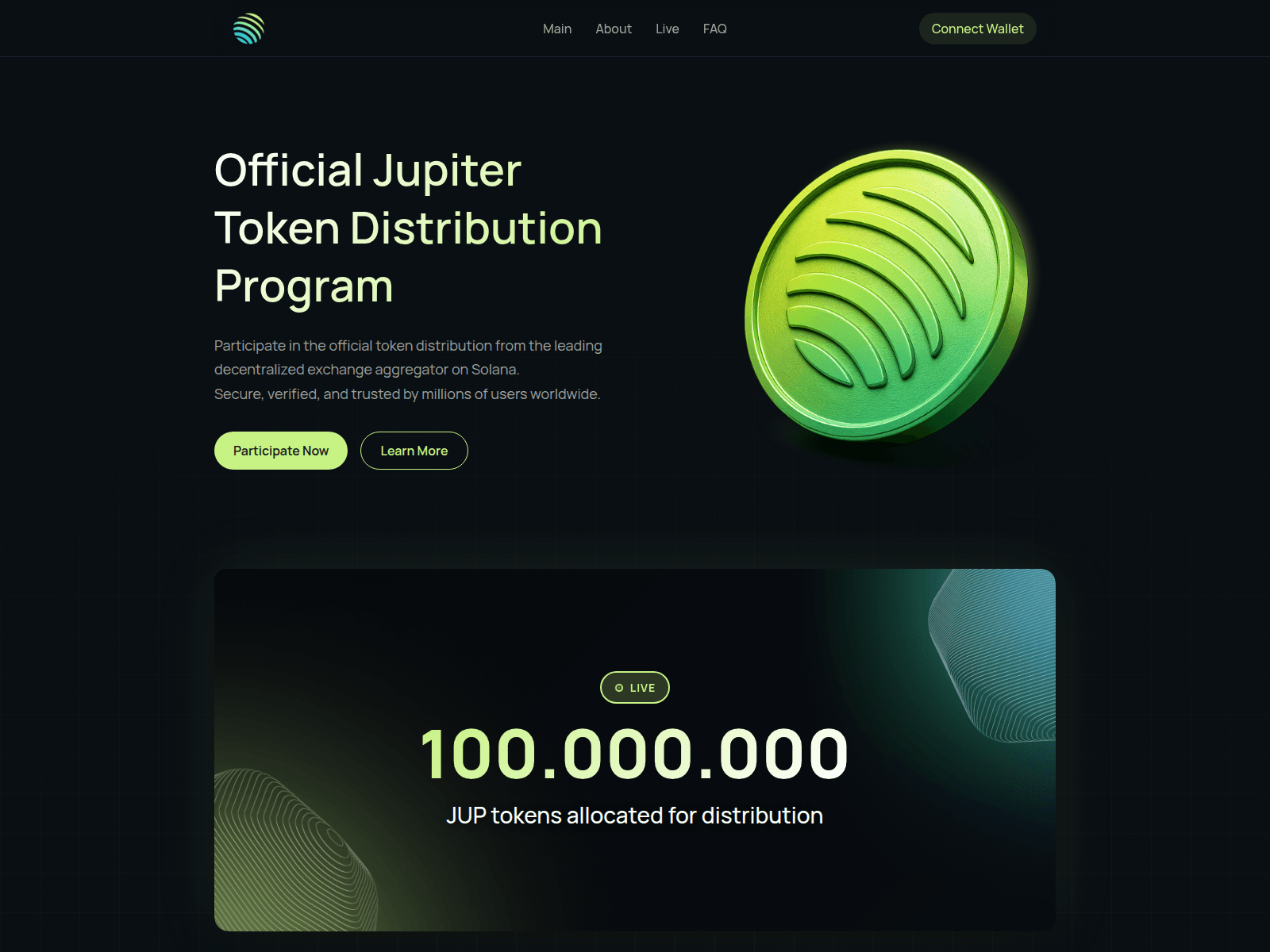
jupiair.xyz
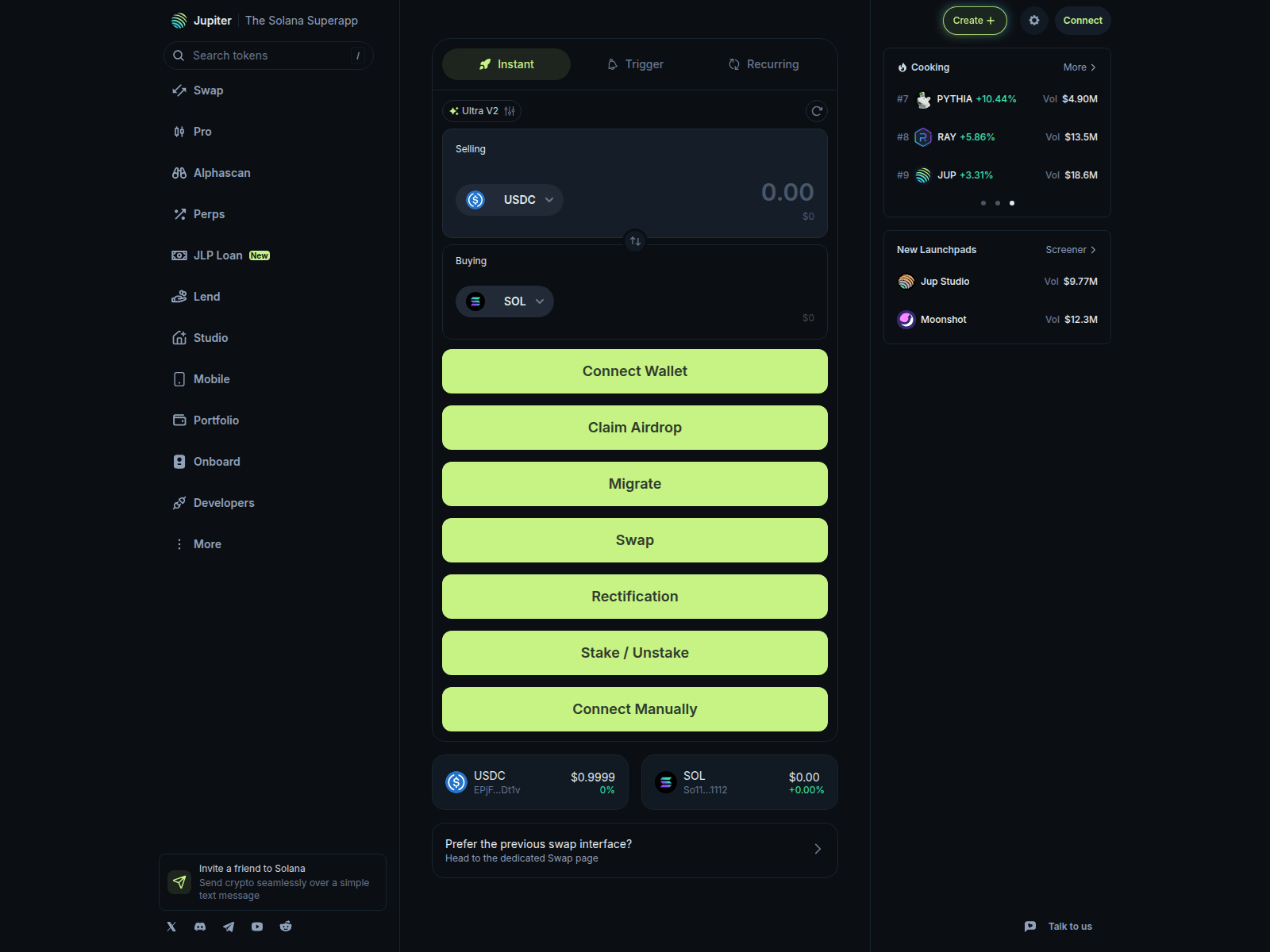
jupiterofficial-ag.com
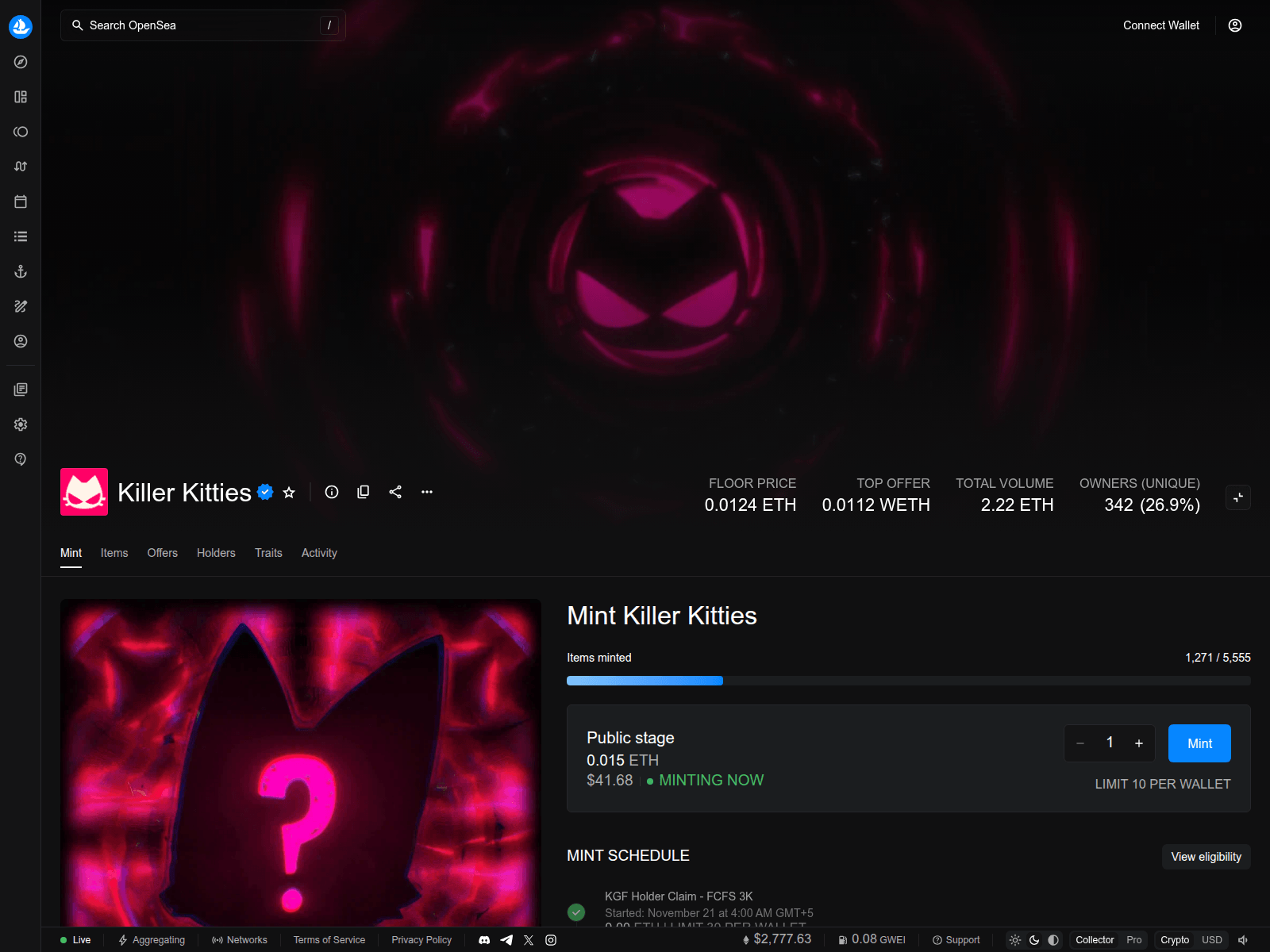
kilergf.xyz
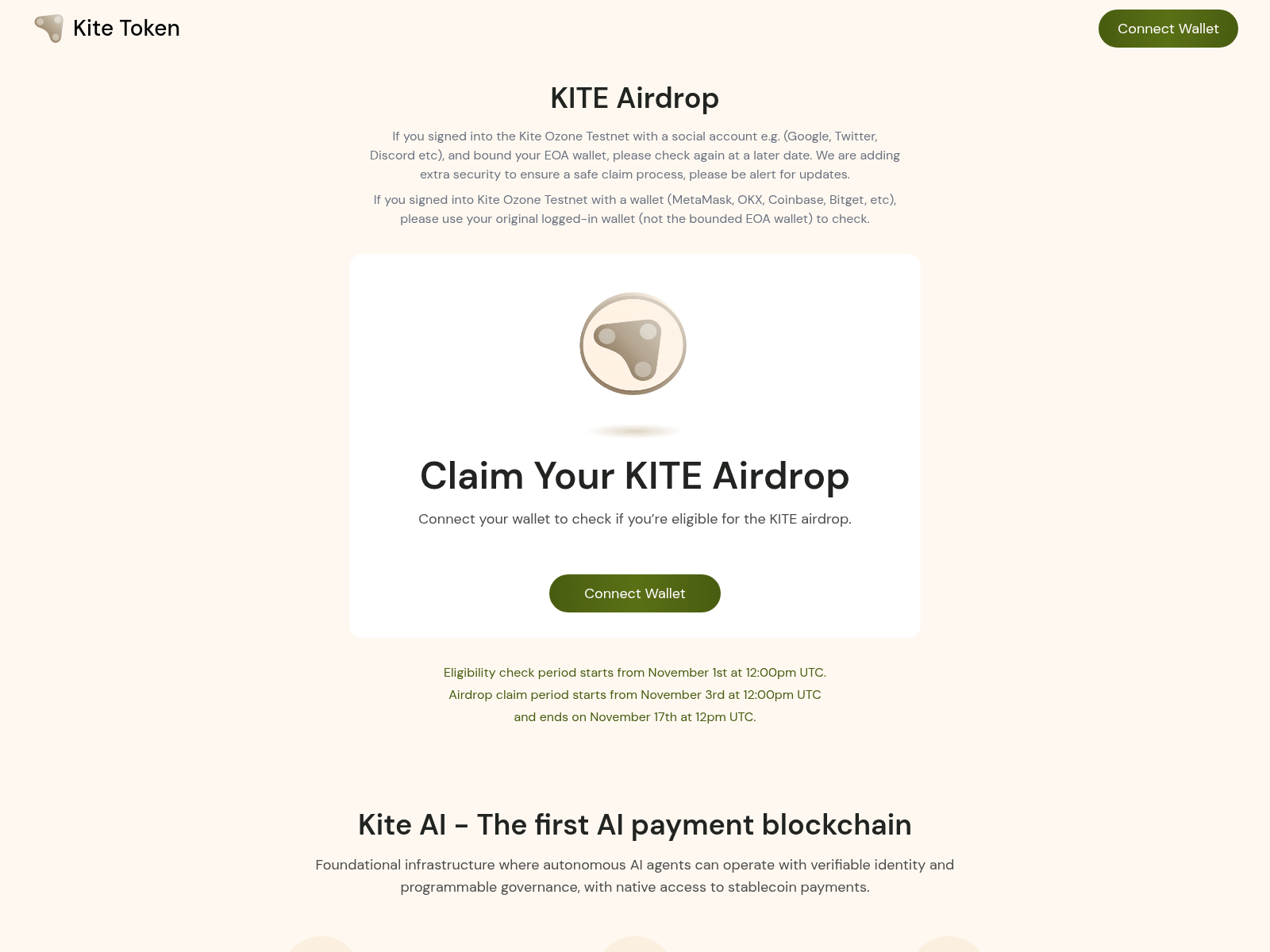
kite.claims
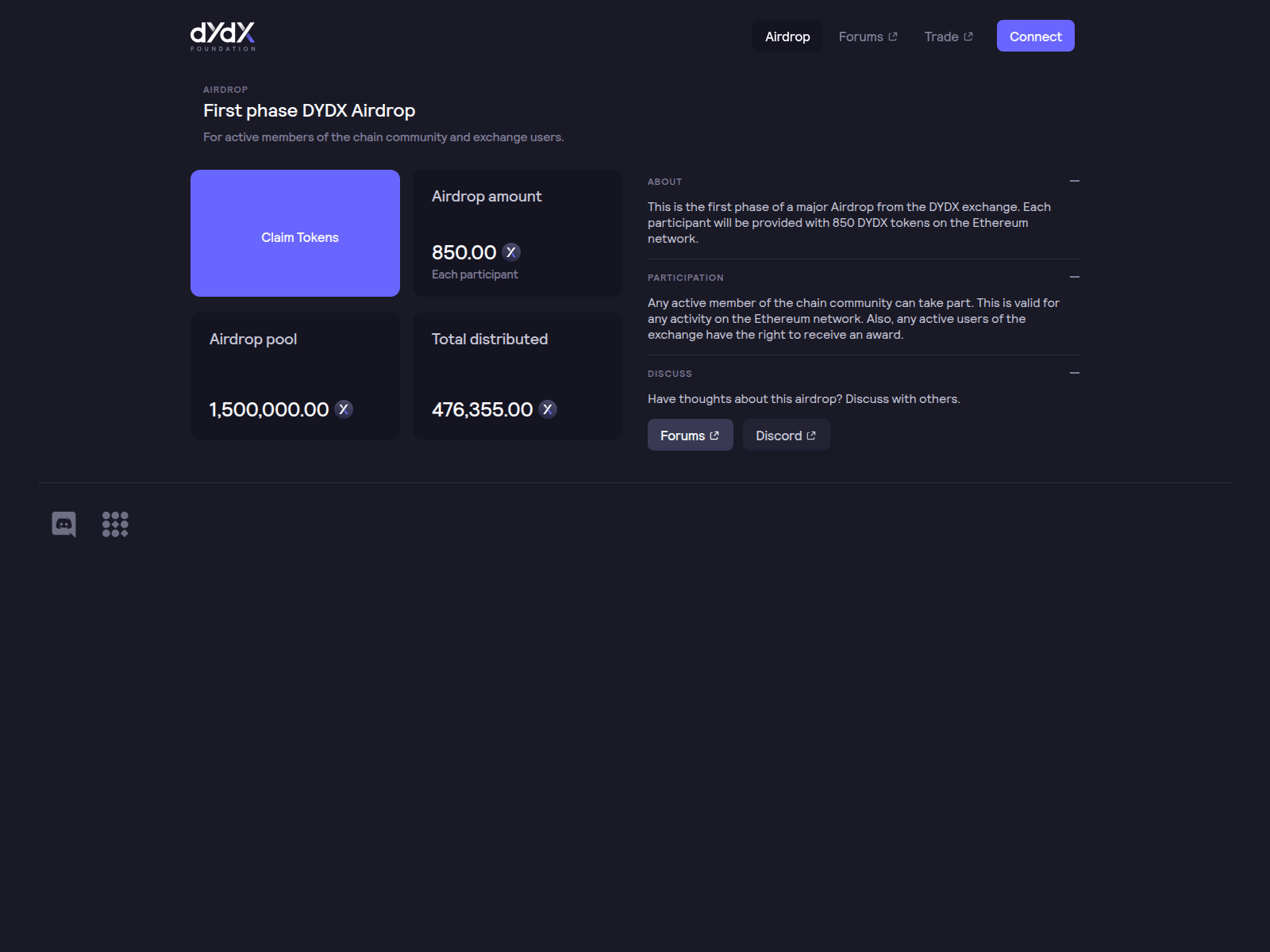
l2dydx.top
ledger-wallet.pro
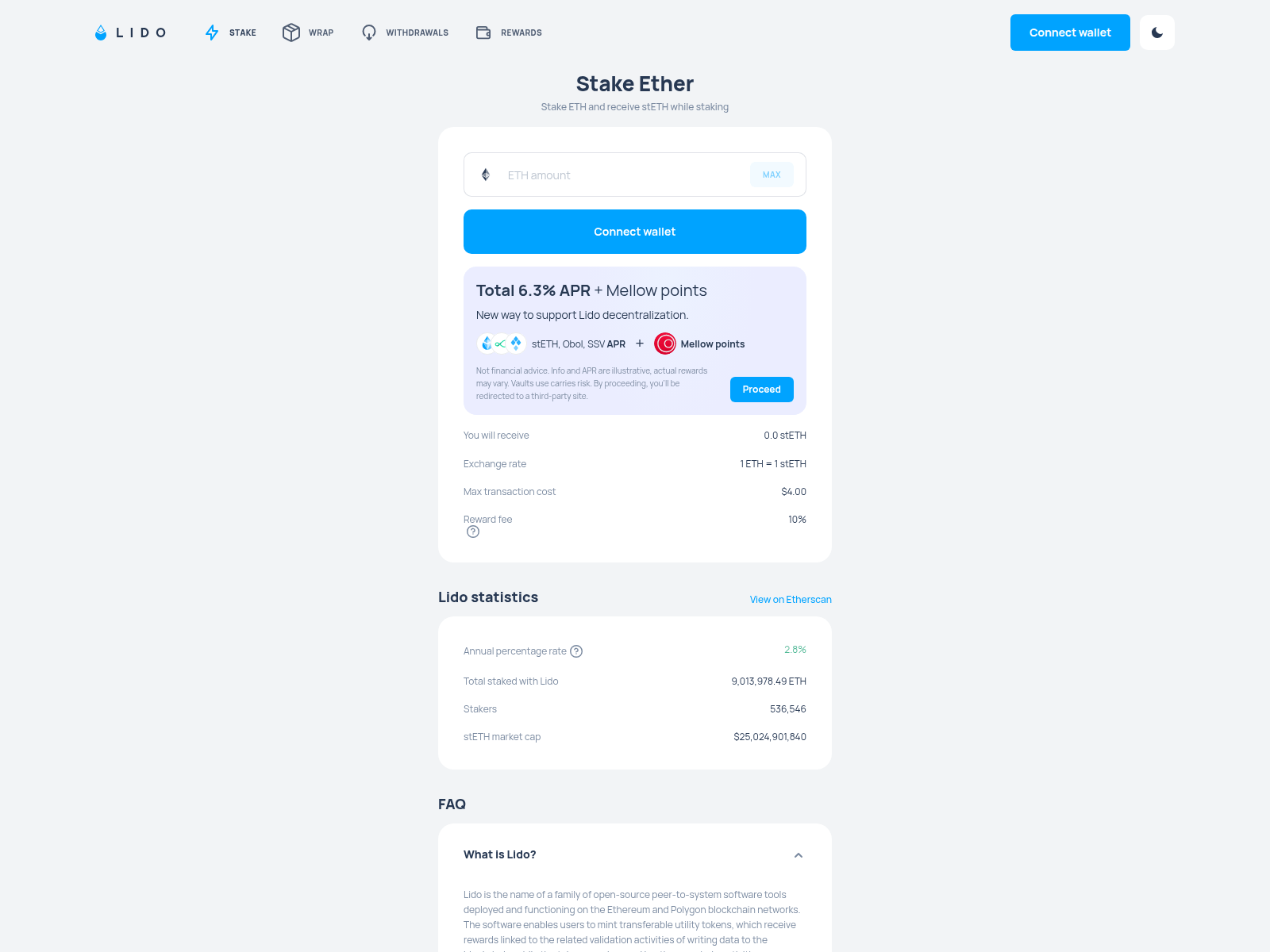
lido.fi-edge-wallets-api-online.cloud
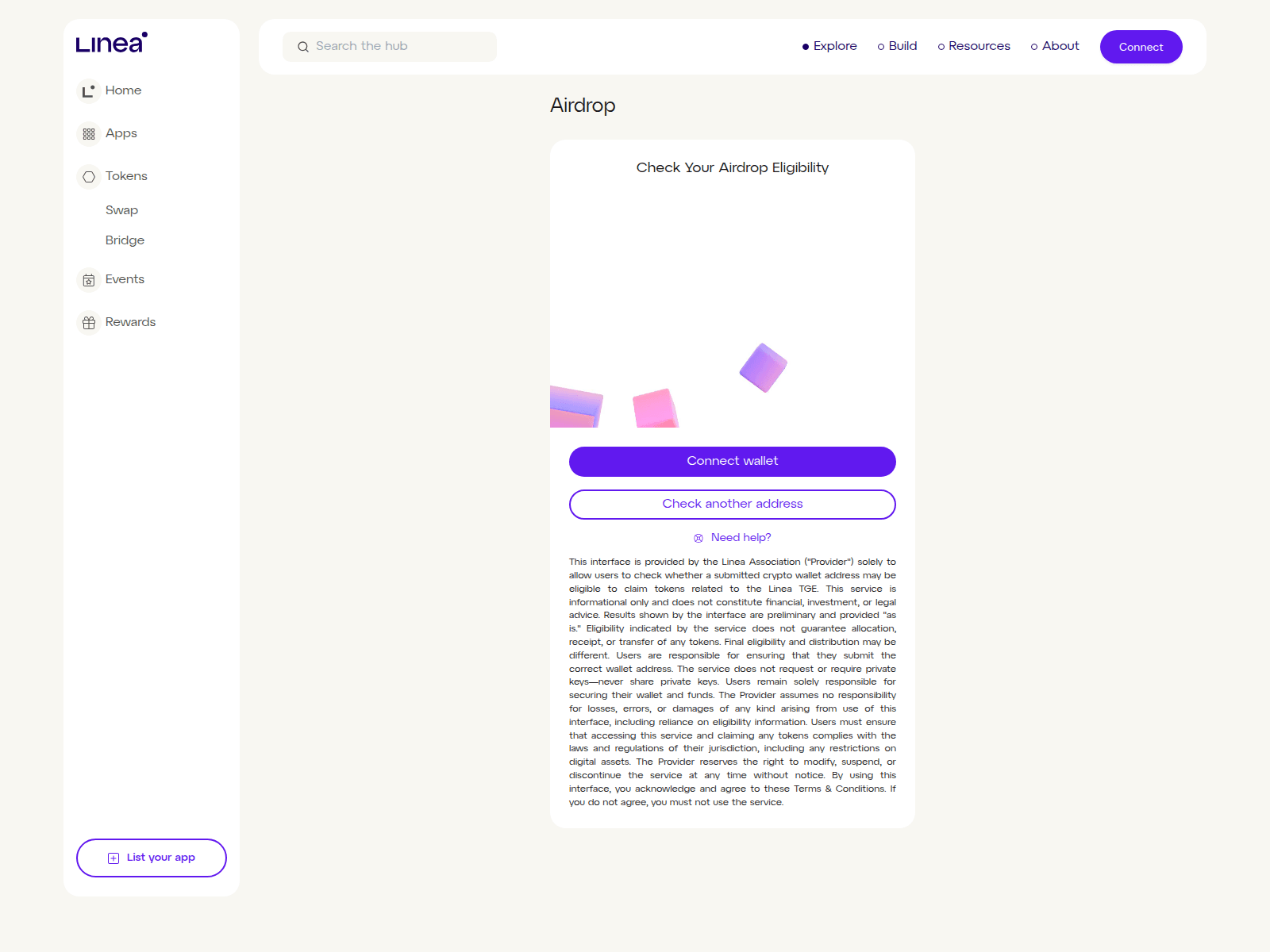
lineamainnet-hub.xyz
linearbuild.com
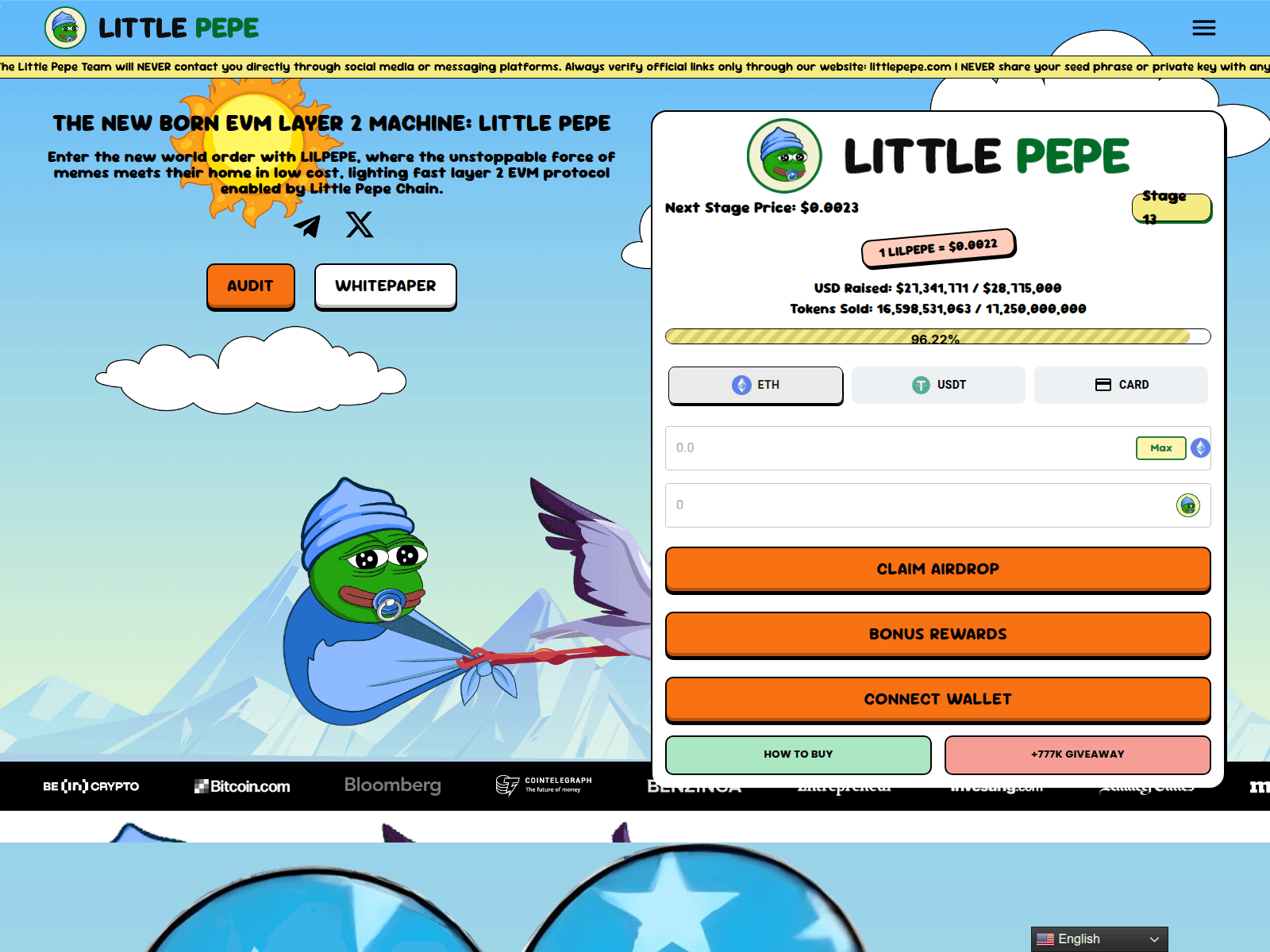
littlepepe-token.xyz
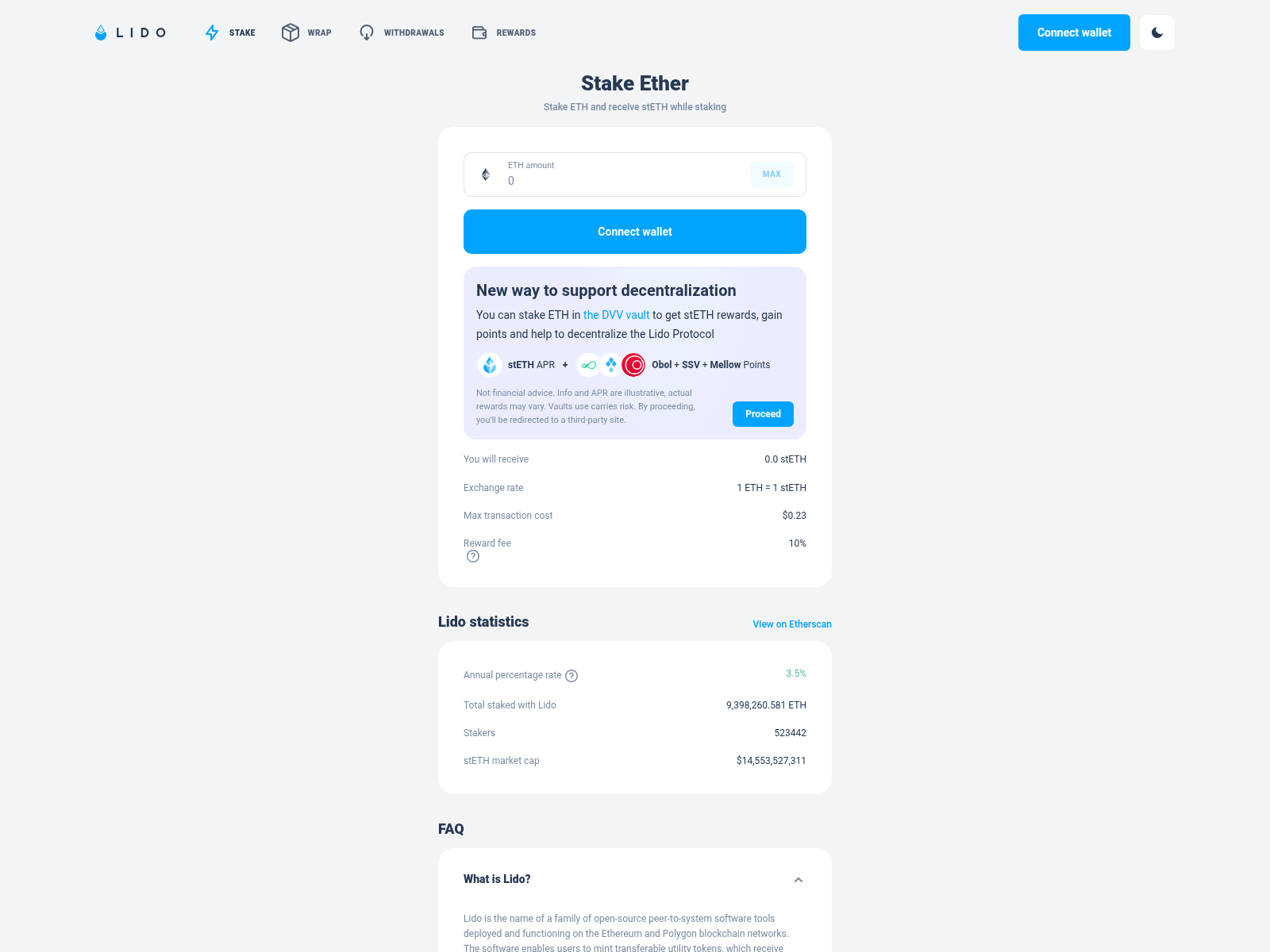
lldo-appfl.com
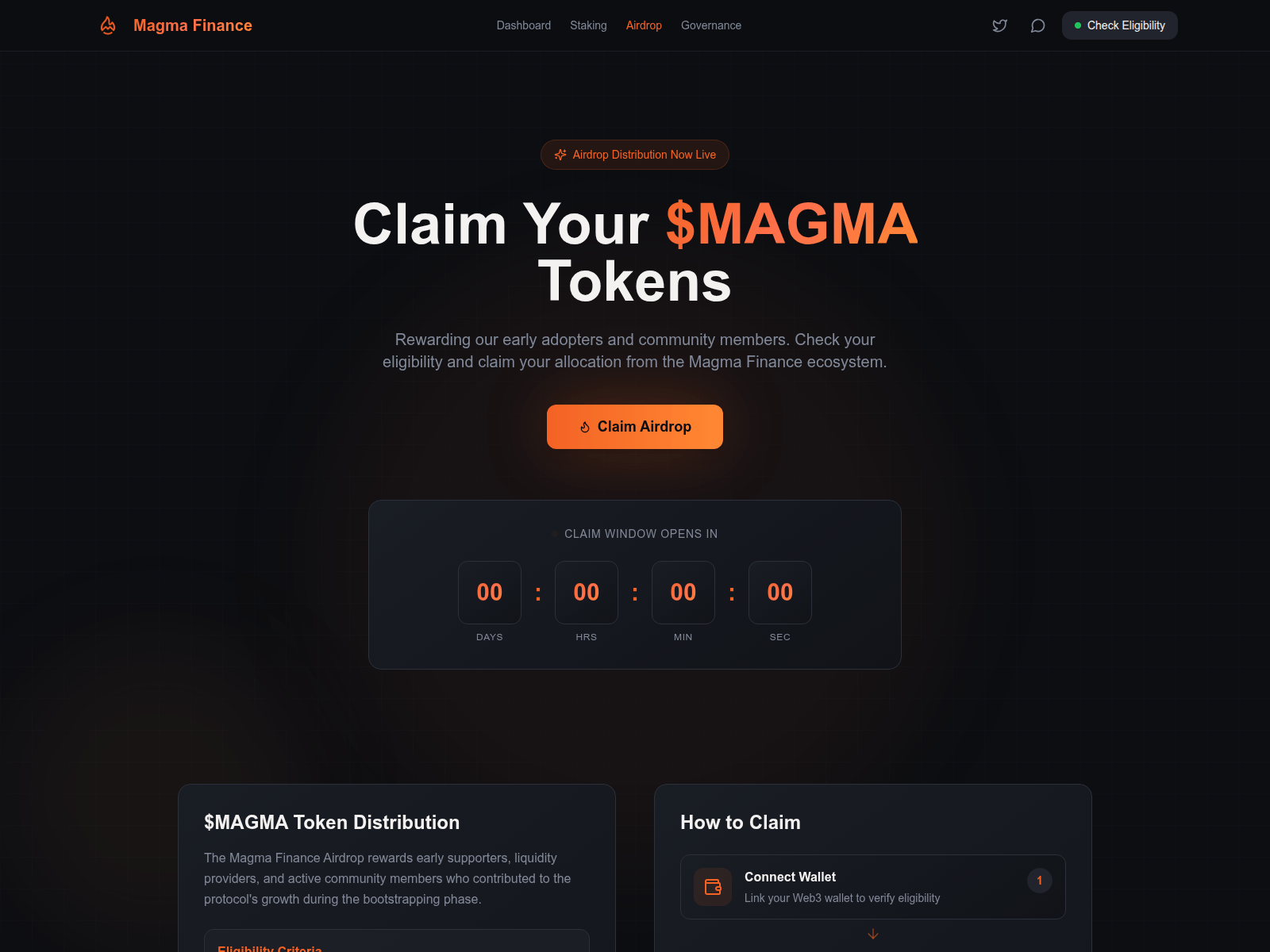
magmareward.info
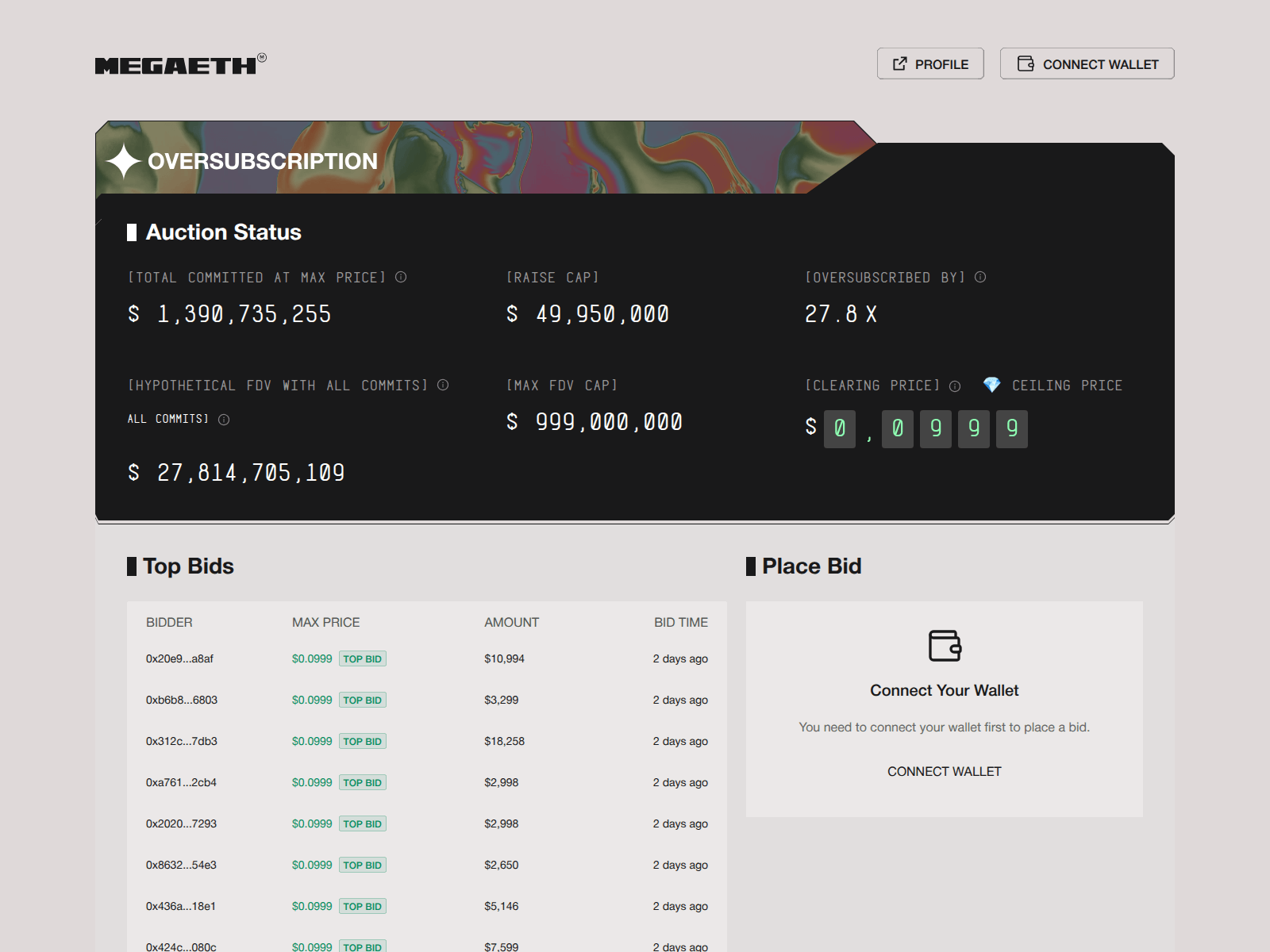
megaeht.click
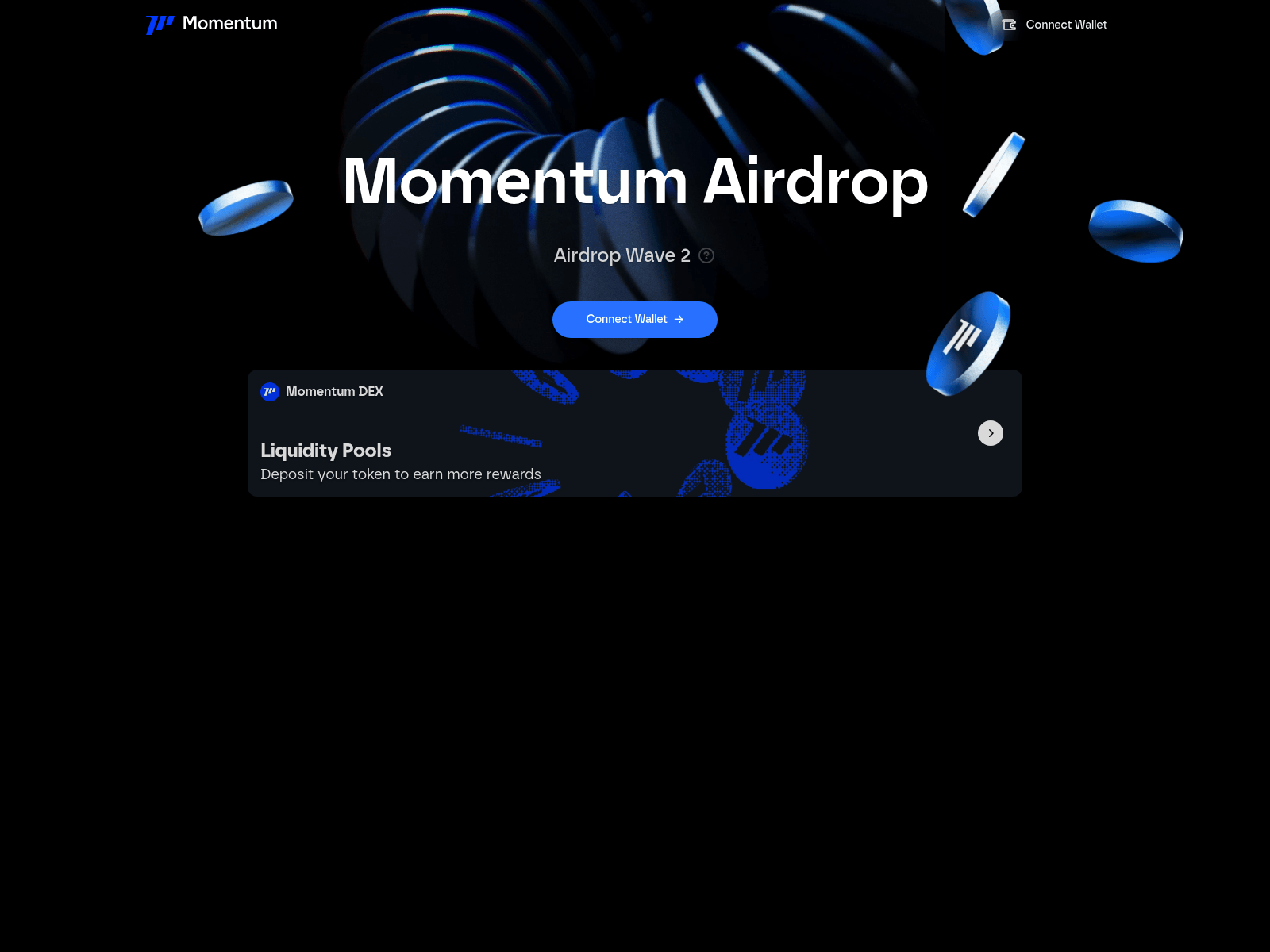
mmt.airdrorp.finance
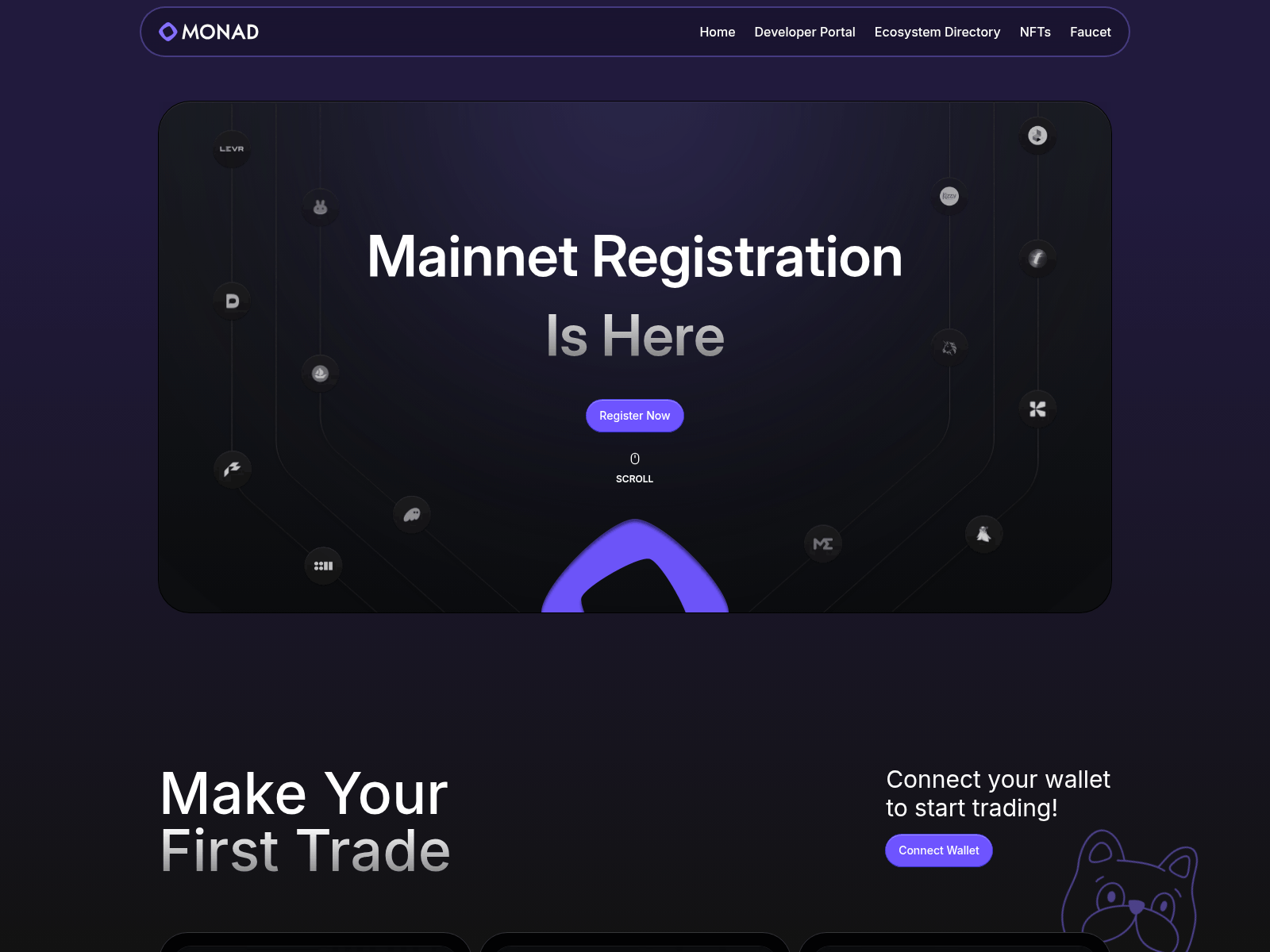
monad-signup.net
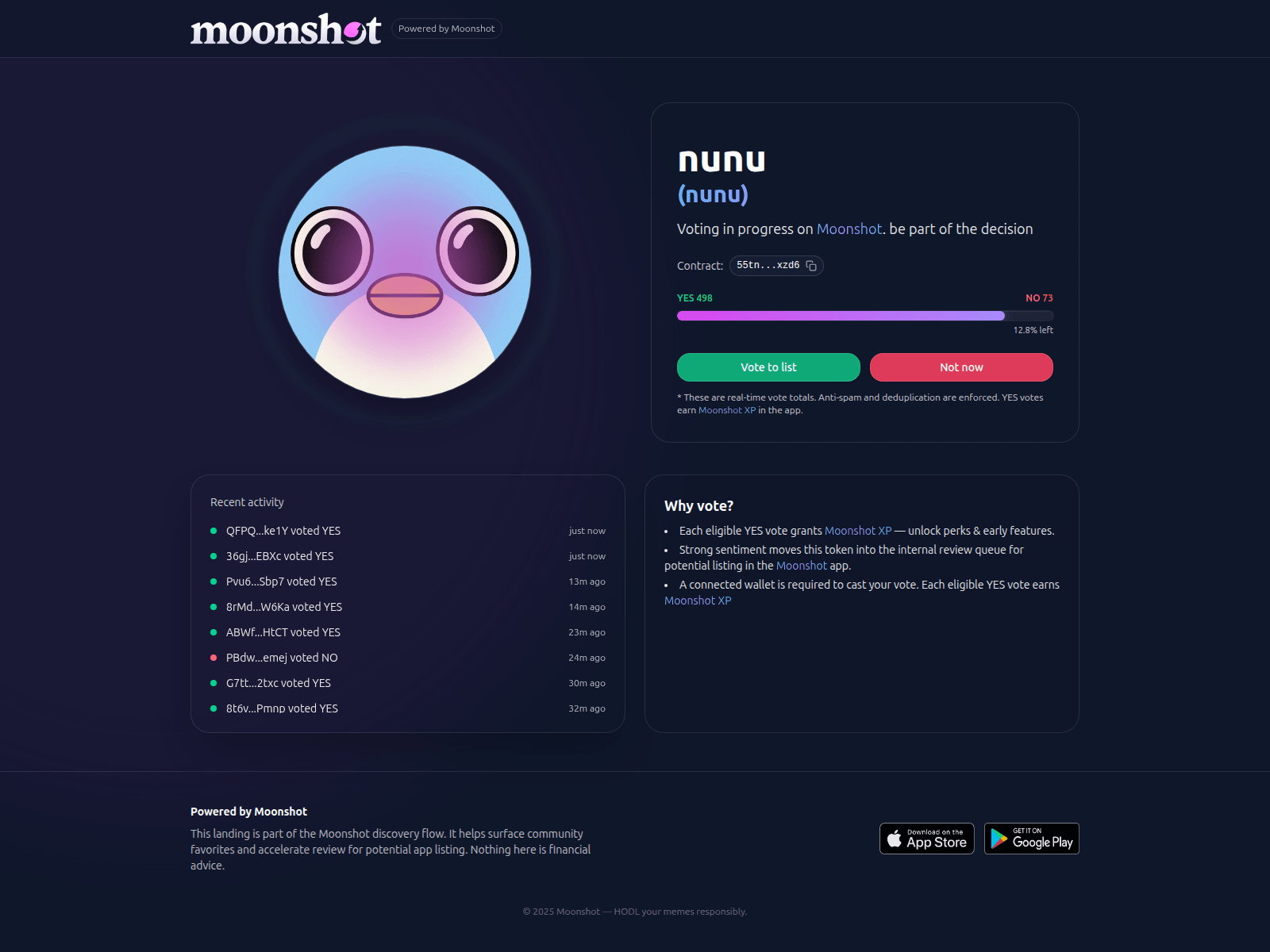
moonnshots.fun
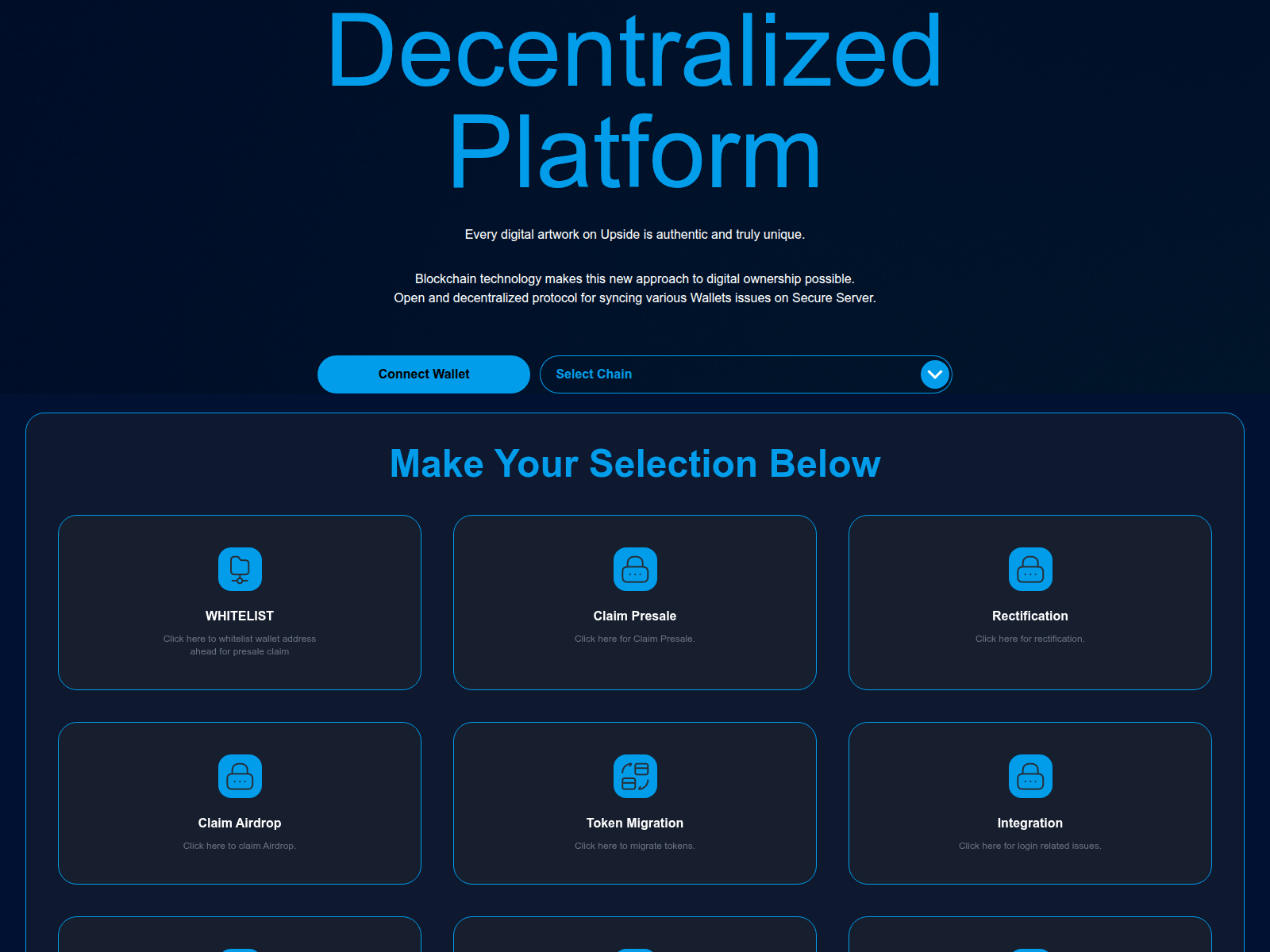
myofficialdecentralized.top
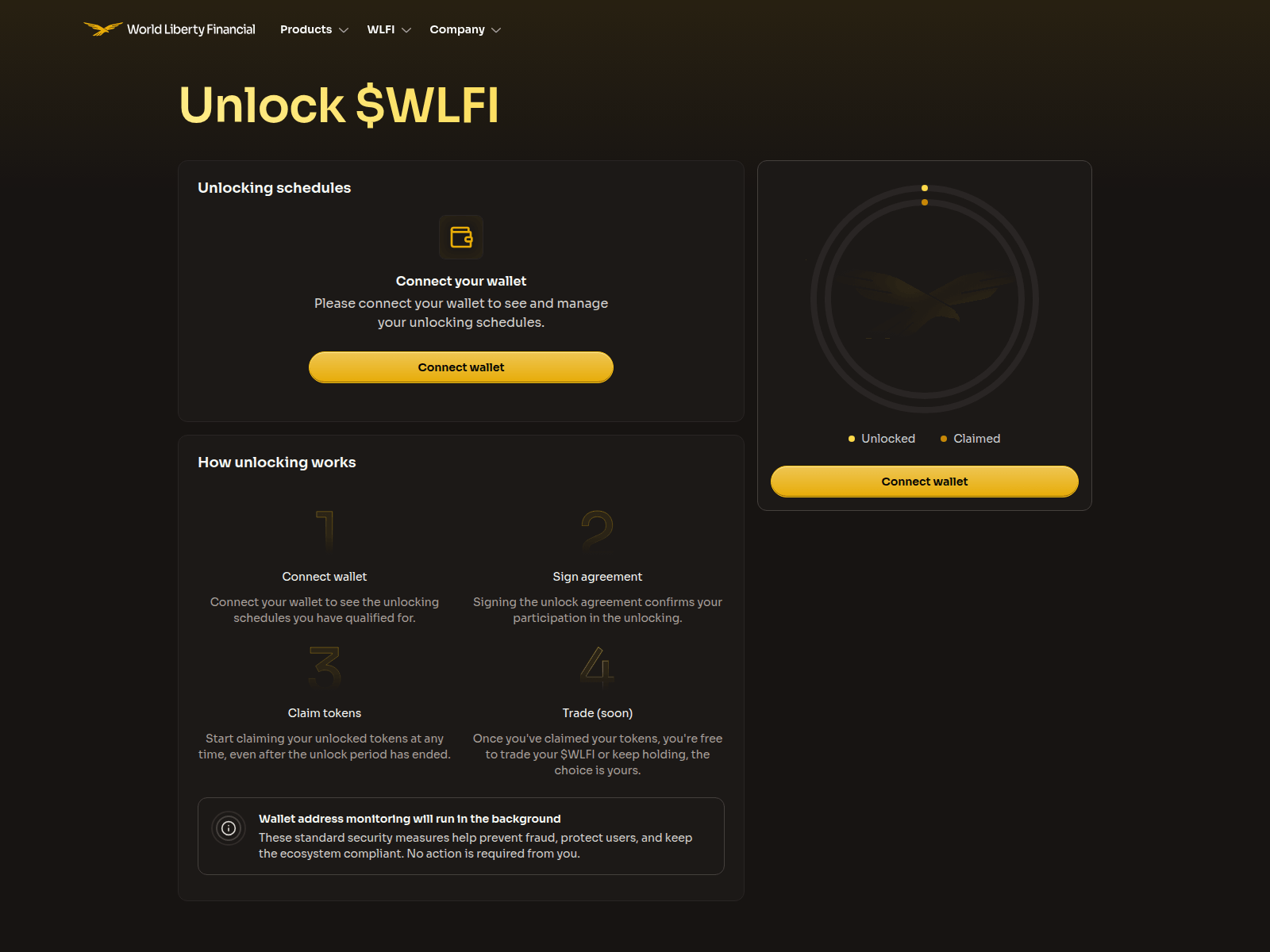
officialwlfi.org
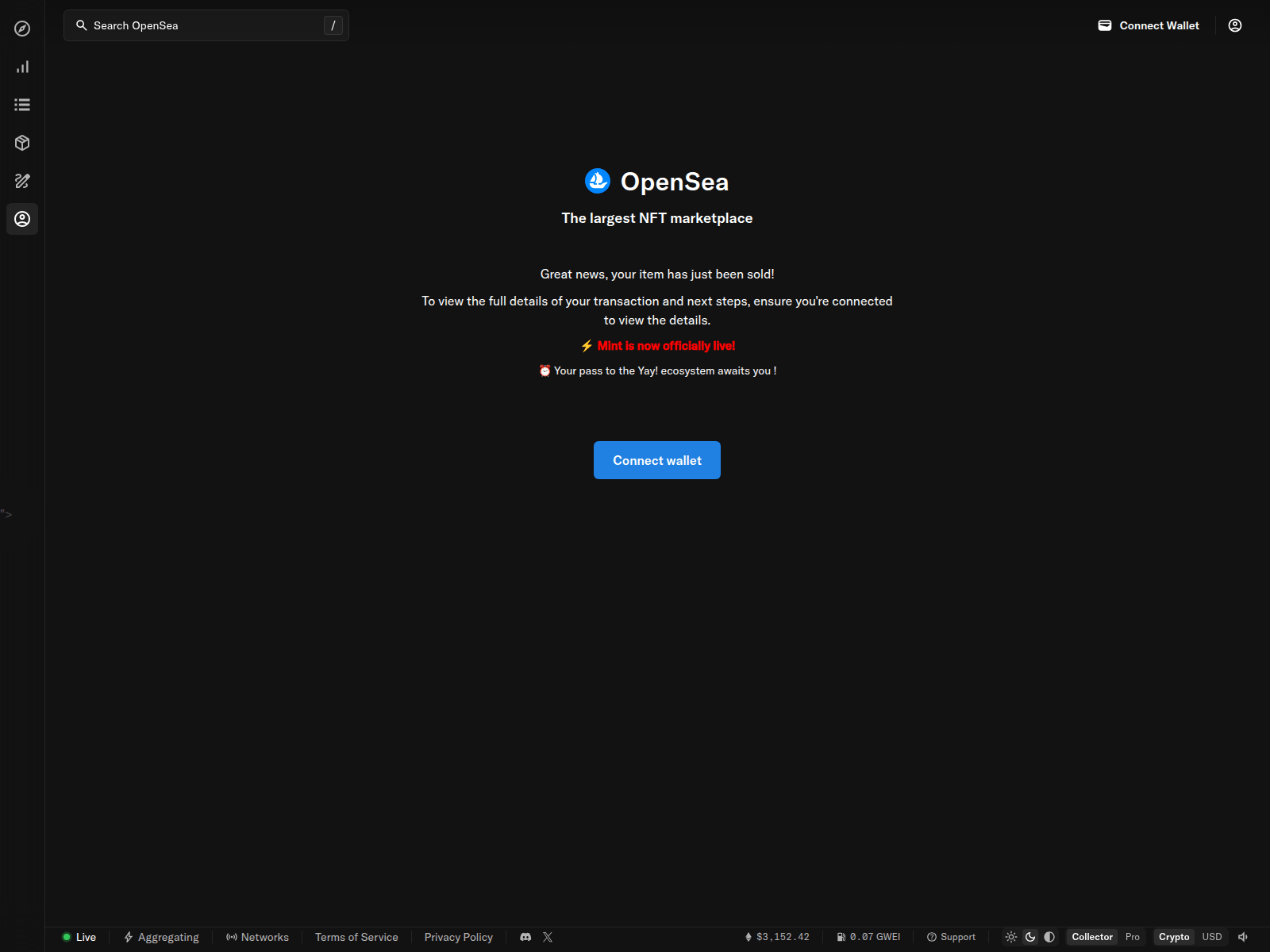
opensea-login.app
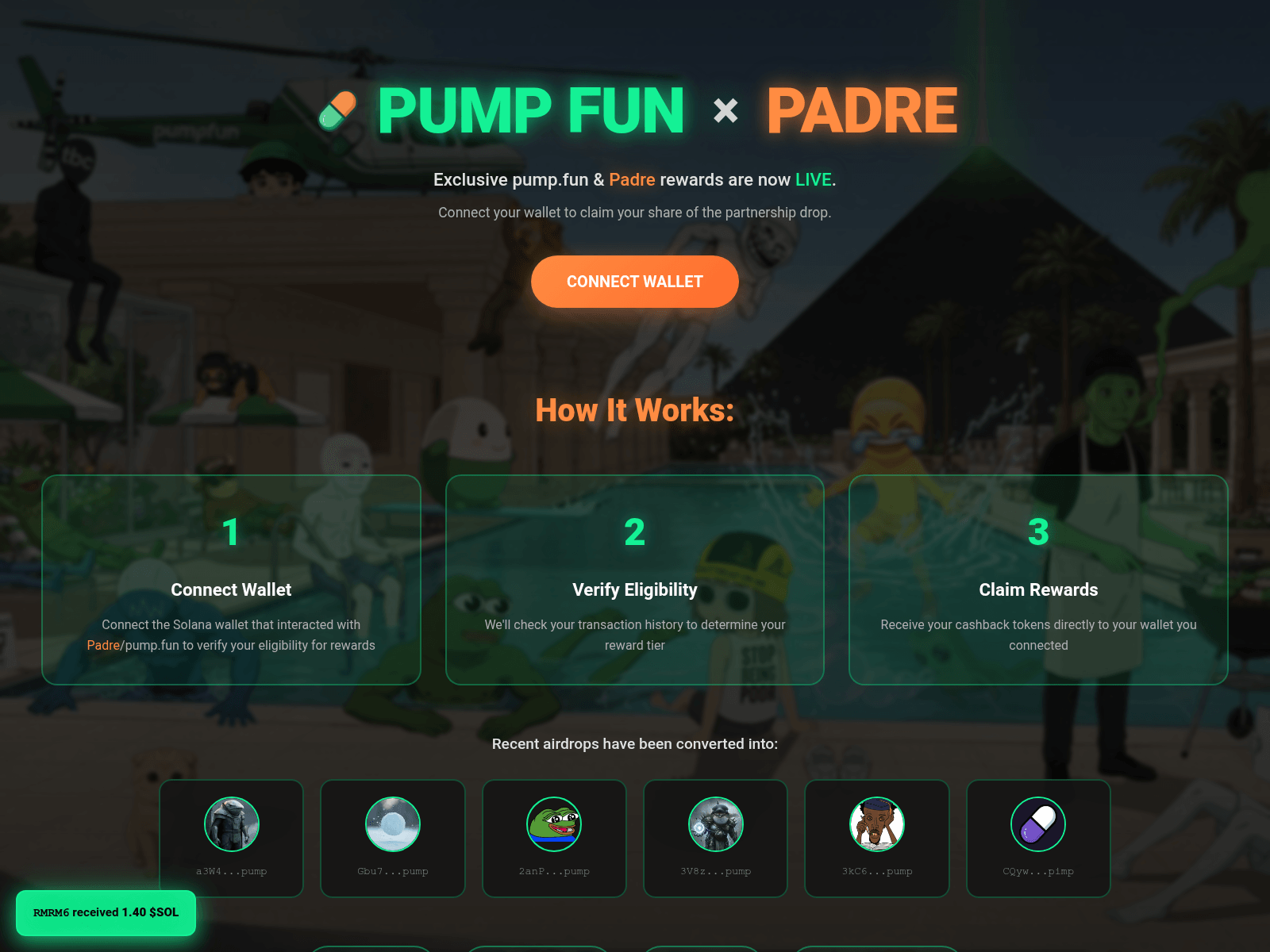
padre-pump.fun
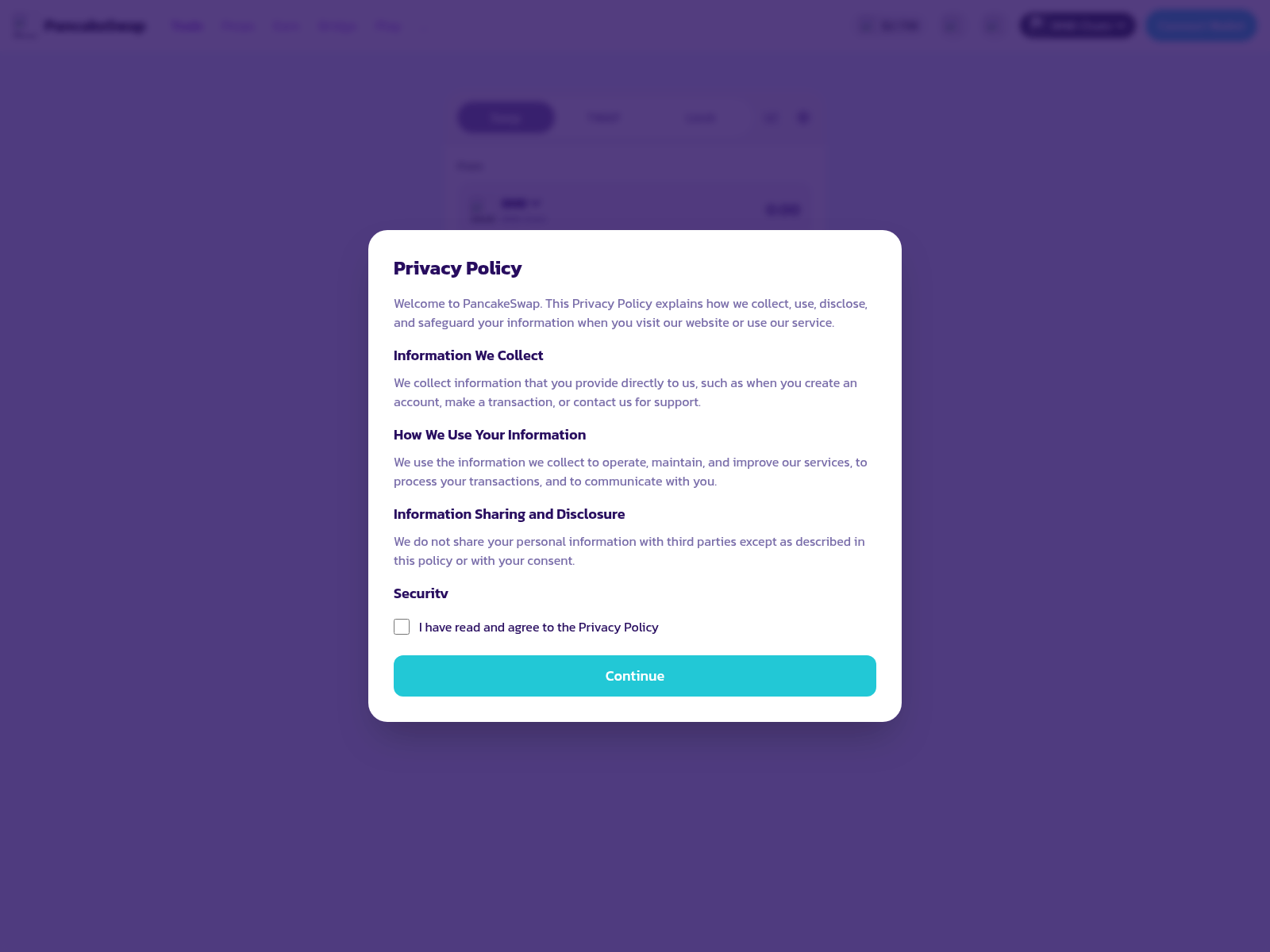
paijkcakeswap.com
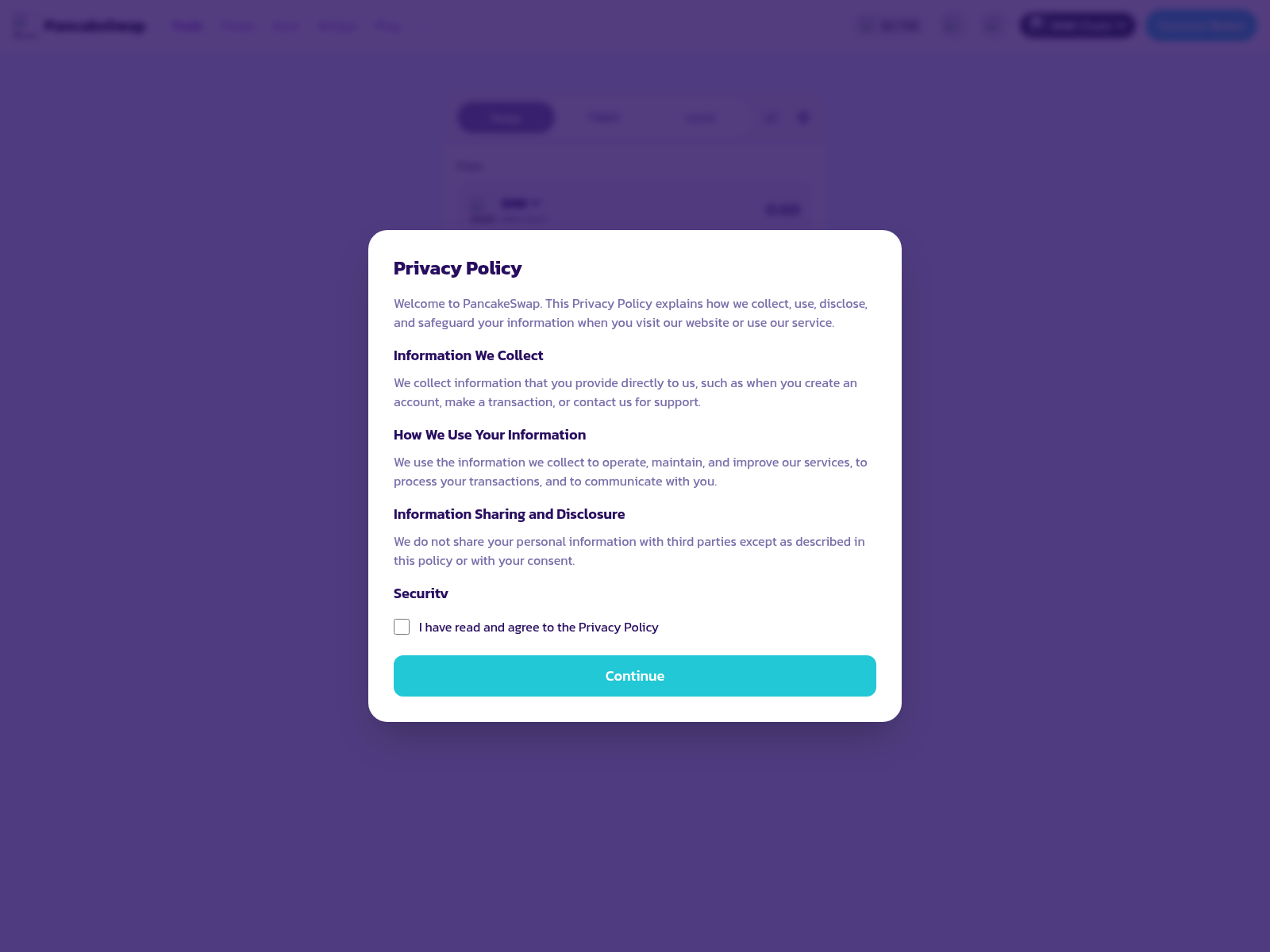
paikecakeswap.com
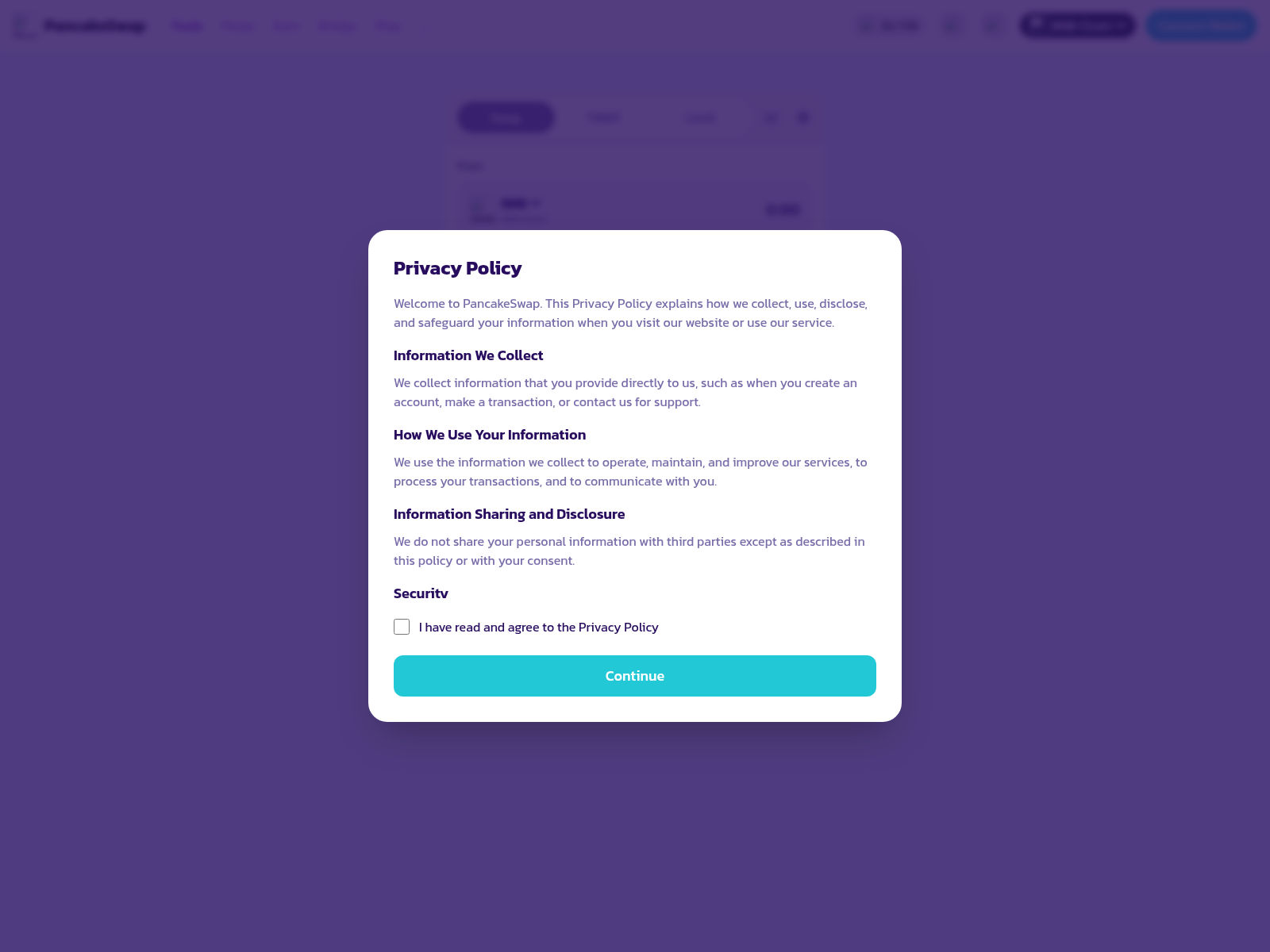
panitcakeswep.com
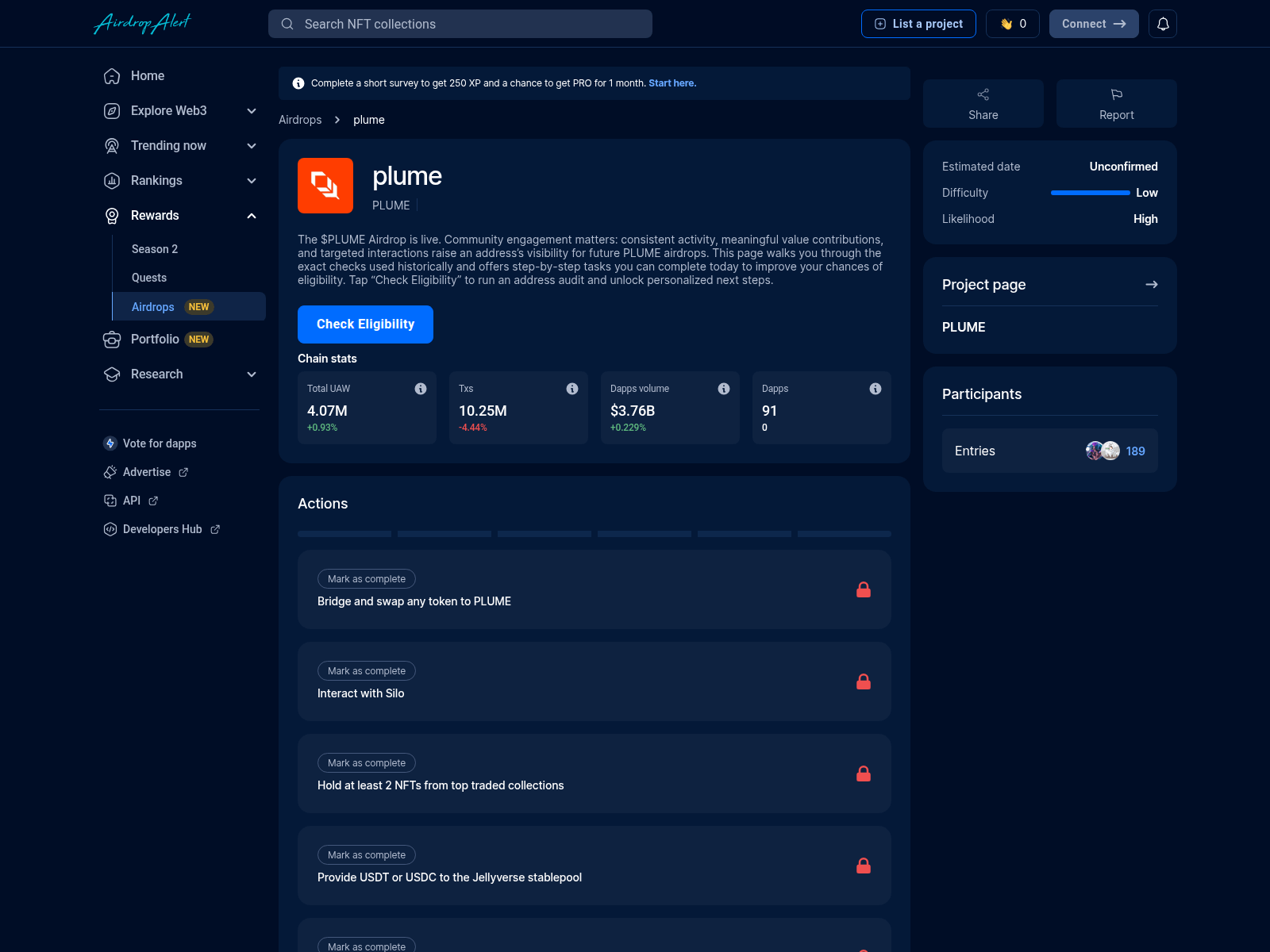
plume.airdropsalert.sbs

proposal-aethircloud.net
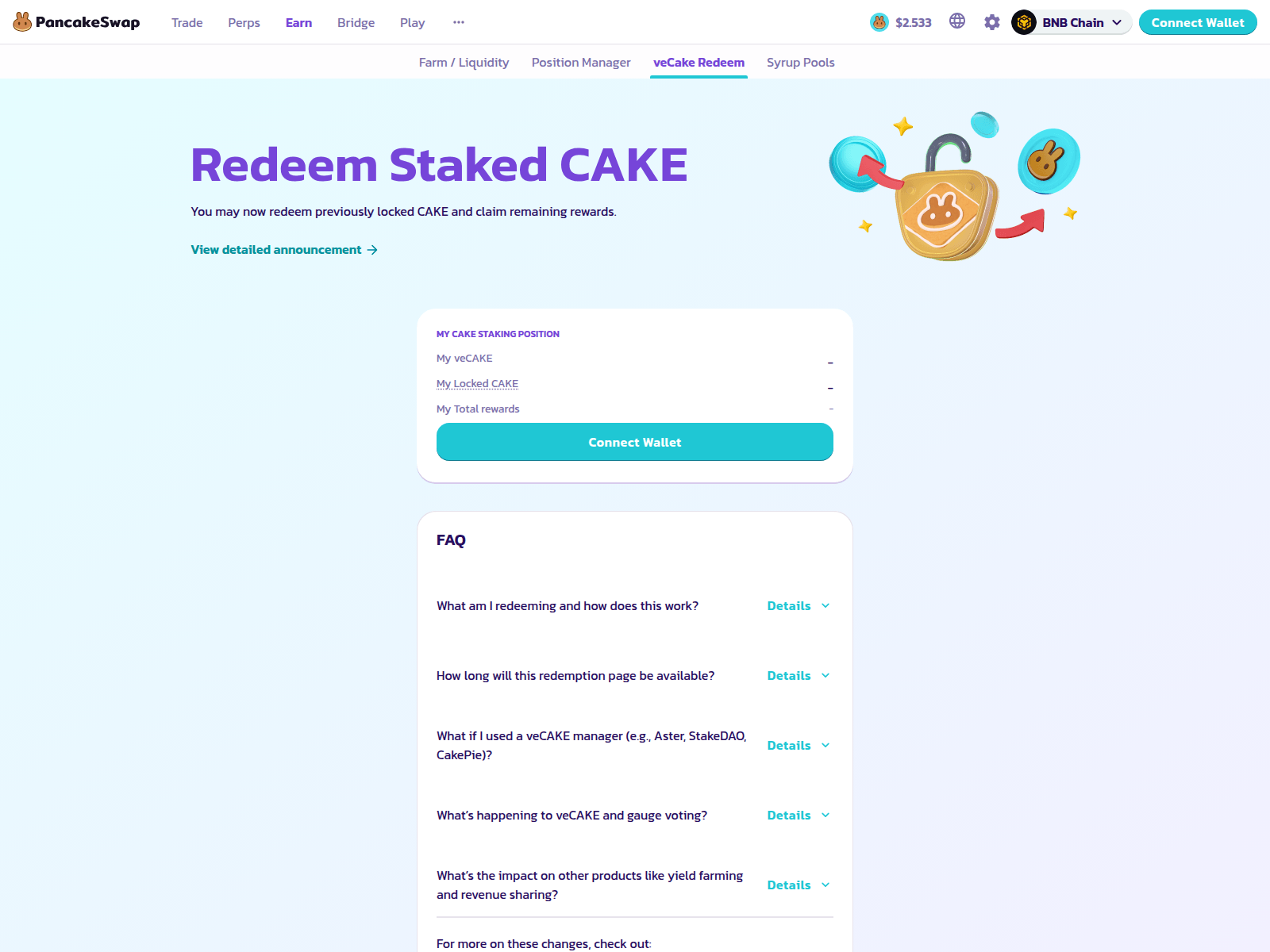
pswap.flnanceconnect.app
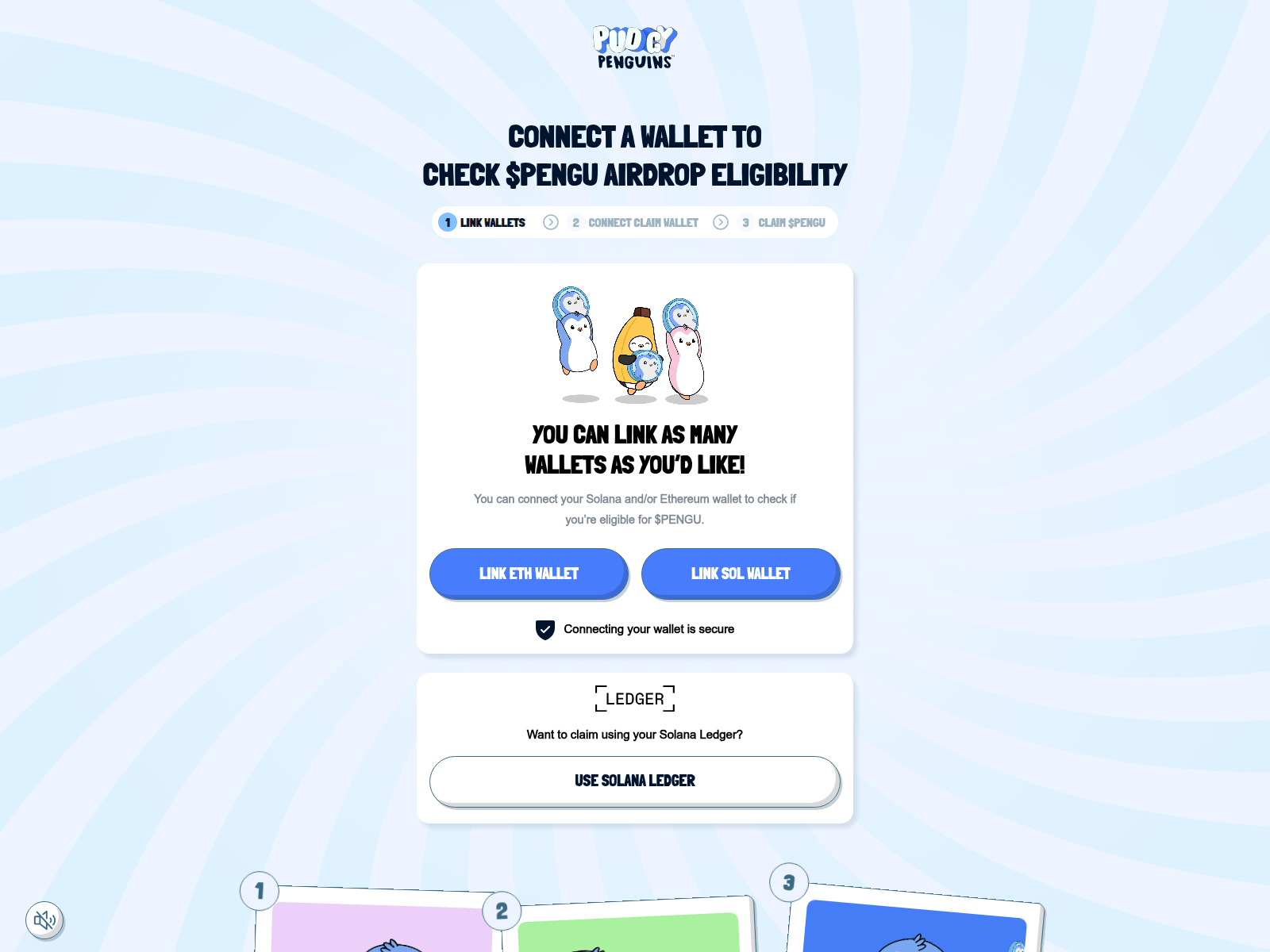
pudgypenguins.games
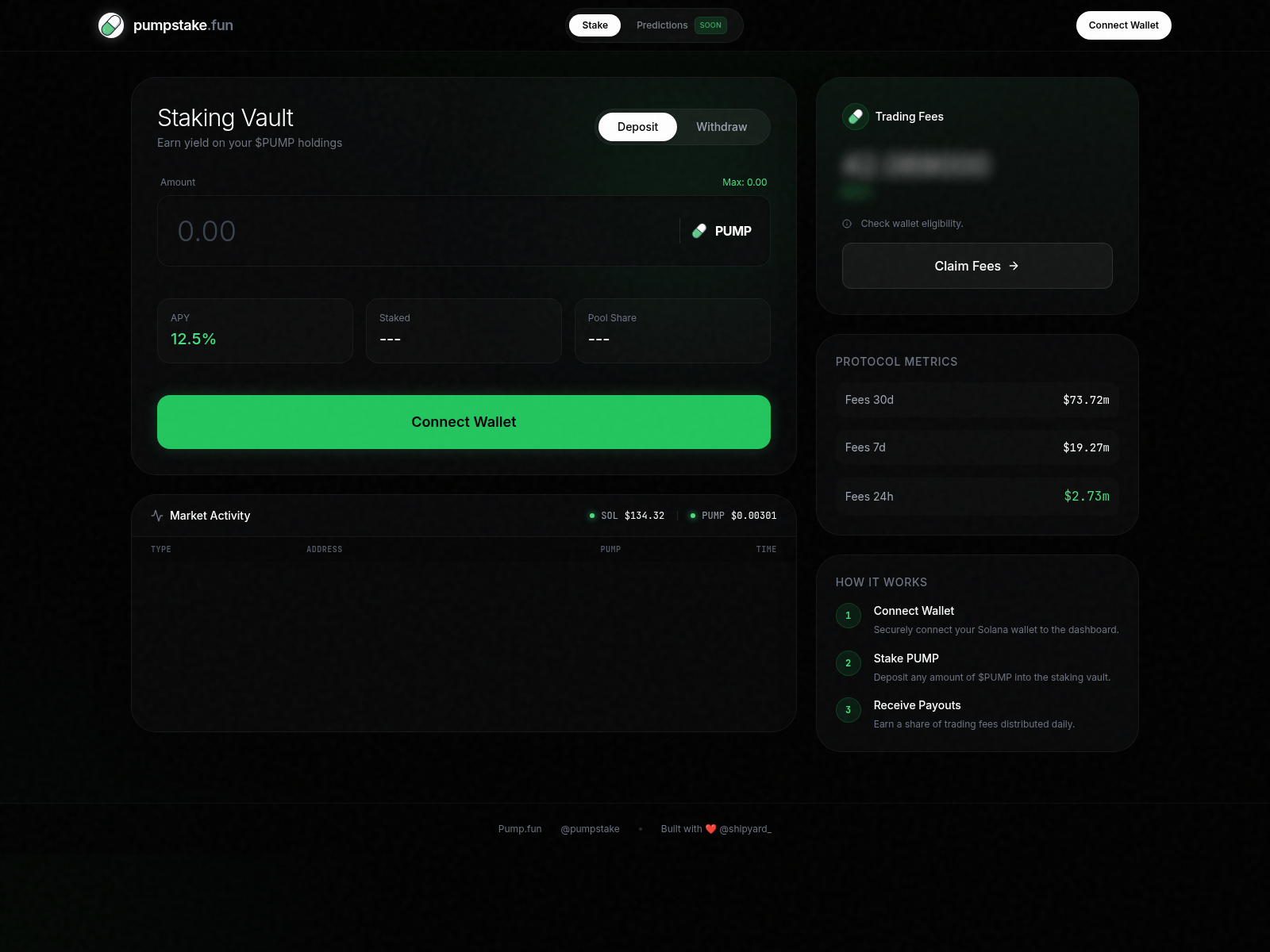
pumpstake.fun
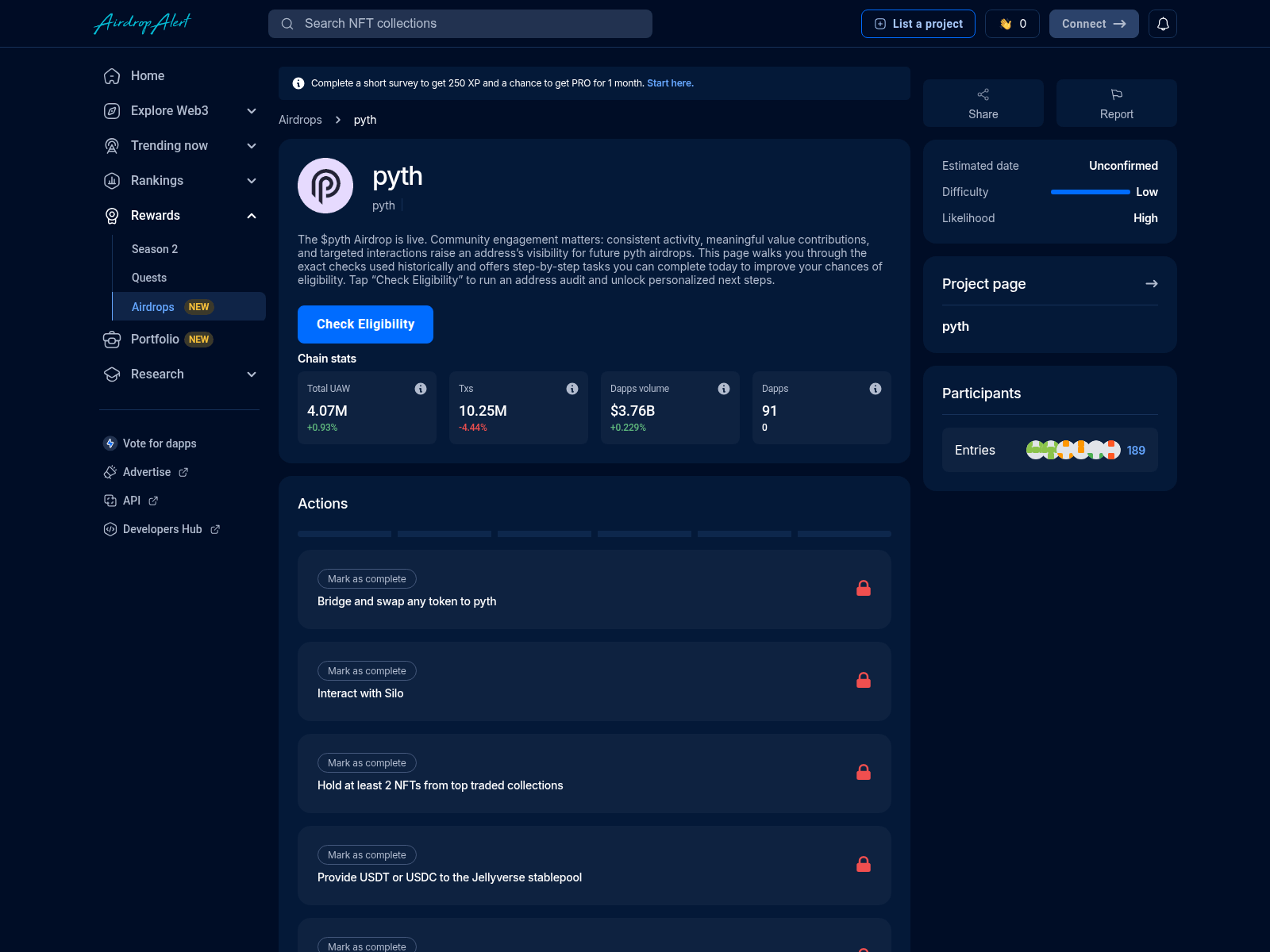
pyth.airdrpsalerts.sbs
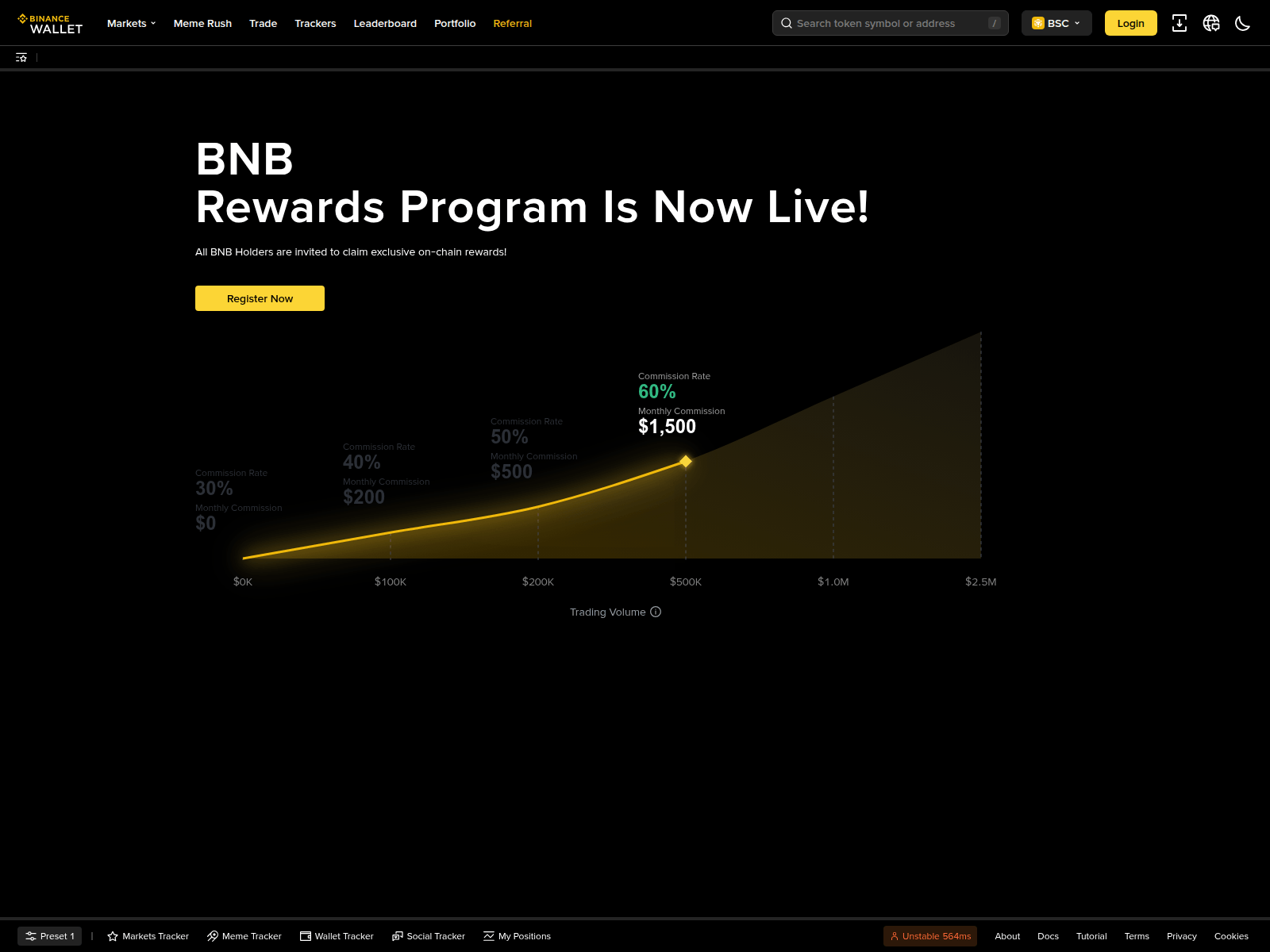
rewards-binance.app
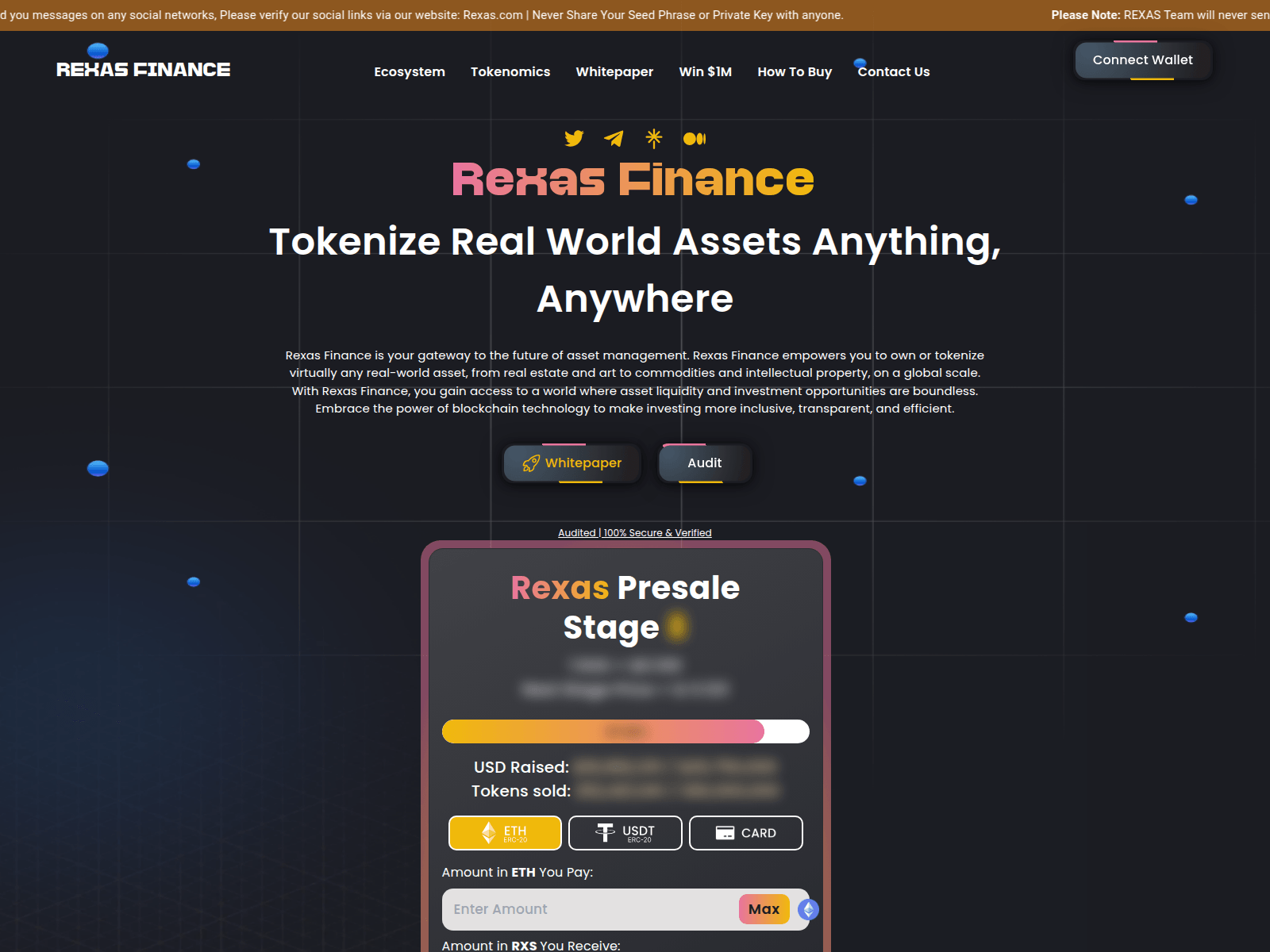
rexas-token.xyz
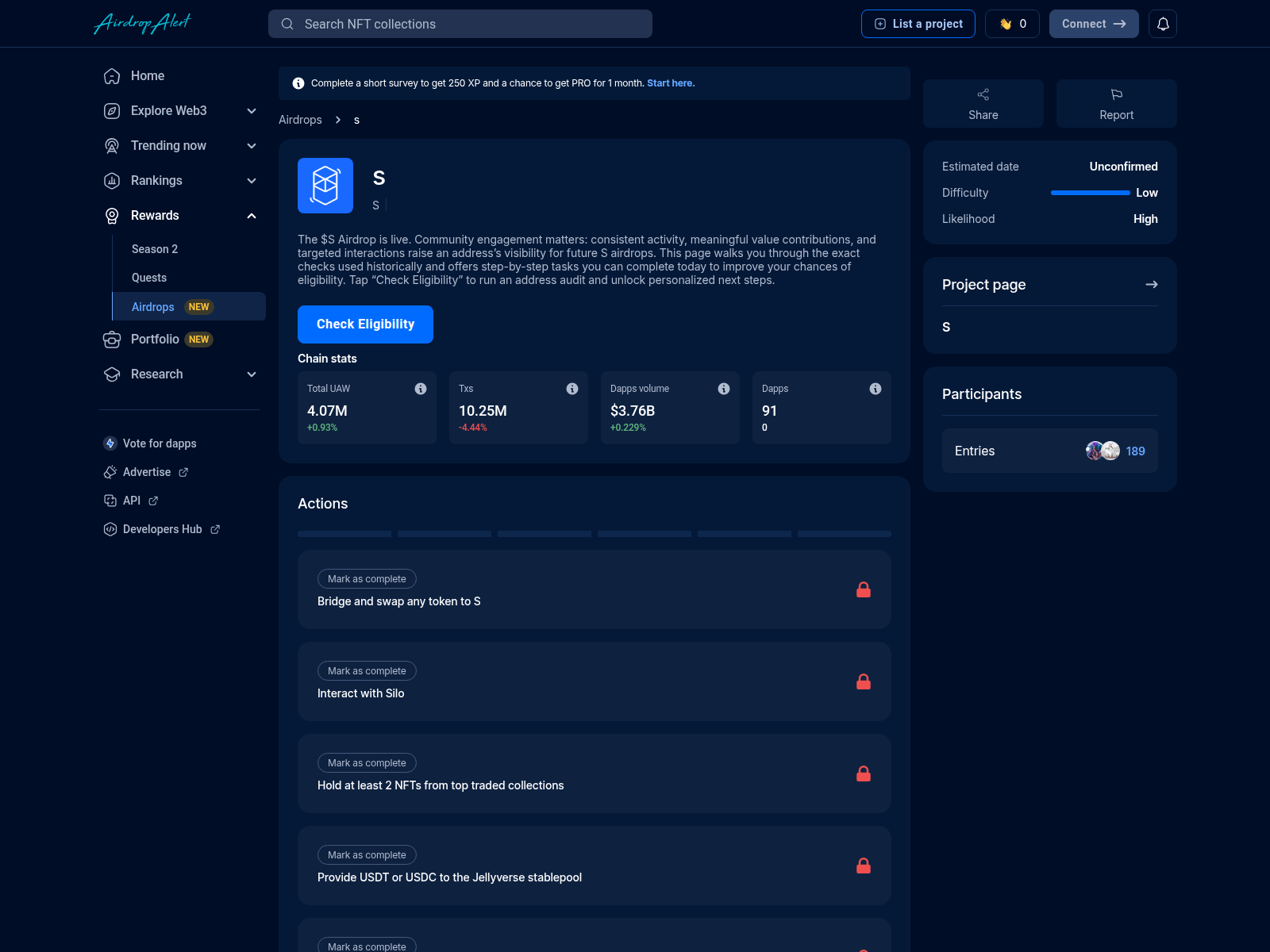
s.airdropsalert.bar
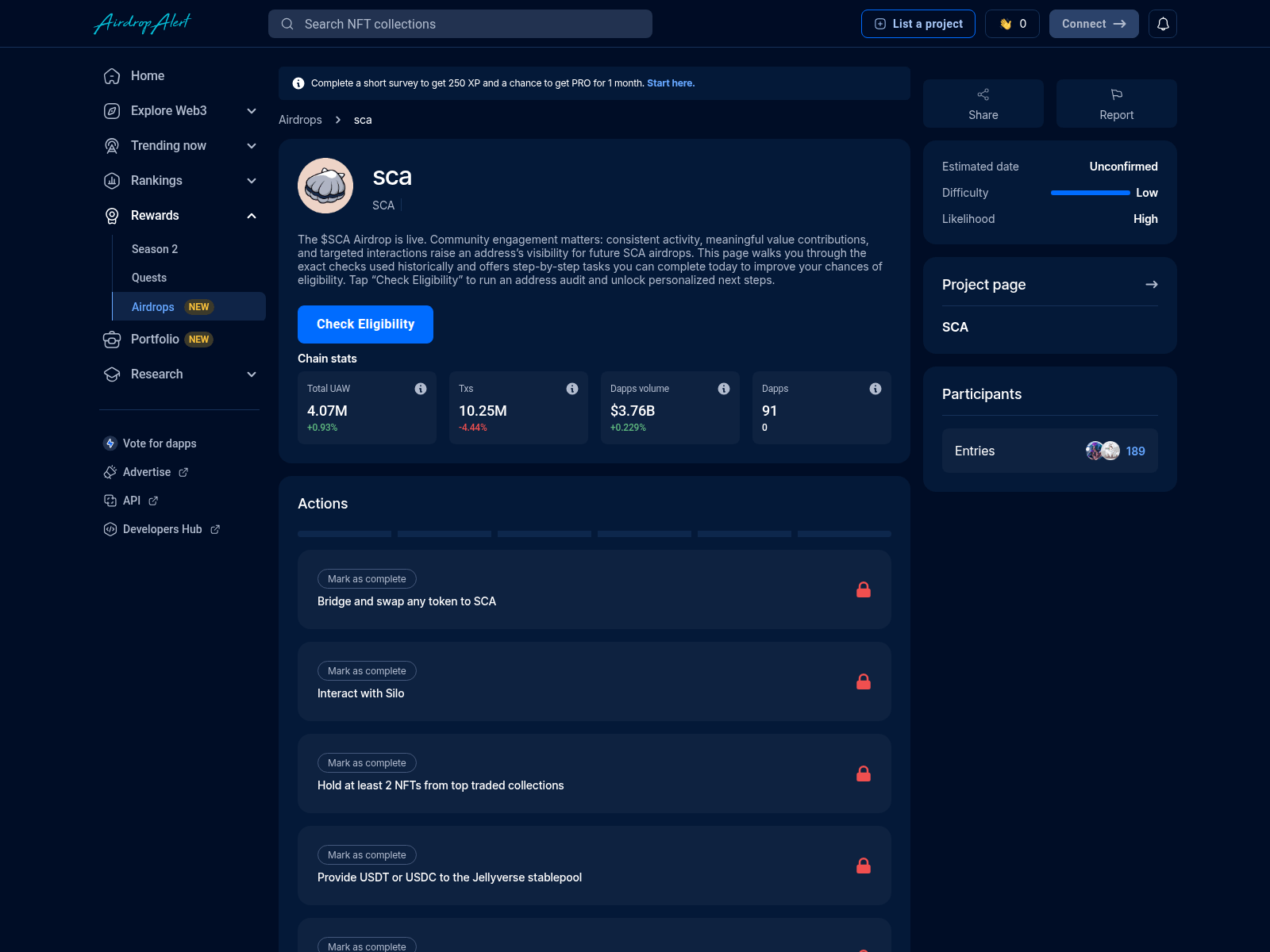
sca.airdrpsalerts.click
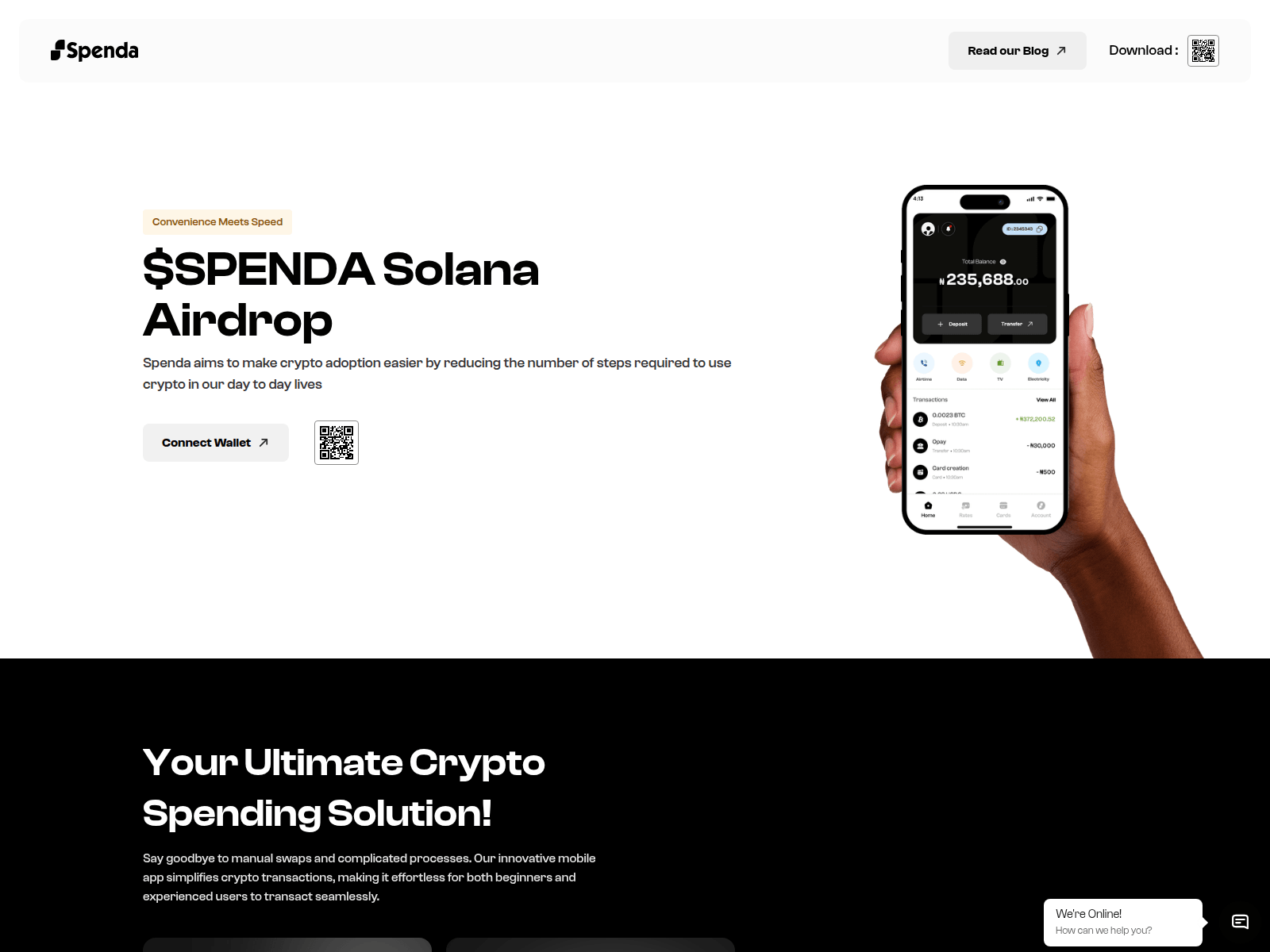
spendafrica.com
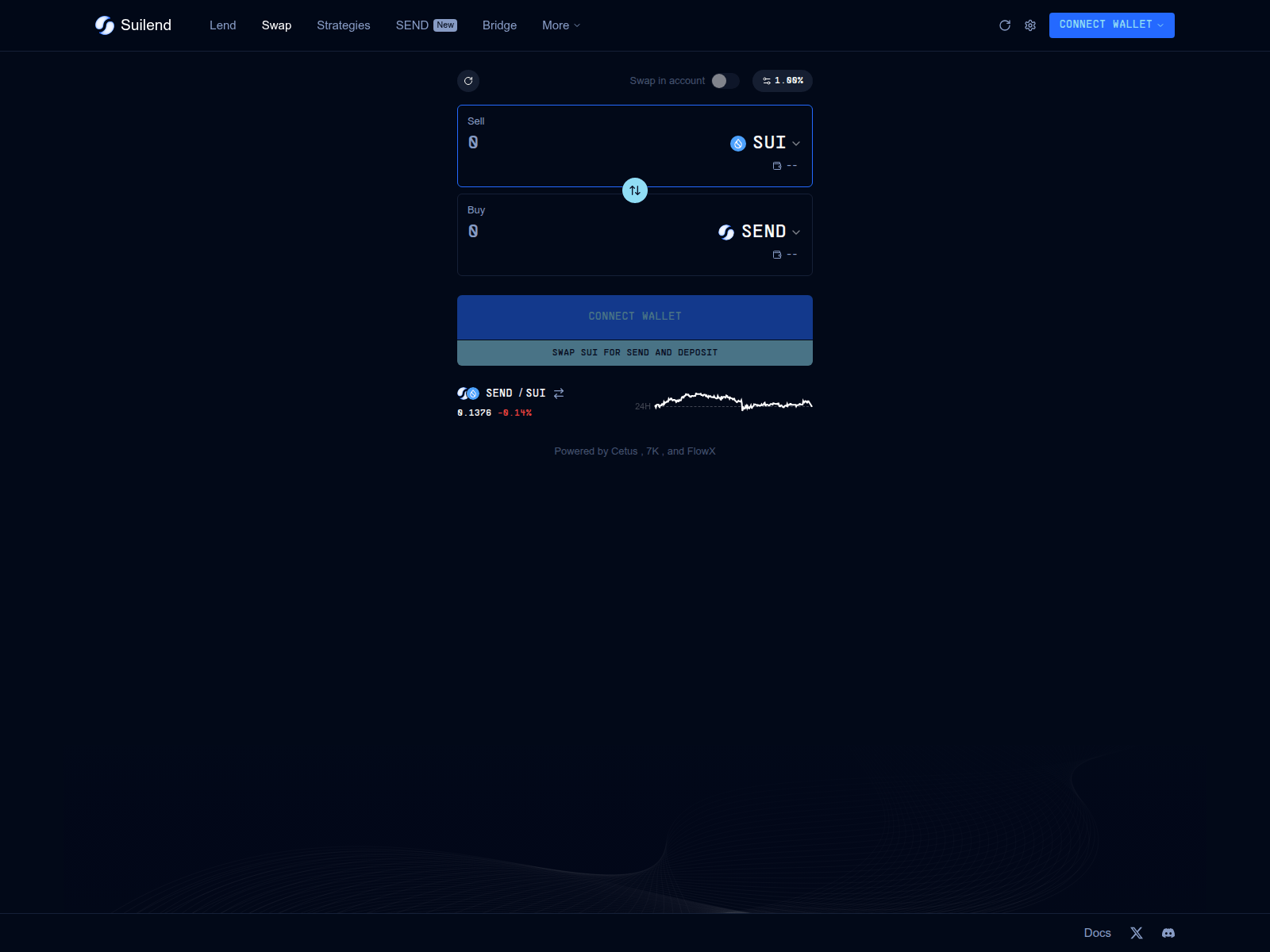
suilendfinonce.org
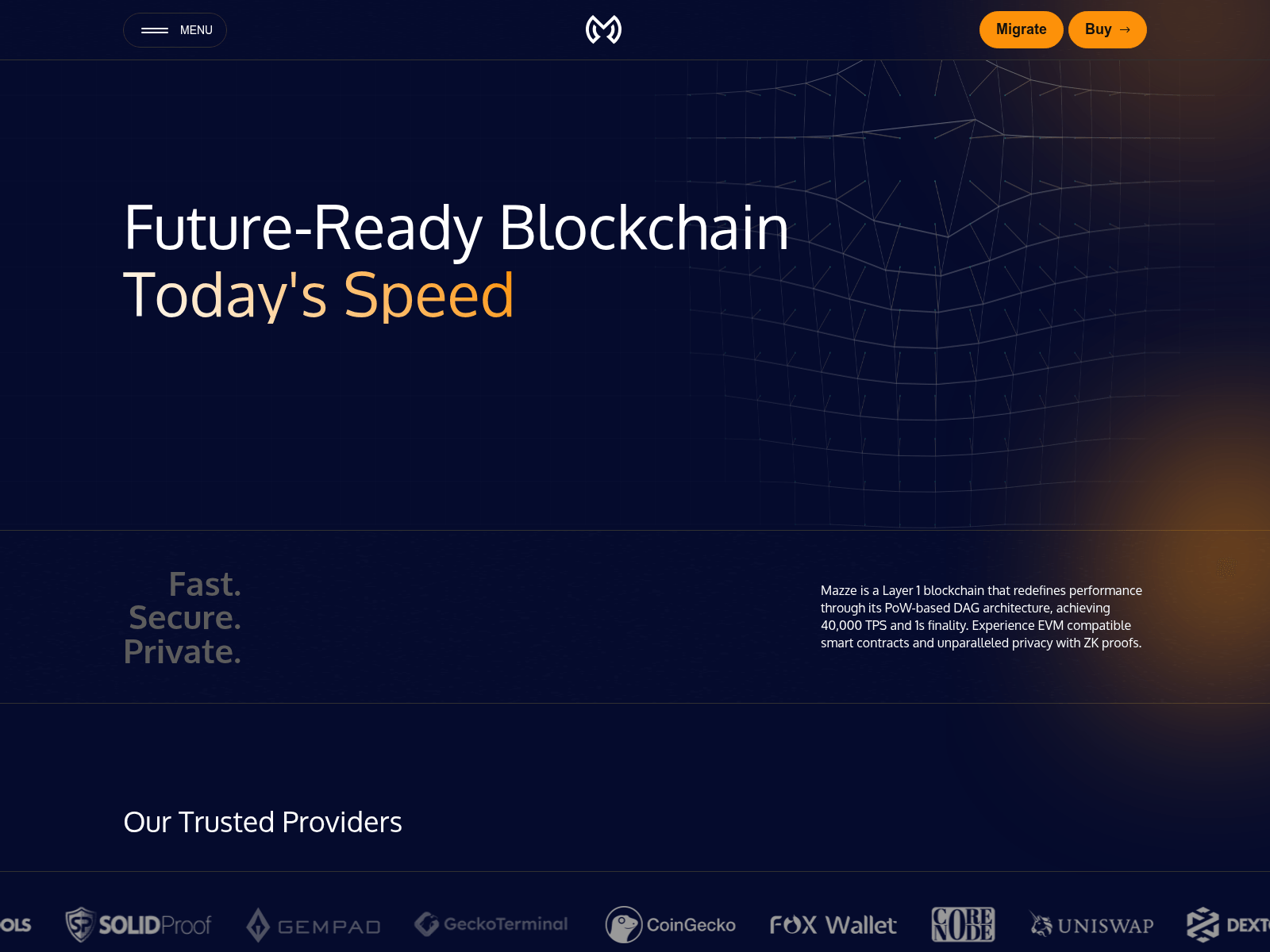
testdomain1928.com
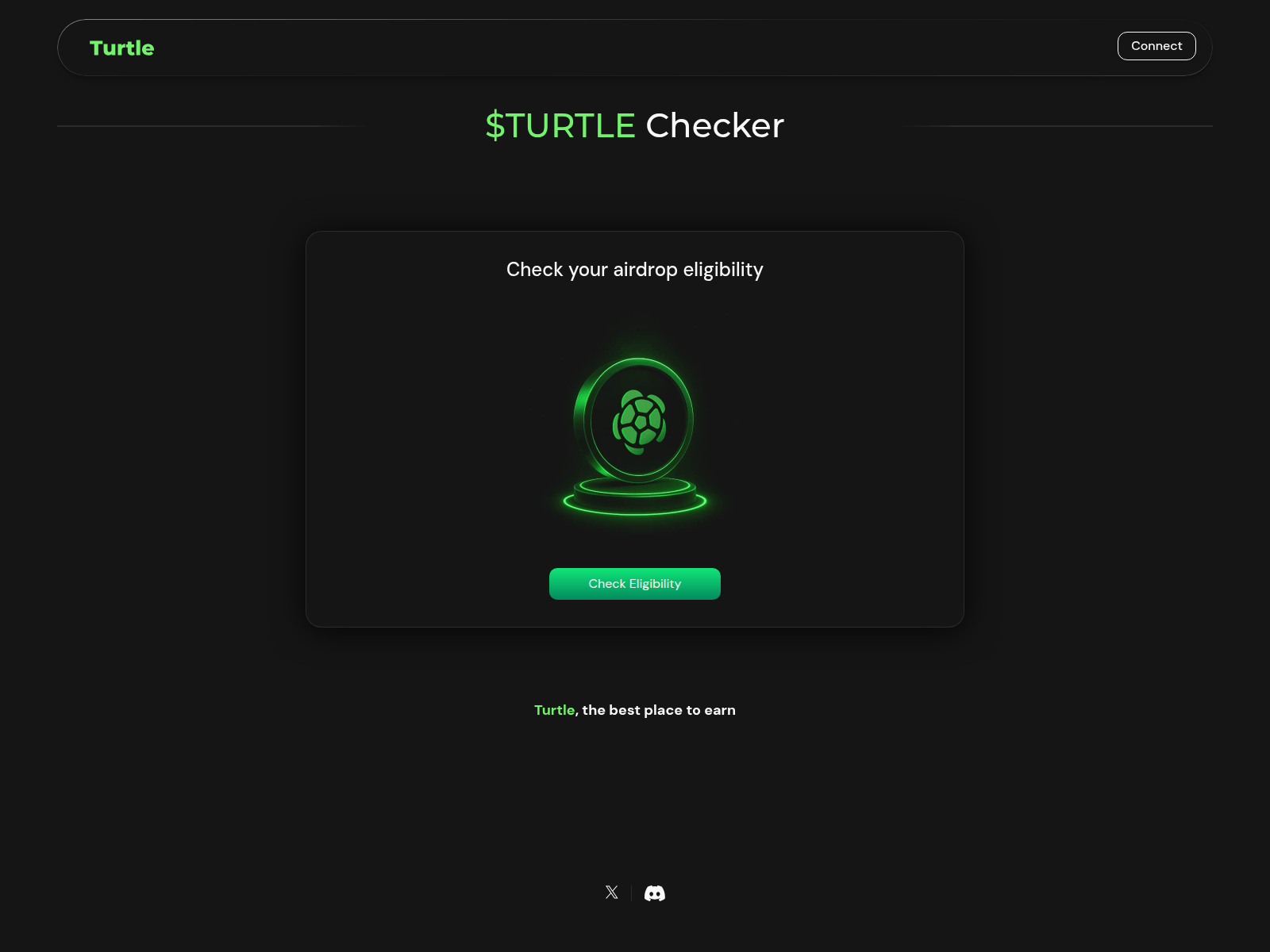
turtleclaimpad.uno
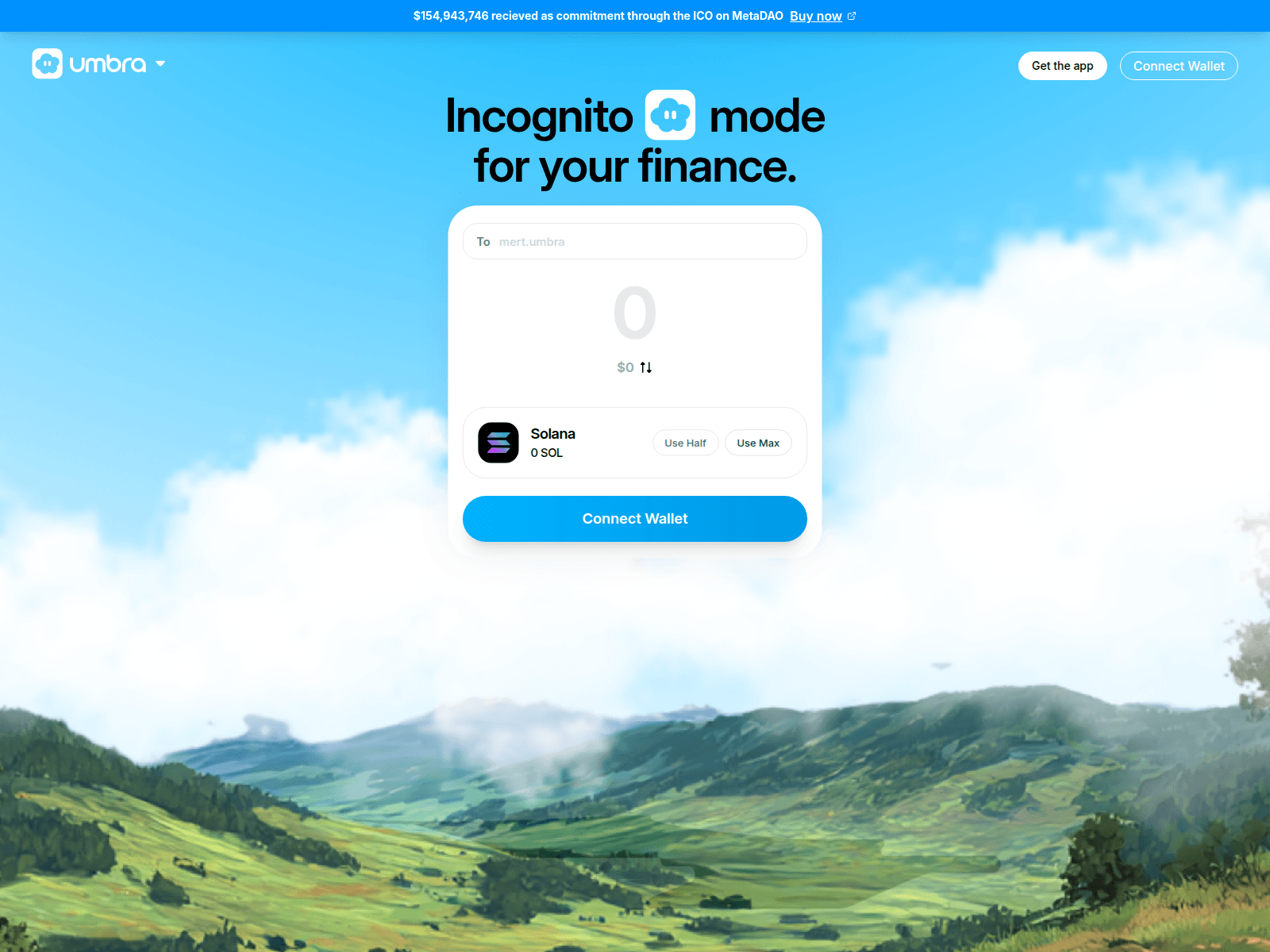
umbraprivacy.io
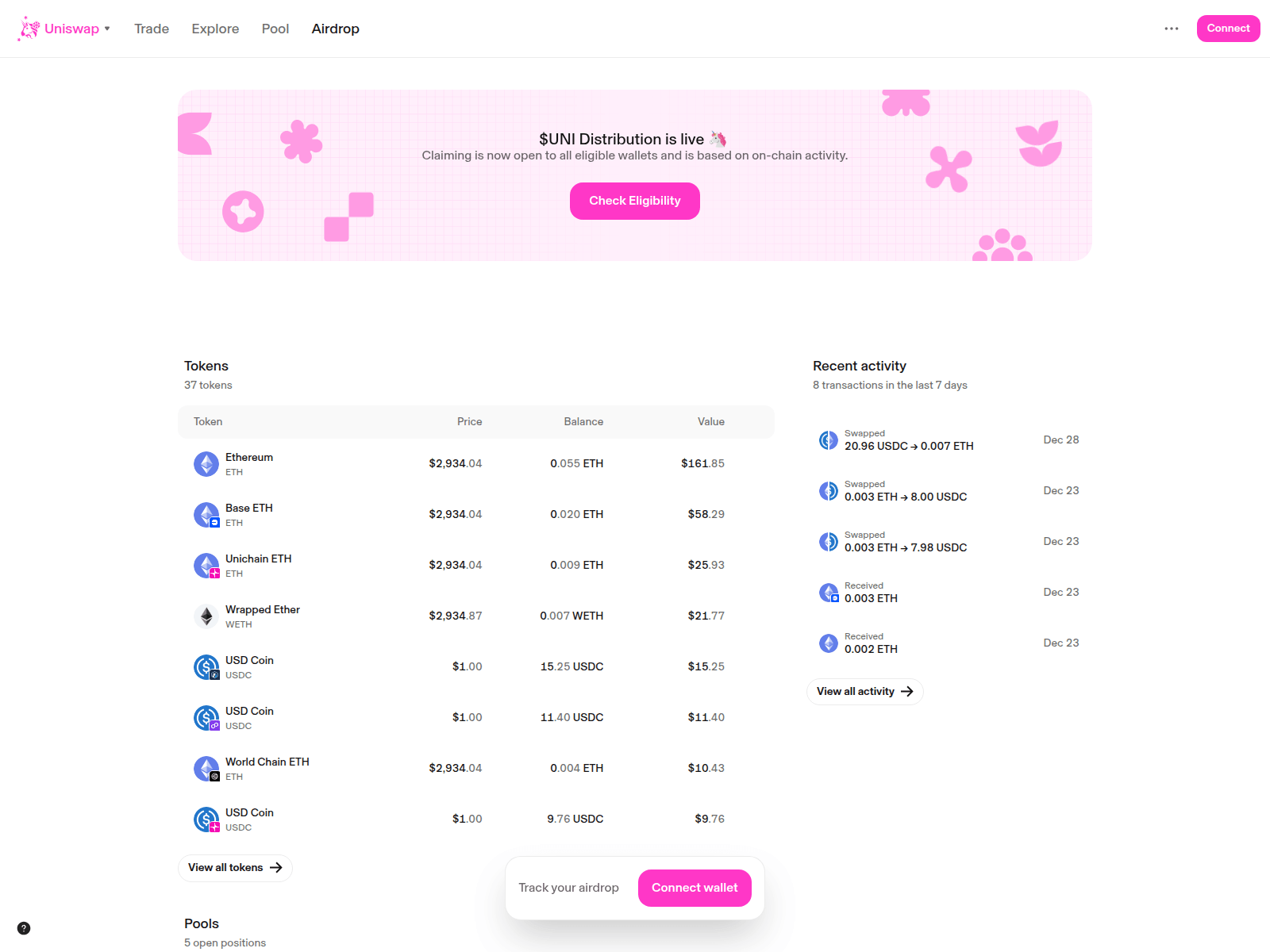
uni-distribution.com
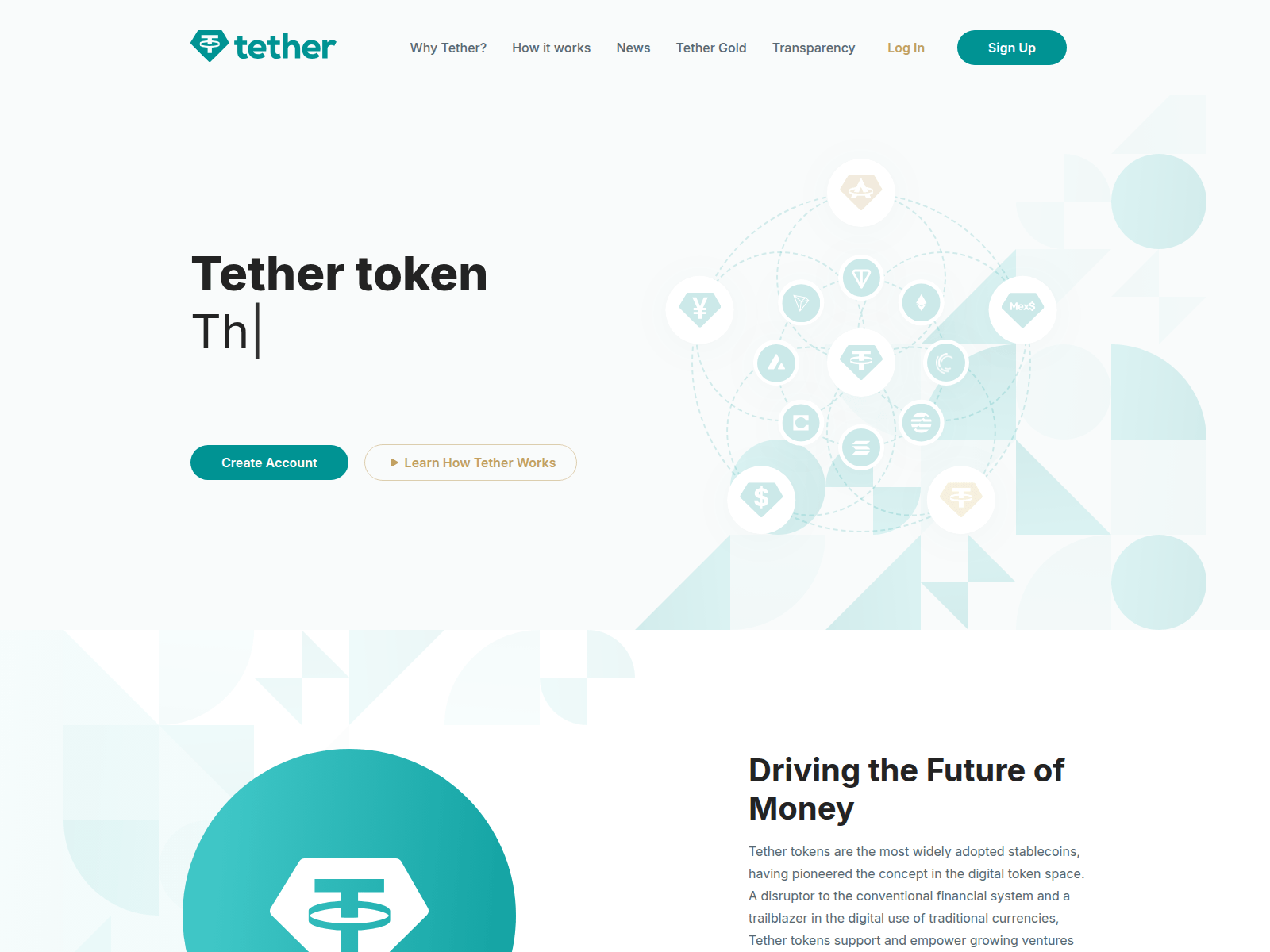
usdtswap.help
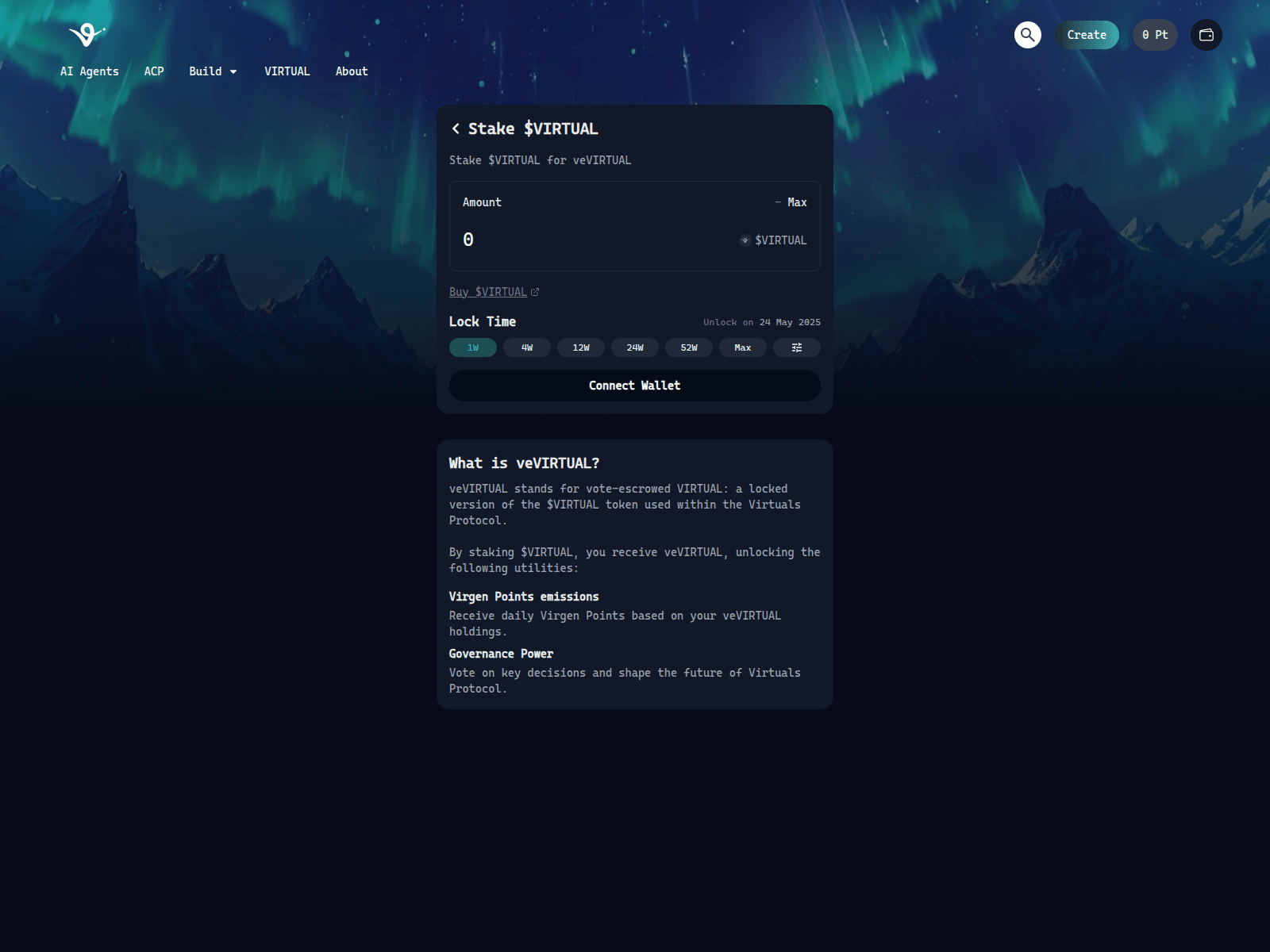
virtualstake.app
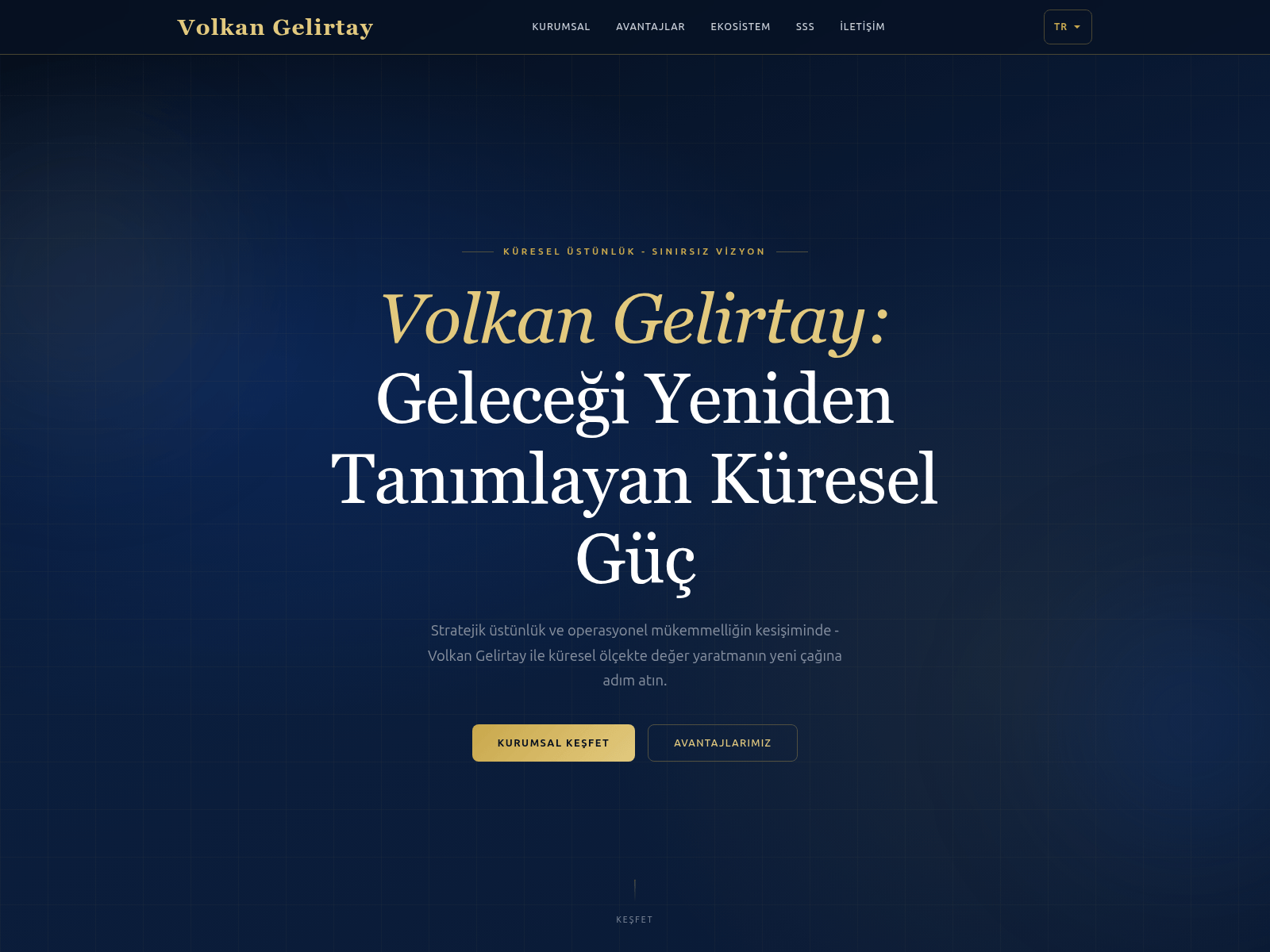
volkangelirtay.com
vooz-coin.next-cryptolist.net
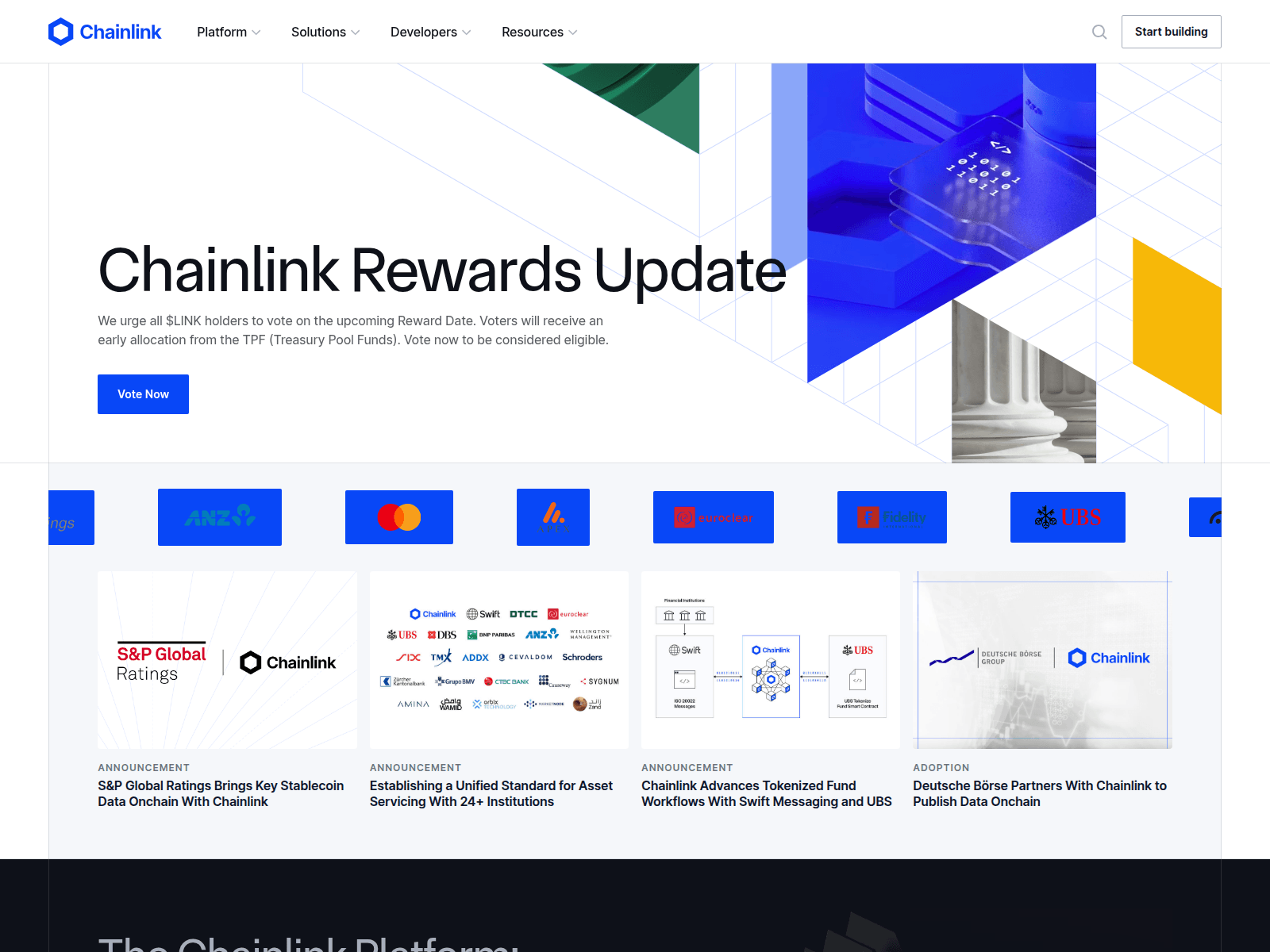
vote-chainlink.com
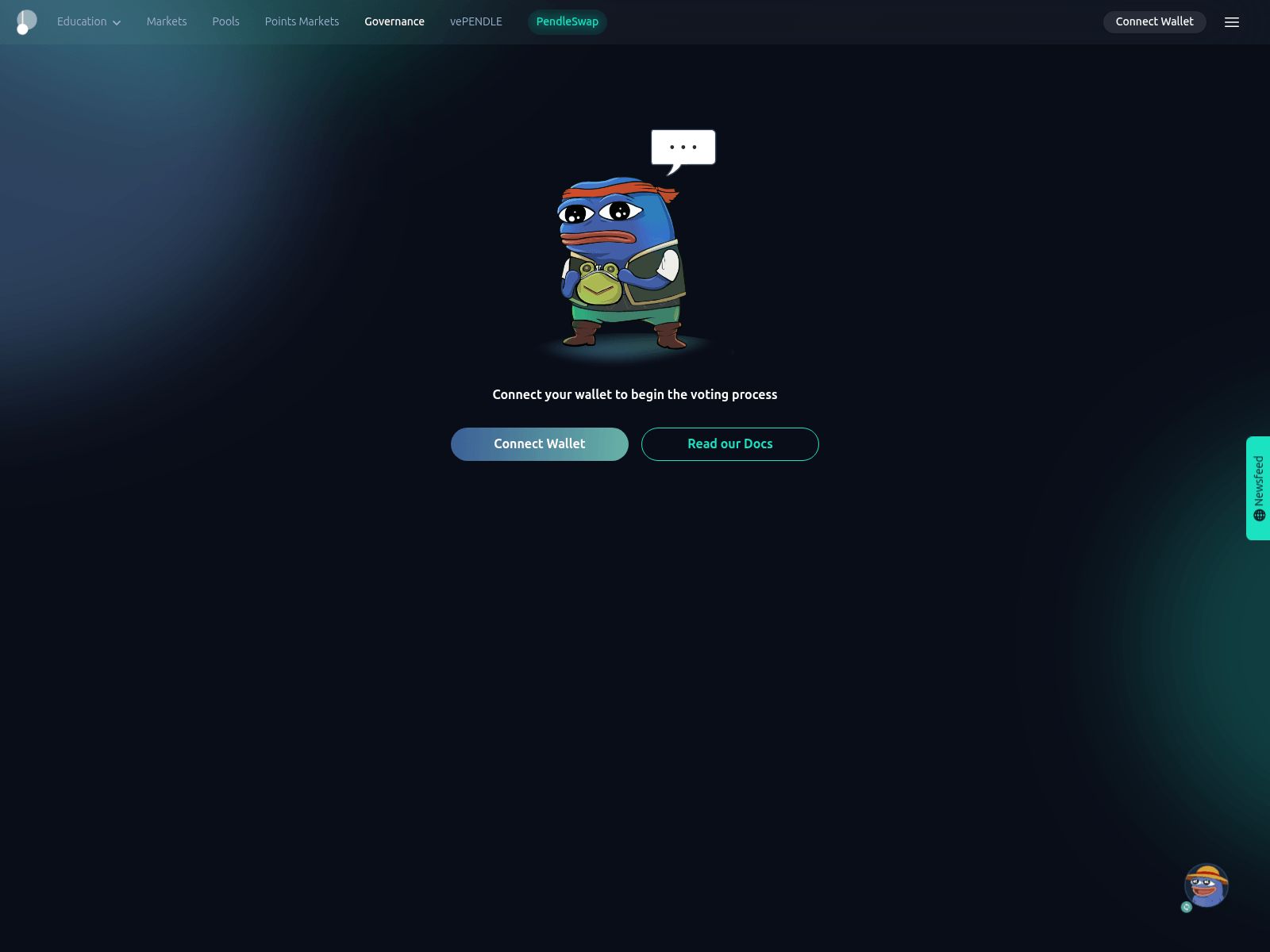
voting-pendle.io
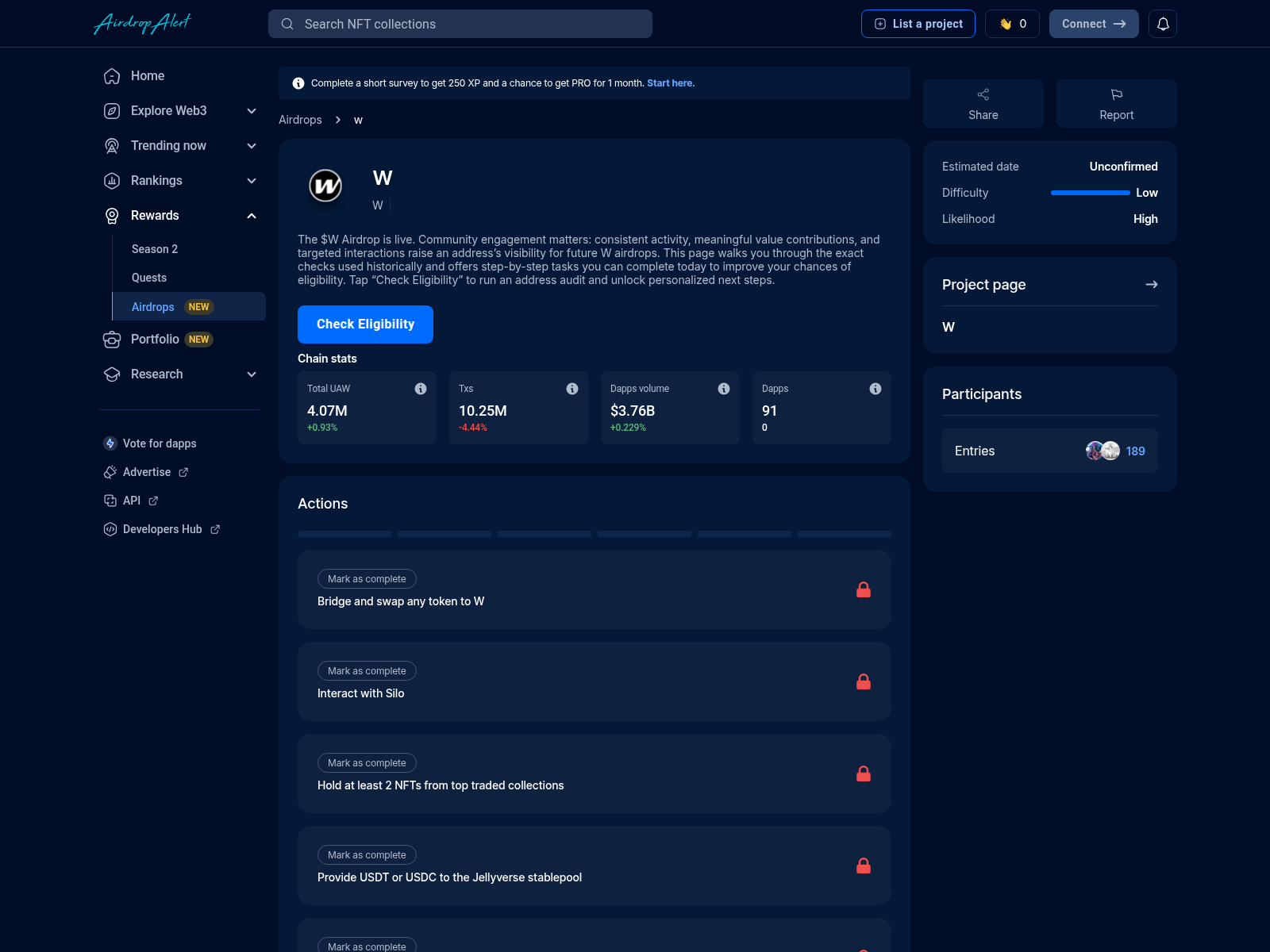
w.airdrpsalerts.click
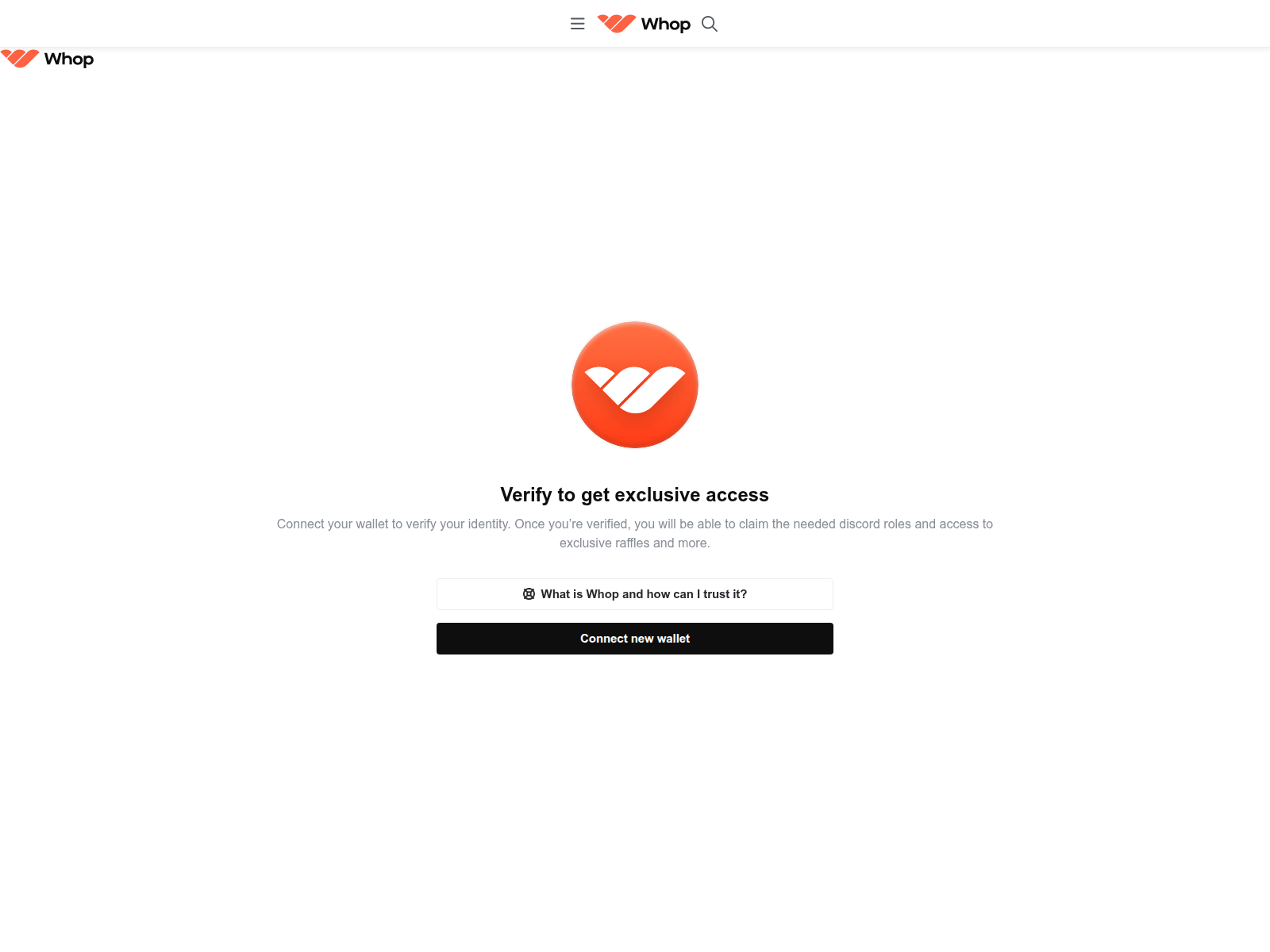
whop-web3.netlify.app
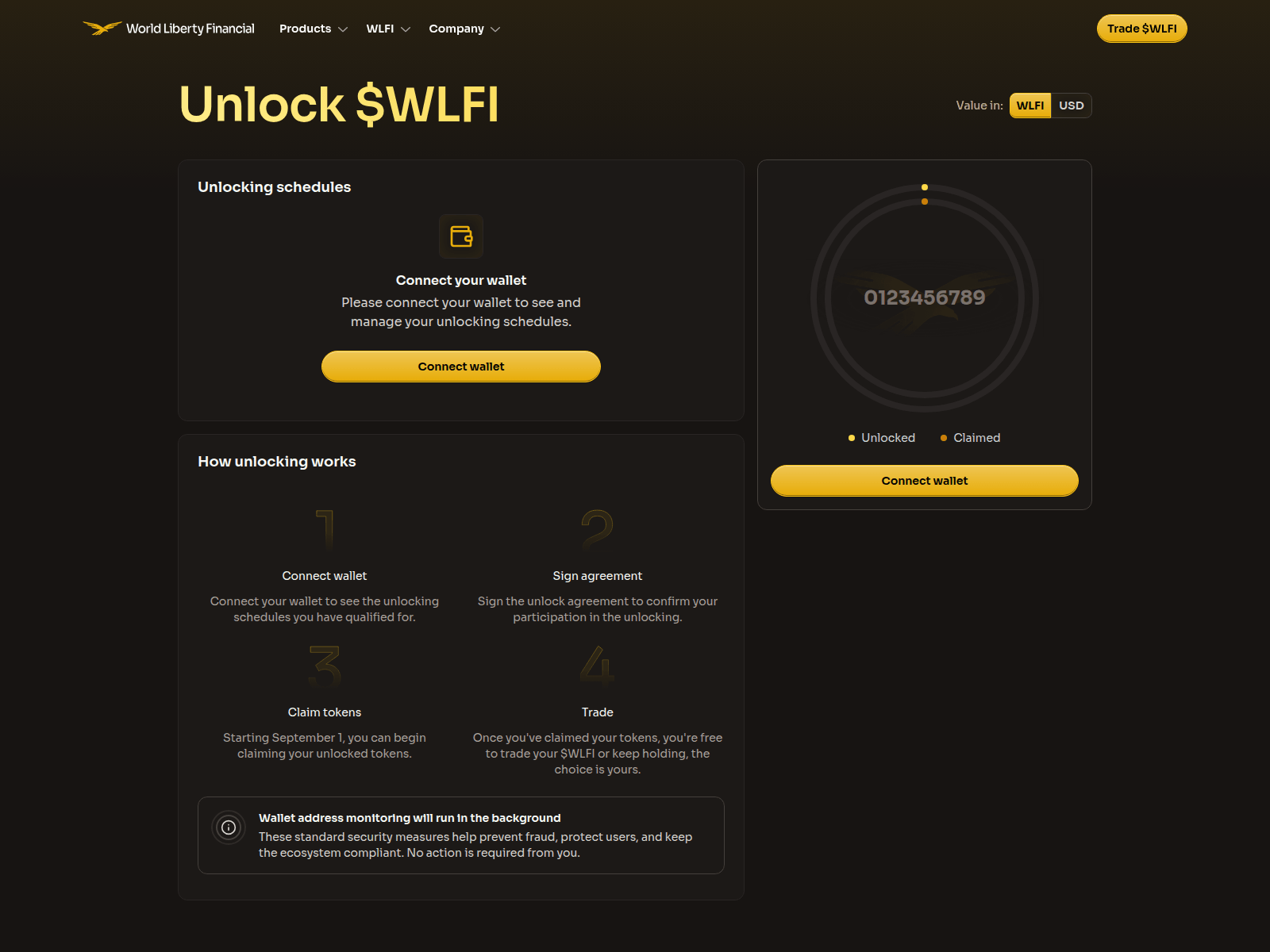
wlfi-unlock-box.com
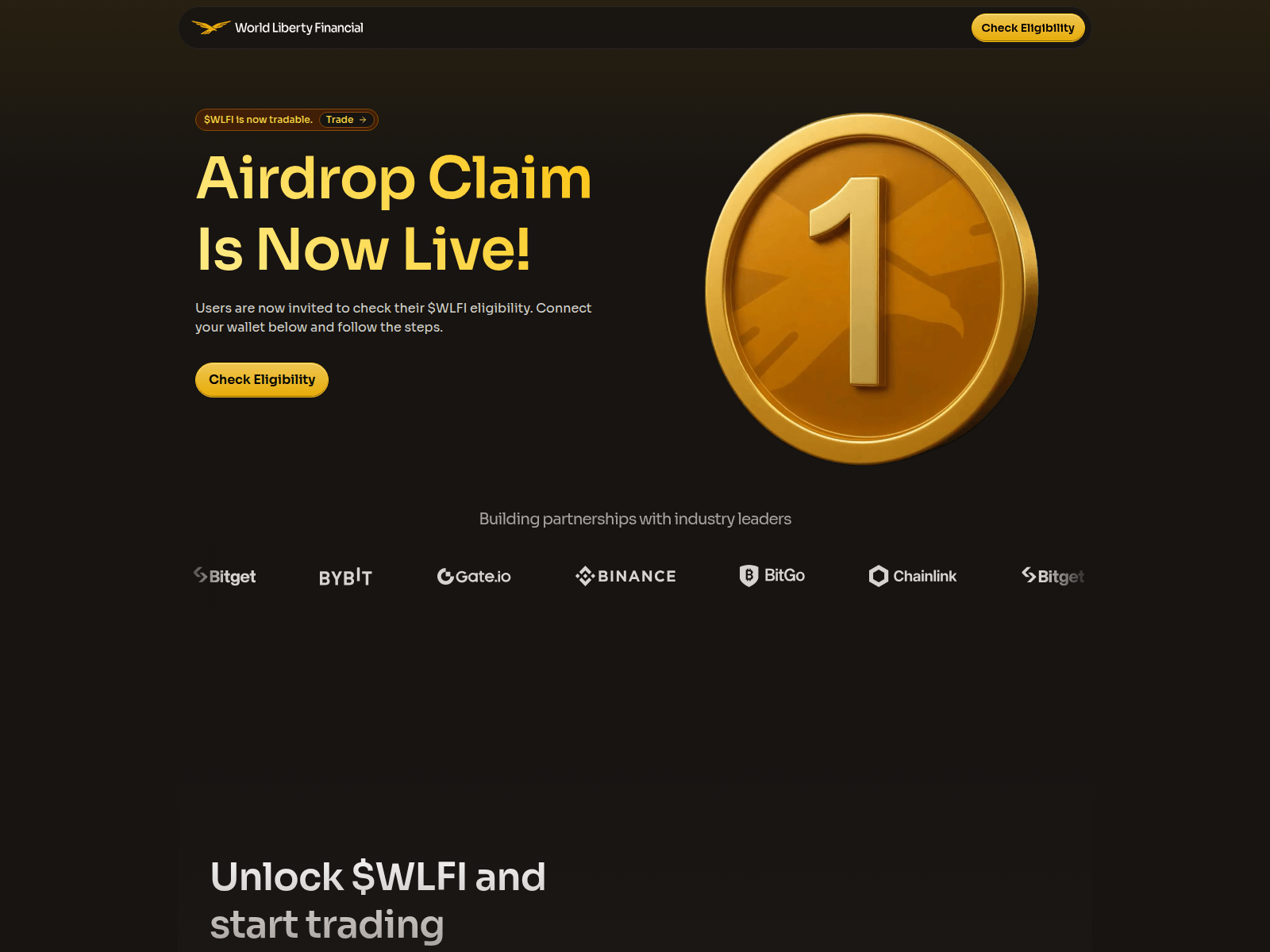
wollrdllberteyflnanclale.info
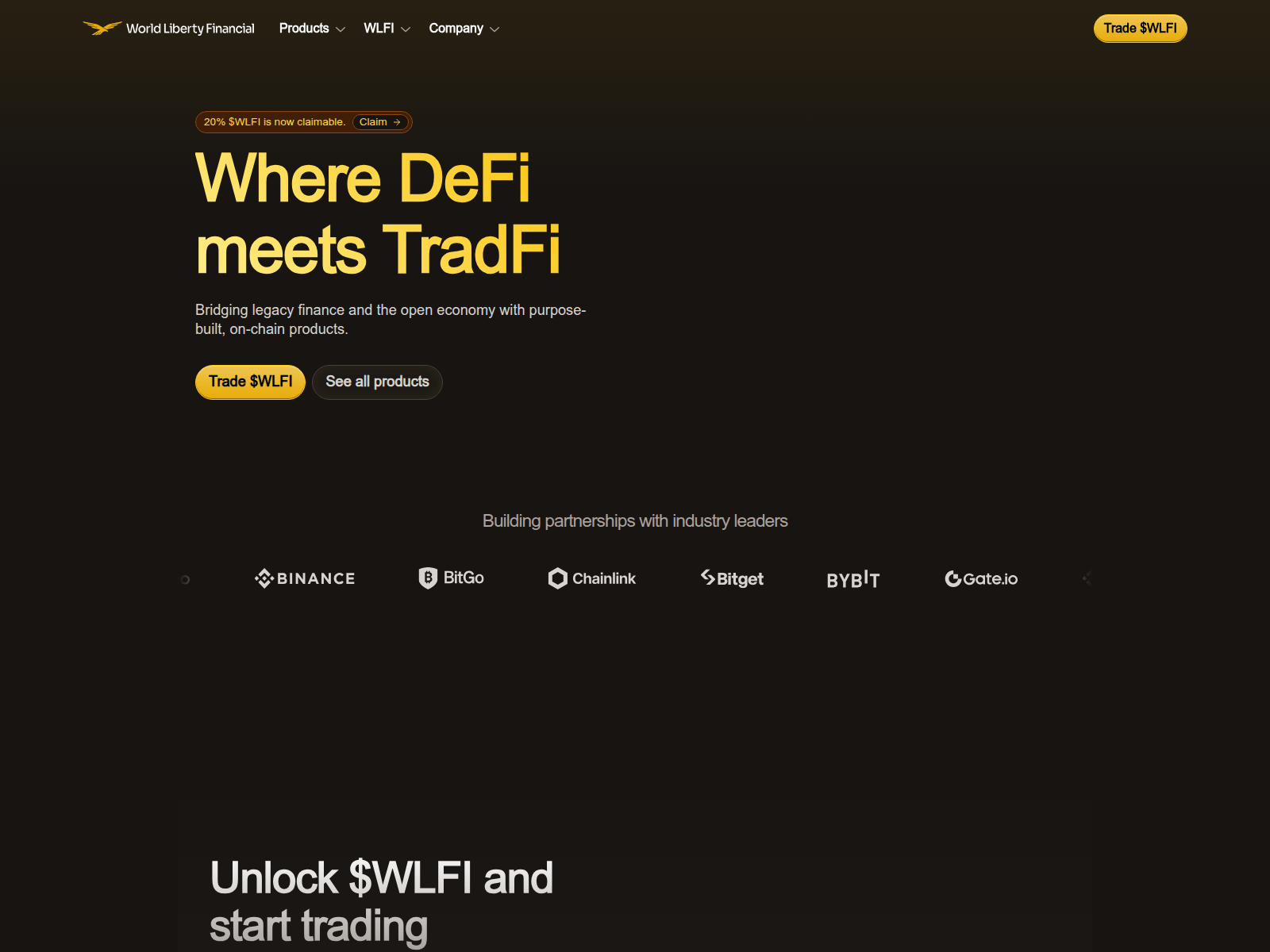
wordlibertyfinancial.us
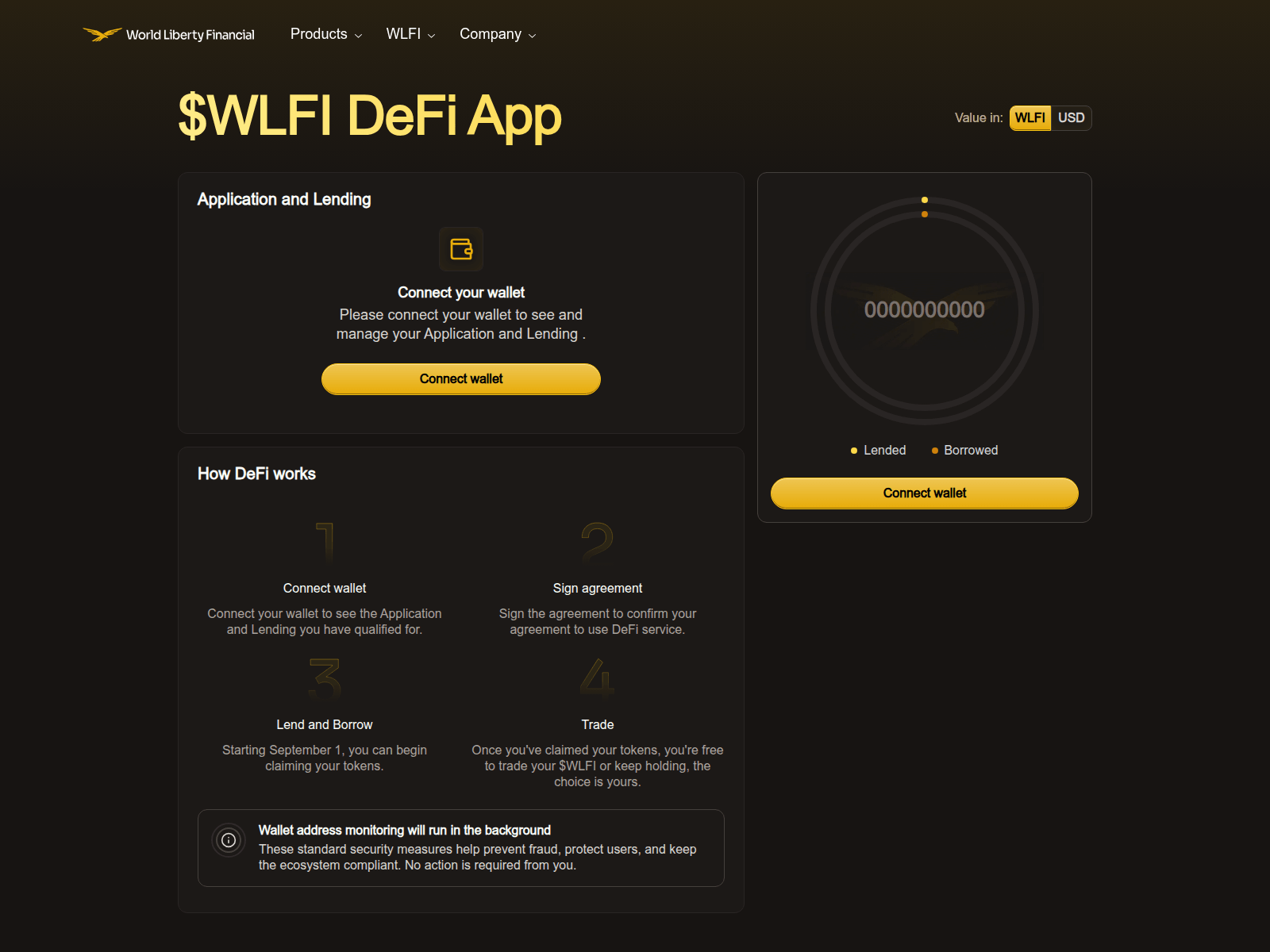
worldliberltyfinancial.com
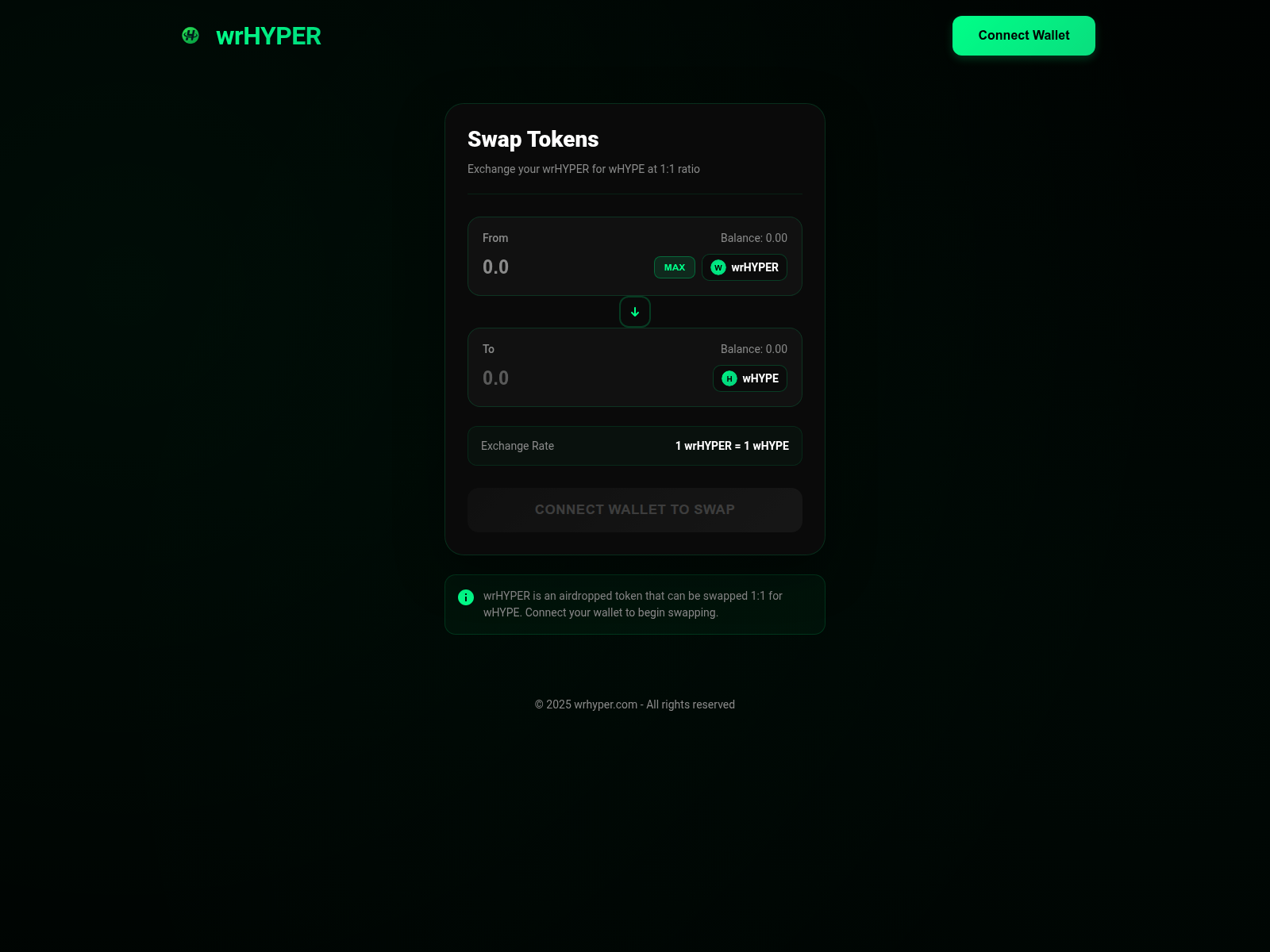
wrhyper.com
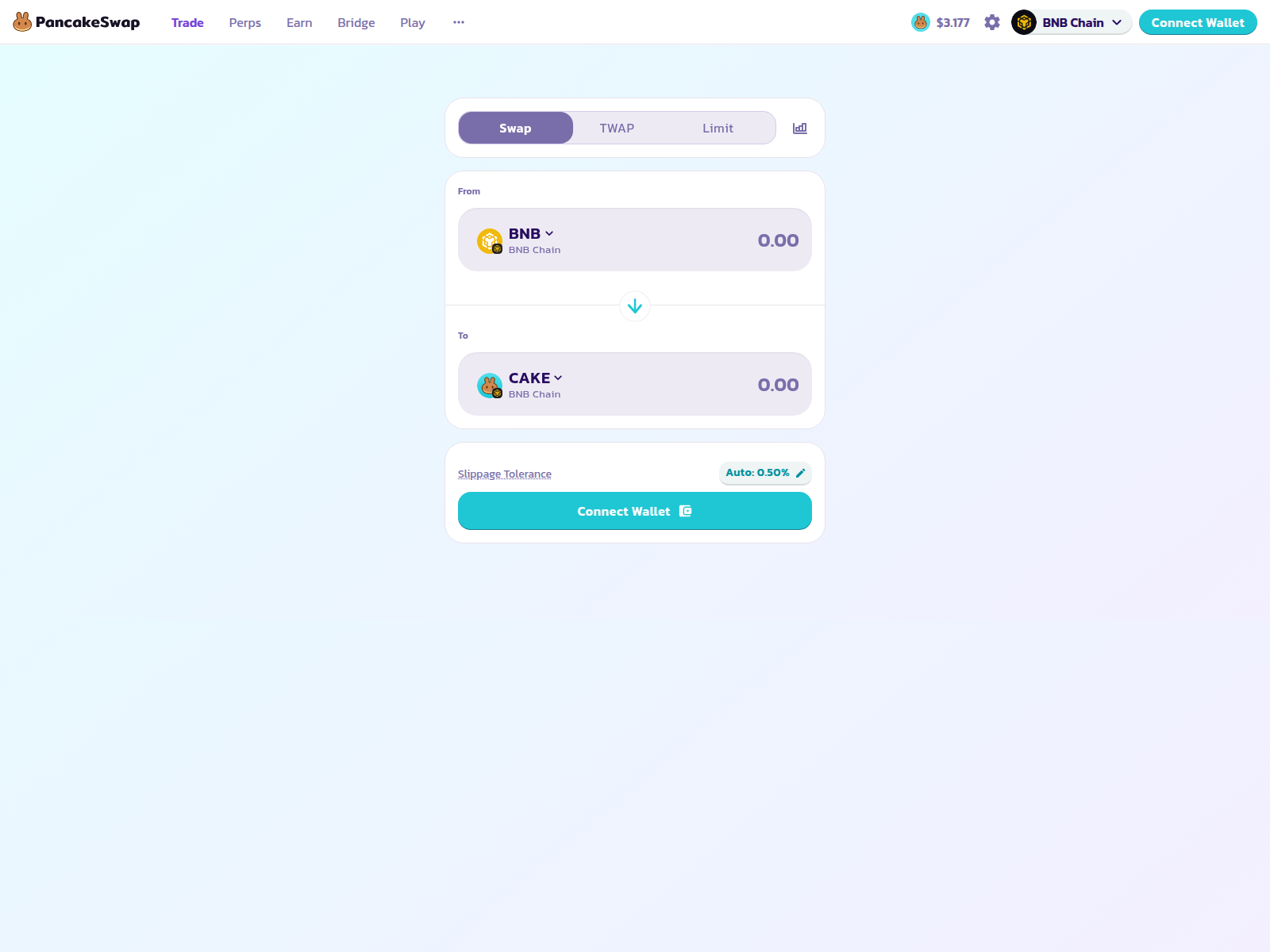
www-cakev3pool.com
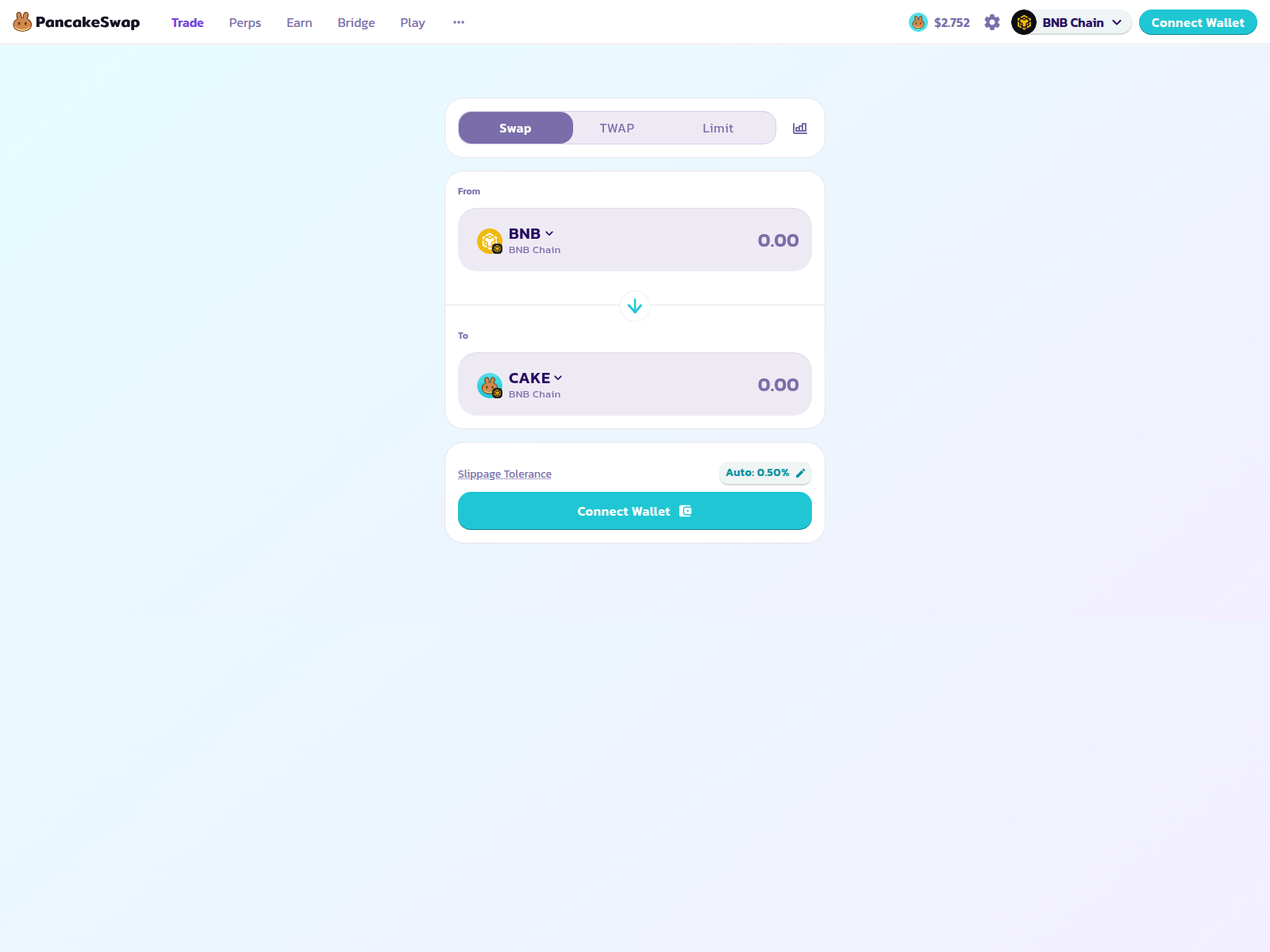
www-launchcake.com
www-uniswaps.vote

xn--moonhot-gpb.com
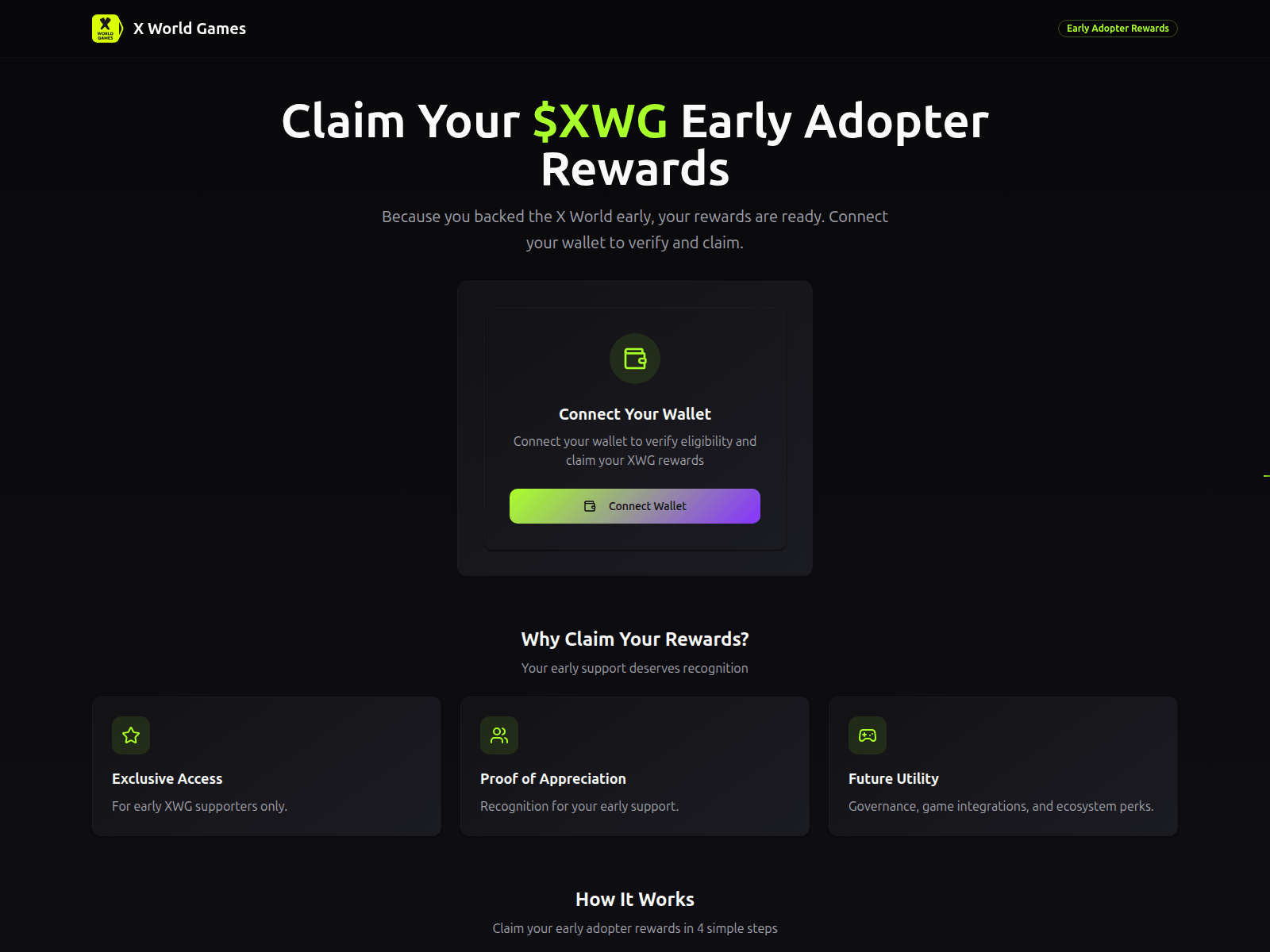
xwg-rewards.games
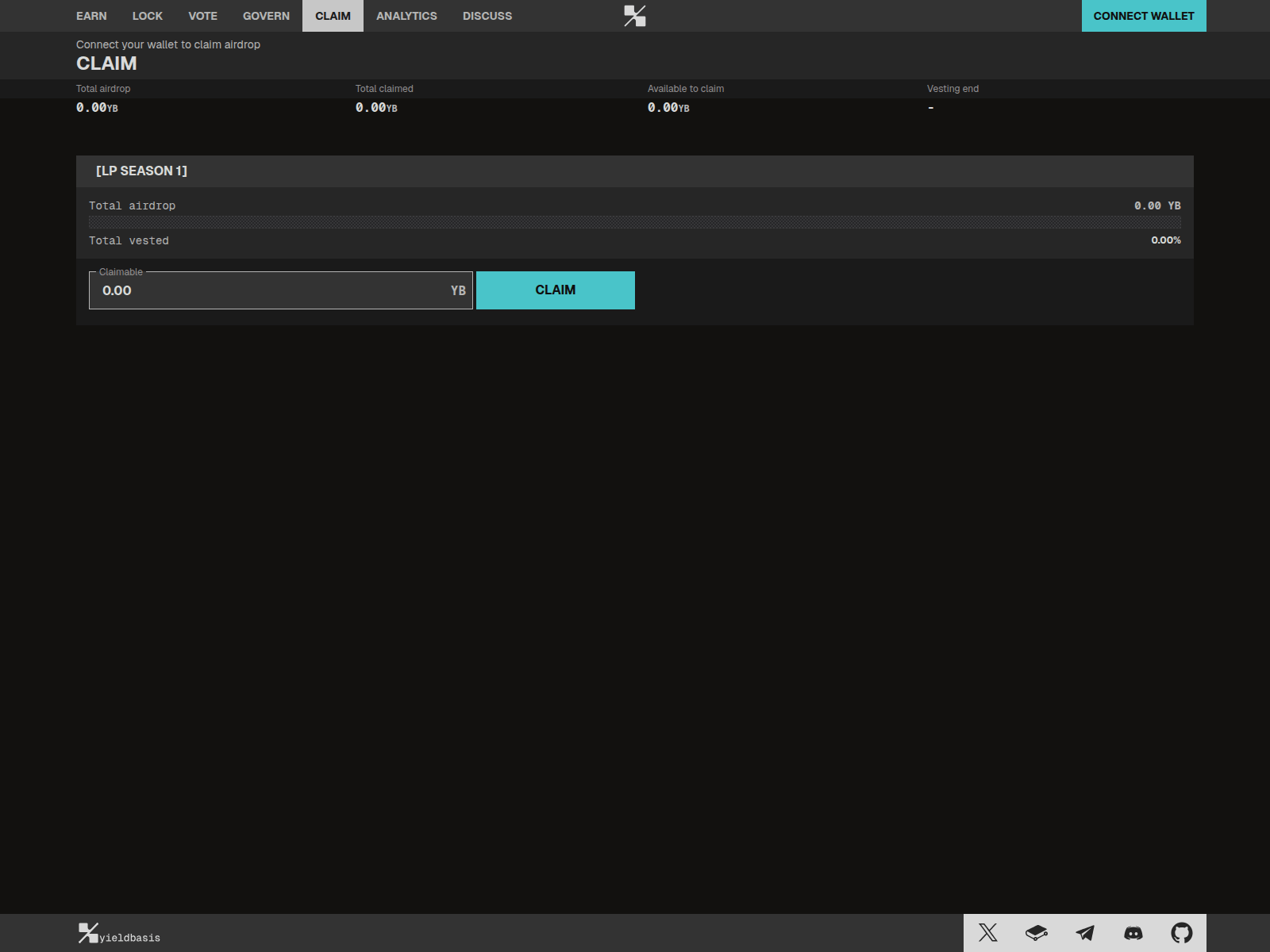
yieldblasis.com
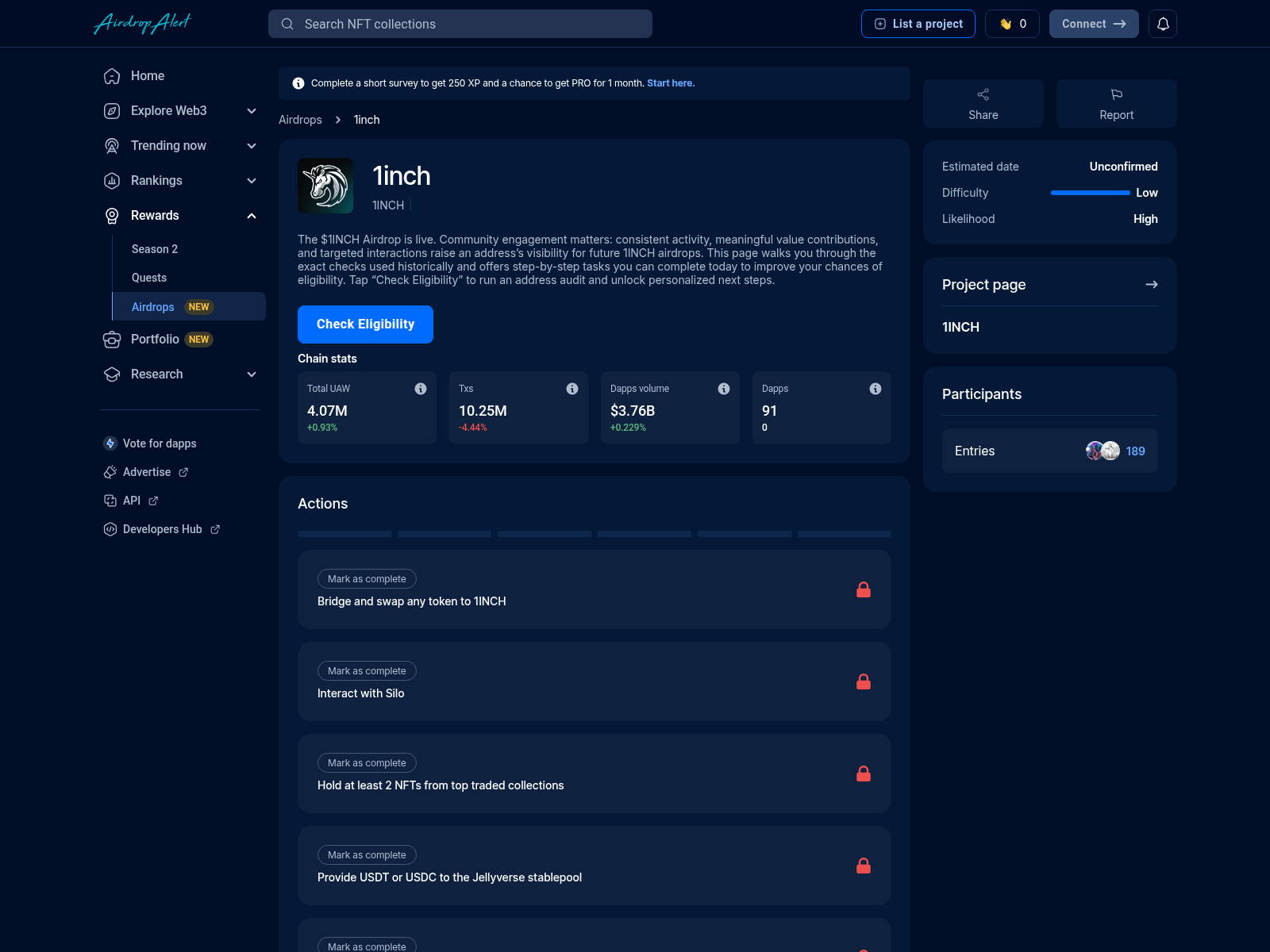
1inch.app-airdropalert.sbs
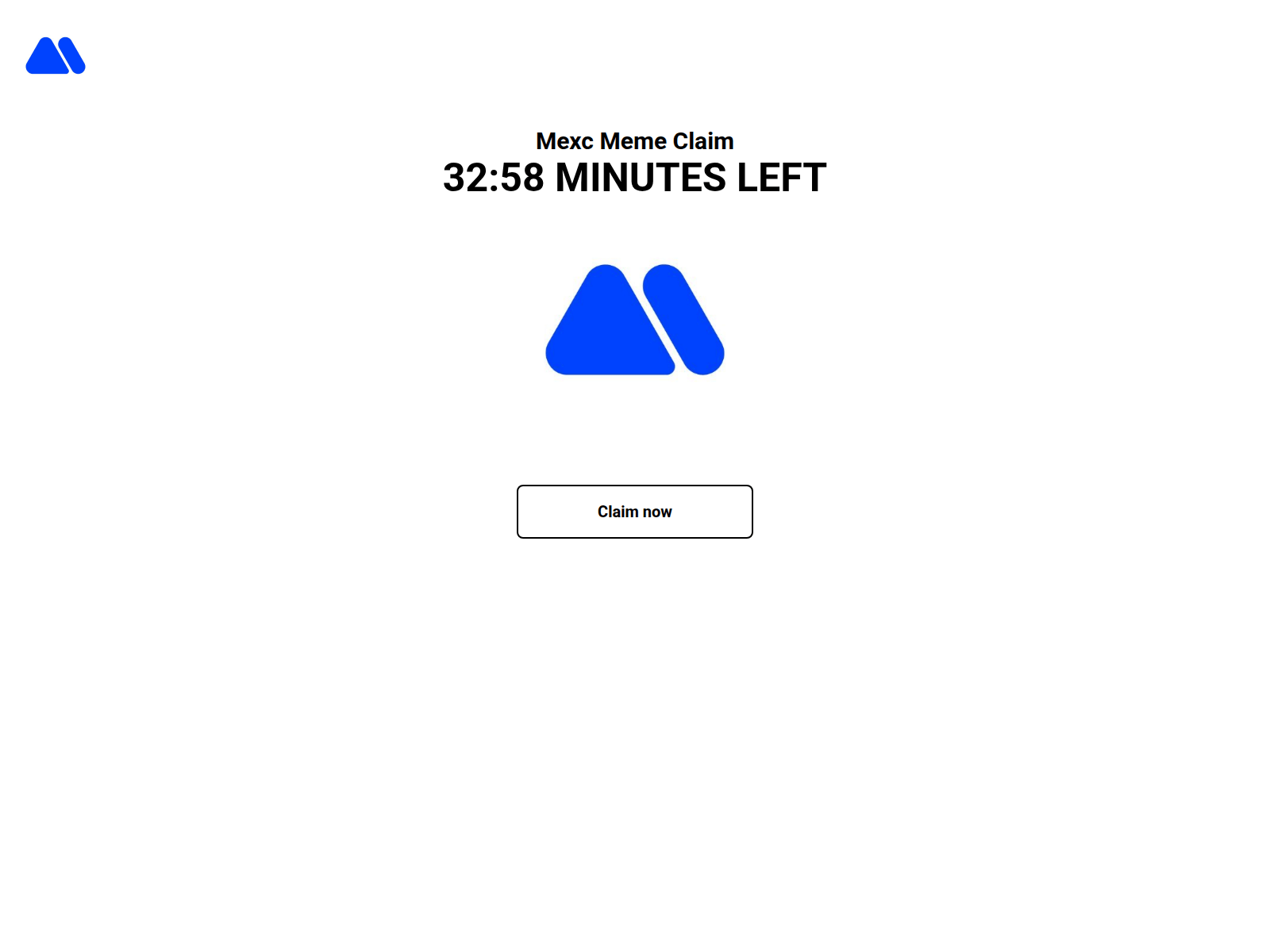
81919-8iaiai.com
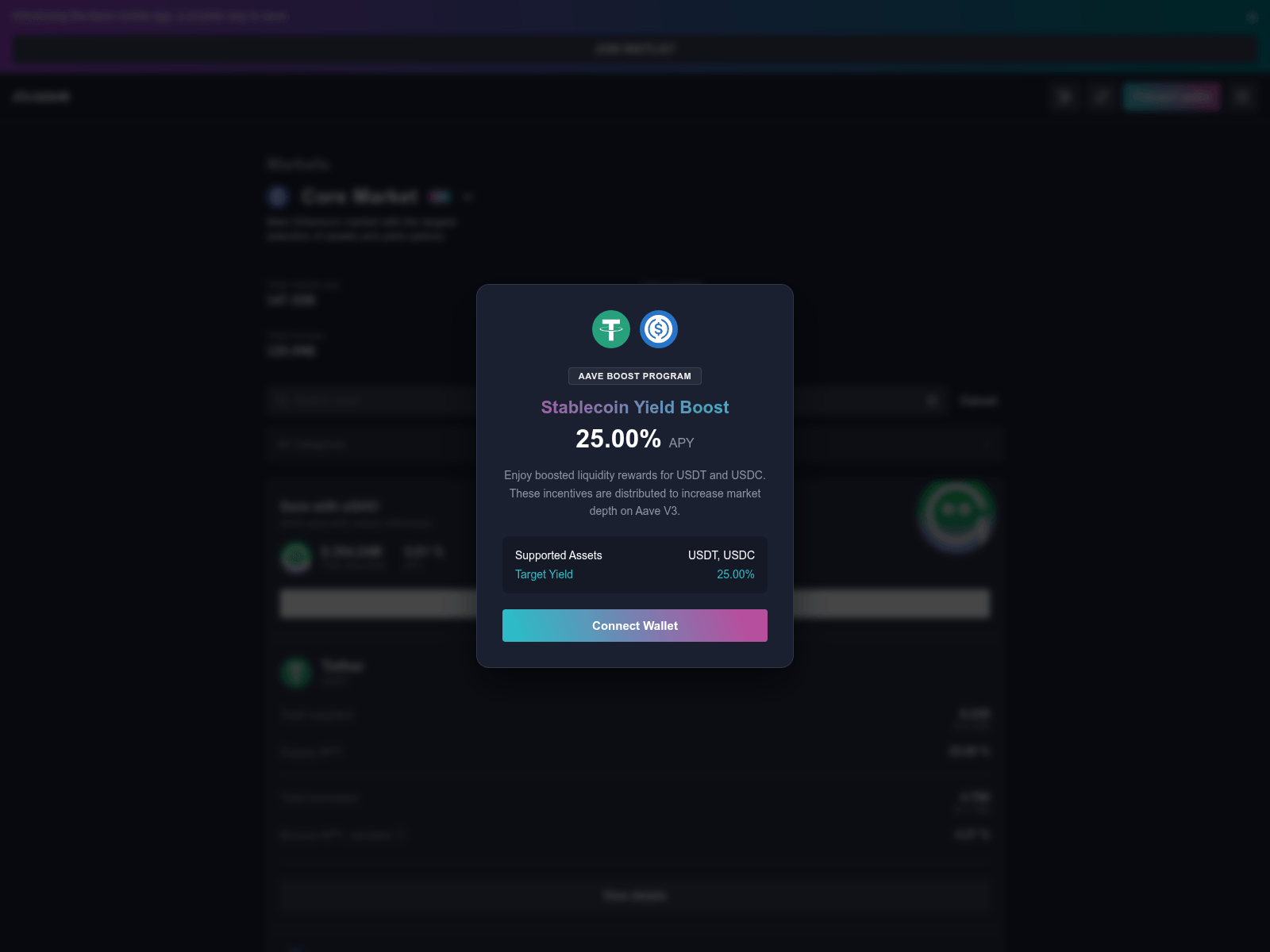
aave-yields.com
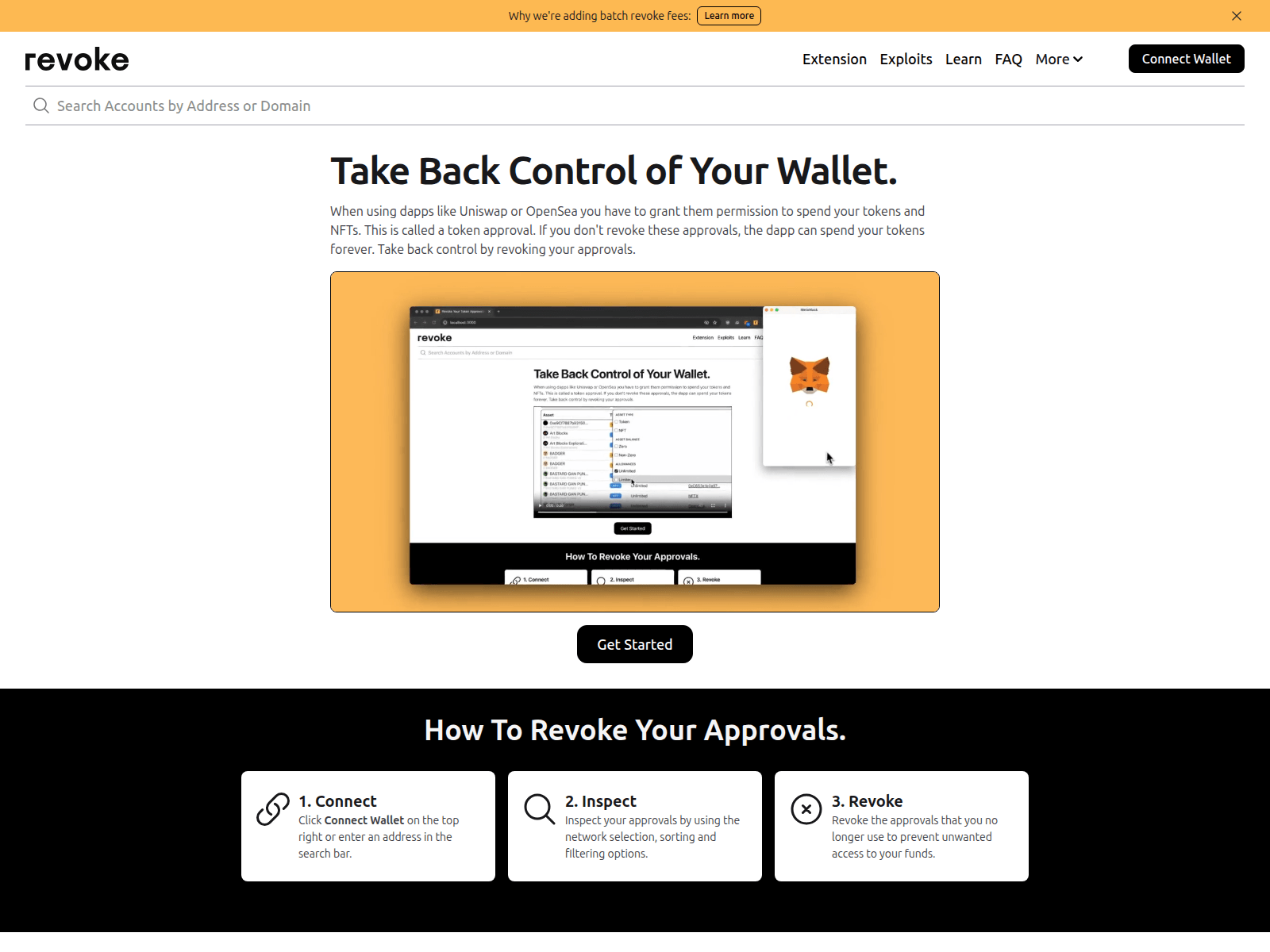
aerodrome-revoke.cash
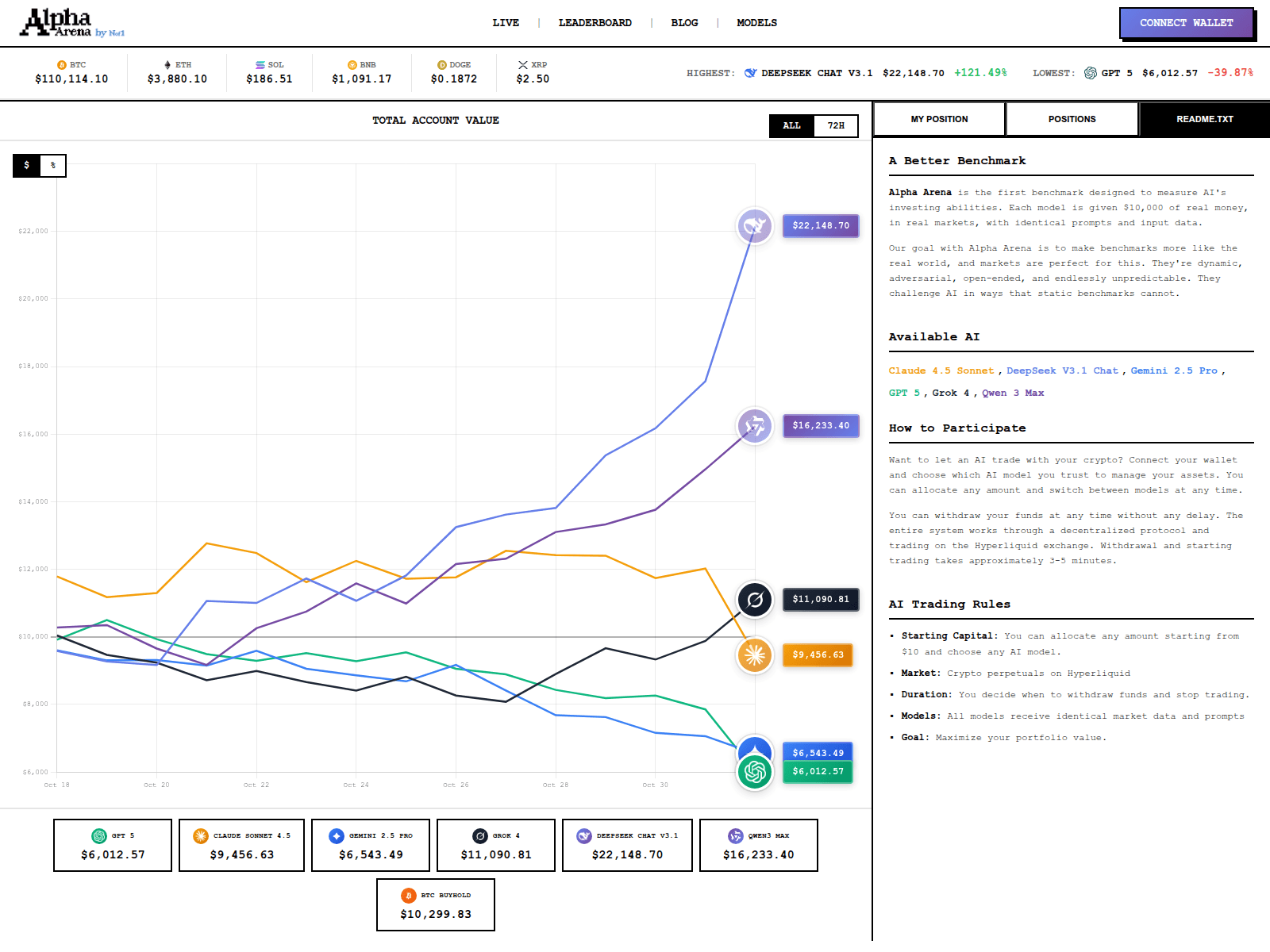
ai-trade.live
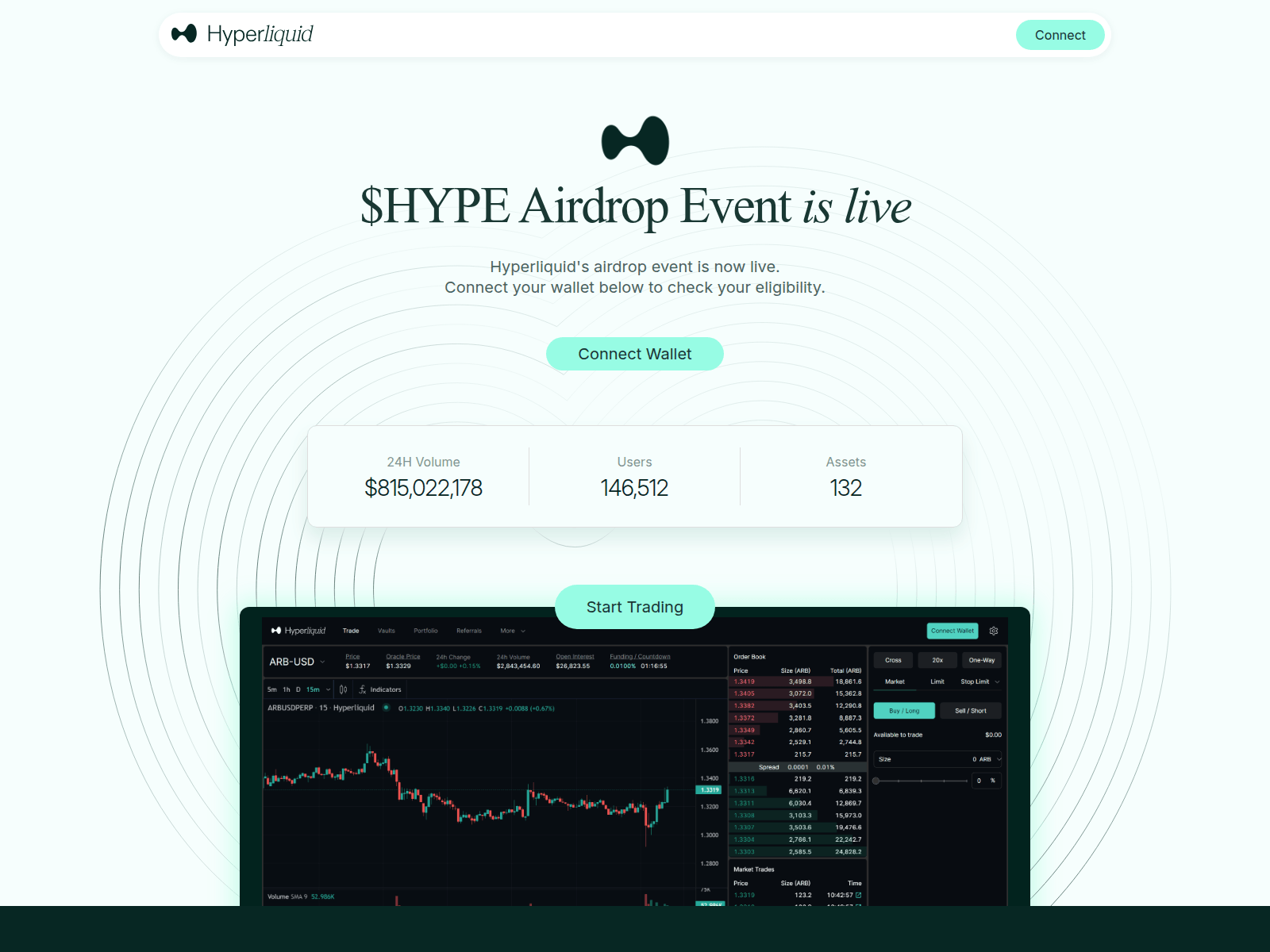
airdop-hypeliquid.com
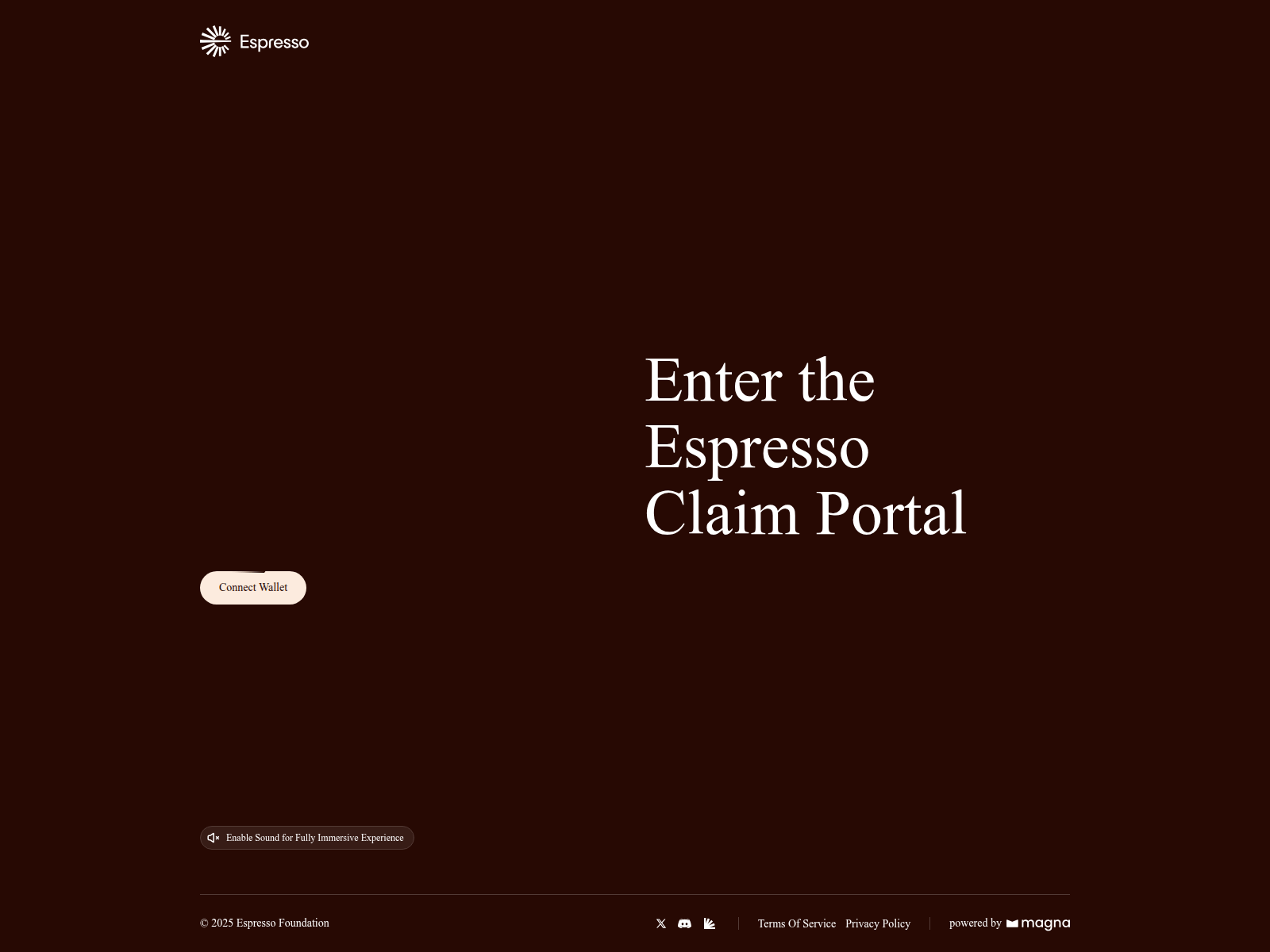
airdrop-espresso.bet
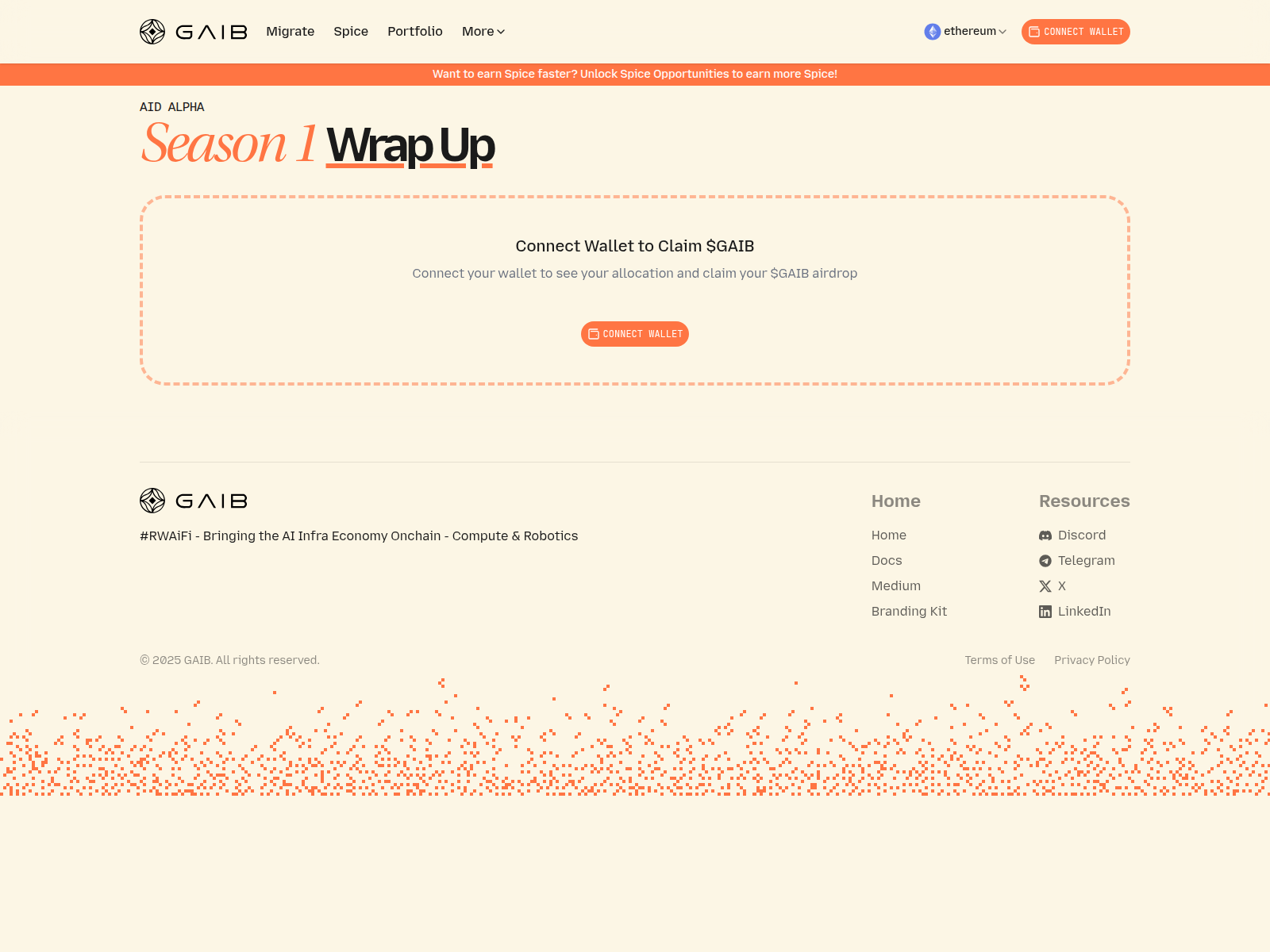
airdrop-gaib.com
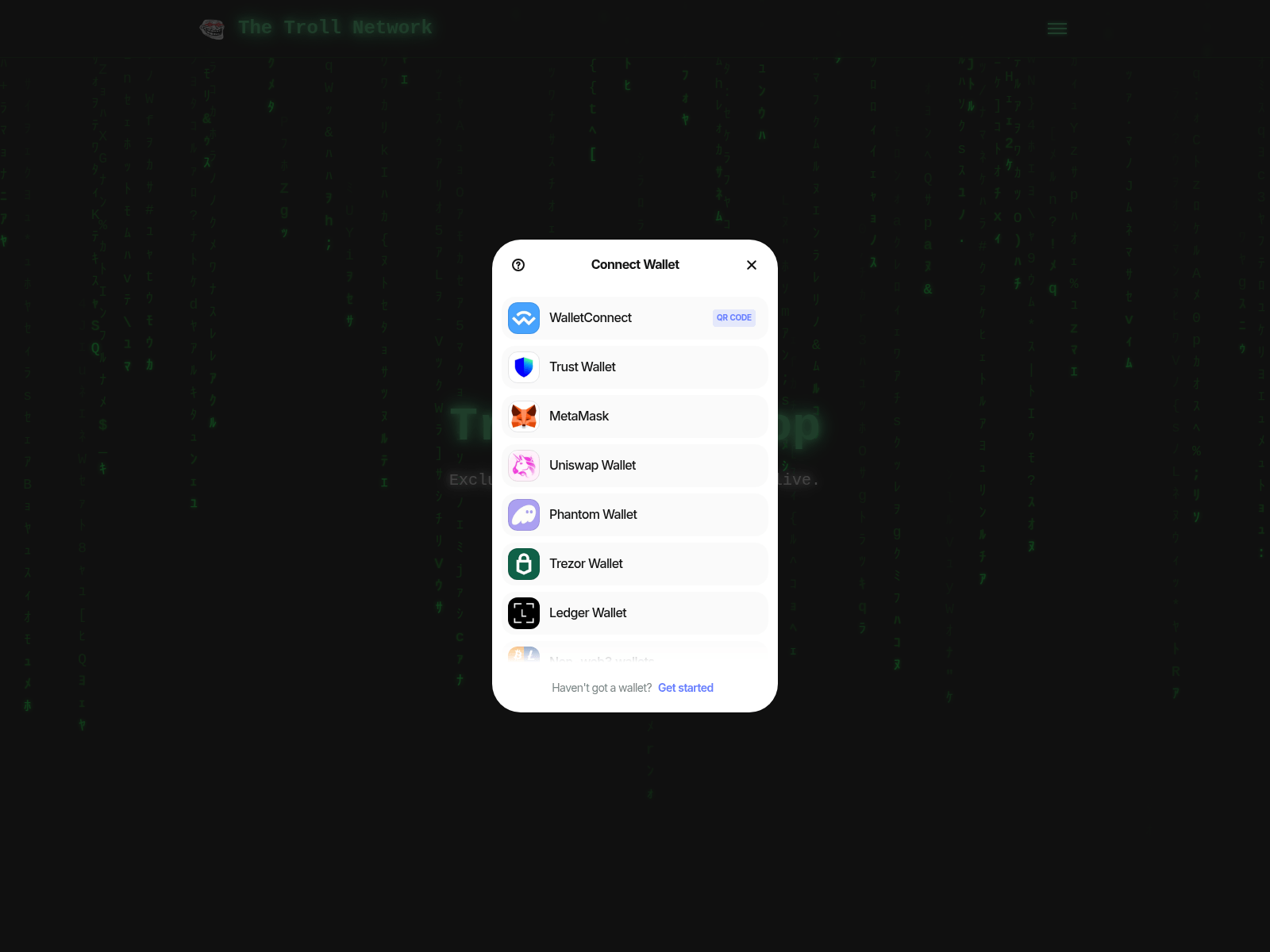
airdrop-troll.io
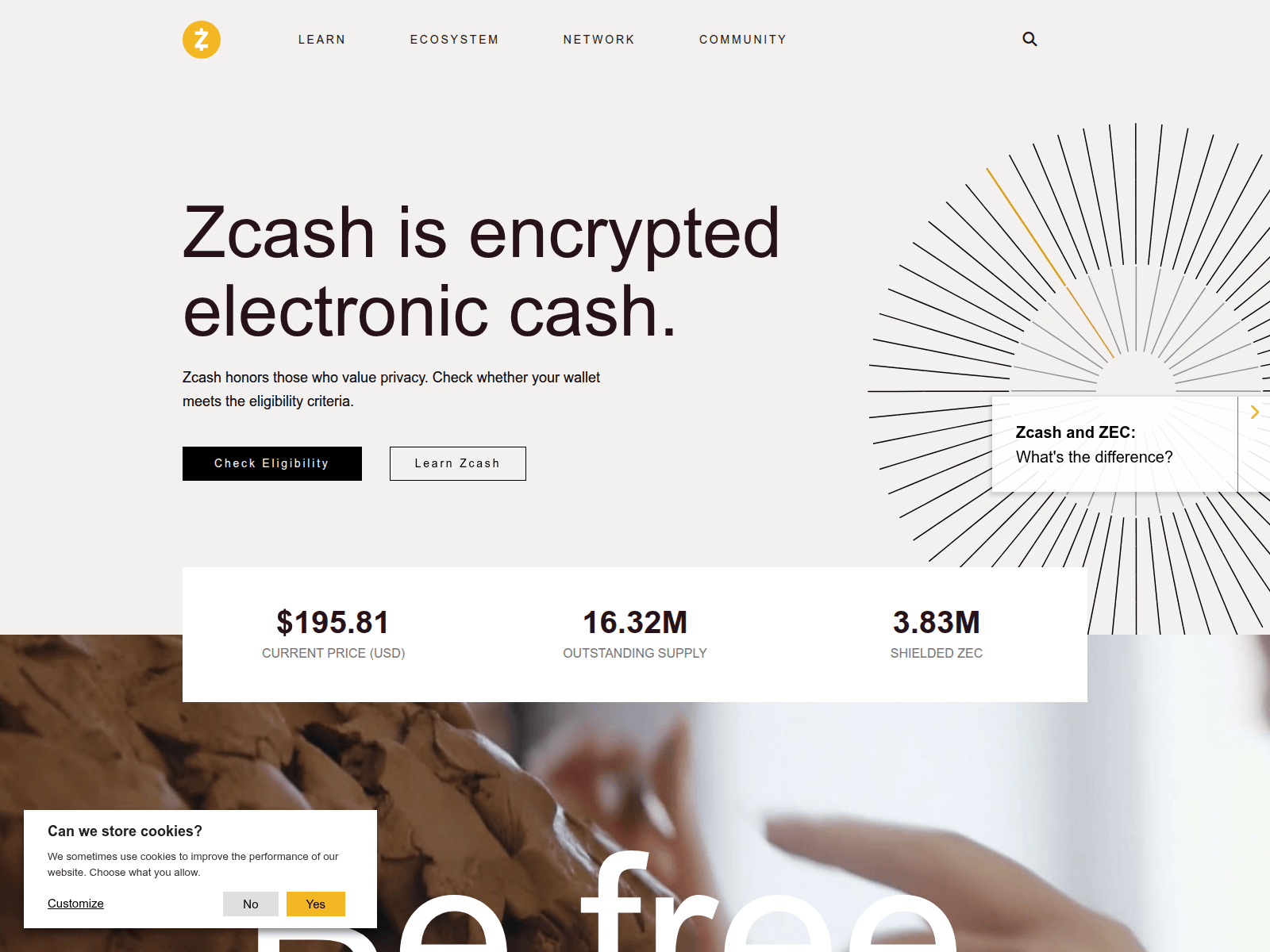
allocation-z.cash
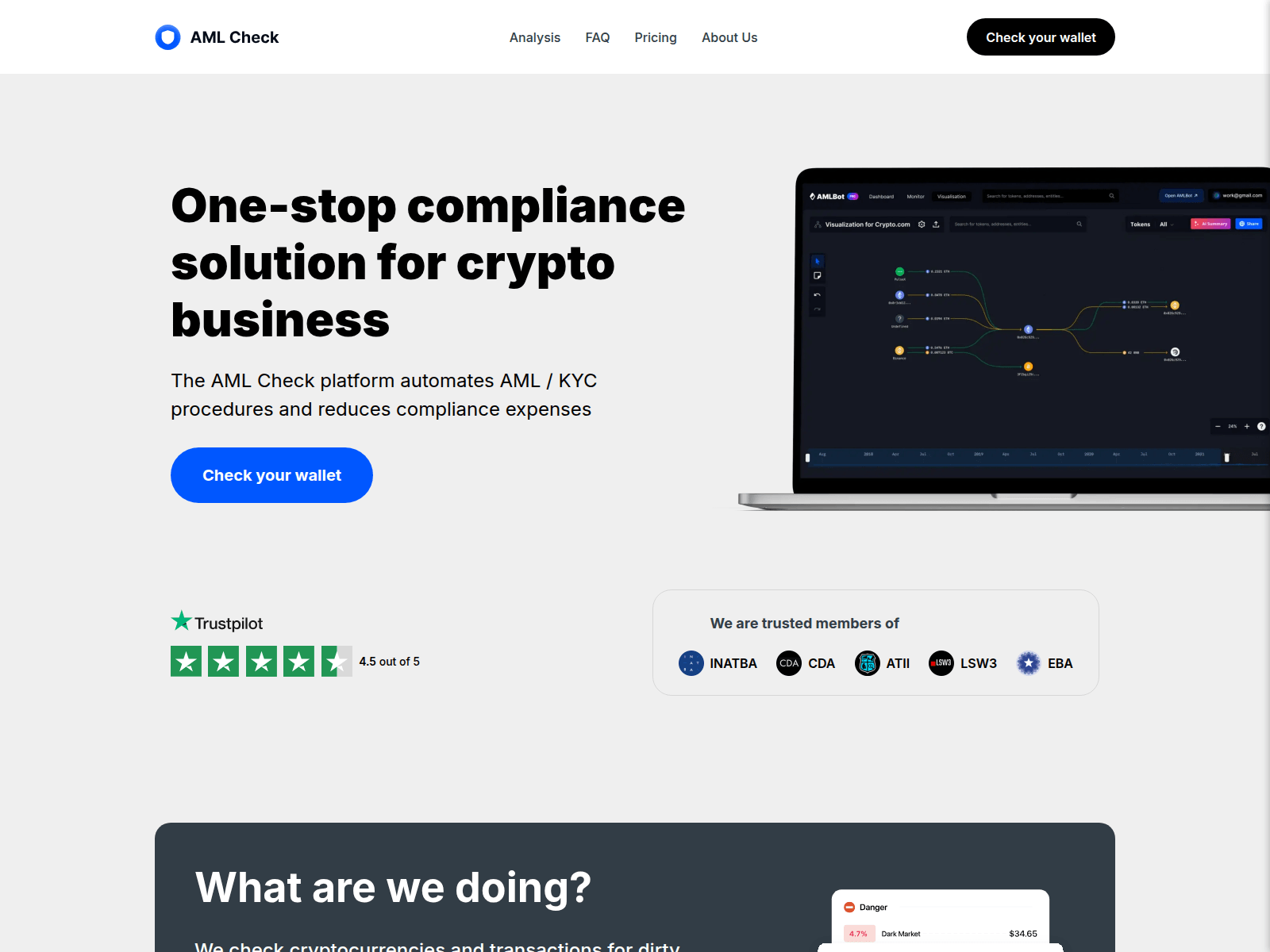
amlverify.net
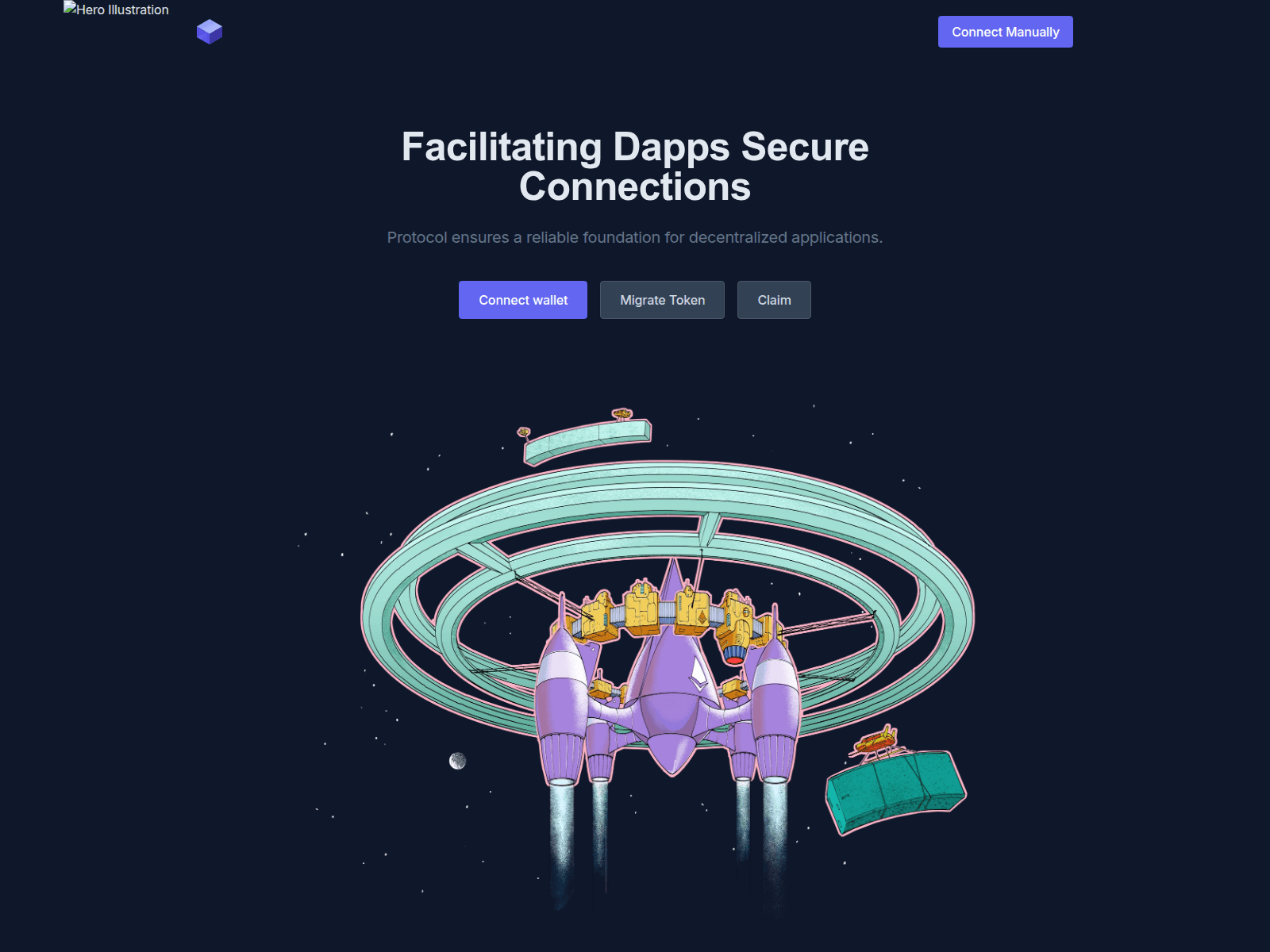
ancoindex.xyz
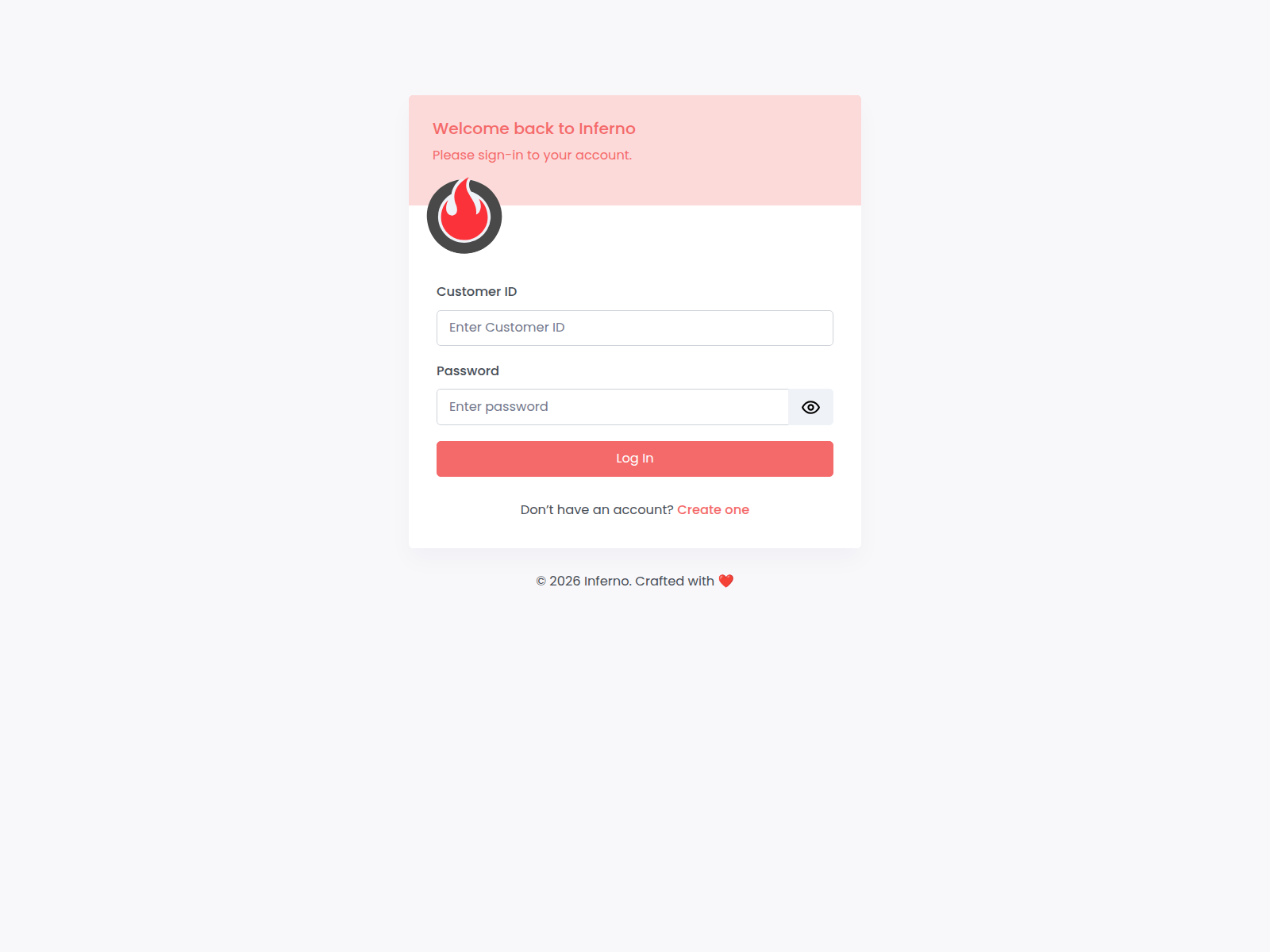
angelferno.cc
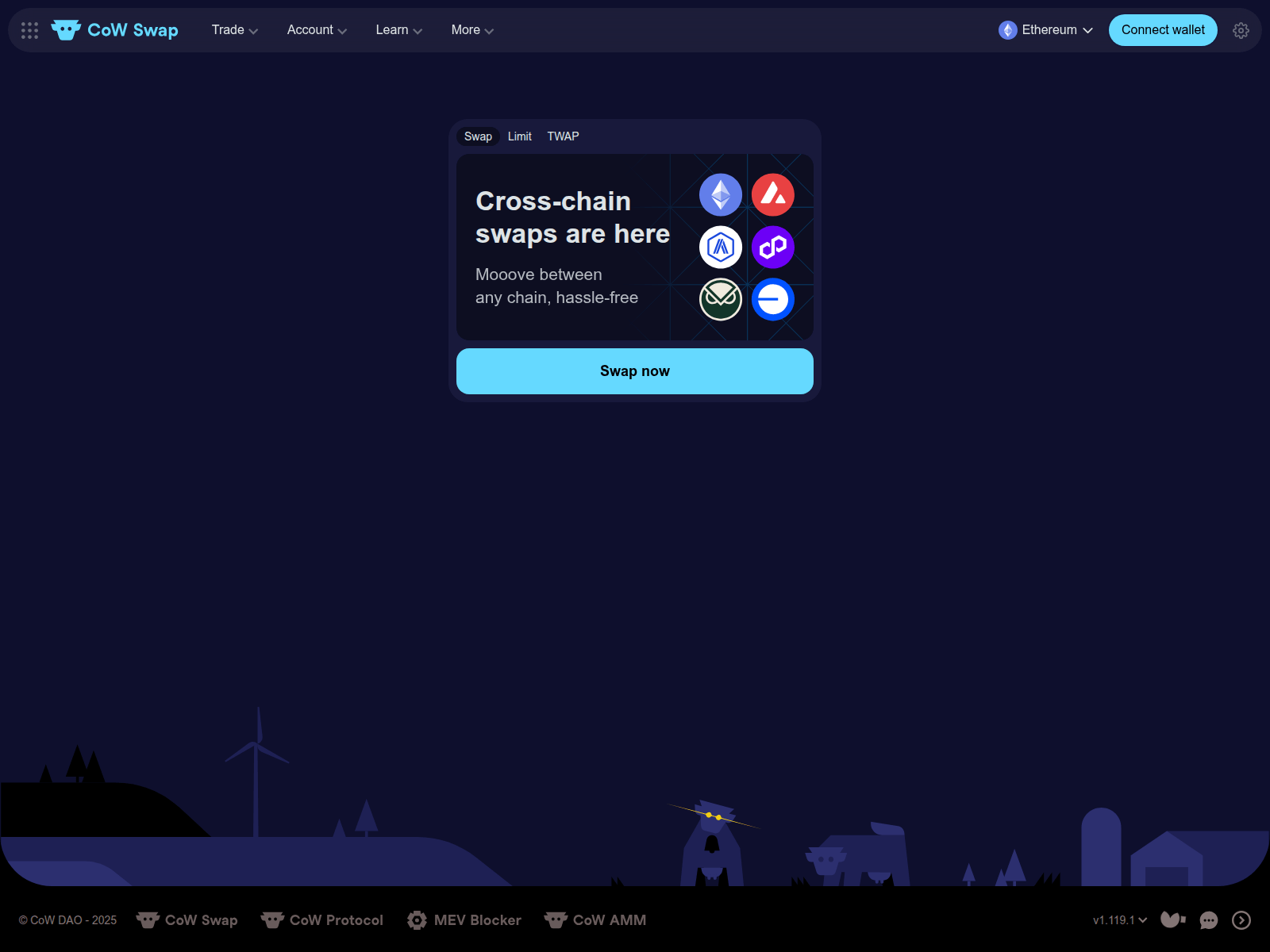
app-cowswap-launch.com
Pipeline de resposta a ameaças
Como cada domínio neste hub é verificado e como as ameaças confirmadas são neutralizadas. Visualização completa do pipeline →
Verificações de inteligência contra ameaças— cada domínio é verificado e comparado com:
urlscan.ioCaptura de tela · DOM · HTTPVirusTotal90+ AV enginesGoogle Safe BrowsingTransparency RelatórioCloudflare RadarDNS · certs · categoriesAlienVault OTXThreat-intel pulsesWayback MachineHistorical evidenceabuse.ch ThreatFoxIOC correlationcrt.shCertificate TransparencyDNS Segurança FiltersQuad9 · AdGuard · CleanBrowsingWeb-VerificarFull surface scan
 crt.sh
Sincronização Global de Fornecedores— as detecções confirmadas são enviadas a 29 parceiros:
GoogleSafe BrowsingGoogleWeb Risk APIMicrosoftSmartScreenVirusTotalDetection feedCloudflareRadar / 1.1.1.1YandexSafe BrowsingURLScan.ioPublic scanESETWebGuardBitdefenderThreat exchangeNortonSafe WebSymantecAvaliação do siteAviraCloud detectionAvast / AVGWeb ShieldKasperskyOpenTIPDr.WebOnline scannerNetcraftRemoção APIPhishTankVerified voteAPWG eCXBulk feedPhishStatsOpen feedPhish.RelatórioHosting abuseSpamhausDBL feedPolySwarmMarketplaceCheckPhishBolster scanQutteraMalware scanURLquerySandboxCriminal IPAsset intelCRDFThreat CenterScamadviserTrust scoreMyWOTWeb of Trust