
 체인패트롤
체인패트롤
 Web-Check
  SOCRadar
  LeakIX
ABUSE NOTICE · 7D+ OPEN
Outgoing abuse reports are recorded; the latest stored availability evidence still shows the domain reachable.
Notification and current-status evidence
The sent-report ledger records the first outgoing report at .
The recorded recipient is complaint@gname.com.
The latest stored availability evidence still shows the domain reachable; 6 months has elapsed since the first outgoing report.
ICANN RAA §3.18 describes registrar abuse-contact and handling obligations. This section records outgoing timestamps, listed recipients, case identifiers, and later availability. It does not by itself prove receipt, acknowledgement, investigation, remediation, or contractual non-compliance.
Elapsed since first report
6 months
Reports sent
1
Latest case ID
PD-20260202-FFC412
Current status
Observed active at latest stored check
도메인 보안 및 위협 인텔리전스

t-mobile[.]wopqf[.]cc
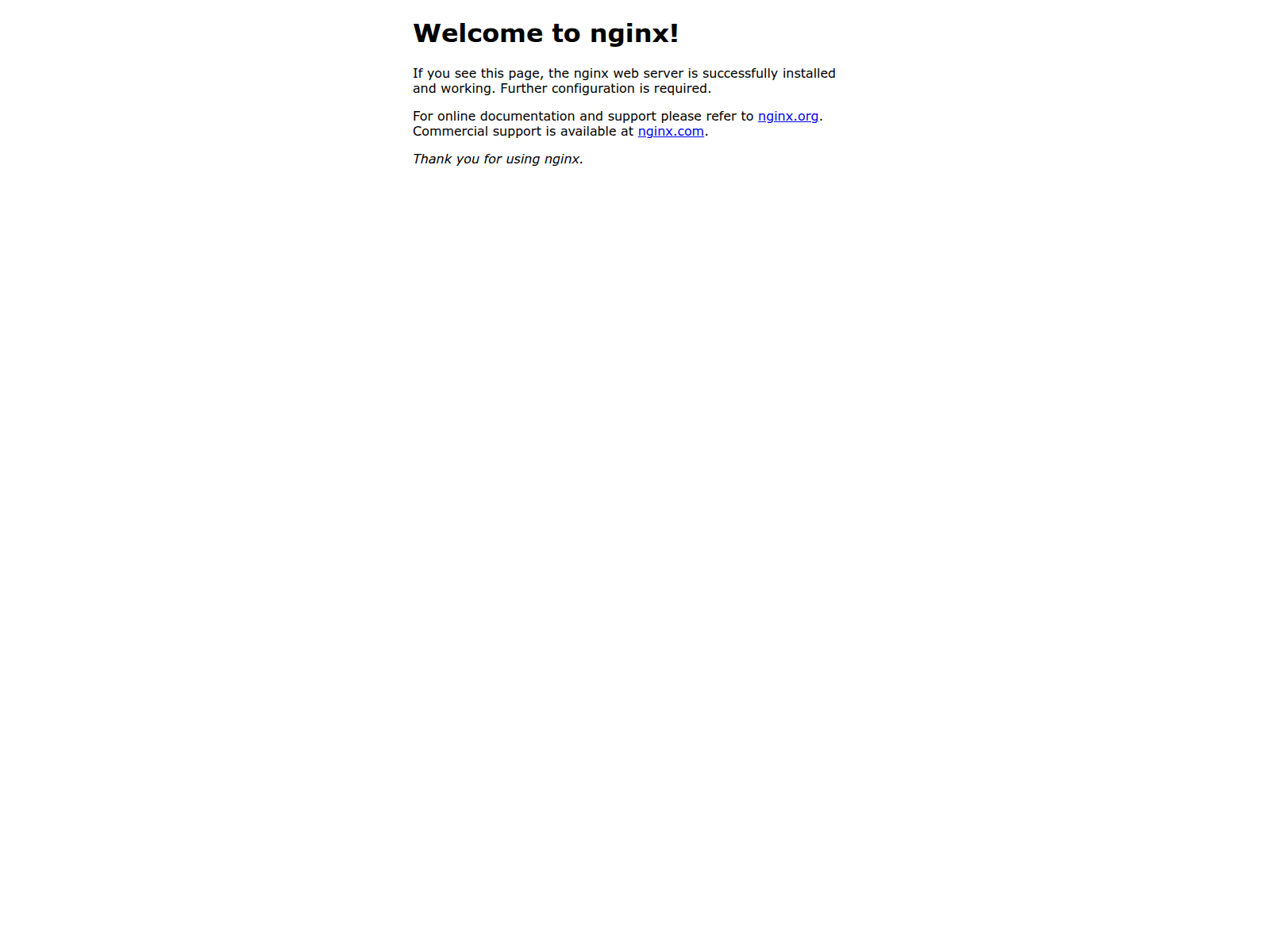
“Welcome to nginx!”
위협 평결
심각
95/100 증거 점수
가용성
확인되지 않음
현재 연결 가능성이 확인되지 않았습니다.
위험 신호
VirusTotal 탐지: 16/91
URLQuery threat systems: 3 alerts
사기 유형: Credential Phishing
보고서 요약
t-mobile.wopqf.cc — 확인되지 않음. 사기 유형: Credential Phishing. 증거 요약: VirusTotal 16/91 (ADMINUSLabs, Criminal IP, BitDefender, Chong Lua Dao, CyRadar); URLQuery 3 alerts; CF Radar malicious; PhishDestroy score 95/100. 등록기관: Gname.
원본 포렌식 기록을 보존하기 위해 아래의 상세 PhishDestroy AI 분석은 영어로 유지됩니다.
증거 요약
중요
This domain is flagged as an elevated-risk brand impersonation threat designed to deceive users into disclosing authentication credentials for X.com. Analysis indicates the site mimics legitimate login portals to harvest usernames, passwords, and potentially multi-factor authentication tokens through fraudulent input forms. The infrastructure and registration patterns align with known credential phishing campaigns targeting social media platforms. Infrastructure analysis reveals the domain t-mobile.wopqf.cc was registered on February 21, 2026, through Gname.com Pte. Ltd., a registrar frequently associated with abusive registrations. It resolves to the IP address 104.21.85.237, a Cloudflare proxy endpoint commonly exploited to conceal malicious origin servers. The domain appears on one security blocklist and is flagged by 17 out of 95 security vendors on VirusTotal, including detections for phishing and brand impersonation. The SSL certificate, issued by Google Trust Services (WE1), provides encryption but does not validate legitimacy. The observed page title, 'Welcome to nginx!', suggests either misconfigured server defaults or deliberate obfuscation of malicious content. Mitigation requires immediate user awareness and technical controls. Users should verify domain authenticity by inspecting URLs for subtle misspellings or unusual subdomains before entering credentials. Organizations should implement email and web filtering to block known malicious domains and IPs, particularly those registered through high-risk registrars. Security teams should monitor for connections to 104.21.85.237 and similar proxy endpoints in network logs. Credential-based authentication systems should enforce phishing-resistant multi-factor authentication methods to reduce the impact of stolen credentials. If exposure is suspected, affected accounts should be locked, credentials reset, and activity reviewed for unauthorized access.
VirusTotal
16 det.
URLQuery
3 threat alerts
CF 레이더
악성
URLScan
TLS 인증서
WE1
관측 상태
확인되지 않음

DestroyList
등록됨
Reports Sent
1
데이터 적용 범위
VirusTotal
16 / 91
URLQuery
3 threat-system alerts
PhishStats
checked — no match recorded
OTX
no community references
CF 레이더
provider verdict: malicious
URLScan capture
저장된 보고서
URLScan verdict
분석 완료
DNS 차단
확인되지 않음
TLS
valid certificate, 59d
WHOIS
not parsed
스크린샷
3 captures · 3 sources
리디렉션 체인
조사되지 않음
네트워크 보안 인텔리전스
| Detection System | Indicator | Verdict | Alert |
|---|---|---|---|
| OpenDNS | t-mobile.wopqf.cc |
phishing | Phishing Block |
| Hagezi Threat Feed | t-mobile.wopqf.cc |
malicious | Sinkholed |
| DNS4EU | t-mobile.wopqf.cc |
malicious | Sinkholed |
위협 대응 Pipeline
발견
Checks
Reports
가용성
19/20
Sent Report Recorded
Stored sent-report record for registrar Gname.com Pte. Ltd., hosting provider, 1 abuse contact
complaint@gname.com
공개 차단 목록 상태
저장된 캡처
도메인 인텔리전스
도메인
URLScan Verdict
분석 완료
score 0 report ↗
서버 / ASN
cloudflare · AS13335 CLOUDFLARENET - Cloudflare, Inc., US
IP Context
Cloudflare shared edge
origin IP hidden
Edge-IP 평판은 이 도메인에 귀속되지 않습니다.
Registrar (base domain)
Gname
 (SG)
(SG)
(SG)
IP 주소
104.21.85.237
CDN
위치 San Francisco, US
San Francisco, US네트워크AS13335 · Cloudflare, Inc.
원본 IP는 CDN 프록시 뒤에 숨겨져 있습니다. 에지 주소에 대한 역방향 IP 결과에는 관련되지 않은 테넌트가 포함되어 있습니다. 원본을 찾으려면 수동 DNS 또는 인증서 투명성 데이터가 필요합니다.
기술적 세부 사항DNS, SSL SAN, 타임스탬프
최초 발견2026년 2월 2일
DOM Analysisanalyzed 2026년 4월 23일score 88/100
IoC Extractionscanned 2026년 7월 29일0 wallet · 0 Telegram IoCs
Submitted URLhttp://t-mobile.wopqf.cc/
네임서버ruben.ns.cloudflare.com
TLS Fingerprint
TLS Observationvalid from 2026년 1월 28일scanned 2026년 3월 15일
TLS SAN Domainswopqf.cc
Case ID
사용 기술 · 2 identified
Cloudflare
CDN
Web infrastructure and security company providing CDN, DDoS mitigation, and DNS services.
www.cloudflare.com
H
HTTP/3
Miscellaneous
Third major version of HTTP protocol, built on QUIC for faster, more reliable connections.
Detected via Cloudflare Radar · Wappalyzer engine
이 도메인 신고하기
증거를 제출하고 다른 사람들을 보호하는 데 힘을 보태주세요
VirusTotal 분석
16 / 91 보안 공급업체가 이 도메인에 플래그를 지정했습니다.
View on VT
Last analyzed Previous stored snapshot: 17 detections
ADMINUSLabs
Criminal IP
BitDefender
Chong Lua Dao
CyRadar
ESET
Forcepoint ThreatSeeker
Fortinet
G-Data
Google Safe Browsing
Gridinsoft
Lionic
SOCRadar
소포스
VIPRE
Webroot
보관된 증거
Wayback Machine Snapshot
증거 검토를 위해 과거 스냅샷을 사용할 수 있습니다.
증거 및 외부 보고서
증권 분석
Submitted Evidence Snapshot
Sent: Ledger records: 1
Case ID:
PD-20260202-FFC412 Recipient: complaint@gname.com Page title stored with report: Welcome to nginx!
OSINT 및 정보
DNS 및 네트워크
SEO 및 도메인
이 사이트로 인해 영향을 받으셨나요?
If credentials were compromised, report immediately. Do not engage with recovery scammers.
계정 자격 증명, 개인 정보 또는 결제 정보를 입력했거나 이 도메인에서 파일을 다운로드한 경우 즉시 조치를 취하세요. 다음은 사건을 신고하고 자신을 보호하는 데 도움이 되는 리소스입니다.


PhishDestroy listing review 법 집행 보고서가 아님
도메인 이의신청
이 도메인을 소유하고 있고 목록이 잘못되었다고 생각되면 검토를 요청하세요.
회복 사기꾼들을 조심하세요! 범죄자는 수사관, 변호사, 회복요원인 척 하면서 피해자에게 다시 연락할 수도 있습니다. 선불 비용을 지불하거나 자격 증명을 공유하지 마십시오. 회복 관련 사기에 대해 자세히 알아보기 →
지역 당국에 신고하십시오
공식 사이버 범죄 연락처 또는 불만사항 초안 작성 →를 받으려면 국가를 선택하세요.
97개국 디렉토리
AI 지원 초안 - 사고 세부정보는 AI 제공업체에서 처리됩니다.
직접 검토하고 제출하세요.
관련 인프라 및 보고서
Content matches 4
공유 Cloudflare 에지에 대한 기타 보고서 1
이러한 보고서는 동일한 공유 에지 IP로 확인됩니다. 이는 보고서 검색에 도움이 되지만 공통 소유권이나 공유 원본 서버를 의미하지는 않습니다.
동일 등록기관: Gname 6
 mhvqol.shop
  fnlockers.cc
  cnear.com
  f230q.xyz
 최근 위협 보고서 4
최근 PhishDestroy 데이터베이스에서 보고서가 추가되었습니다. 이러한 검색 링크는 공유 인프라나 소유권을 의미하지 않습니다.
 fpx-ge1tgo.blogspot.com
  megaweb20at.xyz