追跡対象のドメインを検索し、保存されている証拠、検知結果、および最新の稼働状況を確認します。
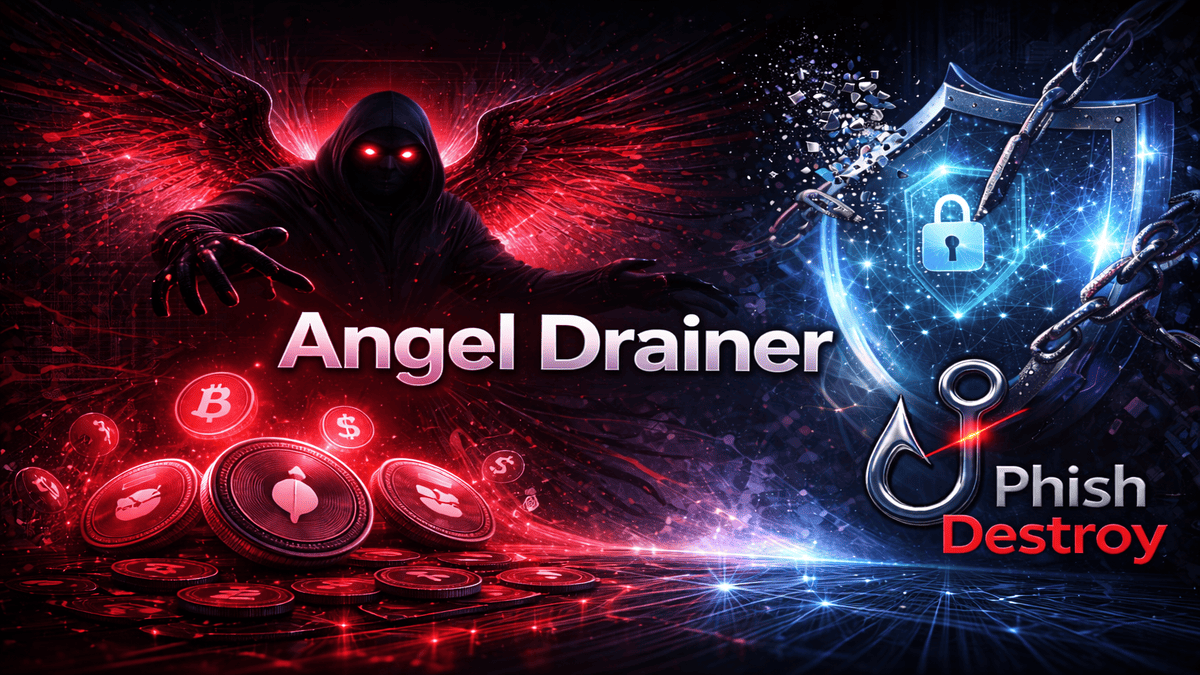
How This Attack Works
Angel Drainer operates by luring victims into interacting with malicious websites that appear legitimate. The attack unfolds in a series of deceptive steps designed to steal cryptocurrency assets.
STEP 1
Baiting with Fake Offers
Attackers create phishing sites mimicking trusted platforms like NFT marketplaces or DeFi protocols, often using domains like opensea.com.offer-proposal.com to appear authentic. Victims are enticed with fake airdrops, giveaways, or urgent account verification prompts.
STEP 2
Wallet Connection Request
Once on the site, users are prompted to connect their crypto wallets (e.g., MetaMask) to 'claim' rewards or 'verify' their accounts. This step often bypasses user suspicion by mimicking standard Web3 interactions.
STEP 3
Malicious Smart Contract Execution
Upon connection, the site triggers a malicious smart contract that requests sweeping permissions, allowing attackers to drain funds or NFTs from the wallet. Victims often don’t realize they’ve approved a transaction that compromises their assets.
STEP 4
Asset Drainage and Laundering
Stolen funds are quickly transferred to attacker-controlled wallets and laundered through mixers like Tornado Cash or cross-chain bridges, making recovery nearly impossible.
Technical Analysis
Angel Drainer is a sophisticated phishing-as-a-service (PhaaS) toolkit that emerged in late 2022, primarily targeting cryptocurrency users. It leverages malicious JavaScript embedded in phishing websites to interact with victims’ wallets. The core mechanism involves tricking users into signing transactions that call functions like 'approve()' or 'transferFrom()' on ERC-20 tokens or NFTs, granting attackers full control over assets. These scripts are often obfuscated to evade detection by antivirus software or browser security extensions. Infrastructure-wise, attackers rely on cheap or compromised domain registrars—PhishDestroy data shows NICENIC INTERNATIONAL GROUP CO., LIMITED (1,173 domains) and Cloudflare, Inc. (434 domains) as top choices for hosting these threats. Common TLDs include .com (1,212 domains), .xyz (712), and .app (290), often paired with free hosting on platforms like Vercel, as seen in examples like mysteryclaims6345-live.vercel.app.
The toolkit also employs advanced evasion techniques, such as IP-based redirects to show benign content to bots or security researchers while serving malicious payloads to real users. Angel Drainer campaigns frequently clone legitimate Web3 interfaces, using typosquatting or subdomain tricks (e.g., opensea.com.offer-proposal.com) to deceive users. On the blockchain side, stolen assets are often routed through intermediary wallets before being mixed, with on-chain analysis revealing connections to known money laundering services. This combination of social engineering and technical exploitation makes Angel Drainer a persistent and evolving threat in the Web3 ecosystem.
Additionally, attackers customize their campaigns based on trending topics in the crypto space, such as new token launches or NFT drops, to maximize victim engagement. The use of decentralized hosting and domain privacy services further complicates takedown efforts, as seen with the 431 active domains still operational in PhishDestroy’s database. This infrastructure resilience, paired with the toolkit’s low barrier to entry for cybercriminals, underscores why Angel Drainer remains a critical risk.
The toolkit also employs advanced evasion techniques, such as IP-based redirects to show benign content to bots or security researchers while serving malicious payloads to real users. Angel Drainer campaigns frequently clone legitimate Web3 interfaces, using typosquatting or subdomain tricks (e.g., opensea.com.offer-proposal.com) to deceive users. On the blockchain side, stolen assets are often routed through intermediary wallets before being mixed, with on-chain analysis revealing connections to known money laundering services. This combination of social engineering and technical exploitation makes Angel Drainer a persistent and evolving threat in the Web3 ecosystem.
Additionally, attackers customize their campaigns based on trending topics in the crypto space, such as new token launches or NFT drops, to maximize victim engagement. The use of decentralized hosting and domain privacy services further complicates takedown efforts, as seen with the 431 active domains still operational in PhishDestroy’s database. This infrastructure resilience, paired with the toolkit’s low barrier to entry for cybercriminals, underscores why Angel Drainer remains a critical risk.
Real Cases
ParaSpace NFT Exploit (2023)
$5 million stolen
In March 2023, attackers used Angel Drainer to target users of the ParaSpace NFT lending platform, tricking them into signing malicious transactions via a fake update prompt, resulting in $5 million in stolen assets.
Fake OpenSea Campaign (2023)
$1.7 million stolen
A widespread phishing campaign in late 2023 mimicked OpenSea’s interface, using domains similar to opensea.com.offer-proposal.com, draining $1.7 million in NFTs and tokens from unsuspecting users.
Blur Marketplace Scam (2024)
$2.3 million stolen
Early 2024 saw Angel Drainer used in a fake Blur marketplace airdrop scam, where users connected wallets to claim 'free tokens,' losing $2.3 million in assets to malicious smart contracts.
How to Detect
Unsolicited offers or urgent prompts for wallet connection on websites mimicking platforms like OpenSea or Vercel, often using domains tracked by PhishDestroy such as mysteryclaims6345-live.vercel.app.
Suspicious domain structures, especially subdomains or unusual TLDs like .xyz or .app, which account for a significant portion of the 4,385 domains in our database.
Transaction requests that ask for broad permissions or unlimited token approvals when connecting a wallet to a site.
Lack of HTTPS or mixed content warnings on supposed Web3 platforms, often a sign of hastily deployed phishing pages.
Unexpected wallet activity or pop-ups prompting signature approvals without clear explanations of the transaction purpose.
How to Protect Yourself
1
Always verify the URL of Web3 platforms before connecting your wallet—avoid clicking links from unsolicited emails or social media, as PhishDestroy has identified 4,385 Angel Drainer-related domains.
2
Use hardware wallets or wallet extensions with transaction simulation features to preview smart contract interactions before signing.
3
Enable two-factor authentication (2FA) and set spending limits on your crypto wallets to minimize potential losses.
4
Regularly monitor your wallet for unauthorized transactions using blockchain explorers and revoke permissions for unused dApps.
5
Leverage PhishDestroy’s threat database to check suspicious domains or report potential Angel Drainer phishing sites for community protection.
Frequently Asked Questions
Data sourced from PhishDestroy threat intelligence database — 4,415 domains tracked for this threat type
Angel Drainer 4,415 domains
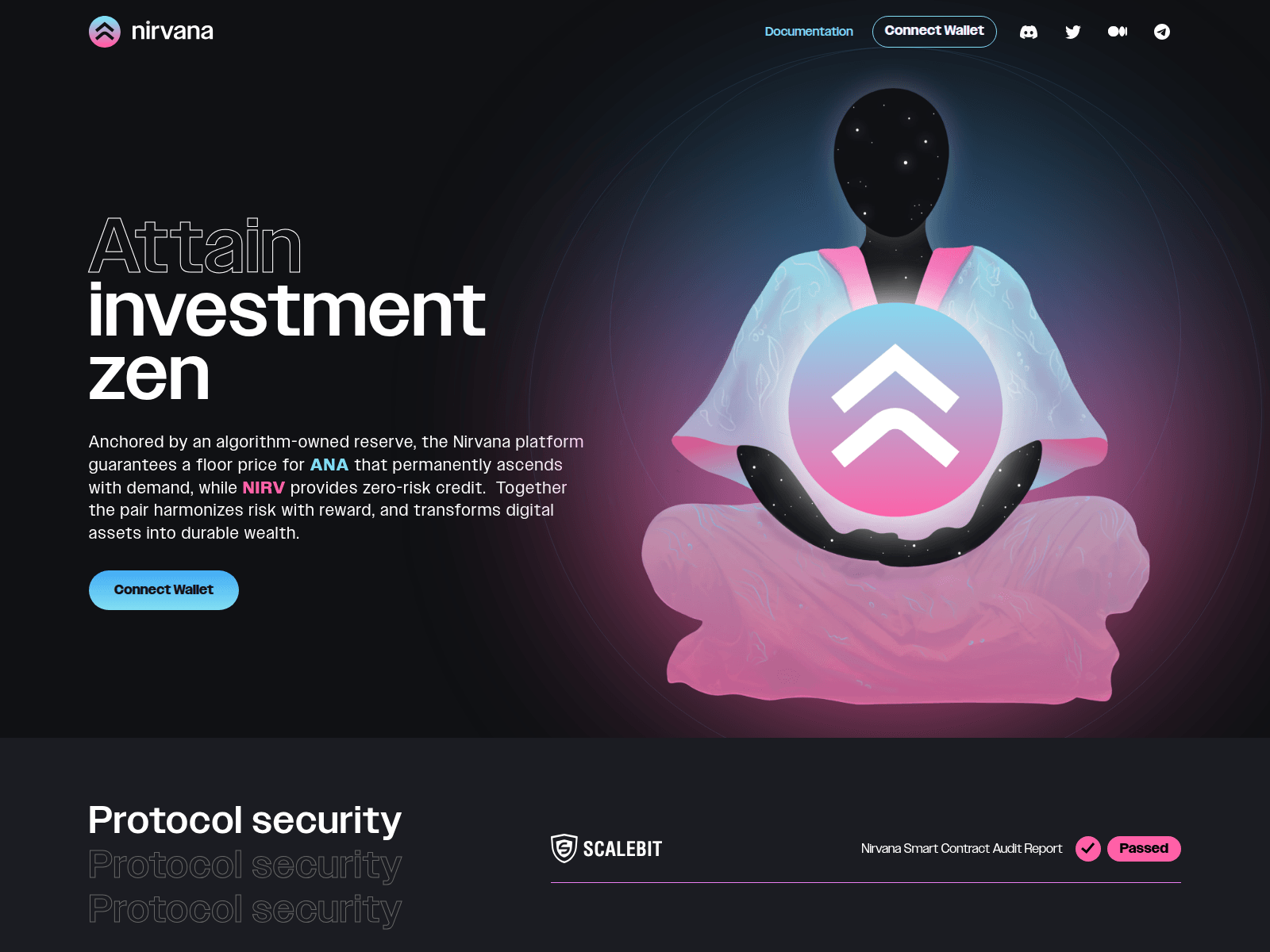
nirvannaa.top
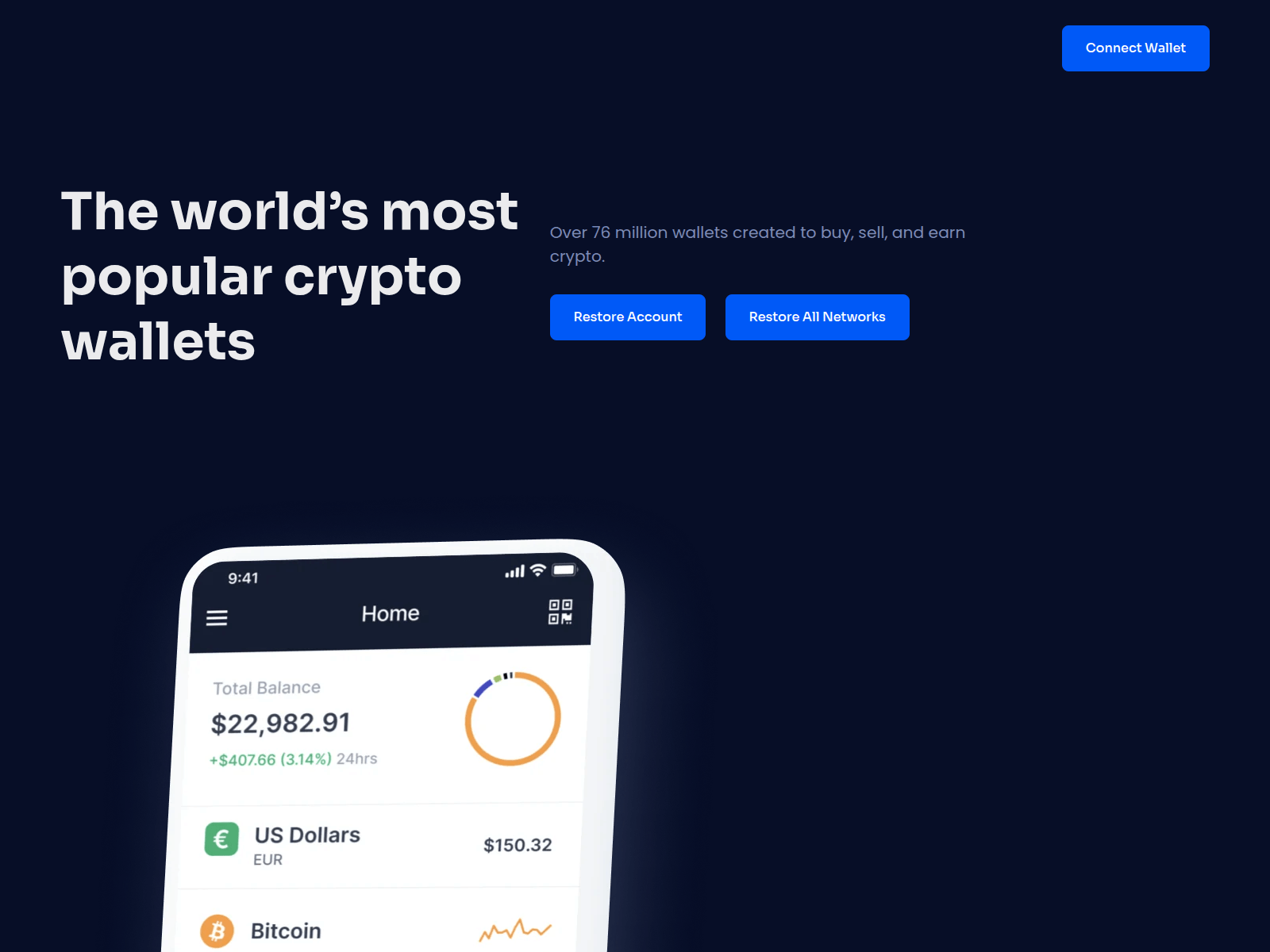
node-rectifier.site
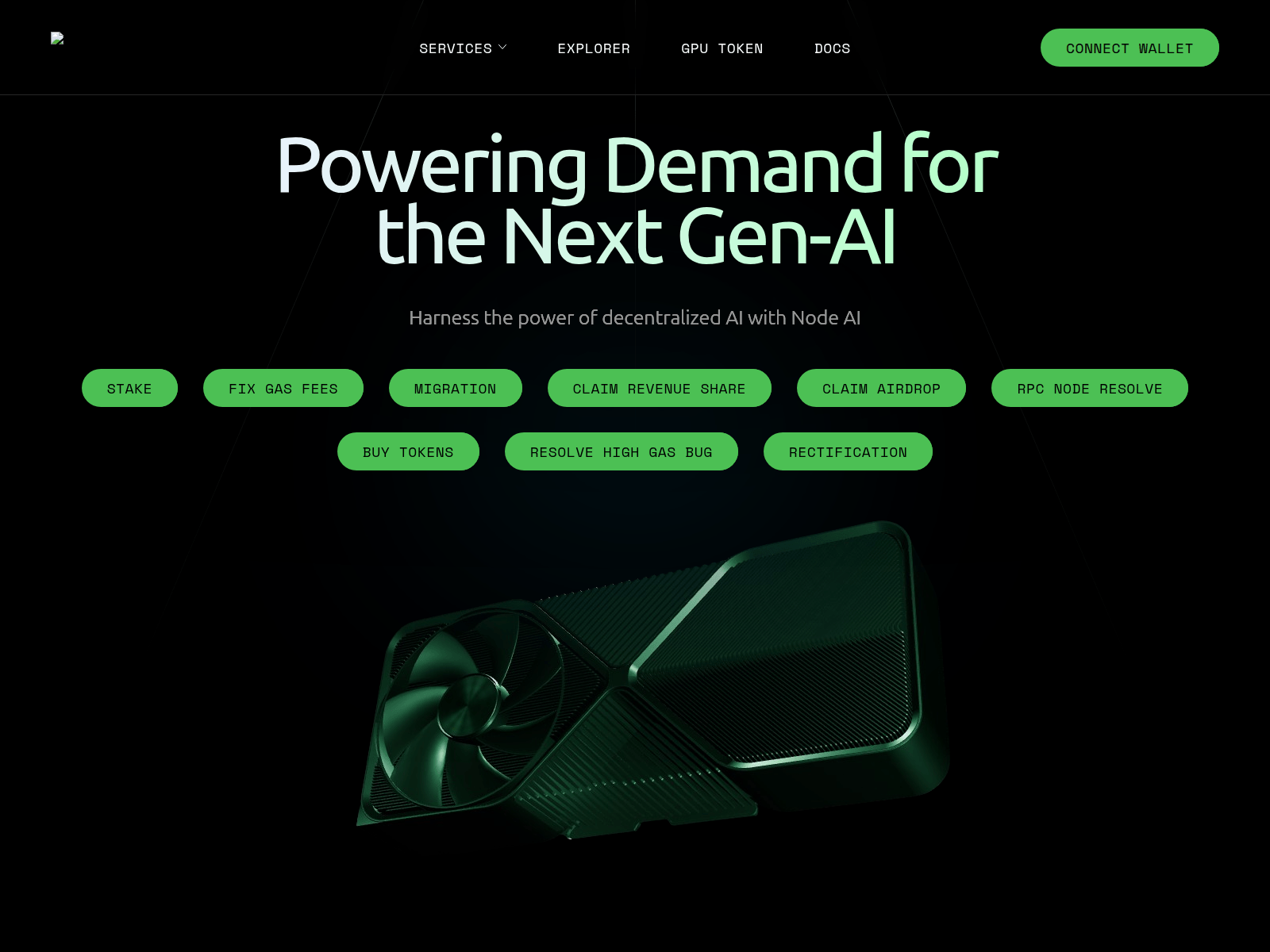
node-traffixrev.live
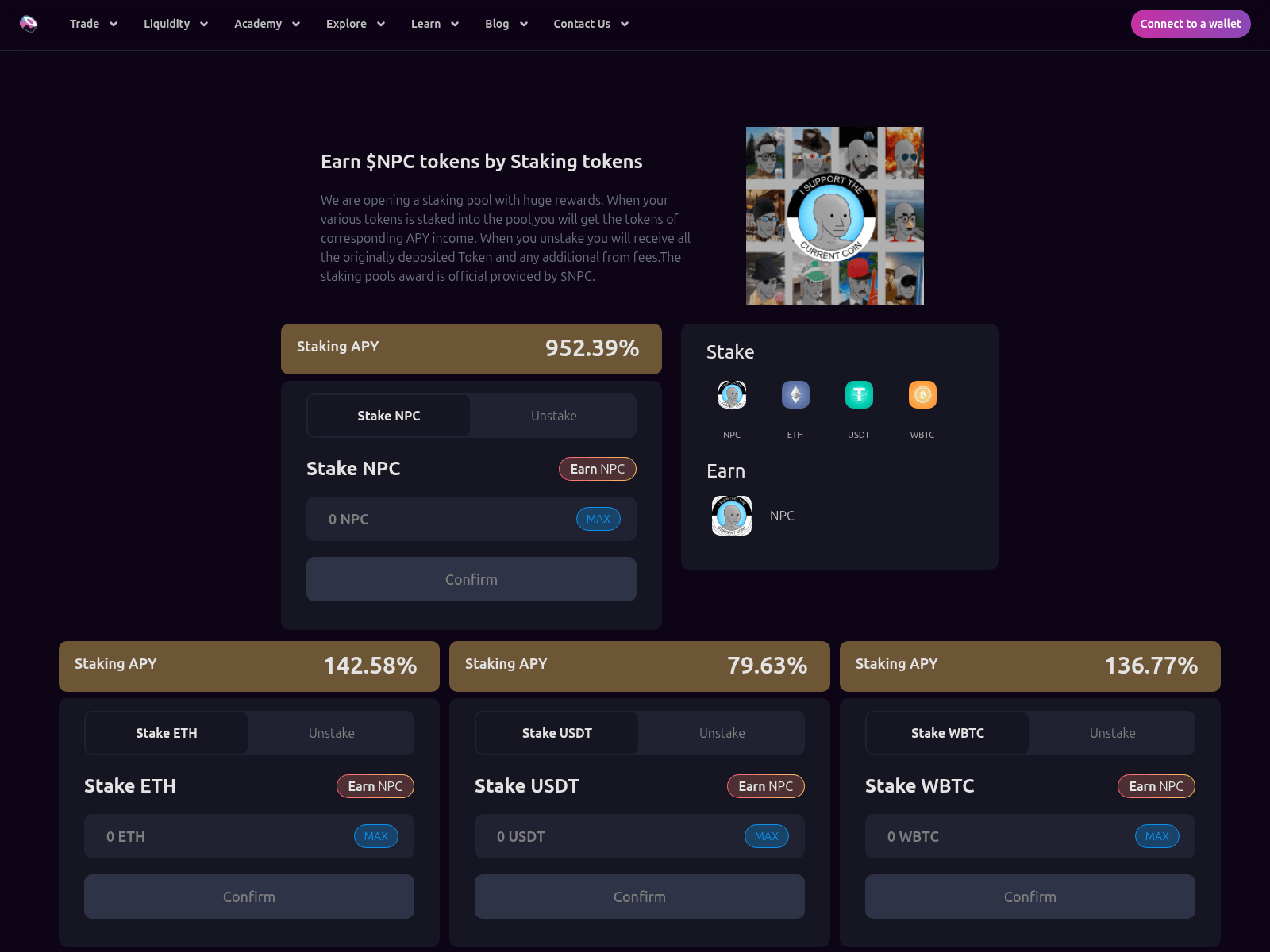
npc-sushi.pro
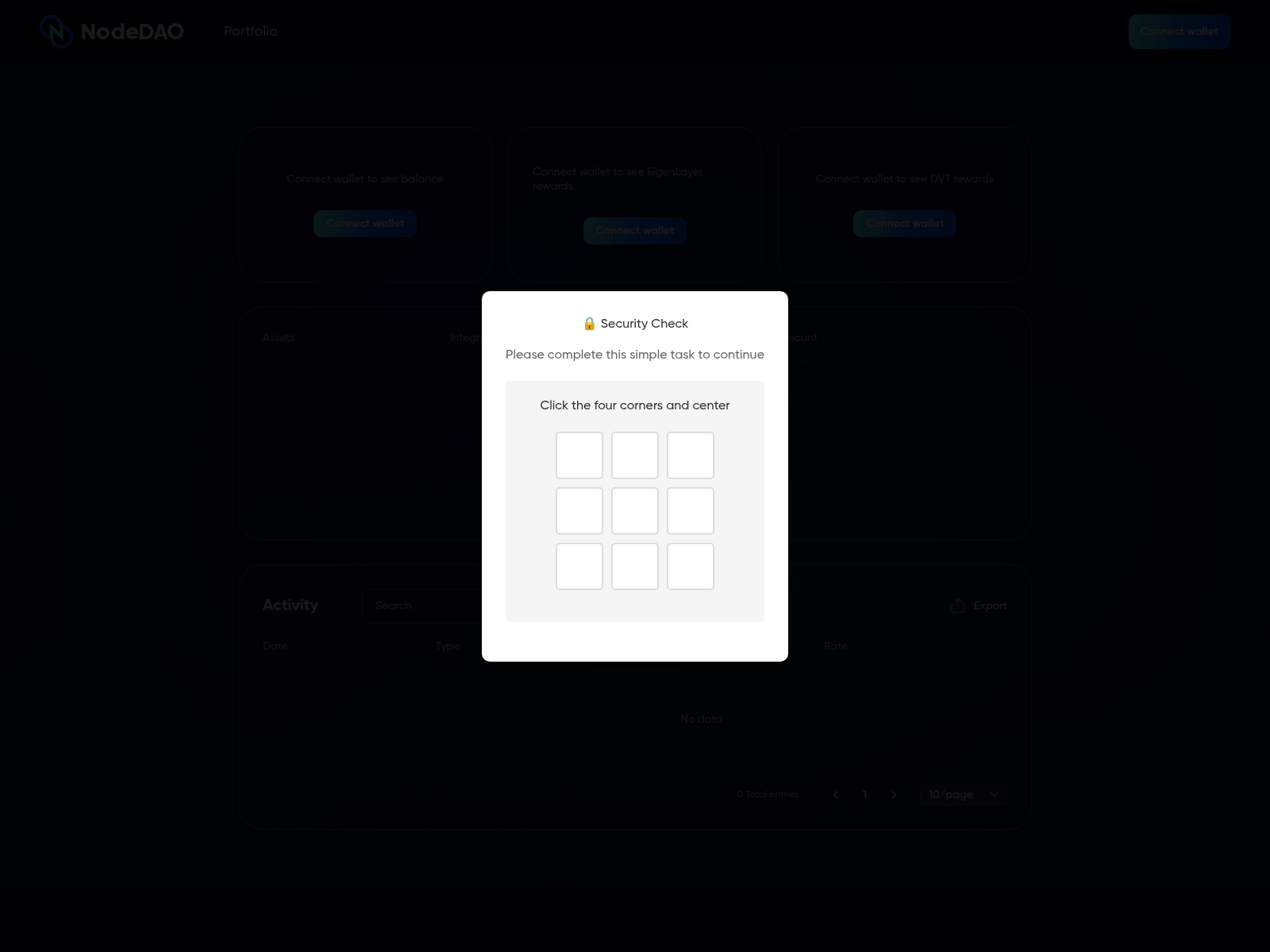
obelisknodedao.com
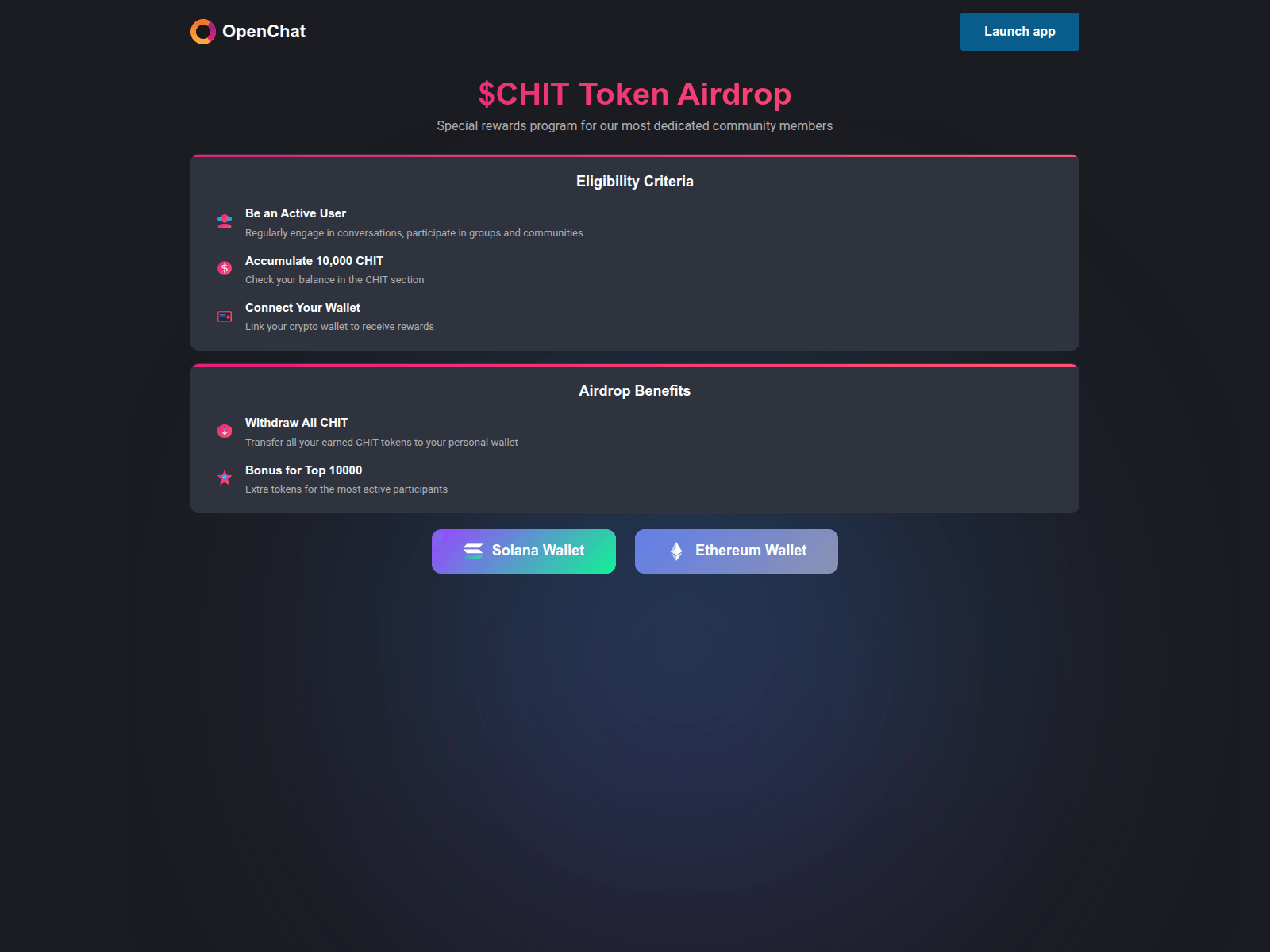
ocdao.app
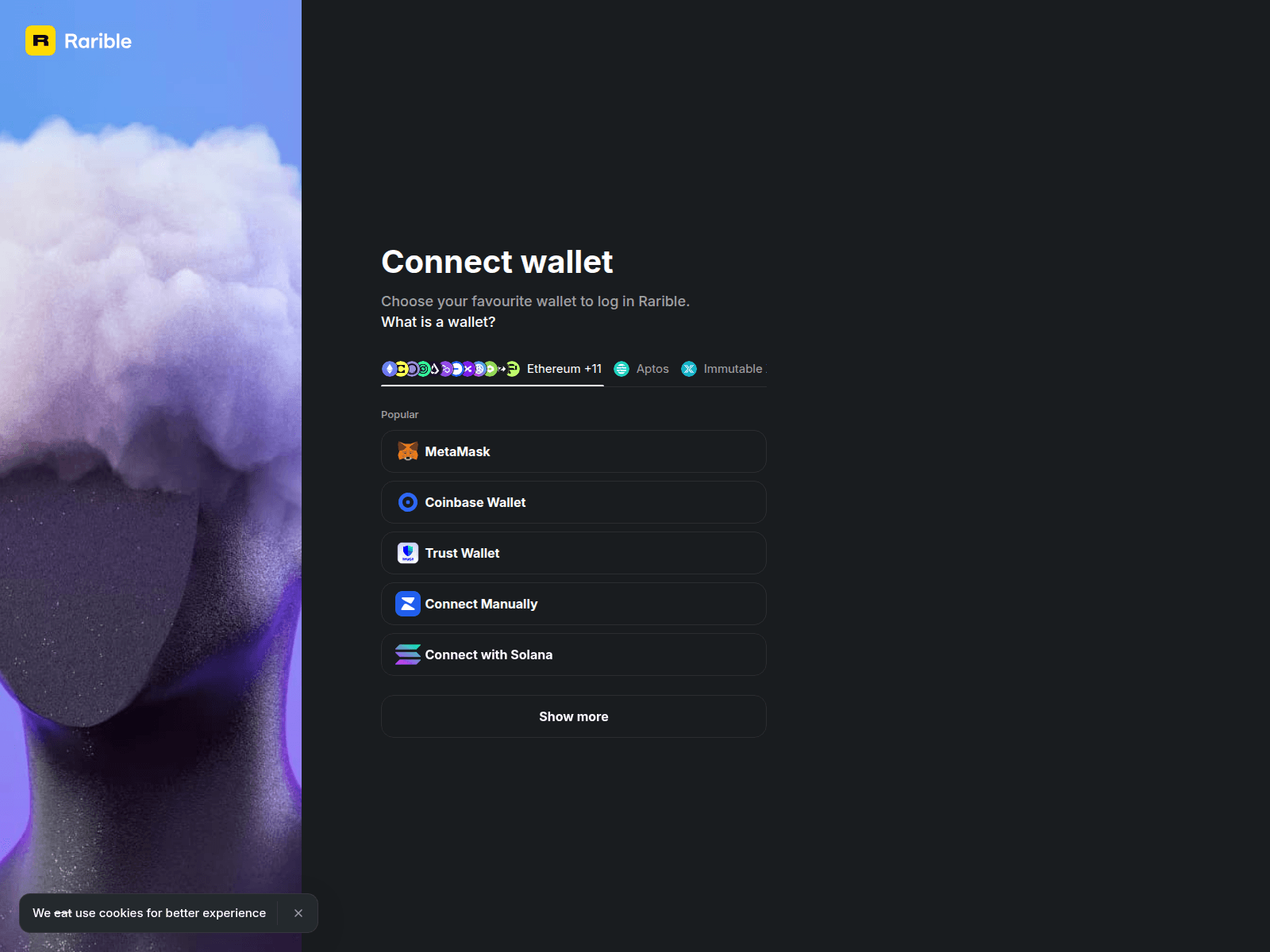
offer.rariblec.com
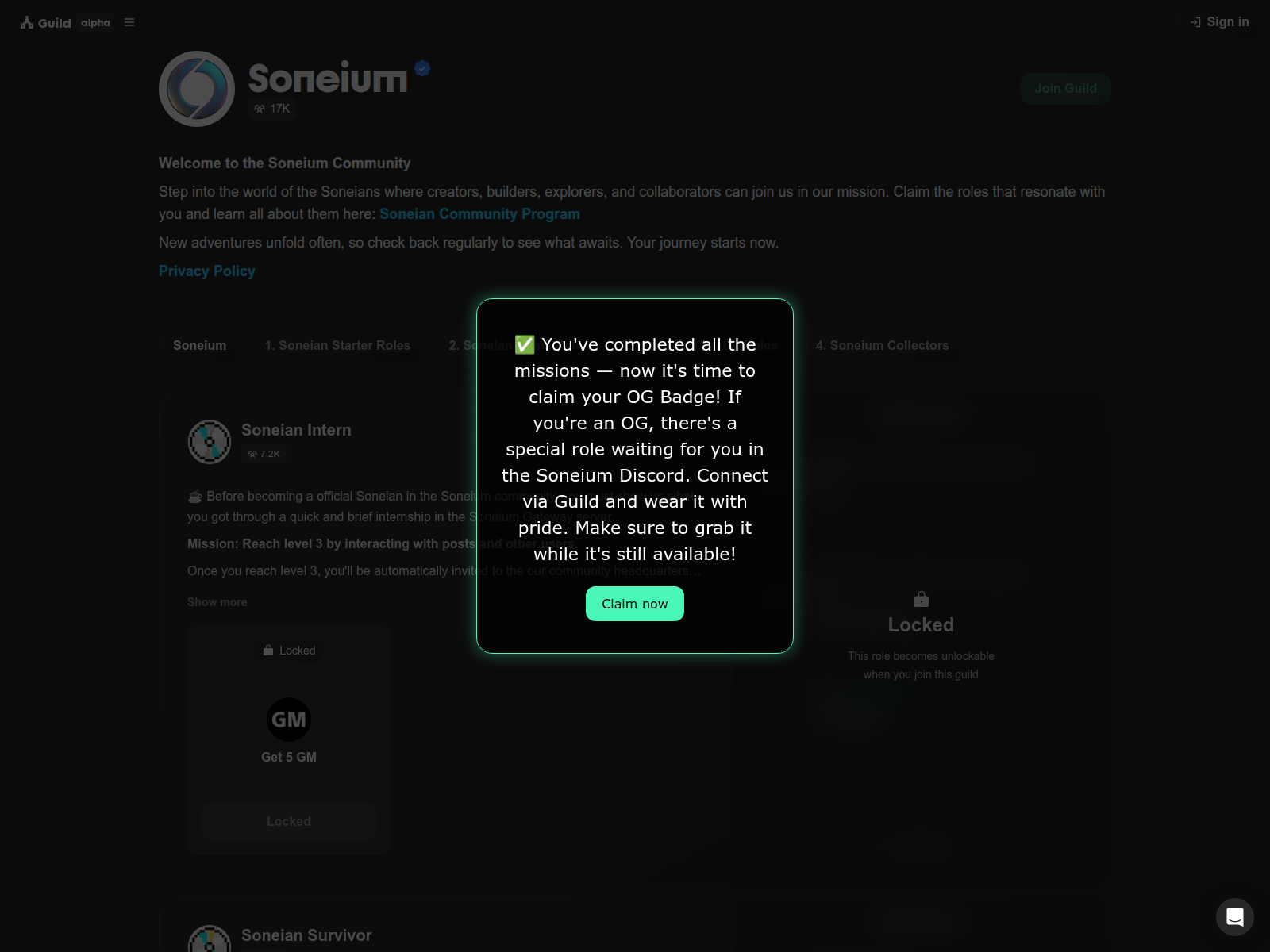
ogbadge.xyz
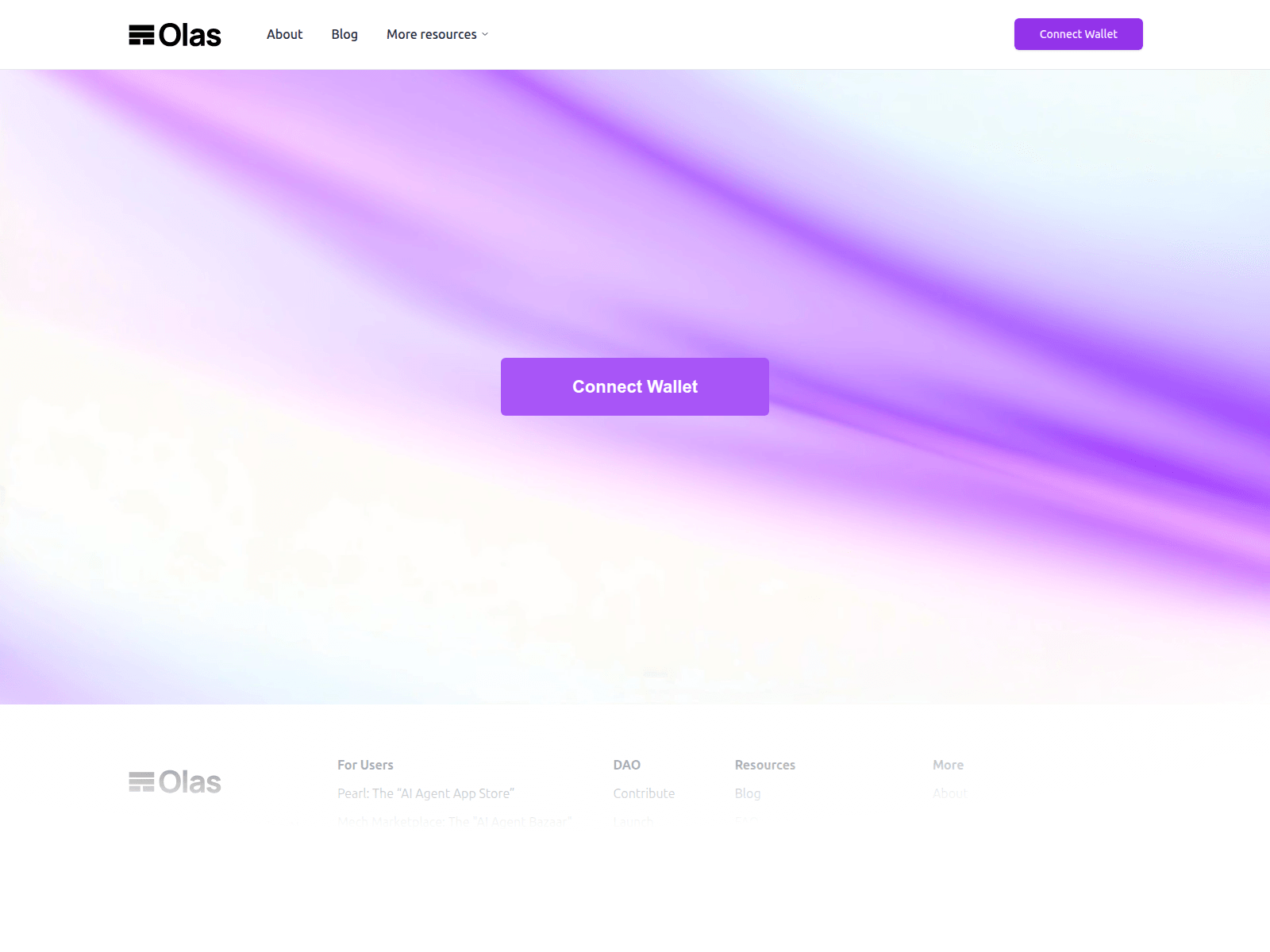
olas-register.xyz
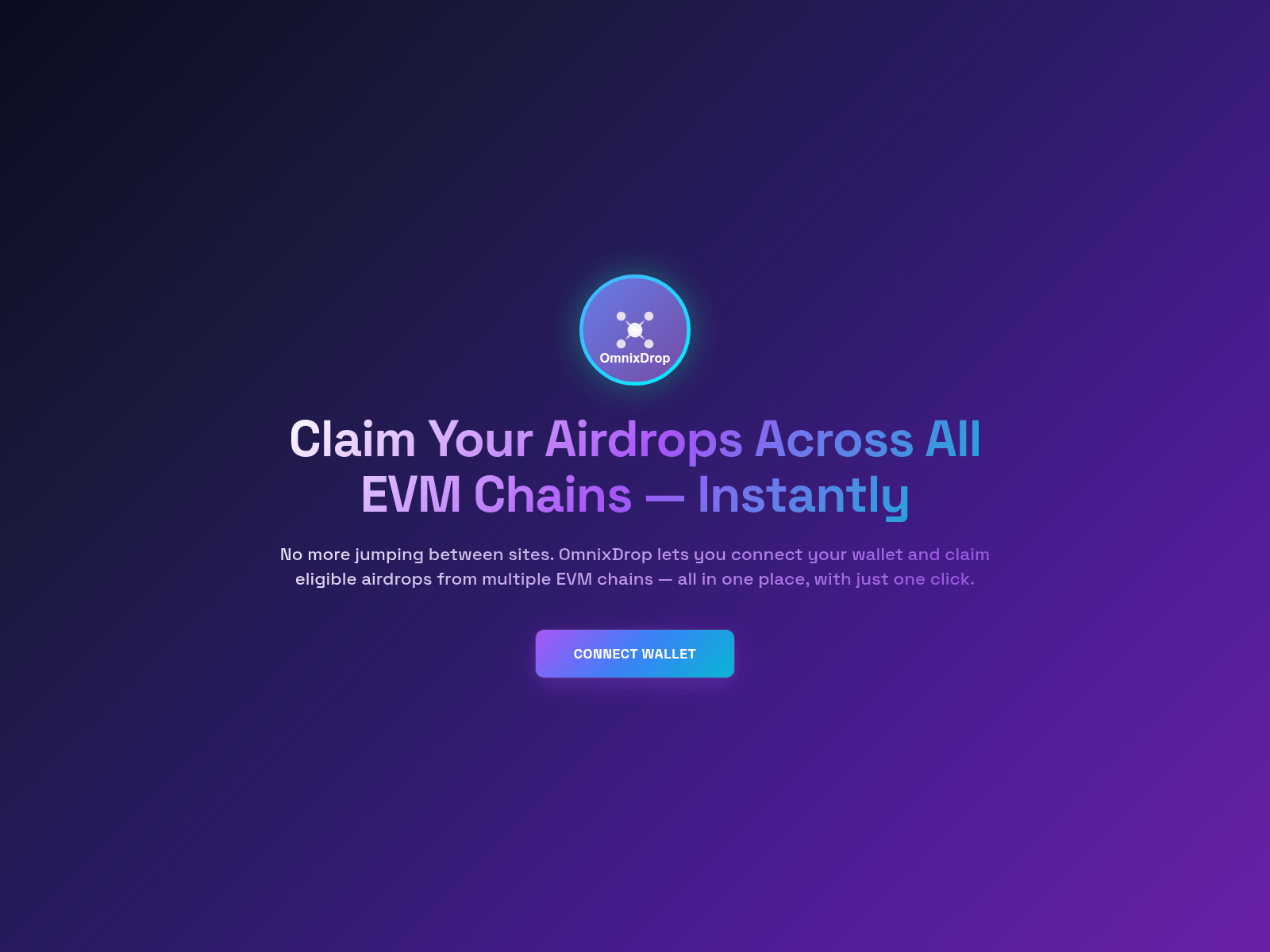
omnixdrop.xyz
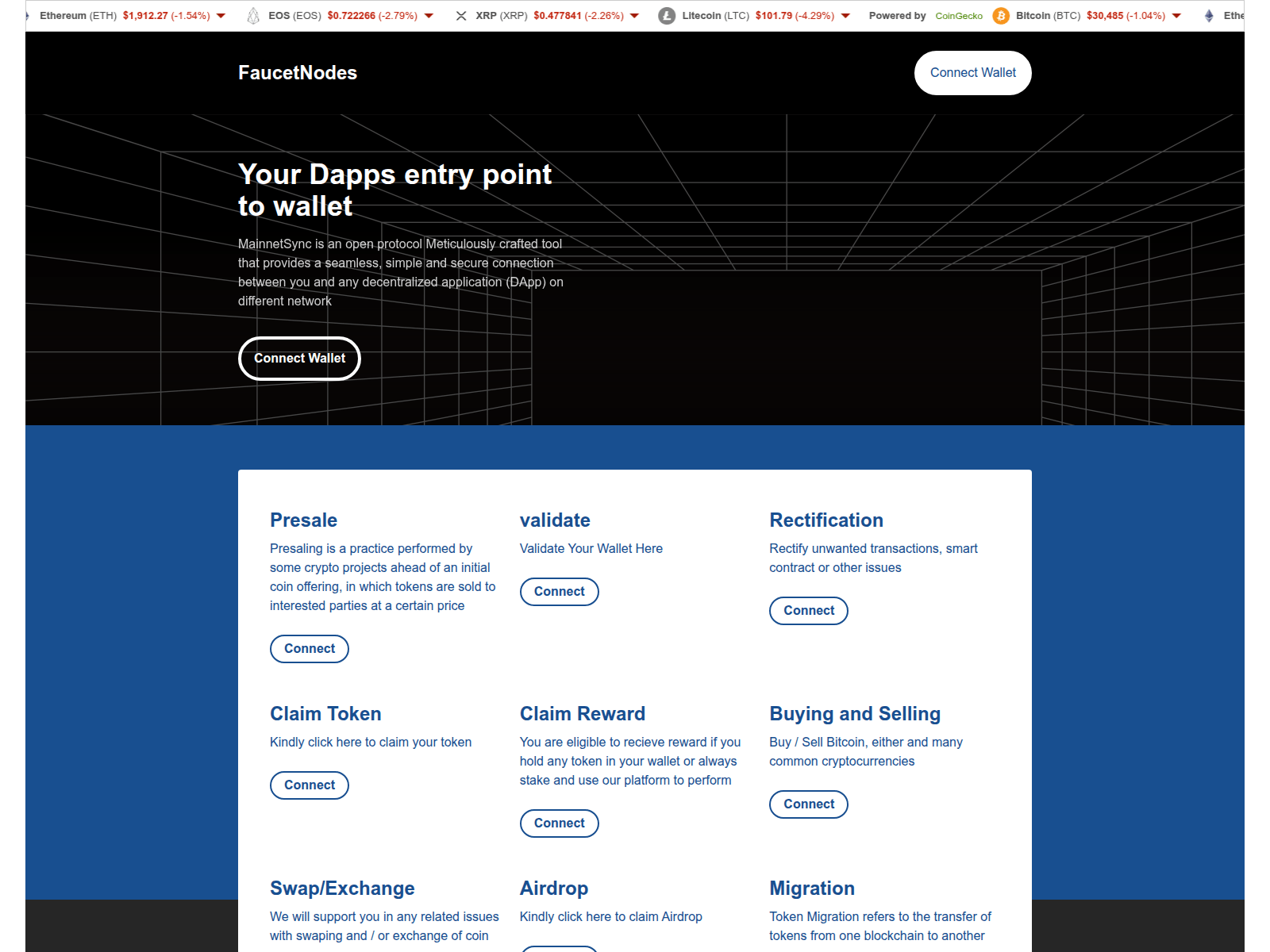
onchainfaucetv3.xyz
ondo.events
onweb3.site
oooo-update.com
openledgerhqs.xyz
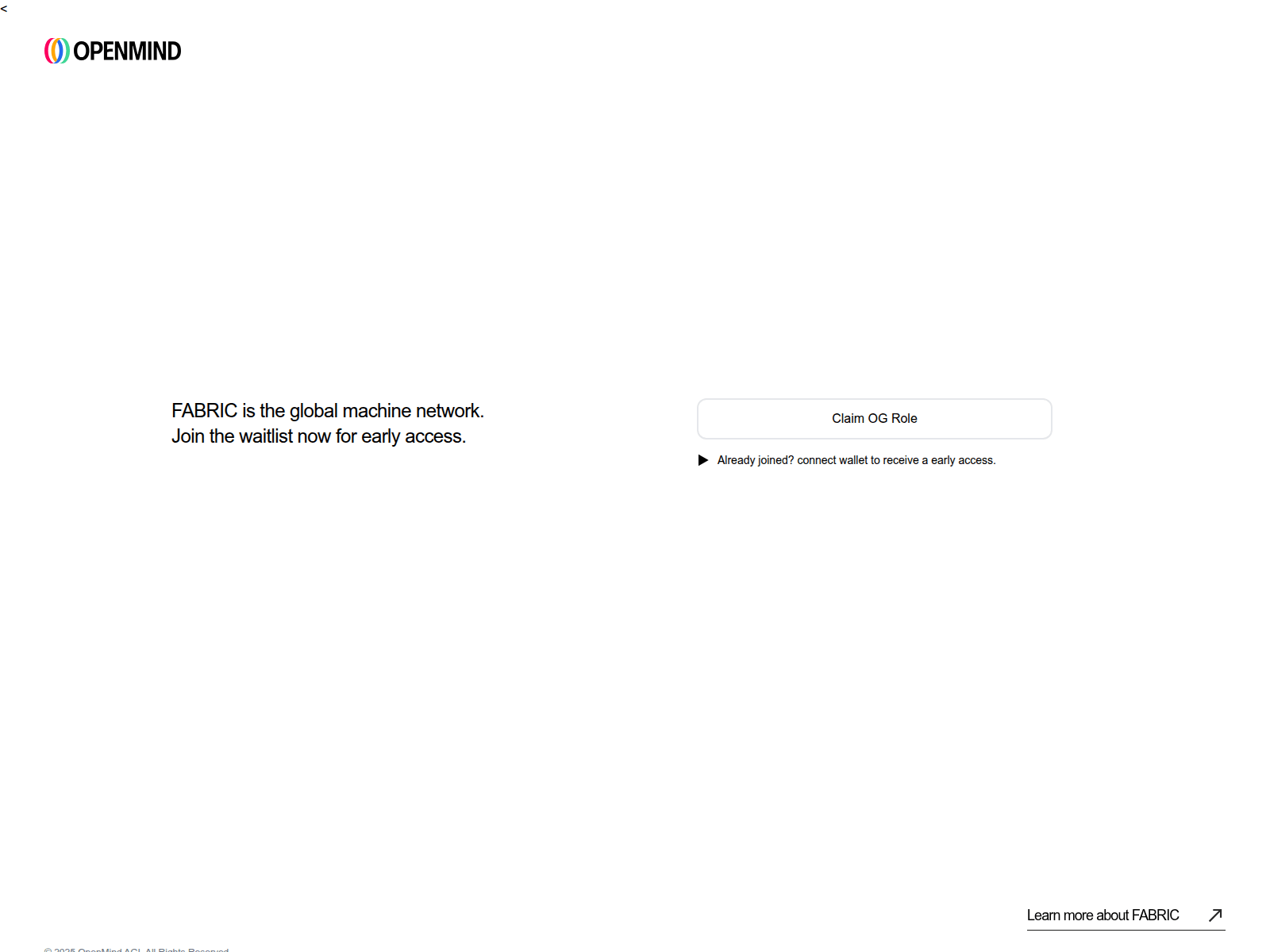
openmind-fabric.web.app
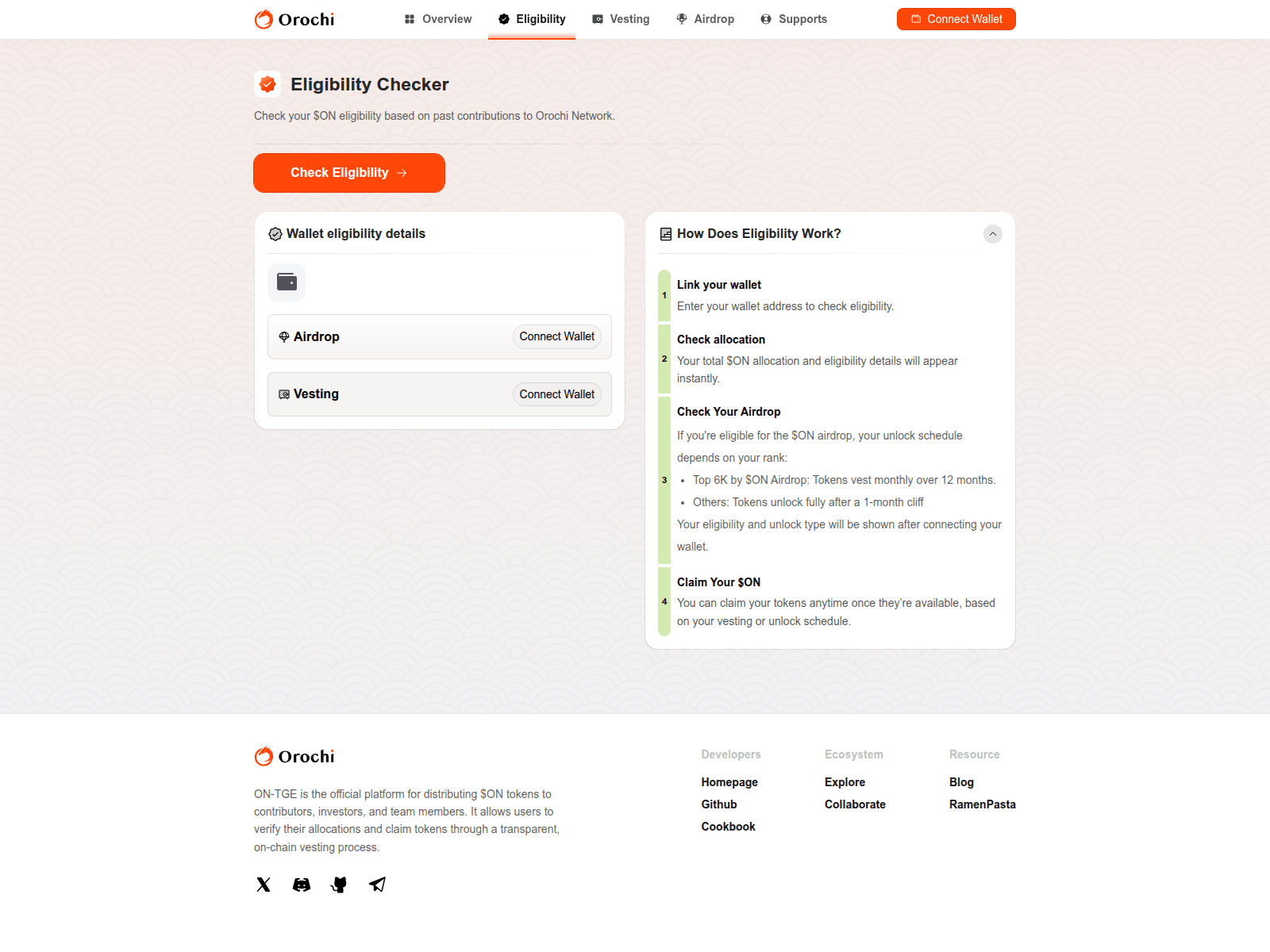
orochi.run
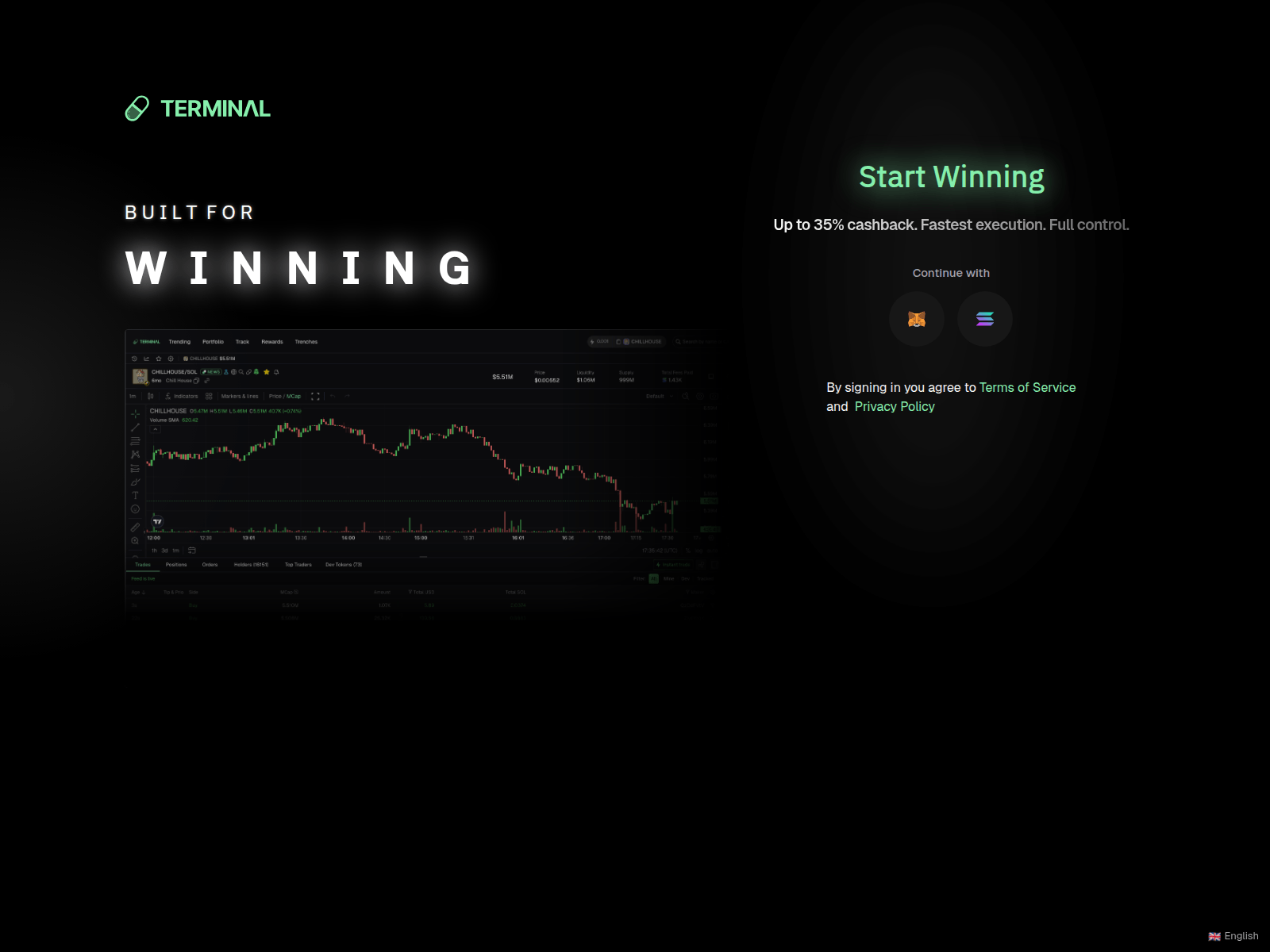
padre.my
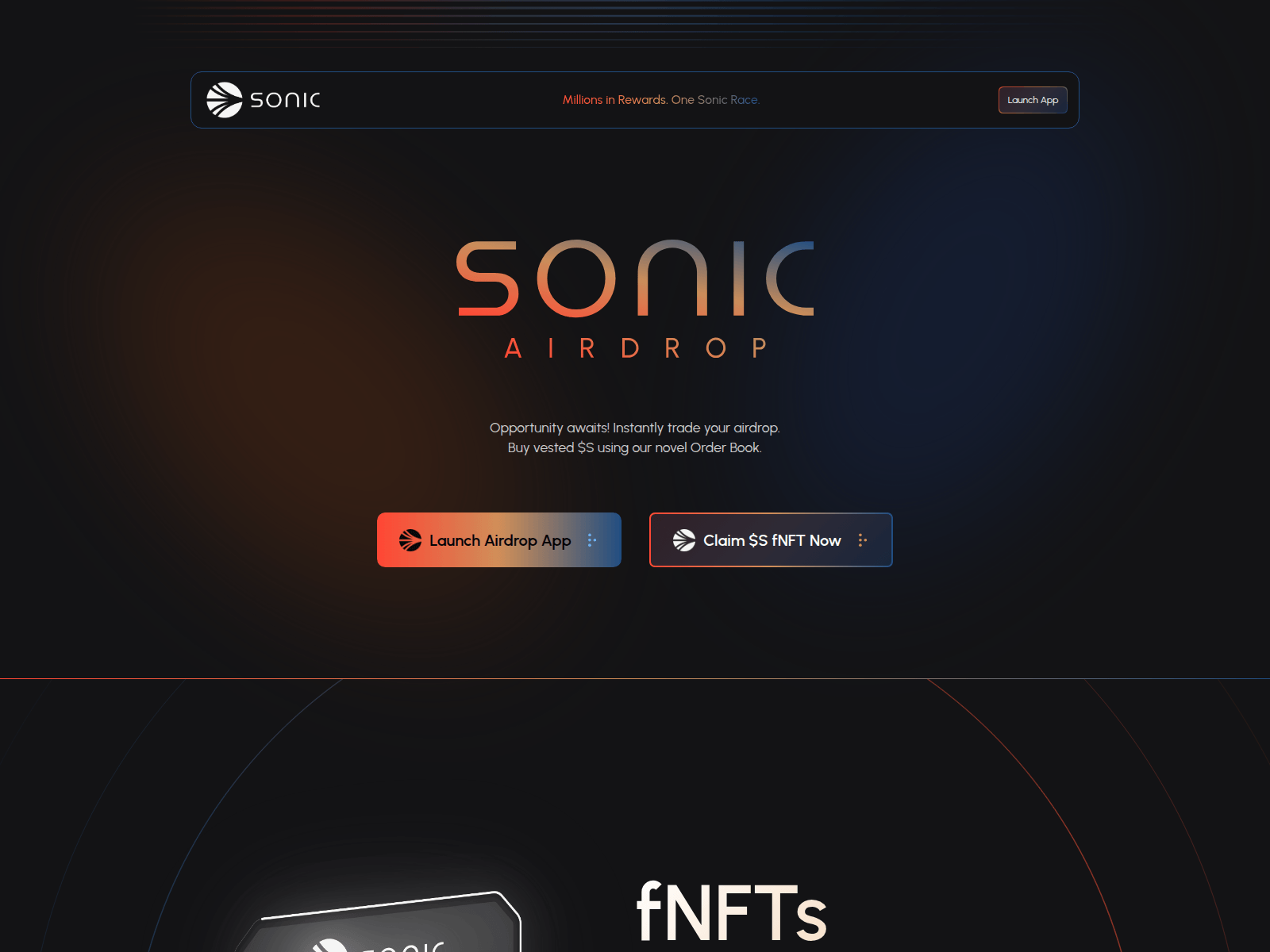
paintswap.xyz
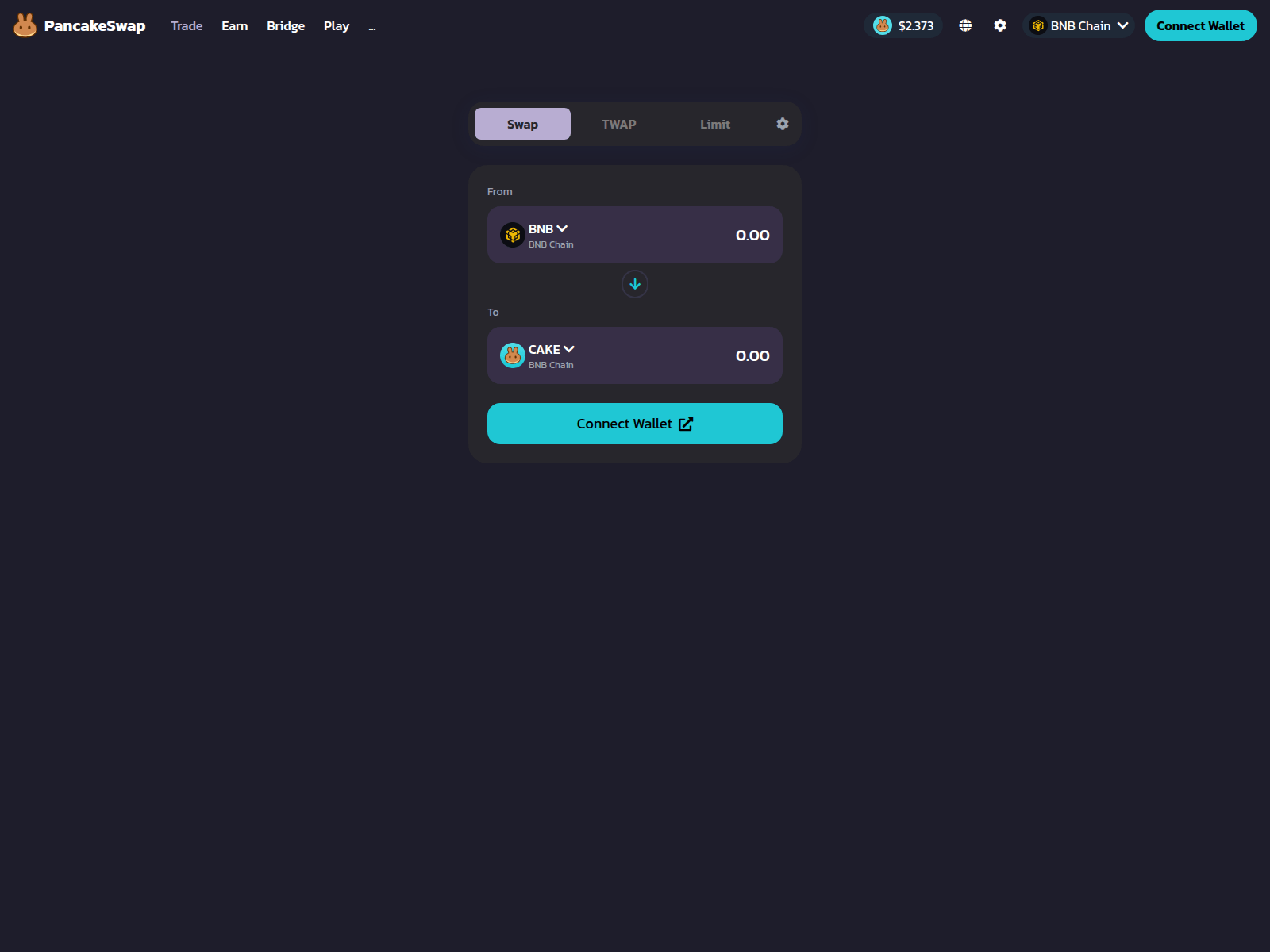
pancakfswap.finance
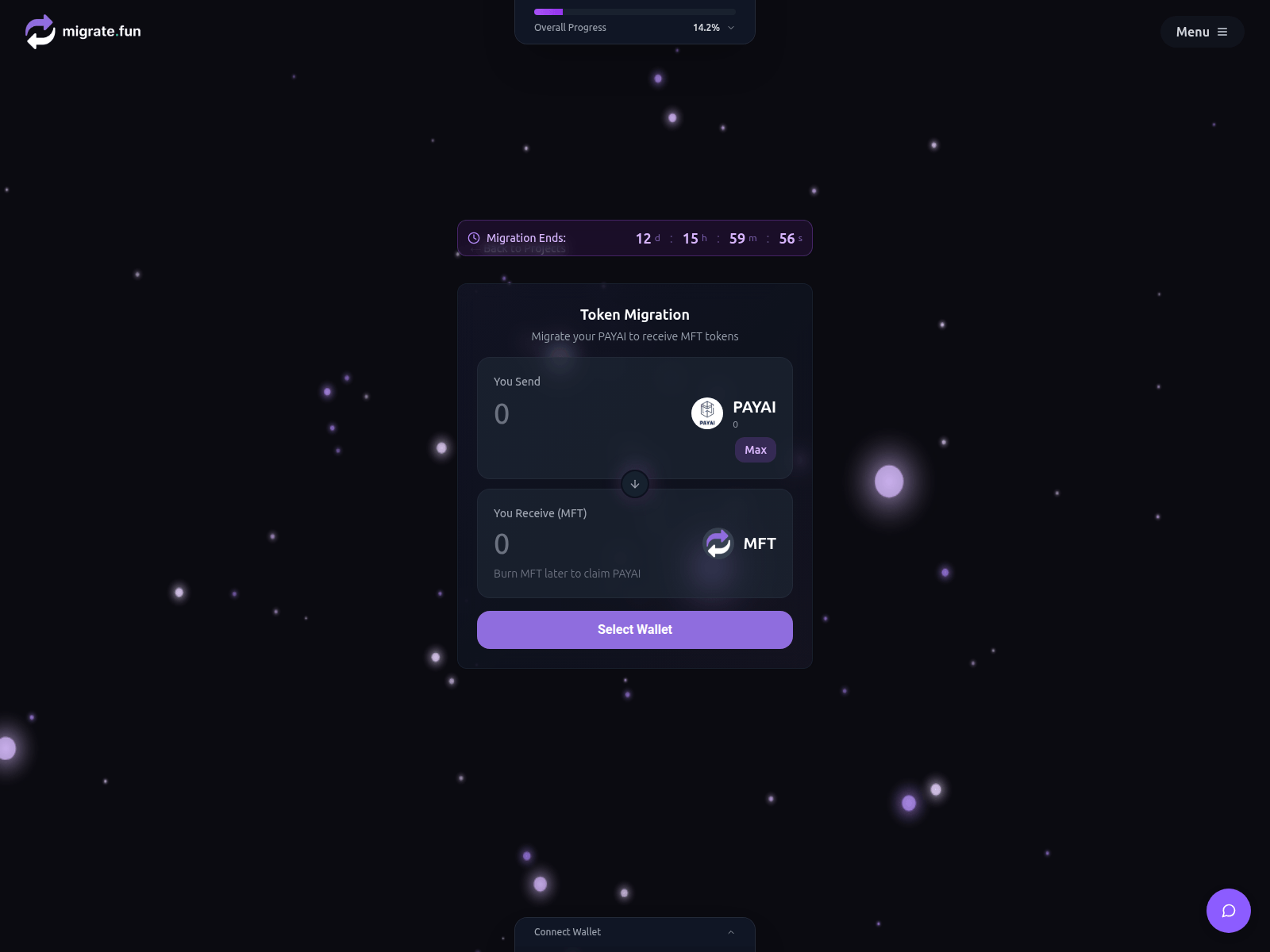
payai-migrate.fun
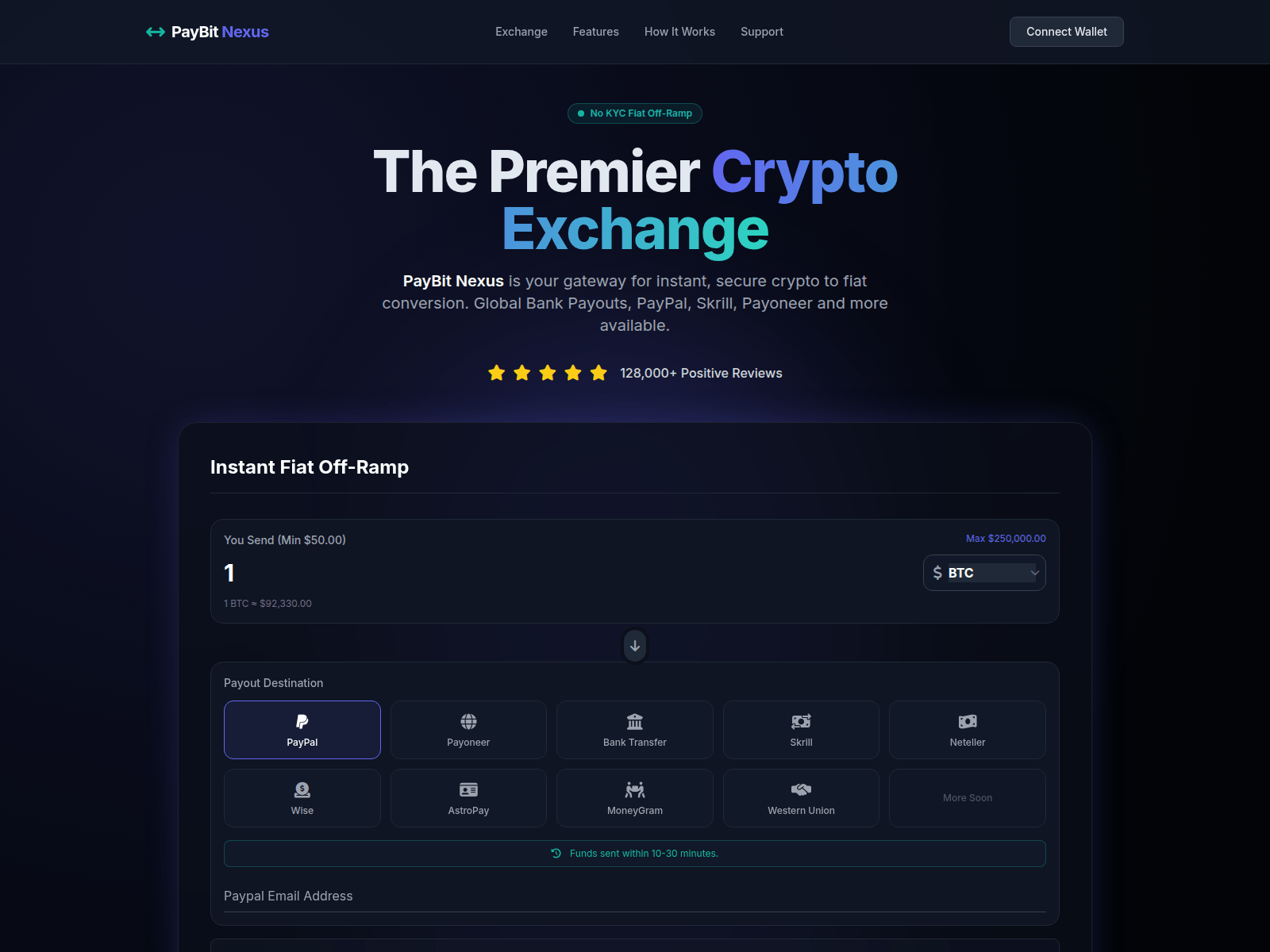
paybit.nexus

pemdlle.finance
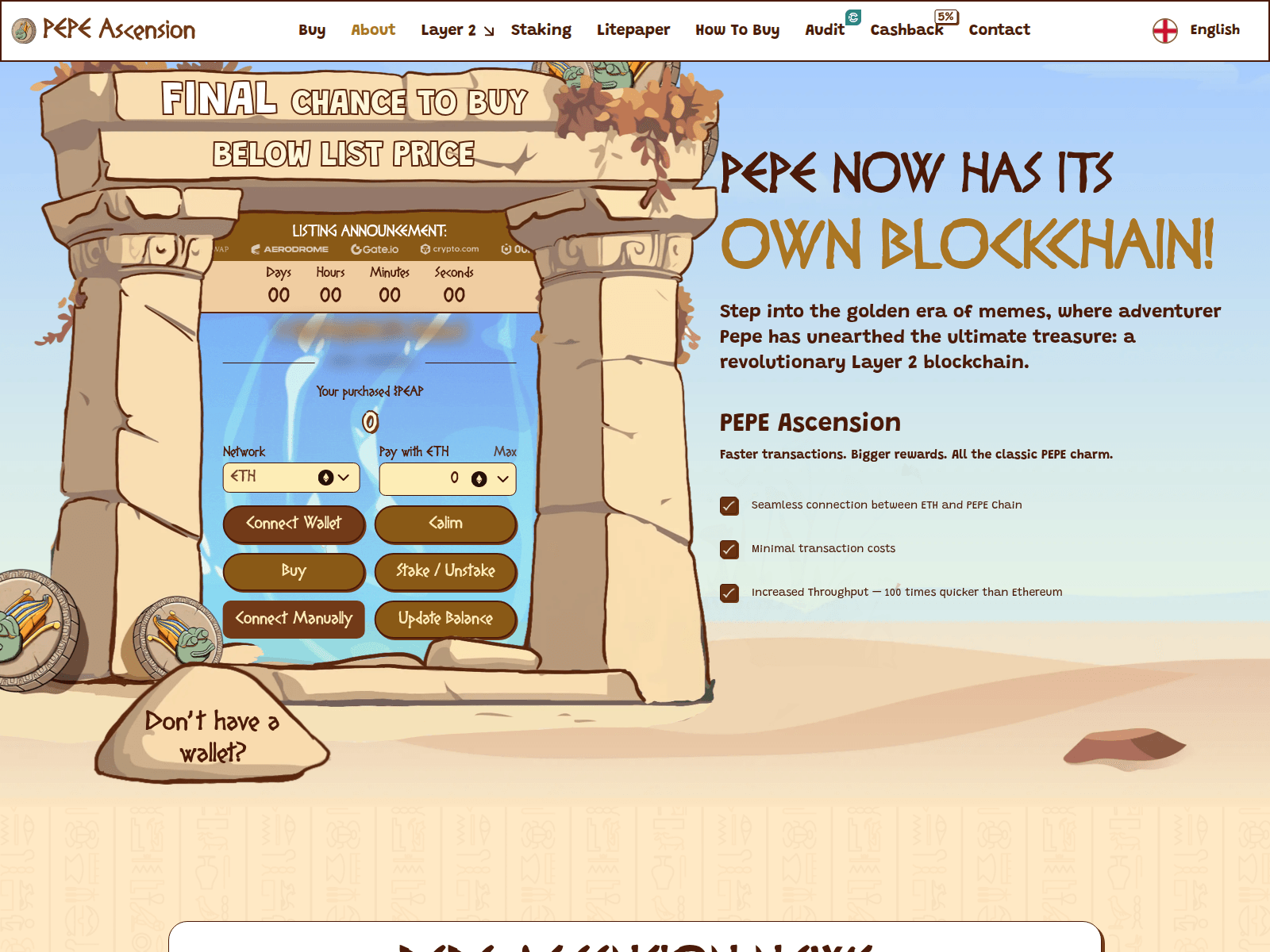
pepeasccension.com
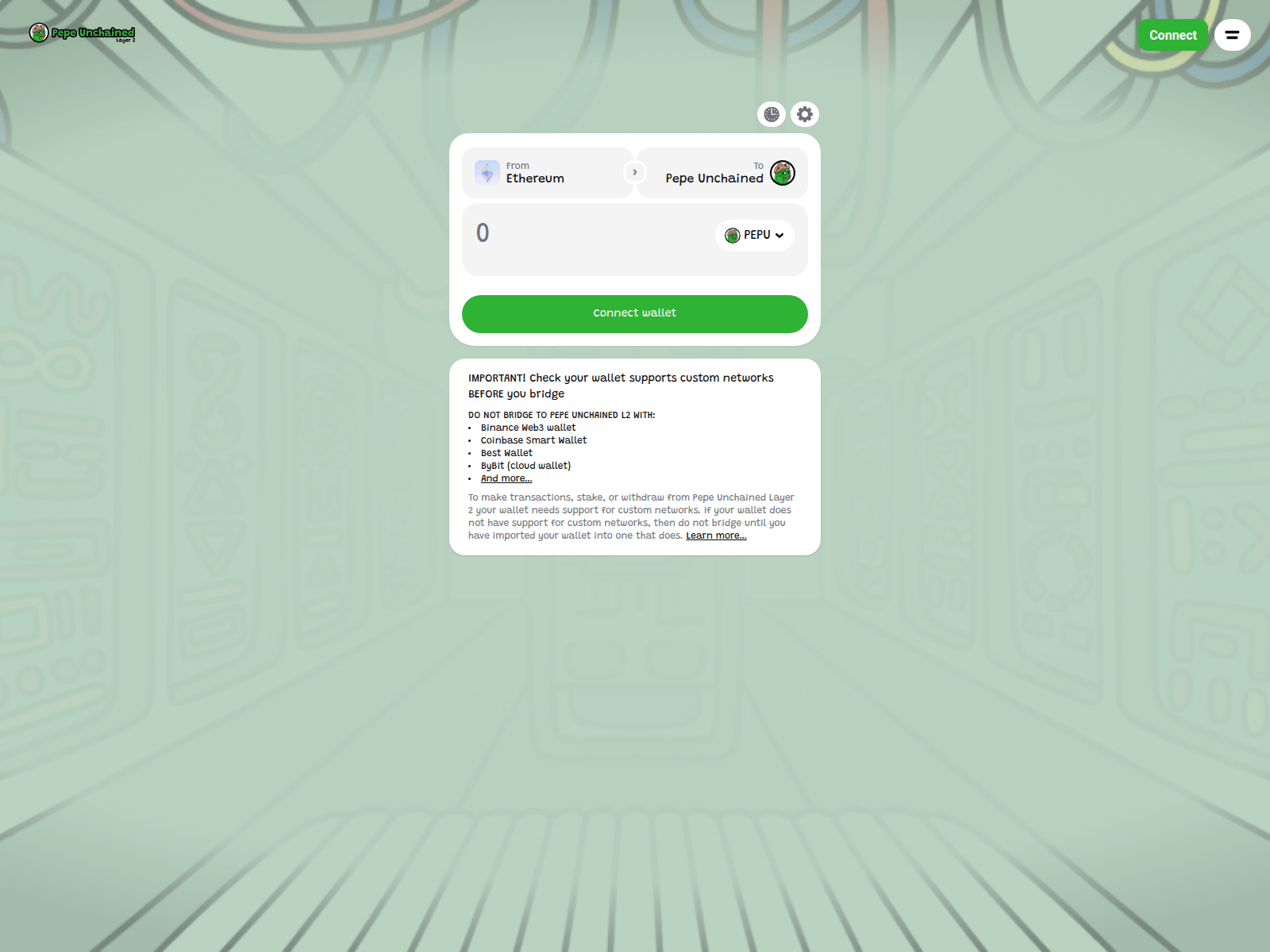
pepubridgeapps.net
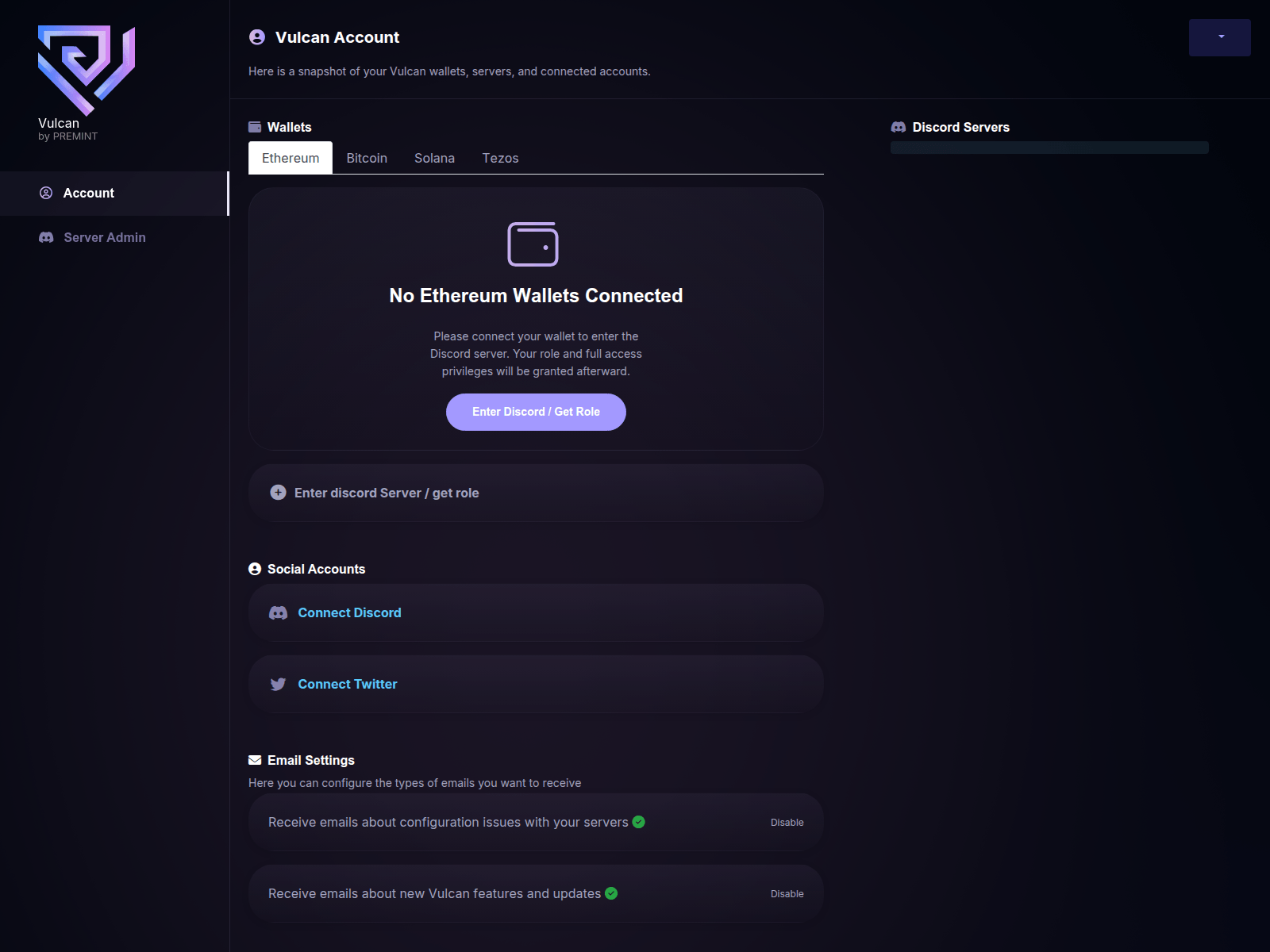
permit-asset.xyz
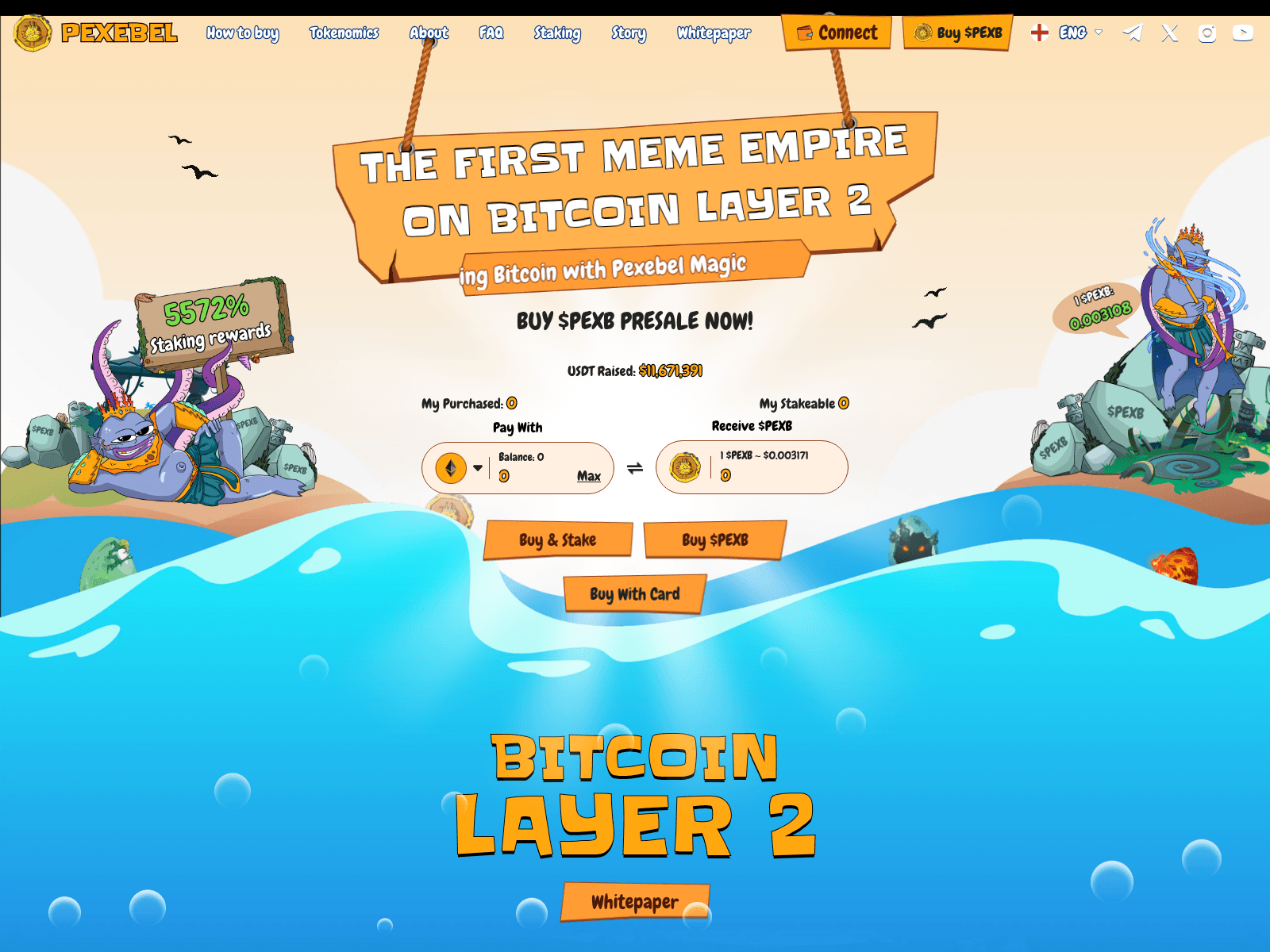
pexebel.us
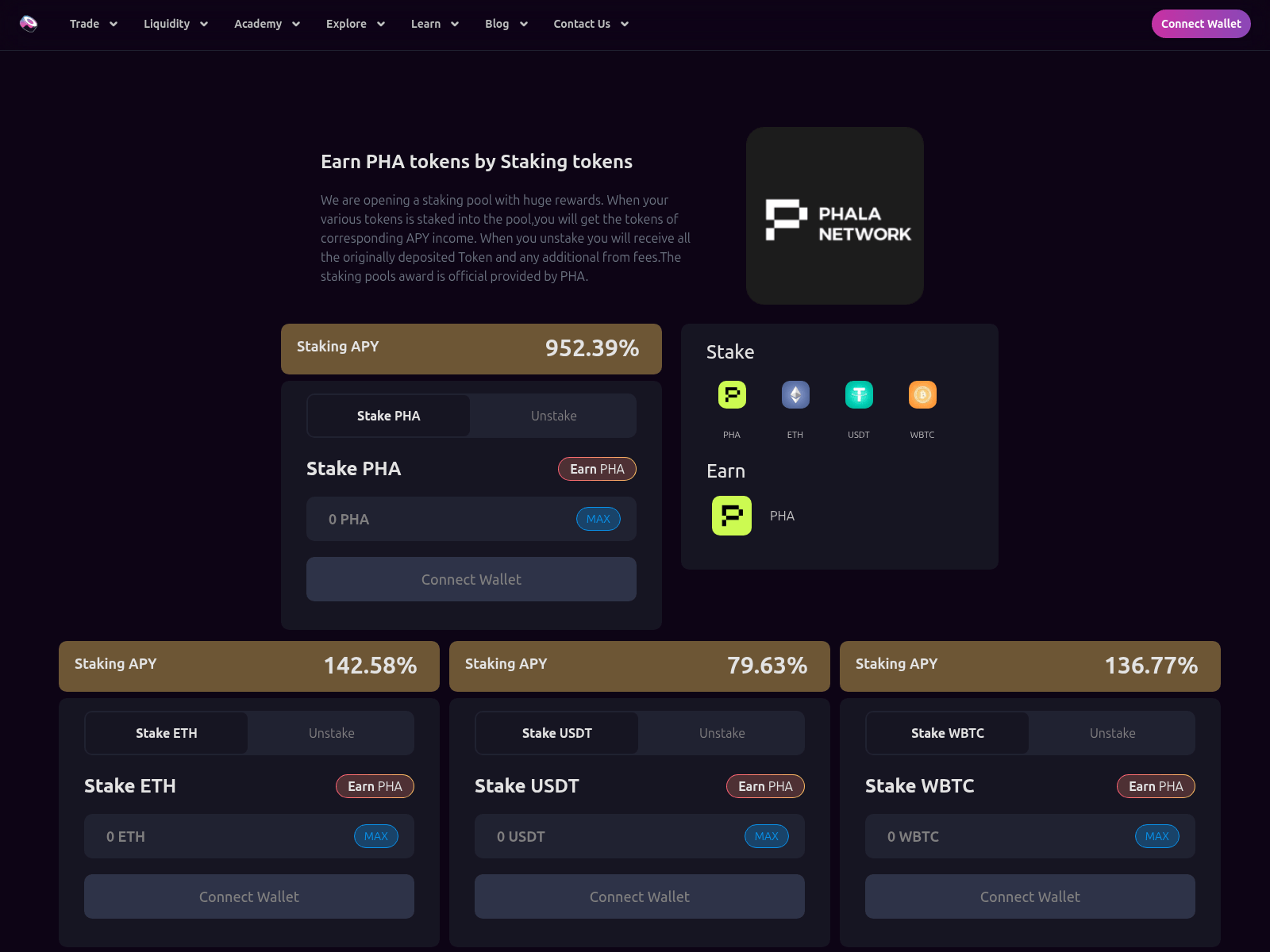
pha-sushi.xyz
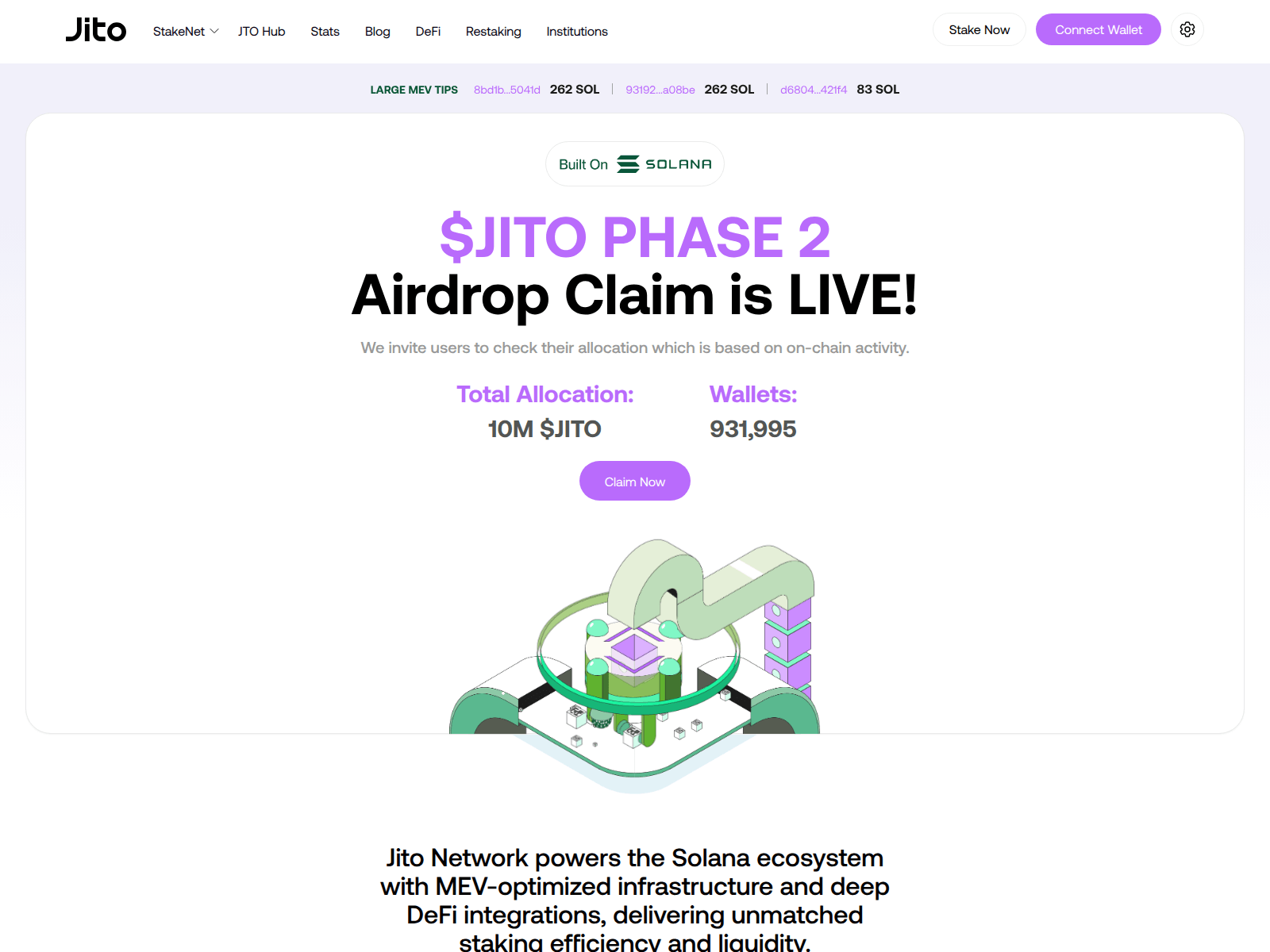
phase2-jito.com
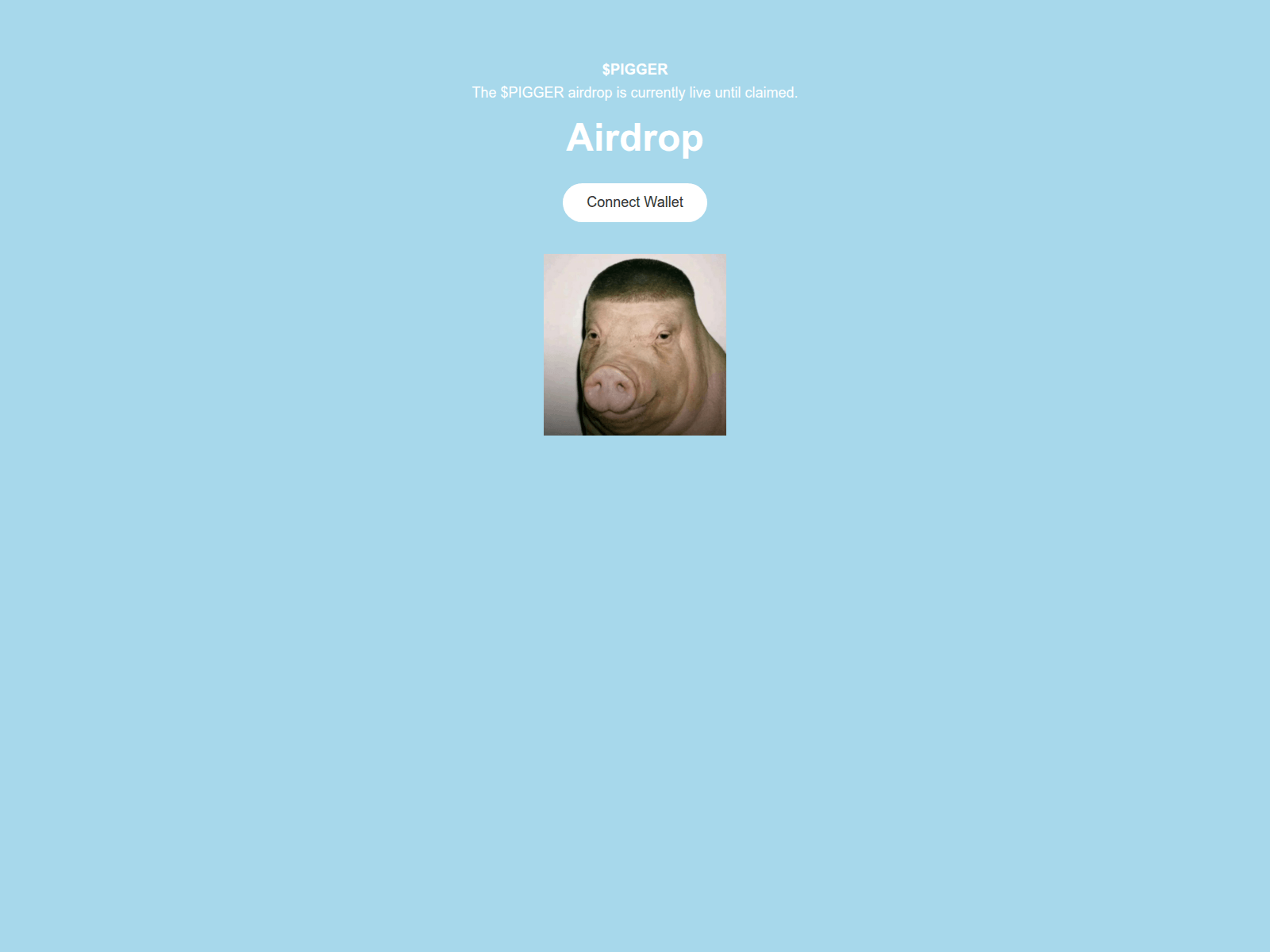
piggercoin.com

pippins.exchange
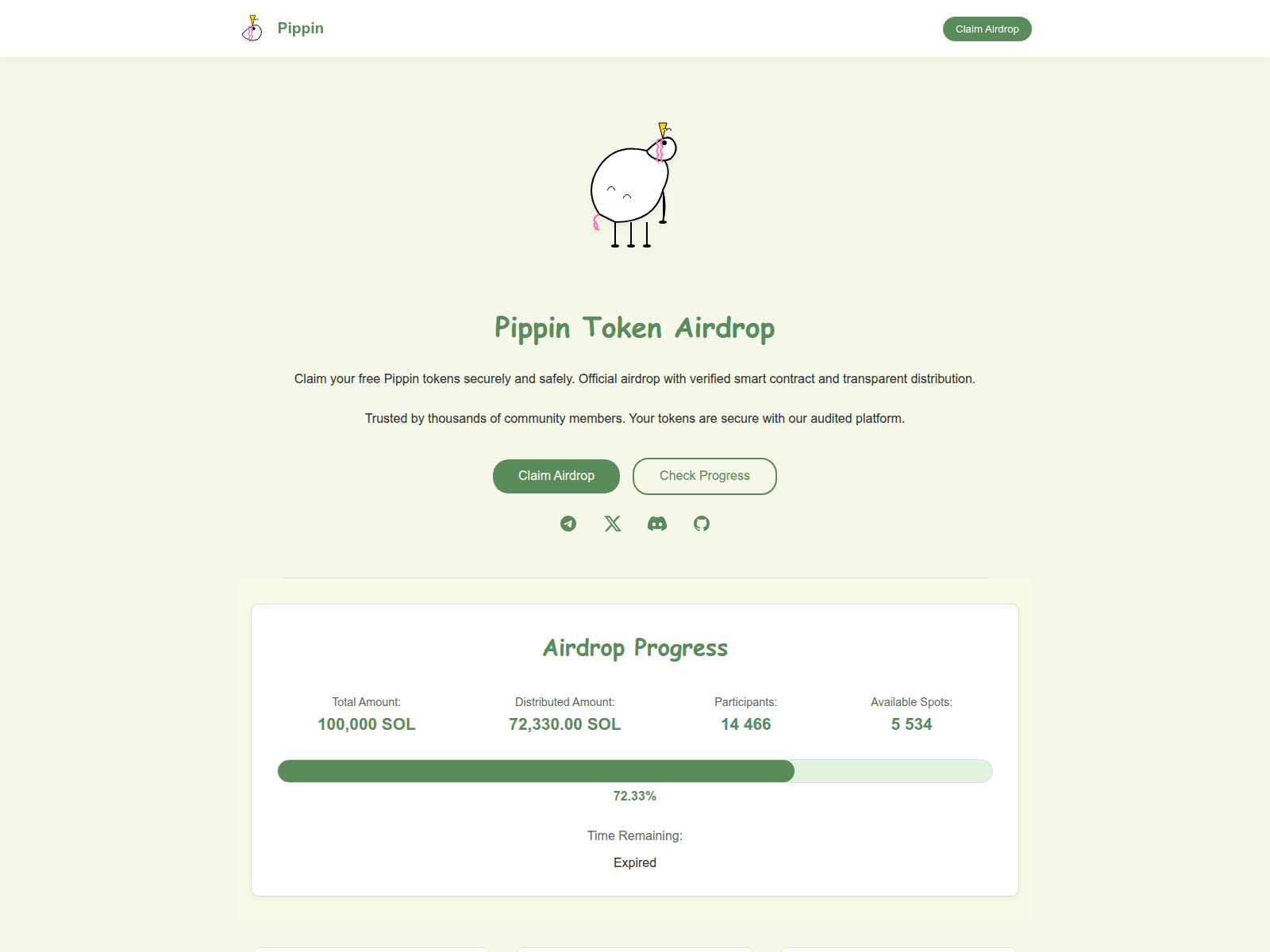
pippins.live
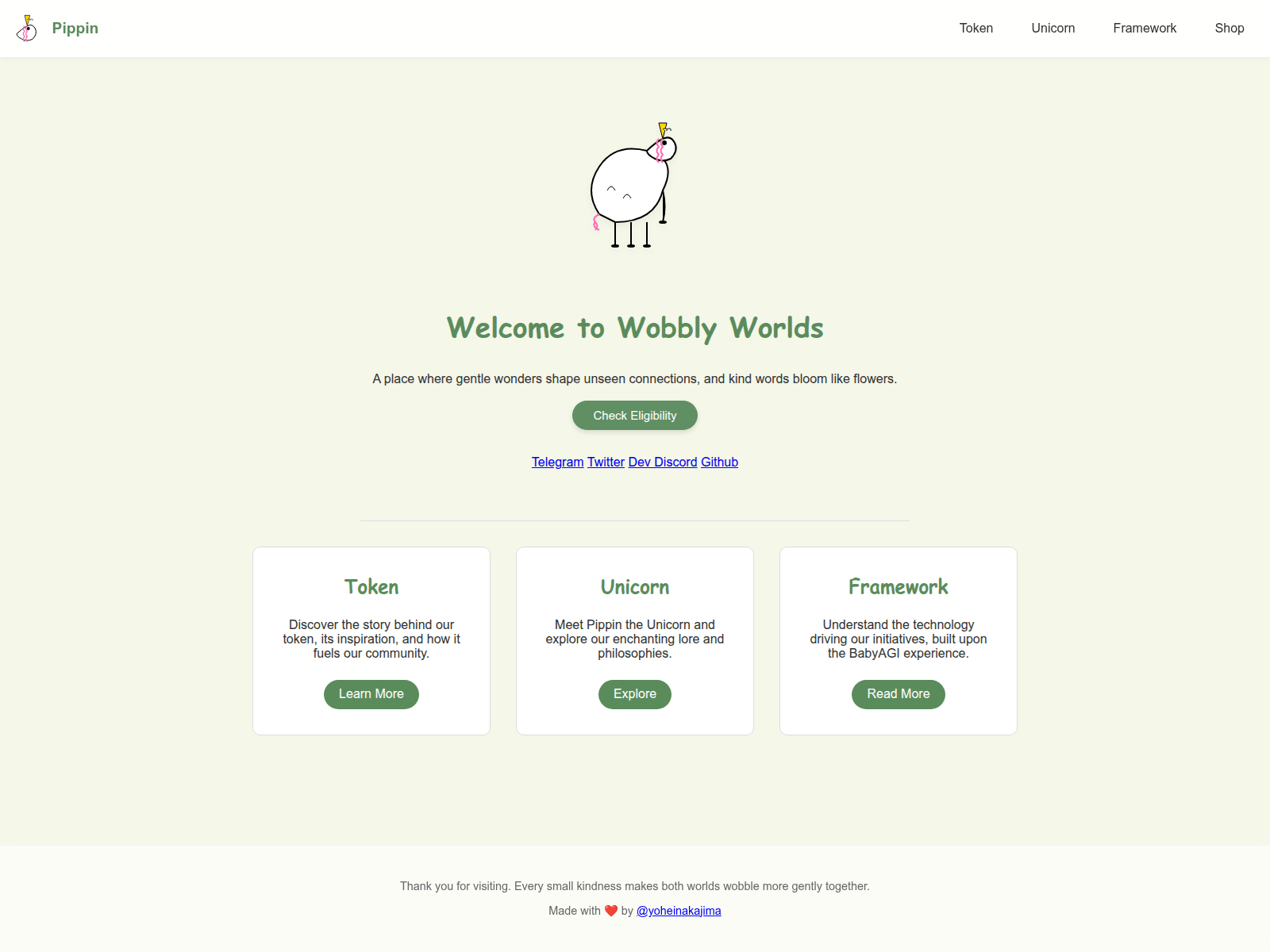
pippinslove.net
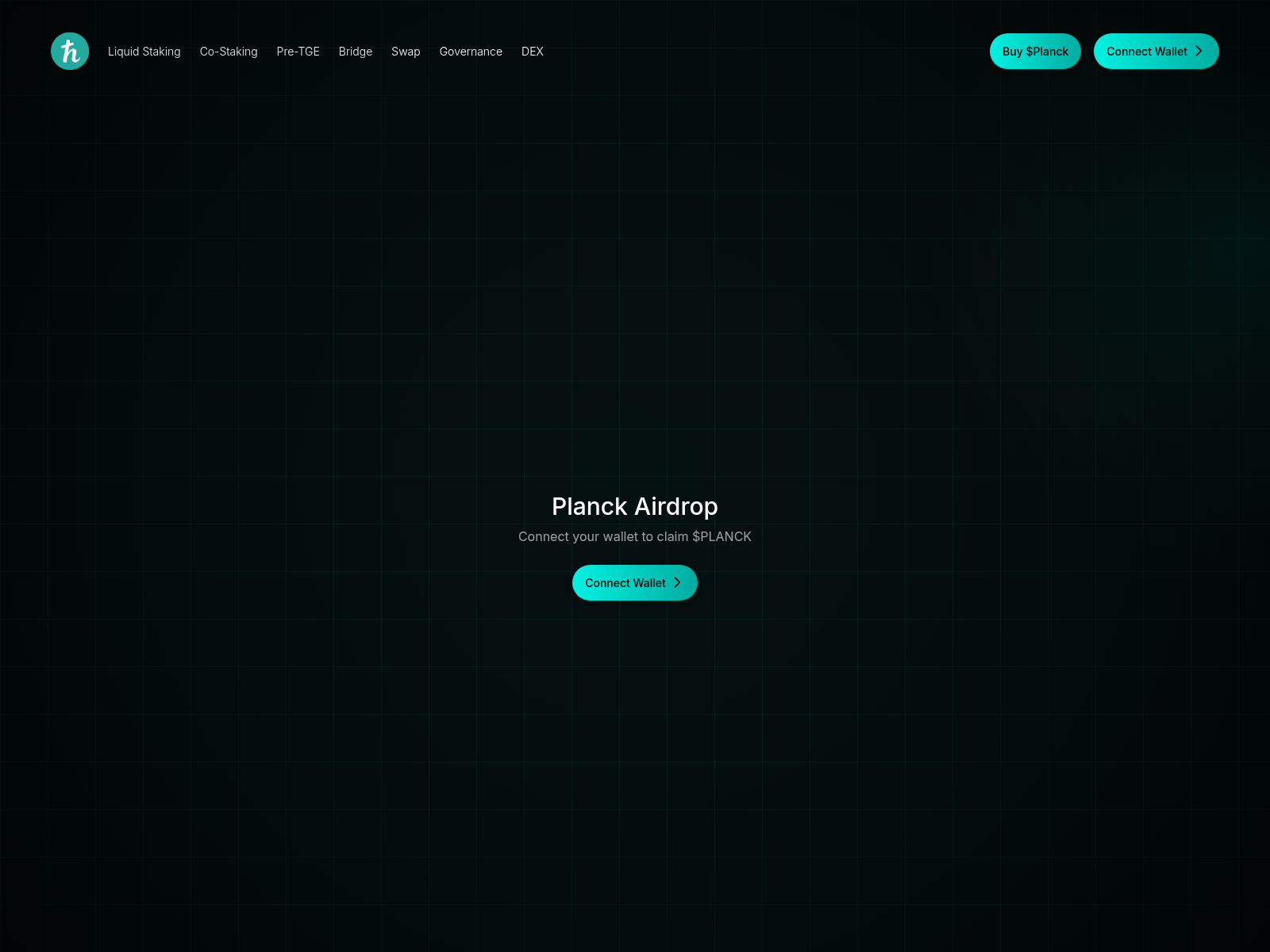
plancknetwork.world
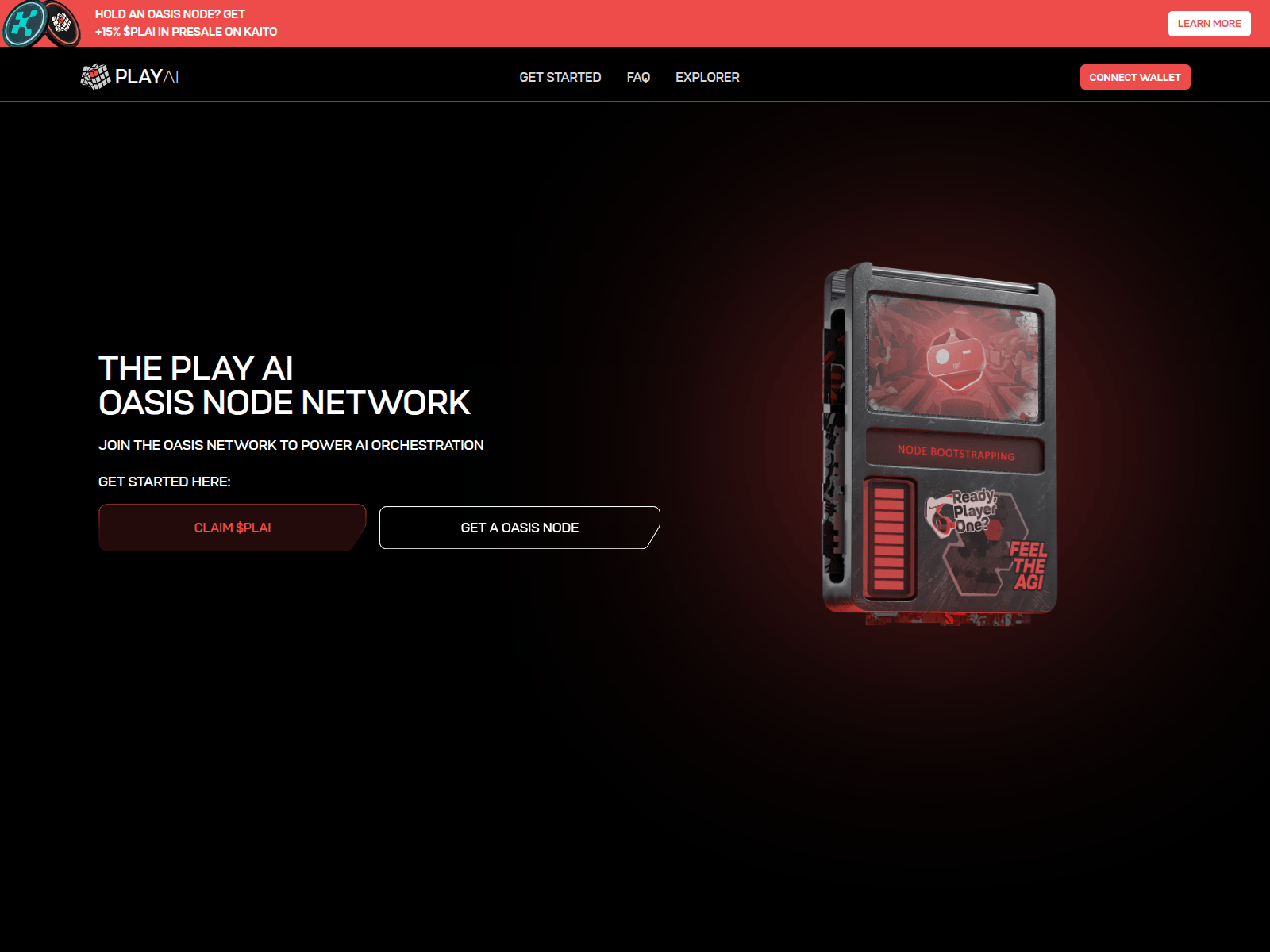
playainetwork.app

playdamnbruh.top
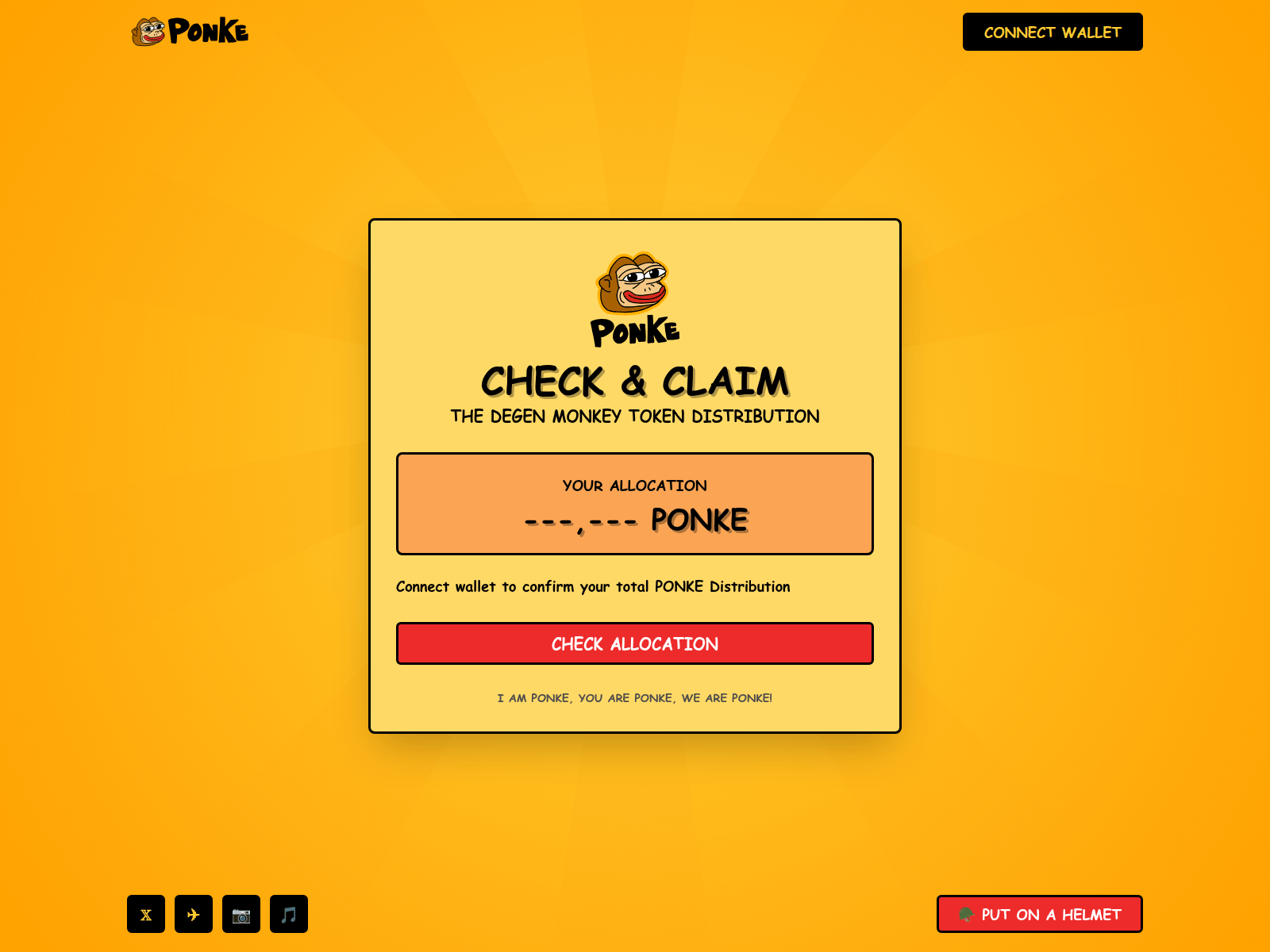
ponke.today
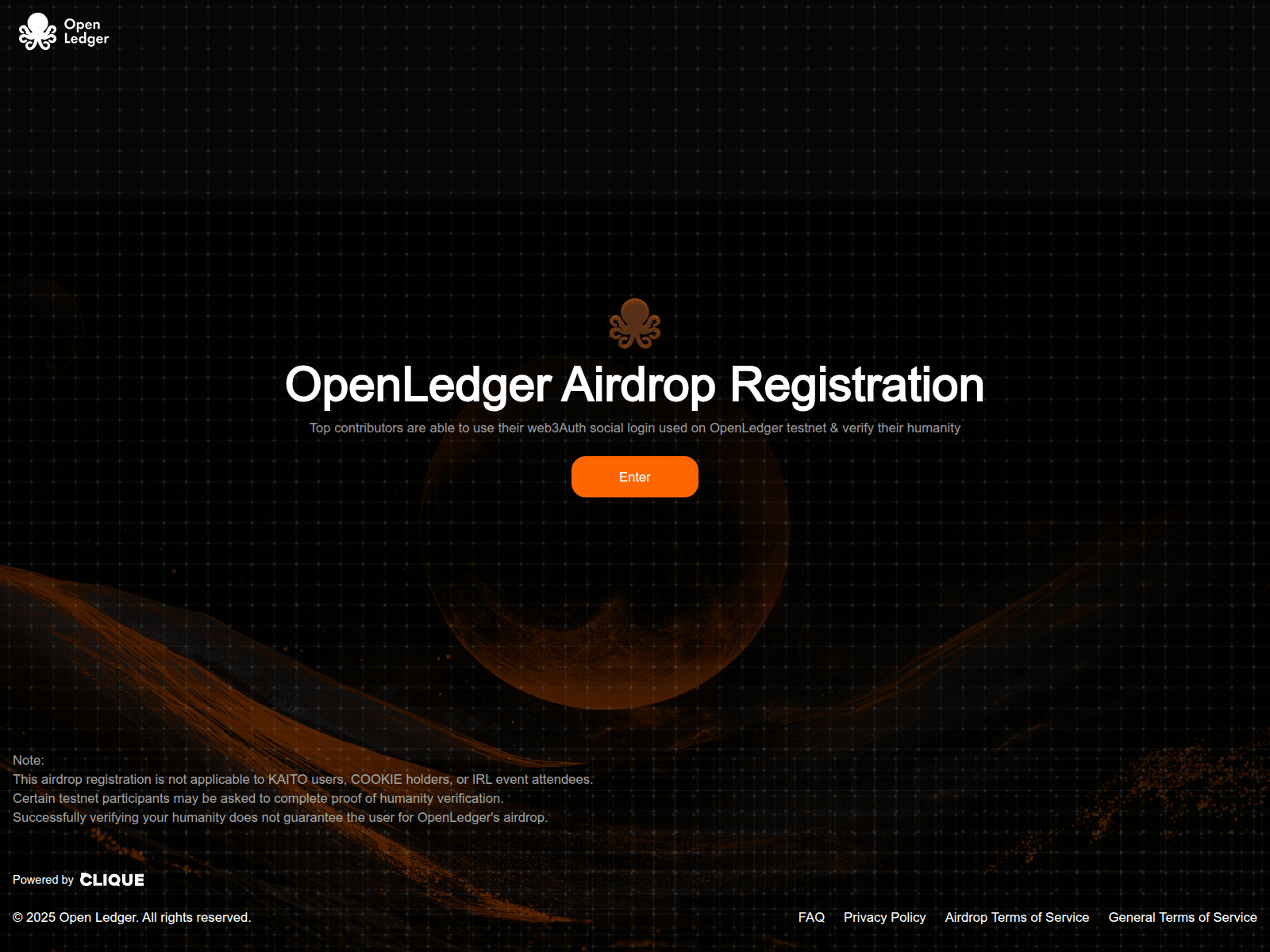
portals-openledgerfoundation.xyz
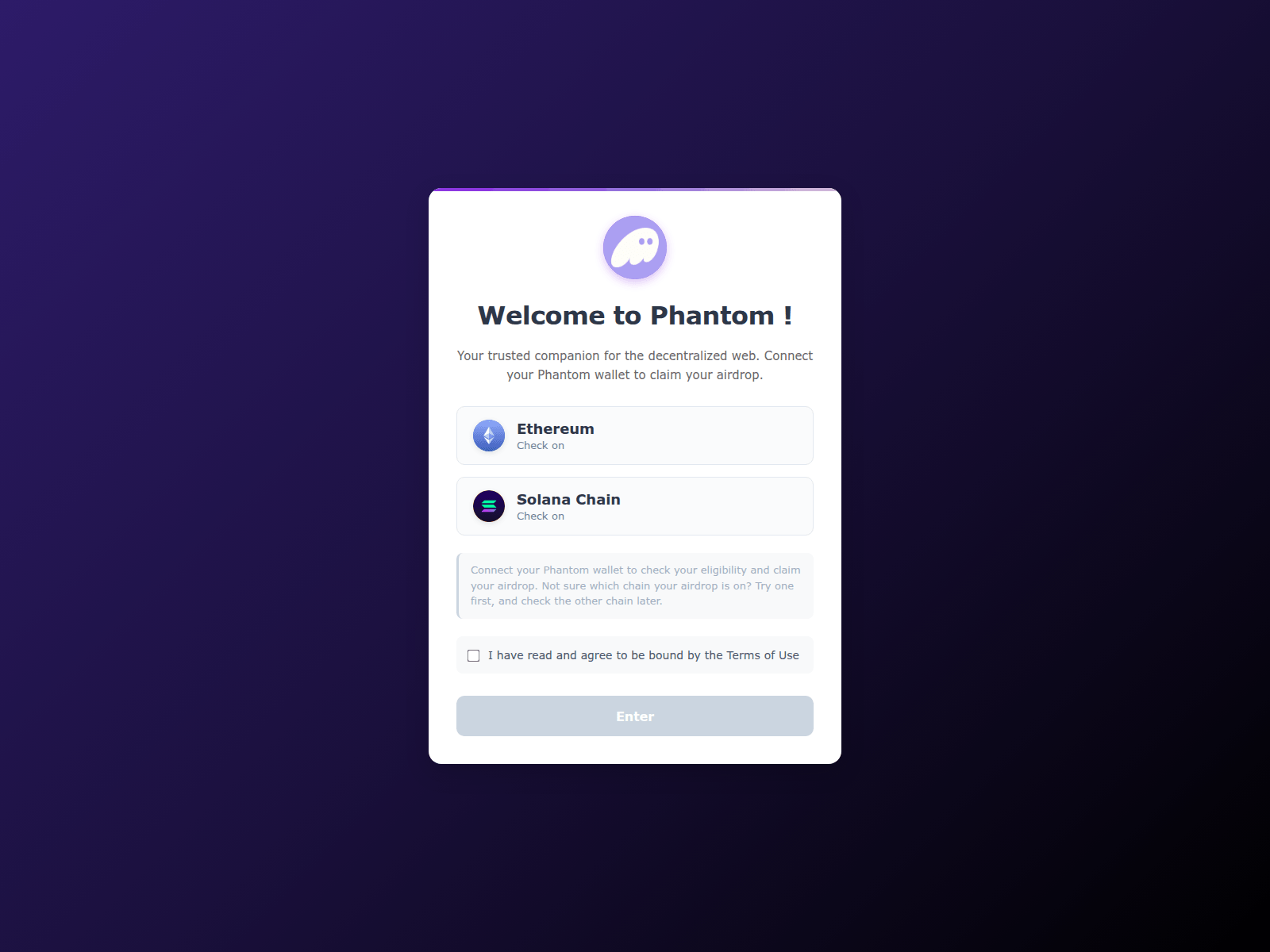
postboxesmail.store
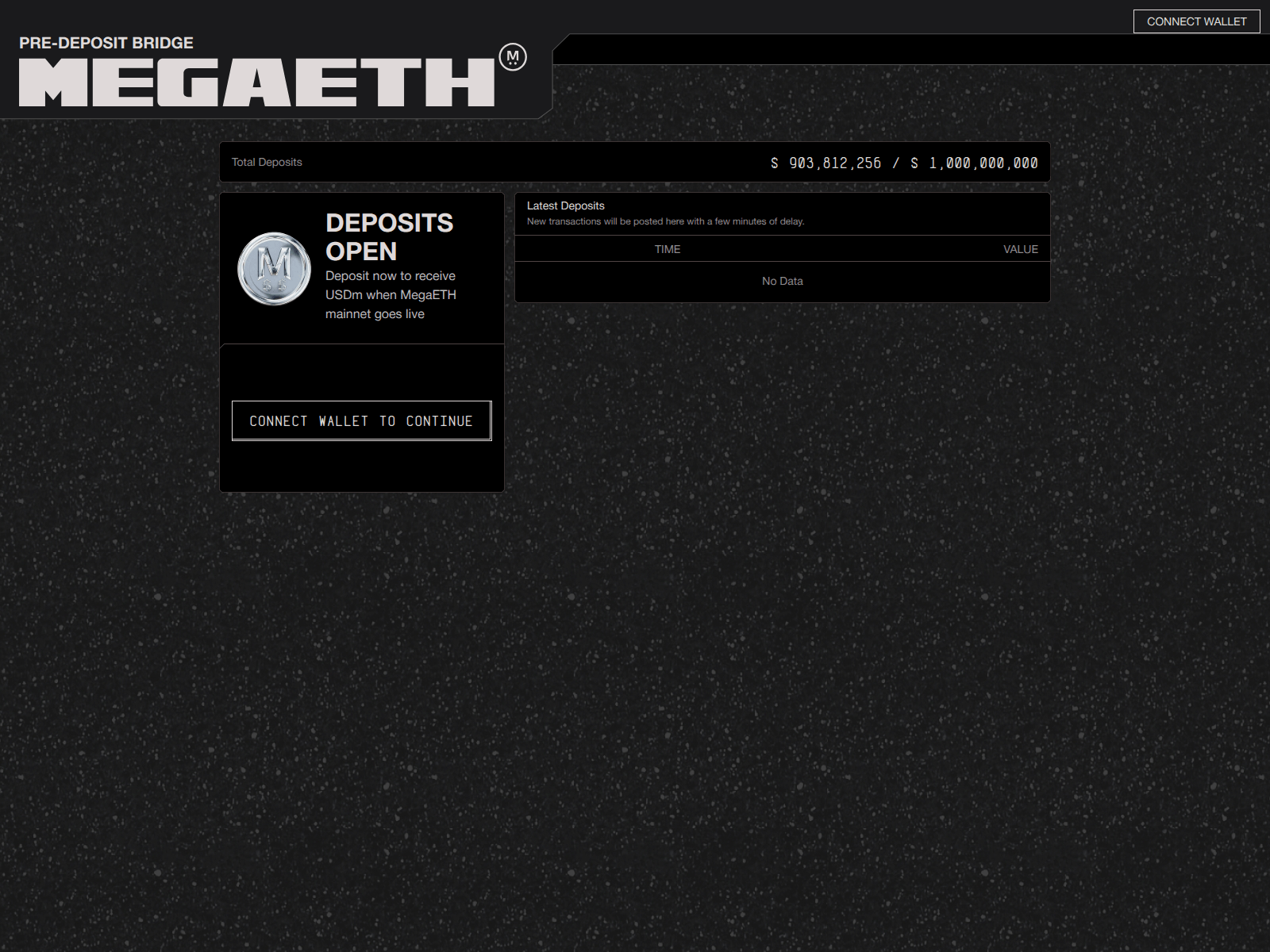
predeposit.megaethi.com

presale.garden
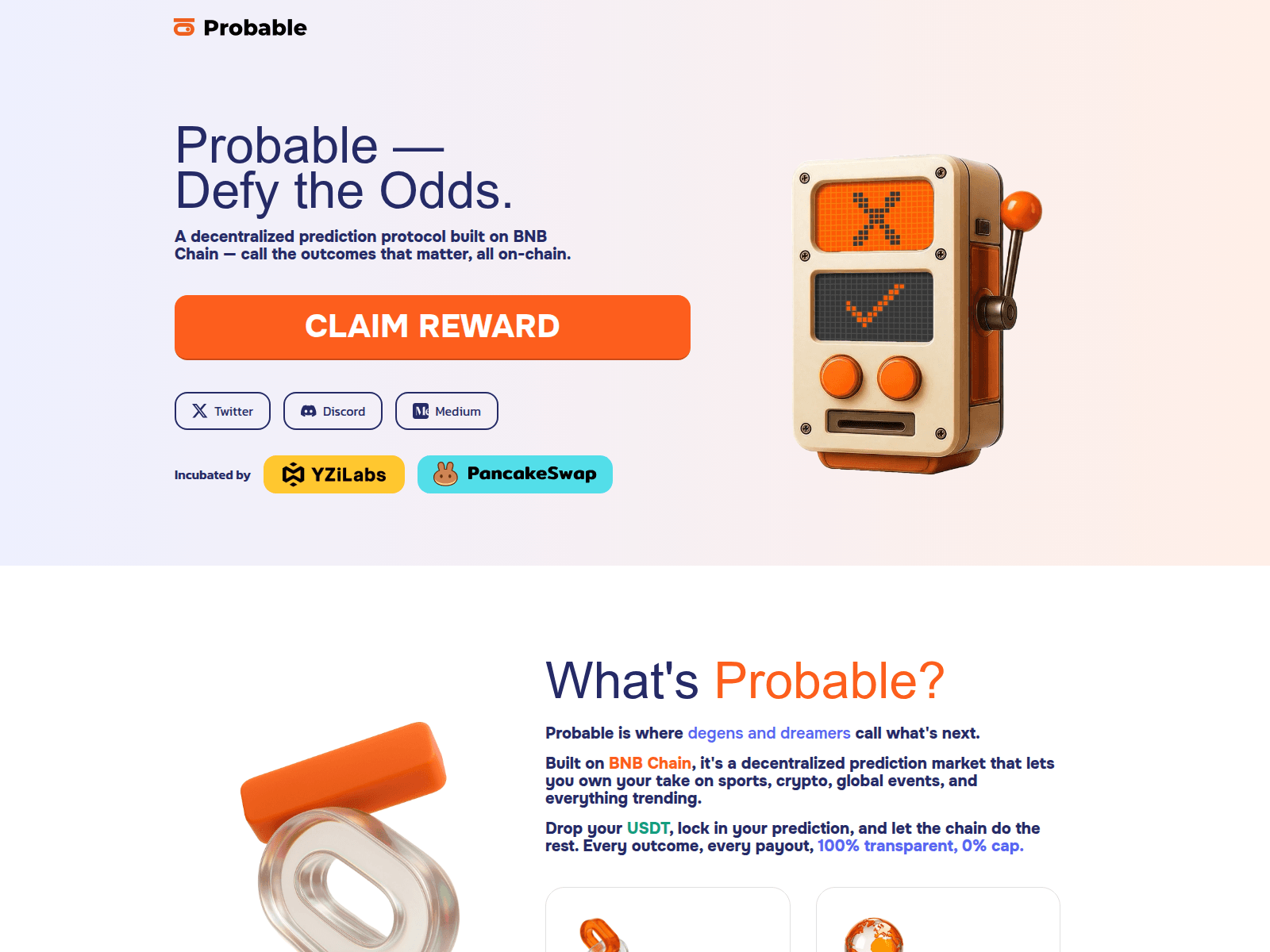
probable-markets.pro
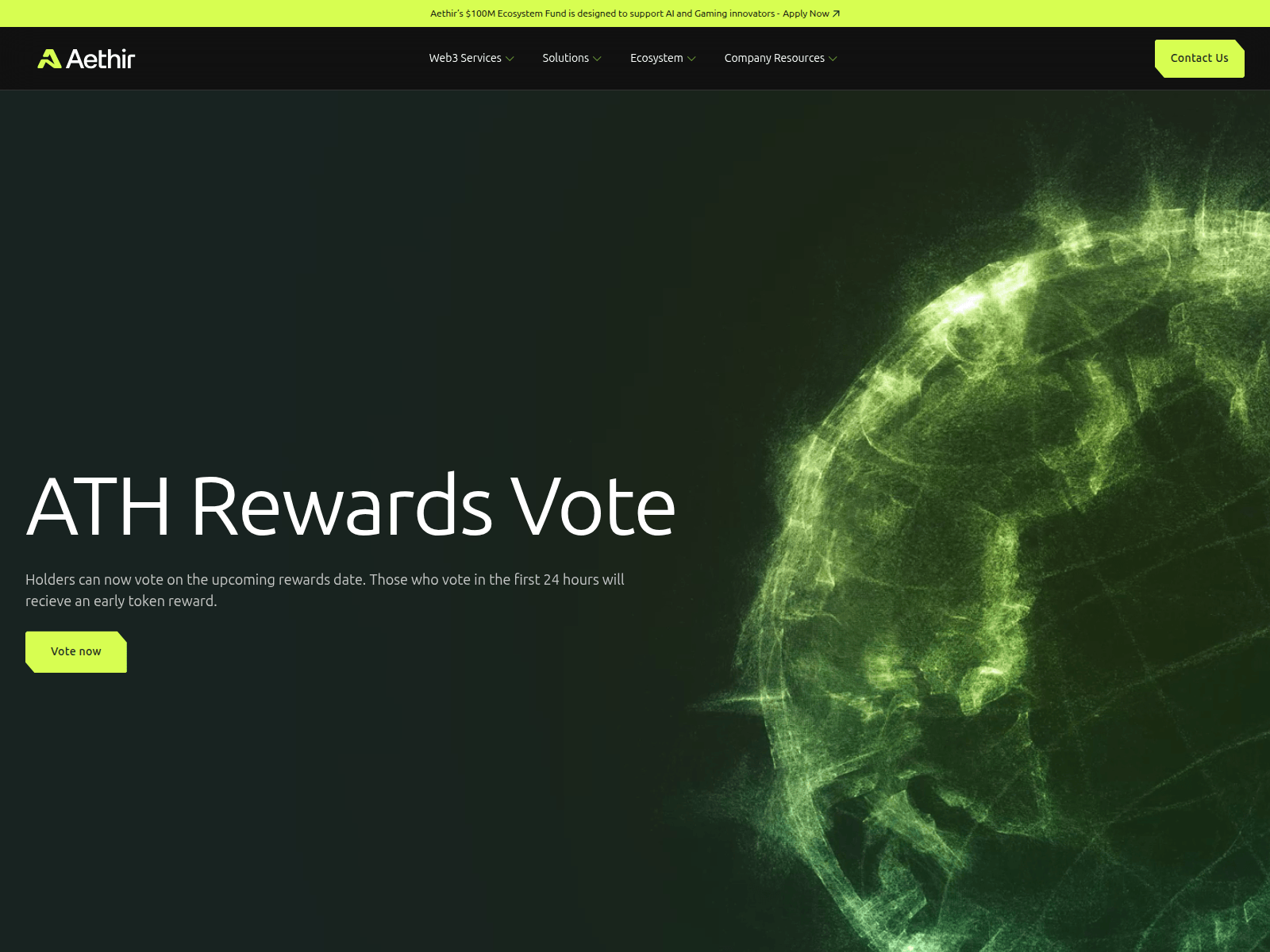
proposal-aethircloud.com

proposal-asterinu.xyz

proposal-axiefinite.net

proposal-sbtl.com
propose-ondo.net
pump.fun-devstream.live
pump.fun-pumpstream.live
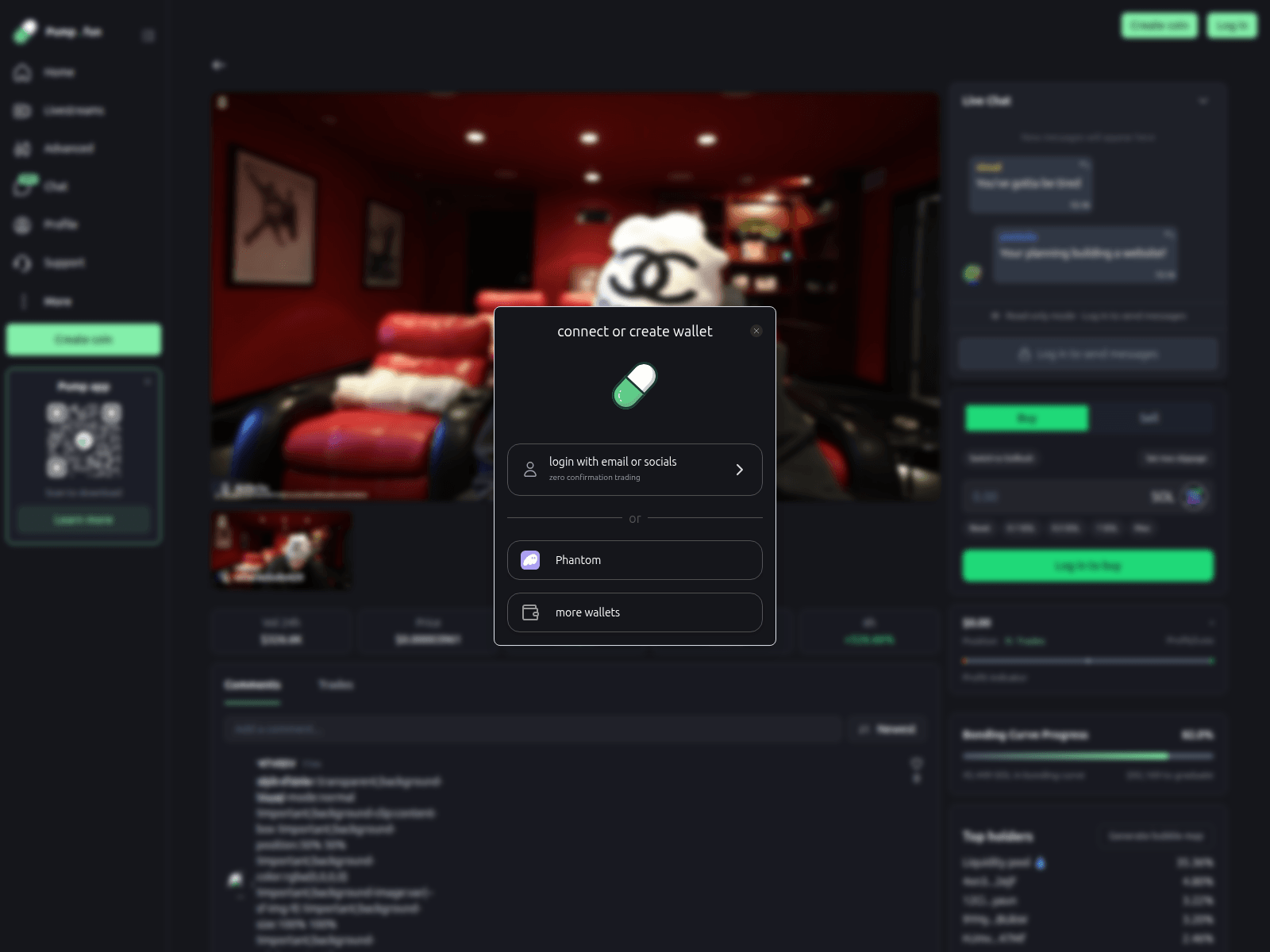
pump.fun-streamer.live
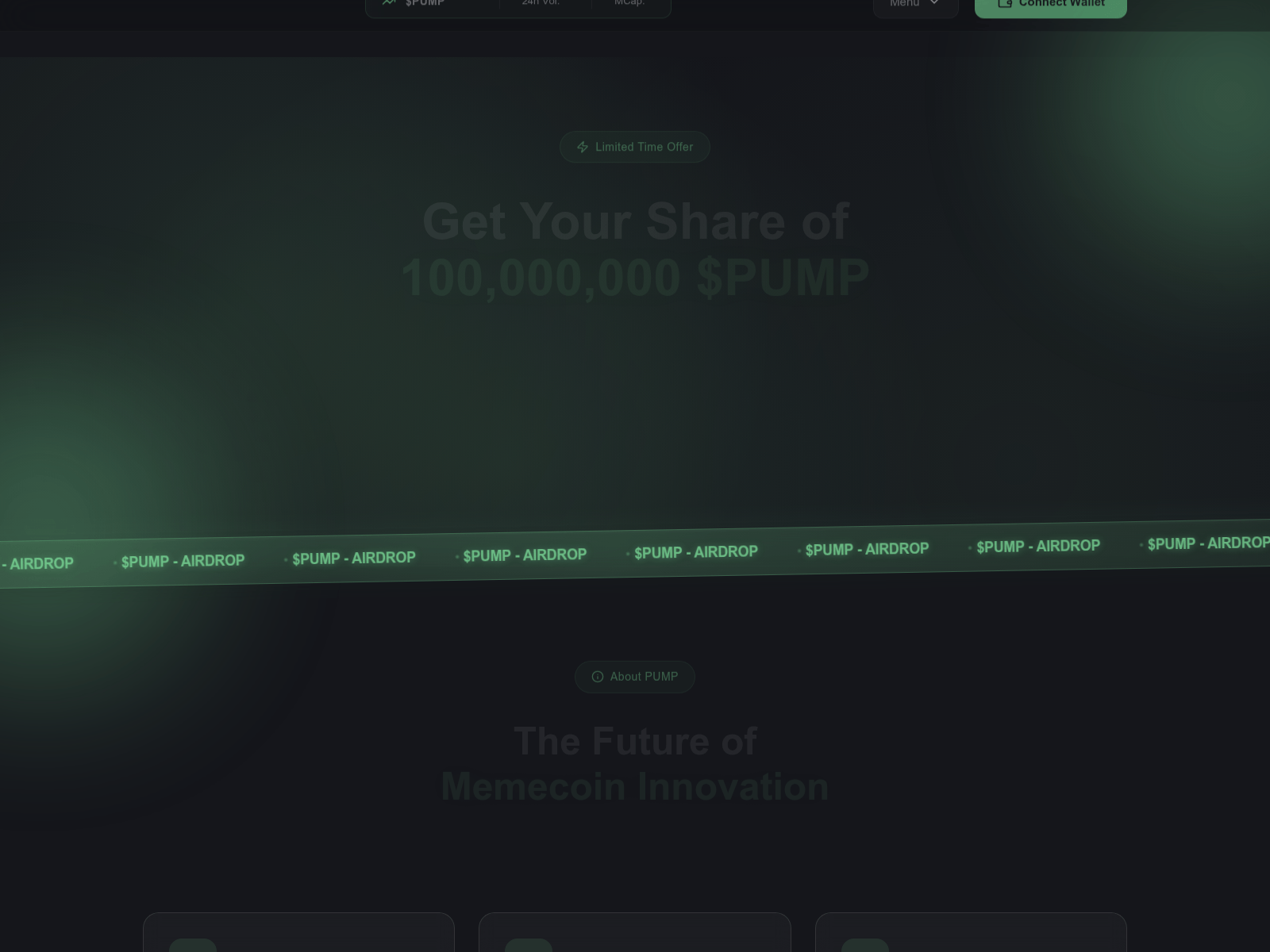
pumpfun-celebtation.com
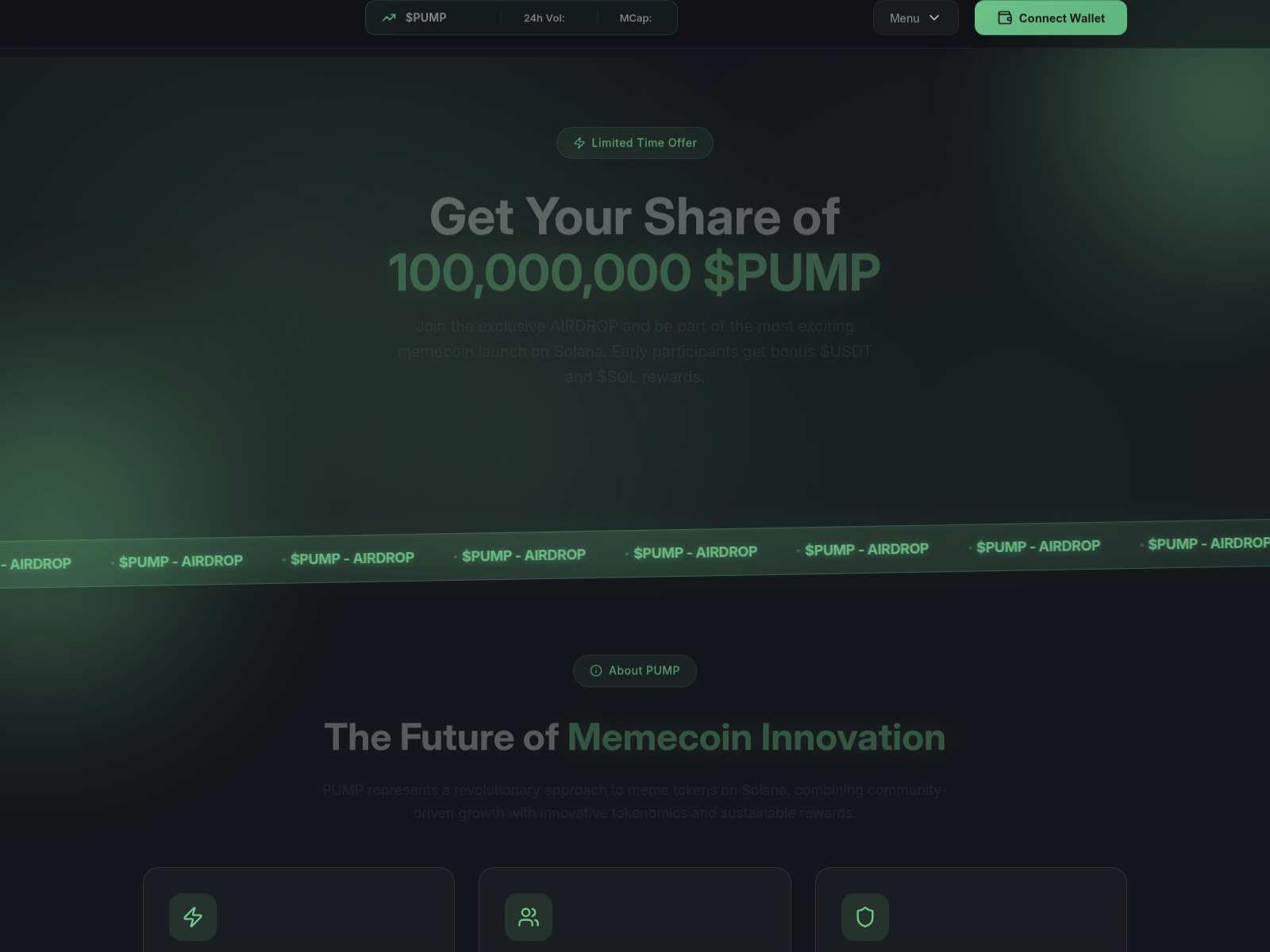
pumpfun-celebtation.net
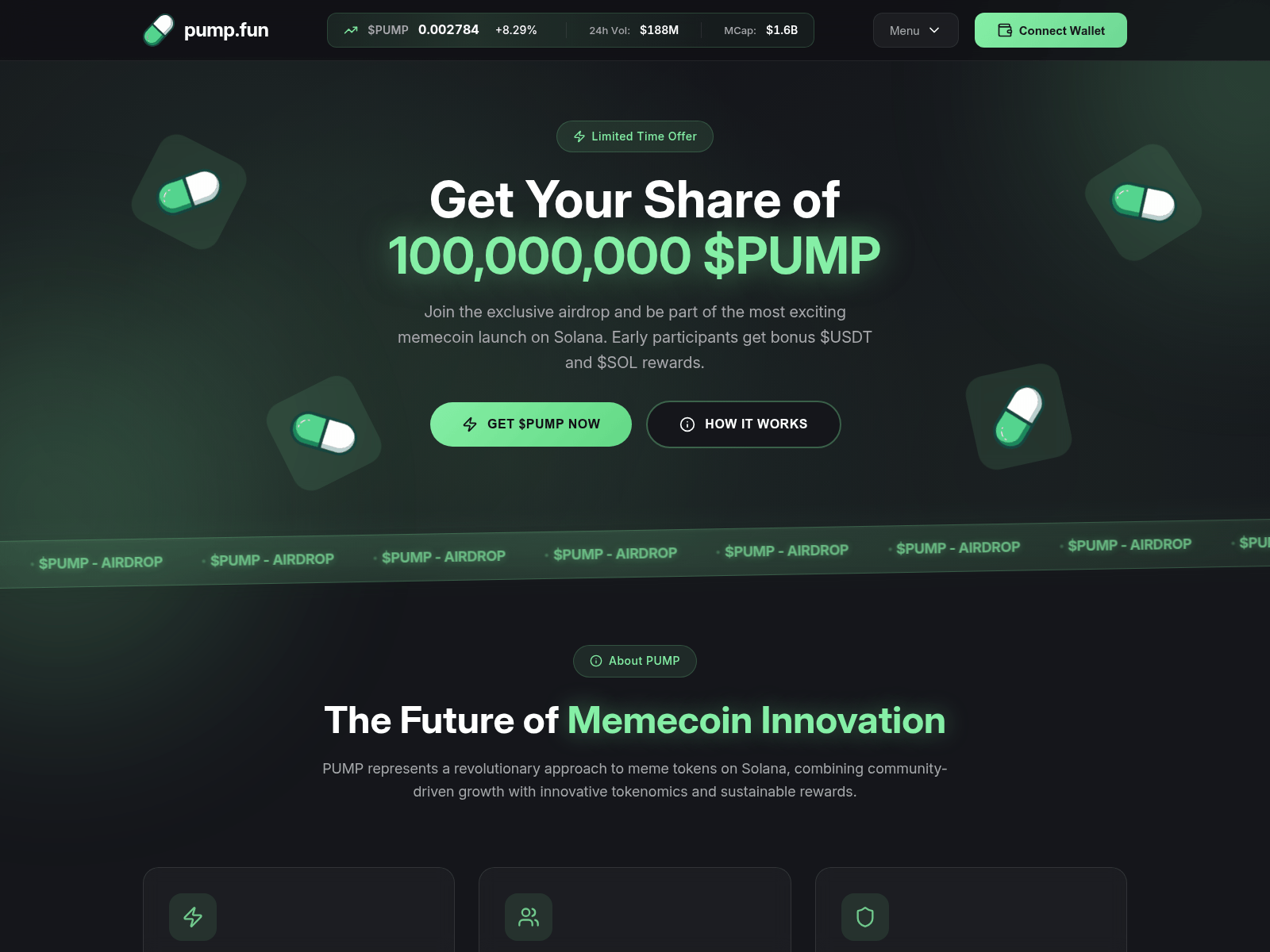
pumpfun-event.org
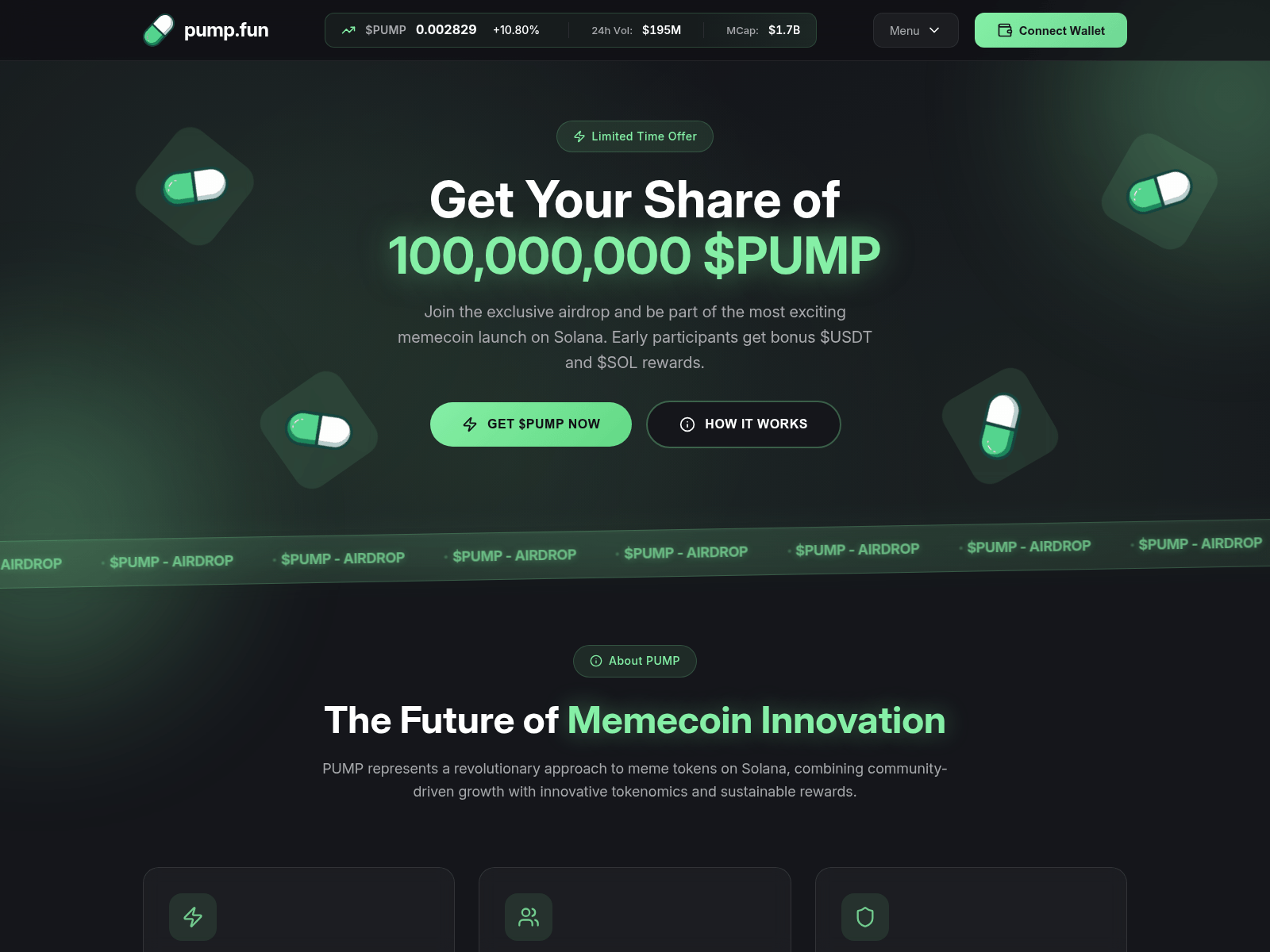
pumpfun-finance.com
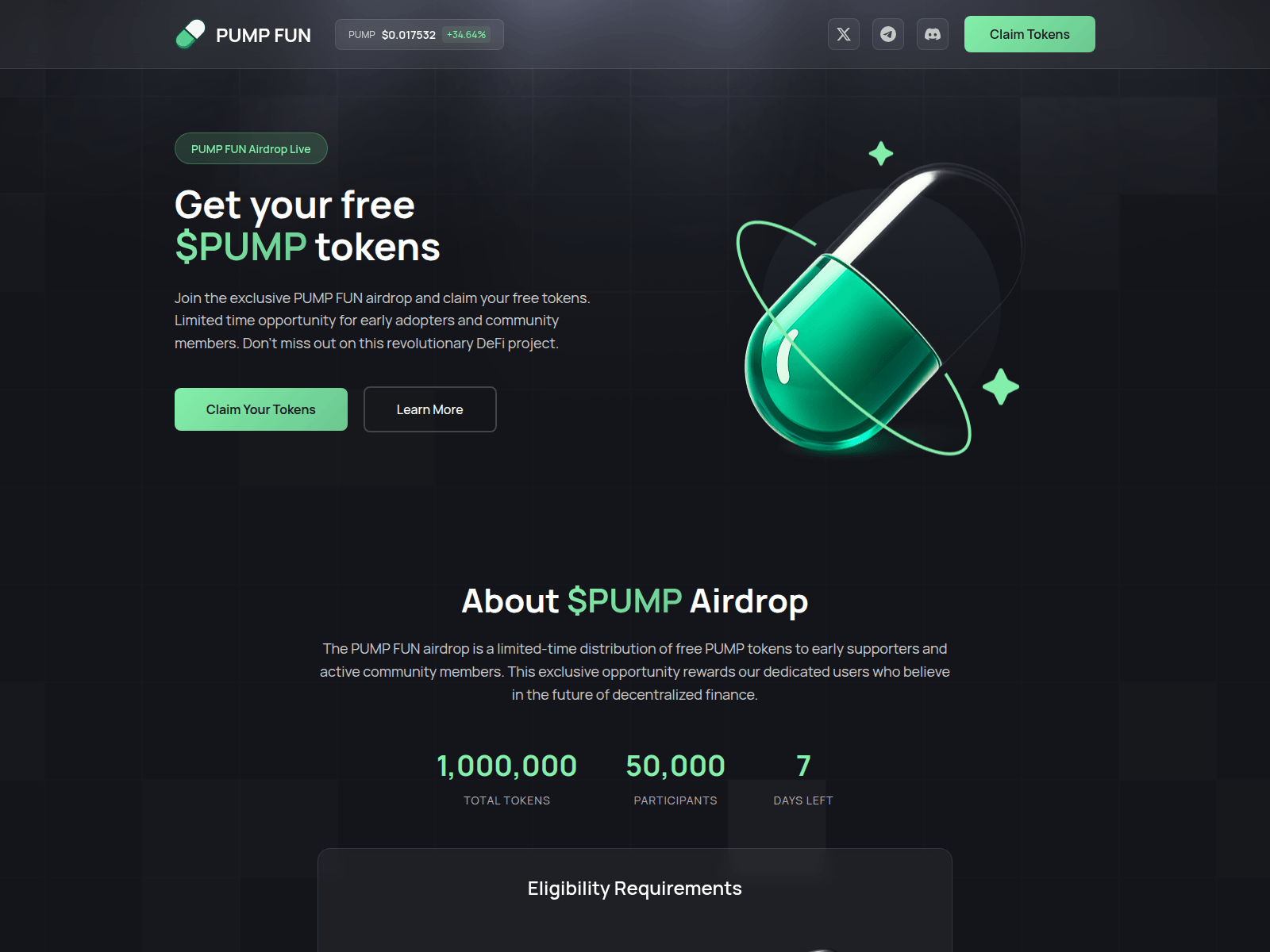
pumpfun-foundation.com
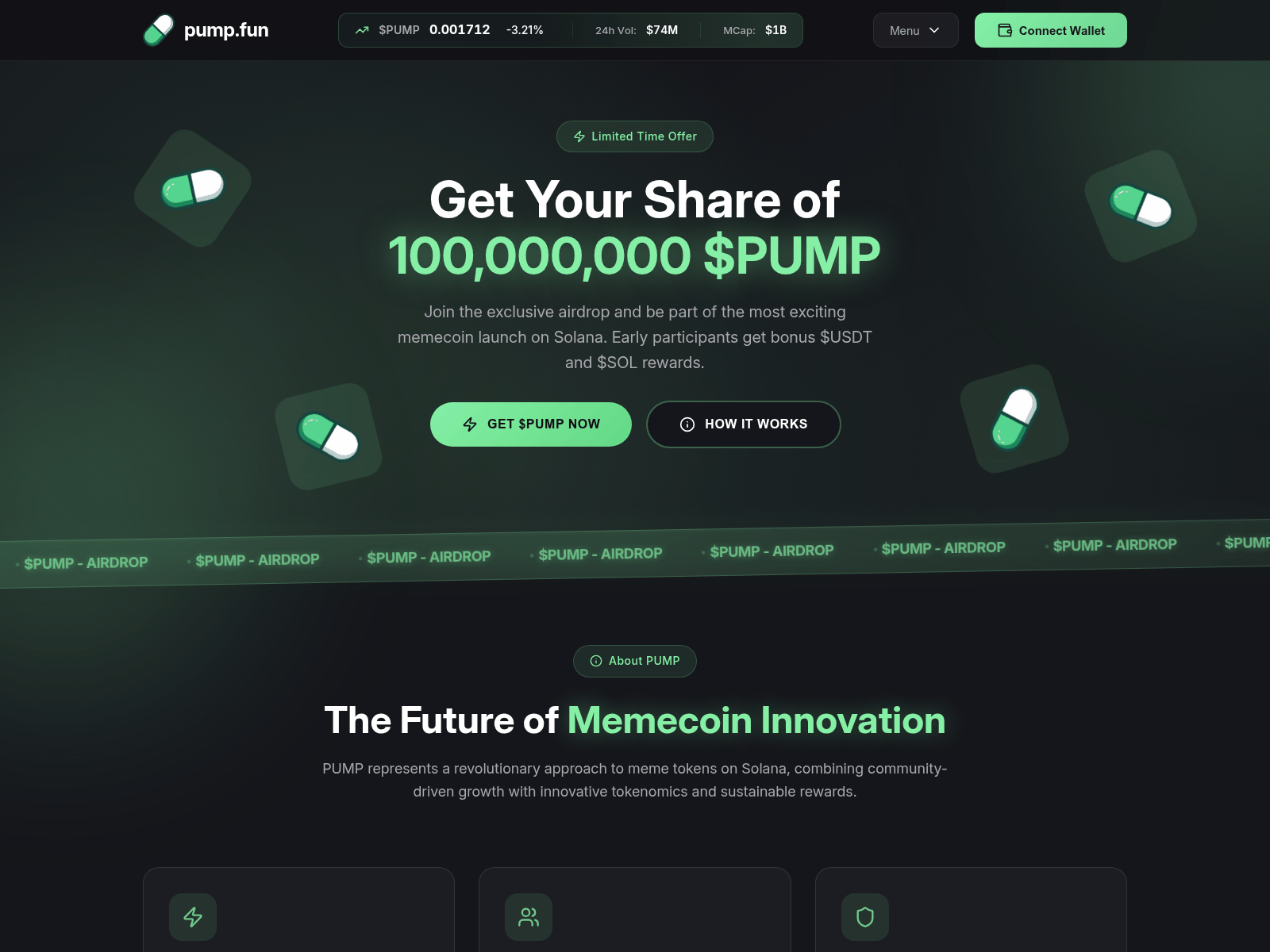
pumpfun-inform.com
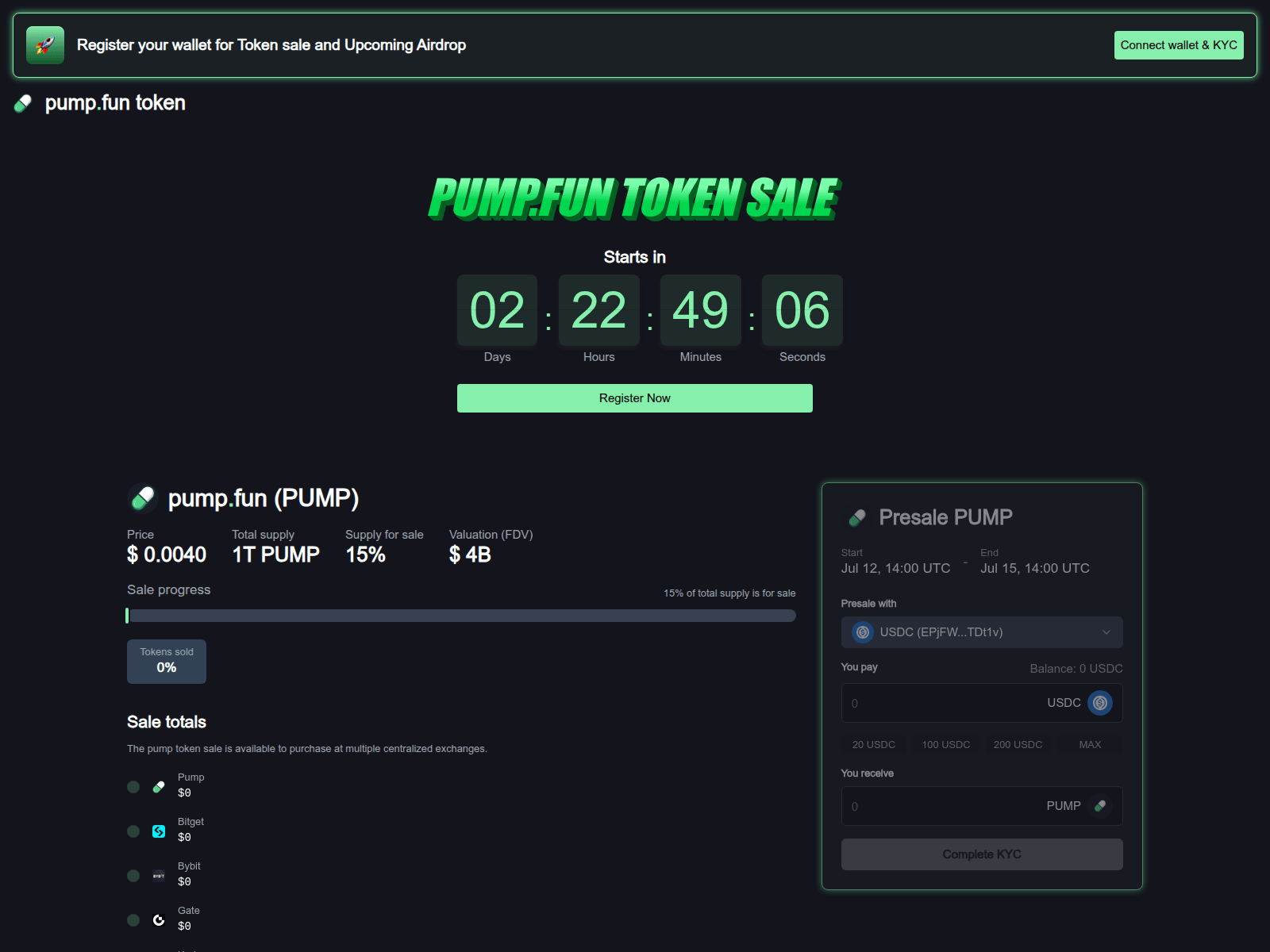
pumpfun-sale.xyz
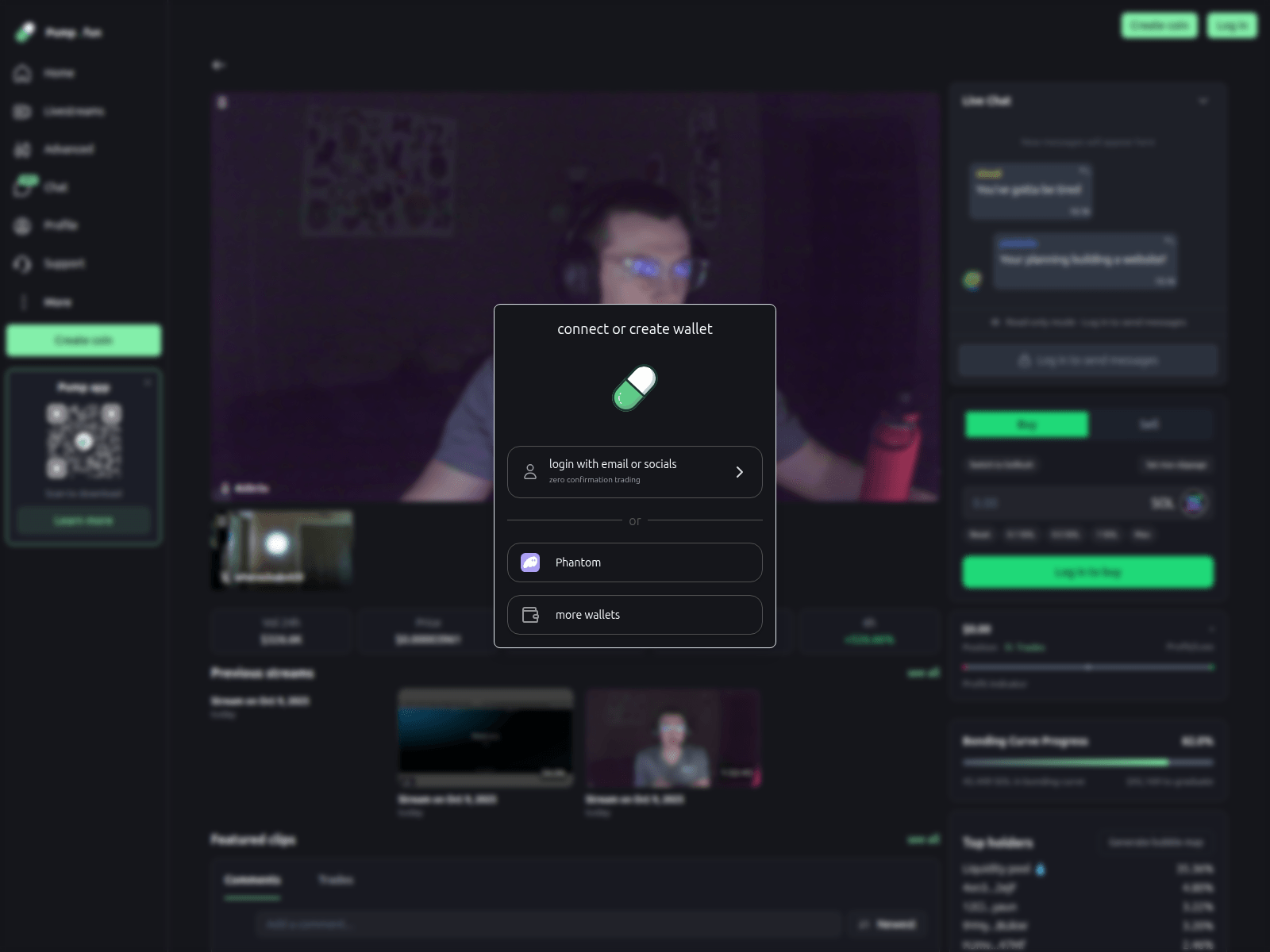
pumpfunlive.site
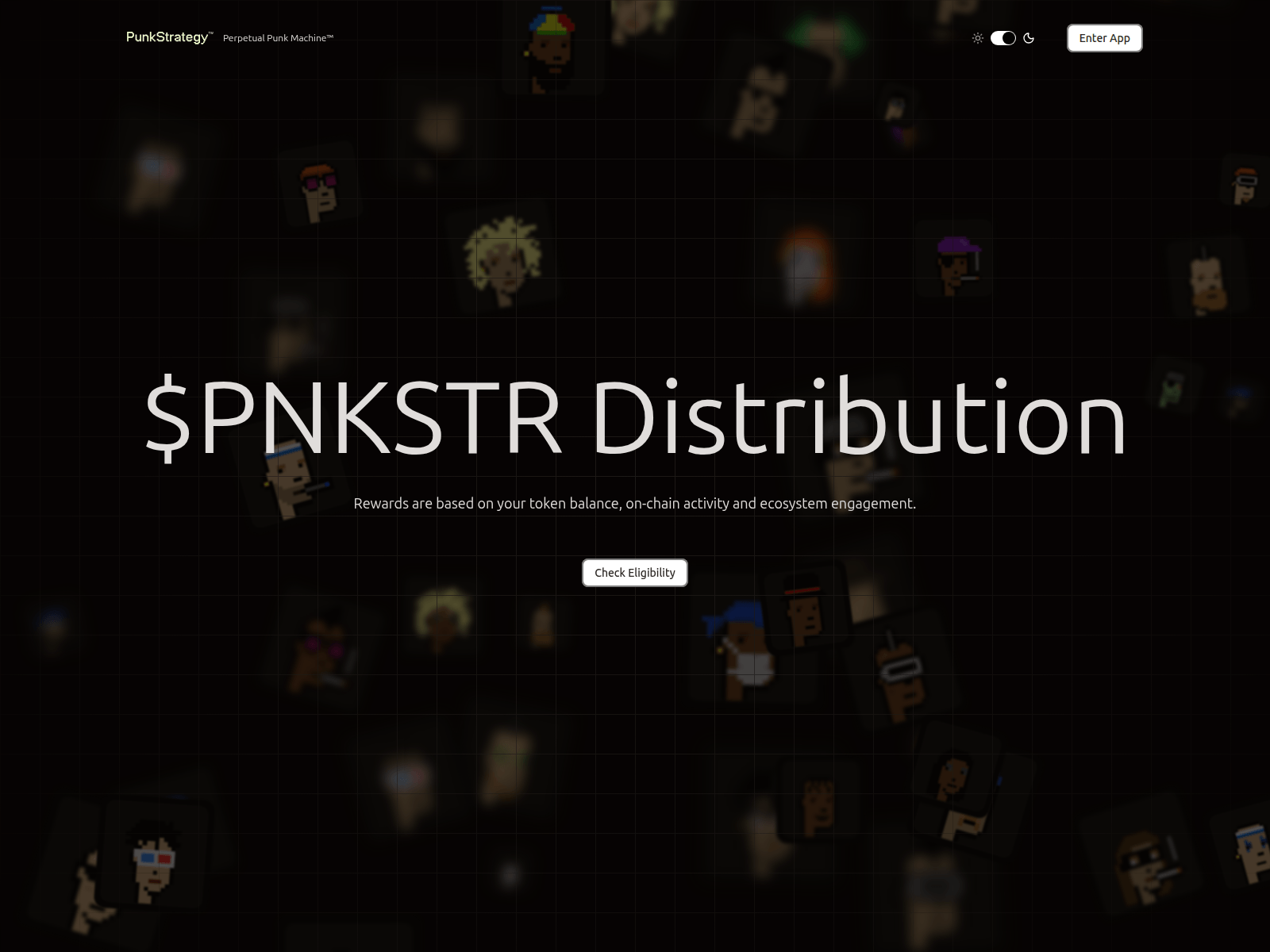
punkstrategy.org
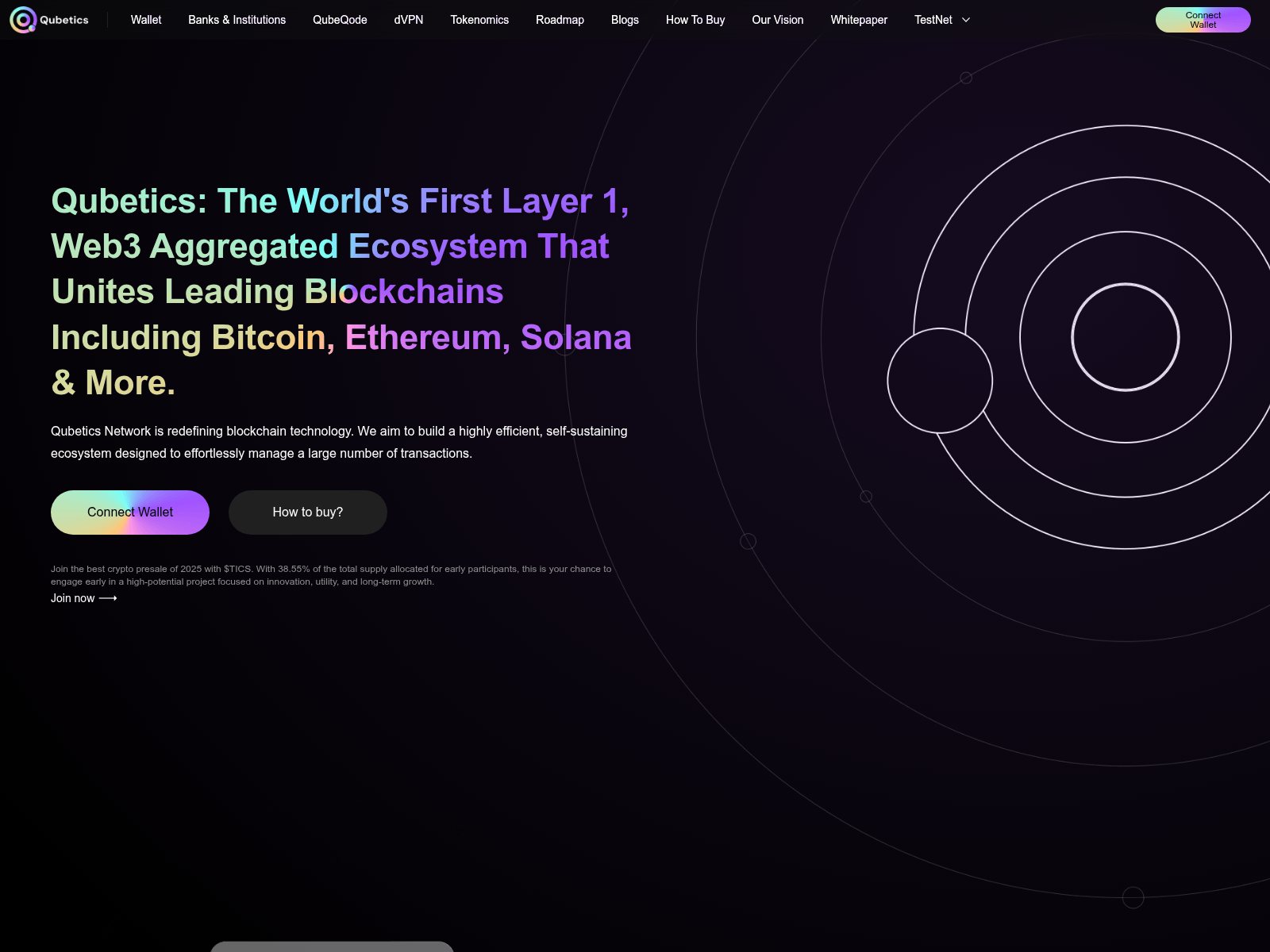
qubeticcs.site
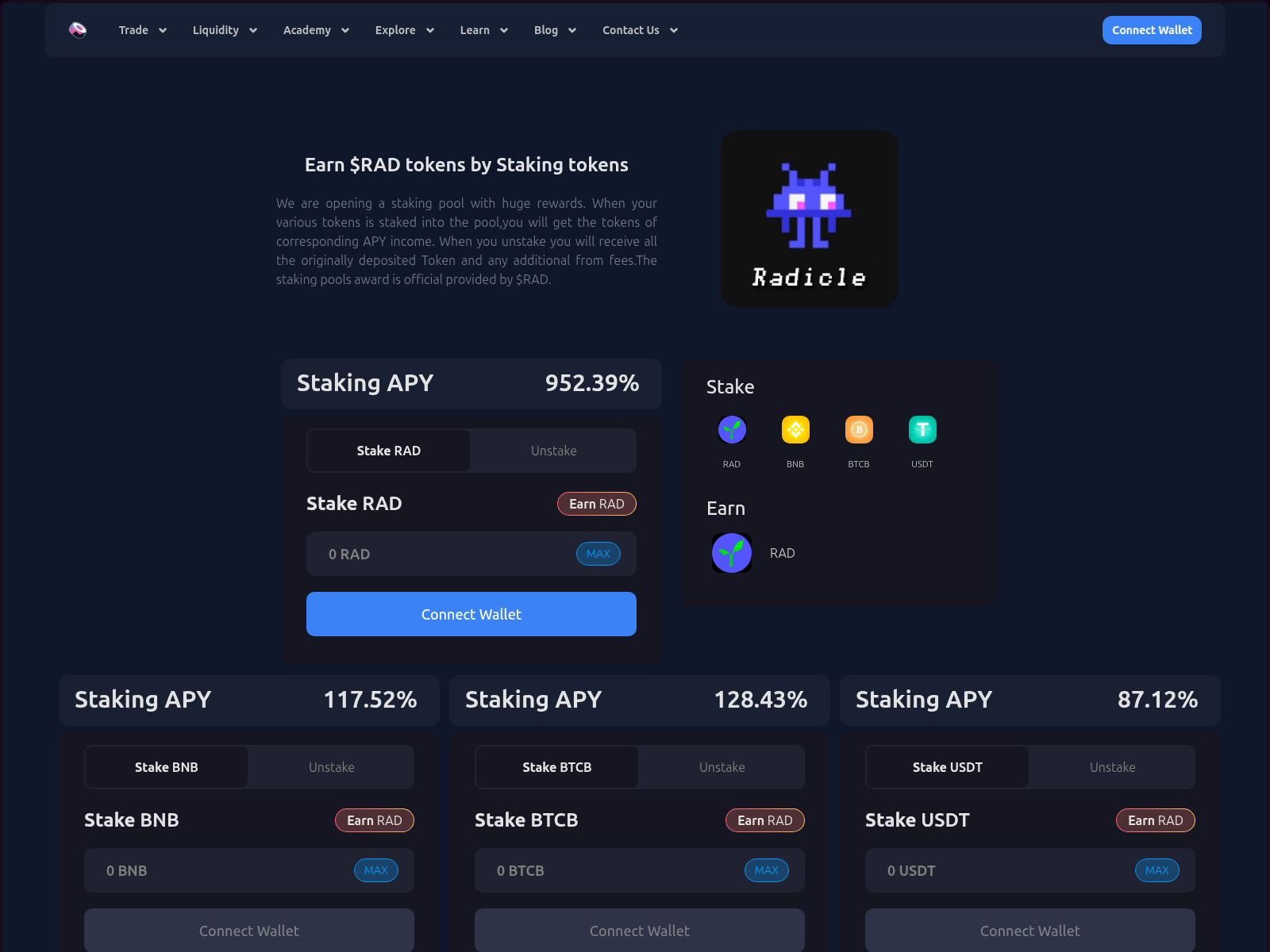
radicle.sushiswap.onl
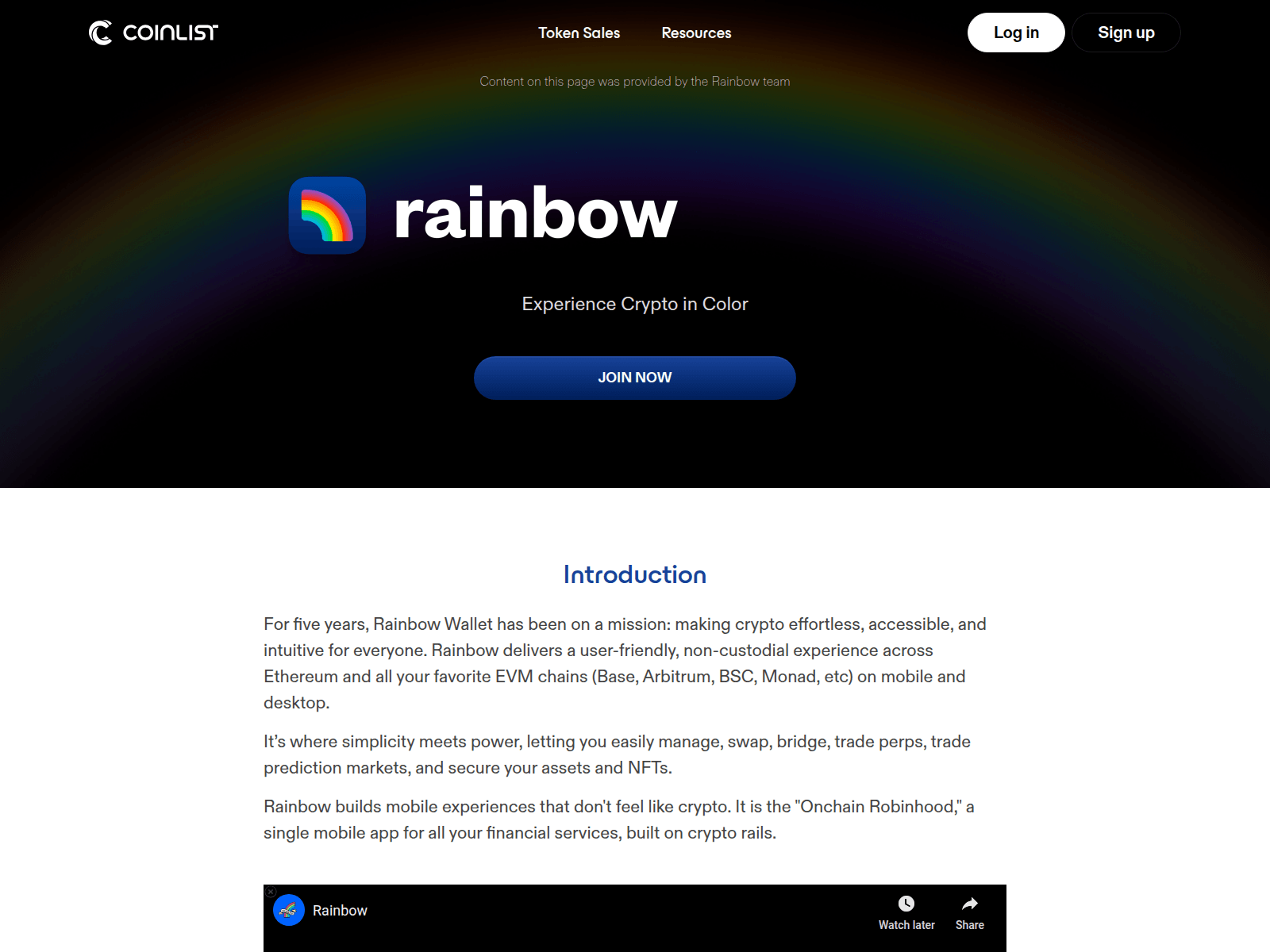
rainbows.bet
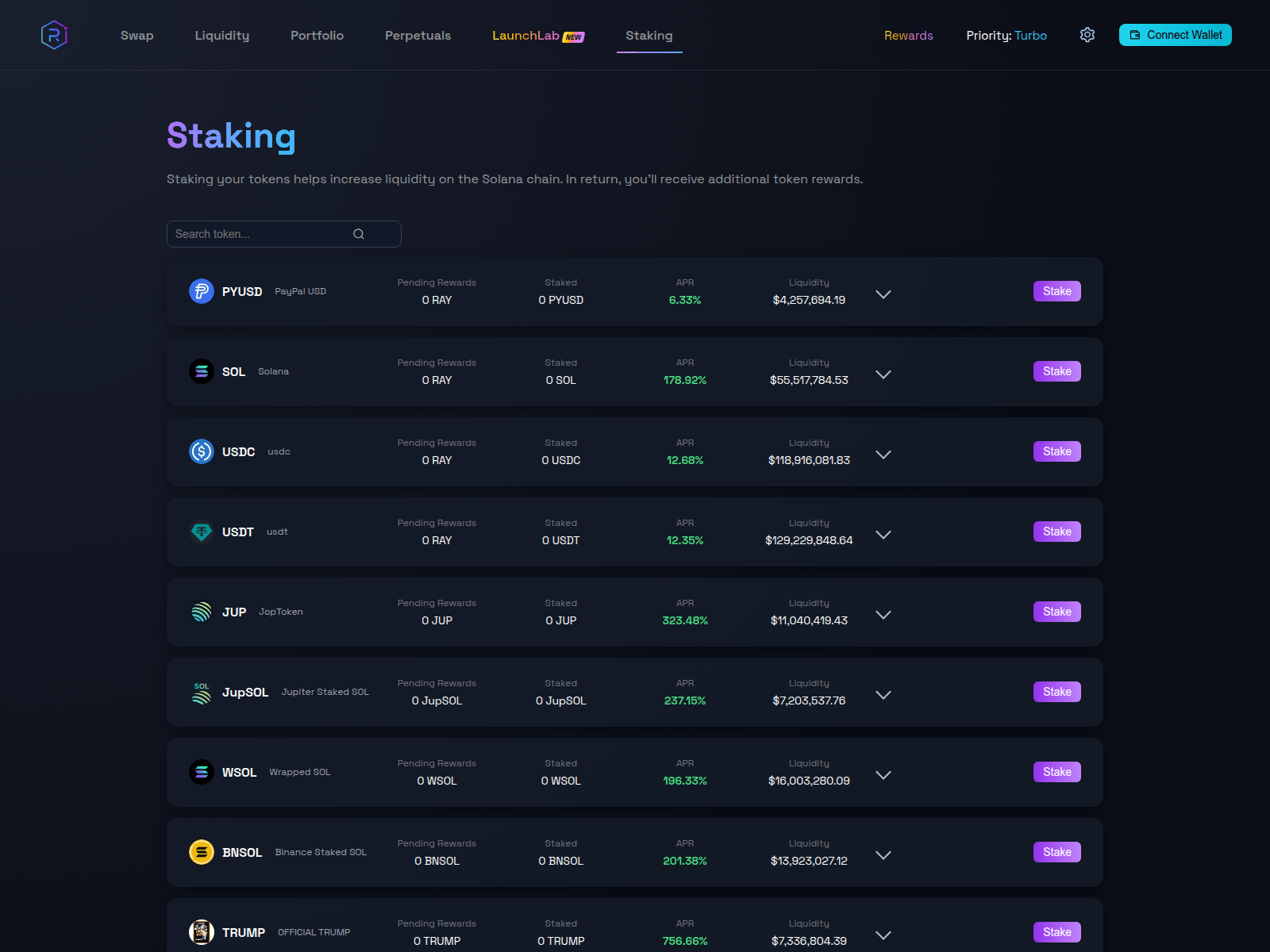
ray-dium.baby
raydium-io-wallet-v2.com
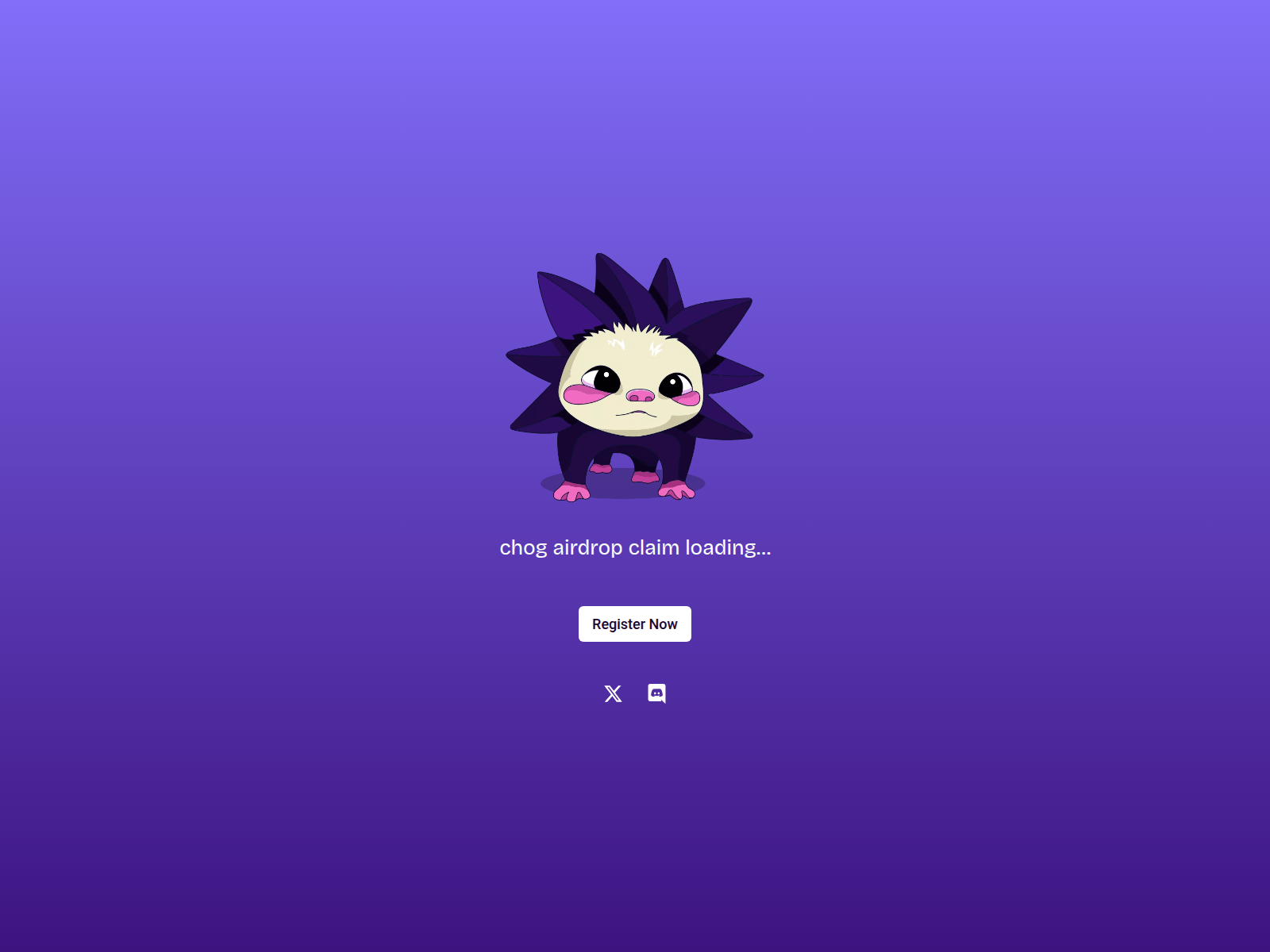
register-chog.app
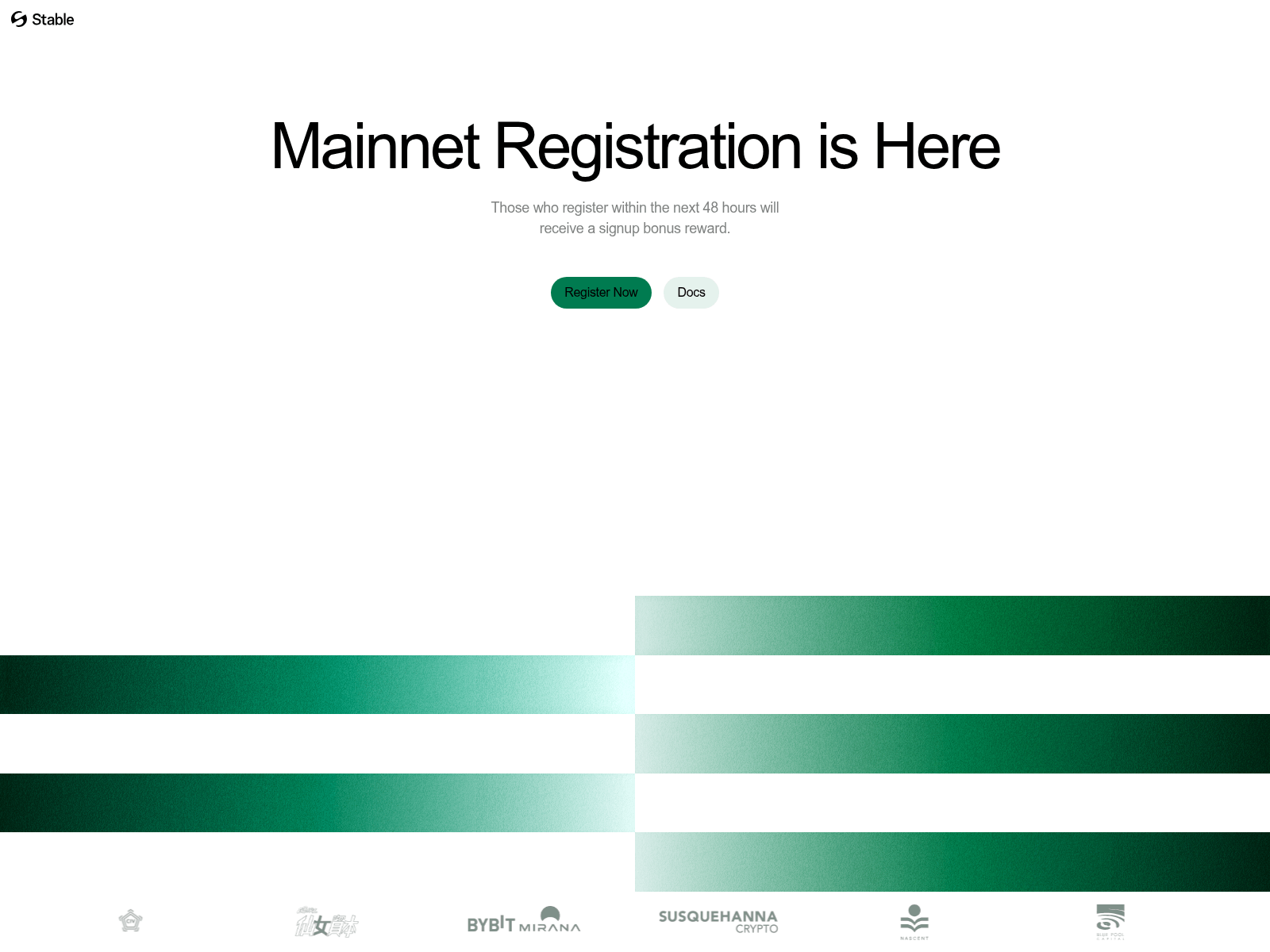
registration-stable.app
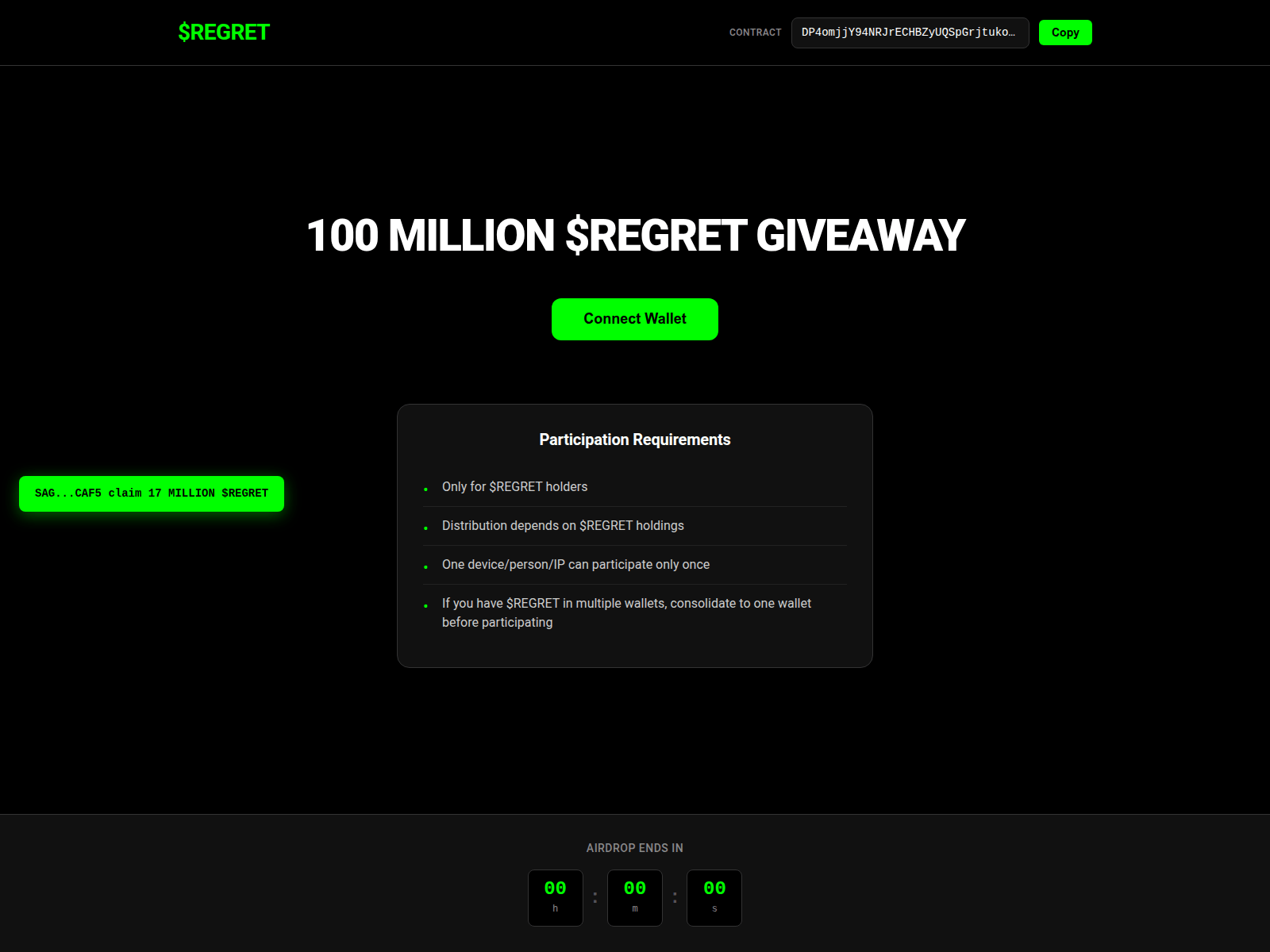
regretgift.top
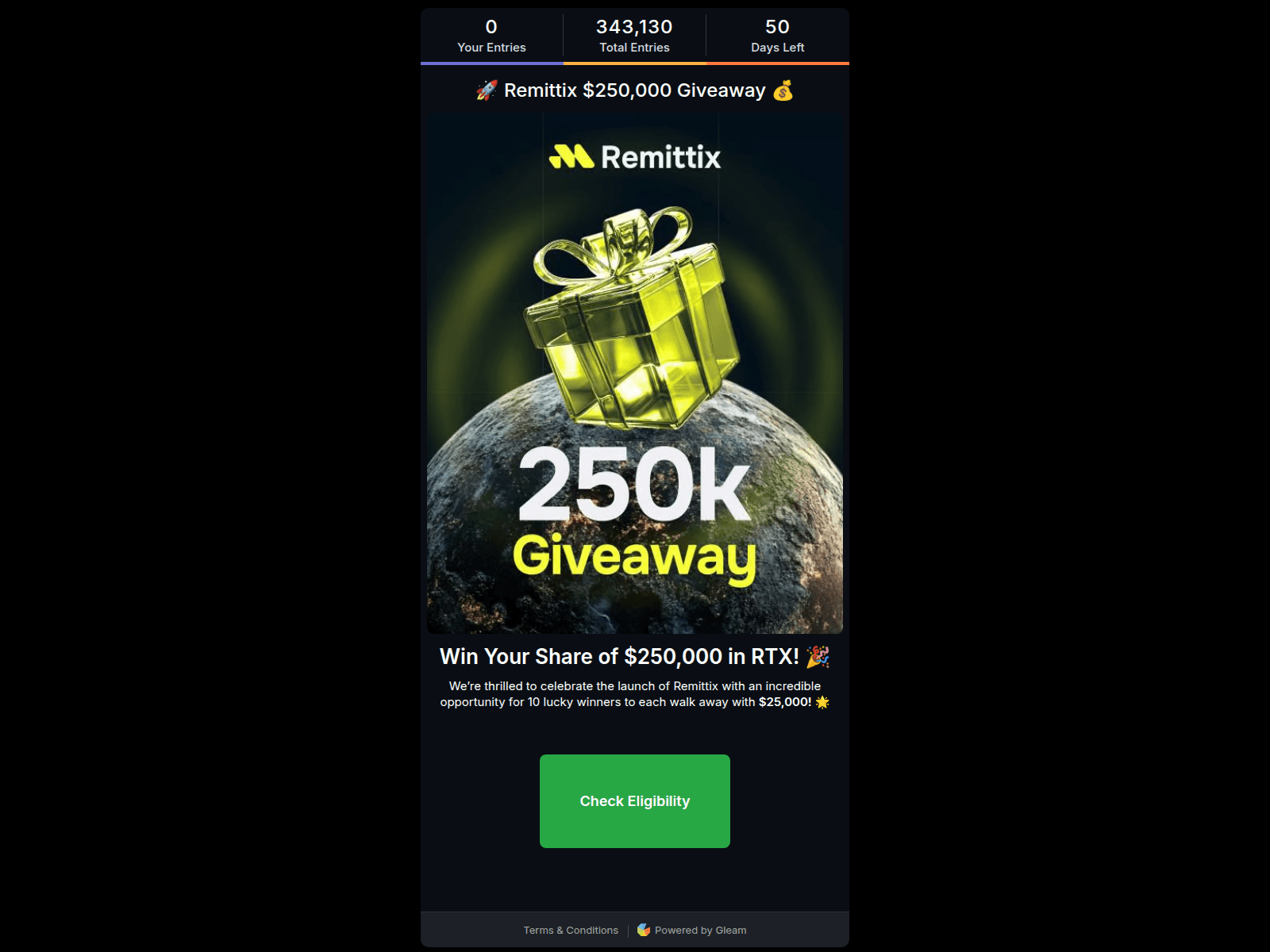
remittix-gleam.token-airdrop.com
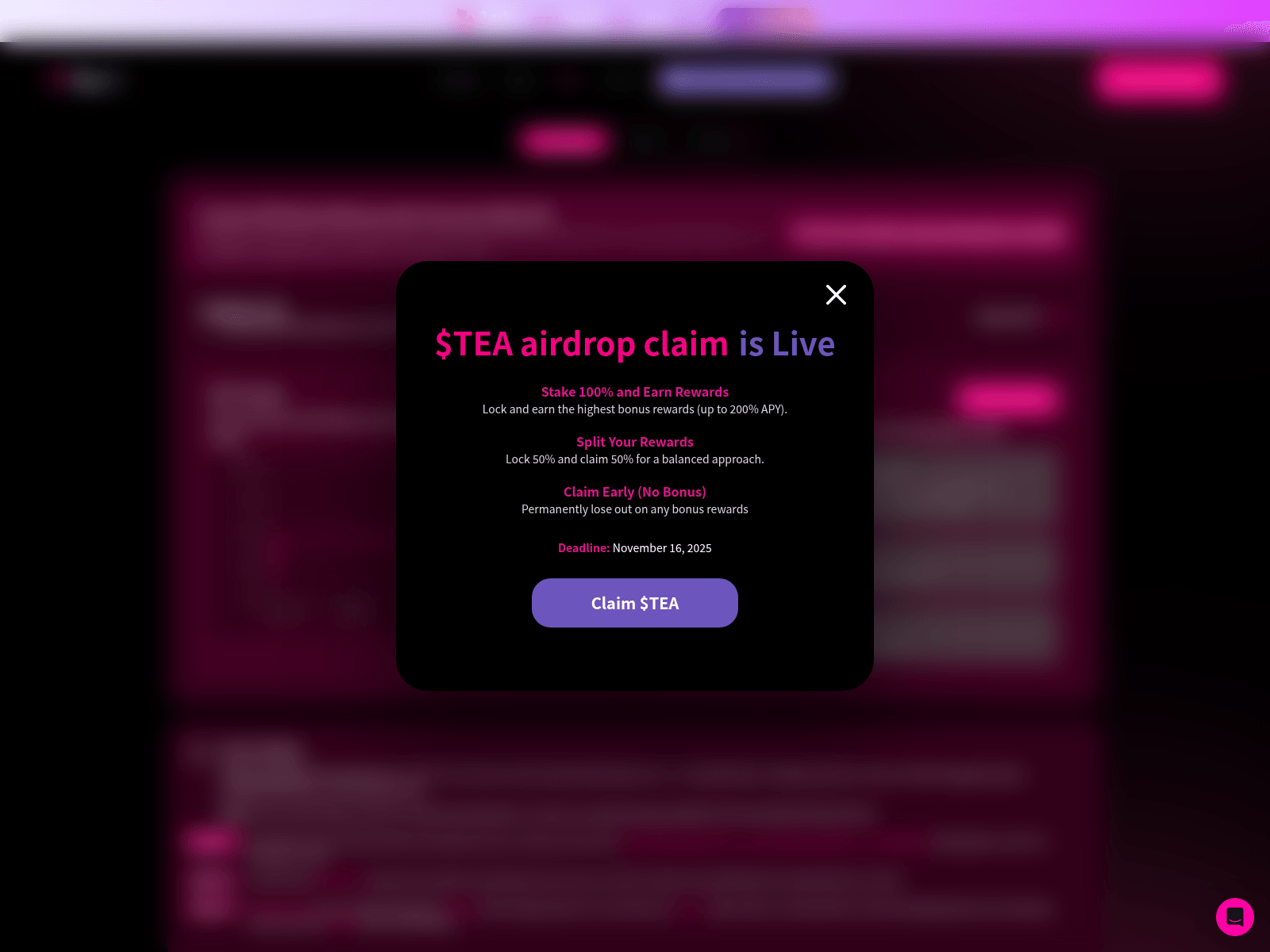
rewards-tea-fi.lol
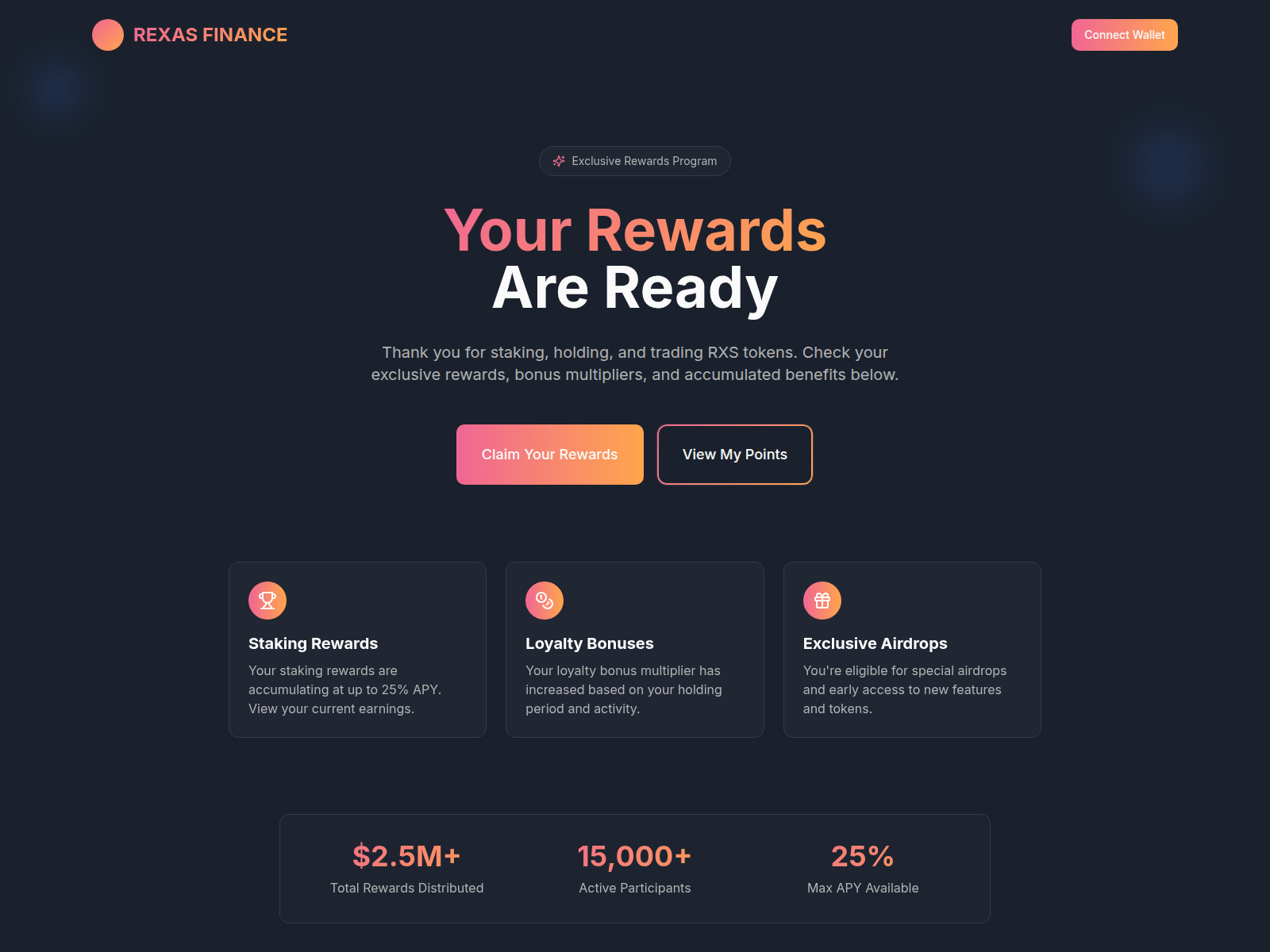
rexasrewards.blog
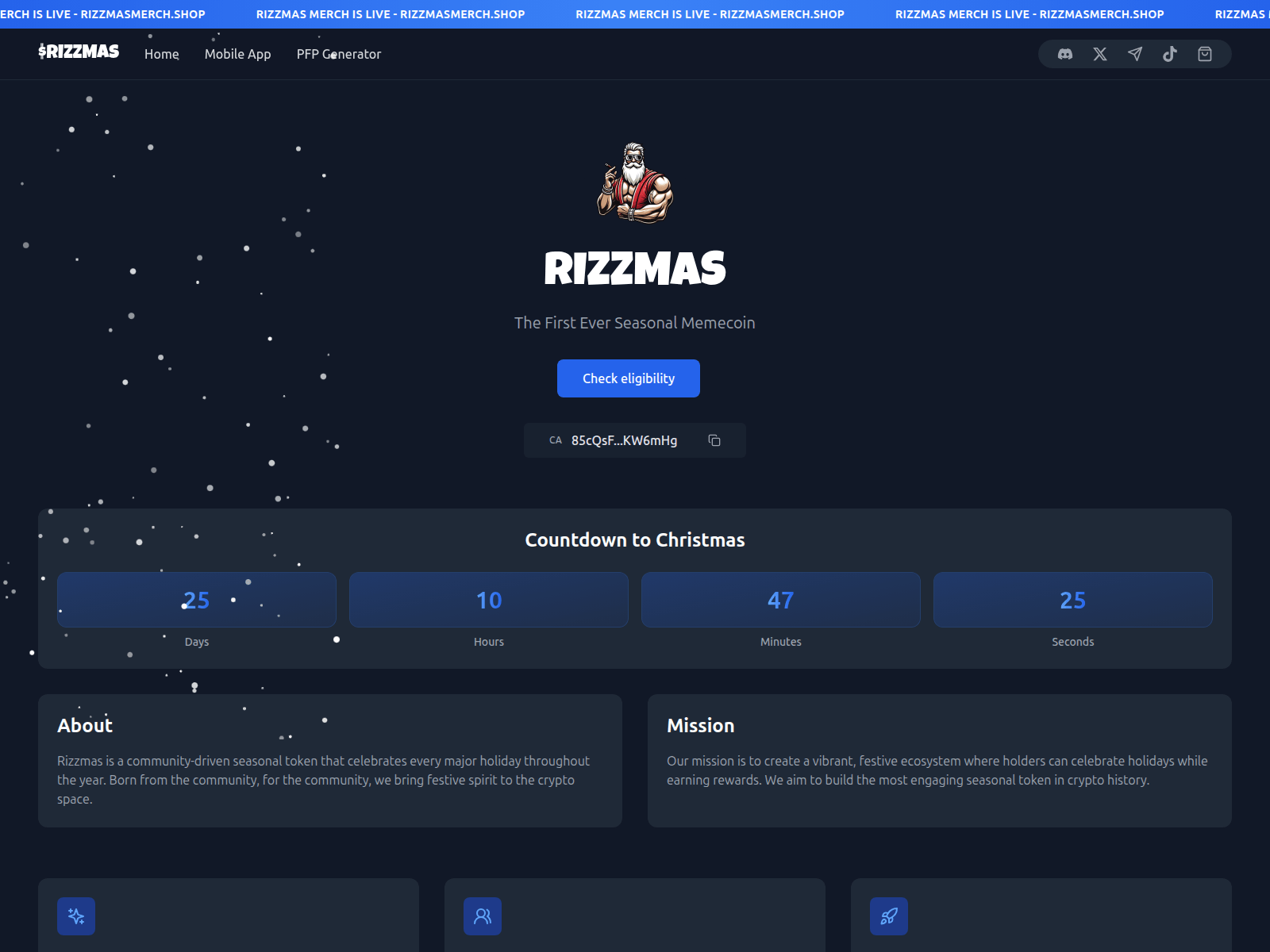
rizzmassolana.net
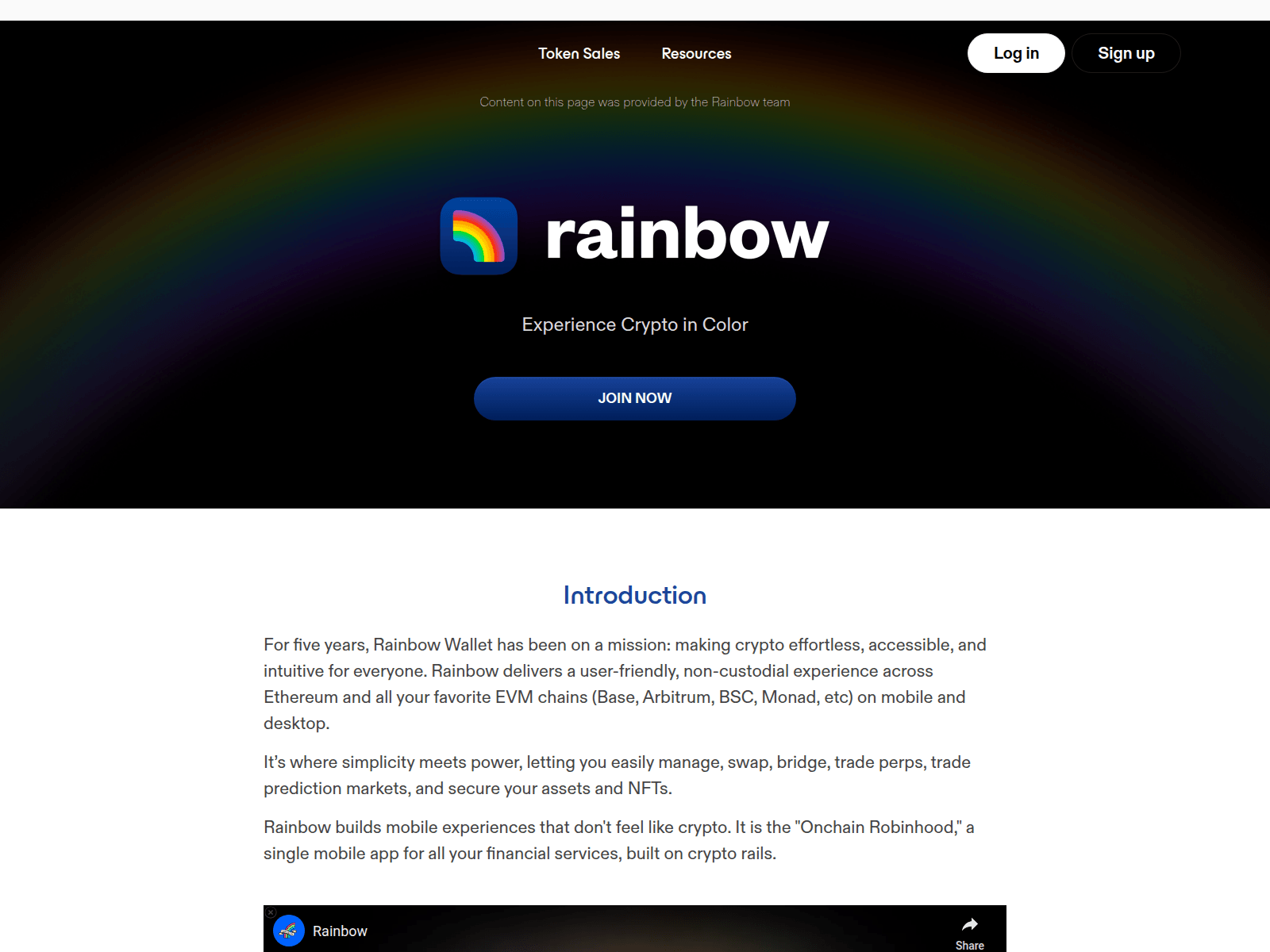
rnbw.rainsbow.xyz
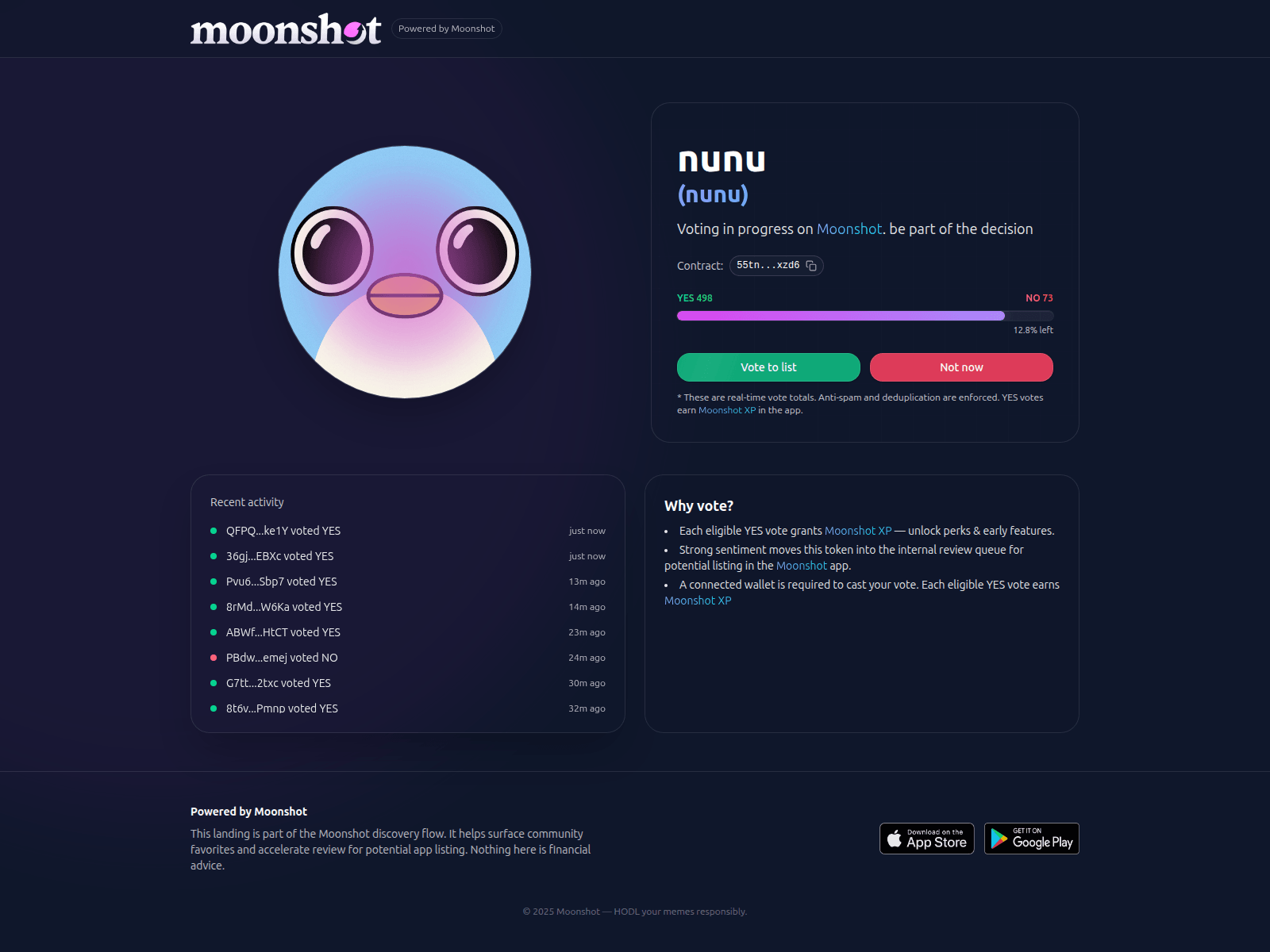
rnoonsshots.com
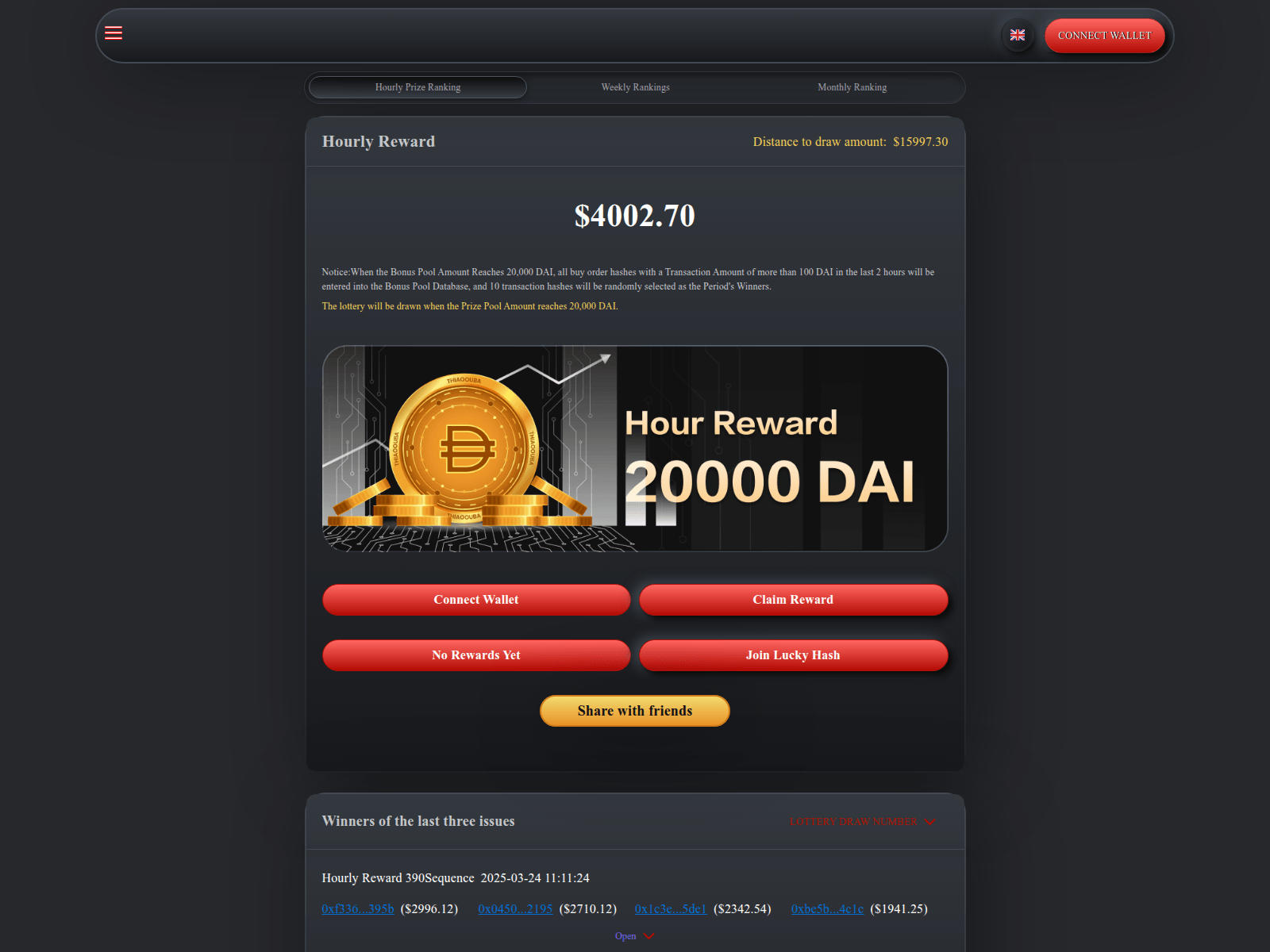
rocket-origindefi.site
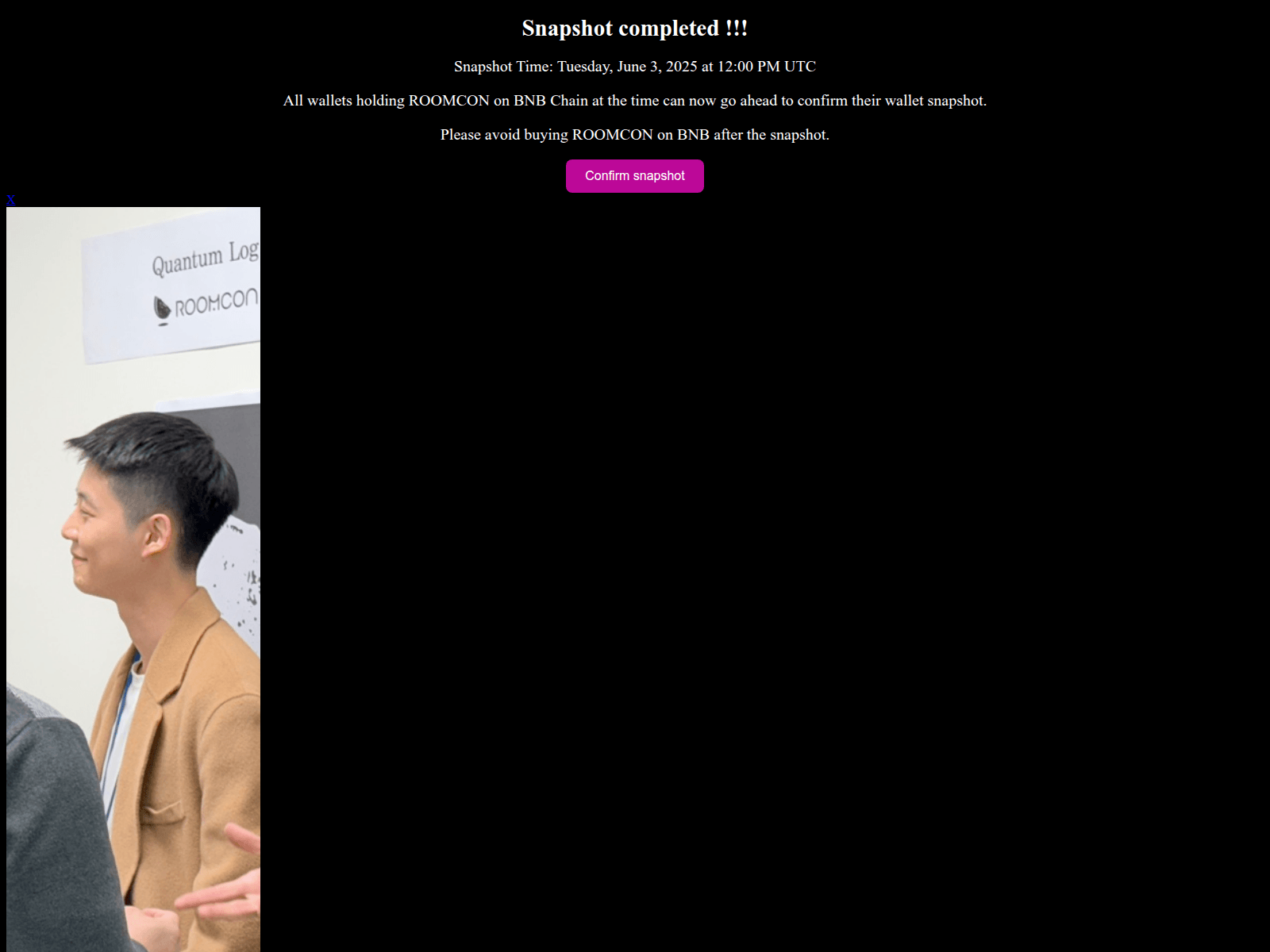
roomconsnapshot.link
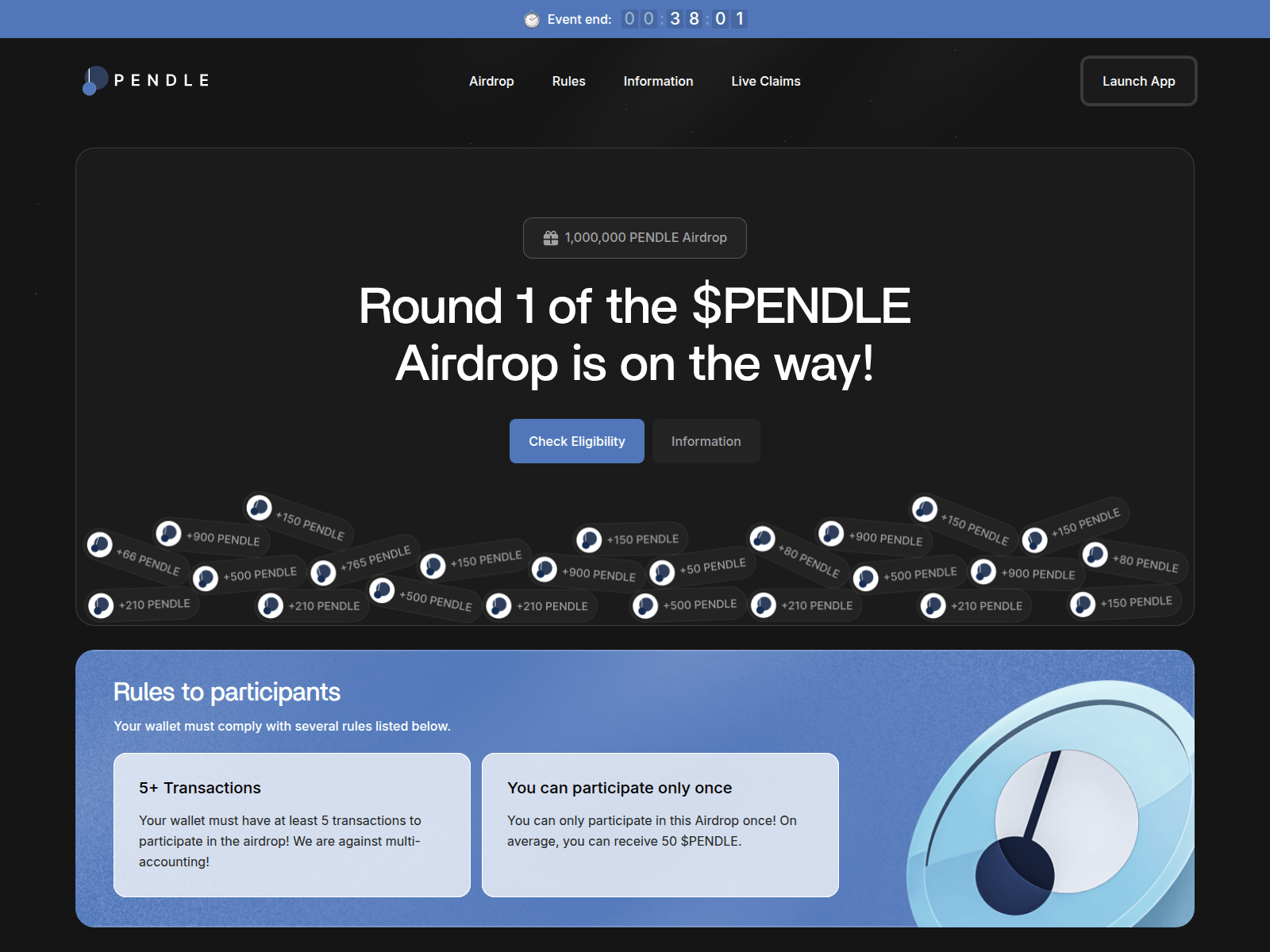
router-v4.xyz
sachi-nft.com
sachicoin.art
sachicoin.lol
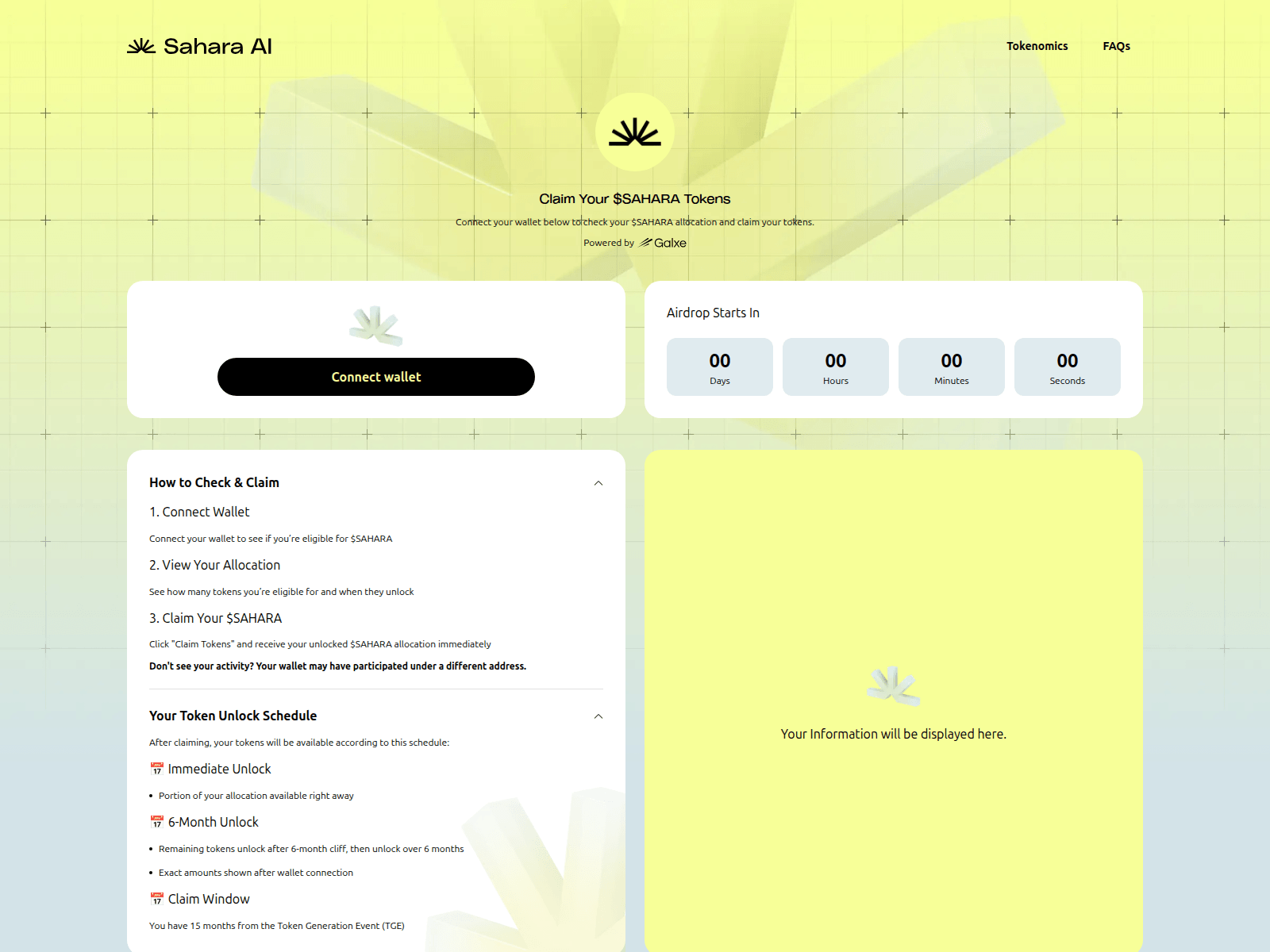
saharaai.click
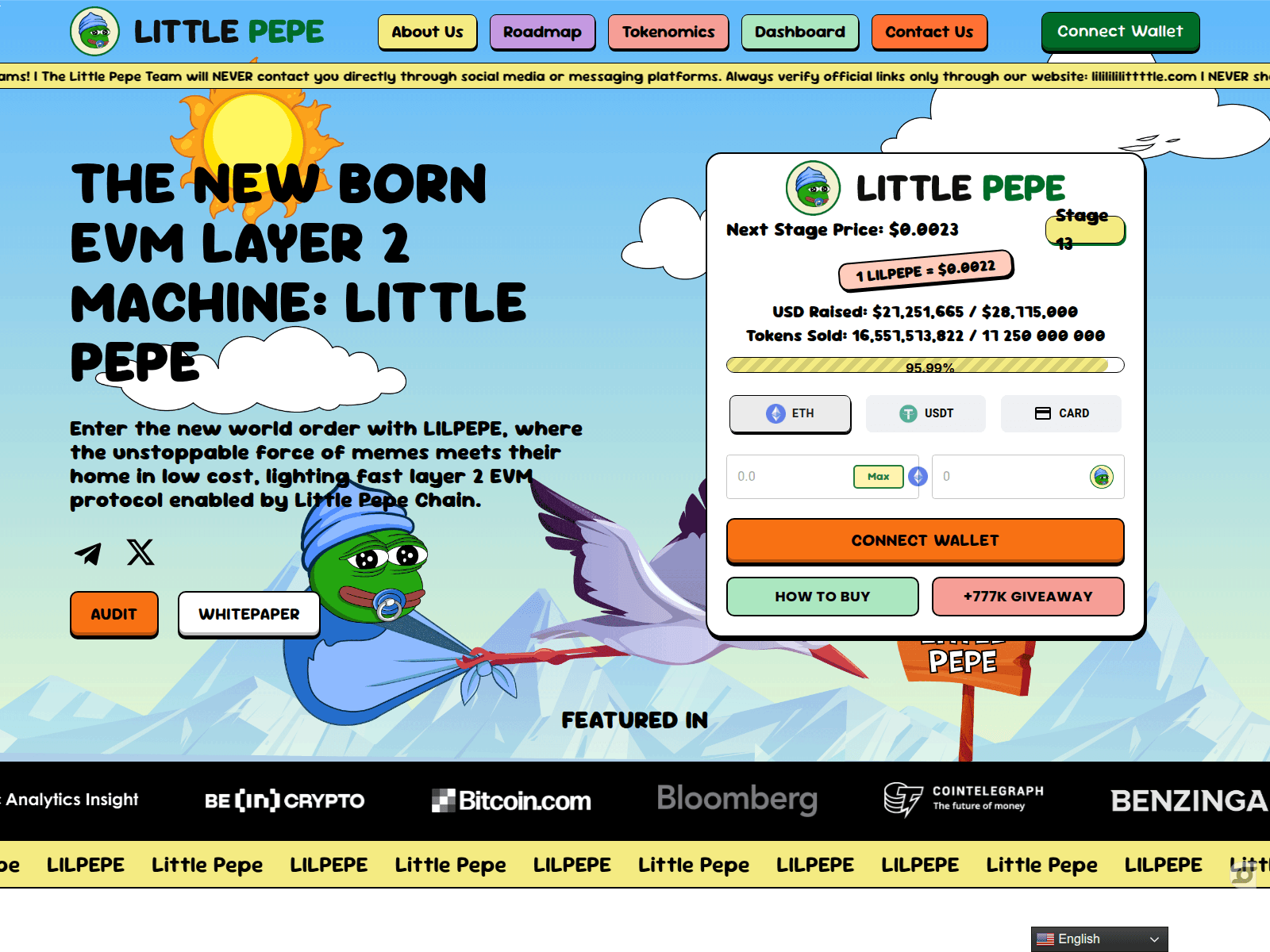
sale.lilttlepepepe.mom
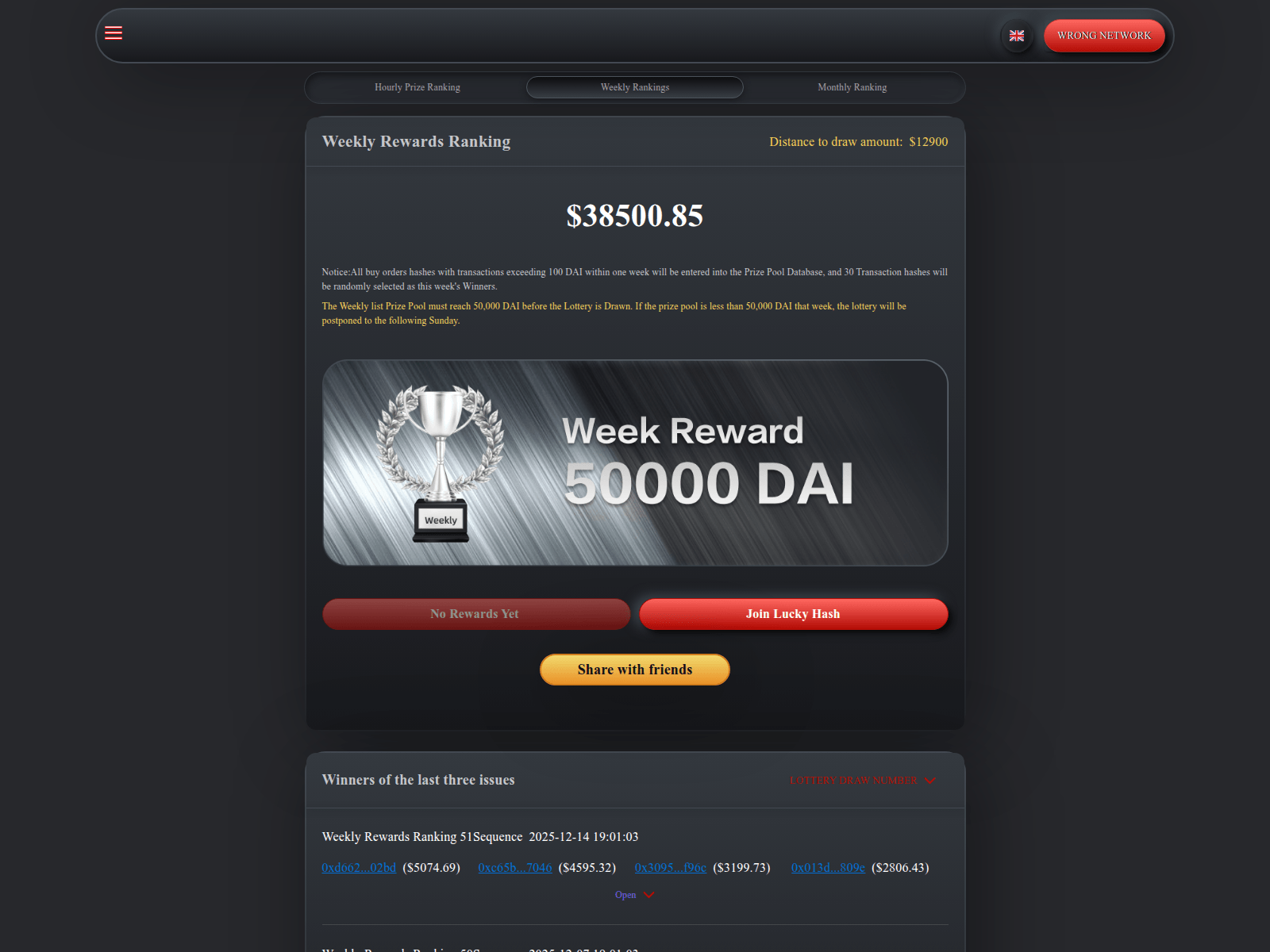
salute-originndefi.org
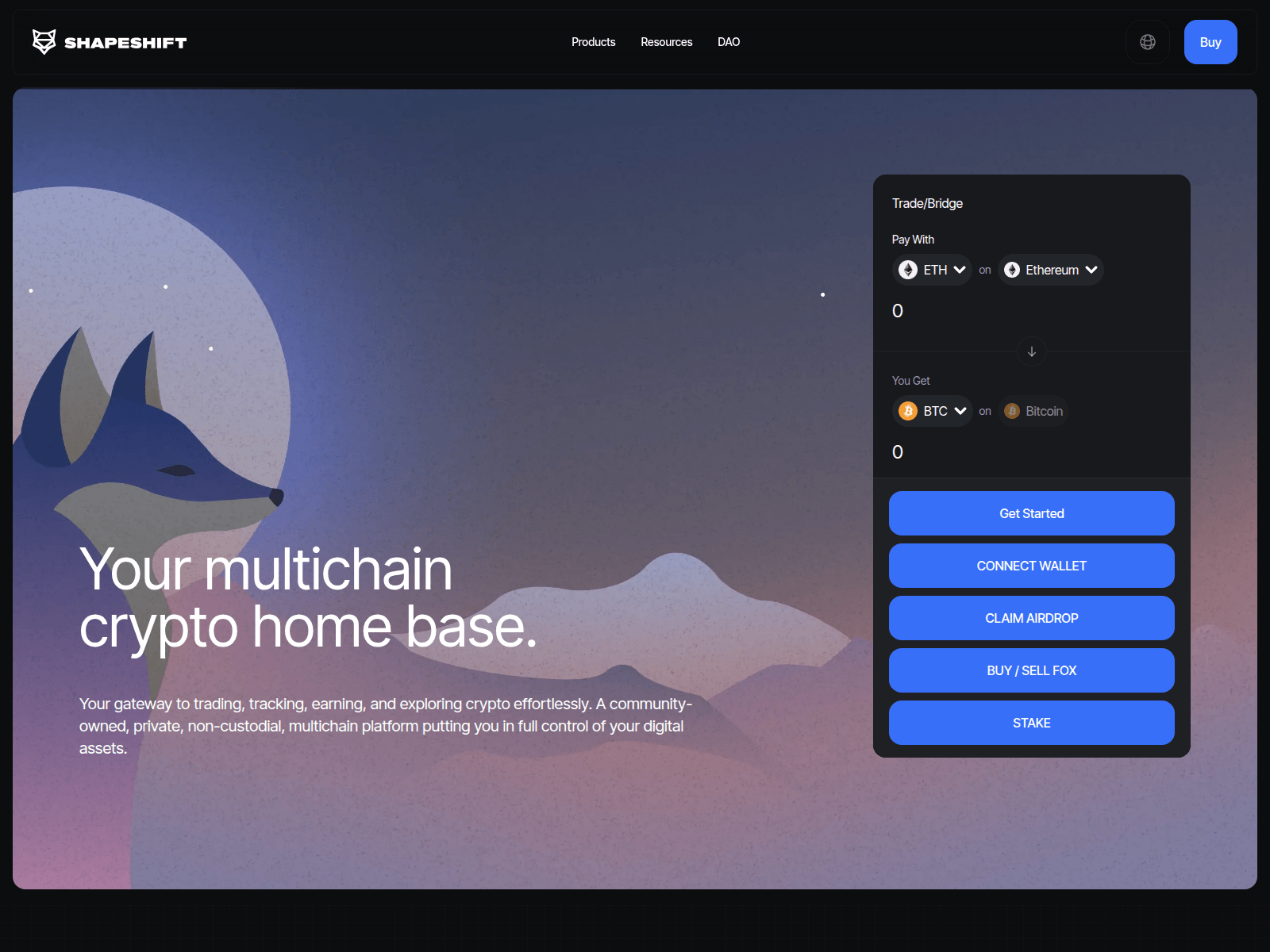
shapeshift.appconnectx.world
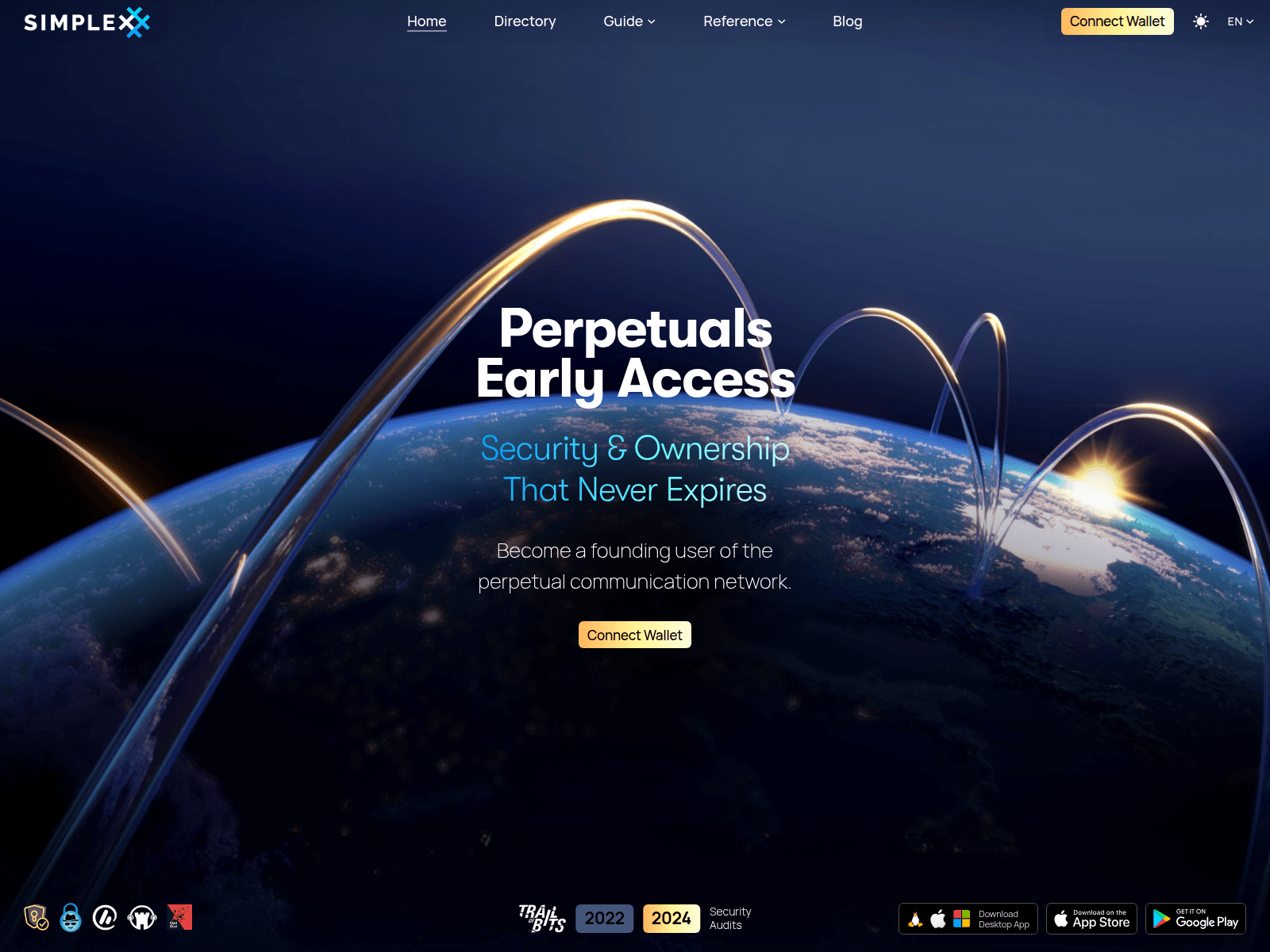
simplexspot.com
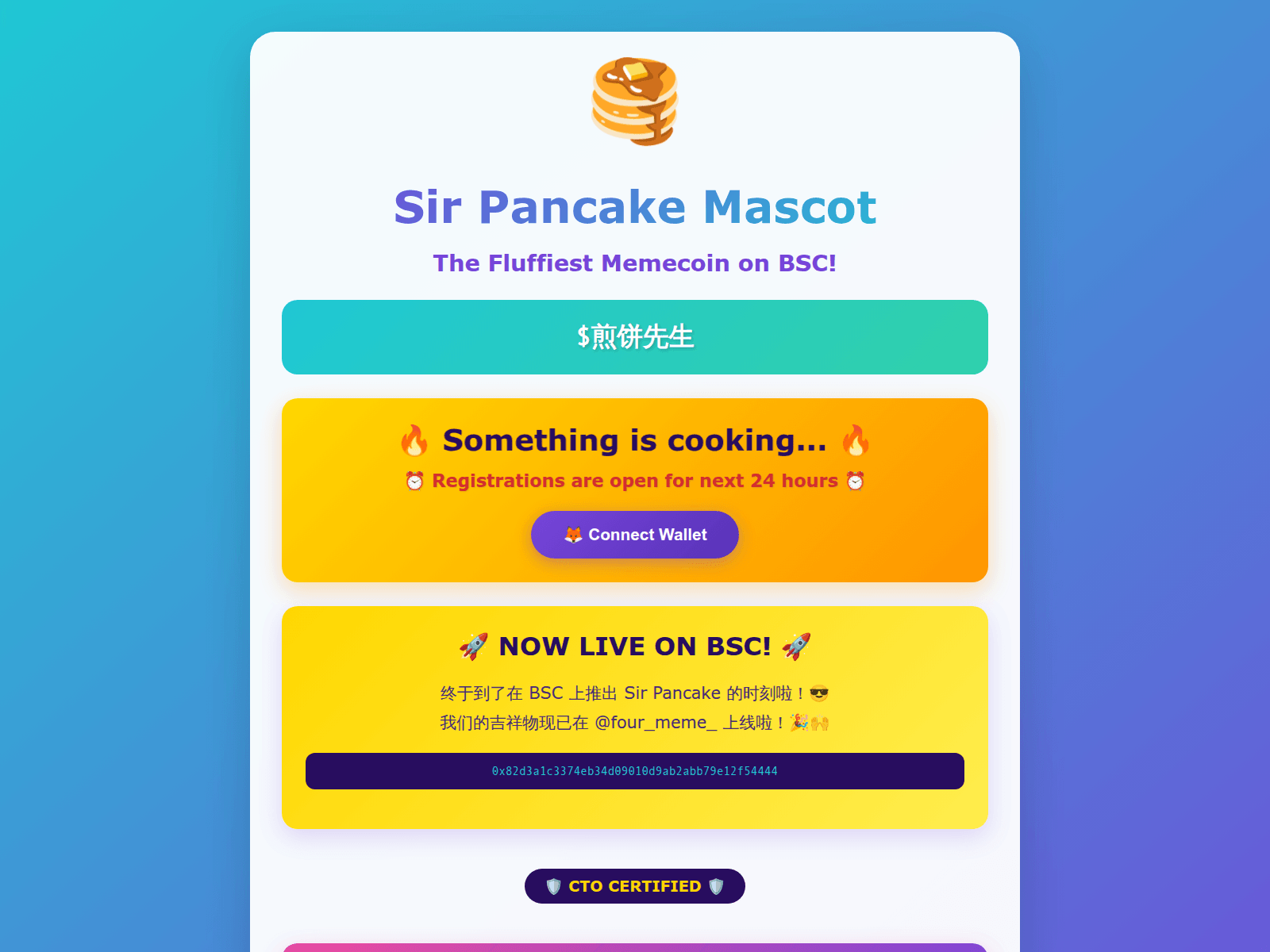
sir-pancake.fun

smartappresolver.app
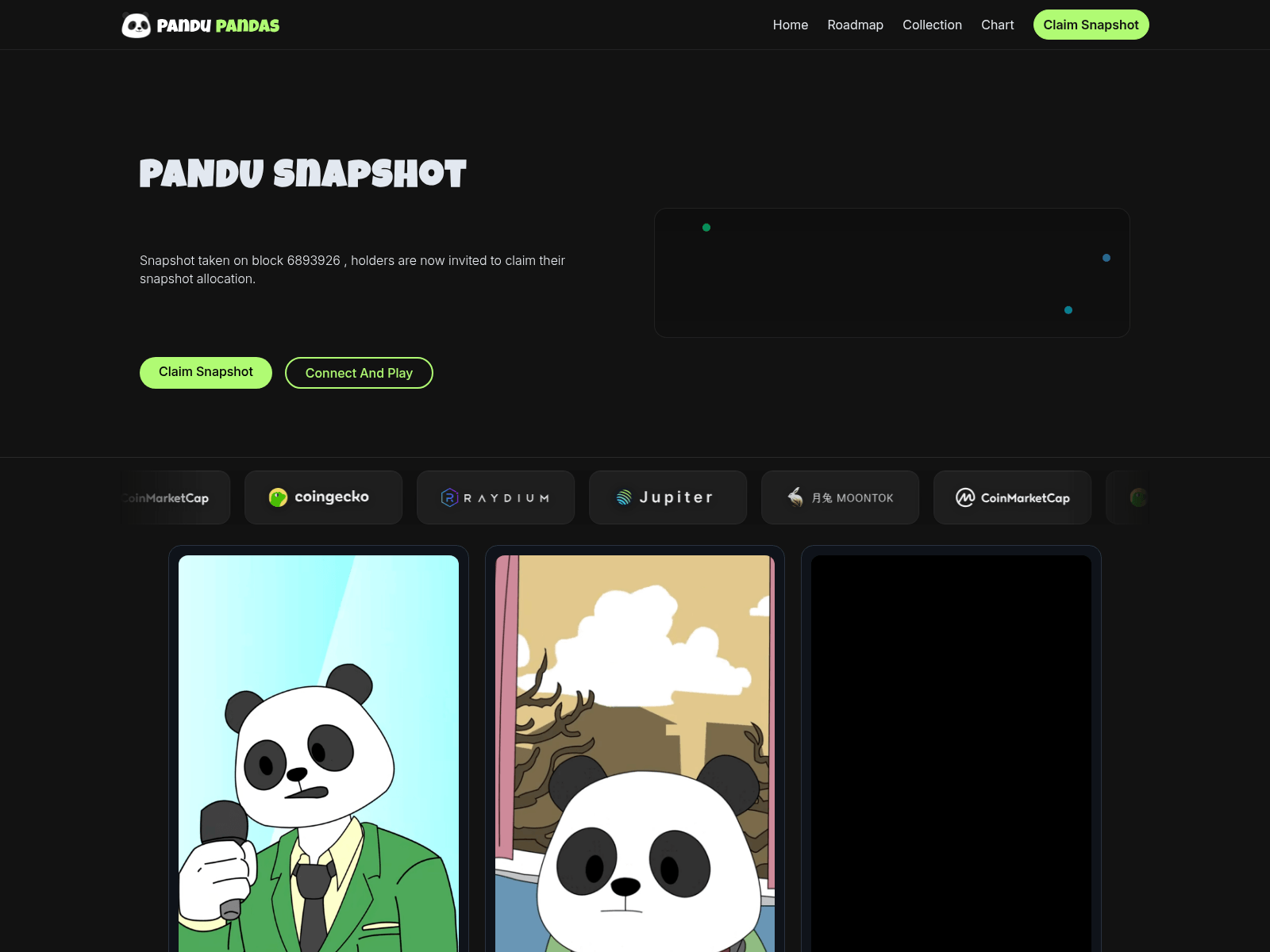
snapshot-pandupandas.com
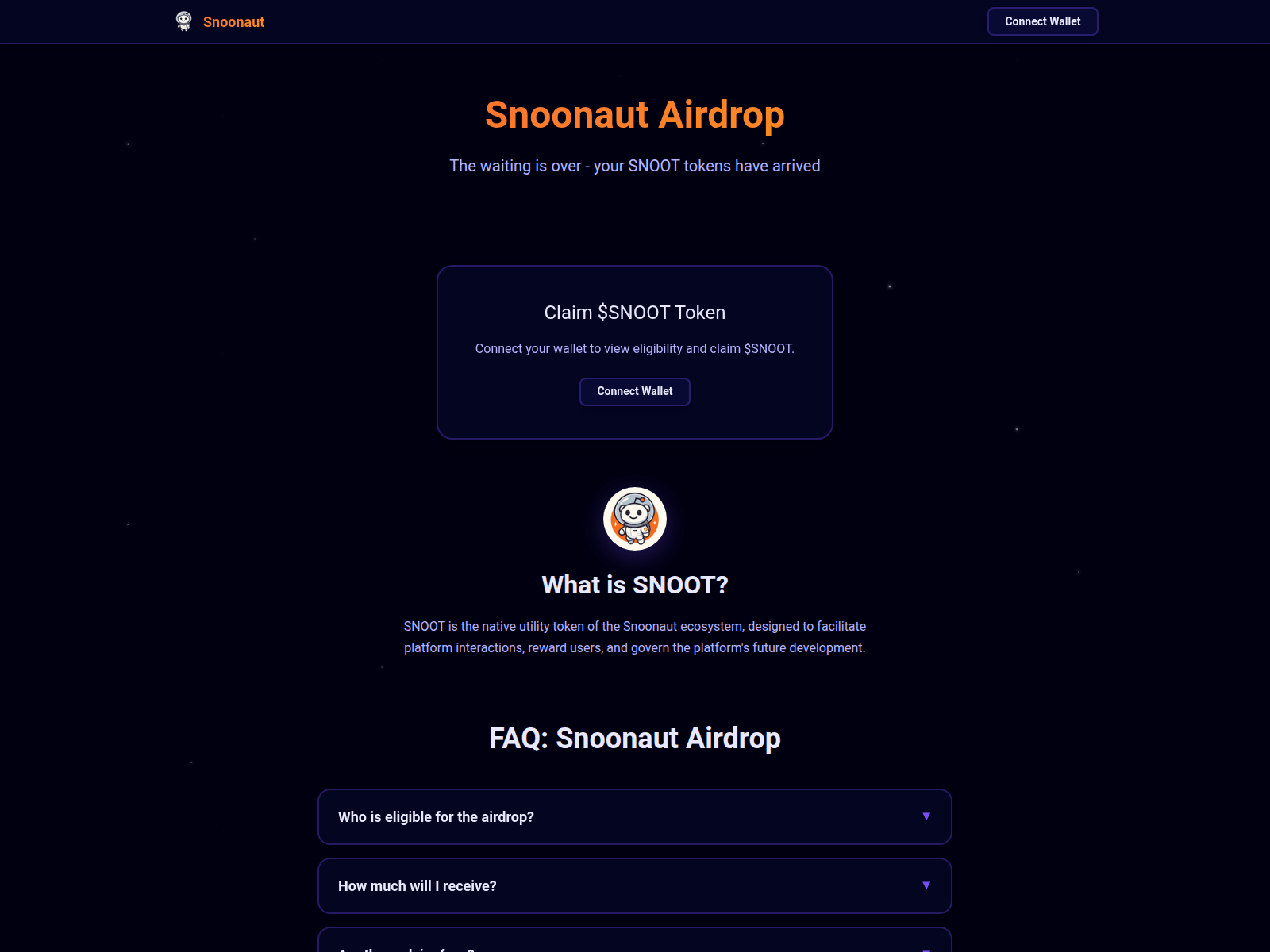
snoopaut.space
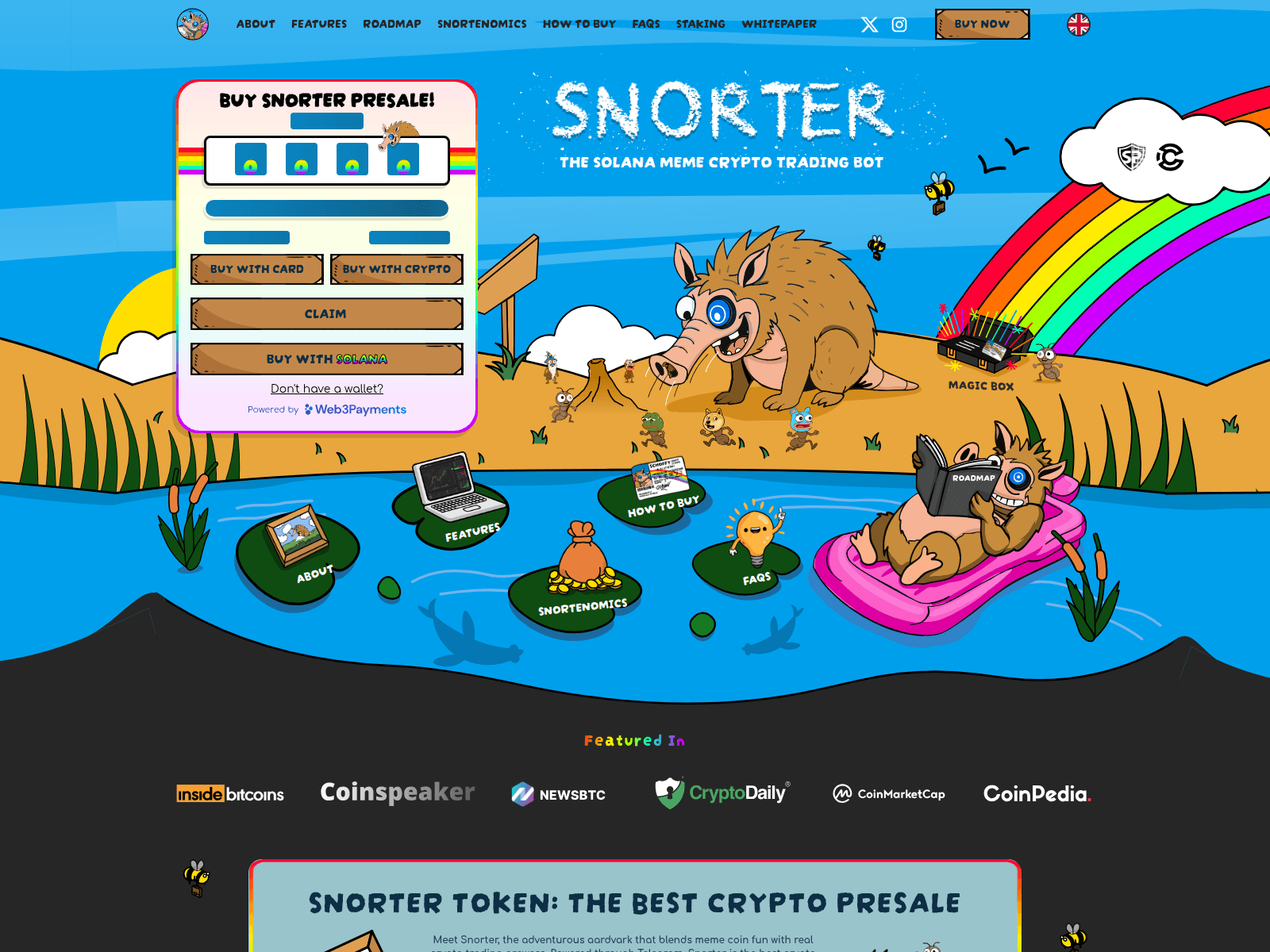
snorterstoken.live
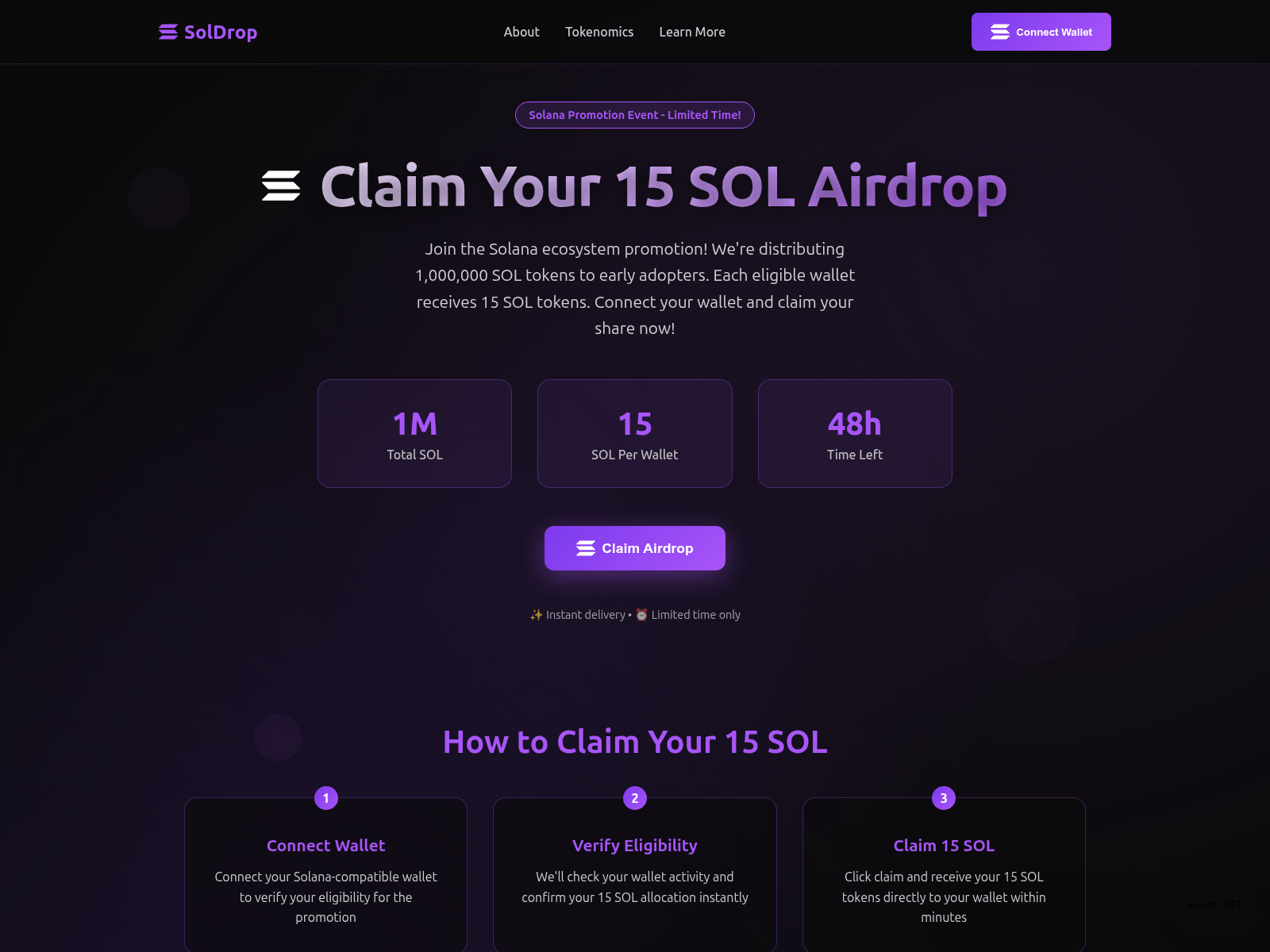
solana-2025.fun
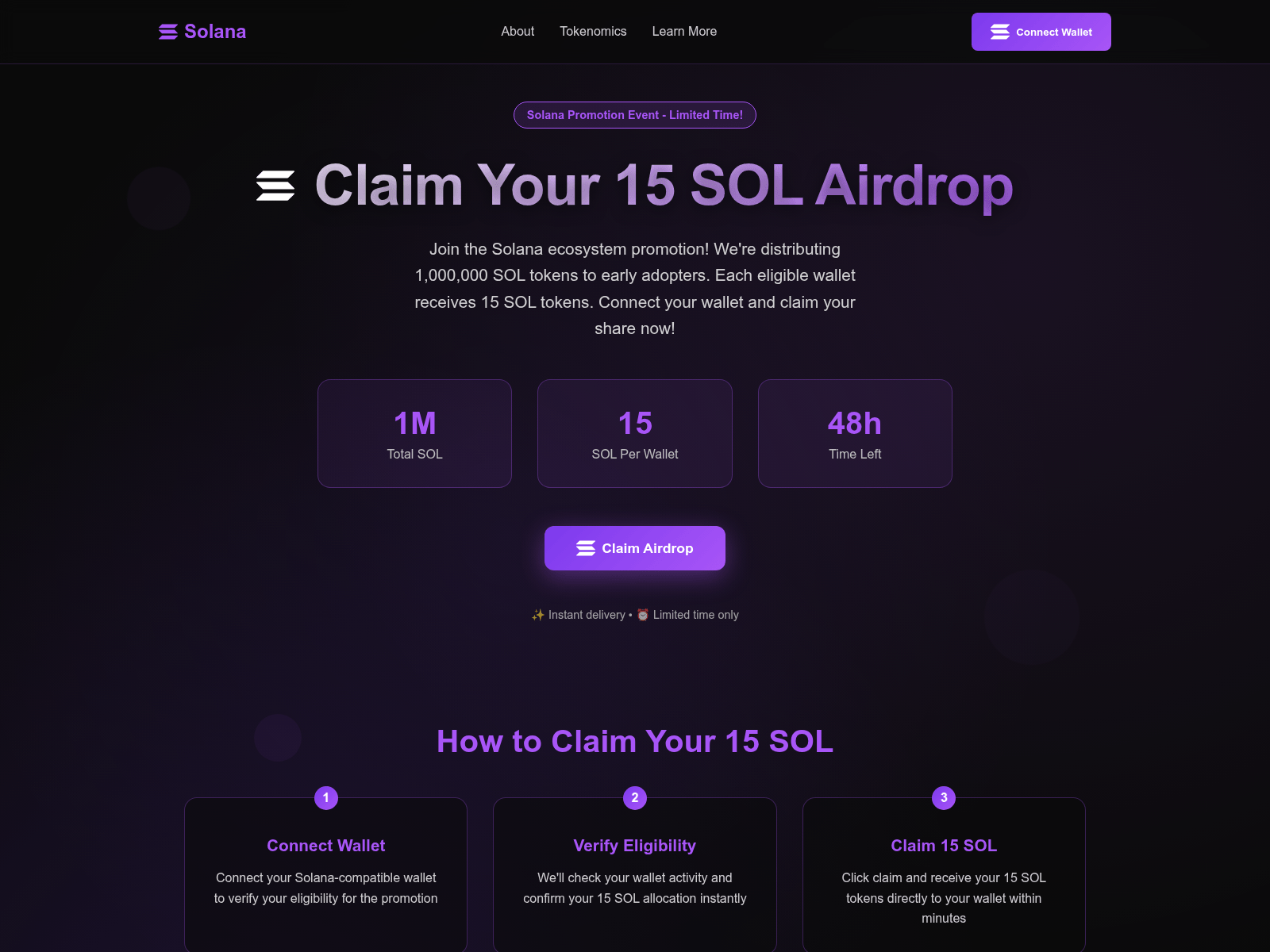
solana-claim.org
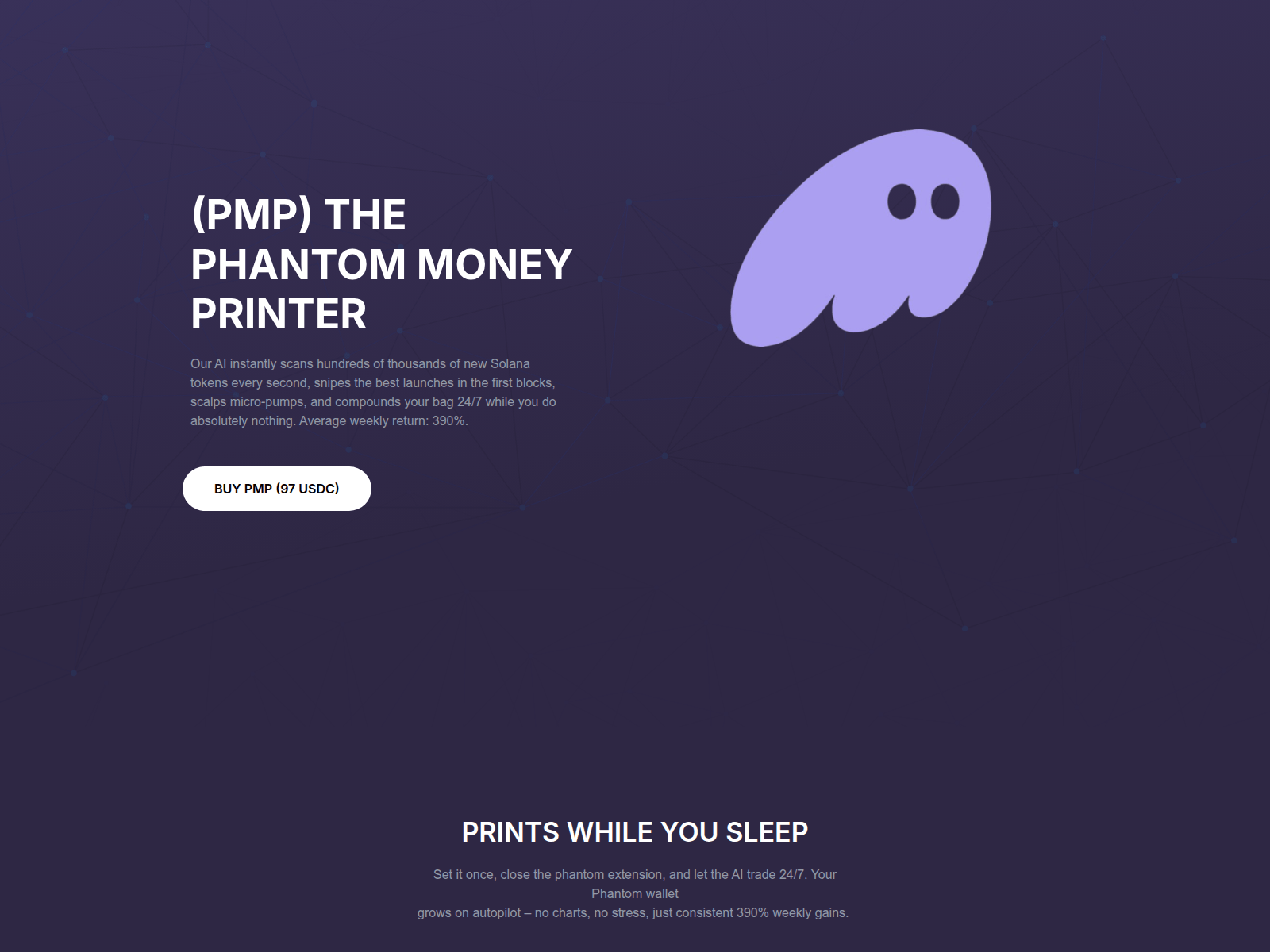
solanapmp.com
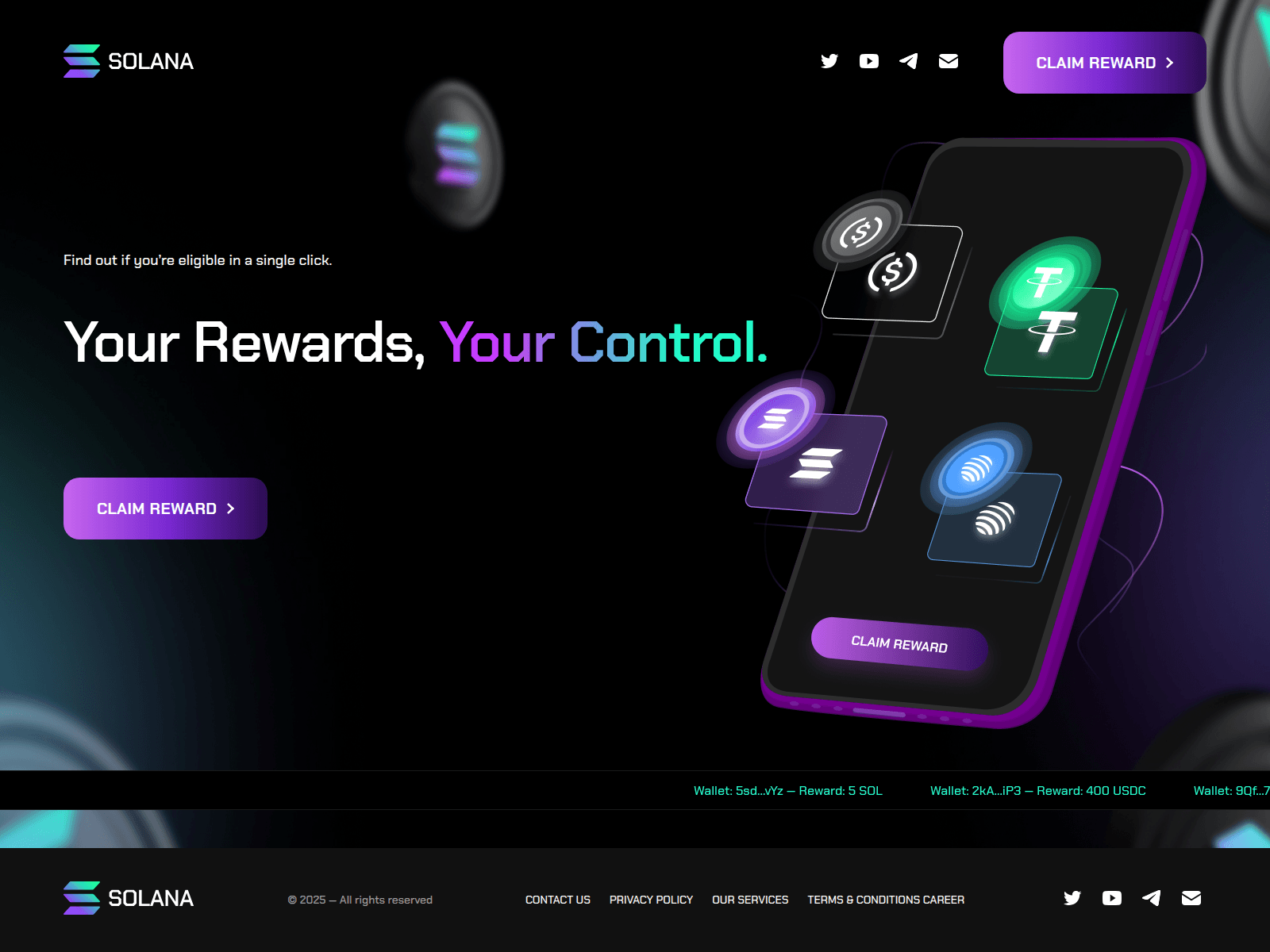
solanarw.lol

solanastake.org
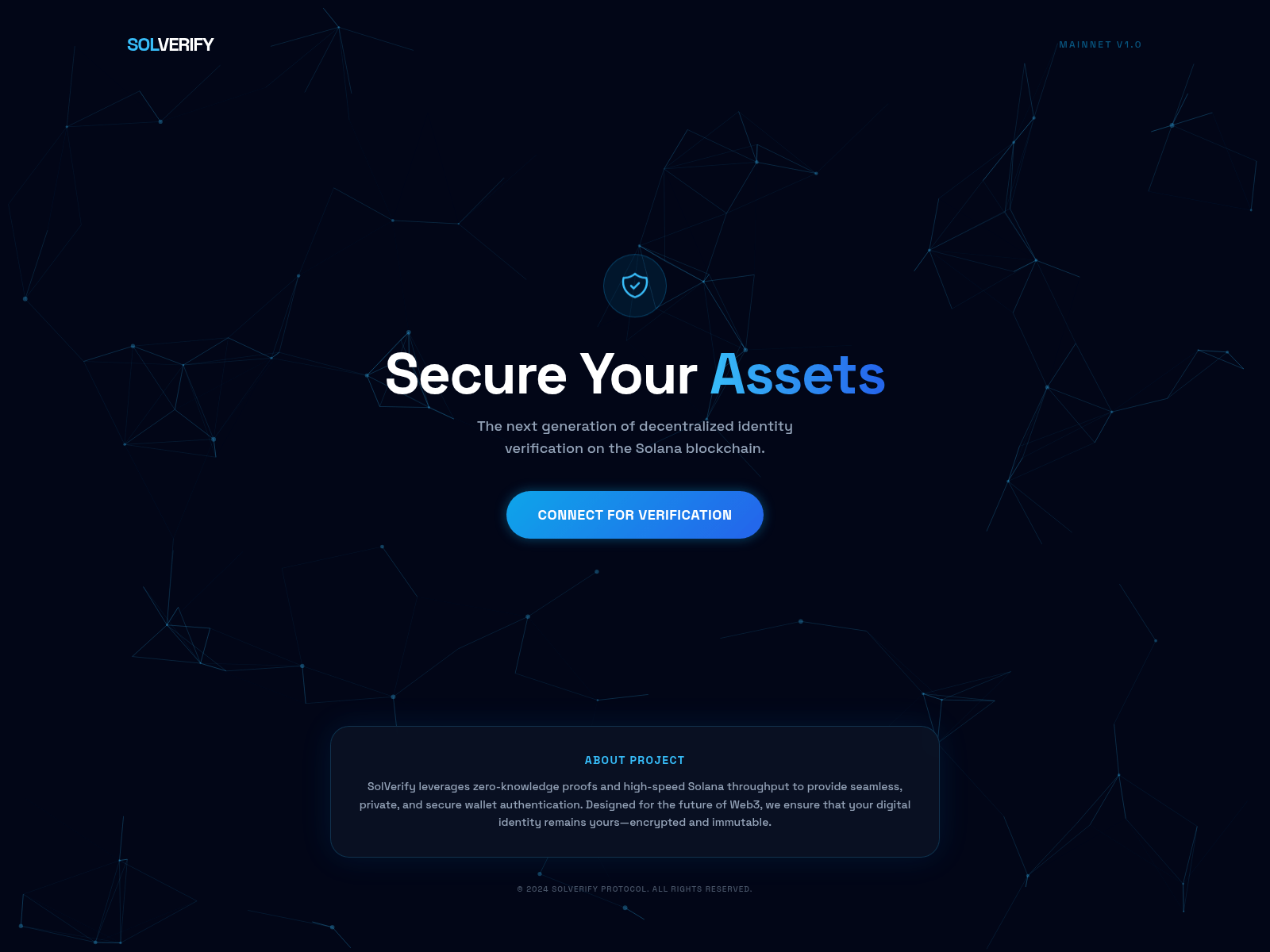
solverify.app
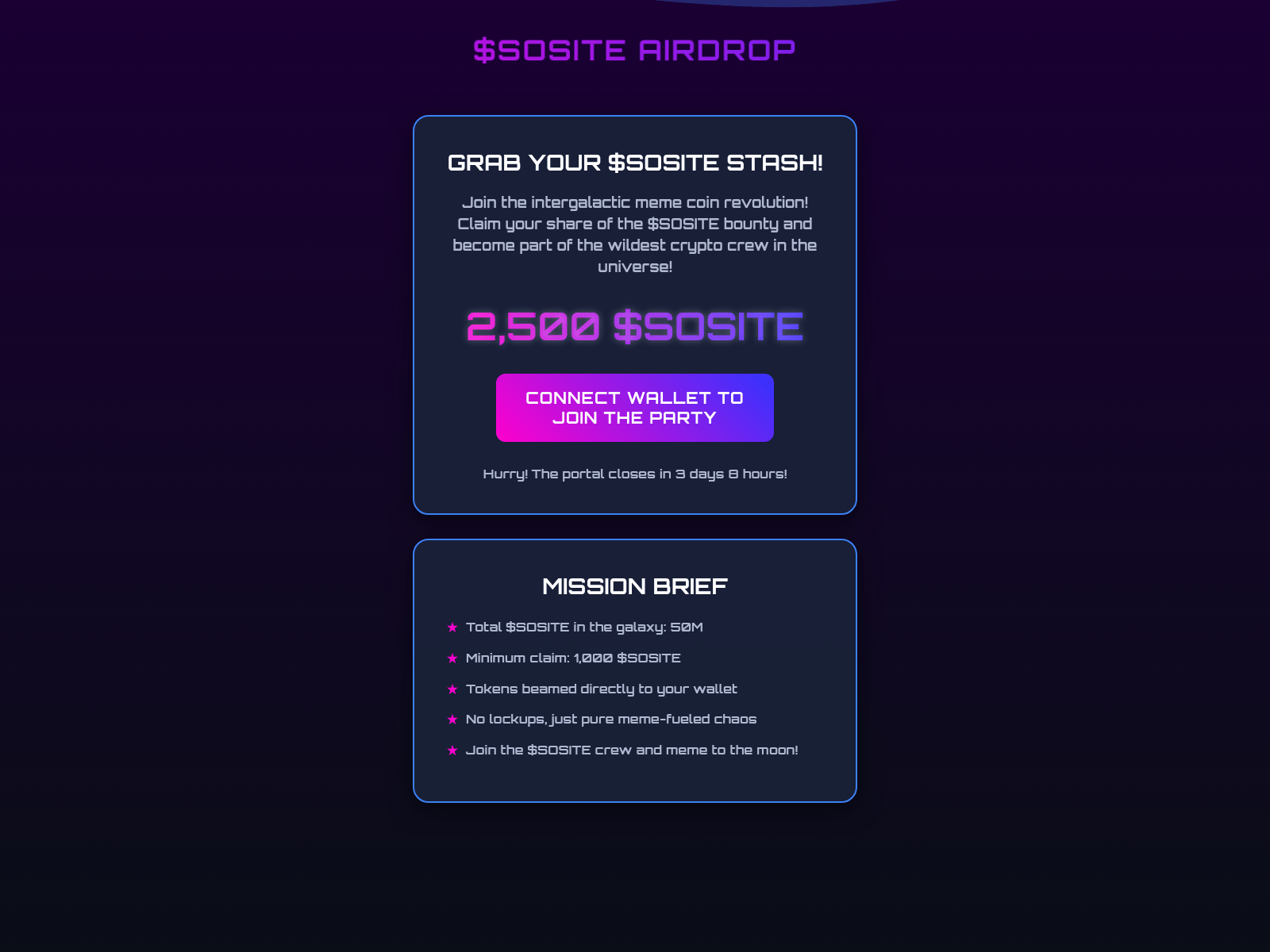
sosit3.github.io
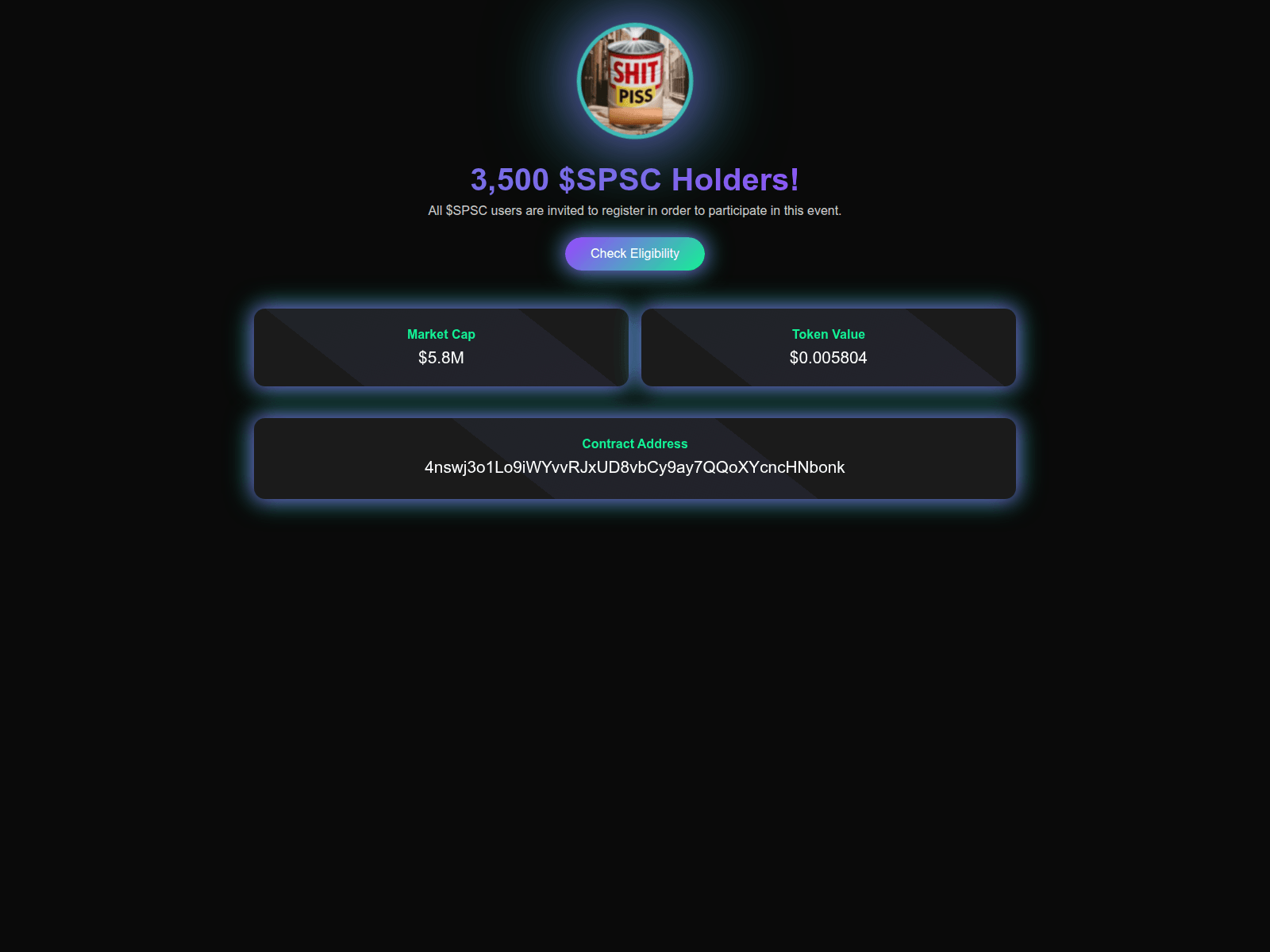
spscsolana.com
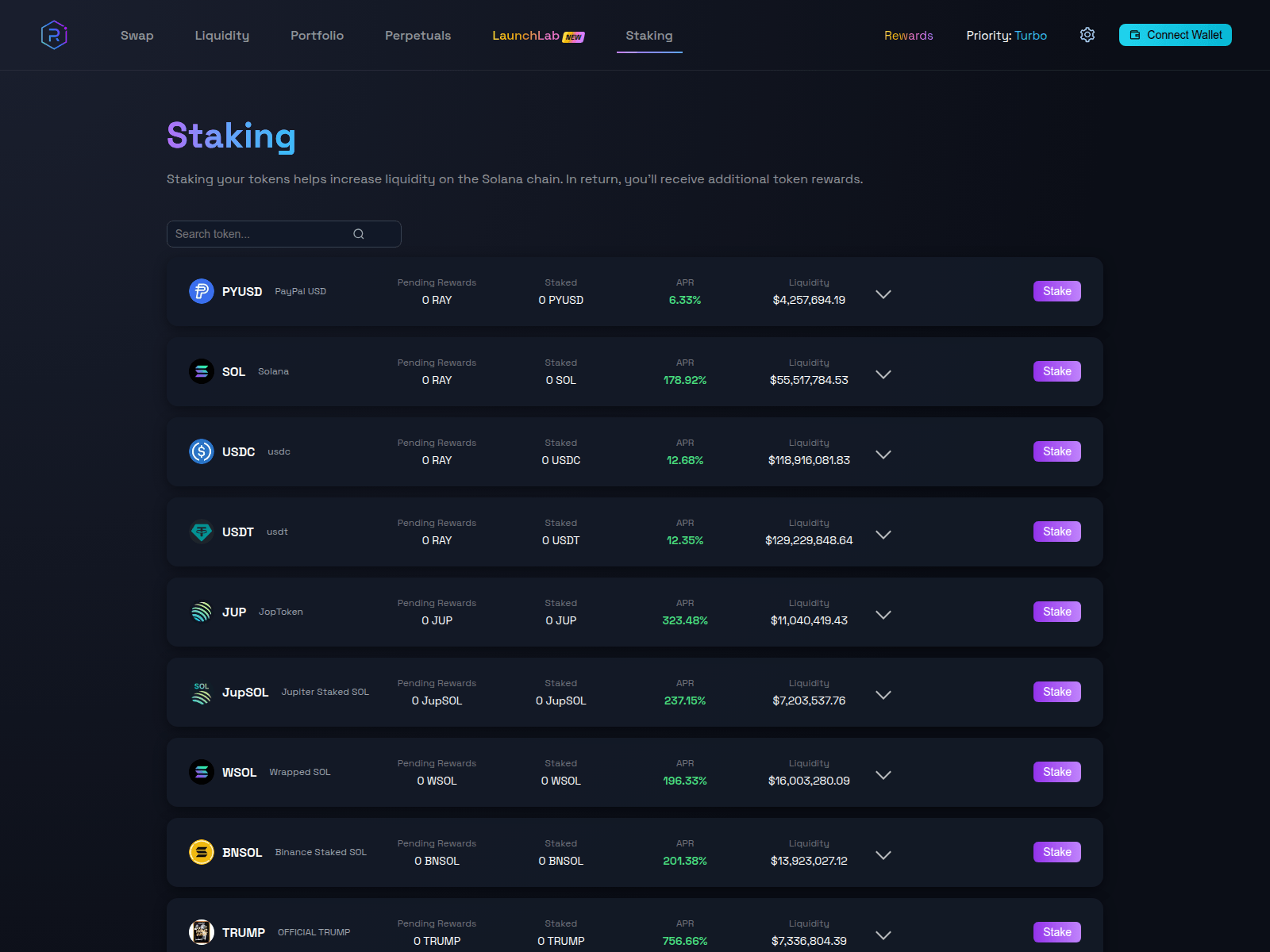
stake.raydium.cash
脅威対応 Pipeline
このハブ内の各ドメインがどのように検証され、確認された脅威がどのように無力化されるのか。 パイプラインの完全な可視化 →
脅威インテリジェンスの確認— すべてのドメインについて、以下の項目との照合・確認が行われます:
urlscan.ioスクリーンショット · DOM · HTTPVirusTotal90+ AV enginesGoogle Safe BrowsingTransparency レポートCloudflare RadarDNS · certs · categoriesAlienVault OTXThreat-intel pulsesウェイバック・マシンHistorical evidenceabuse.ch ThreatFoxIOC correlationcrt.shCertificate TransparencyDNS セキュリティ FiltersQuad9 · AdGuard · CleanBrowsingWeb-確認Full surface scan
 crt.sh
グローバルベンダー同期— 検出が確認されたデータは、29のパートナーにプッシュされます:
GoogleSafe BrowsingGoogleWeb Risk APIMicrosoftSmartScreenVirusTotalDetection feedCloudflareRadar / 1.1.1.1YandexSafe BrowsingURLScan.ioPublic scanESETWebGuardビットディフェンダーThreat exchangeNortonSafe WebSymantecサイトレビューAviraCloud detectionAvast / AVGWeb ShieldカスペルスキーOpenTIPDr.WebOnline scannerネットクラフトテイクダウン APIPhishTankVerified voteAPWG eCXBulk feedPhishStatsOpen feedPhish.レポートHosting abuseSpamhausDBL feedPolySwarmMarketplaceCheckPhishBolster scanQutteraMalware scanURLquerySandboxCriminal IPAsset intelCRDFThreat CenterScamadviserTrust scoreMyWOTWeb of Trust