strikebet.pro
  rainbet-aust.com
  pumplive.solstream.cc
ABUSE NOTICE · 7D+ OPEN
Outgoing abuse reports are recorded; the latest stored availability evidence still shows the domain reachable.
Notification and current-status evidence
The sent-report ledger records the first outgoing report at . A report was sent to the recorded registrar; contact details remain in Domain Intelligence. The latest stored availability evidence still shows the domain reachable; 7 days has elapsed since the first outgoing report.
ICANN RAA §3.18 describes registrar abuse-contact and handling obligations. This section records outgoing timestamps and later availability. It does not by itself prove receipt, acknowledgement, investigation, remediation, or contractual non-compliance.
Elapsed since first report
7 days
Reports sent
1
Current status
HTTP 200 at latest stored check
Sicurezza del dominio e intelligence sulle minacce

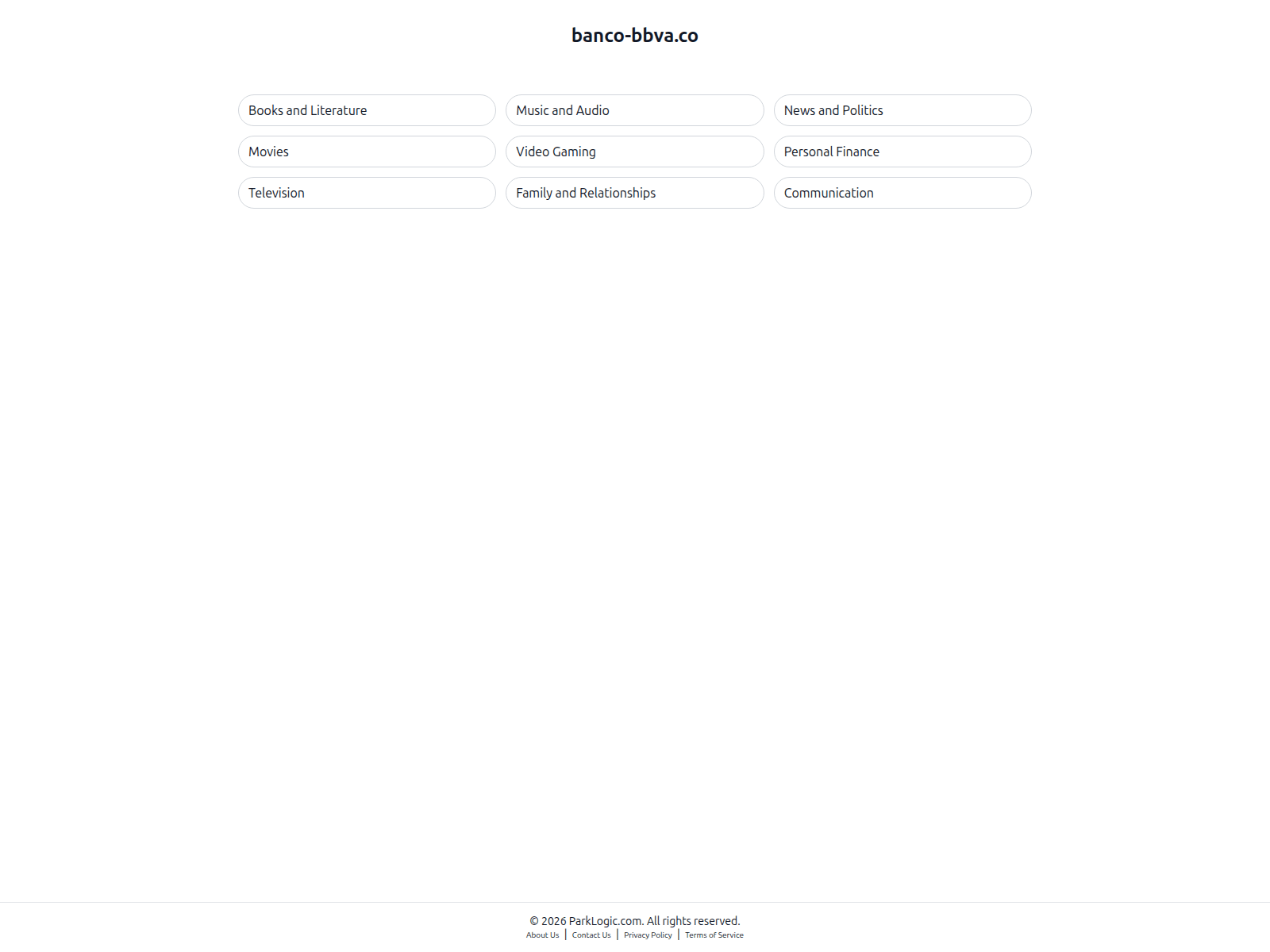
banco-bbva[.]co
“Redirecting...”
Verdetto di minaccia
Critico
Punteggio delle prove 83/100
Disponibilità
Ultimo attivo conosciuto
Ultima osservazione di raggiungibilità memorizzata
Segnali di rischio
Rilevamenti VirusTotal: 6/91
Dominio giovane: 13 giorni
Ultimo attivo conosciuto
Riepilogo delle prove
CRITICO
Analysis of the domain banco-bbva.co, observed on 2026-08-04, indicates that it is currently employed in a generic phishing campaign. The domain was submitted to VirusTotal where it was examined by 91 AV engines; at the time of analysis none of the engines reported a detection. While the absence of detections does not constitute evidence of benign intent, it also shows that automated signatures have not yet flagged the payload associated with this host. The domain appears on a single public security blocklist and is actively blocked by the PhishDestroy service, demonstrating that external threat-sharing platforms have identified it as malicious.
No additional infrastructure details such as hosting IP, autonomous system number, country of registration, SSL certificate information, HTTP response codes, or Safe Browsing status are available in the current intelligence set. Likewise, page-title metadata, brand attribution, or evidence links have not been disclosed, leaving the content of the site unverified. The limited visibility suggests that the phishing operation may be using a short-lived or dynamically rotated hosting environment, which can hinder rapid fingerprinting.
Defenders should treat banco-bbva.co as a high-confidence indicator of phishing activity and implement preventative controls: add the domain to network-level deny lists, update URL filtering policies, and monitor DNS query logs for any resolution attempts. Incident response teams should collect any available network traffic that references the domain for further forensic examination, and threat-intel feeds should be consulted for any emerging indicators that may augment the current profile. Continuous re-assessment is recommended, as future scans may yield detections once payloads are shared with analysis engines.
Istantanea delle prove inviate
- Inviato
- Voci del registro
- 1
- ID del caso
PD-20260804-519A3B- Artefatto PDF
- Prova in PDF
Base giuridica
Testo completo delle prove
Policy Violations:
Illegal Activities: Active phishing operation targeting victims
Fraud & Deception: Impersonation of legitimate services
Identity Theft: Collection of credentials under false pretenses
Applicable Laws (US):
18 U.S.C. § 1343 - Wire Fraud
18 U.S.C. § 1030 - Computer Fraud and Abuse Act (CFAA)
15 U.S.C. § 45 - FTC Act (Deceptive Practices)
Federal laws prohibit wire fraud, computer fraud, and deceptive business practices.
Action Required: This evidence-backed report demonstrates clear violations requiring suspension per your policies. Continued hosting exposes your organization to regulatory scrutiny and potential legal liability.
Illegal Activities: Active phishing operation targeting victims
Fraud & Deception: Impersonation of legitimate services
Identity Theft: Collection of credentials under false pretenses
Applicable Laws (US):
18 U.S.C. § 1343 - Wire Fraud
18 U.S.C. § 1030 - Computer Fraud and Abuse Act (CFAA)
15 U.S.C. § 45 - FTC Act (Deceptive Practices)
Federal laws prohibit wire fraud, computer fraud, and deceptive business practices.
Action Required: This evidence-backed report demonstrates clear violations requiring suspension per your policies. Continued hosting exposes your organization to regulatory scrutiny and potential legal liability.
VirusTotal
6 det.
Certificato TLS
Scaduto o non verificato
Età
13d Very New!
Stato osservato
Ultimo attivo conosciuto HTTP 200

Elenco da eliminare
Presente
Reports Sent
1
Data Coverage
VirusTotal
6 / 91
URLQuery
checked — no detections recorded
PhishStats
non controllato
OTX
no community references
CF Radar
scan completed
URLScan capture
rapporto memorizzato
URLScan verdict
Analisi completata
Blocchi DNS
non controllato
TLS
Scaduto o non verificato
WHOIS
13d old
Screenshot
4 captures · 4 sources
Catena di reindirizzamenti
non sondato
Informazioni sulla sicurezza di rete
Registrar context
NameSilo
Stored registration data identifies NameSilo as the registrar. PhishDestroy maintains separate registrar investigations; that broader material is contextual and is not an independent detection for this domain.
SSL Certificate
Invalid
SSL certificate is invalid or expired. Issuer: Let's Encrypt
Pipeline di risposta alle minacce
Scoperta
Checks
Reports
Disponibilità
11/12
Copertura delle blocklist
10 fonti esterne monitorate · snapshot del 12/08/2026
10 fonti esterne monitorate Nessuna corrispondenza
MetaMask
Nessuna corrispondenza
ScamSniffer
Nessuna corrispondenza
Polkadot
Nessuna corrispondenza
CryptoFirewall
Nessuna corrispondenza
OpenPhish
Nessuna corrispondenza
SEAL
Nessuna corrispondenza
Enkrypt
Nessuna corrispondenza
Phishunt
Nessuna corrispondenza
Codeesura
Nessuna corrispondenza
DiscordPhishing
Nessuna corrispondenza
Cronologia del rilevamento
-
Prima registrazione
Primo valore archiviato: Raggiungibile
Segnalazioni della comunità
Segnalato da 0 membri della comunità; prima osservazione il 04/08/2026
- URL segnalati univoci
- 1
Acquisizione salvata
Analisi dei domini
Dominio
URLScan Verdict
Analisi completata
score 0 report ↗
Server / ASN
openresty · AS63949 AKAMAI-LINODE-AP - Akamai Connected Cloud, SG
IP Context
Akamai shared edge
origin IP hidden
La reputazione Edge-IP non è attribuita a questo dominio.
Registrar
NameSilo
 (US)
PhishDestroy Investigation
(US)
PhishDestroy Investigation
(US)
PhishDestroy Investigation
Indirizzo IP
172.232.24.161
CDN
Posizione Chicago, US
Chicago, USReteAS63949 · Akamai Connected Cloud
L'IP di origine è nascosto dietro un proxy CDN. I risultati dell'IP inverso per l'indirizzo edge contengono tenant non correlati; la ricerca dell'origine richiede DNS passivo o dati di trasparenza del certificato.
RegistrazioneCreato 29/07/2026 (13d · Very New!) — Expires 29/07/2027
Stato HTTP200
Dettagli tecniciDNS, nomi TLS e date
Rilevato per la prima volta04/08/2026
DOM Analysisanalyzed 04/08/2026DOM analysis score 83/100
Submitted URLhttp://banco-bbva.co/
Nameserverns1.dnsowl.comns2.dnsowl.comns3.dnsowl.com
Impronta TLS
Osservazione TLSvalido dal 01/08/2026analizzato il 04/08/2026
Segnala questo dominio
Invia le prove e contribuisci a proteggere gli altri
Analisi di VirusTotal
6 / I fornitori di sicurezza 91 hanno contrassegnato questo dominio
View on VT
Last analyzed First positive detection Previous stored snapshot: 5 detections
alphaMountain.ai
CRDF
Forcepoint ThreatSeeker
Gridinsoft
SOCRadar
VIPRE
Analisi delle prestazioni del sito
Google PageSpeed Insights — mobile performance audit of banco-bbva.co · checked Aug 4, 2026
84
Needs Work
Performance
FCP
0.75s
First Contentful Paint
LCP
2.29s
Largest Contentful Paint
CLS
0.287
Cumulative Layout Shift
TBT
0ms
Total Blocking Time
SI
2.12s
Speed Index
Powered by Google PageSpeed Insights · Mobile strategy · Scores: 90-100 Good 50-89 Needs Work 0-49 Poor
Infrastruttura e rapporti correlati
Content matches 4
Altri rapporti sul bordo Akamai condiviso 2
Questi report si risolvono nello stesso IP edge condiviso. Aiutano con l'individuazione dei report ma non implicano la proprietà comune o un server di origine condiviso.
Stesso registrar: NameSilo 6
Rapporti recenti sulle minacce 4
Rapporti aggiunti di recente dal database PhishDestroy. Questi collegamenti di scoperta non implicano infrastrutture o proprietà condivise.
Questo sito ti ha influenzato in qualche modo?
If credentials were compromised, report immediately. Do not engage with recovery scammers.
Se hai inserito credenziali dell'account, informazioni personali o di pagamento oppure hai scaricato un file da questo dominio, agisci immediatamente. Di seguito sono riportate le risorse per aiutarti a segnalare l'incidente e proteggerti.

Europol
Trova il canale di segnalazione ufficiale per il tuo paese dell'UE
National police directory

Action Fraud
Segnala frodi e crimini informatici in Inghilterra, Galles e Irlanda del Nord
Contact centre0300 123 2040
PhishDestroy listing review Non un rapporto delle forze dell'ordine
Ricorso in materia di domini
Richiedi una revisione se possiedi questo dominio e ritieni che l'elenco non sia corretto
Attenzione ai truffatori che promettono il recupero dei fondi! I criminali possono contattare nuovamente le vittime fingendo di essere investigatori, avvocati o agenti di recupero. Non pagare commissioni anticipate né condividere credenziali. Scopri di più sulle frodi relative ai sussidi di recupero →
Segnalalo alle autorità locali
Seleziona il tuo Paese per ottenere contatti ufficiali del crimine informatico o creare una bozza di reclamo →.
Elenco di 97 paesi
Bozza assistita dall'intelligenza artificiale: i dettagli dell'incidente vengono elaborati dal fornitore di intelligenza artificiale
Controllalo e invialo tu stesso
Verifica qualsiasi dominio
Analisi delle minacce utilizzando blocklist archiviate, WHOIS, DNS e prove di scansione pubblica
Scansiona oraSegnala un tentativo di phishing
Segnala i domini sospetti al nostro database delle minacce — proteggi la comunità
SegnalaFeed in tempo reale sulle minacce
Segnalazioni recenti di phishing e modifiche osservate della disponibilità
MonitoraRimani informato, rimani al sicuro
Controlla le minacce in tempo reale oppure contesta questa segnalazione se ritieni che si tratti di un falso positivo