


 ChainPatrol
 Web-Check
  SOCRadar
  LeakIX
Sécurité des domaines et renseignements sur les menaces

slcnetworkrewards[.]icu
“Suspected phishing site | Cloudflare”
Verdict de menace
Critique
71/100 score de preuve
Disponibilité
Erreur de serveur
La dernière réponse stockée n'a pas été concluante
Signaux de risque
Détections VirusTotal : 4/95
Spamhaus DBL: DBL_PHISH
URLQuery threat systems: 1 alert
Type d'arnaque : Fake Airdrop
Résumé du rapport
slcnetworkrewards.icu — Erreur de serveur (HTTP 502). Type d'arnaque : Fake Airdrop. Résumé des preuves: VirusTotal 4/95 (Fortinet, Gridinsoft, Seclookup, SOCRadar); URLQuery 1 alert; Spamhaus DBL_PHISH; PhishDestroy score 71/100. Bureau d’enregistrement: NiceNIC.
L’analyse détaillée de PhishDestroy AI reste en anglais afin de préserver le relevé forensique original.
Résumé des preuves
CRITIQUE
This domain, slcnetworkrewards.icu, is flagged as a generic phishing site designed to deceive users through fraudulent reward offers. Analysis indicates no direct association with known brand impersonation or cryptocurrency drainer kits; however, the site employs social engineering tactics to harvest credentials or personal data. The infrastructure does not exhibit overt ties to previously documented phishing frameworks, suggesting a standalone operation with potential for rapid redeployment under new domains. Infrastructure analysis reveals the domain was registered on February 21, 2026, through NiceNIC International Group Co., Limited, a registrar frequently utilized in malicious campaigns. The domain resolves to the IP address 104.21.5.167, hosted on AS13335 (Cloudflare, Inc.), a network commonly leveraged to obfuscate origin servers and evade takedowns. As of the latest assessment, VirusTotal reports 4 out of 95 security vendors detecting the domain as malicious, while Google Safe Browsing (GSB) has not yet listed it. The domain appears on a single security blocklist, indicating limited but growing awareness within threat intelligence communities. Notably, the absence of an SSL certificate further undermines user trust and aligns with low-effort phishing operations. The domain remains active, with Cloudflare displaying a generic warning page titled 'Suspected phishing site,' which may temporarily mitigate user exposure. However, the underlying infrastructure remains intact, posing a persistent risk. Response actions by hosting providers or registrars have not been observed, and the domain’s recent registration suggests potential for prolonged abuse. Organizations and end-users are advised to block the domain and IP at the network level, monitor for related indicators of compromise (IoCs), and implement browser-based protections to prevent access. Given the domain’s low detection rate but high-risk profile, continuous monitoring for new variants or associated infrastructure is recommended.
VirusTotal
4 det.
URLQuery
1 threat alert
URLScan
Statut observé
Erreur de serveur 502

DestroyList
Répertorié
Reports Sent
1
Couverture des données
VirusTotal
4 / 95
URLQuery
1 threat-system alert
PhishStats
pas vérifié
OTX
no community references
CF Radar
scan completed
URLScan capture
rapport stocké
URLScan verdict
Analyse terminée
Blocs DNS
pas vérifié
TLS
aucune donnée de certificat
WHOIS
not parsed
Capture d'écran
3 captures · 3 sources
Chaîne de redirection
non sondé
Renseignements sur la sécurité réseau Registrar context
| Detection System | Indicator | Verdict | Alert |
|---|---|---|---|
| Hagezi Threat Feed | slcnetworkrewards.icu |
malicious | Sinkholed |
Registrar context
NiceNIC
Stored registration data identifies NICENIC INTERNATIONAL GROUP CO., LIMITED (IANA 3765) as the registrar. PhishDestroy maintains separate NiceNIC abuse-report research; registrar association is contextual and is not an independent detection for this domain.
Processus de réponse aux menaces Pipeline
Découverte
Checks
Reports
Disponibilité
13/14
Sent Report Recorded
Stored sent-report record for registrar NiceNIC International Group Co., Limited, hosting provider, 2 abuse contacts
http://whois.nicenic.com/?page=whoisformabuse@nicenic.net
Statut de la liste de blocage publique
Capture enregistrée
Informations sur les domaines
Domaine
URLScan Verdict
Analyse terminée
score 0 report ↗
Serveur / ASN
cloudflare · AS13335 Cloudflare, Inc.
IP Context
Cloudflare shared edge
origin IP hidden
La réputation Edge-IP n’est pas attribuée à ce domaine.
Bureau d’enregistrement
NiceNIC
 (RU)
PhishDestroy Investigation
(RU)
PhishDestroy Investigation
(RU)
PhishDestroy Investigation
Adresse IP
104.21.5.167
CDN
Localisation San Francisco, US
San Francisco, USRéseauAS13335 · Cloudflare, Inc.
L'adresse IP d'origine est cachée derrière un proxy CDN. Les résultats d’IP inversé pour l’adresse périphérique contiennent des locataires non liés ; trouver l’origine nécessite un DNS passif ou des données de transparence des certificats.
EnregistrementExpires 15/01/2027
Statut HTTP502 Error
Détails techniquesDNS, SAN SSL, horodatages
Première détection13/02/2026
DOM Analysisanalyzed 10/04/2026score 71/100
IoC Extractionscanned 02/08/20260 wallet · 0 Telegram IoCs
Submitted URLhttps://slcnetworkrewards.icu/
Serveurs de nomsjulissa.ns.cloudflare.comvalentin.ns.cloudflare.com
TLS Observationscanned 15/03/2026
Case ID
ZONE SHORTDOT · PREUVES PUBLIQUES
.icu
ShortDot zone evidence
ShortDot zone evidence
The linked repository preserves daily zone observations across seven ShortDot-operated TLDs, including registration volume and abuse-related indicators. This registry context is supporting background and is not an independent detection for the domain in this report.
ShortDot SA · Luxembourg 7 zones · preuves complètes mises à jour chaque jour
Ouvrir le dépôt de preuves ShortDot
ICANN OVERSIGHT
Contexte de l’accréditation et du RAA
Contexte de l’accréditation et du RAA
Registrar accreditation and DNS abuse obligations
For this gTLD, the registrar above operates under an ICANN accreditation agreement. The links below provide the official fee schedule and current DNS abuse compliance guidance.
Accreditation is a contract, not a safety certification.
RAA §3.18 establishes abuse-contact and handling requirements. This report can document stored outbound notices and later technical observations; it does not by itself establish receipt, investigation, remediation, or contractual non-compliance.
Une accréditation est un contrat, pas un label de sécurité.
Vérifier les frais de l’ICANN
Lire le RAA §3.18
PHISHDESTROY INVESTIGATIONICANN funding, contracts, and DNS abuse oversight
Latest Classified Outcome 2026-08-13 03:22:12 UTC
Primary outcome
Registration hold observed
reason: Registry serverHold 95% confidence
Attribution
actor class: Registry mechanism: Registry serverHold source: Rdap Status Collector
Evidence layers
Availability: DNS inactive
Content: Unreachable
DNS: NXDOMAIN
Registration: Registry serverHold
Latest HTTP observation
Inconnu Origin unreachable Http 5xx 20% 2026-08-14 02:35:56 UTC
RDAP registration
Registry serverHold NICENIC INTERNATIONAL GROUP CO., LIMITED · IANA 3765 RDAP HTTP 200 source: Rdap Status Collector clientDeleteProhibitedclientTransferProhibitedserverHold expires 2027-01-15 23:59:59 UTC checked 2026-08-13 03:22:12 UTC
Observed timeline
last reachable: 2026-07-05 16:18:18 UTC current episode first observed: 2026-08-05 01:45:38 UTC observed RIP window: 2026-07-05 16:18:18 UTC → 2026-08-05 01:45:38 UTC · 729.46h midpoint estimate ≈ 2026-07-20 21:01:58 UTC · precision very low · basis bounded
Availability, content, DNS and registration are independent evidence layers. NXDOMAIN, an unreachable origin or missing content alone does not prove registrar action. A registrar or provider is credited only when a direct technical marker identifies that actor. Report causality is shown separately.
Analyse forensique
Signaler ce domaine
Envoyez des éléments de preuve et contribuez à protéger les autres
Analyse VirusTotal
4 / Les fournisseurs de sécurité 95 ont signalé ce domaine
View on VT
Last analyzed
Fortinet
Gridinsoft
Seclookup
SOCRadar
Preuves archivées
Wayback Machine Snapshot
Un instantané historique est disponible pour l’examen des preuves
Données factuelles et rapports externes
Analyse de sécurité
Submitted Evidence Snapshot
Sent: Ledger records: 1
Case ID:
PD-20260214-16D2ED Recipient: abuse@nicenic.net Page title stored with report: Suspected phishing site | Cloudflare
OSINT et renseignement
DNS et réseau
Référencement naturel et nom de domaine
Ce site vous a-t-il affecté ?
If credentials were compromised, report immediately. Do not engage with recovery scammers.
Si vous avez saisi des informations d'identification de compte, des informations personnelles ou de paiement, ou téléchargé un fichier à partir de ce domaine, agissez immédiatement. Vous trouverez ci-dessous des ressources pour vous aider à signaler l'incident et à vous protéger.


Action Fraud
Signaler la fraude et la cybercriminalité en Angleterre, au Pays de Galles et en Irlande du Nord
Contact centre0300 123 2040
PhishDestroy listing review Pas un rapport des forces de l'ordre
Recours en matière de nom de domaine
Demandez un examen si vous possédez ce domaine et pensez que la liste est incorrecte
Méfiez-vous des escrocs qui prétendent vous aider à récupérer vos biens ! Les criminels peuvent recontacter leurs victimes tout en se faisant passer pour des enquêteurs, des avocats ou des agents de recouvrement. Ne payez pas de frais initiaux et ne partagez pas vos informations d'identification. En savoir plus sur la fraude liée aux aides à la reprise →
Signalez-le à vos autorités locales
Sélectionnez votre pays pour obtenir contacts officiels en matière de cybercriminalité ou créer un projet de plainte →.
Annuaire de 97 pays
Brouillon assisté par l'IA : les détails de l'incident sont traités par le fournisseur d'IA
Examinez-le et soumettez-le vous-même
Infrastructure et rapports associés
Content matches 4
Autres rapports sur le bord partagé Cloudflare 1
Ces rapports renvoient à la même adresse IP périphérique partagée. Ils facilitent la découverte des rapports mais n'impliquent pas de propriété commune ni de serveur d'origine partagé.
Même bureau d’enregistrement: NiceNIC 6
 claims-worldofdypians.com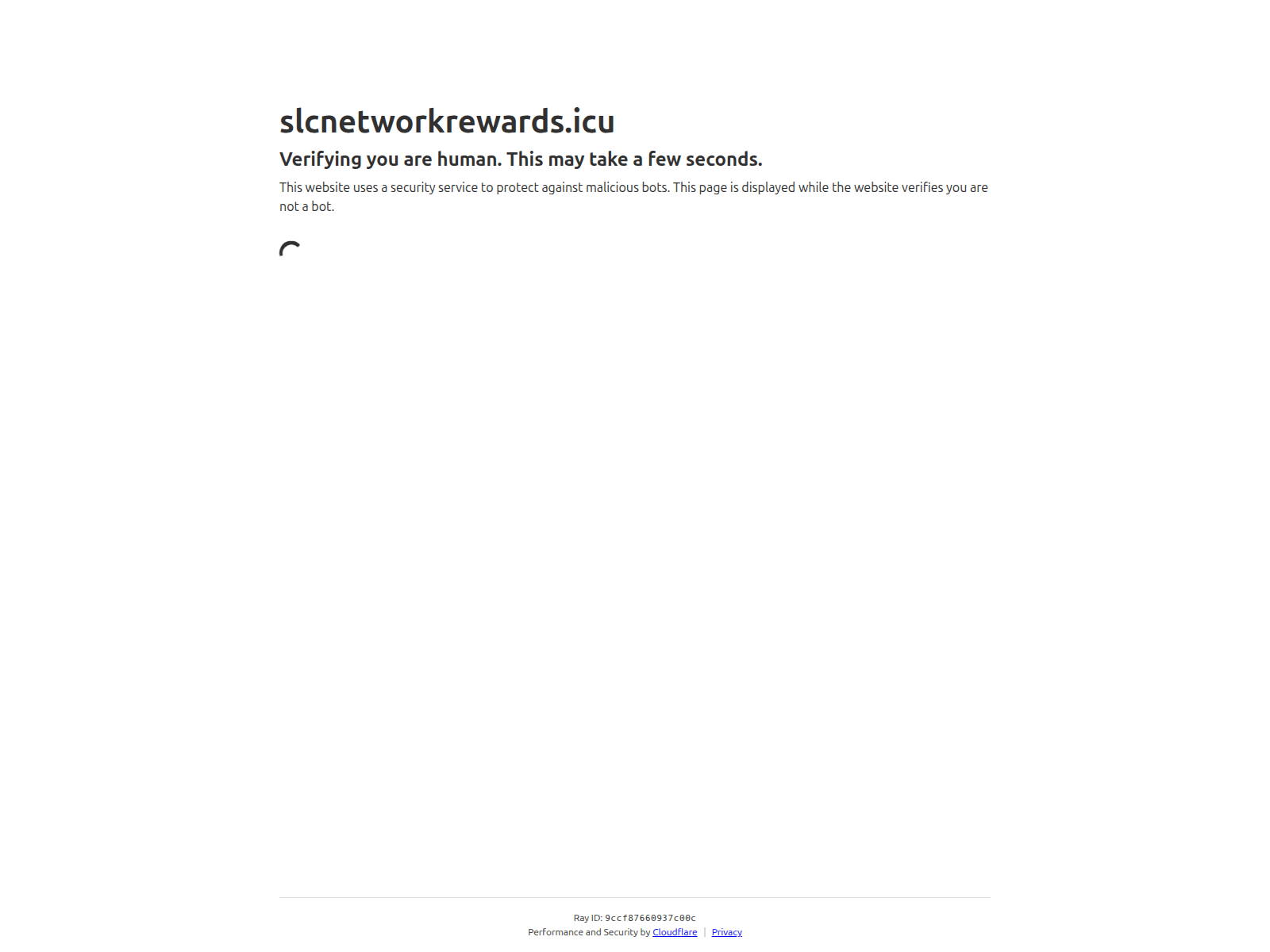
Rapports récents sur les menaces 2
Rapports récemment ajoutés à partir de la base de données PhishDestroy. Ces liens de découverte n’impliquent pas d’infrastructure ou de propriété partagée.
Vérifier n'importe quel domaine
Analyse des menaces à l'aide de listes de blocage stockées, de WHOIS, de DNS et de preuves d'analyse publique
Scanner maintenantSignaler une tentative d'hameçonnage
Signalez les domaines suspects à notre base de données des menaces — protégez la communauté
SignalerFlux d'alertes en temps réel
Rapports de phishing récents et changements de disponibilité observés
SurveillerRestez informés, restez en sécurité
Surveillez les menaces en temps réel ou signalez cette alerte si vous pensez qu'il s'agit d'un faux positif