xevest.com
  seasharebox648-e4a23cdf77d2.herokuapp.com
  pumpstreamers.xyz
  deepsnitchs-ai.claims
Sécurité des domaines et renseignements sur les menaces

mail[.]maplcloud[.]us
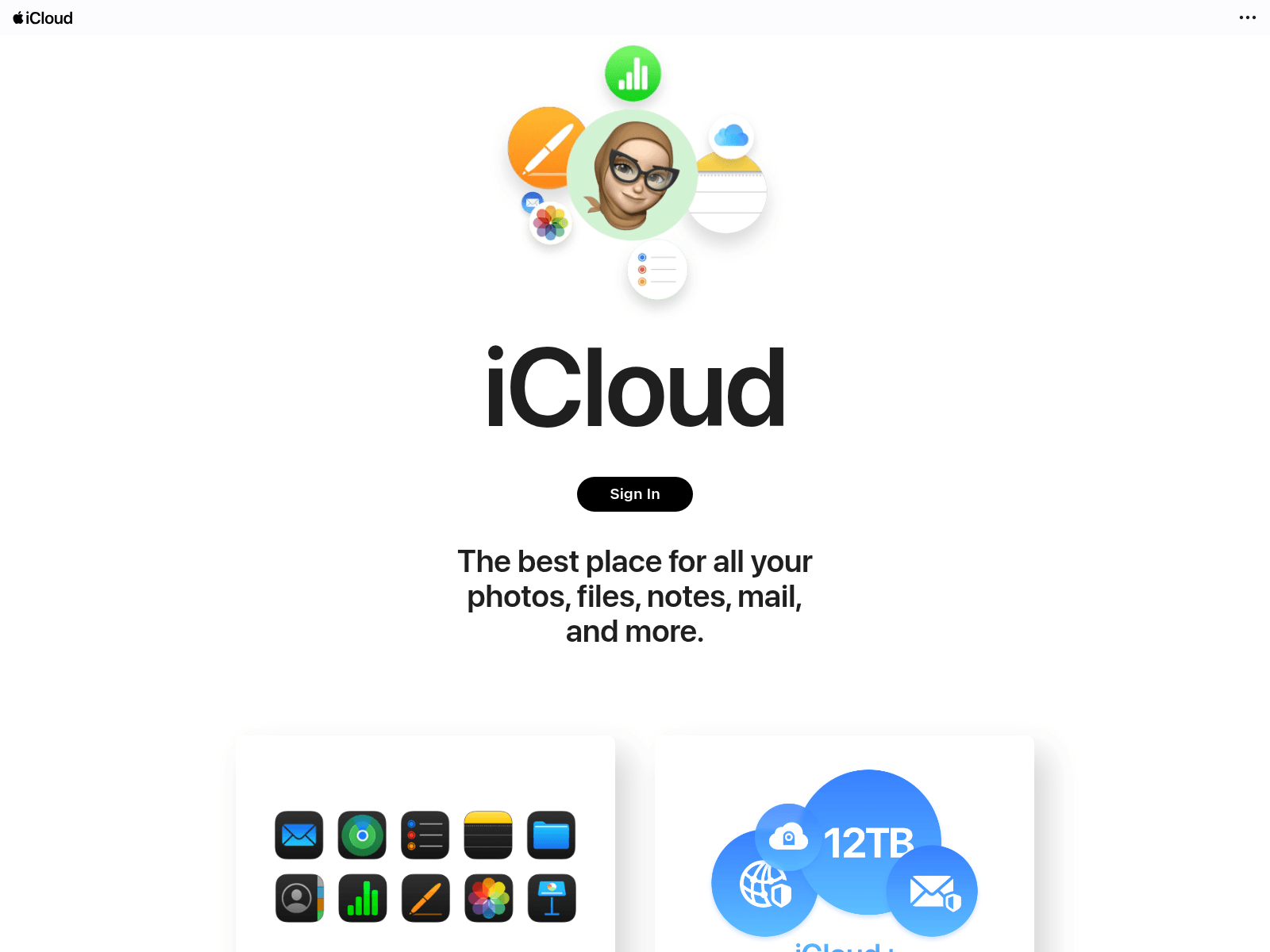
“iCloud”
Verdict de menace
Critique
90/100 score de preuve
Disponibilité
Masqué · accessible
Accessibilité observée grâce aux contrôles de masquage
Signaux de risque
Détections VirusTotal : 12/94
URLQuery threat systems: 2 alerts
Usurpation de l'identité de la marque : Apple
Dernier actif connu
Détection enregistrée
Alerte de dissimulation
- Type de dissimulation
content_divergence- Score de dissimulation
- 1/6
Résumé des preuves
CRITIQUE
This domain, mail.maplcloud.us, has been confirmed as a credential theft phishing site designed to harvest user login credentials through deceptive login portals. Analysis indicates no direct association with a specific brand or cryptocurrency drainer kit, though the infrastructure aligns with common phishing campaigns targeting enterprise and personal email accounts. The domain exhibits characteristics typical of credential harvesting operations, including the absence of legitimate branding and the use of generic login interfaces to trick victims into disclosing sensitive information. Infrastructure analysis reveals the domain was registered on March 24, 2026, through NameSilo, LLC, a registrar frequently utilized in phishing operations due to its accessibility and low-cost domain offerings. The domain resolves to the IP address 199.79.63.68, hosted in the United States under a provider known for harboring malicious activity. As of the latest scan, 12 out of 95 security vendors on VirusTotal flagged mail.maplcloud.us as malicious, while it appears on one additional security blocklist. Notably, the domain lacks an SSL certificate, a red flag for phishing sites as it indicates an absence of basic security measures to protect transmitted data. The domain has since been taken offline, likely in response to detection by security mechanisms such as PhishDestroy. However, the elevated risk level persists due to the domain's recent registration and the potential for reactivation under a different IP or registrar. Users and organizations are advised to block the domain and its associated IP at the network level, monitor for similar domains registered through the same registrar, and implement multi-factor authentication to mitigate the risk of credential theft. Continuous vigilance is recommended, as threat actors often reuse infrastructure for subsequent campaigns.
Enregistrement du signalement transmis
Instantané des preuves transmises
- Envoyé
- Entrées du registre
- 1
- ID du dossier
PD-20260324-1DF93D- Titre de la page capturée
- iCloud
- Artefact PDF
- Preuve PDF
Fondement juridique
Texte intégral des preuves
Policy Violations:
Illegal Activities: Active phishing operation targeting victims
Fraud & Deception: Impersonation of legitimate services
Identity Theft: Collection of credentials under false pretenses
Applicable Laws (Unknown):
International Anti-Cybercrime Regulations
Budapest Convention on Cybercrime
Universal Fraud Prevention Laws
Phishing activities violate international cybercrime conventions and Unknown's domestic fraud laws.
Action Required: This evidence-backed report demonstrates clear violations requiring suspension per your policies. Continued hosting exposes your organization to regulatory scrutiny and potential legal liability.
Illegal Activities: Active phishing operation targeting victims
Fraud & Deception: Impersonation of legitimate services
Identity Theft: Collection of credentials under false pretenses
Applicable Laws (Unknown):
International Anti-Cybercrime Regulations
Budapest Convention on Cybercrime
Universal Fraud Prevention Laws
Phishing activities violate international cybercrime conventions and Unknown's domestic fraud laws.
Action Required: This evidence-backed report demonstrates clear violations requiring suspension per your policies. Continued hosting exposes your organization to regulatory scrutiny and potential legal liability.
VirusTotal
12 det.
URLQuery
2 threat alerts
Âge
5 mo
Statut observé
Masqué · accessible 502

DestroyList
Répertorié
Reports Sent
1
Couverture des données
VirusTotal
12 / 94
URLQuery
2 threat-system alerts
PhishStats
pas vérifié
OTX
no community references
CF Radar
no data
URLScan capture
rapport stocké
URLScan verdict
malicious
Blocs DNS
pas vérifié
TLS
aucune donnée de certificat
WHOIS
5 mo old
Capture d'écran
3 captures · 3 sources
Chaîne de redirection
non sondé
Renseignements sur la sécurité réseau Registrar context
Registrar context
NameSilo
Stored registration data identifies NameSilo as the registrar. PhishDestroy maintains separate registrar investigations; that broader material is contextual and is not an independent detection for this domain.
Processus de réponse aux menaces Pipeline
Découverte
Checks
Reports
Disponibilité
11/12
Couverture des listes de blocage
10 sources · synchronisées le 10/08/2026
MetaMask
Aucune correspondance
ScamSniffer
Aucune correspondance
Polkadot
Aucune correspondance
CryptoFirewall
Aucune correspondance
OpenPhish
Aucune correspondance
PhishDestroy
Jeu de données source
SEAL
Aucune correspondance
Enkrypt
Aucune correspondance
Phishunt
Aucune correspondance
Codeesura
Aucune correspondance
Hameçonnage sur Discord
Aucune correspondance
Capture enregistrée
Informations sur les domaines
Domaine
URLScan Verdict
Malveillant
score 100 Phishing brand: Apple report ↗
Serveur / ASN
Apache · AS46606 Unified Layer
Réputation de l’IP
abuse score 0/100 0 reports checked 14/07/2026
Registrar (base domain)
NameSilo
 (US)
PhishDestroy Investigation
(US)
PhishDestroy Investigation
(US)
PhishDestroy Investigation
Adresse IP
199.79.63.68
Registration (base domain)maplcloud.us · Créé 24/03/2026 (138d)
Statut HTTP502 Error
Détails techniquesDNS, noms TLS et horodatages
Première détection24/03/2026
DOM Analysisanalyzed 29/07/2026score 0/1002 brand signals
Observation TLSanalysé le 14/05/2026
Signaler ce domaine
Envoyez des éléments de preuve et contribuez à protéger les autres
Analyse VirusTotal
12 / Les fournisseurs de sécurité 94 ont signalé ce domaine
View on VT
Last analyzed
ADMINUSLabs
Cluster25
CRDF
CyRadar
DNS8
Forcepoint ThreatSeeker
Fortinet
G-Data
Gridinsoft
SOCRadar
Sophos
Webroot
Infrastructure et rapports associés
Shared IP 199.79.63.68 6
Cette adresse IP d'origine héberge plusieurs domaines de phishing : l'infrastructure peut être partagée entre les campagnes.
Même bureau d’enregistrement: NameSilo 6
Apple impersonation 8
These domains also target Apple users. View all Apple threats →
Rapports récents sur les menaces 6
Rapports récemment ajoutés à partir de la base de données PhishDestroy. Ces liens de découverte n’impliquent pas d’infrastructure ou de propriété partagée.
Ce site vous a-t-il affecté ?
If credentials were compromised, report immediately. Do not engage with recovery scammers.
Si vous avez saisi des informations d'identification de compte, des informations personnelles ou de paiement, ou téléchargé un fichier à partir de ce domaine, agissez immédiatement. Vous trouverez ci-dessous des ressources pour vous aider à signaler l'incident et à vous protéger.


Action Fraud
Signaler la fraude et la cybercriminalité en Angleterre, au Pays de Galles et en Irlande du Nord
Contact centre0300 123 2040
PhishDestroy listing review Pas un rapport des forces de l'ordre
Recours en matière de nom de domaine
Demandez un examen si vous possédez ce domaine et pensez que la liste est incorrecte
Méfiez-vous des escrocs qui prétendent vous aider à récupérer vos biens ! Les criminels peuvent recontacter leurs victimes tout en se faisant passer pour des enquêteurs, des avocats ou des agents de recouvrement. Ne payez pas de frais initiaux et ne partagez pas vos informations d'identification. En savoir plus sur la fraude liée aux aides à la reprise →
Signalez-le à vos autorités locales
Sélectionnez votre pays pour obtenir contacts officiels en matière de cybercriminalité ou créer un projet de plainte →.
Annuaire de 97 pays
Brouillon assisté par l'IA : les détails de l'incident sont traités par le fournisseur d'IA
Examinez-le et soumettez-le vous-même
Vérifier n'importe quel domaine
Analyse des menaces à l'aide de listes de blocage stockées, de WHOIS, de DNS et de preuves d'analyse publique
Scanner maintenantSignaler une tentative d'hameçonnage
Signalez les domaines suspects à notre base de données des menaces — protégez la communauté
SignalerFlux d'alertes en temps réel
Rapports de phishing récents et changements de disponibilité observés
SurveillerRestez informés, restez en sécurité
Surveillez les menaces en temps réel ou signalez cette alerte si vous pensez qu'il s'agit d'un faux positif