troncards.uk
  mellpubg.com
  pumplive.solstream.cc
Sécurité des domaines et renseignements sur les menaces

doc-web3-exxodus[.]pages[.]dev
“Suspected phishing site | Cloudflare”
Verdict de menace
Critique
76/100 score de preuve
Disponibilité
Accessible · accès restreint
Réponse accessible ; le contenu de la page n'a pas été vérifié
Signaux de risque
Détections VirusTotal : 7/94
Correspondances de la liste de blocage stockée : 2
Type d'arnaque : Investment Scam
Dernier actif connu
Observation enregistrée
Contraste de titres observé
Titre présenté au scannerSuspected Phishing | Cloudflare
Titre présenté au visiteurSuspected phishing site | Cloudflare
Résumé des preuves
CRITIQUE
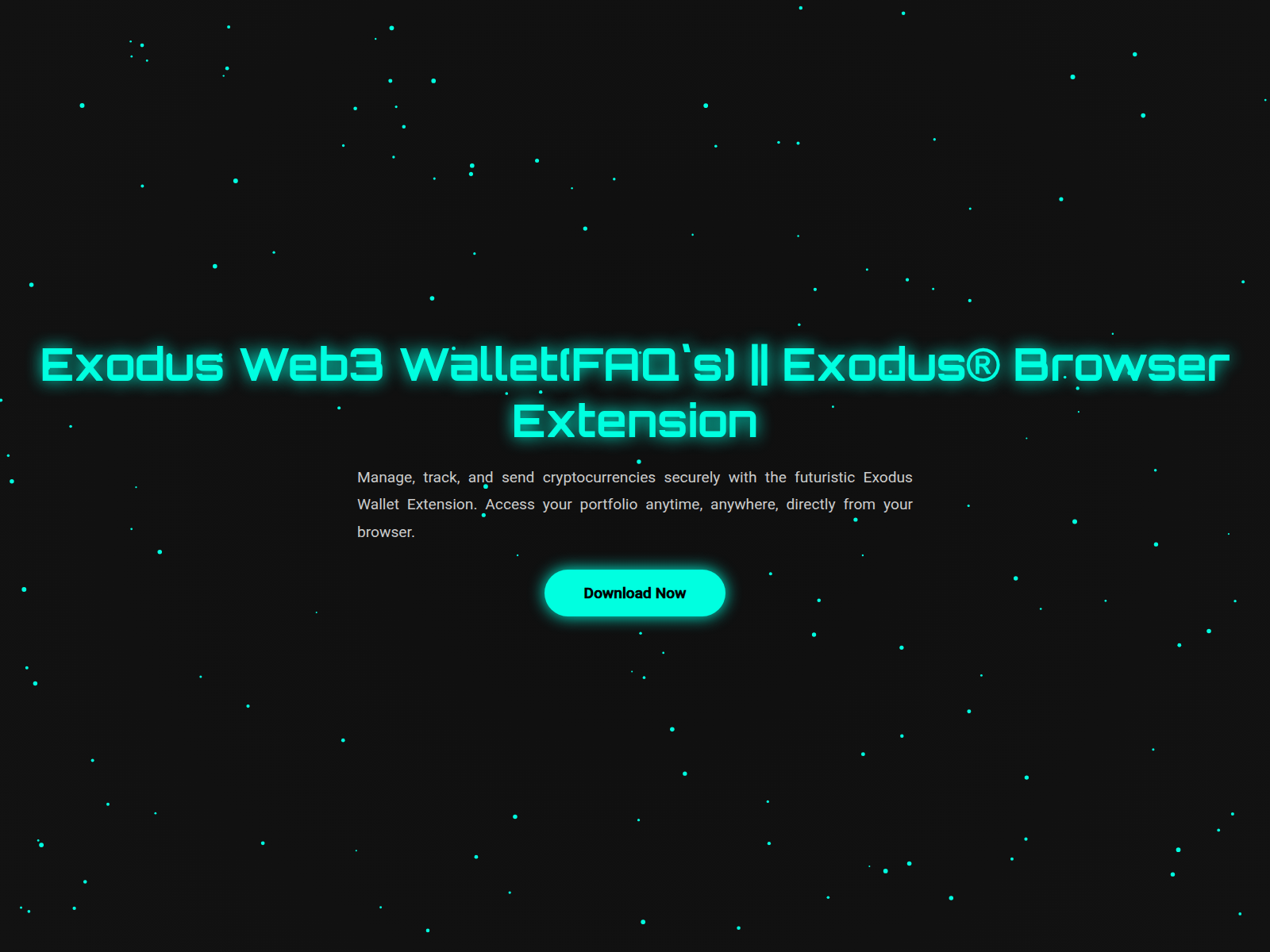
PhishDestroy identifies doc-web3-exxodus.pages.dev as an active crypto-drainer domain under forensic review. The site impersonates legitimate Web3 interfaces to trick users into connecting crypto wallets and signing malicious transactions that silently drain assets. Security telemetry and behavior analysis indicate this is a modern crypto-drainer kit designed to harvest private keys, seed phrases, and authorization signatures via deceptive Web3 prompts. No specific brand is being impersonated in the observed payloads; instead, the page presents generic Web3 login interfaces to cast a wide net across multiple ecosystems. Technical artifacts suggest the drainer leverages Web3 wallet interaction libraries to forge transaction approvals, commonly targeting Ethereum, Solana, and EVM-compatible chains. The domain is currently resolving to 188.114.97.3 across Cloudflare’s global CDN, indicating infrastructure leveraging reputable providers to evade early detection. This domain was flagged with 0 detections out of 95 engines on VirusTotal at the time of analysis, indicating it remains undetected by most antivirus and threat intelligence platforms. It is registered via Cloudflare, Inc., uses a Google Trust Services SSL certificate, and resolves to IP 188.114.97.3. The domain is hosted on Cloudflare Pages, a legitimate platform repurposed to serve malicious content. As of now, no public blocklist entries have been recorded, and the domain appears to be newly registered or recently activated given its low detection footprint. Google Safe Browsing (GSB) has not yet flagged the domain, and no prior incident correlation exists in major threat feeds. The combination of zero detections, Cloudflare hosting, and HTTPS suggests a deliberate strategy to delay blacklisting while targeting security-conscious crypto users. The domain remains active and responsive, with live content serving crypto wallet connection prompts and transaction simulation interfaces. PhishDestroy has issued a real-time threat advisory and is collaborating with domain registrars and hosting providers to facilitate takedown. Users are strongly advised not to connect wallets or interact with any page under doc-web3-exxodus.pages.dev. While the immediate risk is elevated due to low detection, the infrastructure’s reliance on Cloudflare may delay removal. All crypto users should verify URLs via official channels, disable auto-connect features in wallets, and monitor transactions for unauthorized transfers. Remaining risk is assessed as high until the domain is globally blocked and content is purged.
VirusTotal
7 det.
Certificat TLS
Google Trust Services
Hosting
Cloudflare Pages
Âge
4 mo
Statut observé
Accessible · accès restreint HTTP 403

DestroyList
Répertorié
Data Coverage
VirusTotal
7 / 94
URLQuery
rapport stocké — verdict détaillé en attente
PhishStats
checked — no match recorded
OTX
no community references
CF Radar
no data
URLScan capture
rapport stocké
URLScan verdict
verdict indisponible
Blocs DNS
12 vérifié — aucun blocage
TLS
valid certificate, 88d
WHOIS
4 mo old
Capture d'écran
2 captures · 2 sources
Chaîne de redirection
non sondé
Renseignements sur la sécurité réseau
Free Hosting Detected
Cloudflare Pages
This domain is hosted on Cloudflare Pages (free hosting platform). Free hosting platforms are commonly used for both legitimate testing/development and malicious purposes. Additional context is needed
Processus de réponse aux menaces Pipeline
Découverte
Checks
Reports
Disponibilité
10/12
Couverture des listes de blocage
10 sources externes surveillées · instantané du 12/08/2026
8 sources externes surveillées Aucune correspondance
Capture enregistrée
Informations sur les domaines
Domaine
Serveur / ASN
cloudflare · AS13335 Cloudflare, Inc.
IP Context
Cloudflare shared edge
origin IP hidden
La réputation Edge-IP n’est pas attribuée à ce domaine.
Fournisseur de plateforme
Cloudflare
 (US)
(US)
(US)
Adresse IP
188.114.97.3
CDN
Localisation Toronto, CA
Toronto, CARéseauAS13335 · CloudFlare, Inc.
L'adresse IP d'origine est cachée derrière un proxy CDN. Les résultats d’IP inversé pour l’adresse périphérique contiennent des locataires non liés ; trouver l’origine nécessite un DNS passif ou des données de transparence des certificats.
Statut HTTP403 Forbidden
Détails techniquesDNS, noms TLS et horodatages
Première détection05/04/2026
Submitted URLhttp://doc-web3-exxodus.pages.dev/
Serveurs de nomsdawn.ns.cloudflare.comzeus.ns.cloudflare.com
Empreinte TLS
Observation TLSvalide depuis le 04/04/2026analysé le 11/04/2026
Analyse forensique
Signaler ce domaine
Envoyez des éléments de preuve et contribuez à protéger les autres
Analyse VirusTotal
7 / Les fournisseurs de sécurité 94 ont signalé ce domaine
View on VT
Last analyzed
ADMINUSLabs
alphaMountain.ai
BitDefender
CyRadar
G-Data
Kaspersky
LevelBlue
Analyse des performances du site
Google PageSpeed Insights — mobile performance audit of doc-web3-exxodus.pages.dev · checked Apr 5, 2026
93
Good
Performance
FCP
2.55s
First Contentful Paint
LCP
2.55s
Largest Contentful Paint
CLS
0
Cumulative Layout Shift
TBT
0ms
Total Blocking Time
SI
2.86s
Speed Index
Powered by Google PageSpeed Insights · Mobile strategy · Scores: 90-100 Good 50-89 Needs Work 0-49 Poor
Infrastructure et rapports associés
Content matches 4
Autres rapports sur le bord partagé Cloudflare 6
Ces rapports renvoient à la même adresse IP périphérique partagée. Ils facilitent la découverte des rapports mais n'impliquent pas de propriété commune ni de serveur d'origine partagé.
Même bureau d’enregistrement: Cloudflare 6
Rapports récents sur les menaces 4
Rapports récemment ajoutés à partir de la base de données PhishDestroy. Ces liens de découverte n’impliquent pas d’infrastructure ou de propriété partagée.
Ce site vous a-t-il affecté ?
If credentials were compromised, report immediately. Do not engage with recovery scammers.
Si vous avez saisi des informations d'identification de compte, des informations personnelles ou de paiement, ou téléchargé un fichier à partir de ce domaine, agissez immédiatement. Vous trouverez ci-dessous des ressources pour vous aider à signaler l'incident et à vous protéger.


Action Fraud
Signaler la fraude et la cybercriminalité en Angleterre, au Pays de Galles et en Irlande du Nord
Contact centre0300 123 2040
PhishDestroy listing review Pas un rapport des forces de l'ordre
Recours en matière de nom de domaine
Demandez un examen si vous possédez ce domaine et pensez que la liste est incorrecte
Méfiez-vous des escrocs qui prétendent vous aider à récupérer vos biens ! Les criminels peuvent recontacter leurs victimes tout en se faisant passer pour des enquêteurs, des avocats ou des agents de recouvrement. Ne payez pas de frais initiaux et ne partagez pas vos informations d'identification. En savoir plus sur la fraude liée aux aides à la reprise →
Signalez-le à vos autorités locales
Sélectionnez votre pays pour obtenir contacts officiels en matière de cybercriminalité ou créer un projet de plainte →.
Annuaire de 97 pays
Brouillon assisté par l'IA : les détails de l'incident sont traités par le fournisseur d'IA
Examinez-le et soumettez-le vous-même
Vérifier n'importe quel domaine
Analyse des menaces à l'aide de listes de blocage stockées, de WHOIS, de DNS et de preuves d'analyse publique
Scanner maintenantSignaler une tentative d'hameçonnage
Signalez les domaines suspects à notre base de données des menaces — protégez la communauté
SignalerFlux d'alertes en temps réel
Rapports de phishing récents et changements de disponibilité observés
SurveillerRestez informés, restez en sécurité
Surveillez les menaces en temps réel ou signalez cette alerte si vous pensez qu'il s'agit d'un faux positif