VirusTotal
14 / 91
Signaler


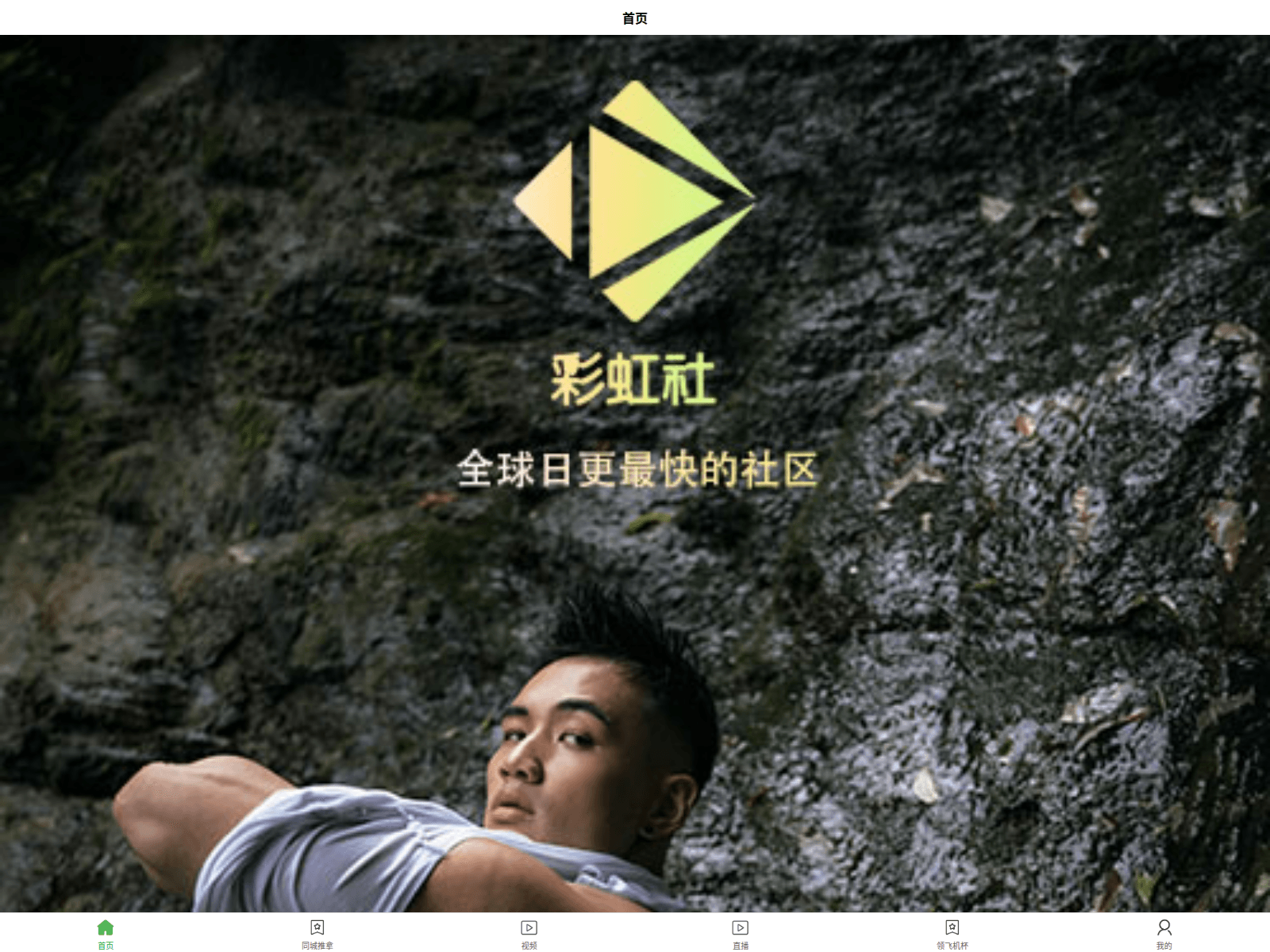
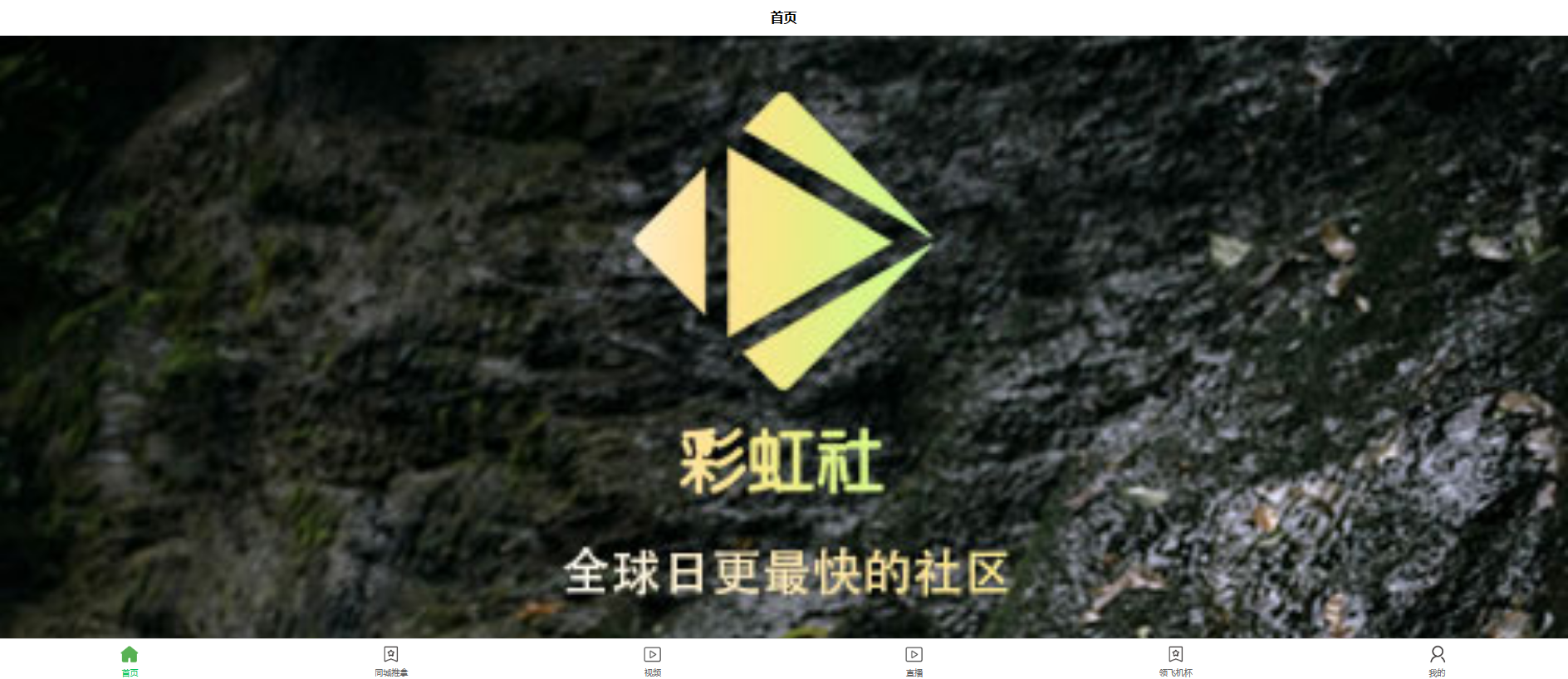
“首页”
The sent-report ledger records the first outgoing report at .
The recorded recipient is abuse@spaceship.com.
The latest stored availability evidence still shows the domain reachable; 2 months has elapsed since the first outgoing report.
ICANN RAA §3.18 describes registrar abuse-contact and handling obligations. This section records outgoing timestamps, listed recipients, case identifiers, and later availability. It does not by itself prove receipt, acknowledgement, investigation, remediation, or contractual non-compliance.
cxvdfu.christmas — Non vérifié. Usurpation de l'identité de la marque : Generic; Type d'arnaque : Impersonation. Résumé des preuves: VirusTotal 14/91 (alphaMountain.ai, BitDefender, CRDF, CyRadar, ESET); URLQuery 1 alert; URLScan malicious verdict; PhishDestroy score 98/100. Bureau d’enregistrement: Spaceship.
L’analyse détaillée de PhishDestroy AI reste en anglais afin de préserver le relevé forensique original.

| Detection System | Indicator | Verdict | Alert |
|---|---|---|---|
| DNS4EU | cxvdfu.christmas |
malicious | Sinkholed |
Analysis indicates that the domain cxvdfu.christmas was registered on July 15, 2026 through the registrar Spaceship, Inc. The authoritative name servers launch1.spaceship.net and launch2.spaceship.net resolve the zone to the single IPv4 address 47.242.217.10. The address is currently associated with an active hosting service; no additional infrastructure such as CDN or cloud provider identifiers have been disclosed. The domain has been added to one public security blocklist and is actively blocked by the PhishDestroy sinkhole, confirming that it is recognized as malicious by at least one mitigation platform. VirusTotal reports that the domain was examined by 95 scanning engines, none of which returned a detection.
The absence of detections does not constitute evidence of benign behavior and should be interpreted as a lack of current signatures rather than confirmation of safety. The threat classification is listed as generic phishing, but no further detail about the targeted brand, page title, or phishing kit has been released. Consequently, the exact lure, credential‑capture mechanism, and victim profile remain unknown. The short interval between domain creation (July 15) and the first observed blocklist entry suggests rapid deployment typical of opportunistic phishing campaigns.
Defenders should consider adding cxvdfu.christmas to local URL filtering rules, enforce DNS sinkholing where possible, and monitor outbound traffic for connections to 47.242.217.10. Because the domain is active and the hosting IP is reachable, intrusion‑detection signatures that trigger on HTTP requests to this address can help prevent user exposure. Continuous re‑evaluation is recommended; additional indicators such as HTTP response headers, SSL certificate details, or page content should be collected when the site becomes reachable to refine detection and response measures.
Enregistrement des observations « crawler contre navigateur » pour cet hôte, ainsi qu'une vérification en temps réel des empreintes numériques pour les systèmes de répartition du trafic de type Keitaro.
Note relative à la numérisation: unavailable: raw=connection_error; http=0; via=http_proxy; error=SOCKSHTTPConnectionPool(host='cxvdfu.christmas', port=80): Max retries exceeded with url: / (Caused by NewConnectionErro
For this gTLD, the registrar above operates under an ICANN accreditation agreement. The links below provide the official fee schedule and current DNS abuse compliance guidance.
RAA §3.18 establishes abuse-contact and handling requirements. This report can document stored outbound notices and later technical observations; it does not by itself establish receipt, investigation, remediation, or contractual non-compliance.
launch1.spaceship.netlaunch2.spaceship.netLocation describes the IP network.
11 recorded events. These records describe collected evidence, outgoing notifications and publication; they do not confirm a complete investigation or a takedown.
We scan suspicious URLs, inspect public results and send evidence through the appropriate abuse-reporting channels. The dated events above show what is recorded for this domain. The directory below explains the wider workflow.
Capture the rendered page, requests and visible infrastructure.
Compare the available engine results and retain the analysis timestamp.
Check whether Google currently lists the URL as unsafe.
Inspect a public scan and its recorded network and classification data.
Look for indicator references and related community intelligence.
Compare archived captures and preserve historical context.
Look for matching indicators and associated threat records.
Inspect certificate records and related hostnames.
Compare security resolver responses and record observed blocking.
Inspect the public DNS, TLS, HTTP and technology surface.
Security services used for scanning, reputation checks and reporting are listed below. A service being listed is not evidence that it received, accepted or acted on this particular domain. Recorded submissions appear in the notification history above.
PD-20260722-AB9604 Recipient: abuse@spaceship.com Policy Violations: Illegal Activities: Active phishing operation targeting victims Fraud & Deception: Impersonation of legitimate services Identity Theft: Collection of credentials under false pretenses Applicable Laws (Unknown): International Anti-Cybercrime Regulations Budapest Convention on Cybercrime Universal Fraud Prevention Laws Phishing activities violate international cybercrime conventions and Unknown's domestic fraud laws. Action Required: This evidence-backed report demonstrates clear violations requiring suspension per your policies. Continued hosting exposes your organization to regulatory scrutiny and potential legal liability.
Si vous avez saisi des informations d'identification de compte, des informations personnelles ou de paiement, ou téléchargé un fichier à partir de ce domaine, agissez immédiatement. Vous trouverez ci-dessous des ressources pour vous aider à signaler l'incident et à vous protéger.


Sélectionnez votre pays pour obtenir contacts officiels en matière de cybercriminalité ou créer un projet de plainte →.
Template-based draft · optional AI wording assistance requires separate consent
Chaque ligne correspond à une raison pour laquelle un domaine est associé à cet hébergeur. La taille des nœuds indique les détections de VirusTotal et les nœuds en pointillés sont déjà hors ligne. Les listes complètes figurent ci-dessous.
Même hachage de favicon ou même titre de page que cet hébergeur.
Cette adresse IP d'origine héberge plusieurs domaines de phishing : l'infrastructure peut être partagée entre les campagnes.
Ces domaines ciblent également les utilisateurs d'Generic. Afficher toutes les menaces liées à « Generic » →
Enregistrés auprès du même bureau d'enregistrement. Un bureau d'enregistrement dessert des millions de clients sans lien entre eux ; ce regroupement constitue donc simplement un constat et ne prouve pas l'existence d'un lien.
Rapports récemment ajoutés à partir de la base de données PhishDestroy. Ces liens de découverte n’impliquent pas d’infrastructure ou de propriété partagée.
Analyse des menaces à l'aide de listes de blocage stockées, de WHOIS, de DNS et de preuves d'analyse publique
Scanner maintenantSignalez les domaines suspects à notre base de données des menaces — protégez la communauté
SignalerRapports de phishing récents et changements de disponibilité observés
SurveillerSurveillez les menaces en temps réel ou signalez cette alerte si vous pensez qu'il s'agit d'un faux positif