
Recherchez les domaines surveillés et consultez les preuves enregistrées, les détections et les dernières informations relatives à leur disponibilité.
221,187
Total suivi
215,382
VT détecté
93,441
Dernière connexion : actif
127,746
Indisponible lors de la dernière vérification
0
VT En attente

How This Attack Works
Fake Token Presale scams trick victims into believing they are investing in legitimate cryptocurrency projects. Here's how the scam typically unfolds:
STEP 1
Create Fake Websites
Scammers set up realistic-looking websites mimicking legitimate token presale portals.
STEP 2
Promote Presale on Social Media
Using social media and fake endorsements, scammers attract potential investors.
STEP 3
Collect Cryptocurrency
Victims are prompted to send cryptocurrency to a specified address under the guise of buying tokens.
STEP 4
Disappear with Funds
Once funds are collected, scammers shut down the site and disappear, leaving victims without recourse.
Technical Analysis
Fake Token Presale scams often leverage phishing tactics combined with cryptocurrency-specific techniques. Attackers use homograph attacks to create URLs that closely resemble legitimate sites, often registered through top registrars like NICENIC INTERNATIONAL GROUP CO., LIMITED and PDR Ltd. d/b/a PublicDomainRegistry.com. They exploit the decentralized nature of blockchain networks, utilizing smart contracts that mimic legitimate presale contracts but are programmed to divert funds to the attacker’s wallet. The infrastructure often involves cloud-based hosting services to quickly deploy and dismantle sites, minimizing the chance of detection. HTML and JavaScript are commonly used to create dynamic, convincing interfaces that reassure potential victims of the site’s legitimacy. Additionally, attackers might deploy SEO techniques to improve the visibility of their fraudulent sites in search engine results, further increasing their reach.
Real Cases
CryptoX Presale Scam (2024)
$2 million stolen
A fake presale for a non-existent token, CryptoX, duped investors into contributing significant sums.
TokenLaunch Fraud (2023)
$1.5 million stolen
Victims were lured into a fake token launch with promises of high returns, only for the site to vanish post-collection.
QuickCoin Deception (2024)
$3 million stolen
Scammers created a sophisticated site mimicking a known exchange, leading to substantial financial losses.
How to Detect
Vérifier for slight misspellings in domain names.
Look for inconsistent branding or layout compared to legitimate sites.
Be wary of unsolicited investment opportunities via social media.
Verify presale details on official project channels.
Beware of high-pressure tactics urging immediate investment.
How to Protect Yourself
1
Always verify URLs before entering personal information.
2
Use browser extensions to detect phishing attempts.
3
Consult official project websites or channels for presale information.
4
Enable two-factor authentication on cryptocurrency exchanges.
5
Rapport suspicious sites to authorities and platforms like PhishDestroy.
Frequently Asked Questions
Data sourced from PhishDestroy threat intelligence database — 692 domains tracked for this threat type
Fake Token Presale 692 domains
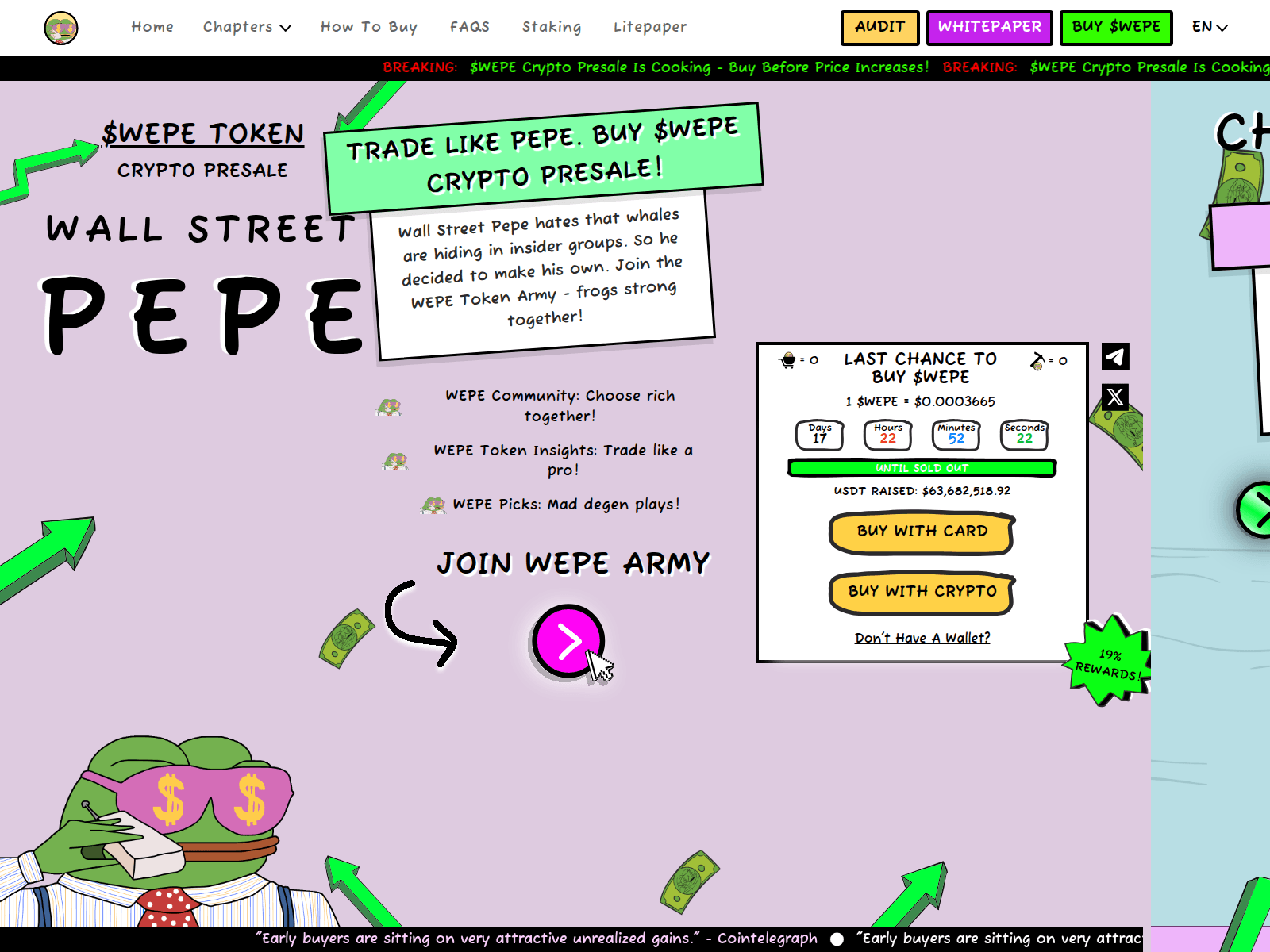
wallstreetpepe-ea2.pages.dev
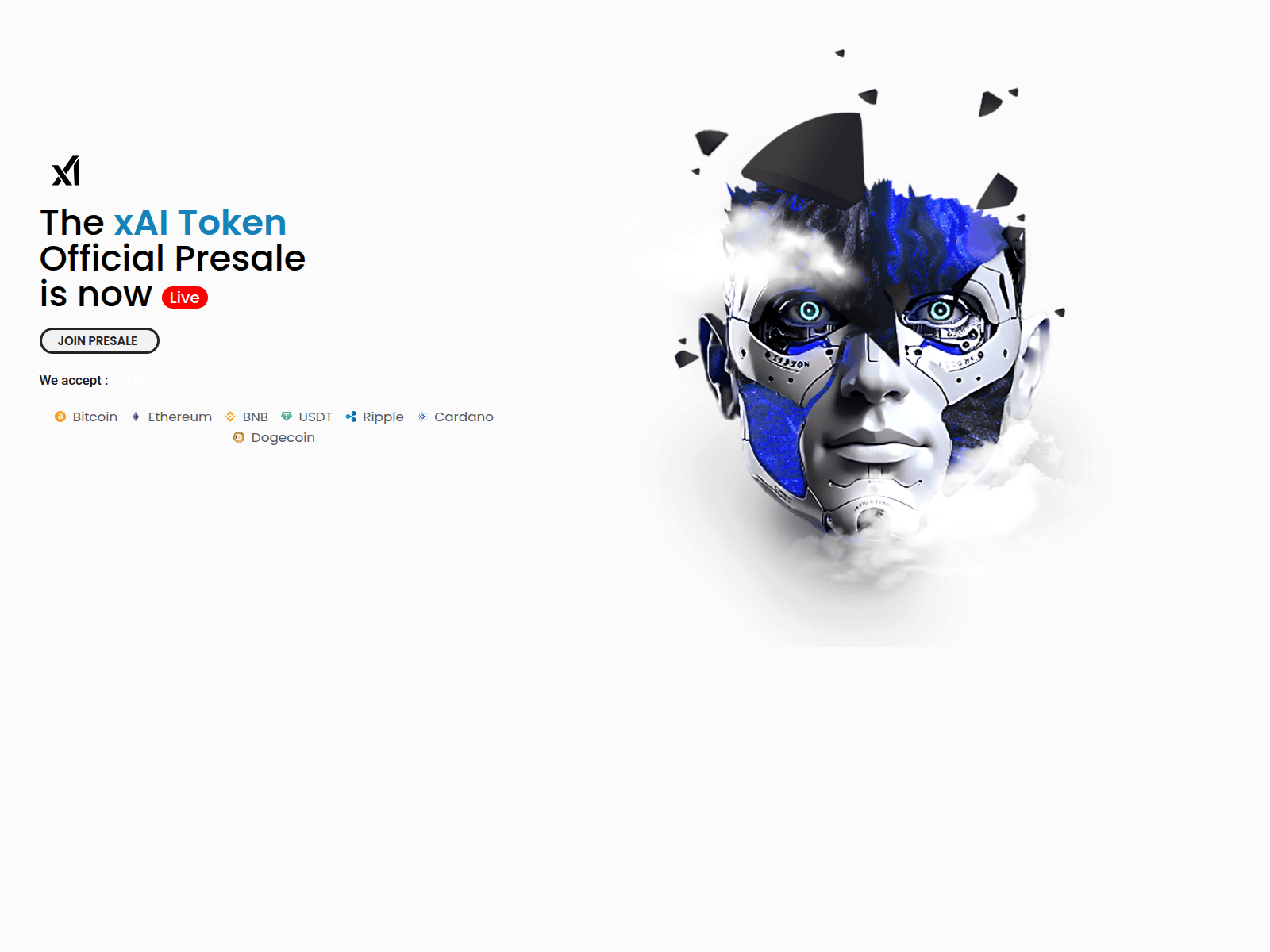
xa18p.com

xaimconnect.net
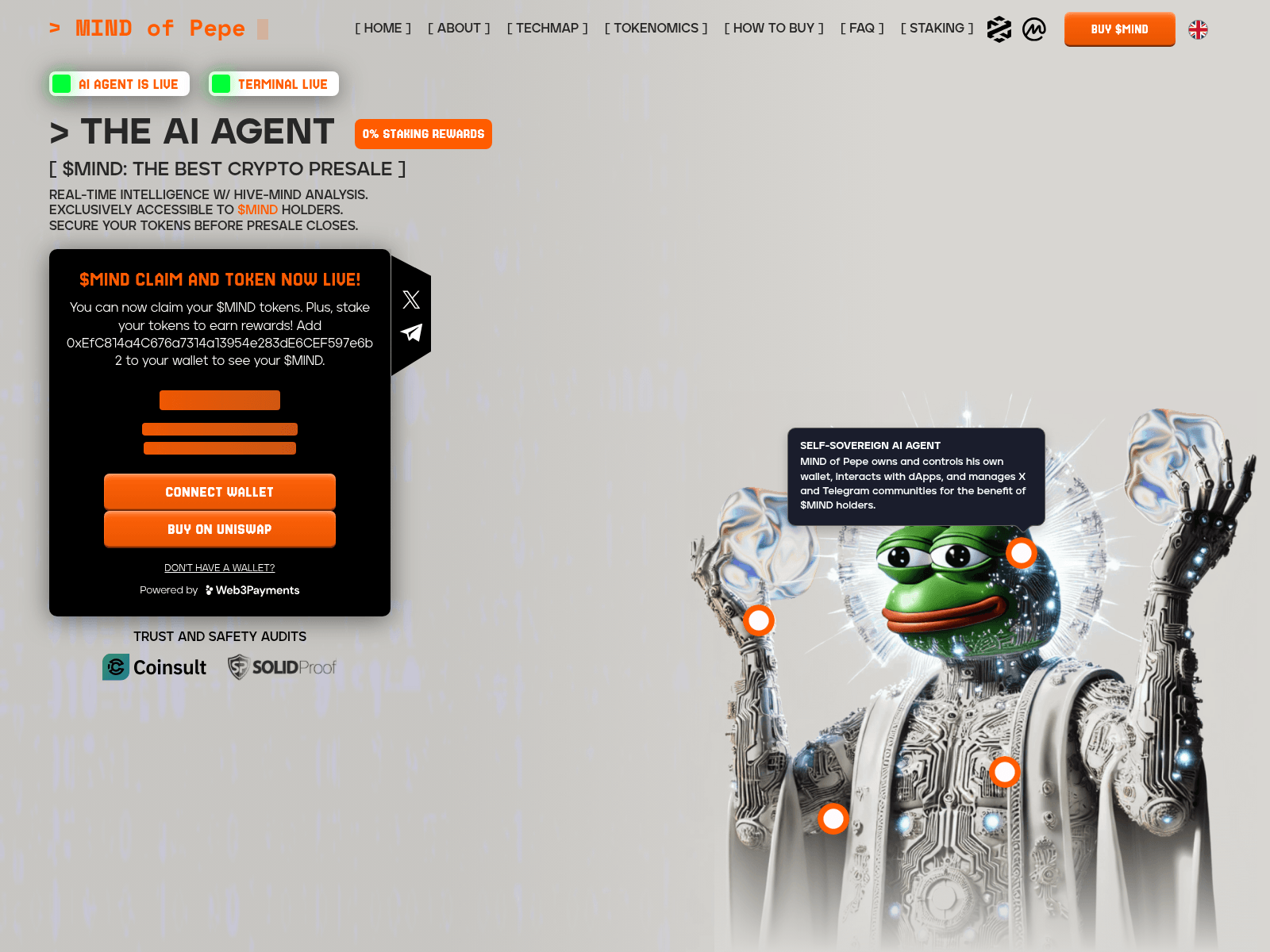
zeusai.xyz
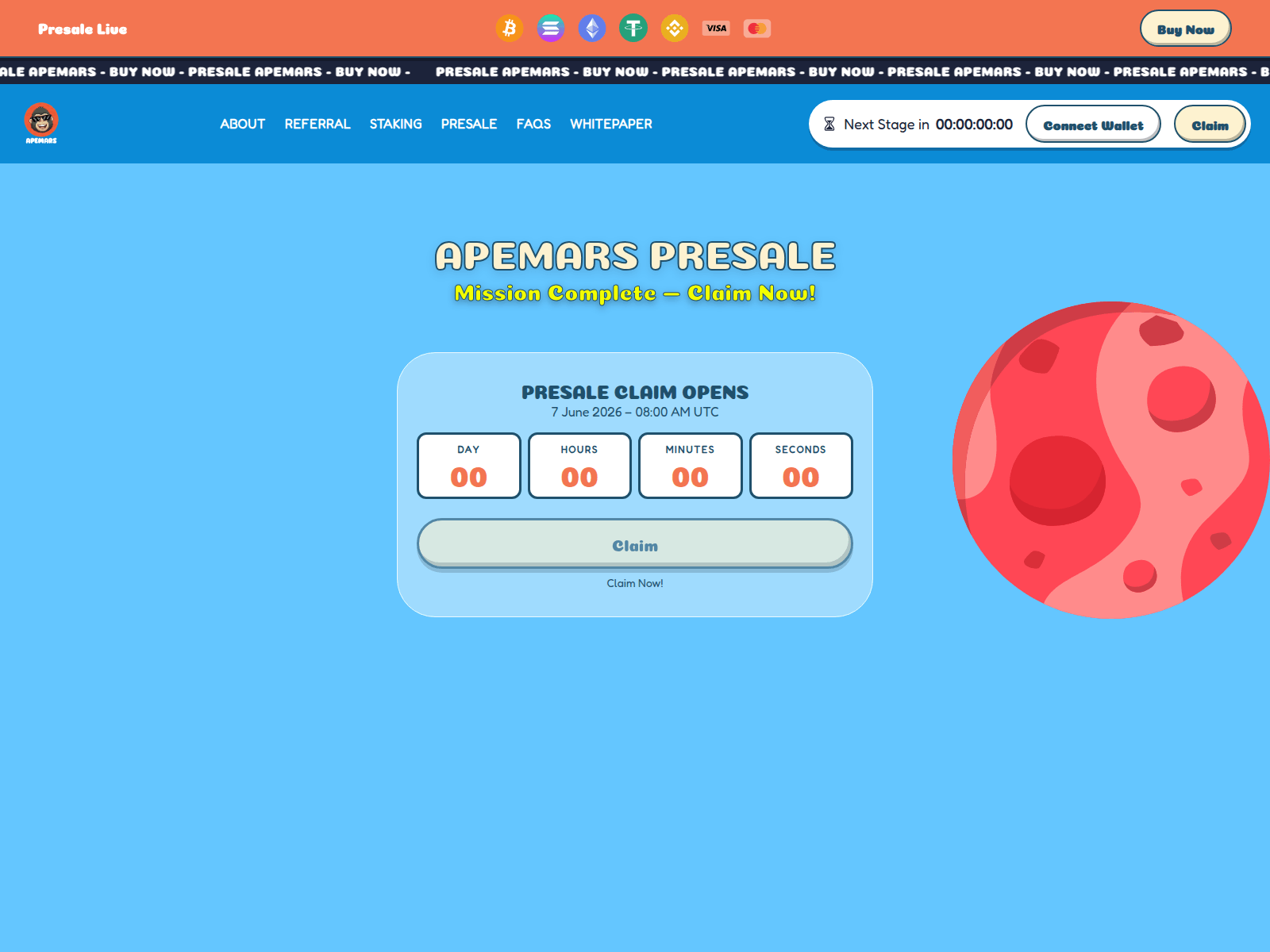
apemars-claim-presale-launch-oees33-aert0ds.pages.dev
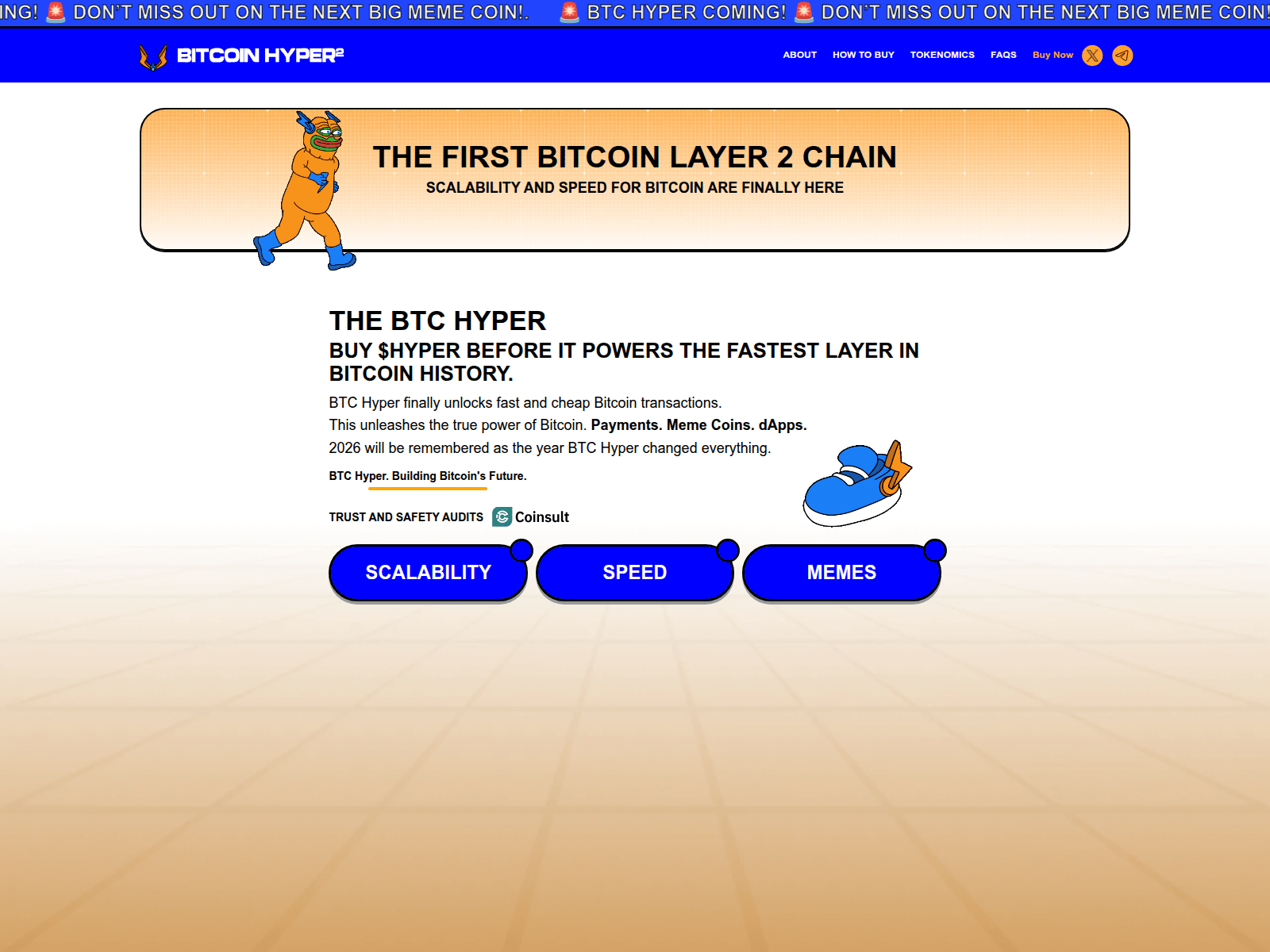
basedbtchyper.fun

claim-harambe.pages.dev

crudoprotocol-net.web.app
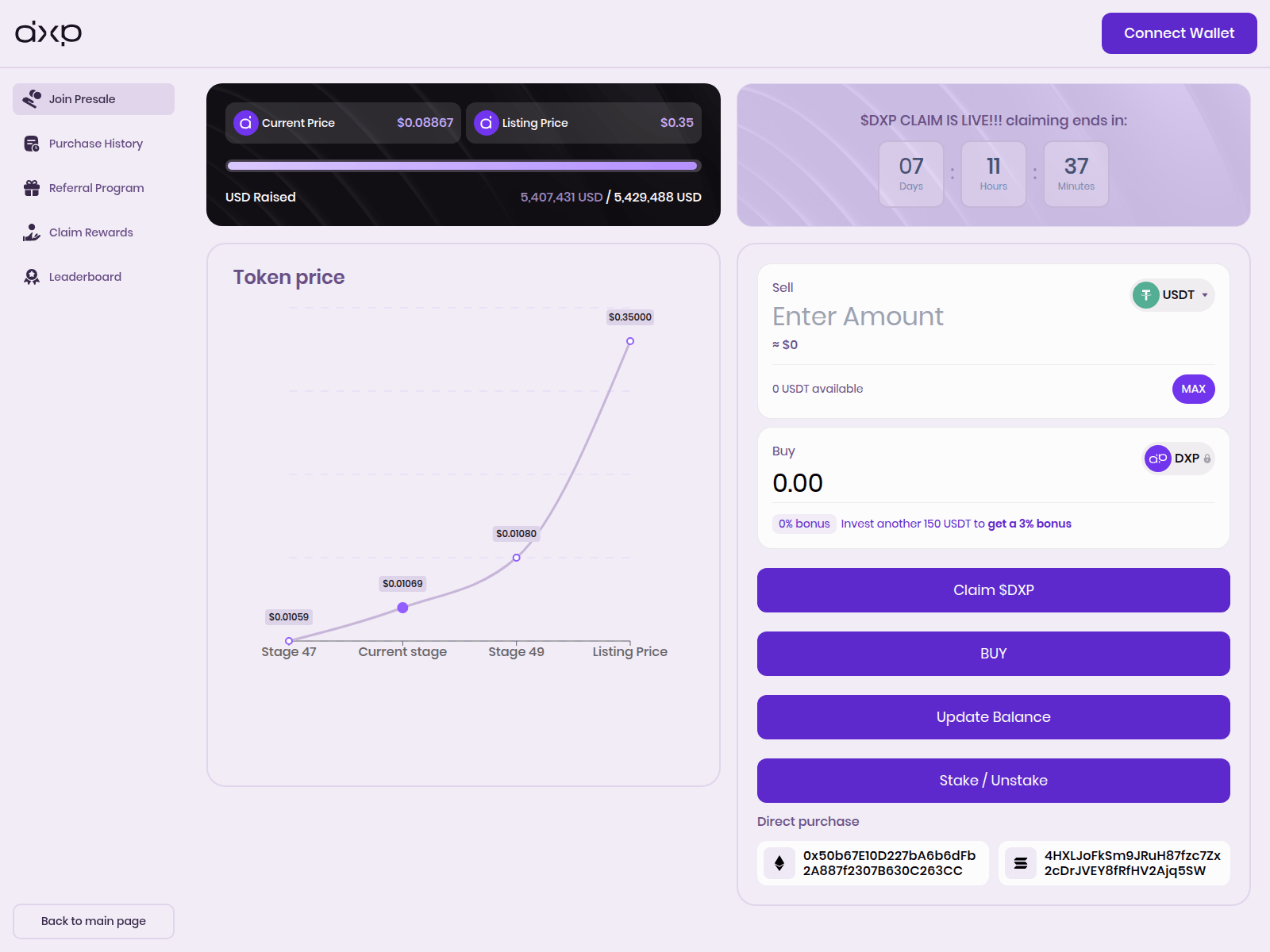
dexrpcoin.pages.dev

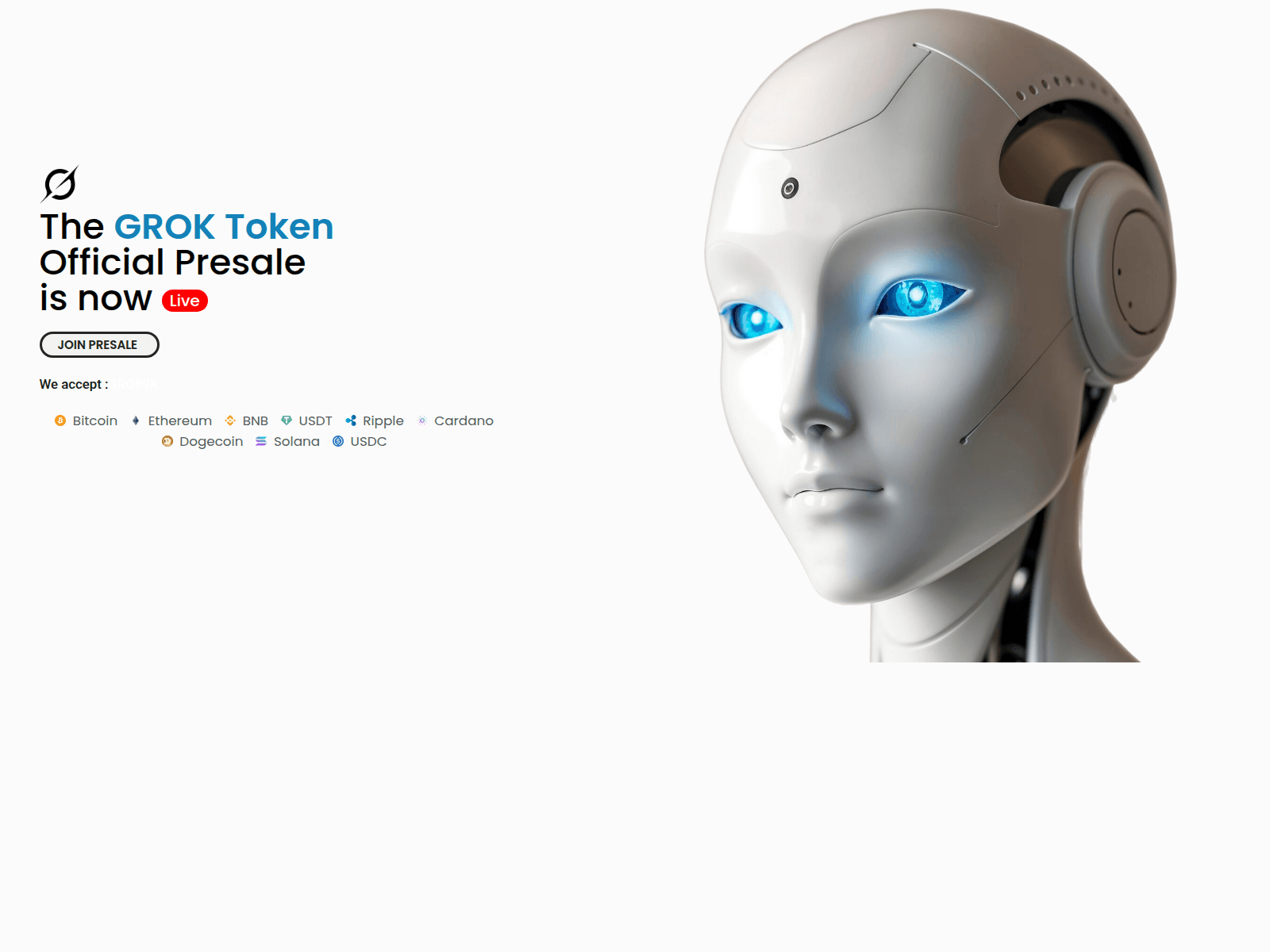
gro89k.info

grok12k.cfd
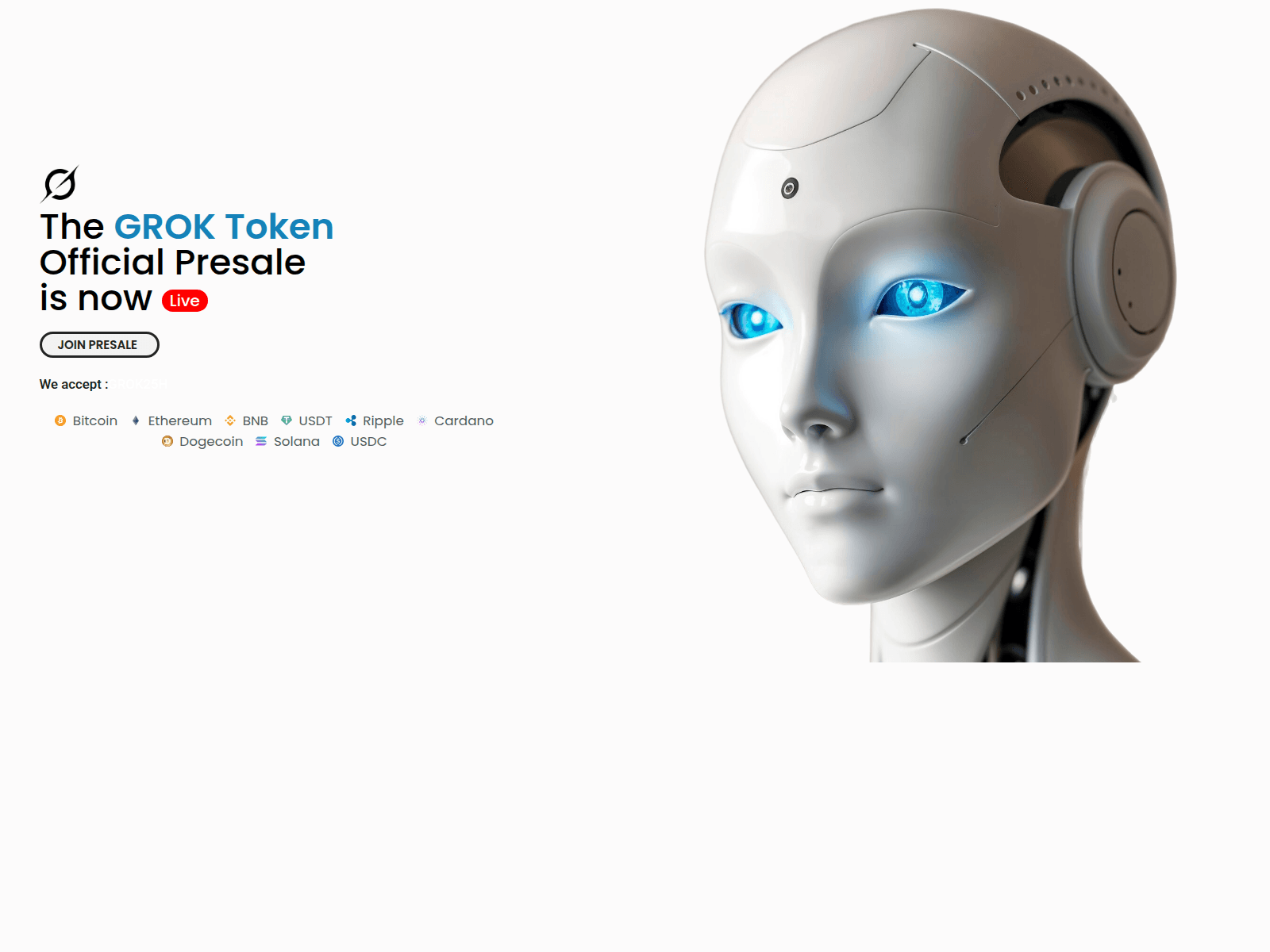
grok25h.com

grok35k-fxempire.com
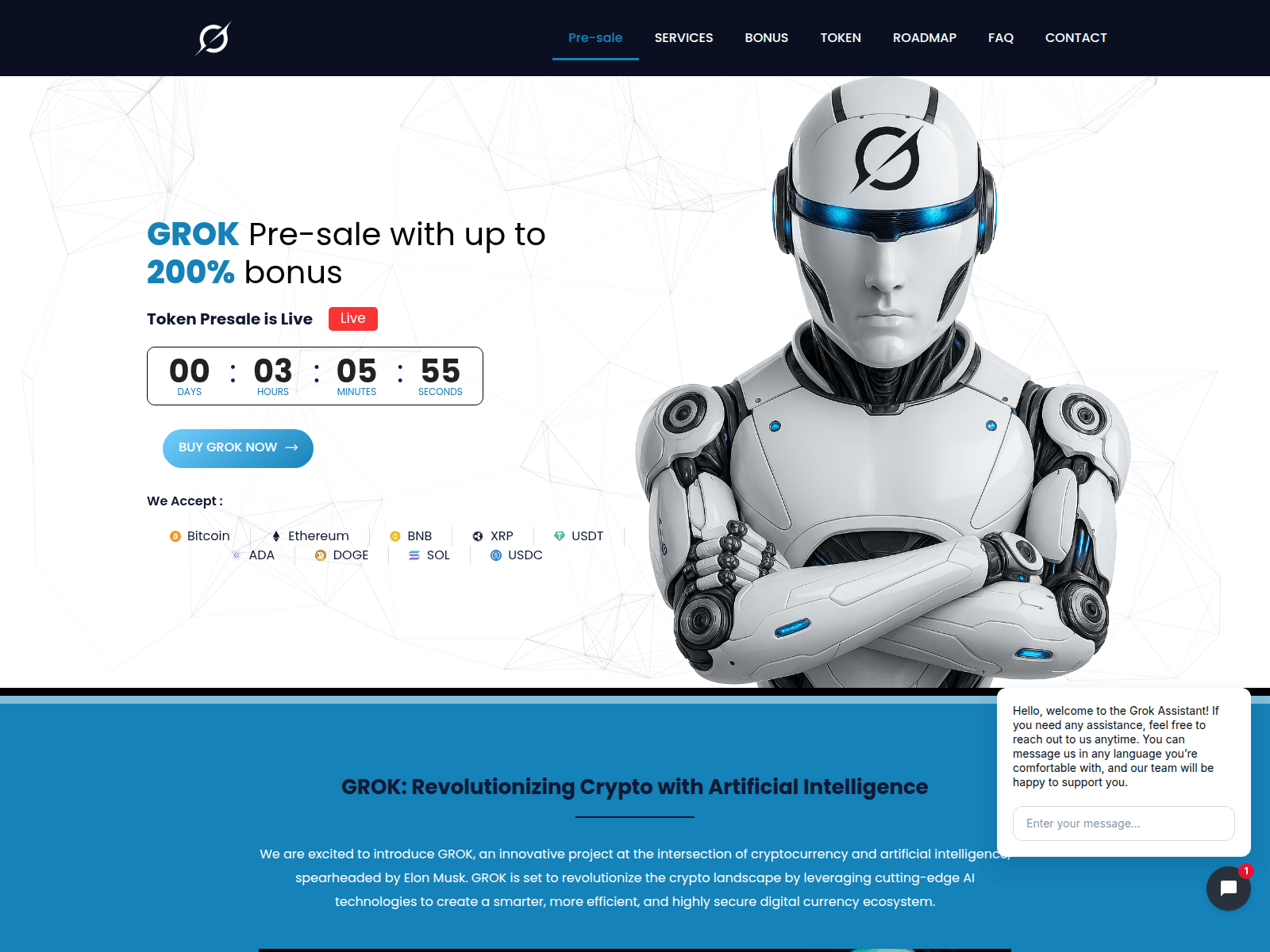
grokverse.net
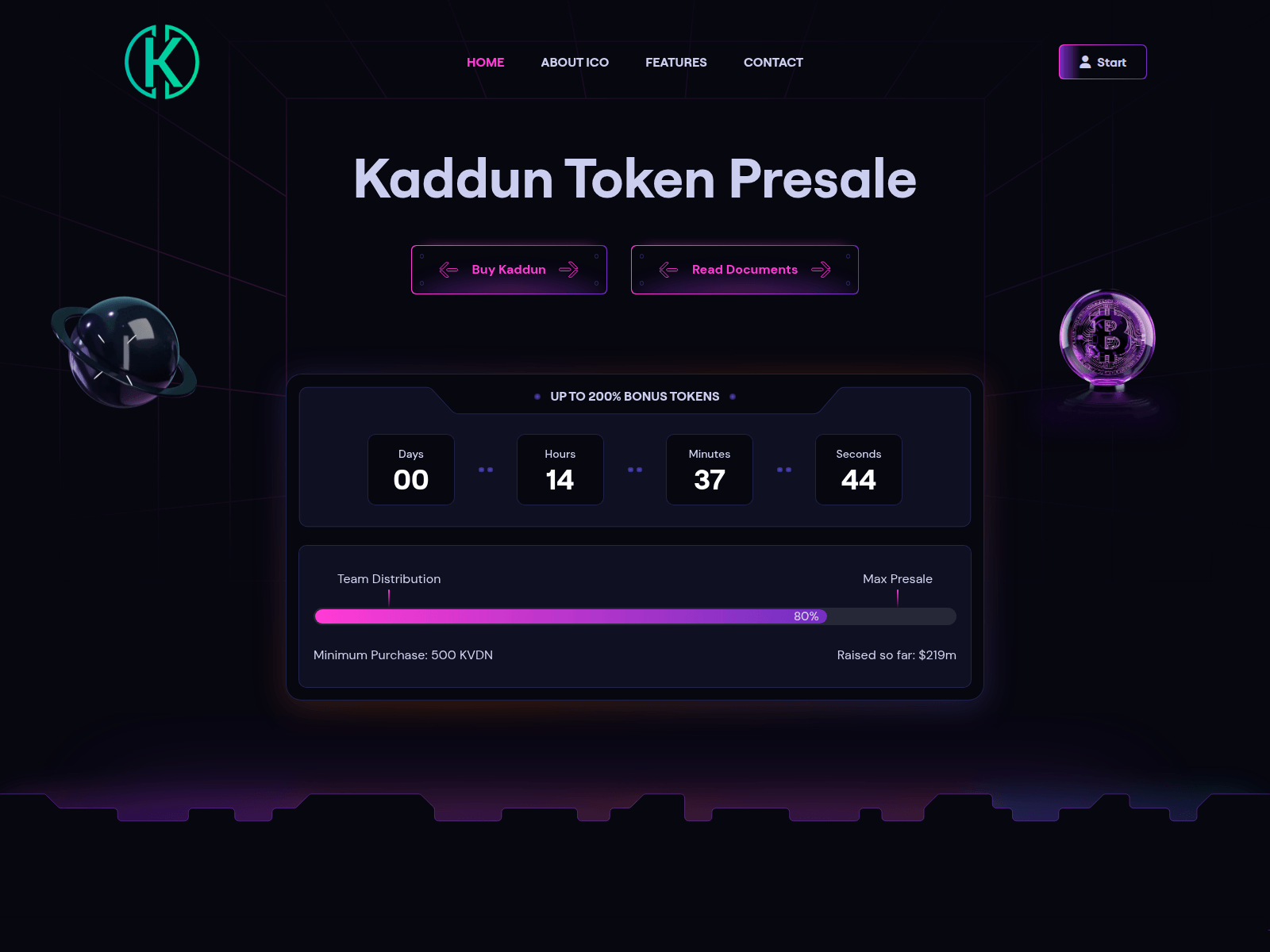
kadduntoken.com
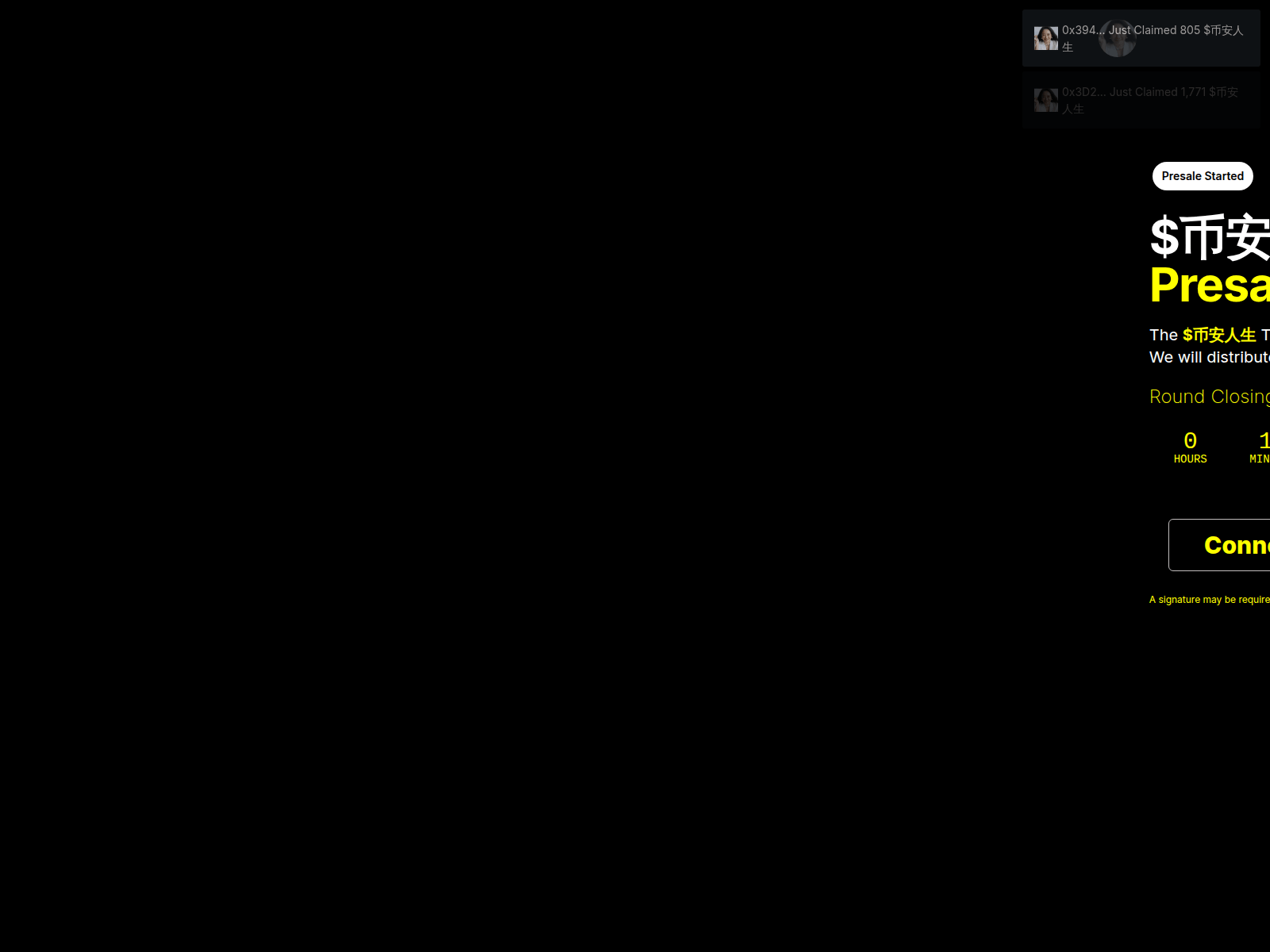
nx0b6we.pages.dev
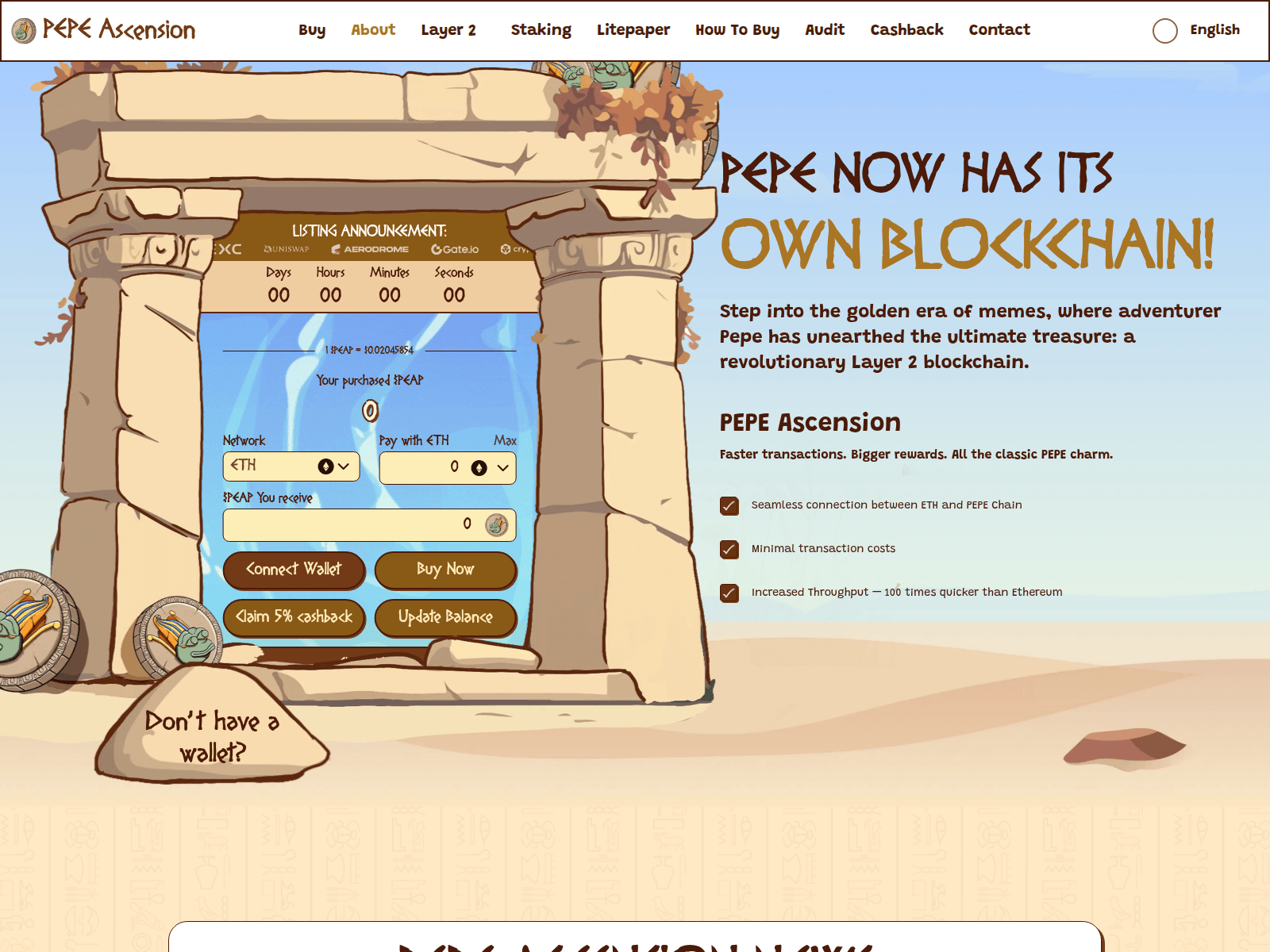
pepeascensionclaim.pages.dev
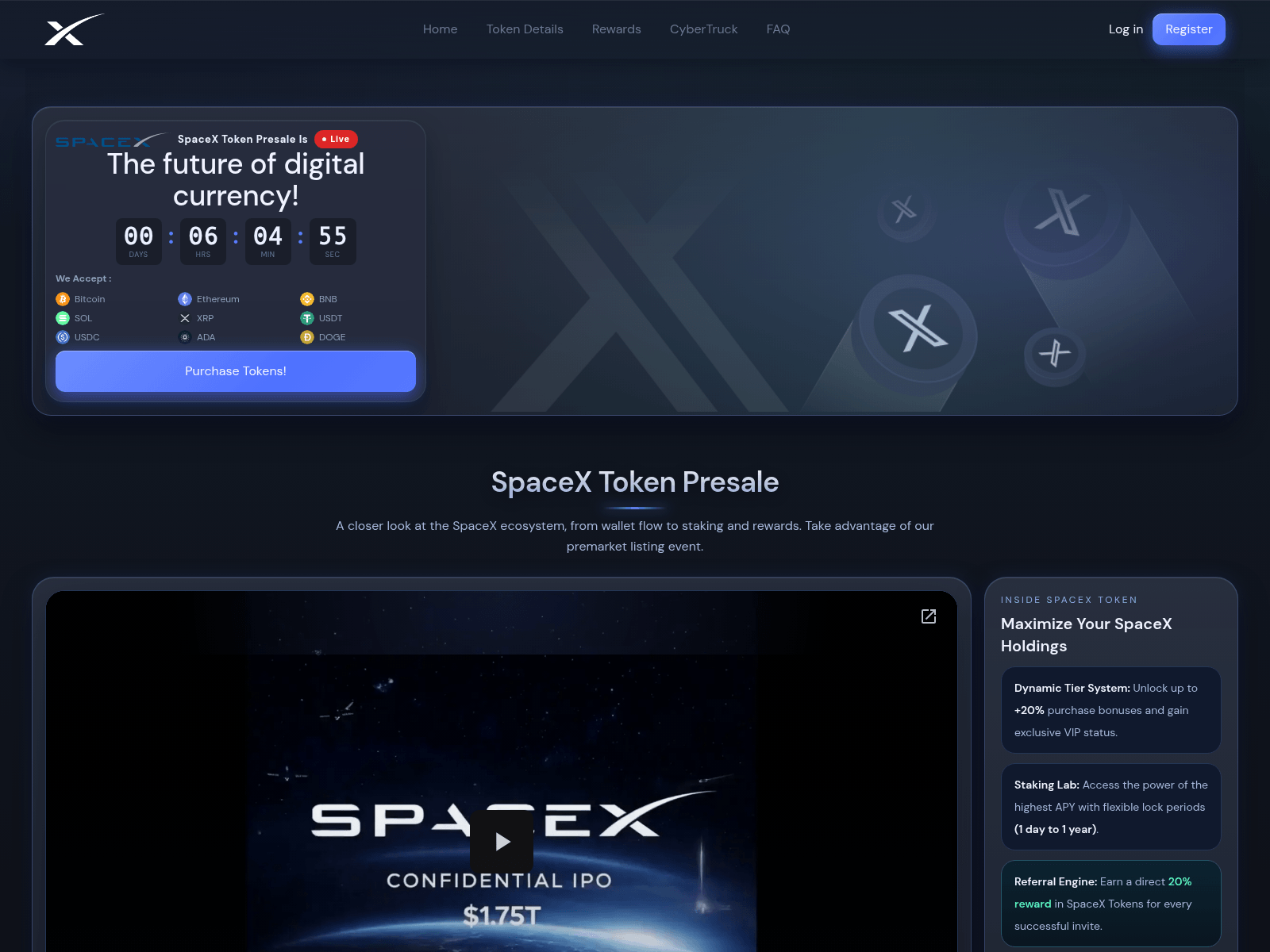
spaceswallet.net
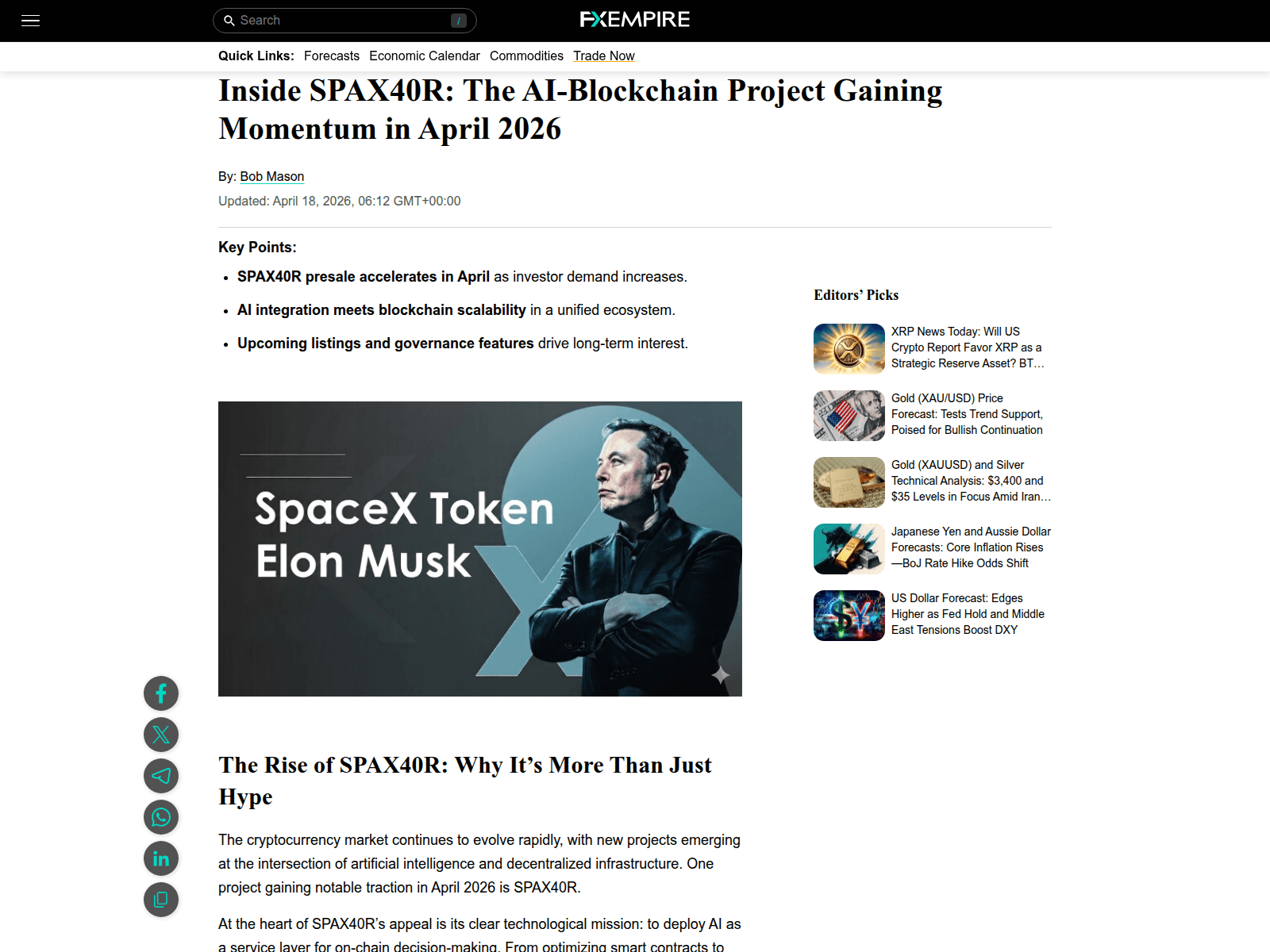
spax40r-fxempire.com

spx85k.com
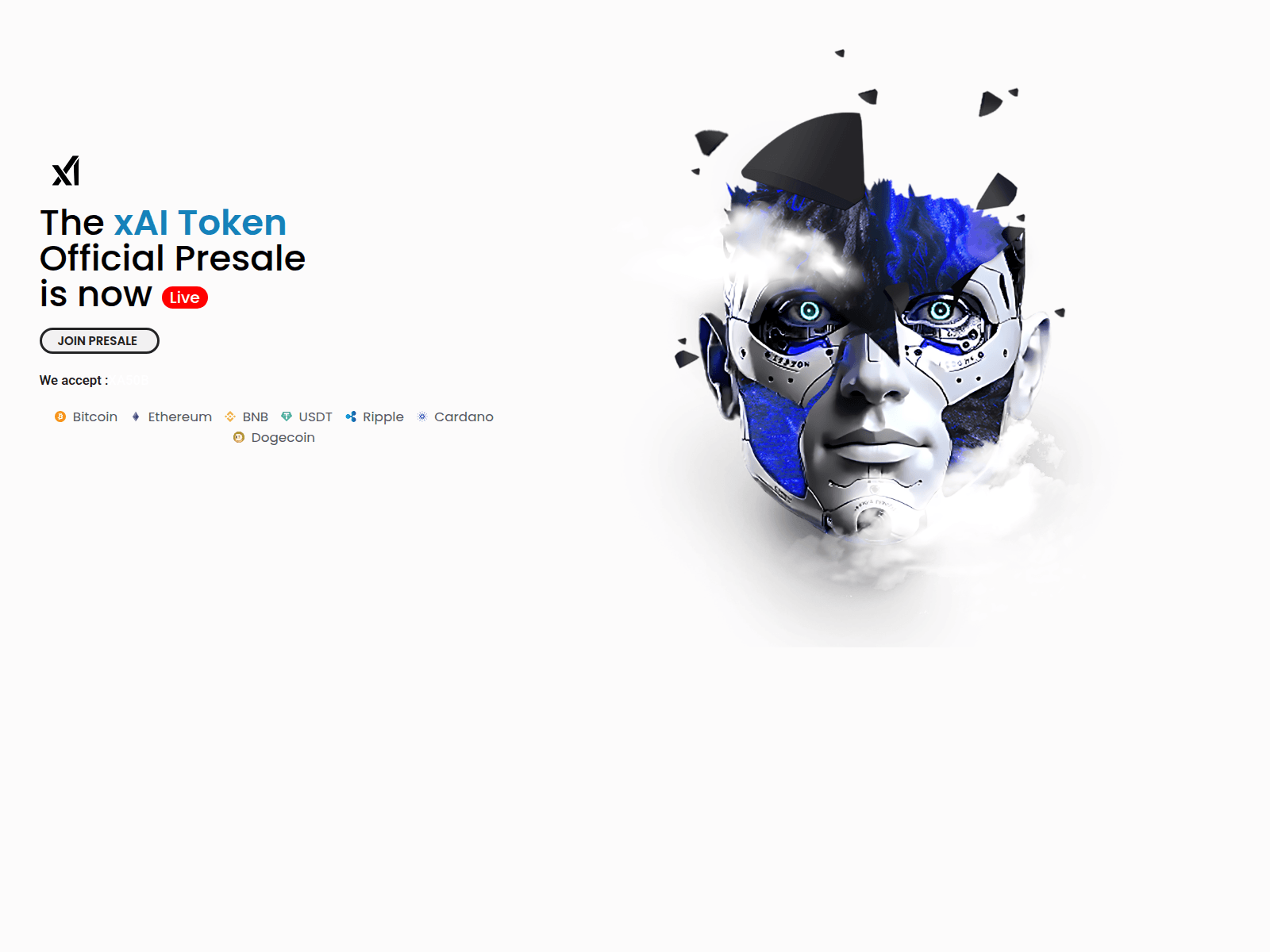
xa50b.net
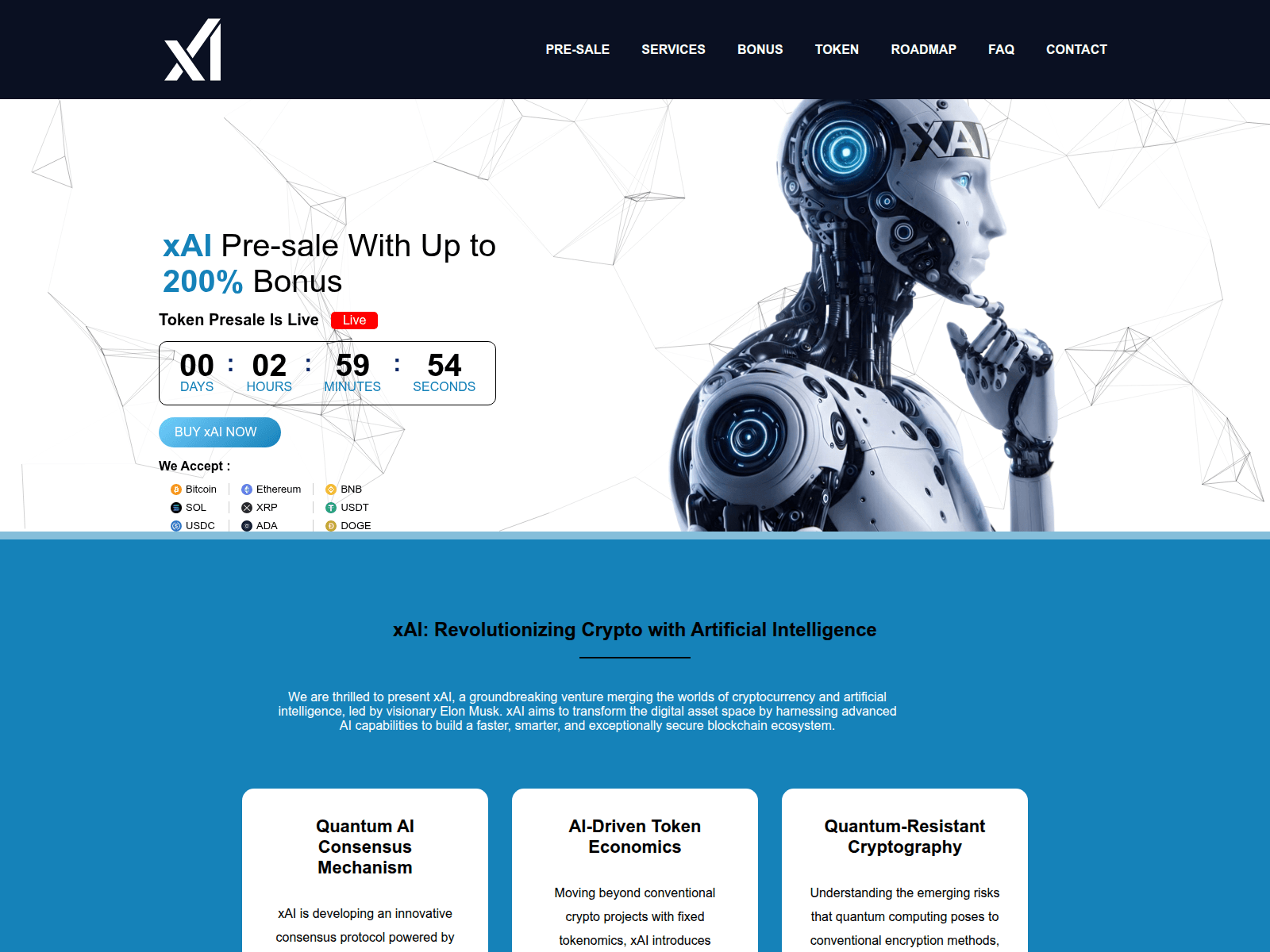
xai-xa20r.com

xaifusion.com
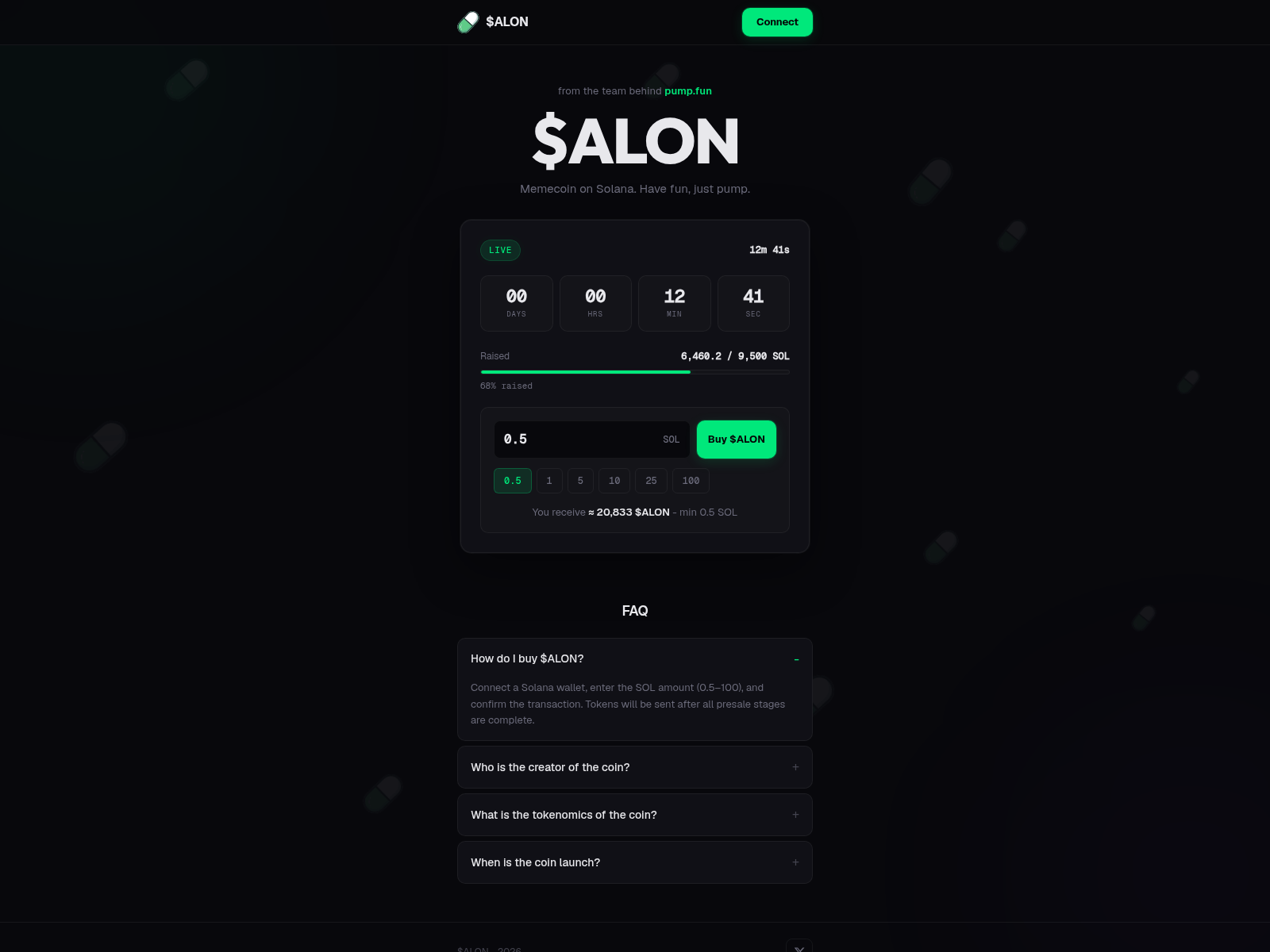
alon.sale

bestwalletsclaim.live
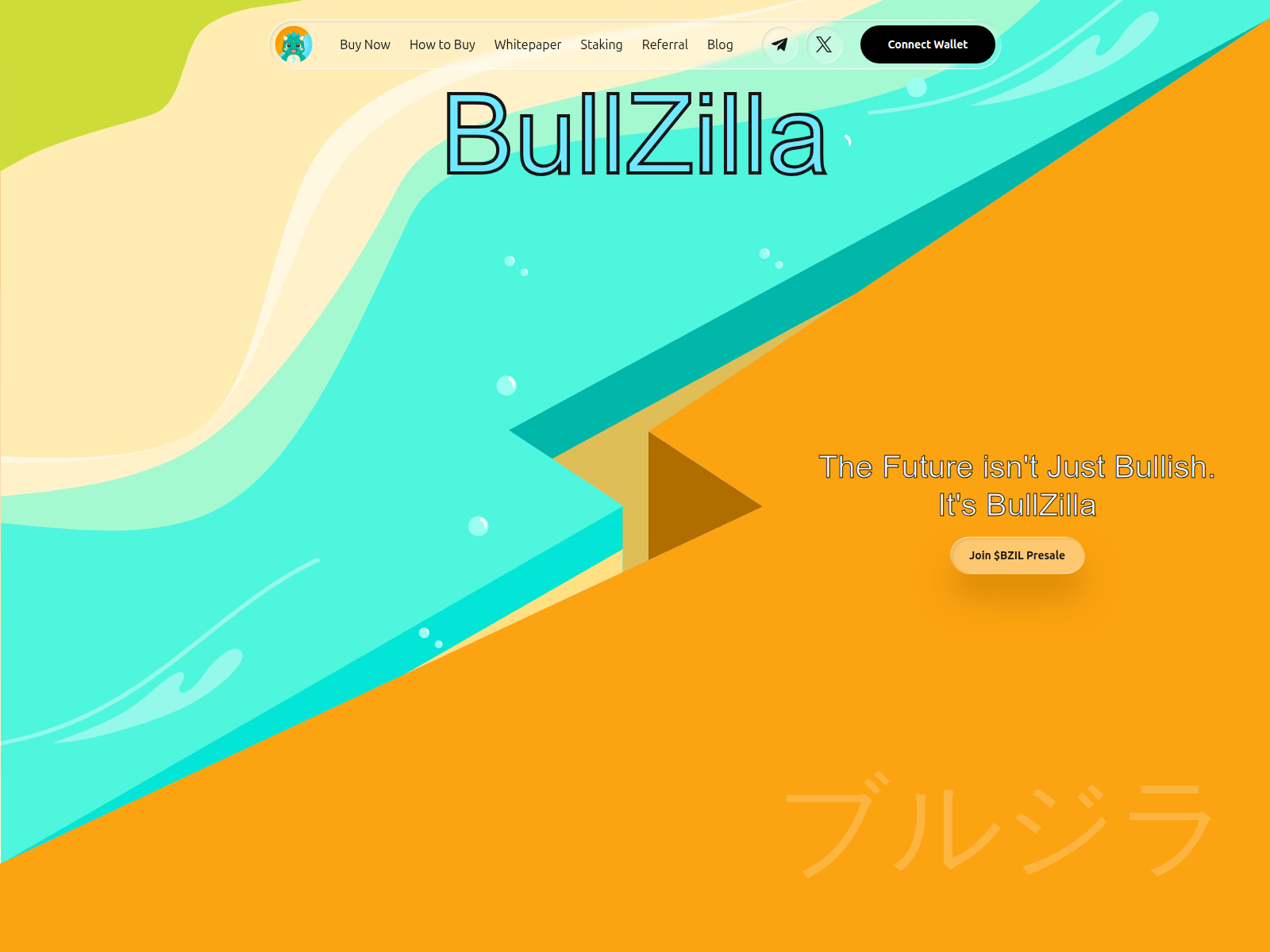
bullzilila.com
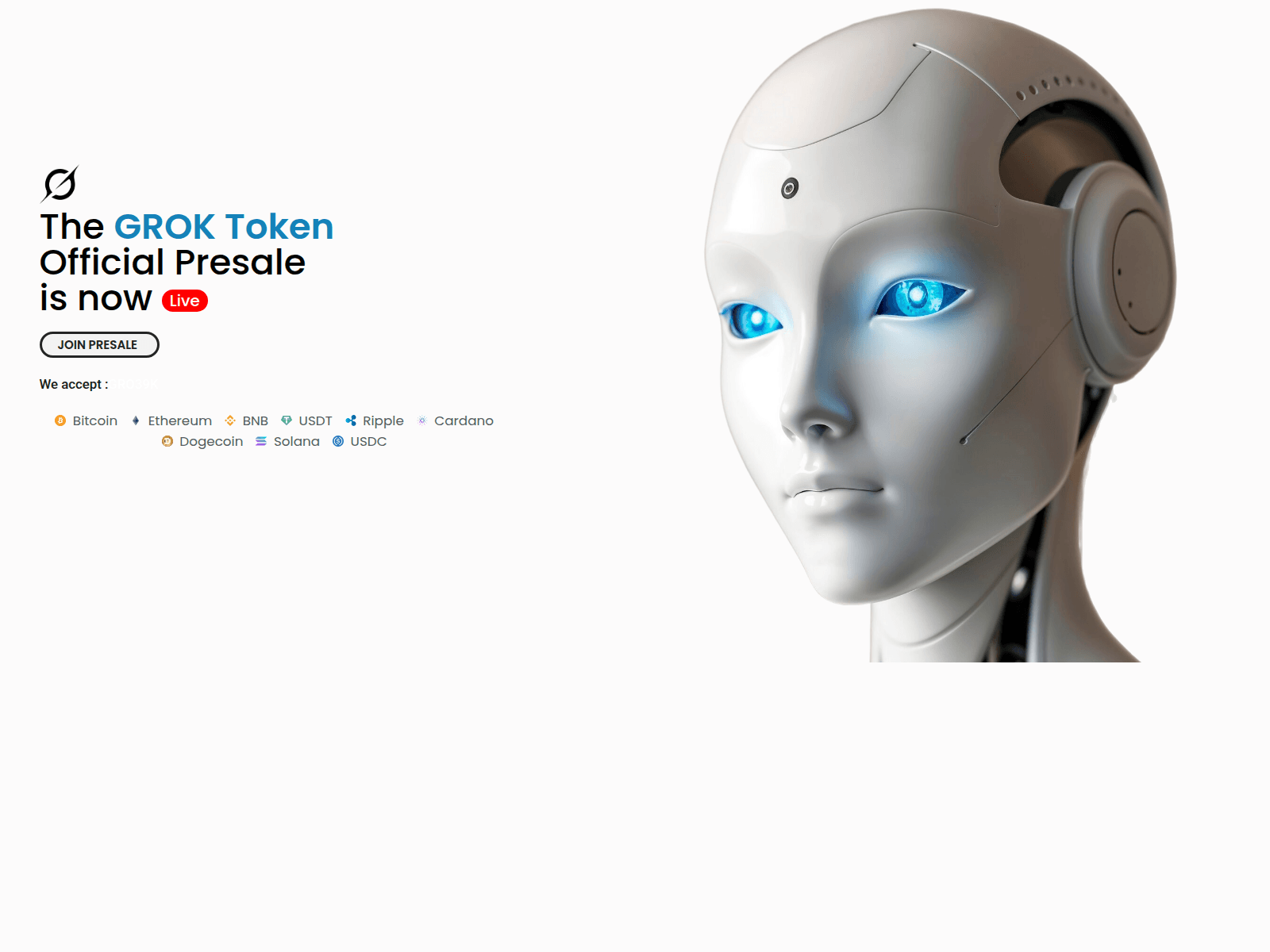
gro39k.org
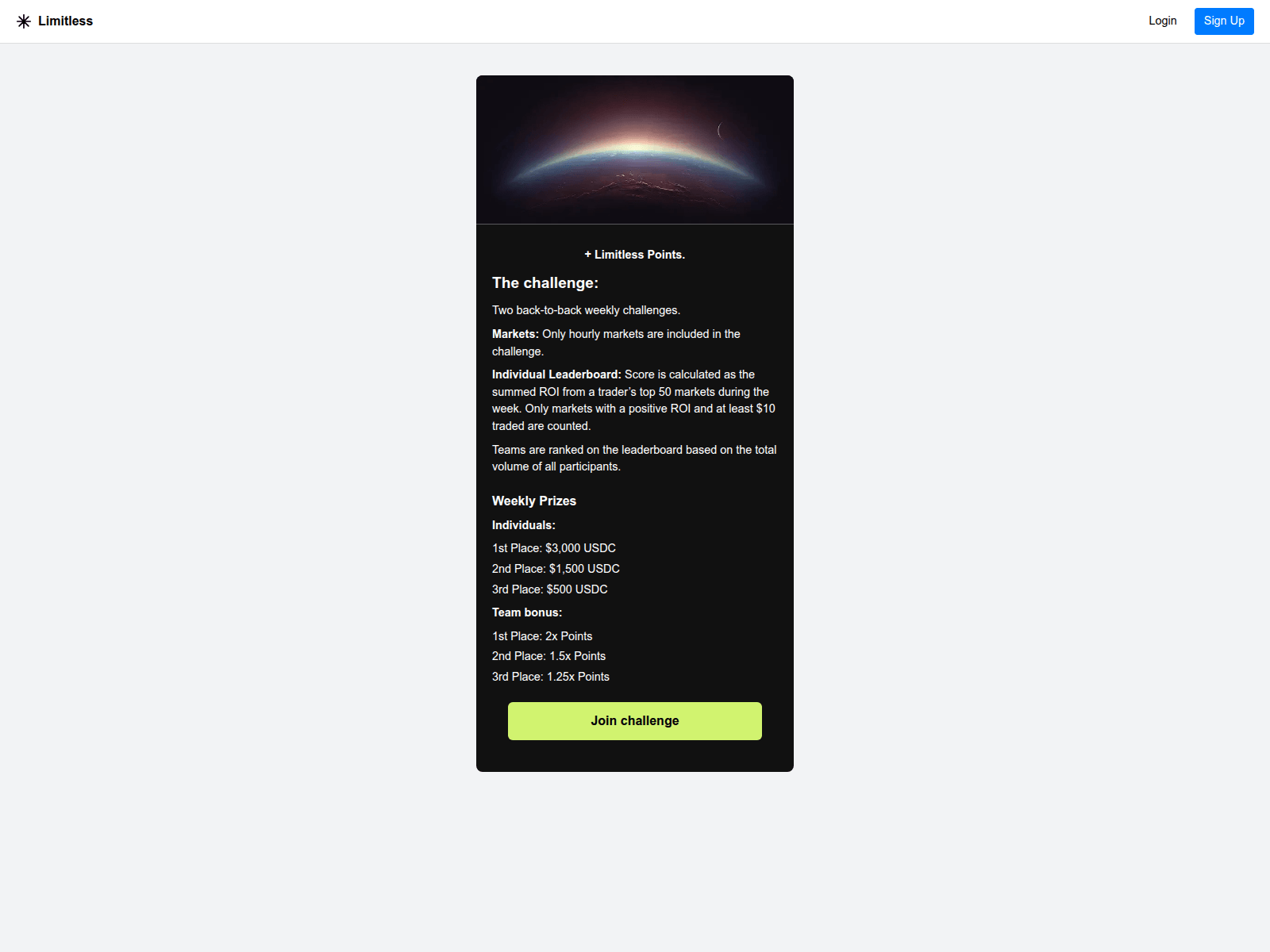
limitlesslmts.app
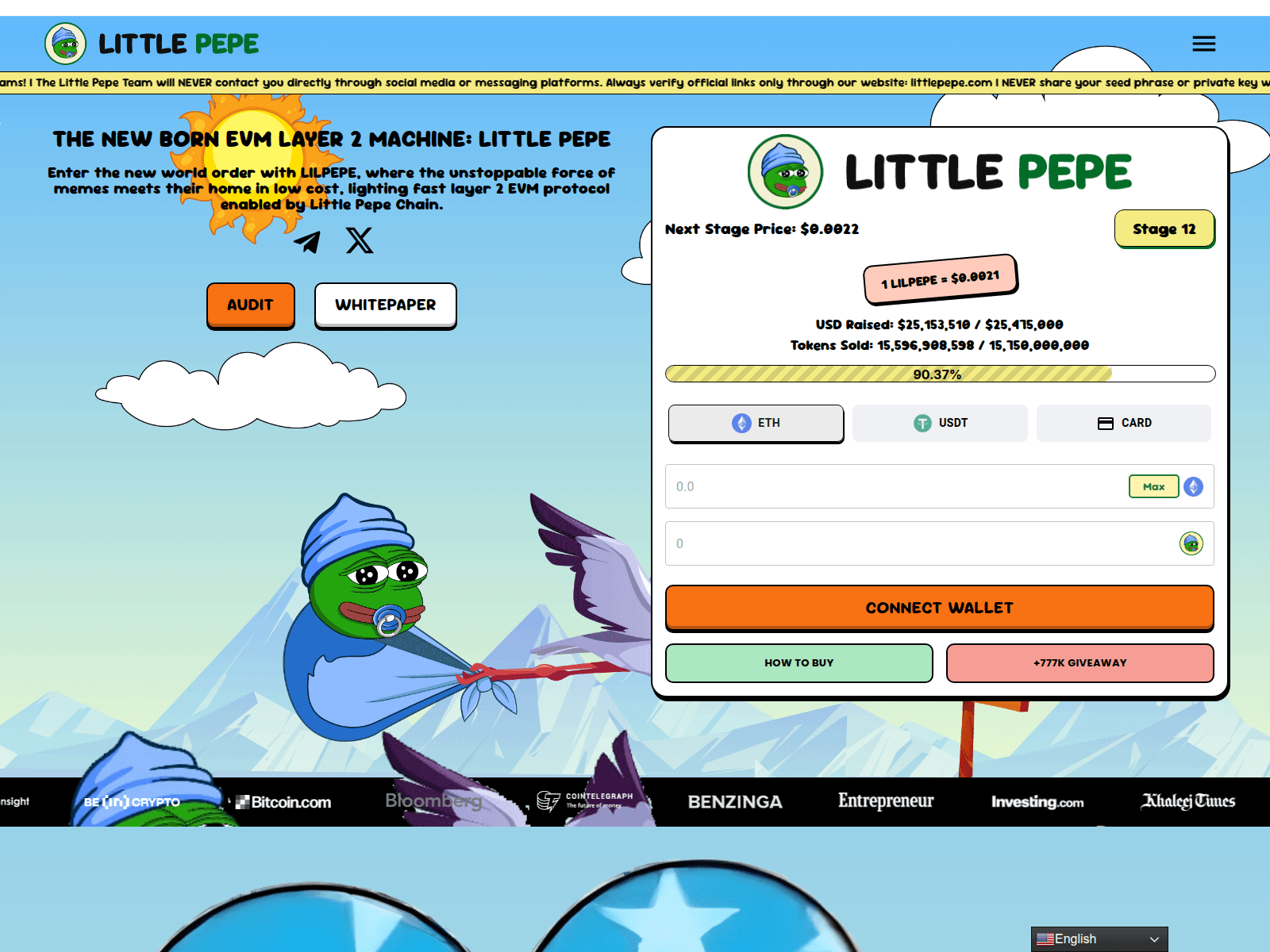
litlelpepe.com
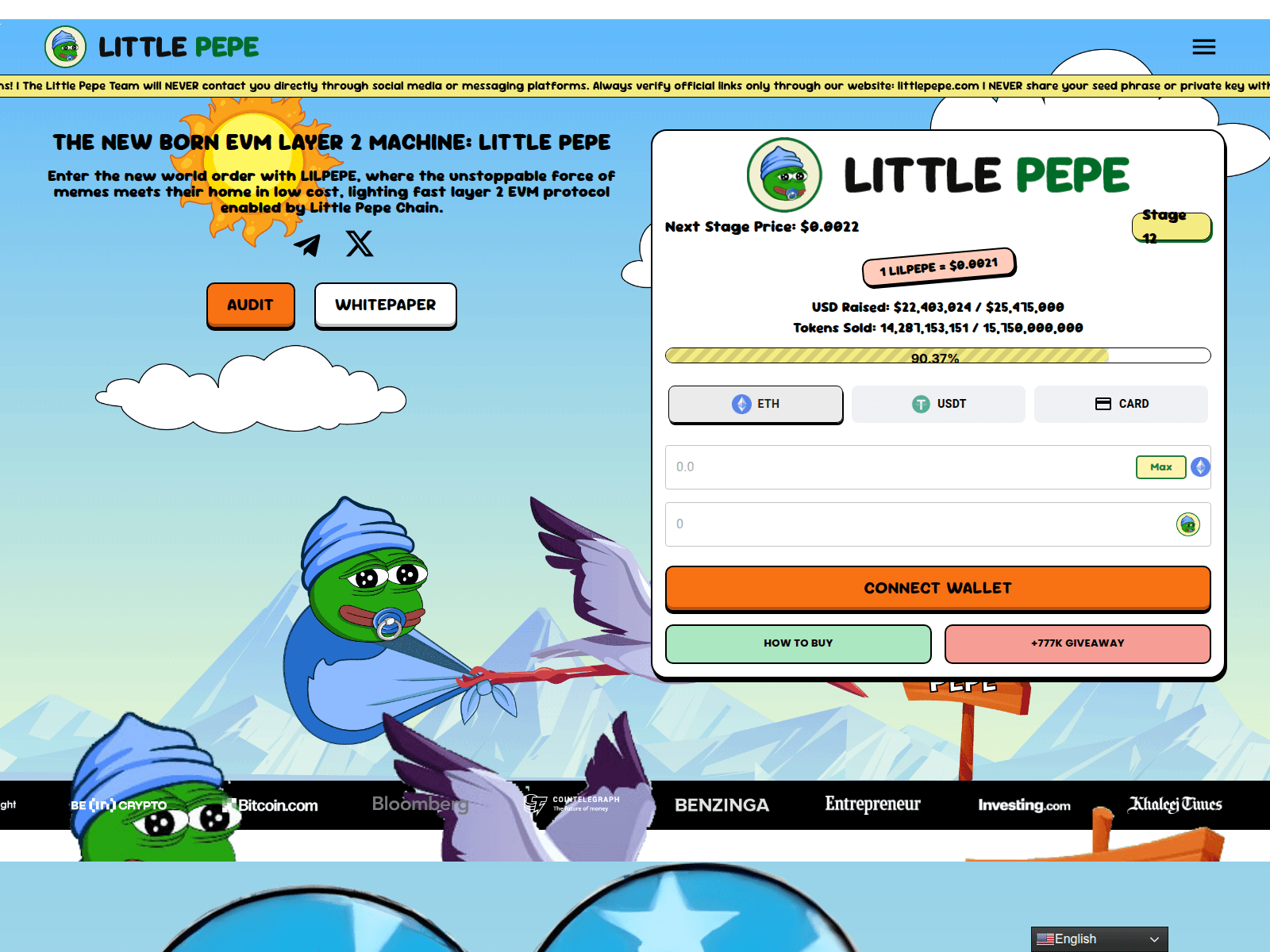
littepepe.com
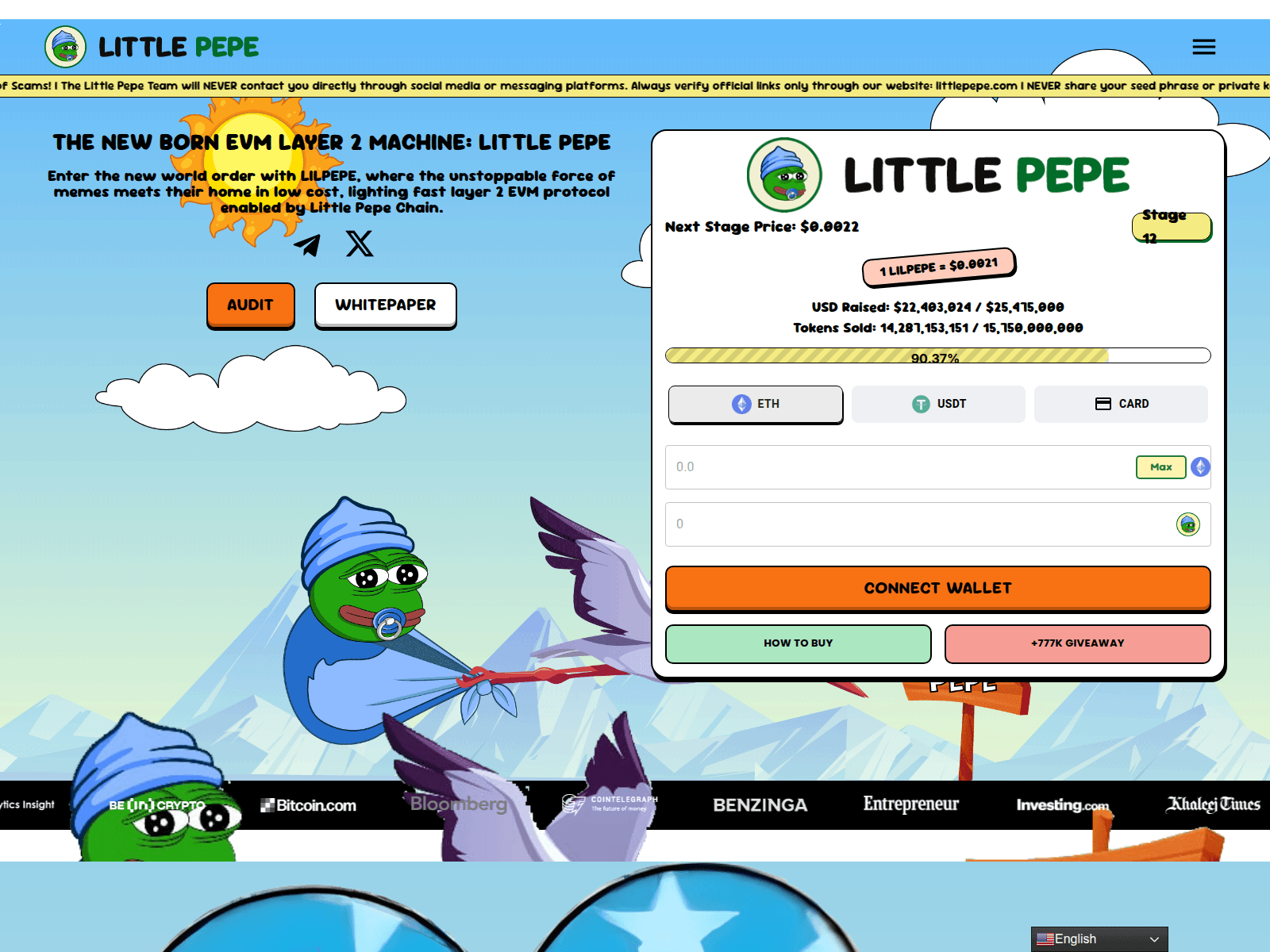
lttlepepe.com
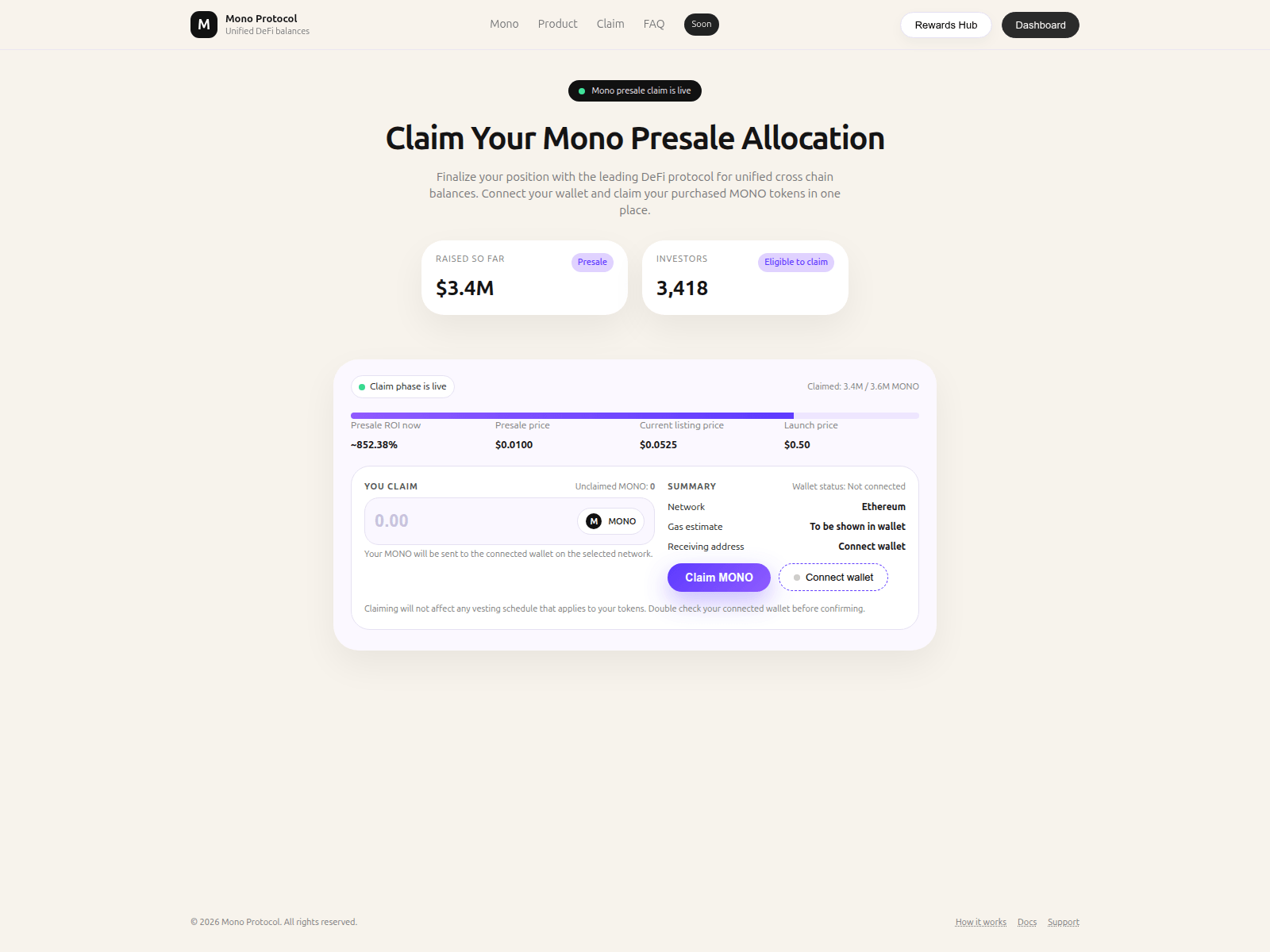
monoprotocol.online
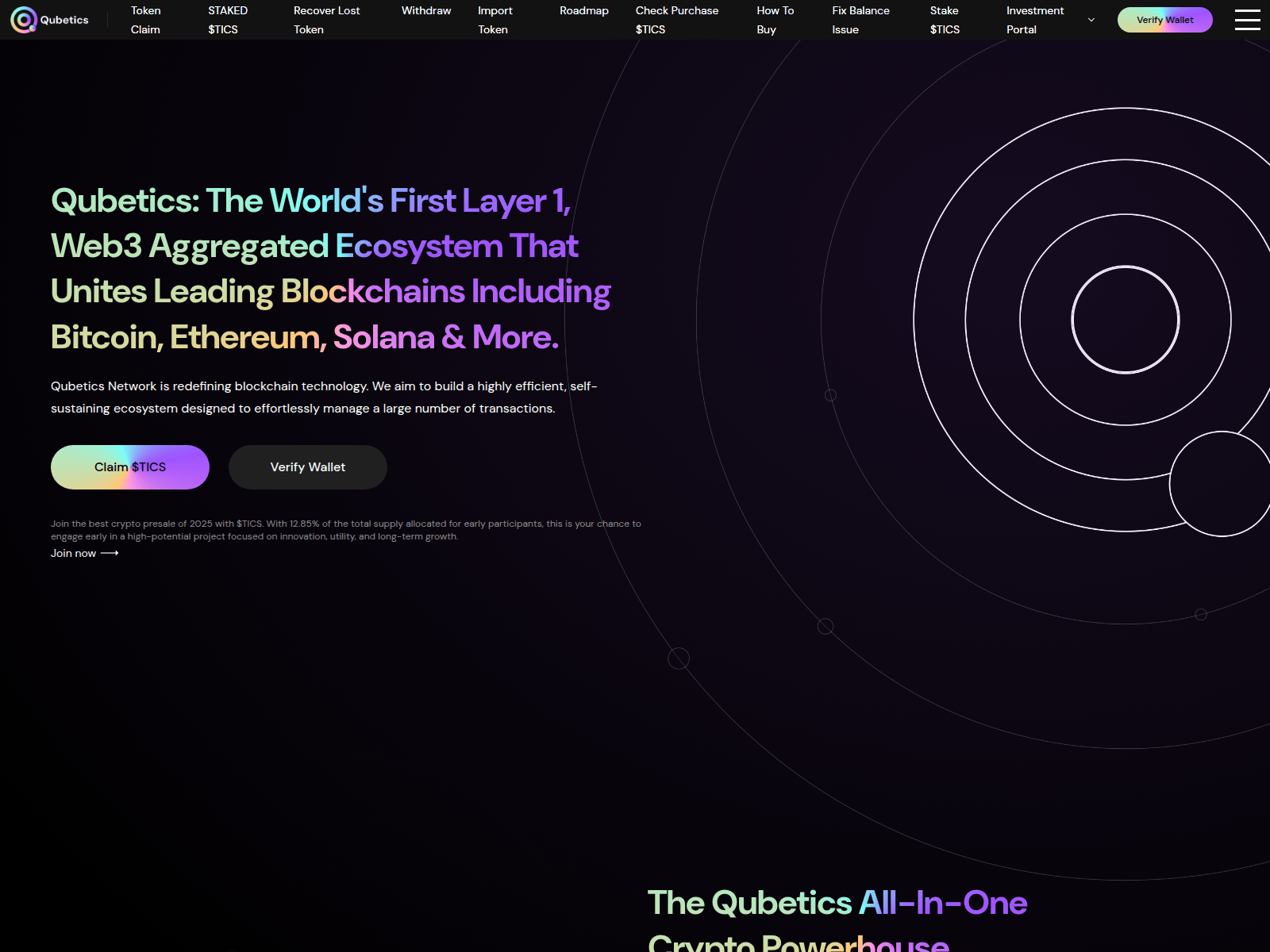
qubeticsverification.web.app

spx15k.com
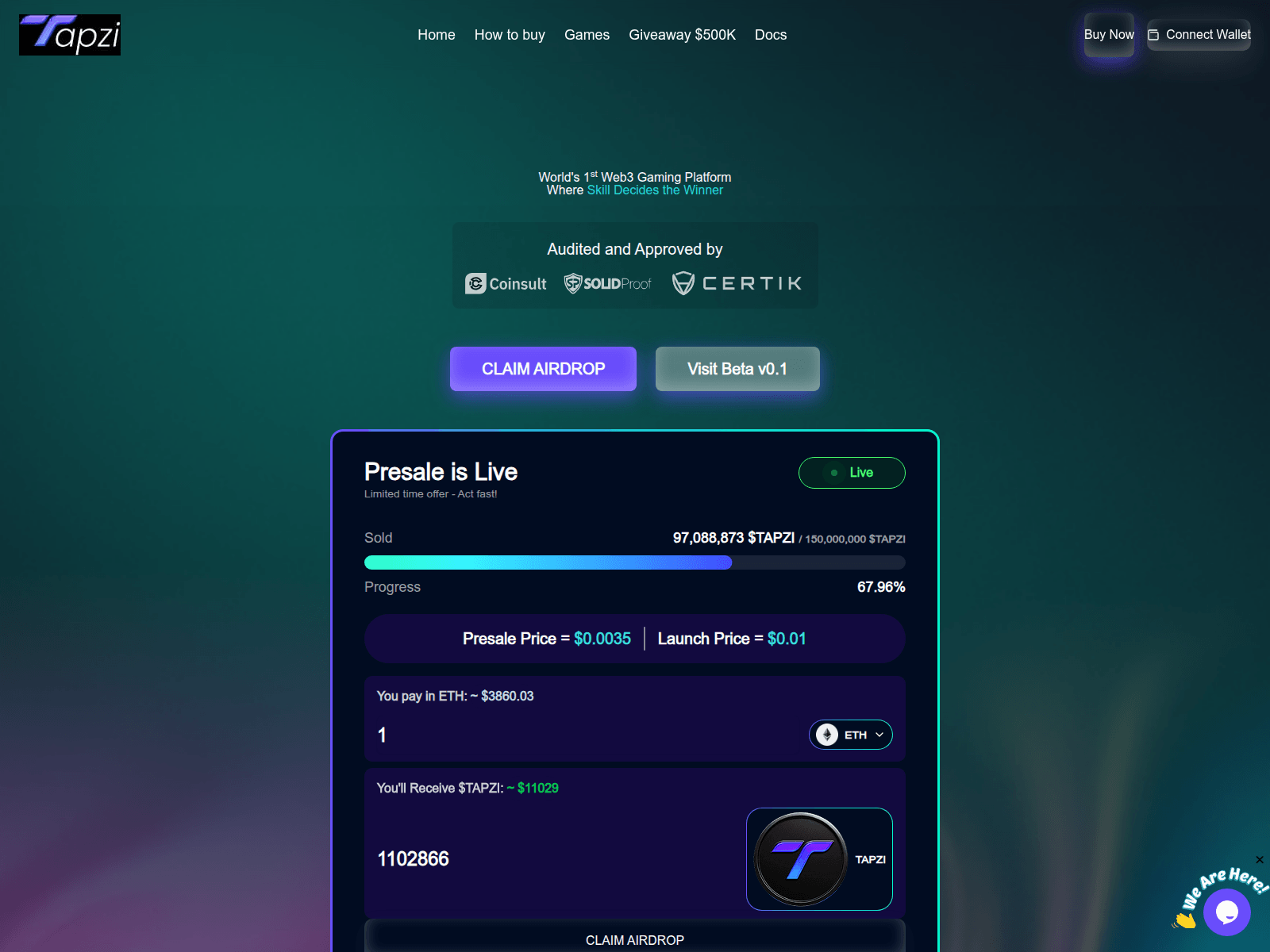
tapzi-io.xyz
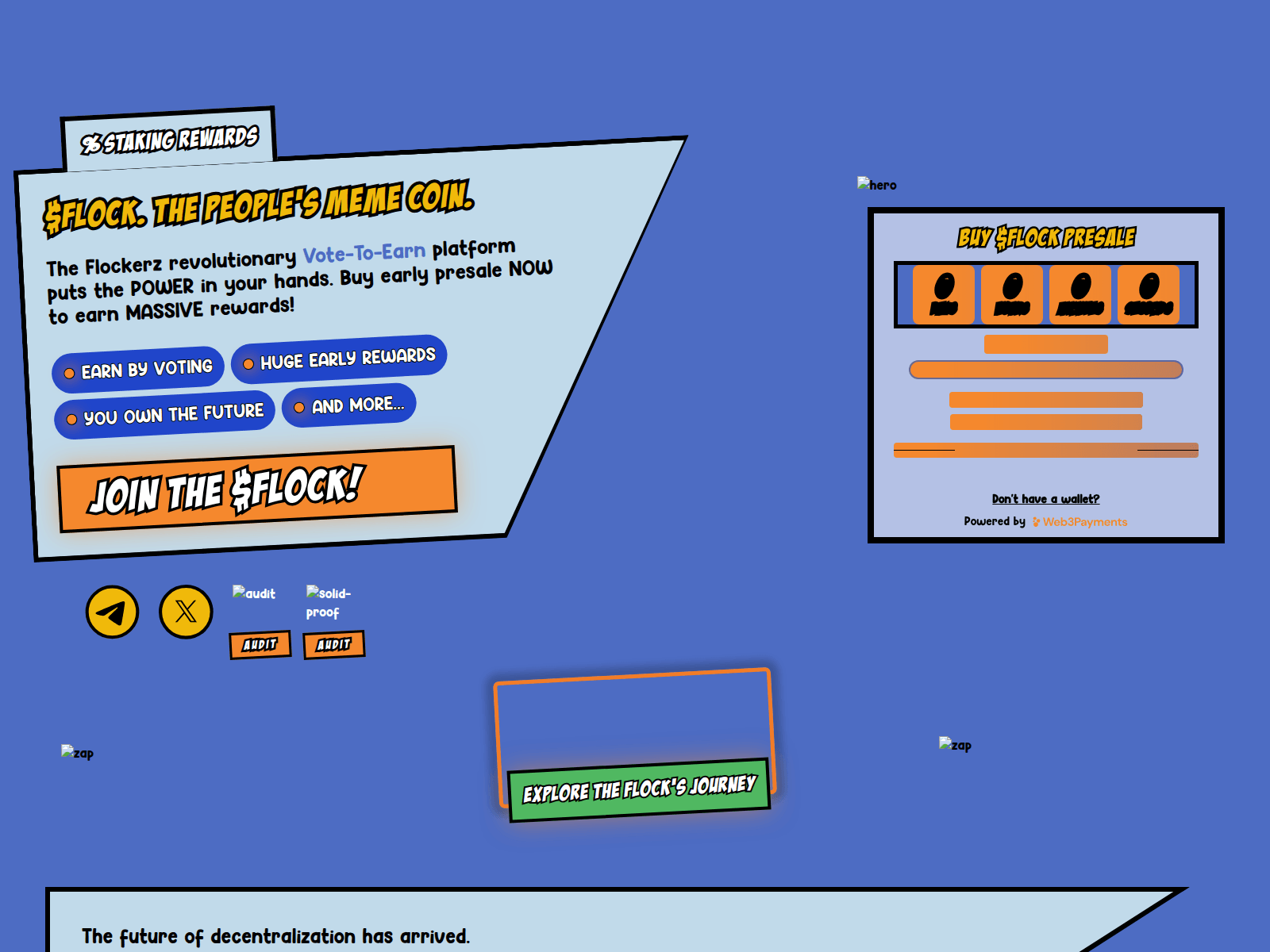
theflockerz.pages.dev

vforcecoin.com
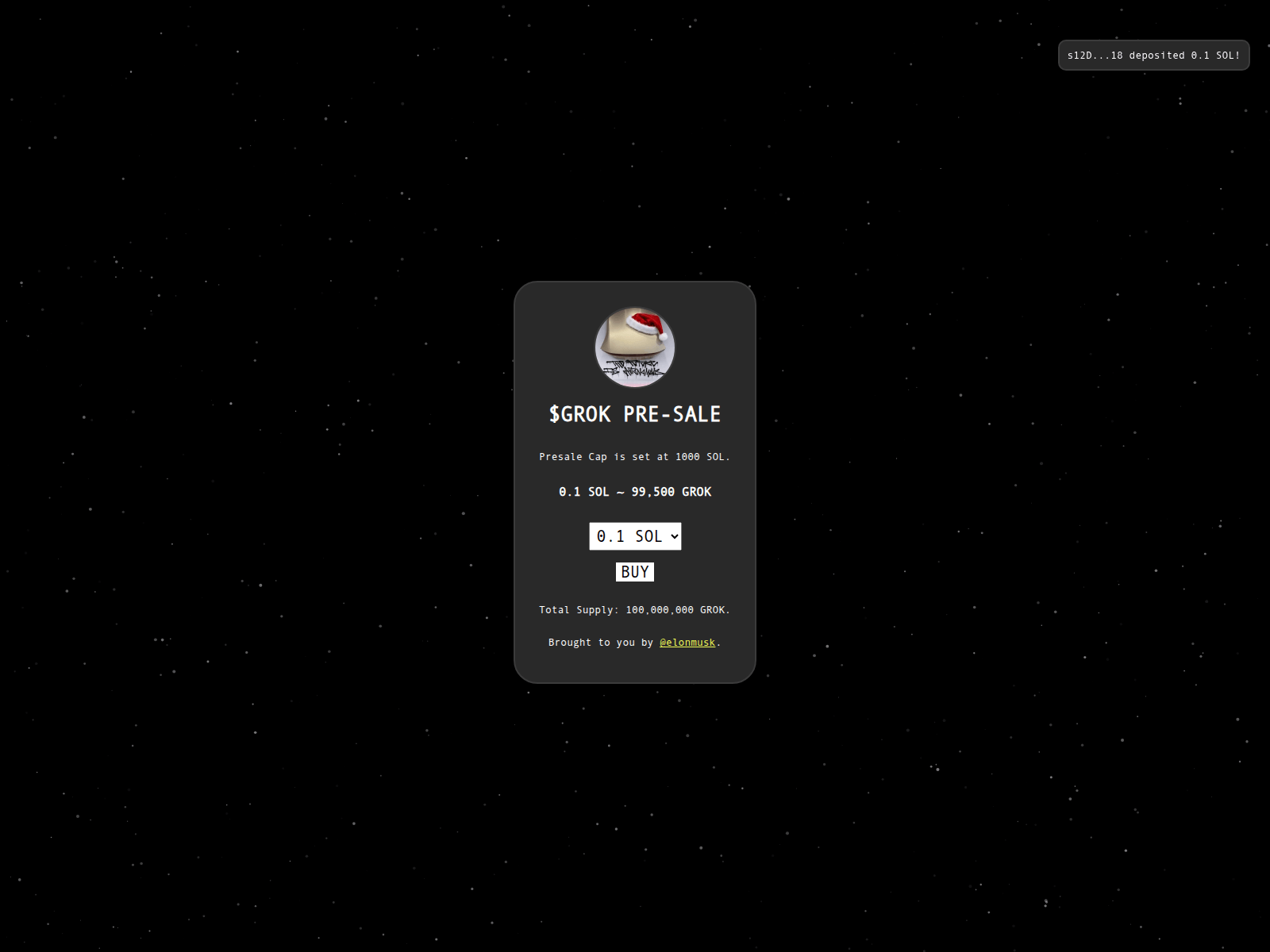
www-grok-allocation.xyz
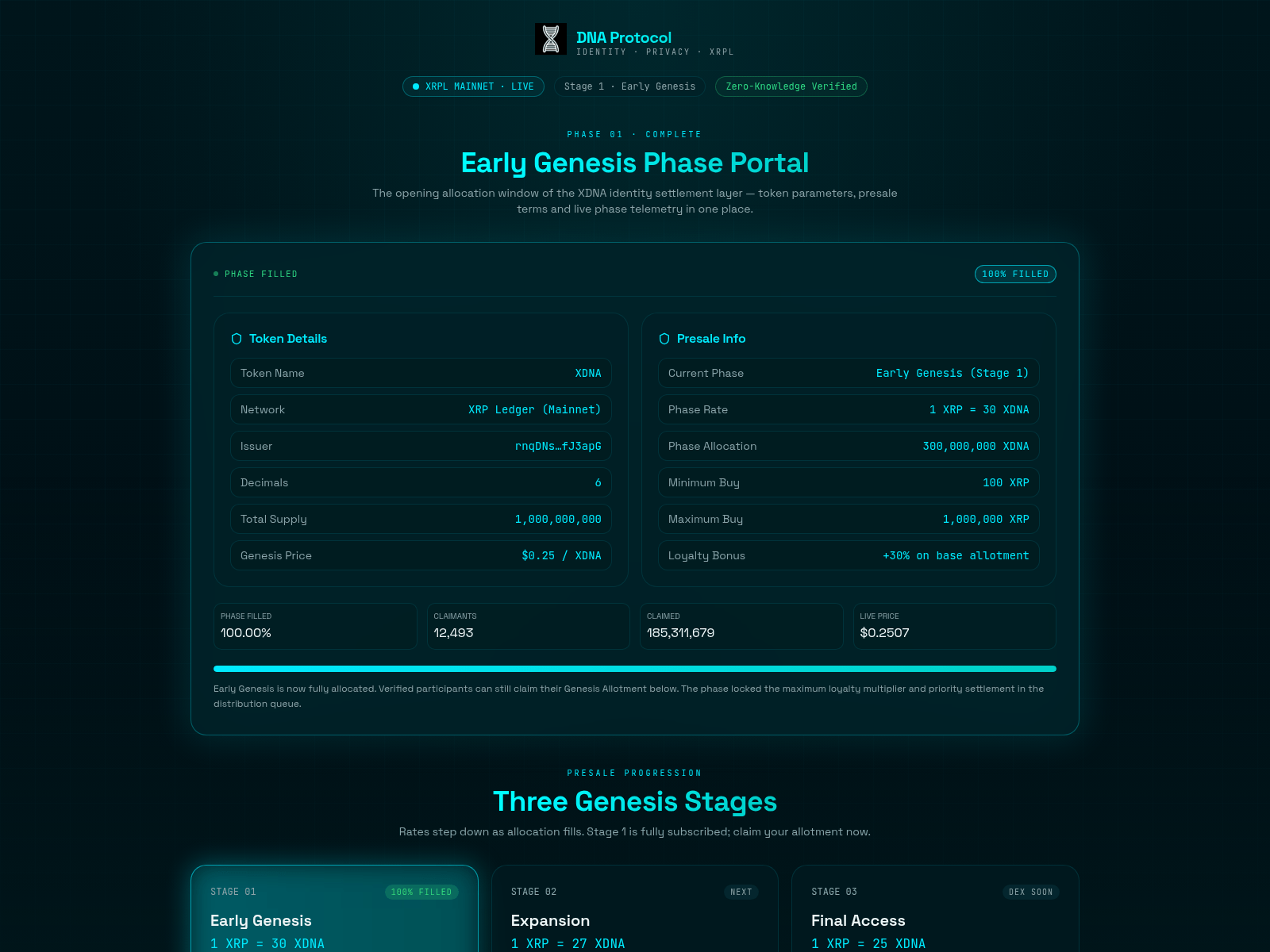
xdna-dnaprotocol.com
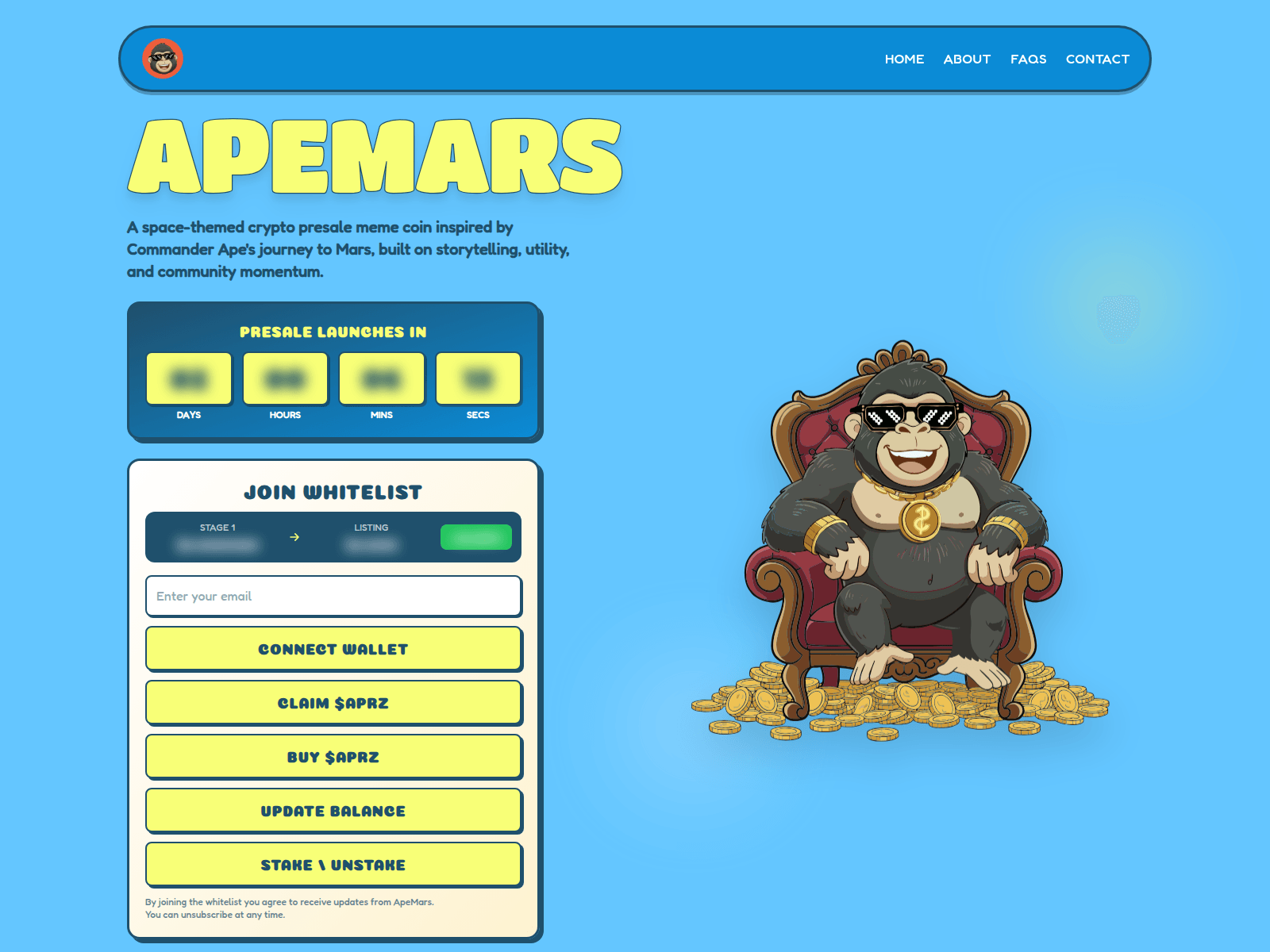
apemars-in.web.app
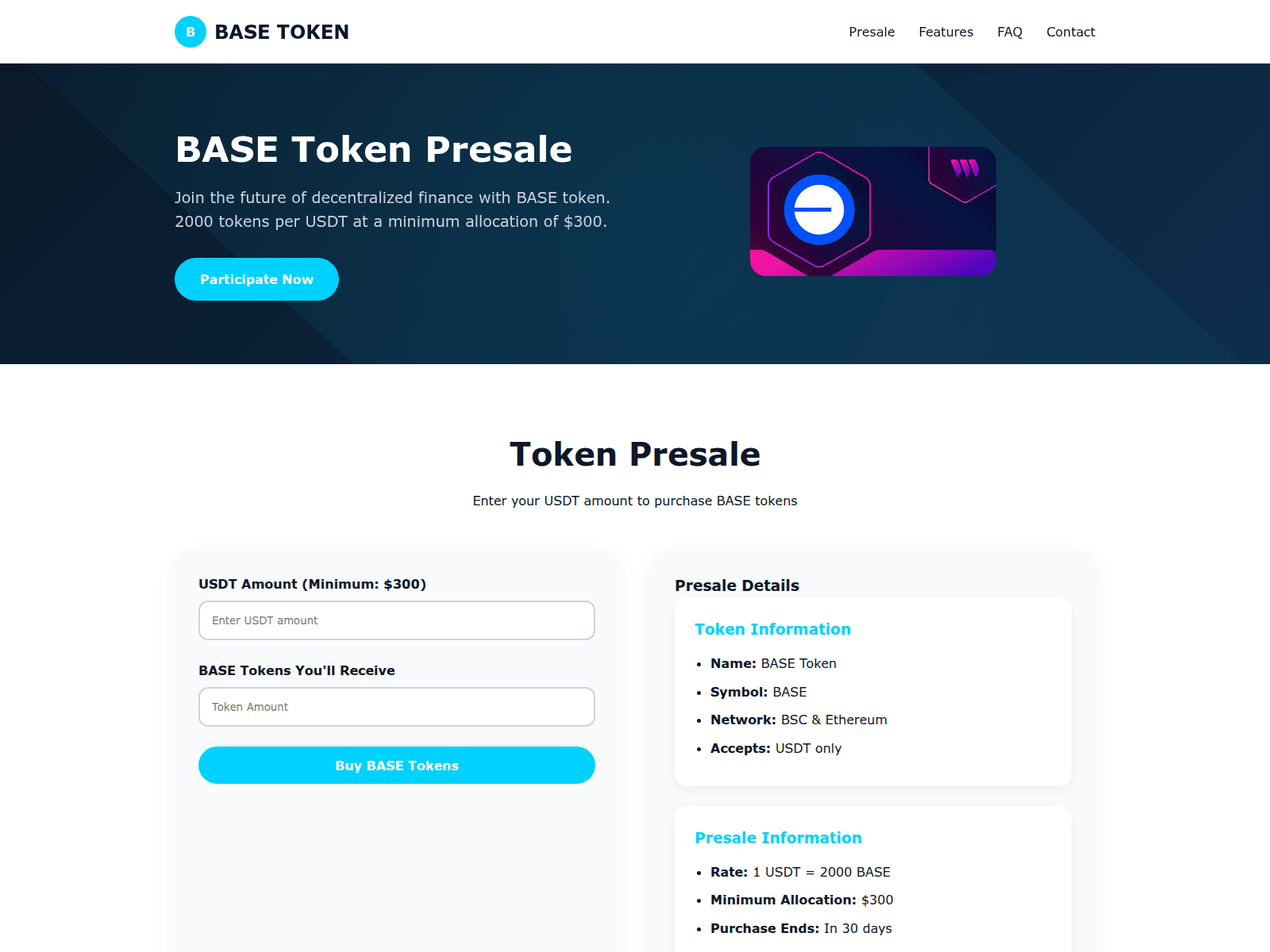
basetoken.sale
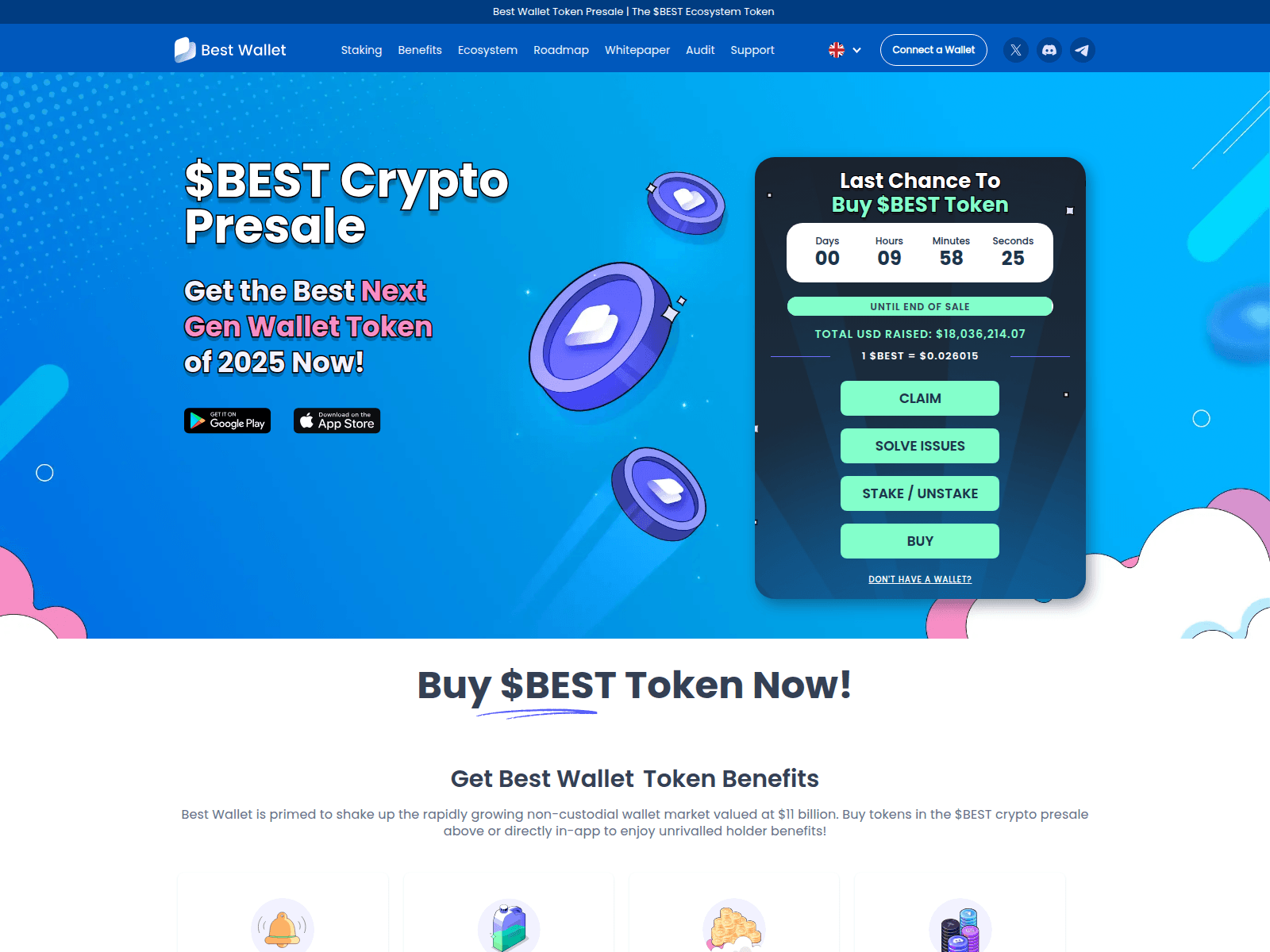
bestwallettoken-claim.info
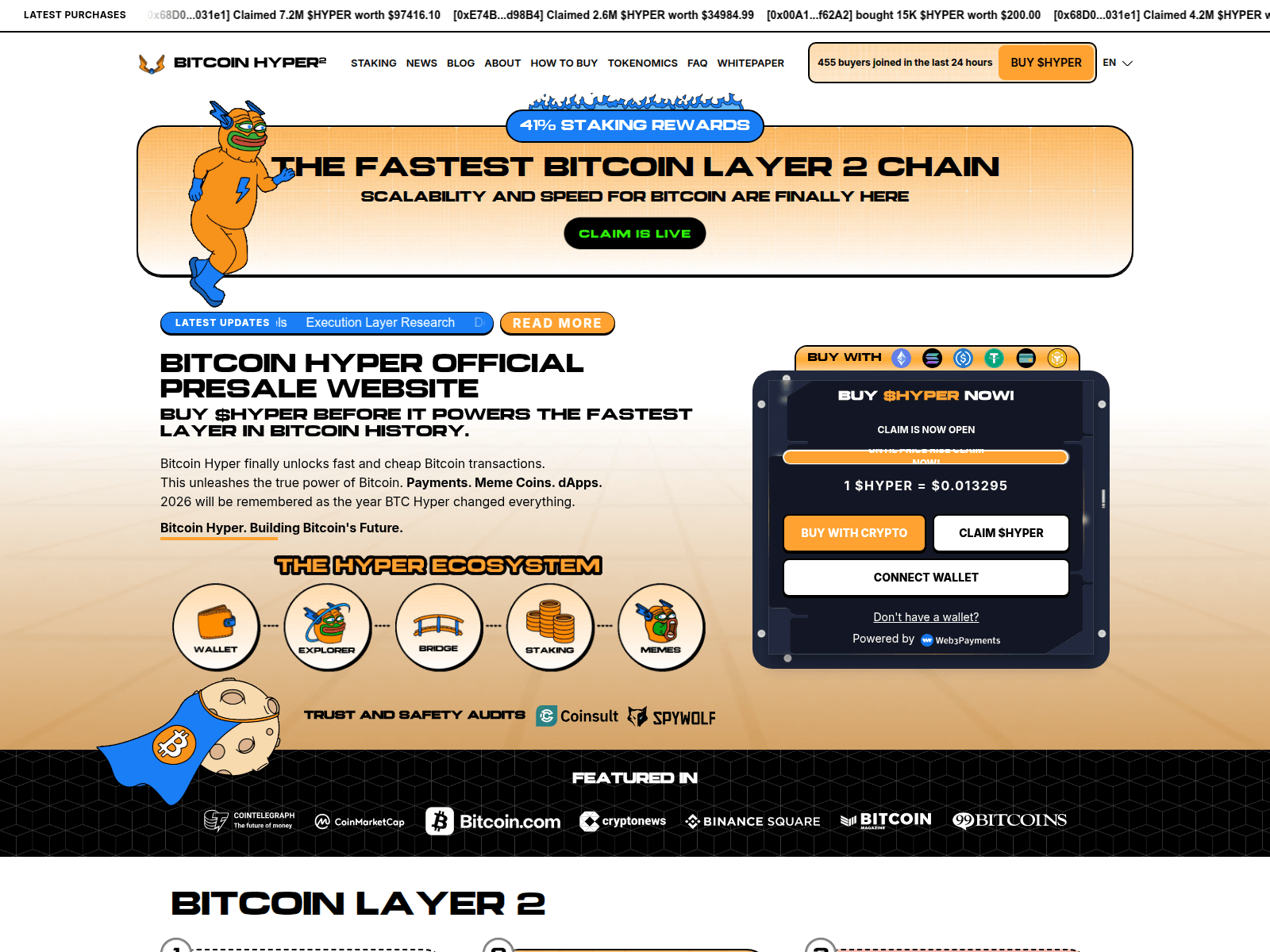
claims-bitcoinhyper-claim.pages.dev

gr0k2025.com

harambeaiclaim.web.app

ionichain.com
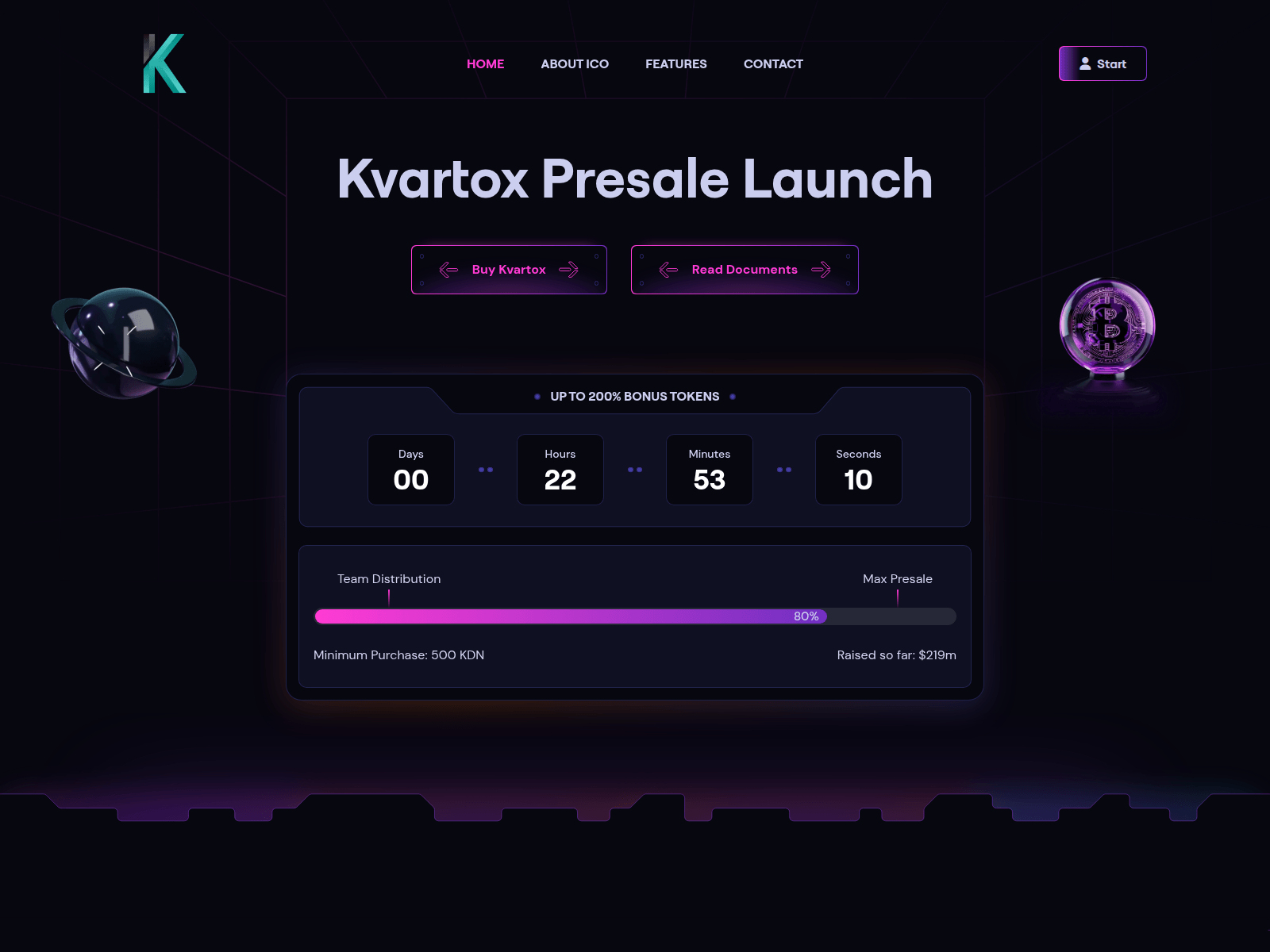
kvartox.com
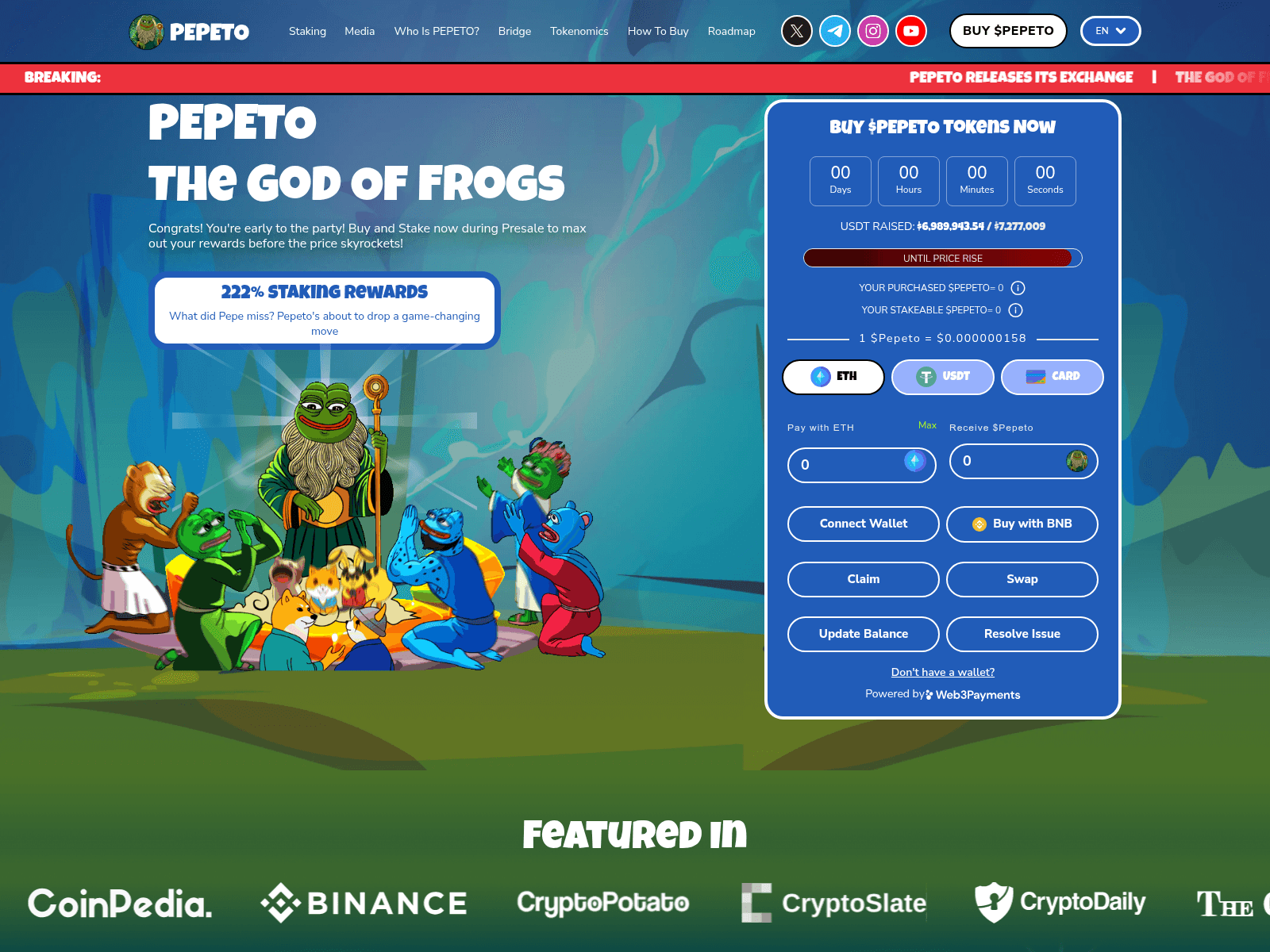
m-pepeto.pages.dev
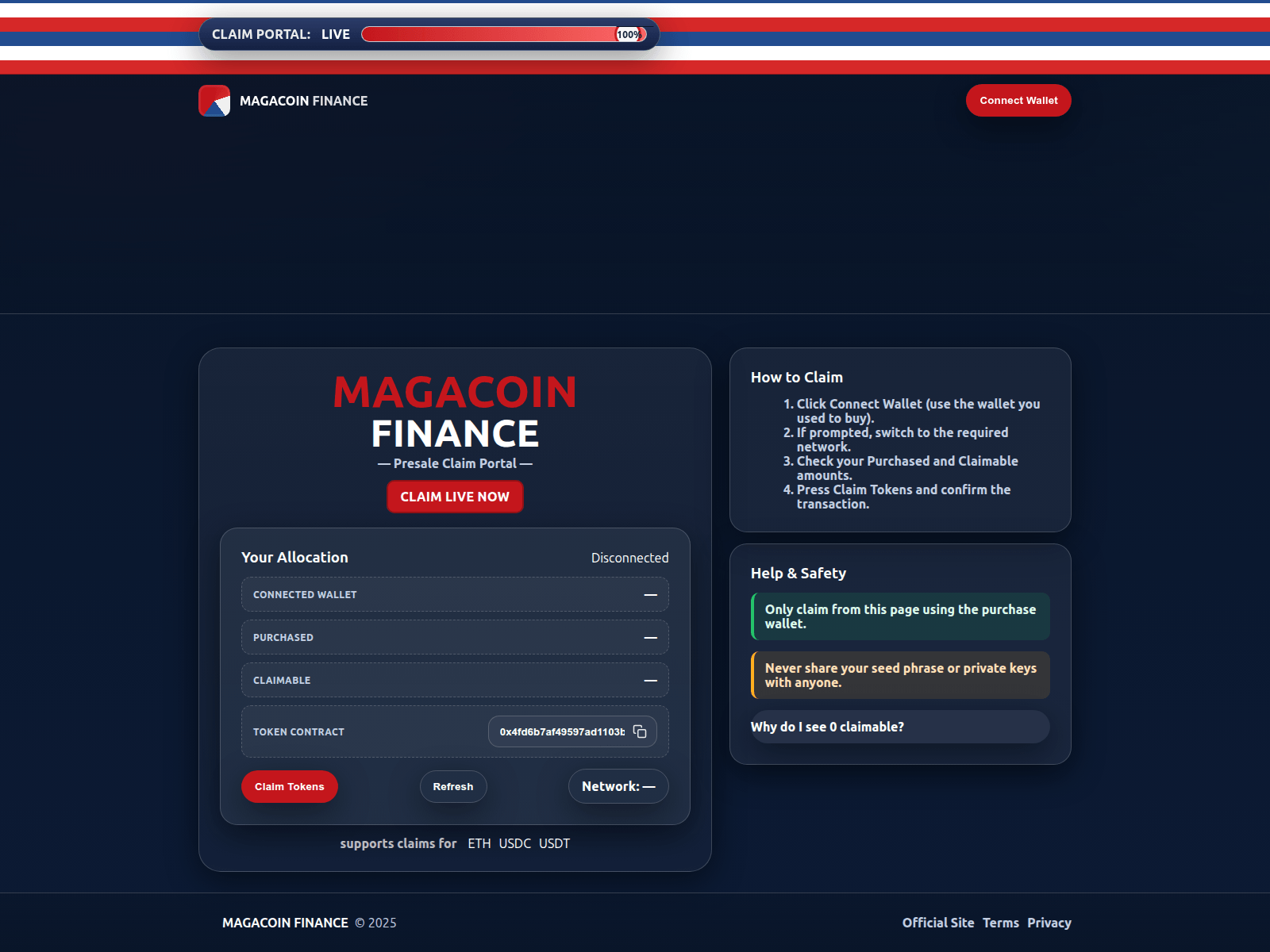
magacoin.info
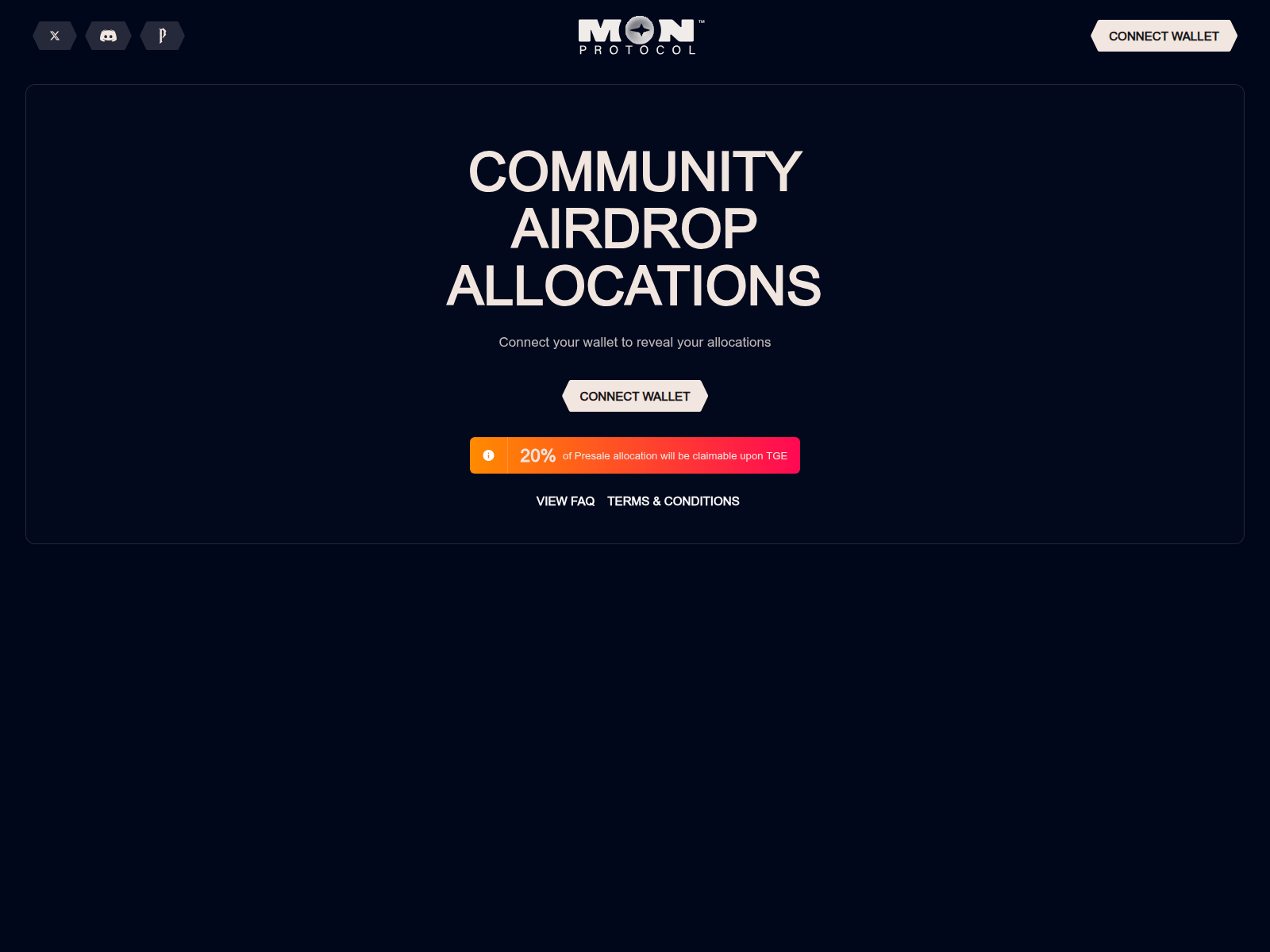
monproto.pages.dev
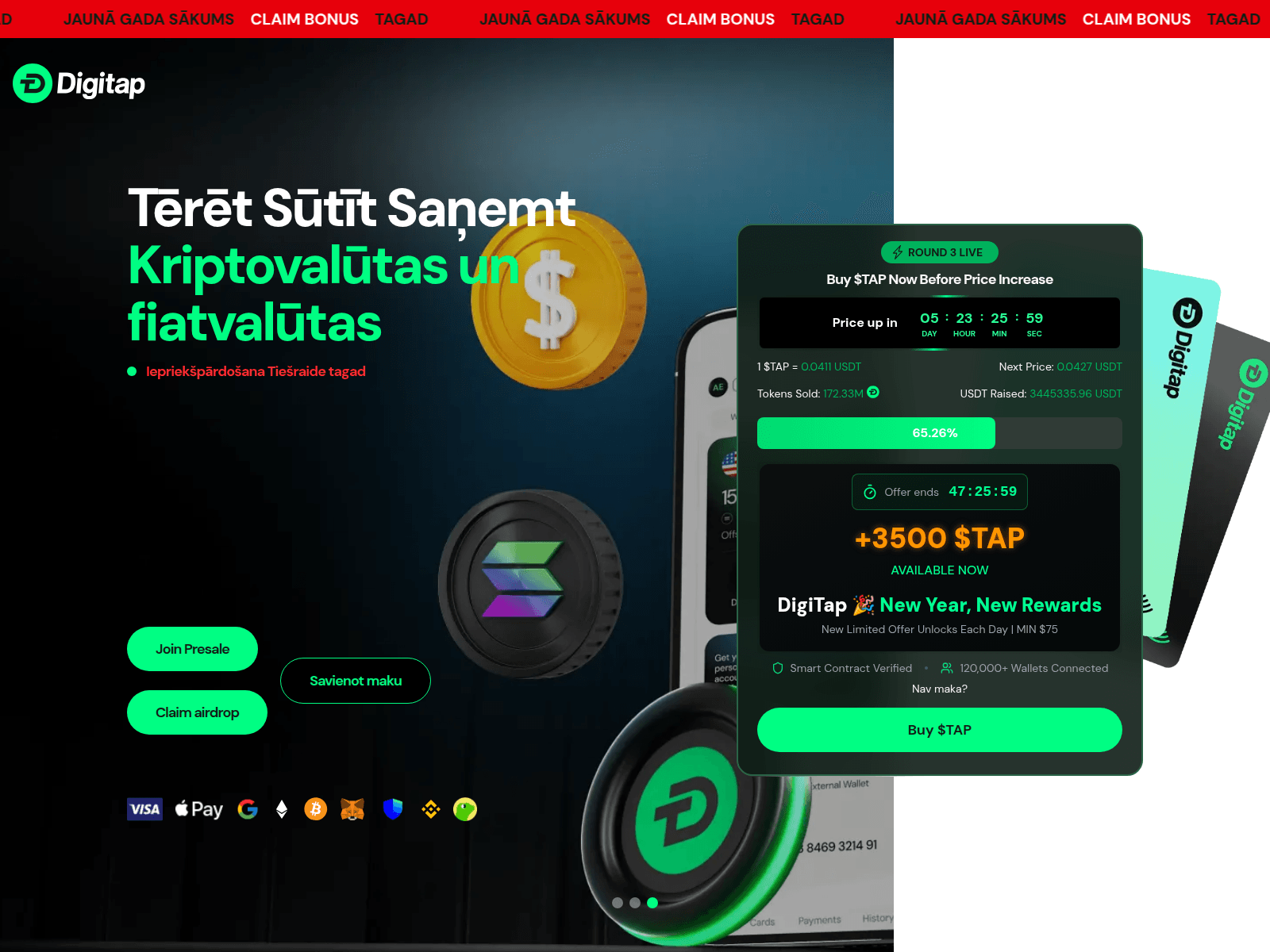
presale-digitap.app
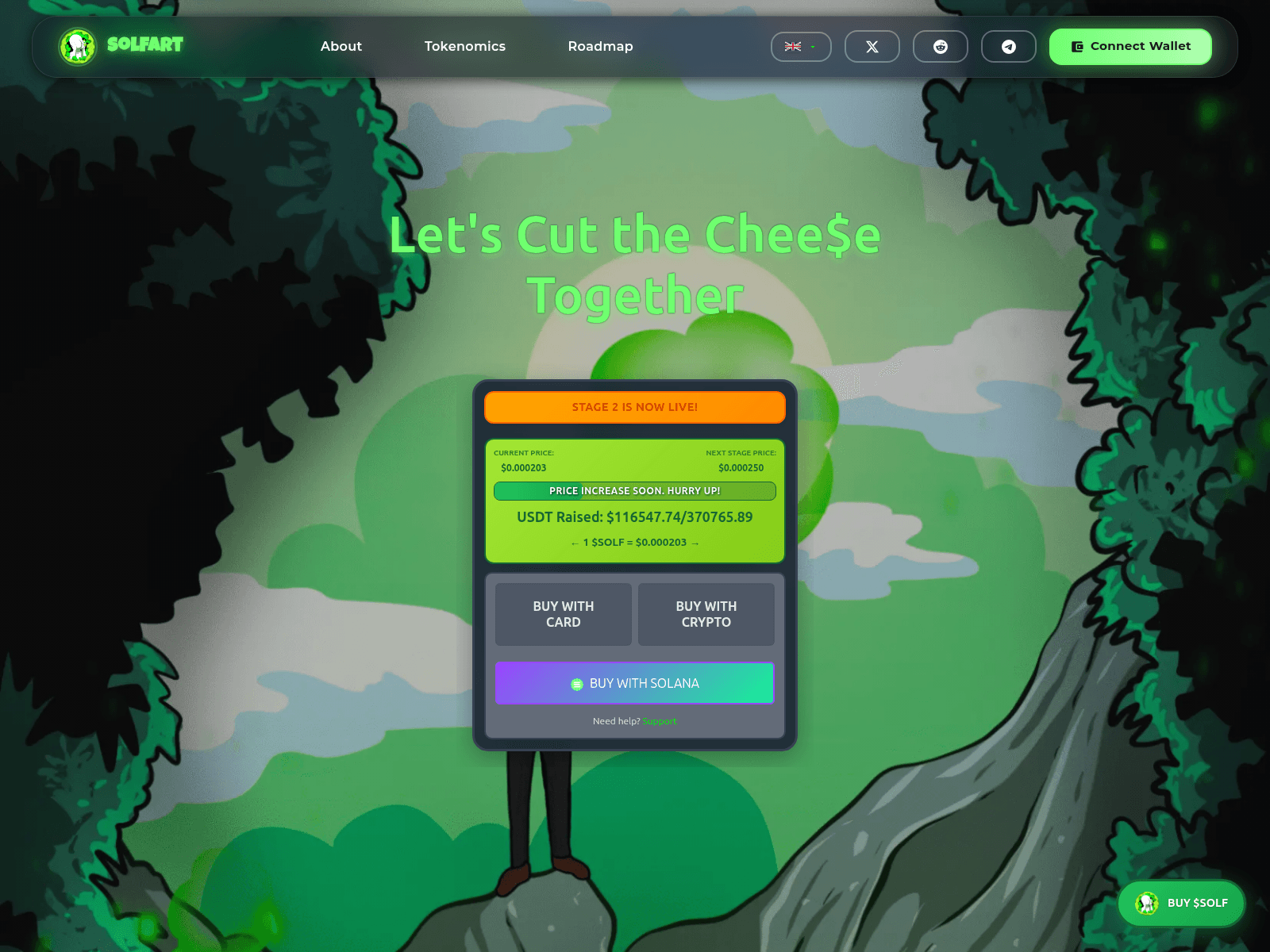
solfart.io

spax21k.icu

spx21k.com

spx80k-cointelegraph.com

spx98k.org
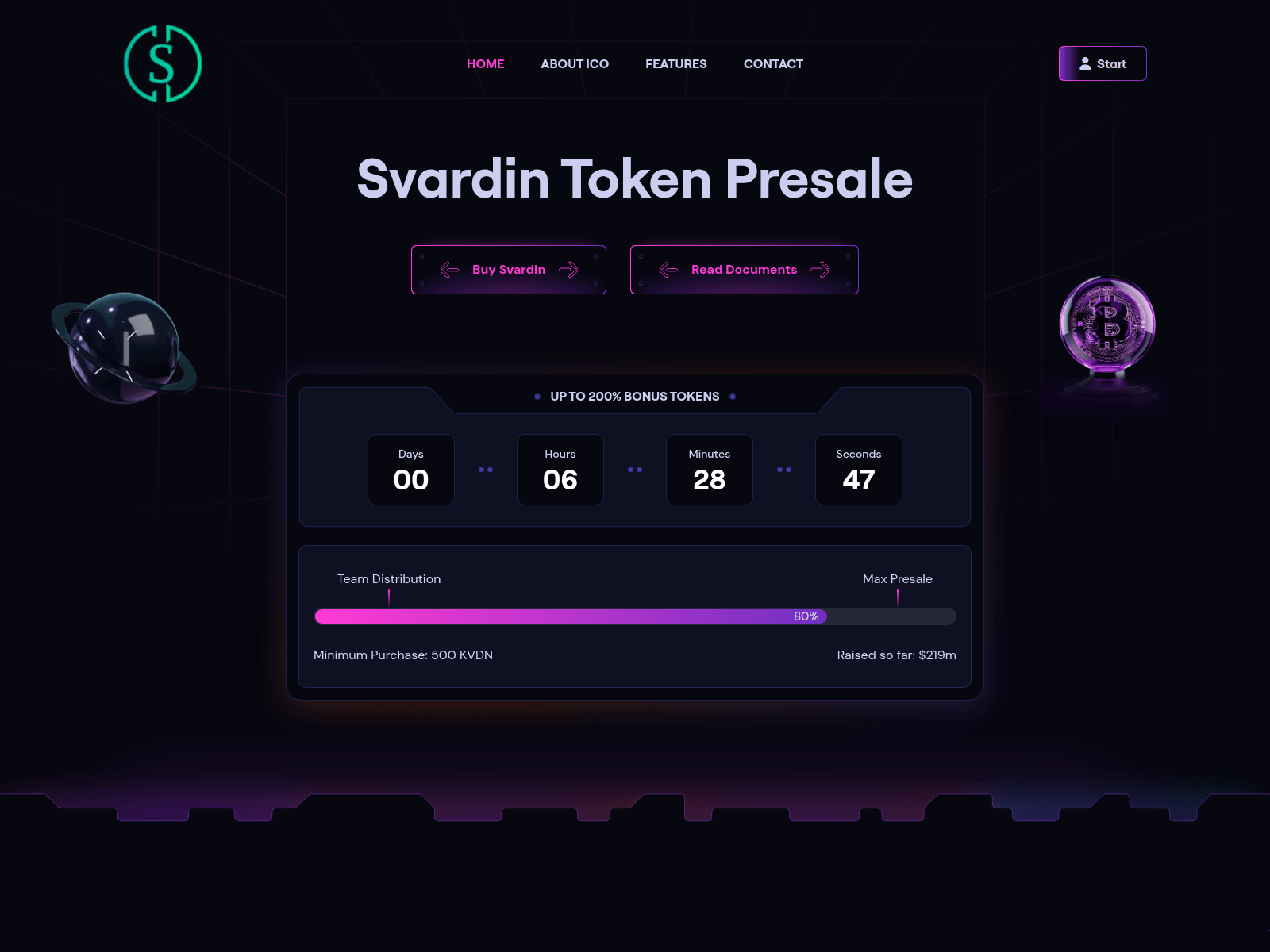
svardin.net

xa70b.com
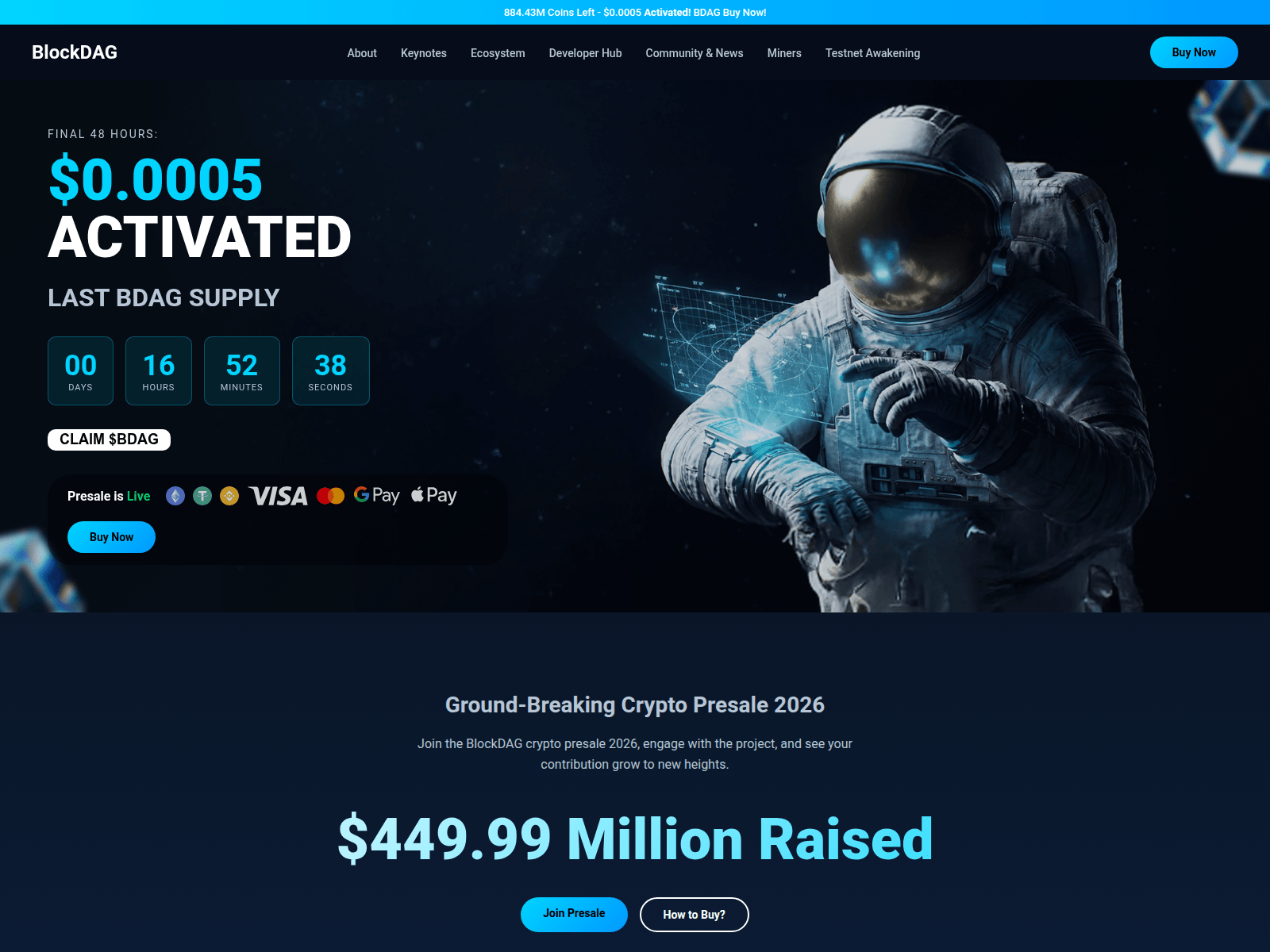
bdagnetwork.info

bestwallet-app.com

blockdagpresalenetwork.online
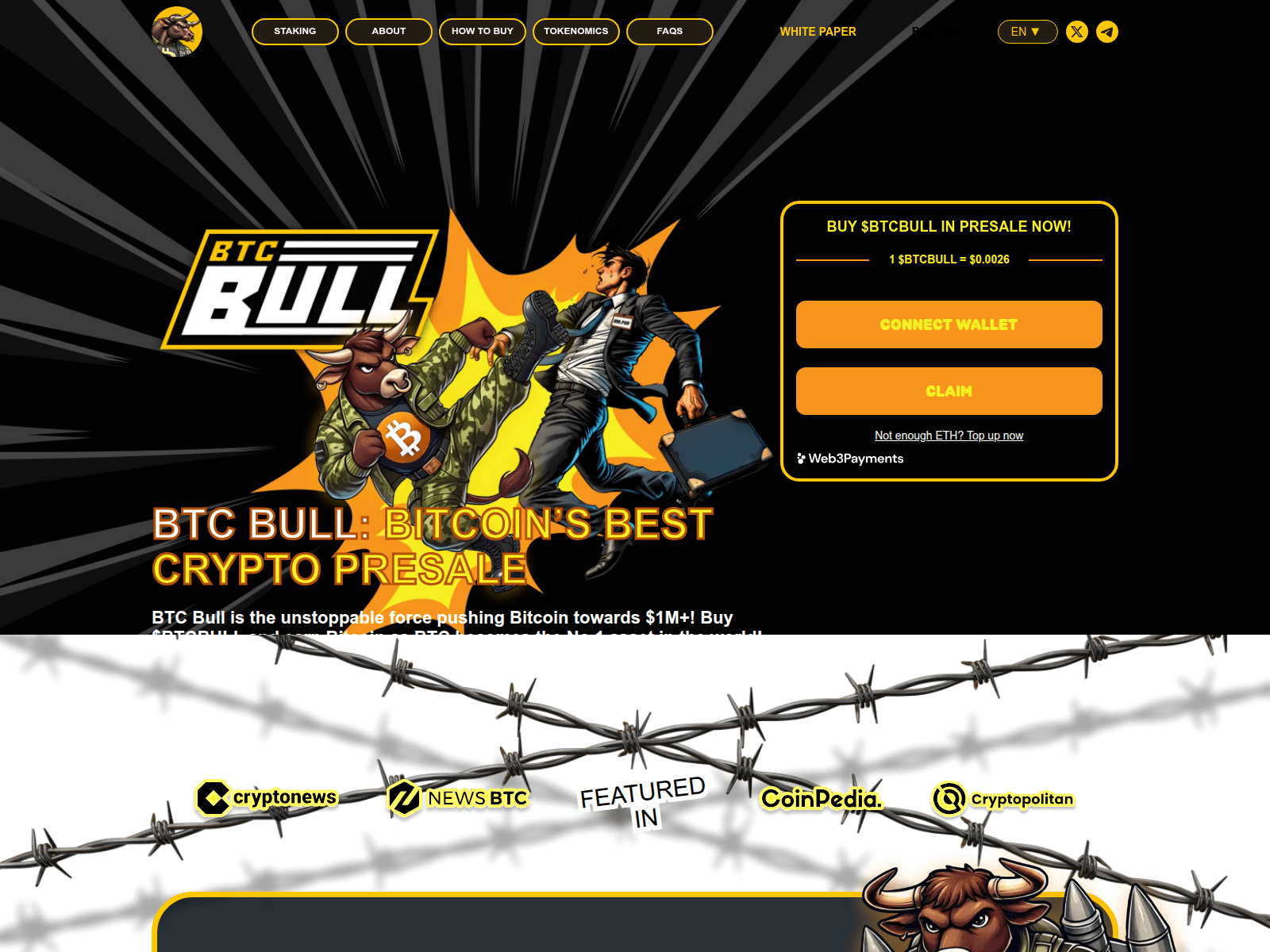
btcbullcoin.pages.dev
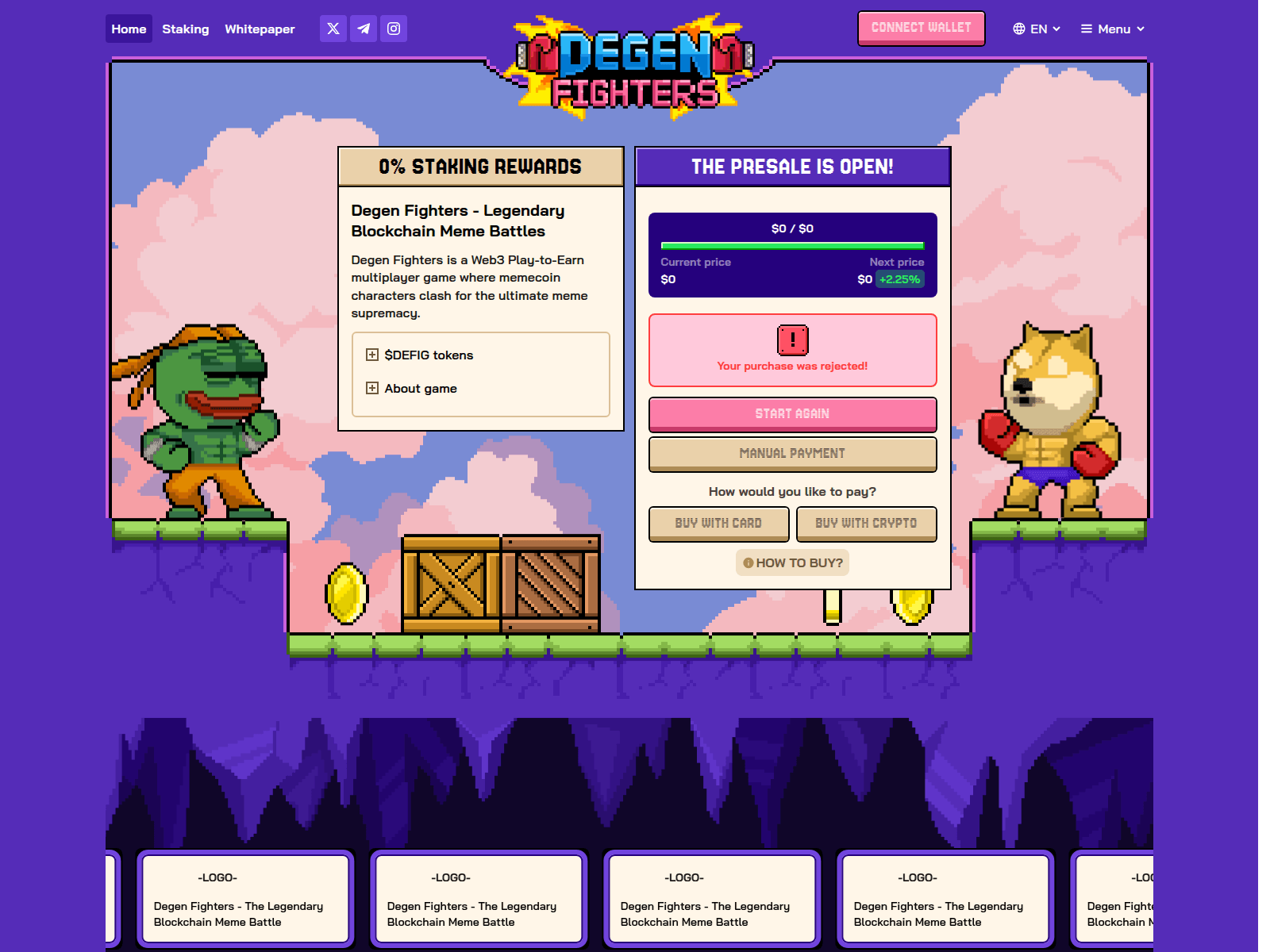
defig-8sw.pages.dev

everlodge-claimv2.pages.dev
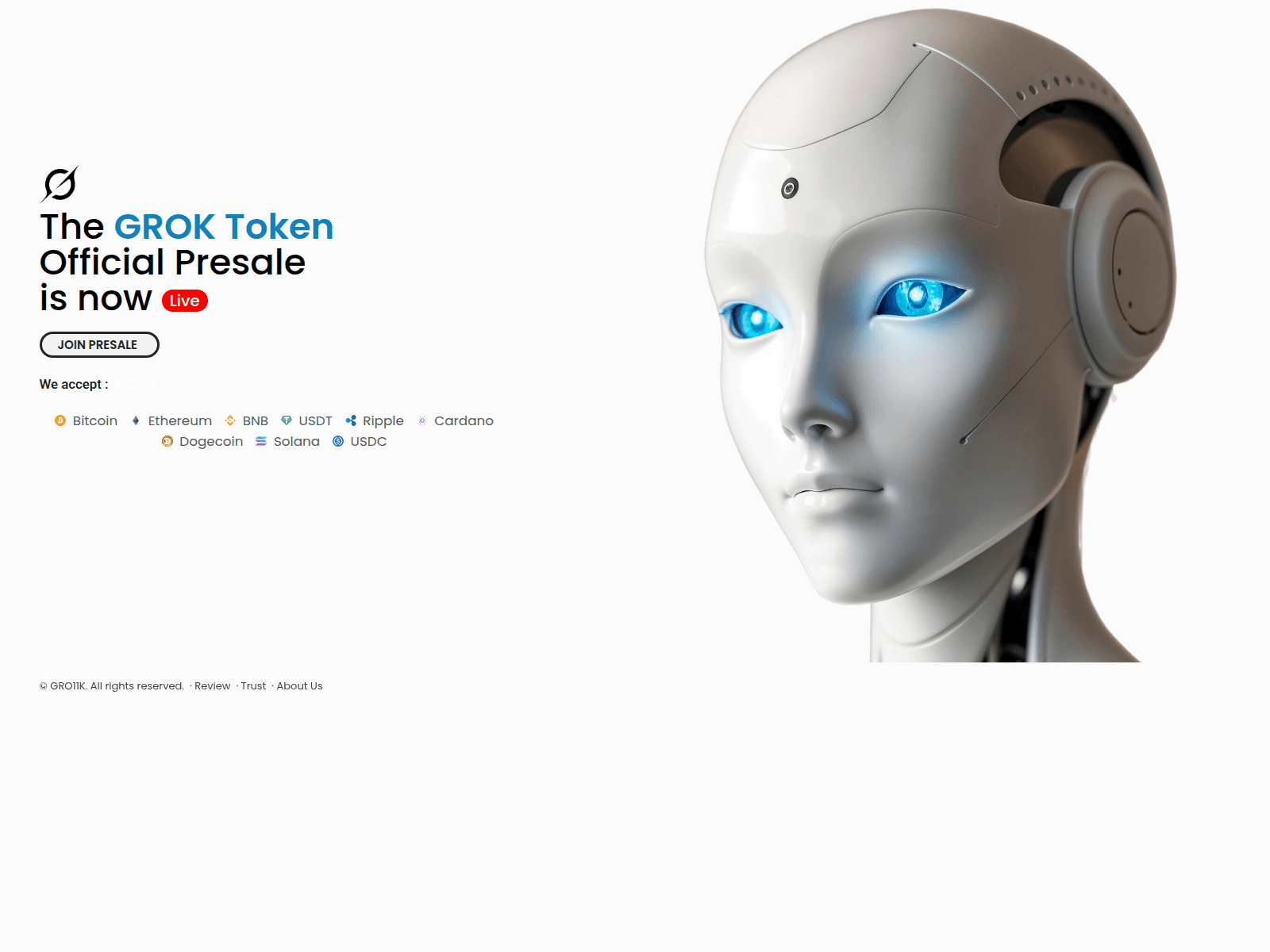
gro11k.com

gro25b-fxempire.com
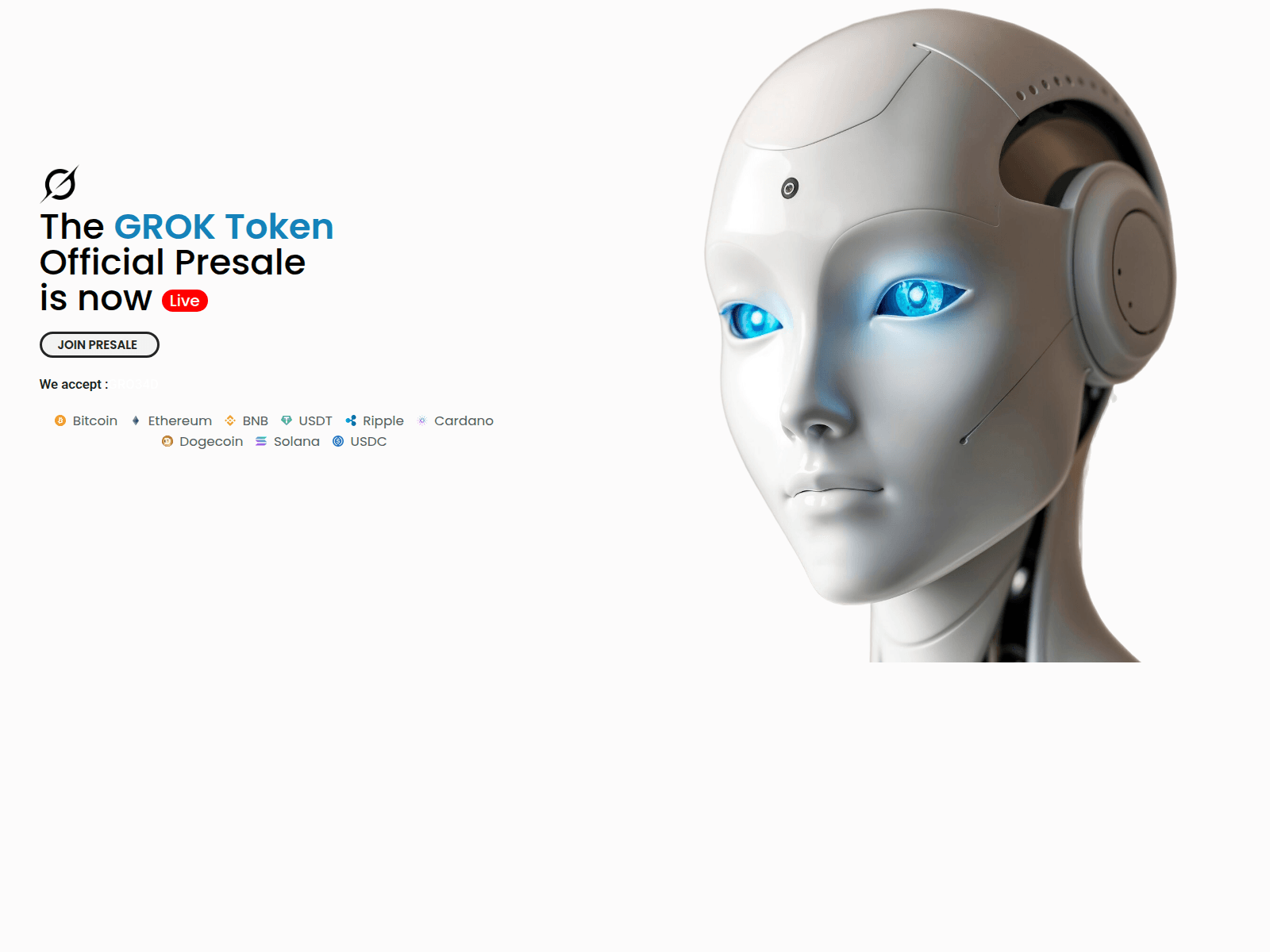
gro34d.com
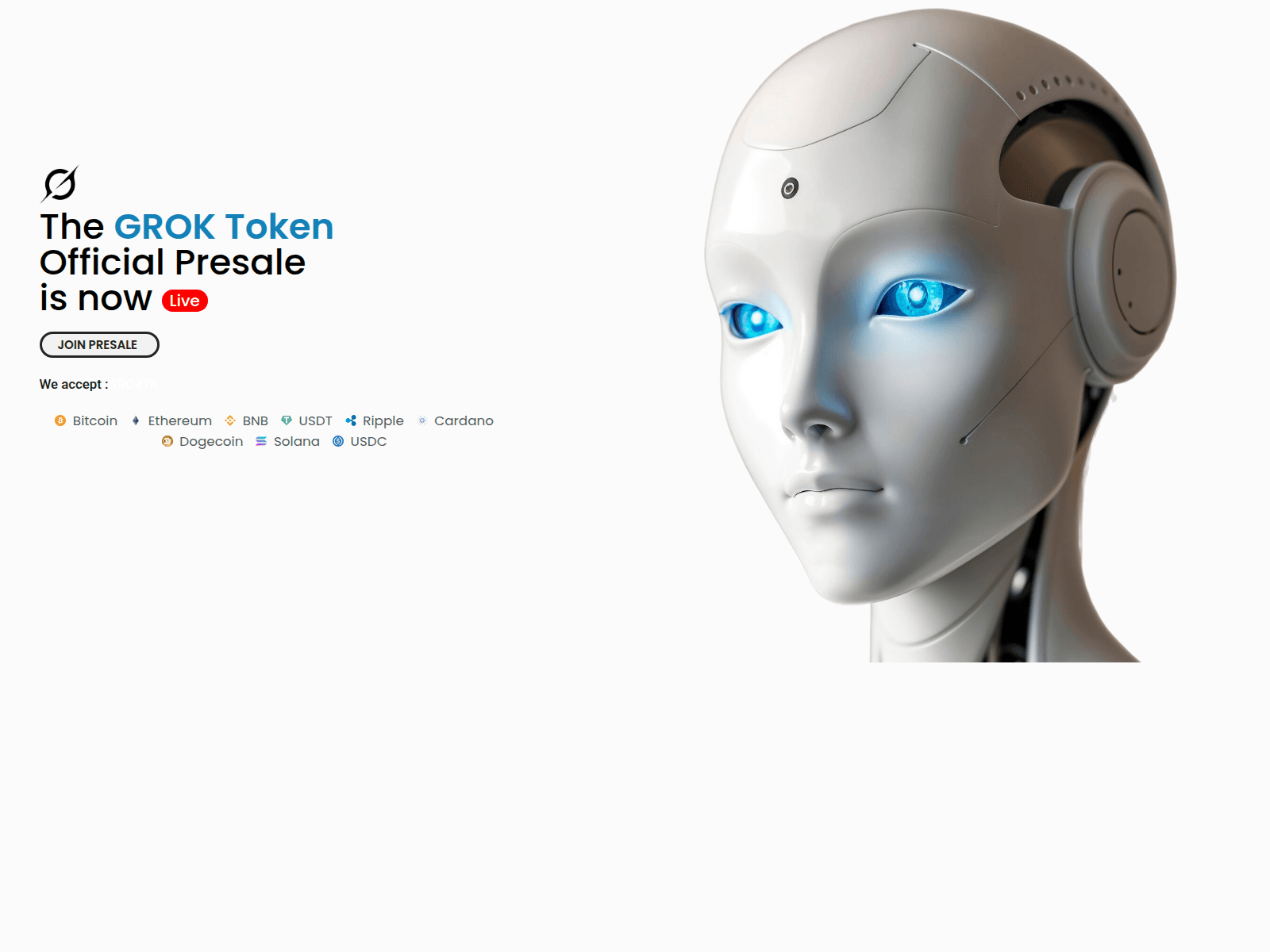
gro47k.net
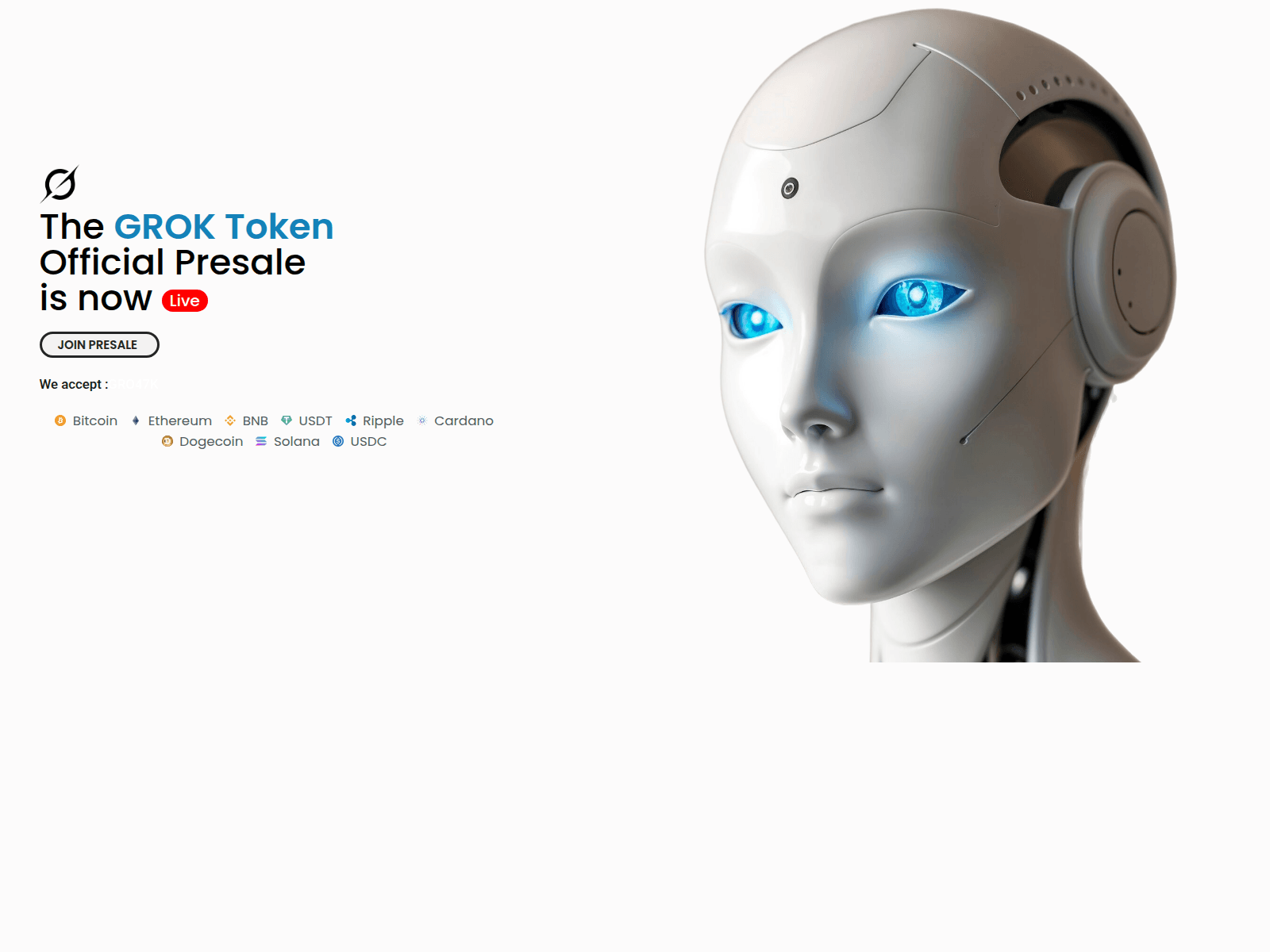
gro47k.org
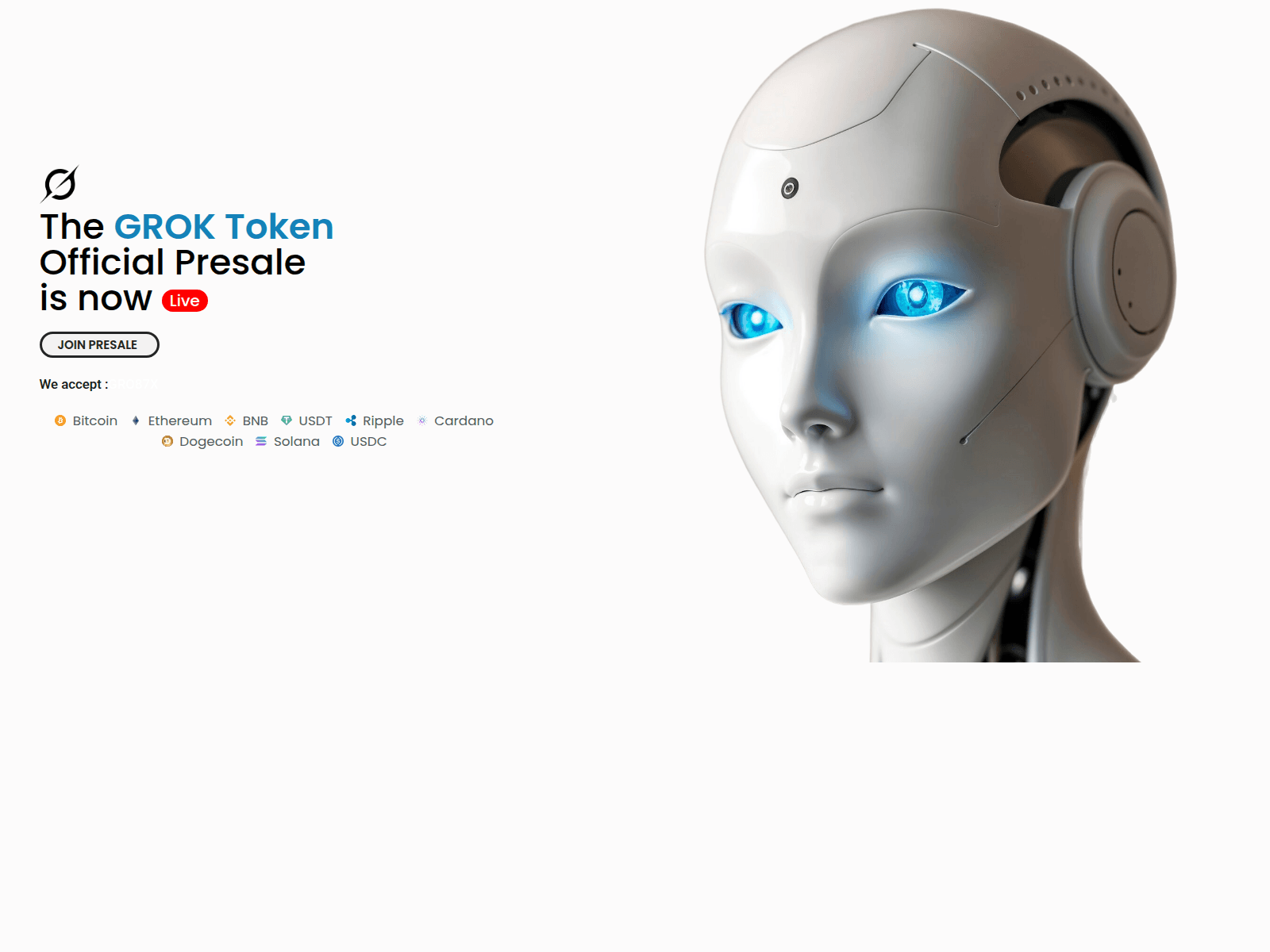
gro87x.com
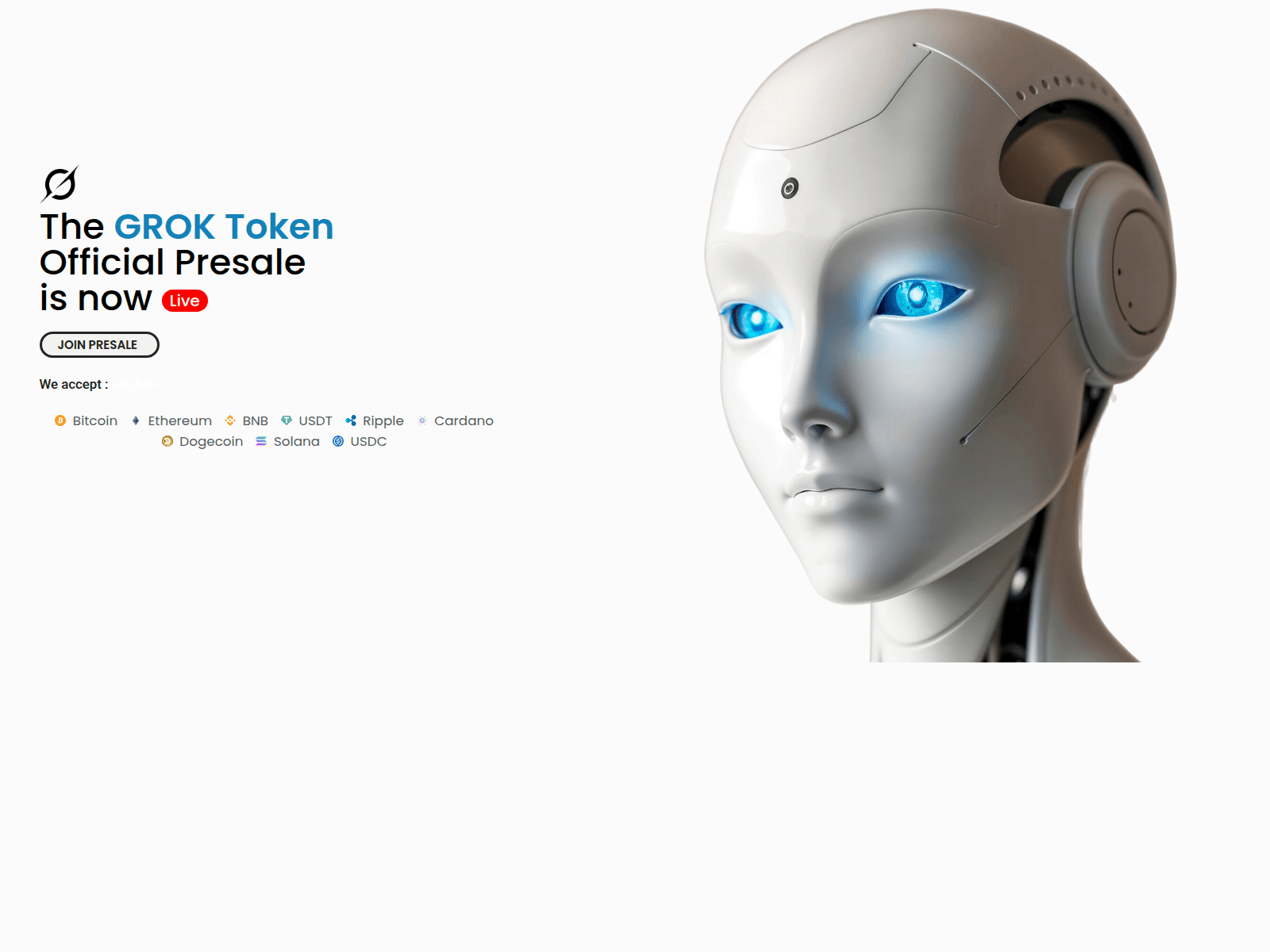
gro88k.com
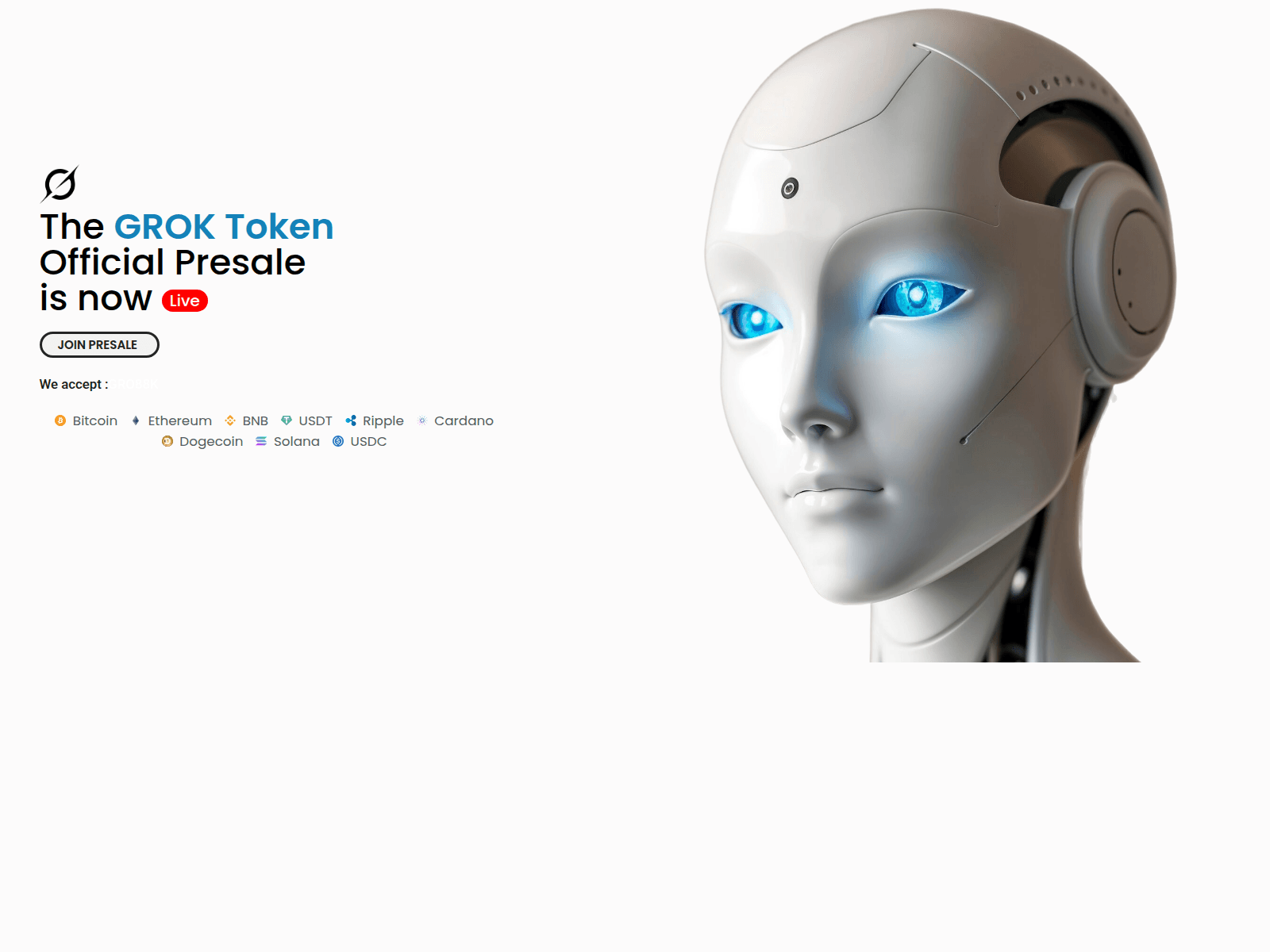
gro88k.net
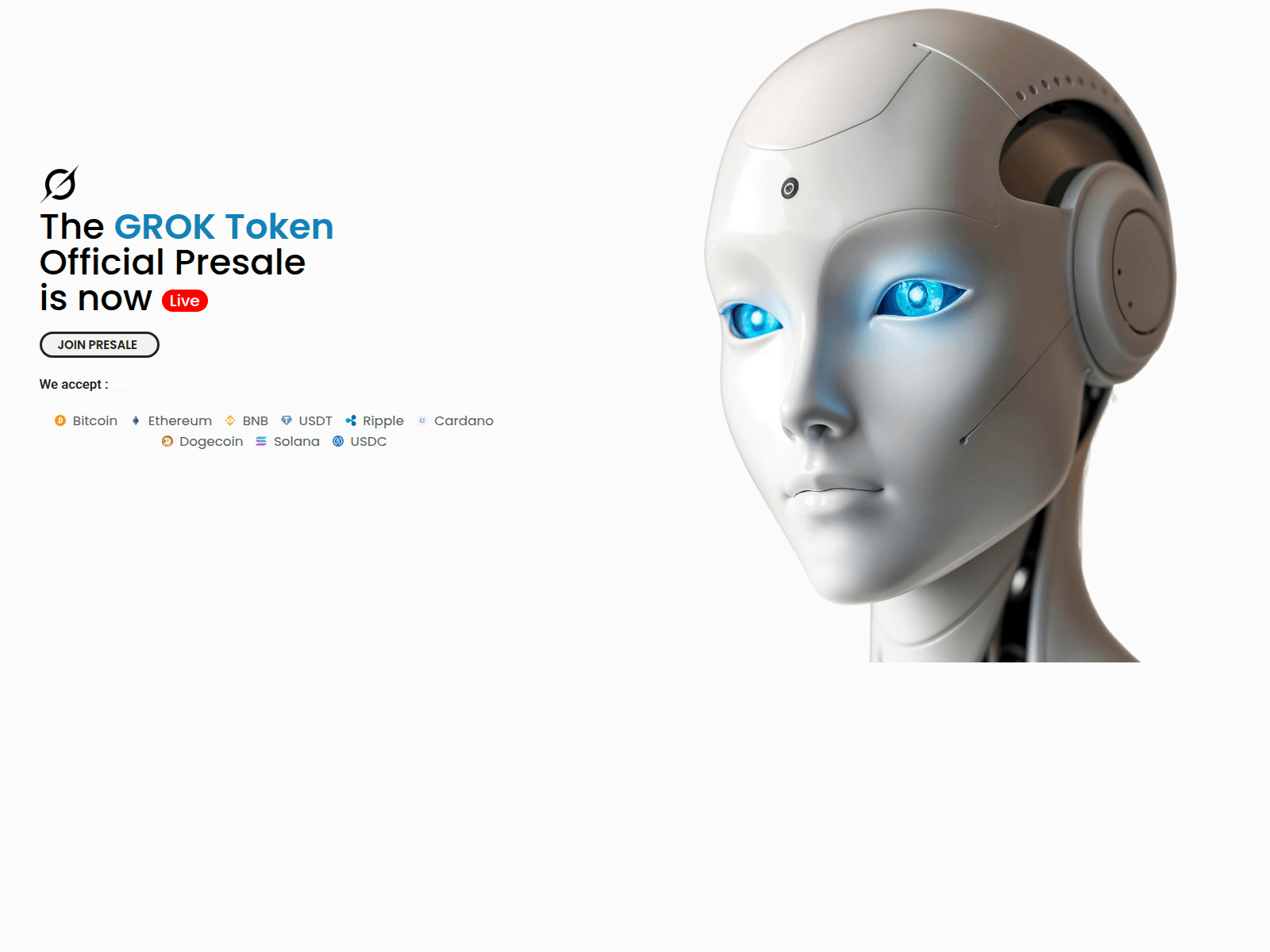
grok49k.com

grokvitrium.org
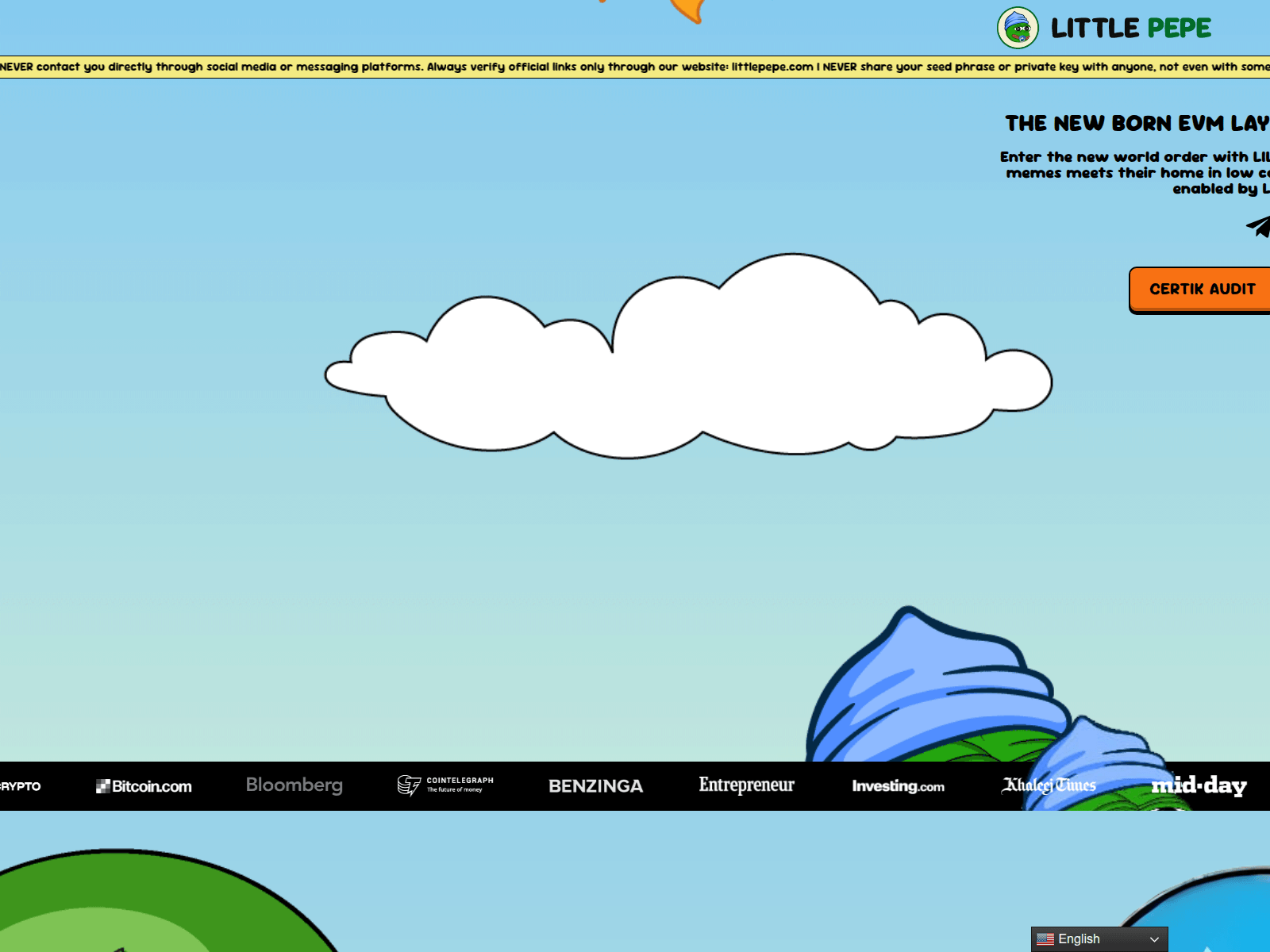
liitlpepe.com
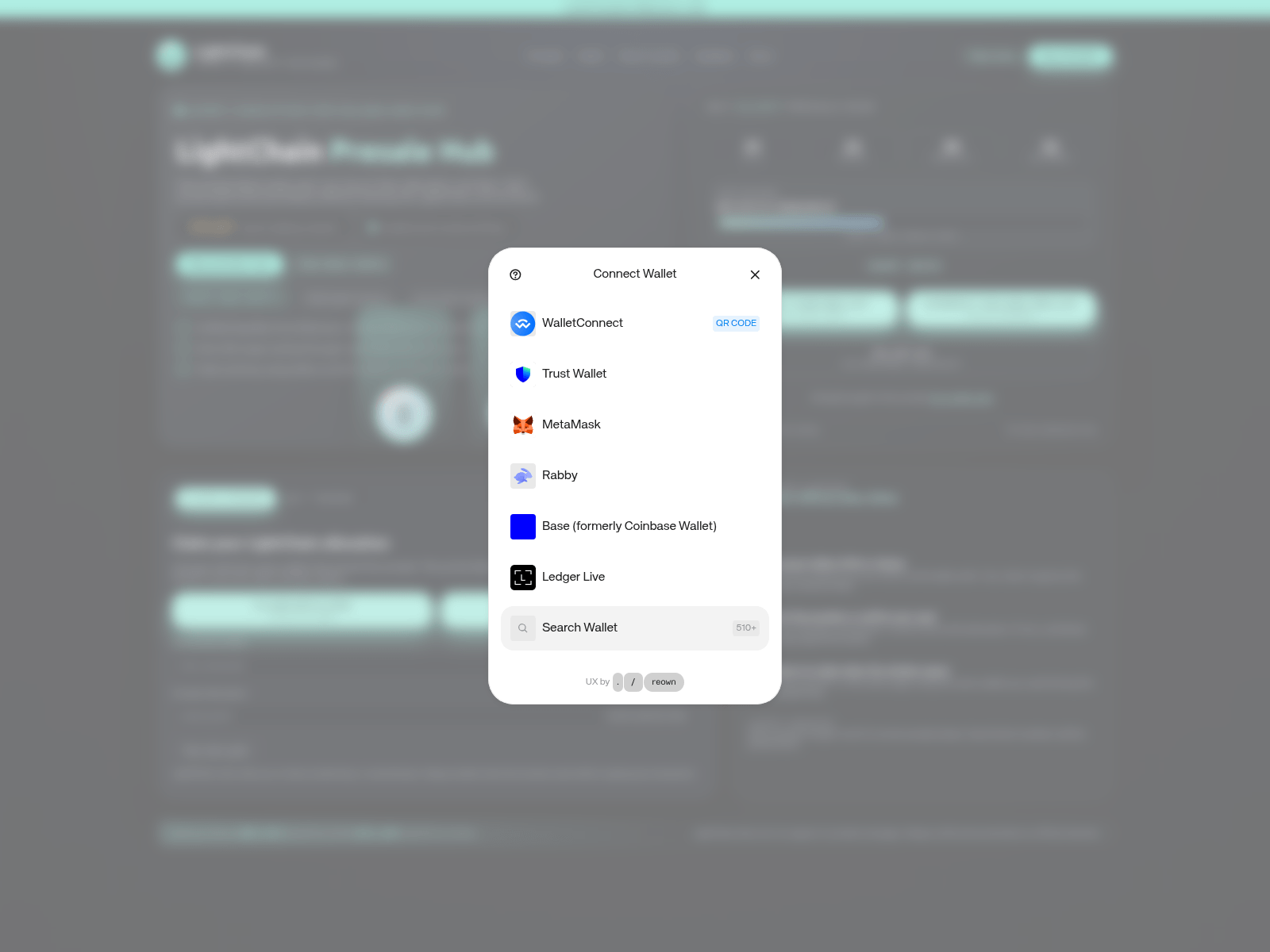
liquidchain.info
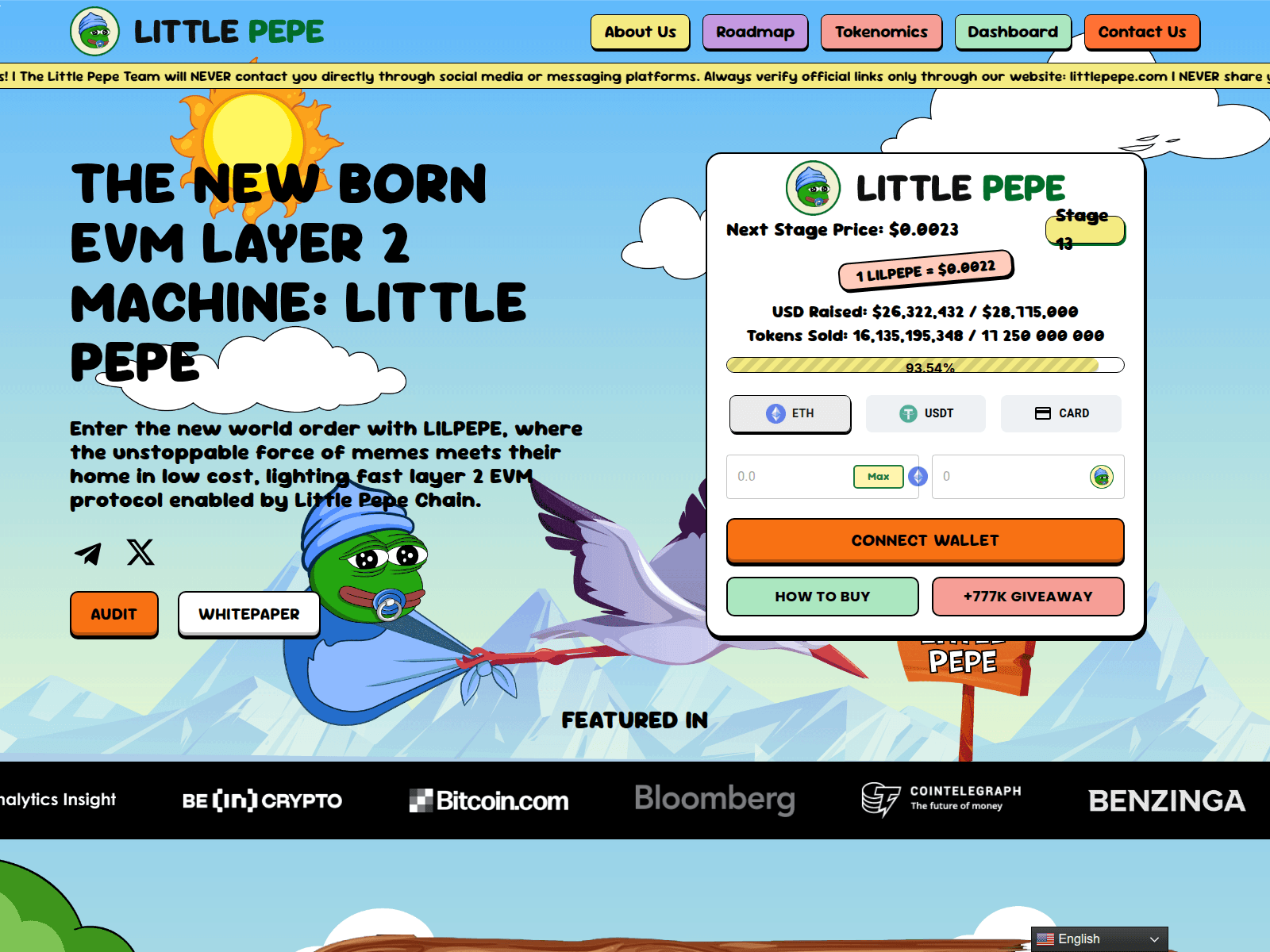
litletlepepa.com
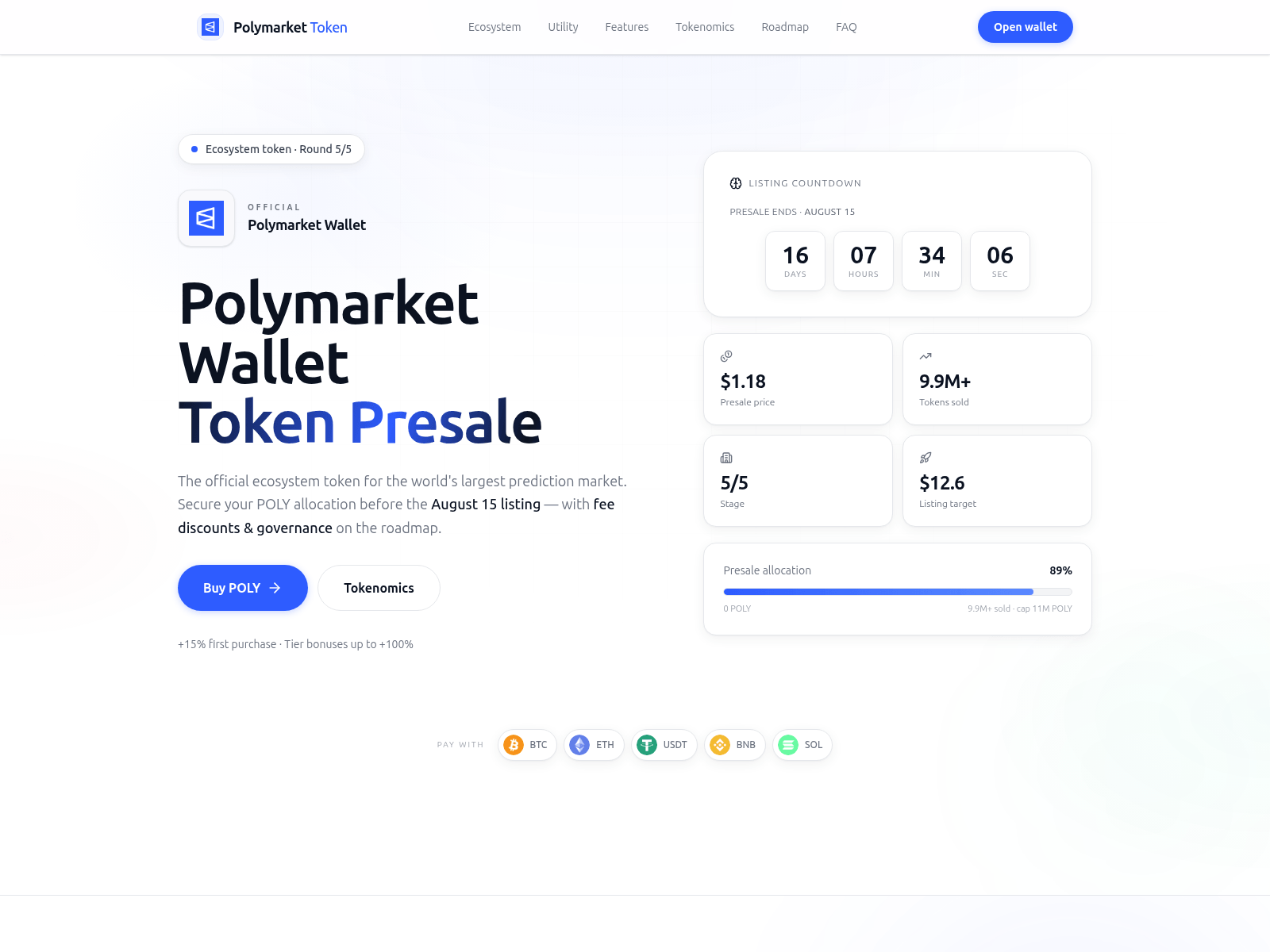
polymarketallocation.net
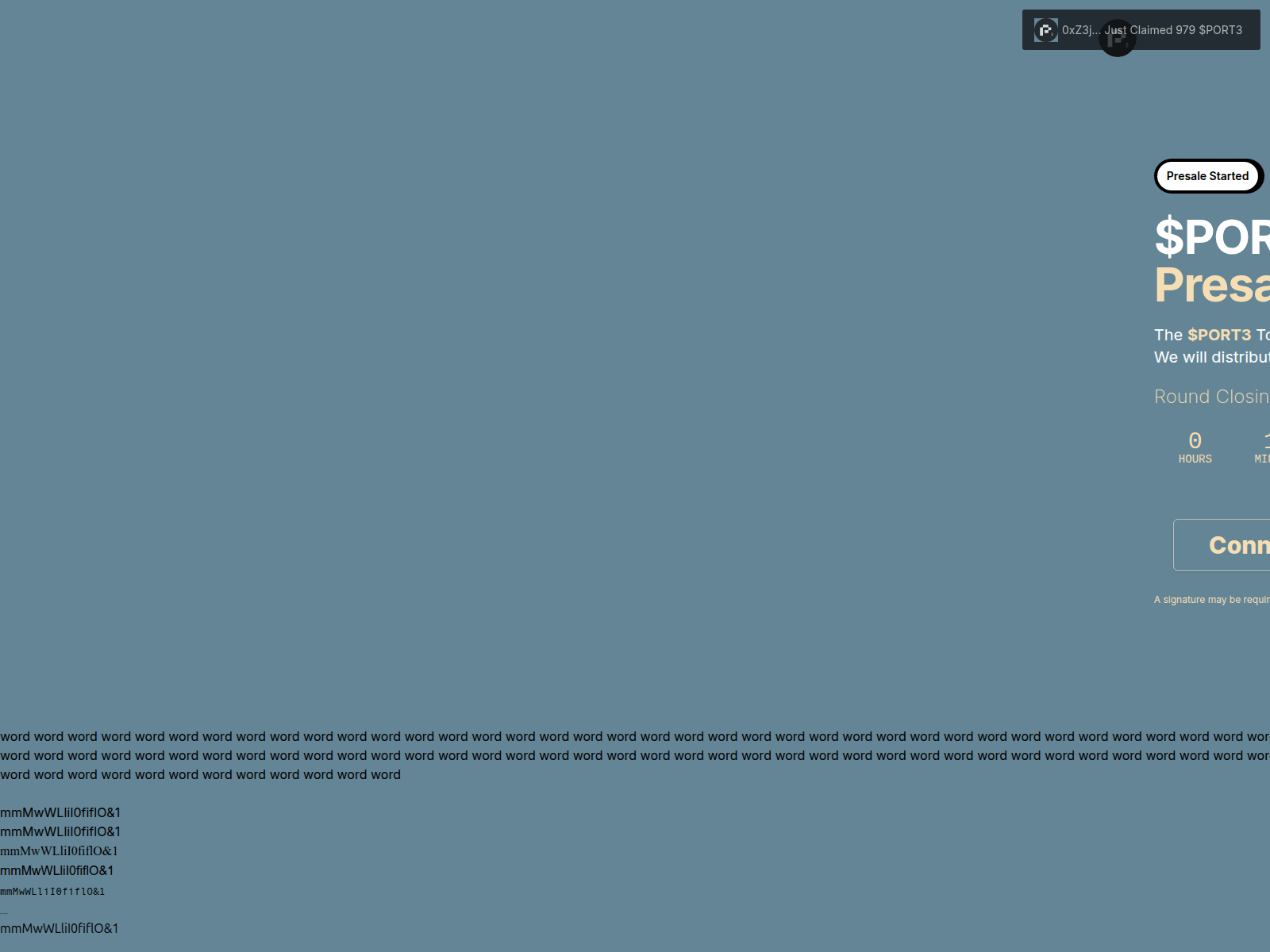
port3-lkfs8.pages.dev

purchase1-blockdag-networks.pages.dev

spax30t.com
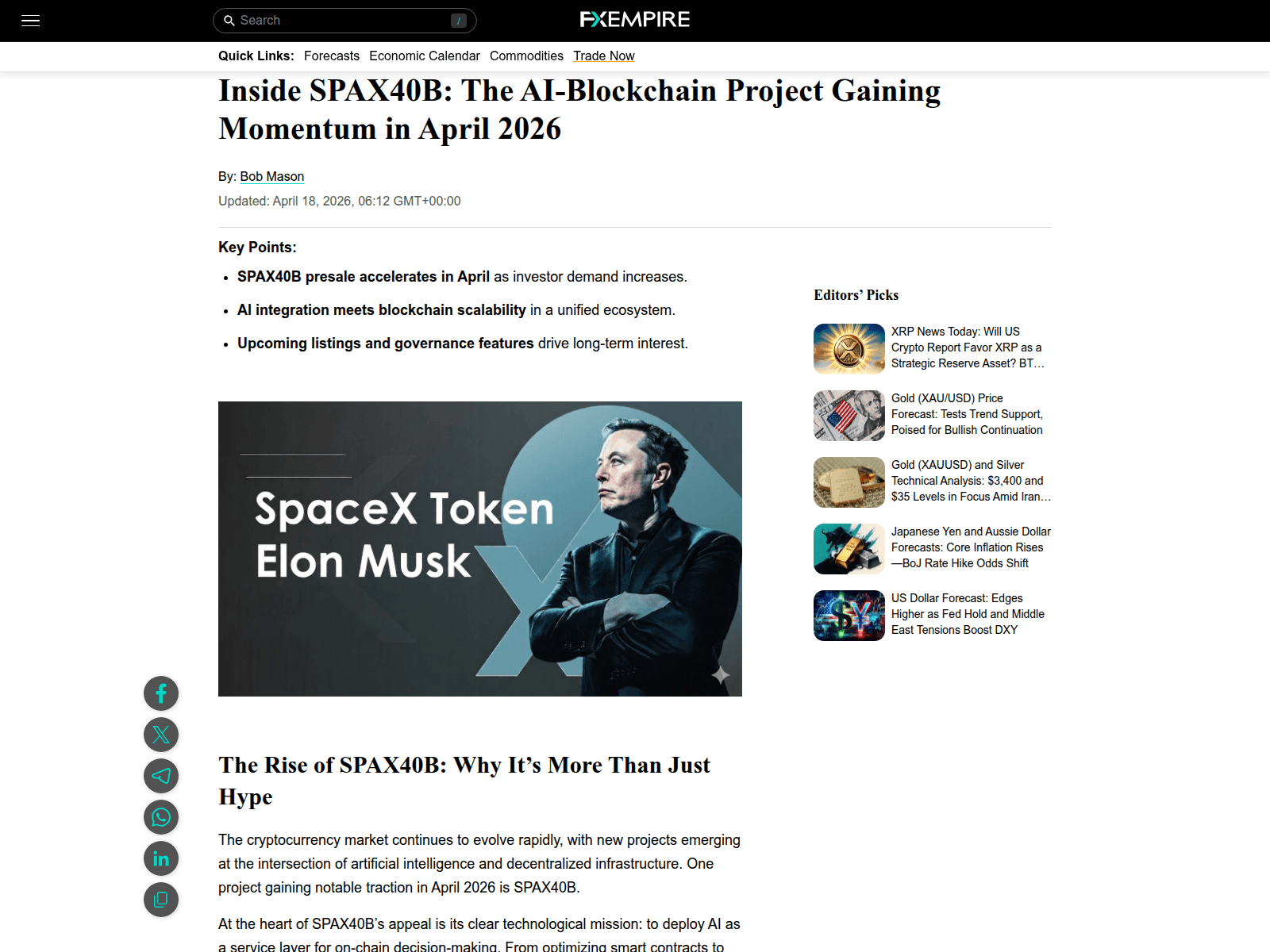
spax40b-fxempire.com
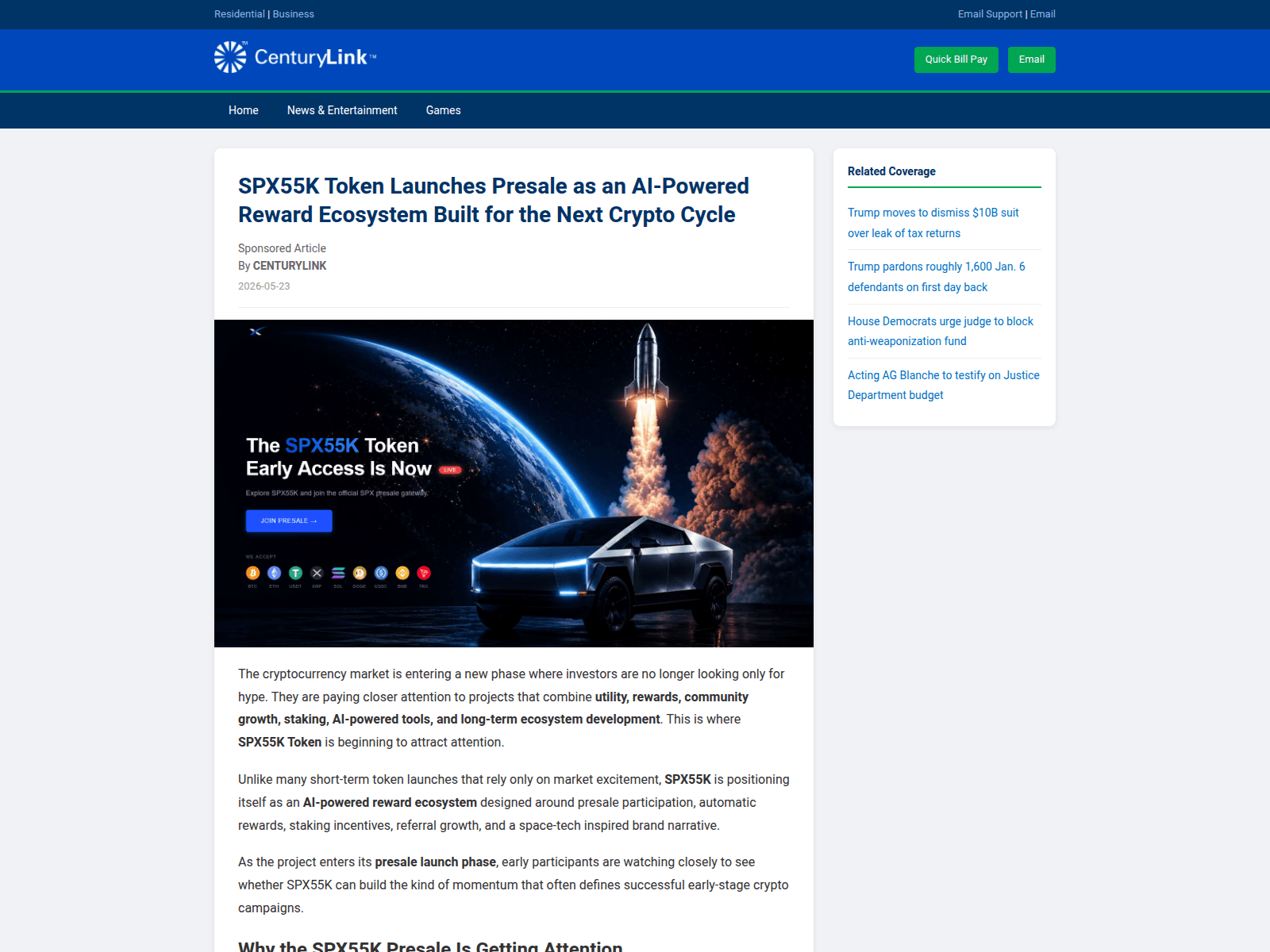
spx21k-centurylink.com

spx21k-fxempire.com

spx23h.com

spx40k.com

spx40k.org

spx45k.com

spx80k-fxempire.com

spx88k.org
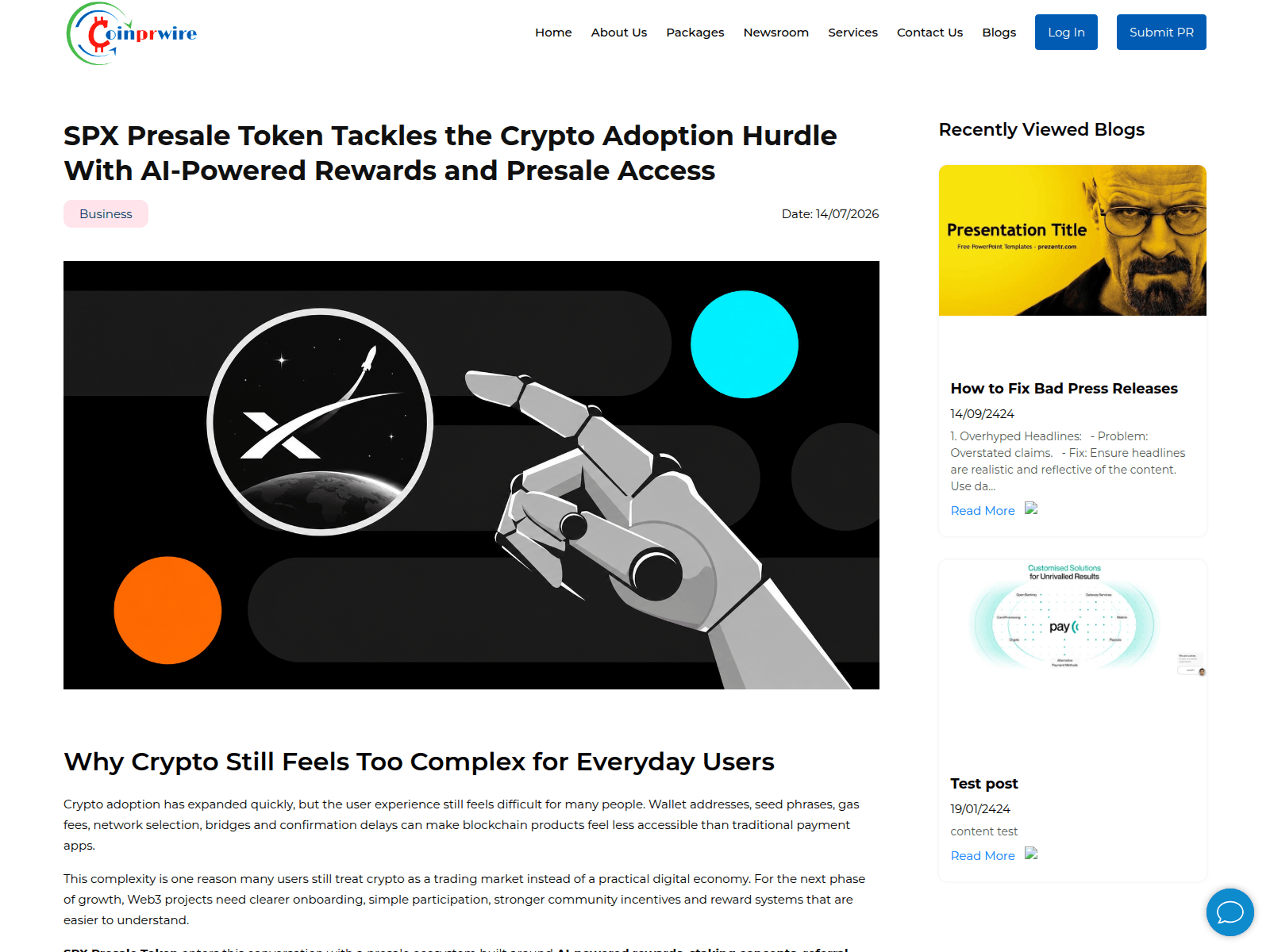
spxpresale-coinpwire.com
Processus de réponse aux menaces Pipeline
Comment chaque domaine de cette plateforme est vérifié et comment les menaces confirmées sont neutralisées. Visualisation complète du pipeline →
Contrôles relatifs aux renseignements sur les menaces— chaque domaine est analysé et soumis à une vérification croisée par rapport à :
urlscan.ioCapture d'écran · DOM · HTTPVirusTotal90+ AV enginesGoogle Safe BrowsingTransparency RapportCloudflare RadarDNS · certs · categoriesAlienVault OTXThreat-intel pulsesWayback MachineHistorical evidenceabuse.ch ThreatFoxIOC correlationcrt.shCertificate TransparencyDNS Sécurité FiltersQuad9 · AdGuard · CleanBrowsingWeb-VérifierFull surface scan
 crt.sh
Synchronisation mondiale des fournisseurs— les détections confirmées sont transmises à 29 partenaires :
GoogleSafe BrowsingGoogleWeb Risk APIMicrosoftSmartScreenVirusTotalDetection feedCloudflareRadar / 1.1.1.1YandexSafe BrowsingURLScan.ioPublic scanESETWebGuardBitdefenderThreat exchangeNortonSafe WebSymantecÉvaluation du siteAviraCloud detectionAvast / AVGWeb ShieldKasperskyOpenTIPDr.WebOnline scannerNetcraftRetrait APIPhishTankVerified voteAPWG eCXBulk feedPhishStatsOpen feedPhish.RapportHosting abuseSpamhausDBL feedPolySwarmMarketplaceCheckPhishBolster scanQutteraMalware scanURLquerySandboxCriminal IPAsset intelCRDFThreat CenterScamadviserTrust scoreMyWOTWeb of Trust