ChainPatrol
 Web-Check
  SOCRadar
  LeakIX
IC3 del FBI
Denunciar delitos cometidos a través de Internet en los Estados Unidos
Federal tips line1-800-CALL-FBI

“whats-zbu.vip”
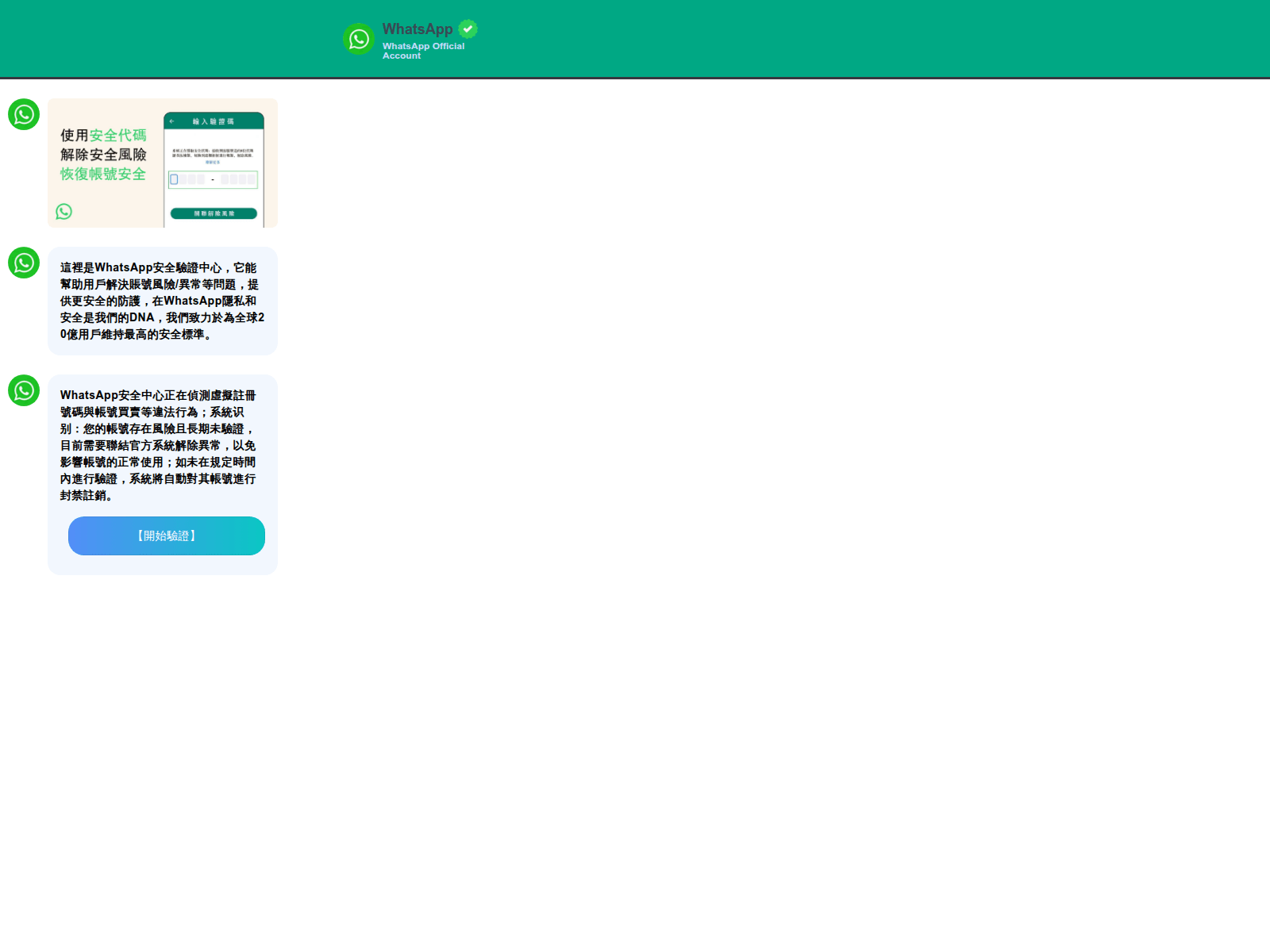
whats-zbu.vip — Contenido no disponible (HTTP 502). Suplantación de marca: WhatsApp; Tipo de estafa: Brand Impersonation. Resumen de las pruebas: VirusTotal 16/95 (alphaMountain.ai, BitDefender, CyRadar, ESET, Forcepoint ThreatSeeker); URLQuery 100 det.; URLScan malicious verdict; CF Radar malicious; PhishDestroy score 95/100. Registrador: Gname.
El análisis detallado de PhishDestroy AI se mantiene en inglés para conservar el registro forense original.
This domain, whats-zbu.vip, is currently offline but was previously identified as a brand‑impersonation site targeting WhatsApp users. The site presented the page title “whats-zbu.vip”, which matches the domain, and no TLS certificate was observed, indicating that the service was delivered over plain HTTP. Registration information shows the domain was created on 5 October 2025 through the registrar Gname.com Pte. Ltd. The authoritative name servers are a.share-dns.com, a11.share-dns.com, b.share-dns.net and b11.share-dns.net, all of which resolve the domain to the IP address 20.2.208.17. The IP belongs to the AS8075 Microsoft Corporation network and is geolocated in Hong Kong.
Security‑visibility data indicate that the address appears on one blocklist and is actively blocked by PhishDestroy. Gridinsoft assigned a trust score of 0 out of 100, reflecting extreme malicious confidence. On AlienVault OTX the domain appears in seventeen separate threat‑intel pulses, reinforcing its reputation as a repeat offender. VirusTotal scanned the host and 16 of 95 security vendors returned a detection, confirming that multiple scanners consider the domain malicious.
The combination of a low trust score, multiple vendor detections, and repeated OTX mentions demonstrates a high likelihood that the site was used to harvest credentials or deliver malicious payloads under the guise of WhatsApp. Defenders should continue to block the domain at perimeter firewalls, DNS resolvers, and proxy filters, and should monitor for any resurgence of the same IP address or similar name‑server patterns that could indicate re‑hosting. Because the domain is already taken offline, incident response teams can focus on correlating any recent user‑reported WhatsApp‑related credential submissions with this indicator to assess potential compromise.

 (SG)
(SG)

For this gTLD, the registrar above operates under an ICANN accreditation agreement. The links below provide the official fee schedule and current DNS abuse compliance guidance.
RAA §3.18 establishes abuse-contact and handling requirements. This report can document stored outbound notices and later technical observations; it does not by itself establish receipt, investigation, remediation, or contractual non-compliance.
Si ingresó credenciales de cuenta, información personal o de pago, o descargó un archivo de este dominio, tome medidas inmediatas. A continuación encontrará recursos que le ayudarán a informar el incidente y protegerse.


Seleccione su país para obtener contactos oficiales de cibercrimen o crear un borrador de queja →.
Esta IP de origen aloja múltiples dominios de phishing; la infraestructura puede compartirse entre campañas.
These domains also target WhatsApp users. View all WhatsApp threats →
Informes agregados recientemente de la base de datos PhishDestroy. Estos enlaces de descubrimiento no implican infraestructura ni propiedad compartida.
Análisis de amenazas utilizando listas de bloqueo almacenadas, WHOIS, DNS y evidencia de escaneo público
Escanear ahoraEnvía los dominios sospechosos a nuestra base de datos de amenazas: protege a la comunidad
DenunciarInformes de phishing recientes y cambios de disponibilidad observados
MonitorizarSupervisa las amenazas en tiempo real o impugna esta entrada si crees que se trata de un falso positivo.
 astratrademax.com
  drk-whatsapp.hk.cn
  instagramlogin124.blogspot.com
  inasoq22.blogspot.com