ChainPatrol
 Web-Check
  SOCRadar
  LeakIX
IC3 del FBI
Denunciar delitos cometidos a través de Internet en los Estados Unidos
Federal tips line1-800-CALL-FBI

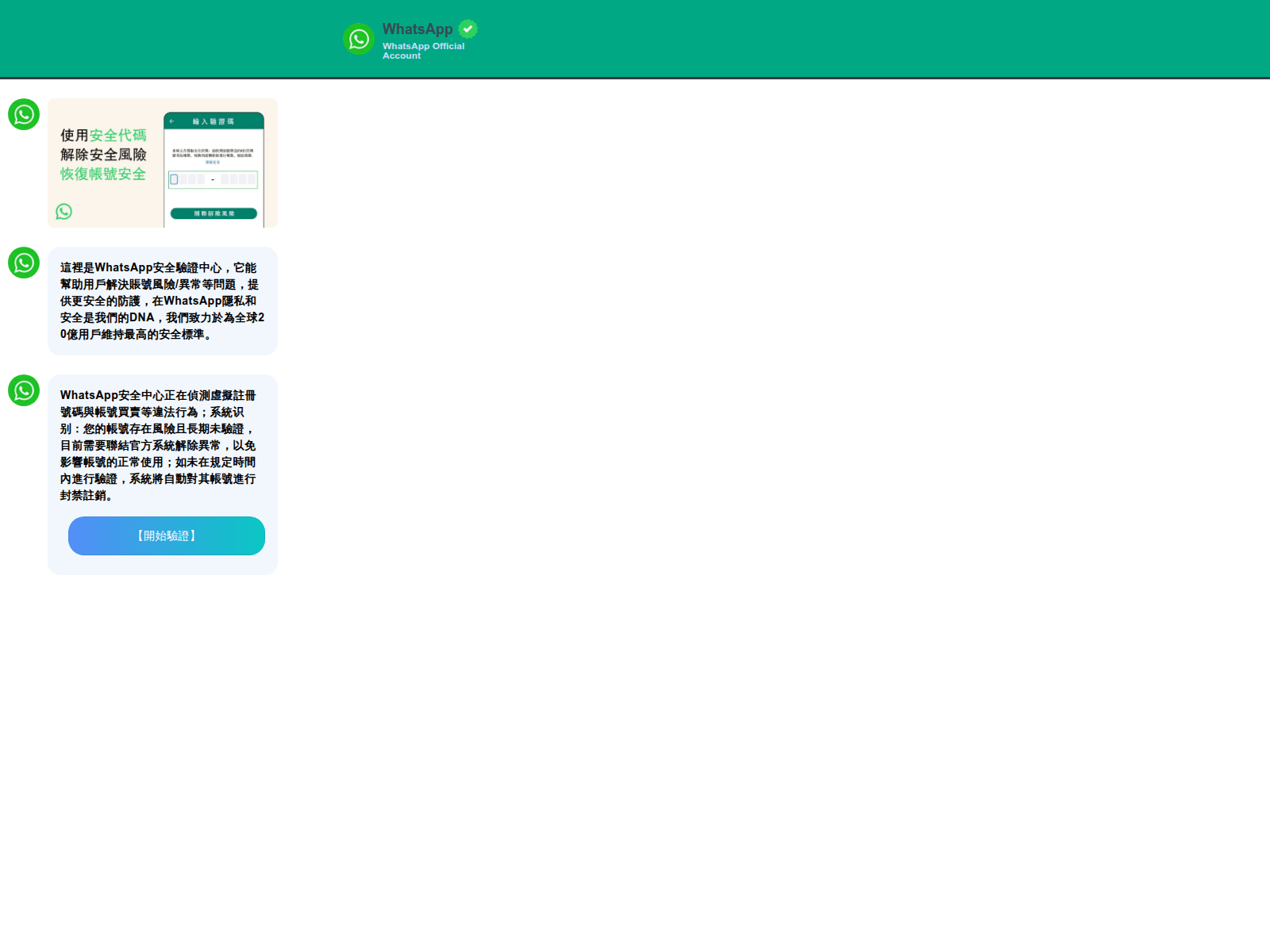
whats-xyf.vip — Contenido no disponible (HTTP 502). Suplantación de marca: WhatsApp; Tipo de estafa: Brand Impersonation. Resumen de las pruebas: VirusTotal 19/95 (ADMINUSLabs, Criminal IP, alphaMountain.ai, BitDefender, Chong Lua Dao); URLQuery 100 det.; URLScan malicious verdict; PhishDestroy score 95/100. Registrador: Gname.
El análisis detallado de PhishDestroy AI se mantiene en inglés para conservar el registro forense original.
This domain, whats-xyf.vip, is identified as a brand impersonation threat targeting WhatsApp users. Analysis indicates the infrastructure was specifically engineered for credential harvesting, likely through fake login portals mimicking the legitimate WhatsApp web interface. The domain exhibits no associated drainer kit signatures but employs standard phishing page templates to capture user credentials and session tokens. No multi-factor authentication bypass mechanisms were observed in initial scans, though dynamic content loading patterns suggest potential for post-exploitation payload delivery. Infrastructure analysis reveals the domain was registered through Gname.com Pte. Ltd. on October 24, 2025, and resolves to IP address 20.2.67.40, hosted on Microsoft Corporation's AS8075 network in Hong Kong. The domain appears on two security blocklists (PhishDestroy and PhishingDB) and is flagged by 17 out of 95 security vendors on VirusTotal. Notably, the domain lacks any SSL certificate, exposing all transmitted data to interception. Creation date analysis shows rapid deployment post-registration, with phishing content appearing within 48 hours of domain activation. No Google Safe Browsing detections were recorded prior to takedown. Current status indicates the domain has been taken offline, though residual DNS records persist in some caching systems. Response actions included registrar-level suspension and hosting provider notification, with Microsoft Corporation confirming IP address reclamation. Remaining risk stems from potential credential reuse by threat actors, as harvested data may persist in underground markets. Organizations are advised to implement credential reset protocols for affected accounts and monitor for session replay attacks. Users should verify domain authenticity through official channels and enable phishing-resistant authentication methods where available.

 (SG)
(SG)

For this gTLD, the registrar above operates under an ICANN accreditation agreement. The links below provide the official fee schedule and current DNS abuse compliance guidance.
RAA §3.18 establishes abuse-contact and handling requirements. This report can document stored outbound notices and later technical observations; it does not by itself establish receipt, investigation, remediation, or contractual non-compliance.
Si ingresó credenciales de cuenta, información personal o de pago, o descargó un archivo de este dominio, tome medidas inmediatas. A continuación encontrará recursos que le ayudarán a informar el incidente y protegerse.


Seleccione su país para obtener contactos oficiales de cibercrimen o crear un borrador de queja →.
Esta IP de origen aloja múltiples dominios de phishing; la infraestructura puede compartirse entre campañas.
These domains also target WhatsApp users. View all WhatsApp threats →
Informes agregados recientemente de la base de datos PhishDestroy. Estos enlaces de descubrimiento no implican infraestructura ni propiedad compartida.
Análisis de amenazas utilizando listas de bloqueo almacenadas, WHOIS, DNS y evidencia de escaneo público
Escanear ahoraEnvía los dominios sospechosos a nuestra base de datos de amenazas: protege a la comunidad
DenunciarInformes de phishing recientes y cambios de disponibilidad observados
MonitorizarSupervisa las amenazas en tiempo real o impugna esta entrada si crees que se trata de un falso positivo.
 mhvqol.shop
  fnlockers.cc
  cnear.com
  f230q.xyz
  drk-whatsapp.hk.cn
  megatradespro.com
  hii-alight.com
  disney2-0.vercel.app
  pg-alightworklife.com