VirusTotal
4 / 91
Denunciar


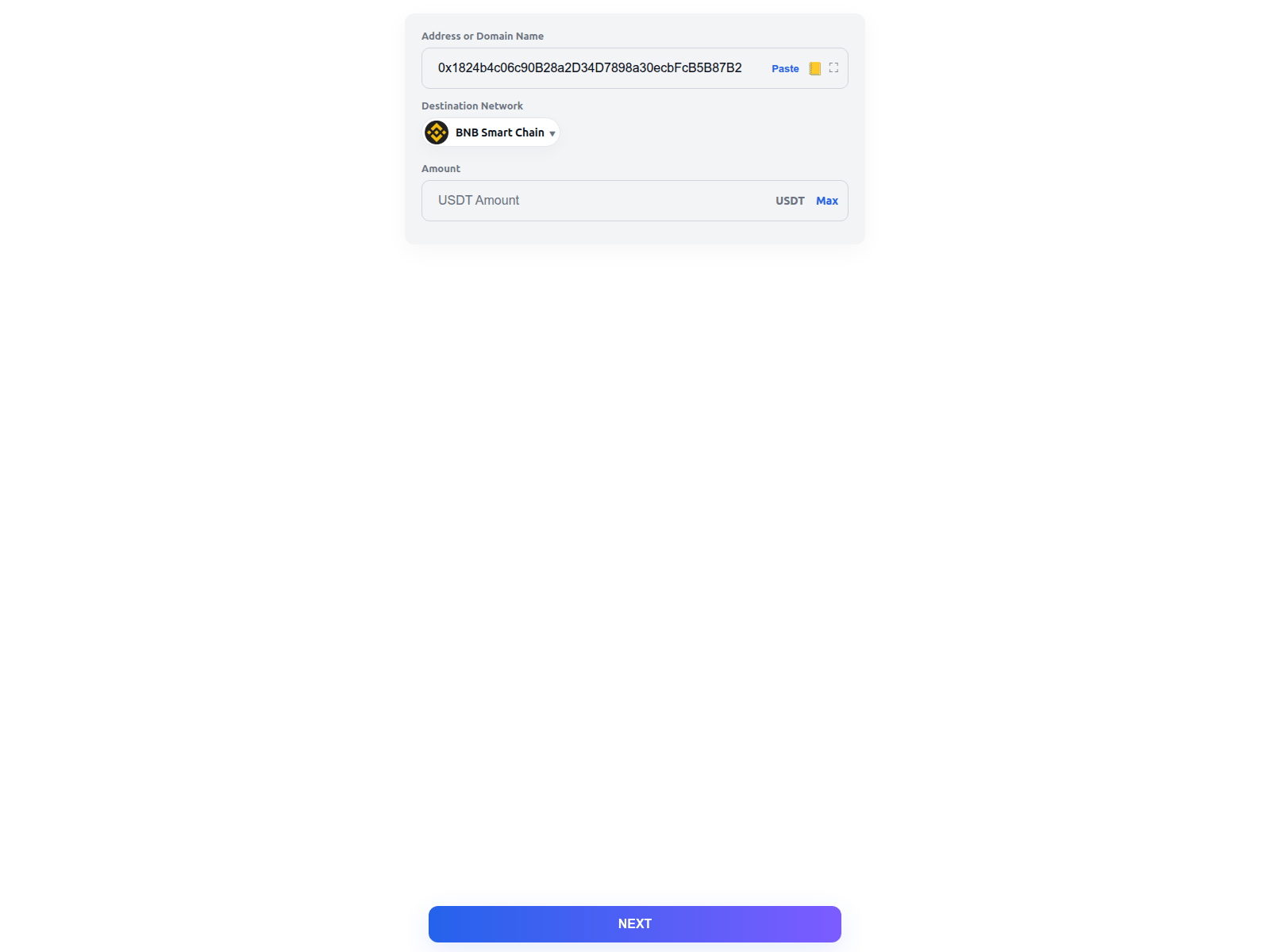
“SEND USDT”
The sent-report ledger records the first outgoing report at .
The recorded recipient is abuse@iomart.com.
The latest stored availability evidence still shows the domain reachable; 4 months has elapsed since the first outgoing report.
ICANN RAA §3.18 describes registrar abuse-contact and handling obligations. This section records outgoing timestamps, listed recipients, case identifiers, and later availability. It does not by itself prove receipt, acknowledgement, investigation, remediation, or contractual non-compliance.
testbsc.online — No verificado. Tipo de estafa: Crypto Drainer. Resumen de las pruebas: VirusTotal 4/91 (alphaMountain.ai, Fortinet, Gridinsoft, Webroot); Spamhaus DBL_PHISH; PhishDestroy score 81/100. Registrador: GoDaddy.
El análisis detallado de PhishDestroy AI se mantiene en inglés para conservar el registro forense original.

The domain testbsc.online has been identified as a platform for crypto drainer activity, specifically targeting users of the USDT cryptocurrency. The domain does not appear to impersonate a specific brand but is designed to trick users into sending their USDT to fraudulent addresses. The infrastructure analysis reveals that the domain was registered on January 31, 2026, through GoDaddy.com, LLC, and currently resolves to the IP address 77.245.76.110. The page title 'SEND USDT' is a clear indicator of the intent behind the domain, aimed at convincing users to transfer their cryptocurrency.
Technical indicators for testbsc.online include a VirusTotal detection score of 7/95, indicating that while a majority of security vendors do not flag it, a significant number do identify it as a potential threat. The domain is registered through GoDaddy.com, LLC, and resolves to the IP address 77.245.76.110. It was created on January 31, 2026, and is listed on one security blocklist. The Gridinsoft trust score for this domain is 0/100, reflecting a complete lack of trust in its legitimacy. The SSL certificate is issued by Let's Encrypt, which is a common choice for phishing domains due to its ease of acquisition and the perception of increased credibility.
As of the latest analysis, the domain testbsc.online has been taken offline. However, the potential for the domain to be reactivated or repurposed remains a concern. Users are advised to remain vigilant and avoid any links or communications related to this domain. Security teams should monitor for any attempts to reactivate or register similar domains and ensure that their systems and networks are protected against crypto drainer threats. The elevated risk level underscores the importance of these measures to prevent financial loss and protect user data.
Full extracted values, their blockchain and collection source. An address found in page content does not establish who controls it.
0x1824b4c06c90B28a2D34D7898a30ecbFcB5B87B2Format validated · Domain analysis0x55d398326f99059fF775485246999027B3197955Format validated · Domain analysis0x8bc152da45f60b40b52ffa4cc0cdd13ac236b8a3Format validated · Domain analysisIoC extraction recorded 2026-07-29 02:01:58 UTC
Observaciones almacenadas de rastreadores frente a navegadores para este servidor, además de una comprobación en tiempo real de la huella digital para sistemas de distribución de tráfico al estilo Keitaro.
Nota del escáner: timeout: raw=timeout; http=0; via=http_proxy; error=SOCKSHTTPConnectionPool(host='testbsc.online', port=80): Max retries exceeded with url: / (Caused by ConnectTimeoutError
For this gTLD, the registrar above operates under an ICANN accreditation agreement. The links below provide the official fee schedule and current DNS abuse compliance guidance.
RAA §3.18 establishes abuse-contact and handling requirements. This report can document stored outbound notices and later technical observations; it does not by itself establish receipt, investigation, remediation, or contractual non-compliance.
ns23.domaincontrol.comns24.domaincontrol.comLocation describes the IP network.
d32dfae0d340184f7d20f64e56a1fdfa7cdd1c0cd49f7e1d34fb91b3cf6872b4usdtbsc.lifewww.usdtbsc.lifeSaved certificate metadata. Certificate dates without a timezone are shown as stored. Transport encryption does not establish that the site is trustworthy.
12 recorded events. These records describe collected evidence, outgoing notifications and publication; they do not confirm a complete investigation or a takedown.
We scan suspicious URLs, inspect public results and send evidence through the appropriate abuse-reporting channels. The dated events above show what is recorded for this domain. The directory below explains the wider workflow.
Capture the rendered page, requests and visible infrastructure.
Compare the available engine results and retain the analysis timestamp.
Check whether Google currently lists the URL as unsafe.
Inspect a public scan and its recorded network and classification data.
Look for indicator references and related community intelligence.
Compare archived captures and preserve historical context.
Look for matching indicators and associated threat records.
Inspect certificate records and related hostnames.
Compare security resolver responses and record observed blocking.
Inspect the public DNS, TLS, HTTP and technology surface.
Security services used for scanning, reputation checks and reporting are listed below. A service being listed is not evidence that it received, accepted or acted on this particular domain. Recorded submissions appear in the notification history above.
Reportado por 1 miembro de la comunidad; visto por primera vez el 30/05/2026
PD-20260530-551890 Recipient: abuse@iomart.com Policy Violations: Acceptable Use Policy (AUP): The domain testbsc.online is engaged in phishing activities, which are explicitly prohibited under the AUP. This constitutes a clear violation of the policy that aims to prevent illegal activities and deception. Terms of Service (TOS): The ongoing use of this domain for fraudulent purposes violates the TOS, which reserves the right to suspend or terminate services for any activities that contravene the agreed-upon terms. Applicable Laws (Unknown): Computer Fraud and Abuse Act (CFAA): This U.S. federal law prohibits unauthorized access to computers and the use of fraudulent schemes to obtain information, which is applicable to phishing activities. Wire Fraud Statute (18 U.S.C. § 1343): This law criminalizes schemes to defraud individuals or entities using electronic communications, directly relevant to the phishing activities associated with this domain. Anti-Phishing Consumer Protection Act: This act aims to combat phishing and other deceptive practices that exploit consumers, reinforcing the need for immediate action against such domains. Regulatory Note: Failure to take appropriate action against testbsc.online may expose your organization to legal liability and regulatory scrutiny. Immediate compliance with your AUP and TOS is essential to mitigate potential risks.
Si ingresó credenciales de cuenta, información personal o de pago, o descargó un archivo de este dominio, tome medidas inmediatas. A continuación encontrará recursos que le ayudarán a informar el incidente y protegerse.


Seleccione su país para obtener contactos oficiales de cibercrimen o crear un borrador de queja →.
Template-based draft · optional AI wording assistance requires separate consent
Cada línea representa un motivo por el que un dominio está vinculado a este servidor. El tamaño de los nodos indica las detecciones de VirusTotal y los nodos con línea discontinua ya están fuera de línea. A continuación se incluyen las listas completas.
Forma parte de la campaña de phishing «Unknown». Ver todos los dominios de la campaña →
Esta IP de origen aloja múltiples dominios de phishing; la infraestructura puede compartirse entre campañas.
Registrados a través del mismo proveedor de registro. Un proveedor de registro presta servicio a millones de clientes que no tienen relación entre sí, por lo que este dato solo agrupa los registros, en lugar de demostrar que exista un vínculo.
Informes agregados recientemente de la base de datos PhishDestroy. Estos enlaces de descubrimiento no implican infraestructura ni propiedad compartida.
Análisis de amenazas utilizando listas de bloqueo almacenadas, WHOIS, DNS y evidencia de escaneo público
Escanear ahoraEnvía los dominios sospechosos a nuestra base de datos de amenazas: protege a la comunidad
DenunciarInformes de phishing recientes y cambios de disponibilidad observados
MonitorizarSupervisa las amenazas en tiempo real o impugna esta entrada si crees que se trata de un falso positivo.