ChainPatrol
 Web-Check
  SOCRadar
  LeakIX
IC3 del FBI
Denunciar delitos cometidos a través de Internet en los Estados Unidos
Federal tips line1-800-CALL-FBI

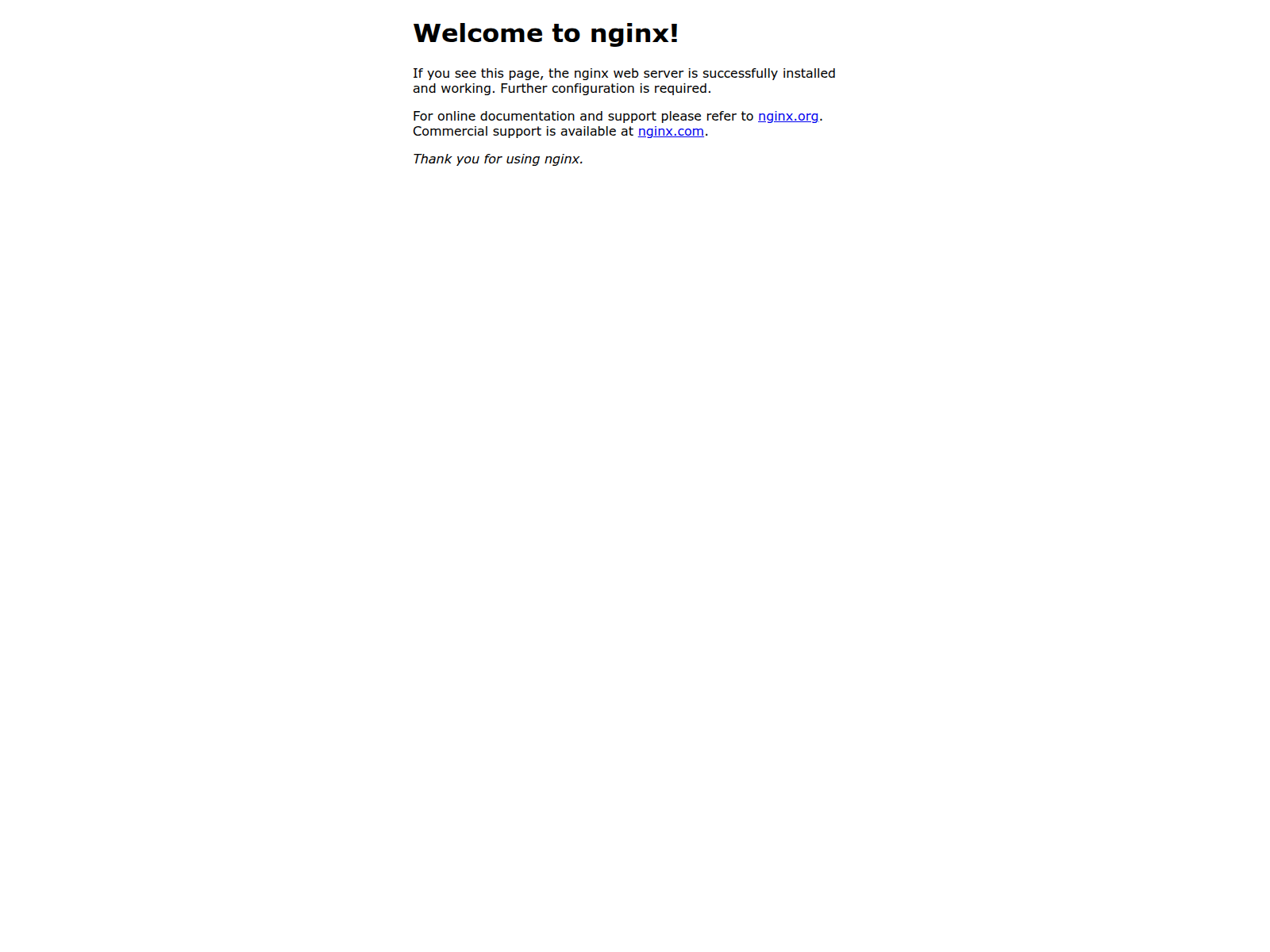
“Welcome to nginx!”
t-mobile.lkbhgc.icu — Contenido no disponible (HTTP 502). Resumen de las pruebas: VirusTotal 16/95 (ADMINUSLabs, Criminal IP, BitDefender, CRDF, CyRadar); PhishDestroy score 95/100. Registrador: Gname.
El análisis detallado de PhishDestroy AI se mantiene en inglés para conservar el registro forense original.
This domain, t-mobile.lkbhgc.icu, is flagged for elevated-risk brand impersonation phishing, specifically targeting users of x.com. Analysis indicates the domain was crafted to deceive victims into believing they are interacting with a legitimate telecommunications or social media platform, likely to harvest credentials, personal data, or distribute malware. The threat type is confirmed as brand impersonation, a tactic frequently employed to exploit trust in well-known brands for fraudulent purposes. Infrastructure analysis reveals multiple high-confidence indicators of compromise. The domain is registered through Gname.com Pte. Ltd. and was created on December 09, 2025, suggesting a recent and potentially short-lived malicious campaign. It resolves to the IP address 188.114.97.3, hosted on AS13335 (Cloudflare, Inc.), a network often leveraged to obfuscate malicious infrastructure. The domain lacks an SSL certificate, a critical red flag for phishing sites, and its page title, 'Welcome to nginx!', indicates a default server configuration, often seen in hastily deployed malicious setups. Security vendors on VirusTotal flagged the domain at a ratio of 16/95, while it appears on two security blocklists. Additionally, the domain has been taken offline, though its prior activity remains a documented threat. Mitigation steps for this specific threat type include immediate domain blacklisting across all security gateways and endpoint protection systems. Network administrators should block the IP address 188.114.97.3 and monitor for any attempts to re-establish connectivity to this infrastructure. Organizations should also implement DMARC, DKIM, and SPF policies to prevent email spoofing associated with brand impersonation attacks. End-users should be educated on recognizing phishing indicators, such as missing SSL certificates, mismatched URLs, and default server pages. Given the domain's association with x.com, security teams should audit authentication logs for unusual login attempts or credential submissions originating from this domain or its resolved IP. Proactive monitoring for newly registered domains with similar naming patterns (e.g., t-mobile.[random].icu) is recommended to preemptively identify related threats.

 (SG)
(SG)
 San Francisco, US
The linked repository preserves daily zone observations across seven ShortDot-operated TLDs, including registration volume and abuse-related indicators. This registry context is supporting background and is not an independent detection for the domain in this report.
For the registrable domain lkbhgc.icu behind this subdomain, the registrar above operates under an ICANN accreditation agreement. The links below provide the official fee schedule and current DNS abuse compliance guidance.
RAA §3.18 establishes abuse-contact and handling requirements. This report can document stored outbound notices and later technical observations; it does not by itself establish receipt, investigation, remediation, or contractual non-compliance.
Si ingresó credenciales de cuenta, información personal o de pago, o descargó un archivo de este dominio, tome medidas inmediatas. A continuación encontrará recursos que le ayudarán a informar el incidente y protegerse.


Seleccione su país para obtener contactos oficiales de cibercrimen o crear un borrador de queja →.
Estos informes se resuelven en la misma IP perimetral compartida. Ayudan a descubrir informes, pero no implican una propiedad común ni un servidor de origen compartido.
Informes agregados recientemente de la base de datos PhishDestroy. Estos enlaces de descubrimiento no implican infraestructura ni propiedad compartida.
Análisis de amenazas utilizando listas de bloqueo almacenadas, WHOIS, DNS y evidencia de escaneo público
Escanear ahoraEnvía los dominios sospechosos a nuestra base de datos de amenazas: protege a la comunidad
DenunciarInformes de phishing recientes y cambios de disponibilidad observados
MonitorizarSupervisa las amenazas en tiempo real o impugna esta entrada si crees que se trata de un falso positivo.
 digitaldropshipaja.com
  markfeiappc.cc
  mauliate.keepeverything.com