 ChainPatrol
 Web-Check
  SOCRadar
  LeakIX
IC3 del FBI
Denunciar delitos cometidos a través de Internet en los Estados Unidos
Federal tips line1-800-CALL-FBI

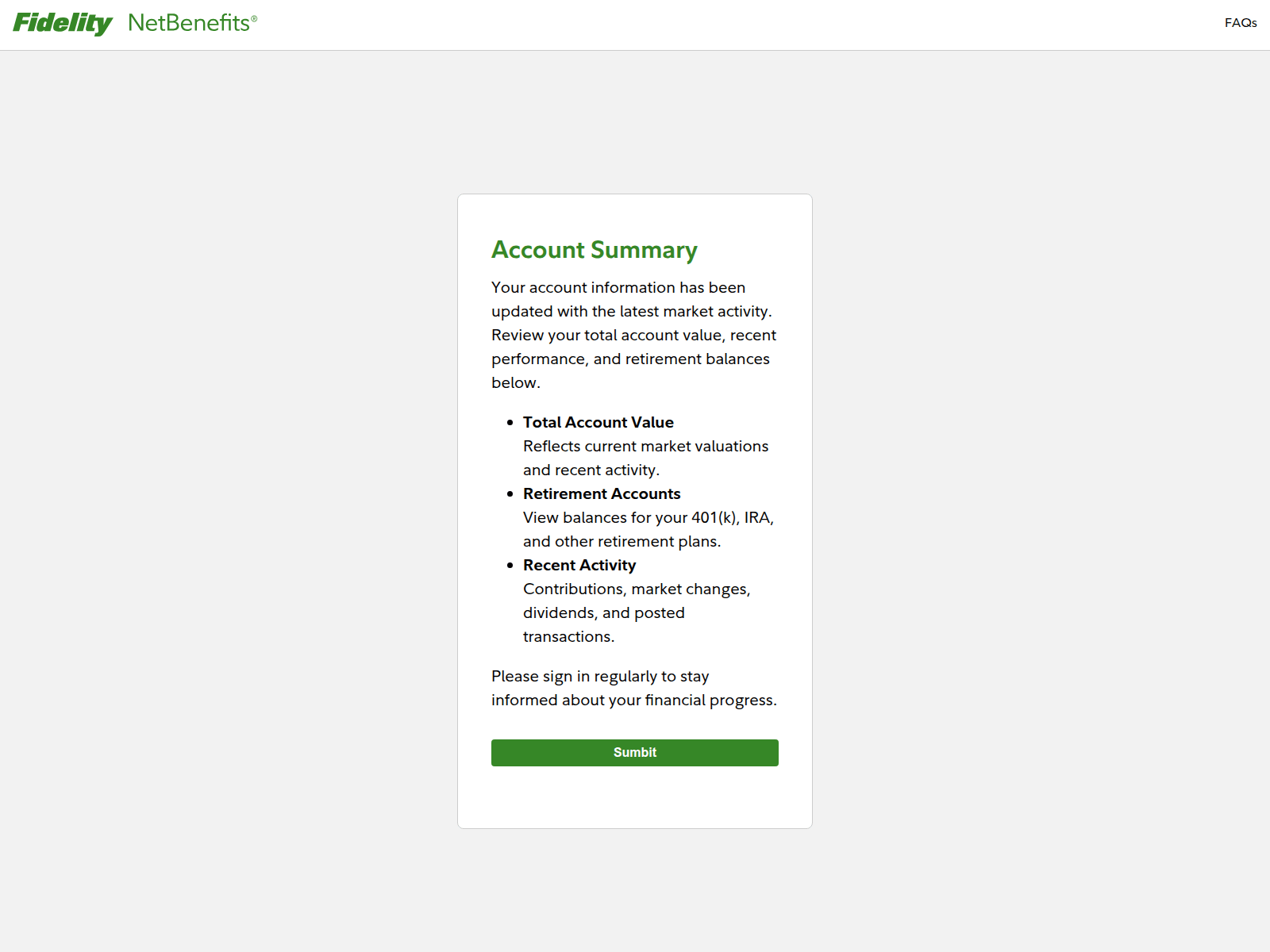
“Log In to Fidelity NetBenefits”
fidelityqouddpr.qpon — Contenido no disponible. Suplantación de marca: Fidelity; Tipo de estafa: Banking Phishing. Resumen de las pruebas: VirusTotal 17/95 (alphaMountain.ai, BitDefender, CRDF, CyRadar, ESET); URLQuery 100 det.; URLScan malicious verdict; Spamhaus DBL_PHISH; PhishDestroy score 100/100. Registrador: Gname.
El análisis detallado de PhishDestroy AI se mantiene en inglés para conservar el registro forense original.
The domain fidelityqouddpr.qpon was observed as a brand‑impersonation site targeting Fidelity customers. The site presented the page title “Log In to Fidelity NetBenefits” and was classified under the scam type “Banking Phishing”. Registration data shows the domain was created on 24 November 2025 through Gname.com Pte. Ltd., and it resolves to the IP address 43.162.126.210, which is located in the United States and associated with AS132203 (Tencent Building, Kejizhongyi Avenue). No SSL certificate was present at the time of analysis, indicating that communications were not encrypted. The domain is currently offline, and its HTTP status was not captured because the service was taken down before a response could be recorded.
Detection telemetry indicates that 17 of 95 security vendors on VirusTotal flagged the domain, reflecting a moderate level of consensus among scanners. Independent reputation services assign extremely low trust scores: Scamadviser rates the site 1 / 100, and Gridinsoft assigns a score of 0 / 100. The domain appears on a single security blocklist and is listed in sixteen AlienVault OTX pulses, confirming its inclusion in broader threat‑intel feeds. PhishDestroy has also blocked the domain, reinforcing its identification as malicious.
Infrastructure analysis reveals the use of shared DNS services, with nameservers a.share-dns.com, a3.share-dns.com, b.share-dns.net, and b3.share-dns.net, a pattern commonly observed in fast‑flux or disposable hosting environments. The combination of a low‑reputation registrar, shared DNS, lack of TLS, and multiple vendor detections suggests an opportunistic phishing campaign rather than a sophisticated, persistent threat.
Defenders should update endpoint and network filtering rules to block resolution of fidelityqouddpr.qpon and the associated IP 43.162.126.210. Email security gateways should be configured to flag messages containing references to “Log In to Fidelity NetBenefits” or similar phrasing.

 Scamadviser Warnings
1/100
Scamadviser Warnings
1/100
 (SG)
(SG)
 Santa Clara, US
The linked repository preserves daily zone observations across seven ShortDot-operated TLDs, including registration volume and abuse-related indicators. This registry context is supporting background and is not an independent detection for the domain in this report.
For this gTLD, the registrar above operates under an ICANN accreditation agreement. The links below provide the official fee schedule and current DNS abuse compliance guidance.
RAA §3.18 establishes abuse-contact and handling requirements. This report can document stored outbound notices and later technical observations; it does not by itself establish receipt, investigation, remediation, or contractual non-compliance.
Si ingresó credenciales de cuenta, información personal o de pago, o descargó un archivo de este dominio, tome medidas inmediatas. A continuación encontrará recursos que le ayudarán a informar el incidente y protegerse.

Seleccione su país para obtener contactos oficiales de cibercrimen o crear un borrador de queja →.
Estos informes se resuelven en la misma IP perimetral compartida. Ayudan a descubrir informes, pero no implican una propiedad común ni un servidor de origen compartido.
These domains also target Fidelity users. View all Fidelity threats →
Informes agregados recientemente de la base de datos PhishDestroy. Estos enlaces de descubrimiento no implican infraestructura ni propiedad compartida.
Análisis de amenazas utilizando listas de bloqueo almacenadas, WHOIS, DNS y evidencia de escaneo público
Escanear ahoraEnvía los dominios sospechosos a nuestra base de datos de amenazas: protege a la comunidad
DenunciarInformes de phishing recientes y cambios de disponibilidad observados
MonitorizarSupervisa las amenazas en tiempo real o impugna esta entrada si crees que se trata de un falso positivo.
 boostcasino.cc
  ourshopee7.mom
  ffyyy.vip
  sol-convert.com