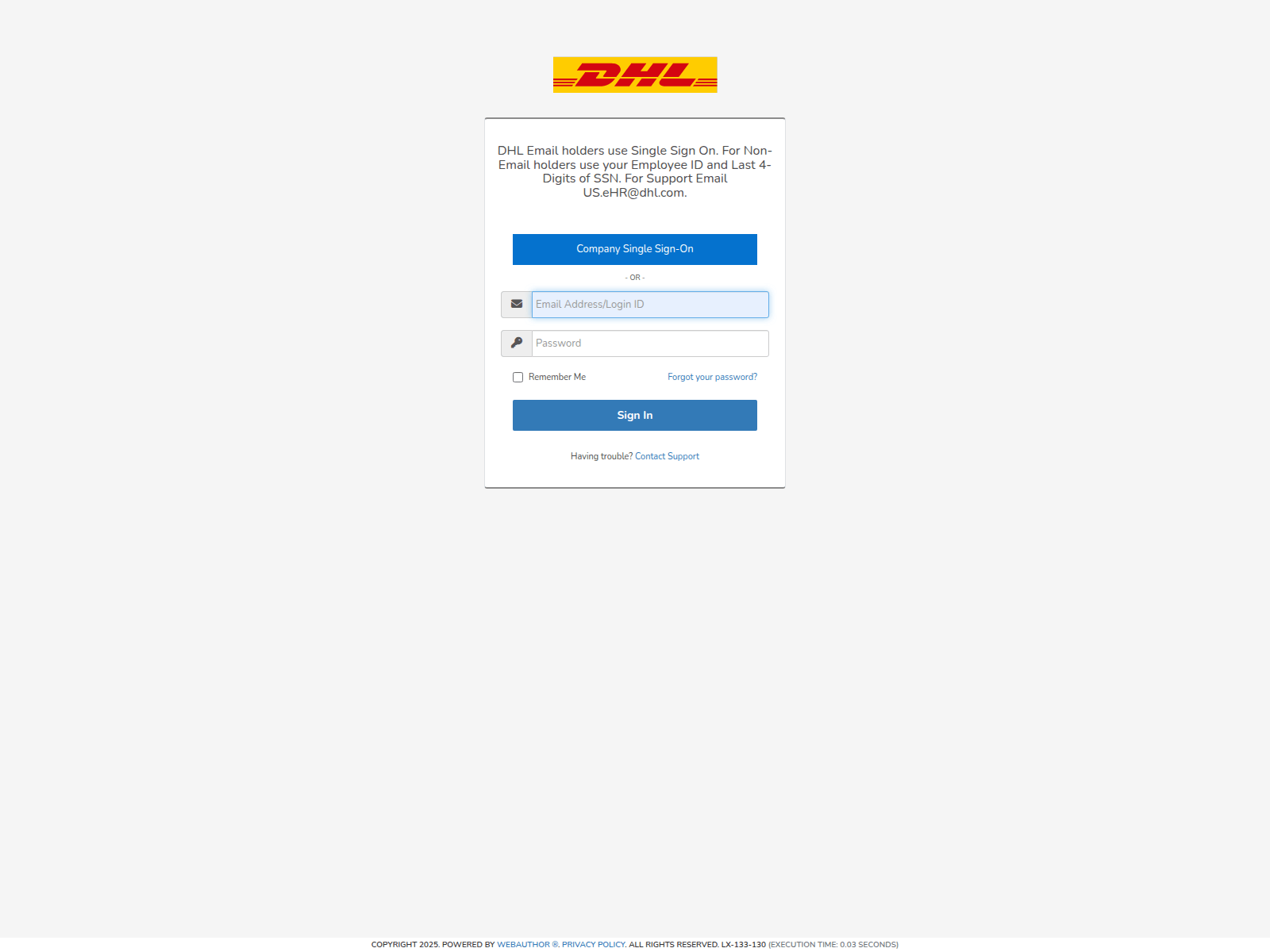
info-portals.org
  ganpatimatrimonial.com
  littlejourneyslc.com
  sgin12-dhl.mdbgo.io
  pumplive.solstream.cc
IC3 del FBI
Denunciar delitos cometidos a través de Internet en los Estados Unidos
Federal tips line1-800-CALL-FBI
“DHL”
Observación almacenada
This domain is flagged as an elevated-risk brand impersonation threat specifically targeting DHL, a global logistics provider. Analysis indicates the infrastructure is actively used to deceive users into believing they are interacting with legitimate DHL communications, likely for credential harvesting or fraudulent transaction redirection. The threat type is classified as brand impersonation, a tactic frequently employed to exploit trust in established corporate identities for malicious gain. Infrastructure analysis reveals multiple high-confidence indicators of compromise. The domain dhlrewardscards.com was registered on February 22, 2013, through GoDaddy.com, LLC, and currently resolves to the IP address 104.16.225.244, hosted on AS13335 (Cloudflare, Inc.) in the United States. Security vendor detections on VirusTotal report 21 out of 95 engines flagging the domain as malicious. The domain appears on two independent security blocklists, further corroborating its malicious intent. The SSL certificate is issued by Google Trust Services (WE1), a legitimate provider, which may be leveraged to enhance the appearance of authenticity. Mitigation steps for this brand impersonation threat include immediate domain takedown requests to the registrar and hosting provider, citing the 21/95 detection ratio and blocklist status. Network-level protections should be implemented to block resolution of the domain and its associated IP address (104.16.225.244) across all corporate and customer-facing systems. Security teams are advised to monitor for internal access attempts to this domain and conduct retrospective analysis of logs for prior interactions. User awareness campaigns should emphasize verification of domain authenticity, particularly for communications claiming to originate from DHL, and encourage reporting of suspicious messages for further investigation.

 Scamadviser Warnings
10 fuentes externas supervisadas · instantánea del 12/08/2026
21 → 20
 (US)
San Francisco, US
(US)
San Francisco, USFor this gTLD, the registrar above operates under an ICANN accreditation agreement. The links below provide the official fee schedule and current DNS abuse compliance guidance.
RAA §3.18 establishes abuse-contact and handling requirements. This report can document stored outbound notices and later technical observations; it does not by itself establish receipt, investigation, remediation, or contractual non-compliance.
16 tecnologías identificadas con alta confianza
Google PageSpeed Insights — mobile performance audit of dhlrewardscards.com · checked Mar 1, 2026
These domains also target Dhl users. View all Dhl threats →
Informes agregados recientemente de la base de datos PhishDestroy. Estos enlaces de descubrimiento no implican infraestructura ni propiedad compartida.
Si ingresó credenciales de cuenta, información personal o de pago, o descargó un archivo de este dominio, tome medidas inmediatas. A continuación encontrará recursos que le ayudarán a informar el incidente y protegerse.


Seleccione su país para obtener contactos oficiales de cibercrimen o crear un borrador de queja →.
Análisis de amenazas utilizando listas de bloqueo almacenadas, WHOIS, DNS y evidencia de escaneo público
Escanear ahoraEnvía los dominios sospechosos a nuestra base de datos de amenazas: protege a la comunidad
DenunciarInformes de phishing recientes y cambios de disponibilidad observados
MonitorizarSupervisa las amenazas en tiempo real o impugna esta entrada si crees que se trata de un falso positivo.