 ChainPatrol
 Web-Check
  SOCRadar
  LeakIX

Domain security and threat intelligence
educanal[.]
educanal[.]com[.]py
Phishing and security check for educanal.com.py
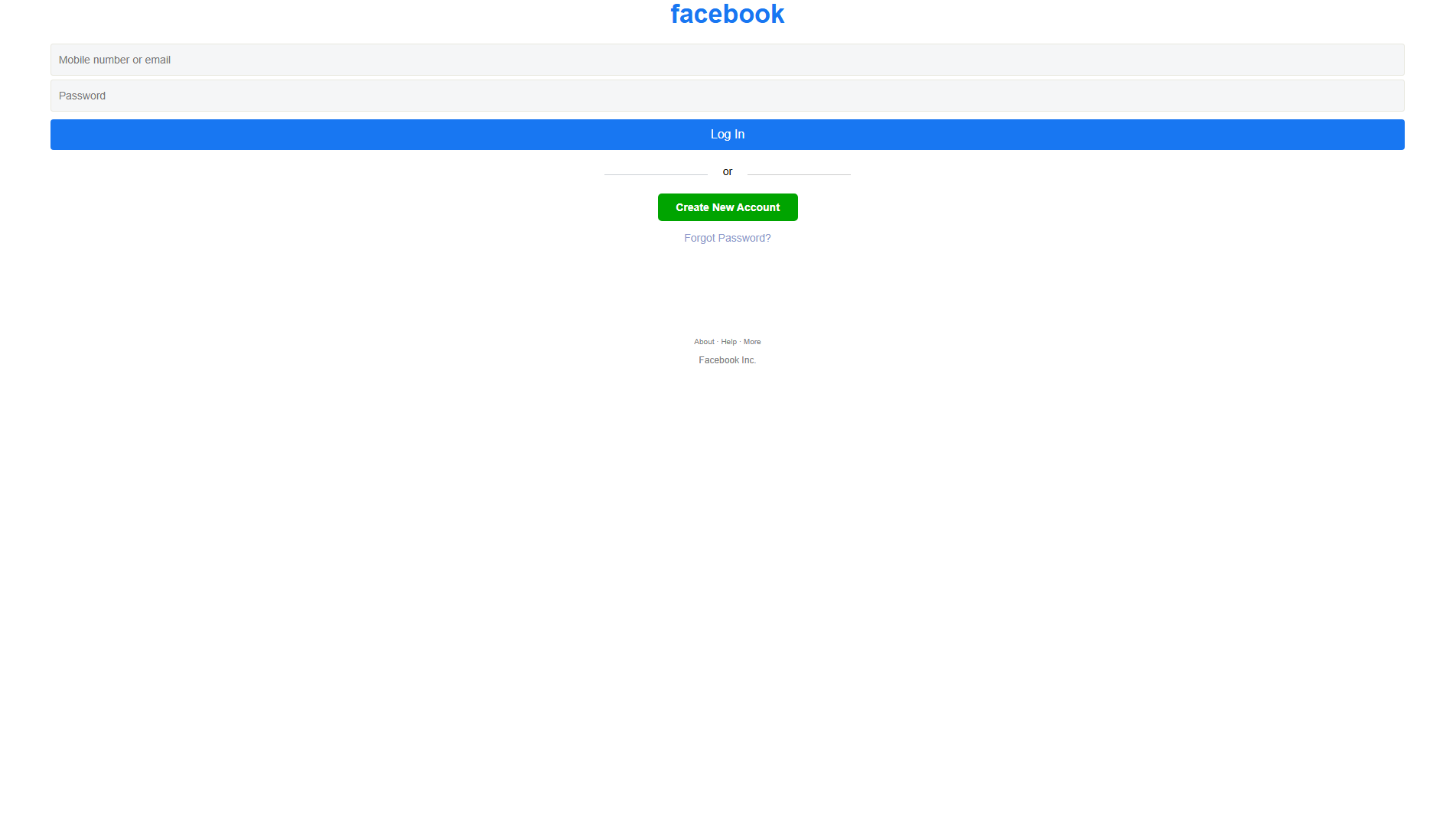
“406 Not Acceptable”
Threat verdict
Critical
100/100 evidence score
Availability
Last known active
Latest stored reachability observation
Risk signals
VirusTotal detections: 14/91
Spamhaus DBL: DBL_ABUSED_PHISH
Stored blocklist matches: 1
URLQuery threat systems: 1 alert
Brand impersonation: Facebook
Last known active
14/91 VT
URLQuery: 1 threat alerts
OTX: 4 refs
Aug 8, 2026
1 Blocklist
Facebook
Impersonation
1 Report Sent
 US
US
US
Evidence Summary
PhishDestroy first observed educanal.com.py on Aug 8, 2026. Stored content metadata identifies Facebook as the apparent target. The captured page title is “406 Not Acceptable”. Evidence score: 100/100 (critical).
6 independent sources recorded positive findings: VirusTotal, OpenPhish, Google Safe Browsing, Spamhaus DBL, URLQuery, and URLScan. VirusTotal recorded 14 detections among 91 engines: alphaMountain.ai, Cluster25, CRDF, Forcepoint ThreatSeeker, Fortinet, G-Data, Google Safe Browsing, Gridinsoft on Aug 9, 2026 at 09:22 UTC. OpenPhish listed the hostname in the separate external-blocklist snapshot on Aug 9, 2026 at 06:20 UTC. Google Safe Browsing flagged the domain: Social Engineering on Aug 9, 2026 at 09:23 UTC. Spamhaus DBL: DBL_ABUSED_PHISH on Aug 8, 2026 at 14:30 UTC.
HTTP 200 was recorded on Aug 9, 2026 at 02:49 UTC. At collection time, the hostname resolved to 204.93.224.133 on AS23352 (SERVERCENTRAL - DEFT.COM, US). The evidence archive retains 5 visual captures from PhishDestroy, URLScan, URLQuery, and Cloudflare Radar.
VirusTotal
14 det.
URLQuery
1 threat alert
OTX references
URLScan
Scamadviser
15/100
TLS Certificate
Let's Encrypt
Observed status
Last known active 200

DestroyList
Listed
Reports Sent
1
Data coverage13 recorded checks
VirusTotal
14 / 91
URLQuery
1 threat-system alert
PhishStats
not checked
OTX
4 community references
CF Radar
scan completed
URLScan capture
stored report
URLScan verdict
malicious
DNS blocks
not checked
TLS
valid certificate, 86d
WHOIS
not parsed
Screenshot
5 captures · 4 sources
Redirect chain
not probed
Scamadviser
15/100
Network Security Intelligence
| Detection System | Indicator | Verdict | Alert |
|---|---|---|---|
| OpenDNS | educanal.com.py |
phishing | Phishing Block |
Threat Response Pipeline
Discovery
Checks
Reports
Availability
18/19
Sent Report Recorded
Stored sent-report record for domain registrar, hosting provider, 1 abuse contact
abuse@deft.com
Public Blocklist Status
Stored Capture
Domain Intelligence
Domain
URLScan Verdict
Malicious
score 100 Phishing brand: Facebook report ↗
Google Safe Browsing
Flagged
Social engineering checked Aug 9, 2026
Server / ASN
AS23352 SERVERCENTRAL - DEFT.COM, US
IP Reputation
abuse score 0/100 0 reports checked Aug 8, 2026
Registrar
Unknown
IP Address
204.93.224.133
HTTP Status200
Technical detailsDNS, SSL SANs, timestamps
First DetectedAug 8, 2026
DOM Analysisanalyzed Aug 8, 2026score 98/1001 brand signal
IoC Extractionscanned Aug 9, 20260 wallet · 0 Telegram IoCs
Submitted URLhttp://educanal.com.py/feisbuk-32454654456
Nameserversns1.hostingparaguay.orgns2.hostingparaguay.org
TLS Fingerprint
TLS Observationvalid from Aug 5, 2026scanned Aug 8, 2026
Case ID
Technologies · 1 identified
H
HTTP/3
Miscellaneous
HTTP/3 is the third major version of the Hypertext Transfer Protocol used to exchange information on the World Wide Web.
httpwg.org 100% confidence
Detected via Cloudflare Radar · Wappalyzer engine
Report This Domain
Submit evidence & help protect others
VirusTotal Analysis
14 / 91 security vendors flagged this domain
View on VT
Last analyzed Previous stored snapshot: 14 detections
alphaMountain.ai
Cluster25
CRDF
Forcepoint ThreatSeeker
Fortinet
G-Data
Google Safe Browsing
Gridinsoft
LevelBlue
Lionic
SOCRadar
Sophos
VIPRE
Webroot
Archived Evidence
Wayback Machine Snapshot
A historical snapshot is available for evidence review
Site Performance Analysis
Google PageSpeed Insights — mobile performance audit of educanal.com.py · checked Aug 8, 2026
91
Good
Performance
FCP
0.8s
First Contentful Paint
LCP
2.74s
Largest Contentful Paint
CLS
0.132
Cumulative Layout Shift
TBT
0ms
Total Blocking Time
SI
1.88s
Speed Index
Powered by Google PageSpeed Insights · Mobile strategy · Scores: 90-100 Good 50-89 Needs Work 0-49 Poor
Evidence & External ReportsIndependent lookups and source reports
Security Analysis
Submitted Evidence Snapshot
Sent: Ledger records: 1
Case ID:
PD-20260808-727B30 Recipient: abuse@deft.com Page title stored with report: See the advert now
OSINT & Intelligence
DNS & Network
SEO & Domain
Victim safety and official reportingImmediate actions and verified reporting channels
If credentials were compromised, report immediately. Do not engage with recovery scammers.
If credentials, payment data, or files were exposed, report the incident immediately. Change affected passwords, revoke active sessions, and scan the device.


Action Fraud
Report fraud and cybercrime in England, Wales and Northern Ireland
Contact centre0300 123 2040
PhishDestroy listing review Not a law-enforcement report
Domain Appeal
Request a review if you own this domain and believe the listing is incorrect
Beware of recovery scammers! Recovery scammers may pose as investigators, lawyers, or tracing services. Do not pay upfront fees or disclose credentials. Learn more about recovery fraud →
Report to Your Local Authorities
Select your country to get official cybercrime contacts, or create a complaint draft →.
97-country directory
Template-based draft • optional AI wording assistance requires separate consent
Review and submit it yourself
Related Infrastructure & ReportsStored relationships and adjacent records
Content matches 4

Facebook impersonation 8
These domains also target Facebook users. View all Facebook threats →
Recent threat reports 4
Recently added threat reports.
 zenvoratrade.xyz
  genesisnestx.com
  cardpointsonline.com