
VirusTotal
12 det.



PhishDestroy identifies bridge.relaylink.app as a high-risk generic phishing domain that emerged on February 21, 2026. This domain was reportedly used in fraudulent schemes designed to deceive users and harvest sensitive information. Due to its malicious intent, it was promptly detected and flagged across multiple cybersecurity platforms. Technical analysis reveals that bridge.relaylink.app was registered through a dead domain registrar, a common tactic employed by threat actors to obscure ownership and evade tracking. The domain appeared on three separate security blocklists and was flagged by 12 out of 95 security vendors on VirusTotal, indicating a broad consensus on its malicious nature. Its infrastructure suggested links to phishing campaigns targeting unsuspecting users through deceptive relay link mechanisms. Currently, bridge.relaylink.app has been taken offline, mitigating the immediate risk it posed. However, PhishDestroy advises continued vigilance as such domains often resurface under new aliases. Organizations and individuals should maintain updated security solutions, monitor blocklists, and educate users about phishing risks to prevent potential compromise.
VirusTotalForensic Evidence Collection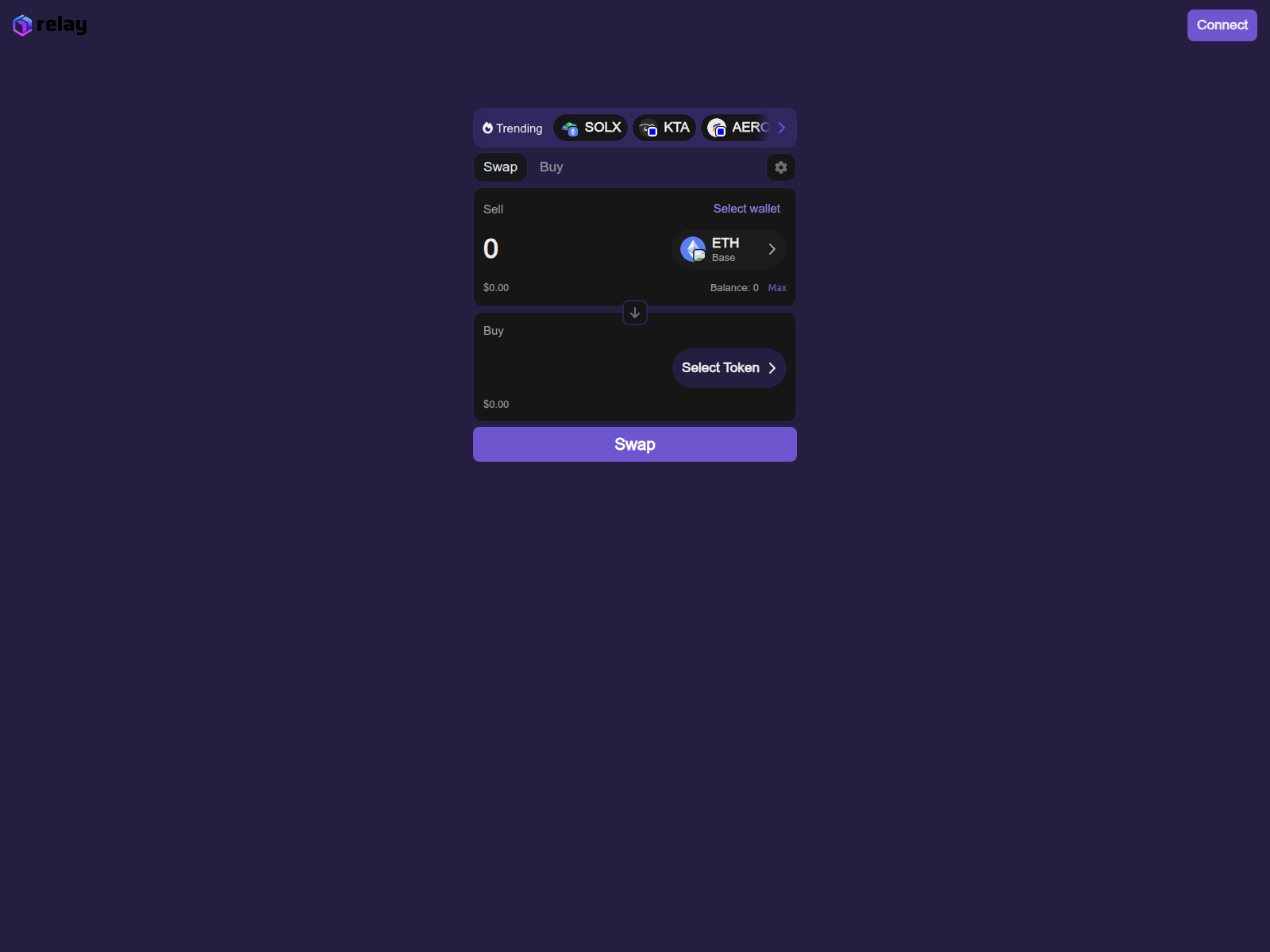
 Amsterdam , NL
Aggregated detection across 12 security vendors.
abuse@
Case: PD-
This domain security report is maintained by PhishDestroy's automated threat-intelligence pipeline. Our system continuously monitors this domain across 12 security vendors on VirusTotal and 2 public blocklists.
The site displays a page titled “Relay Bridge”.
bridge.relaylink.app has been flagged by 12 security vendors as of May 17, 2026.
If you believe this listing is inaccurate, you can submit an appeal. For more information about our methodology, visit our FAQ page.