
FBI IC3
Melden Sie internetbasierte Kriminalität in den Vereinigten Staaten
Federal tips line1-800-CALL-FBI

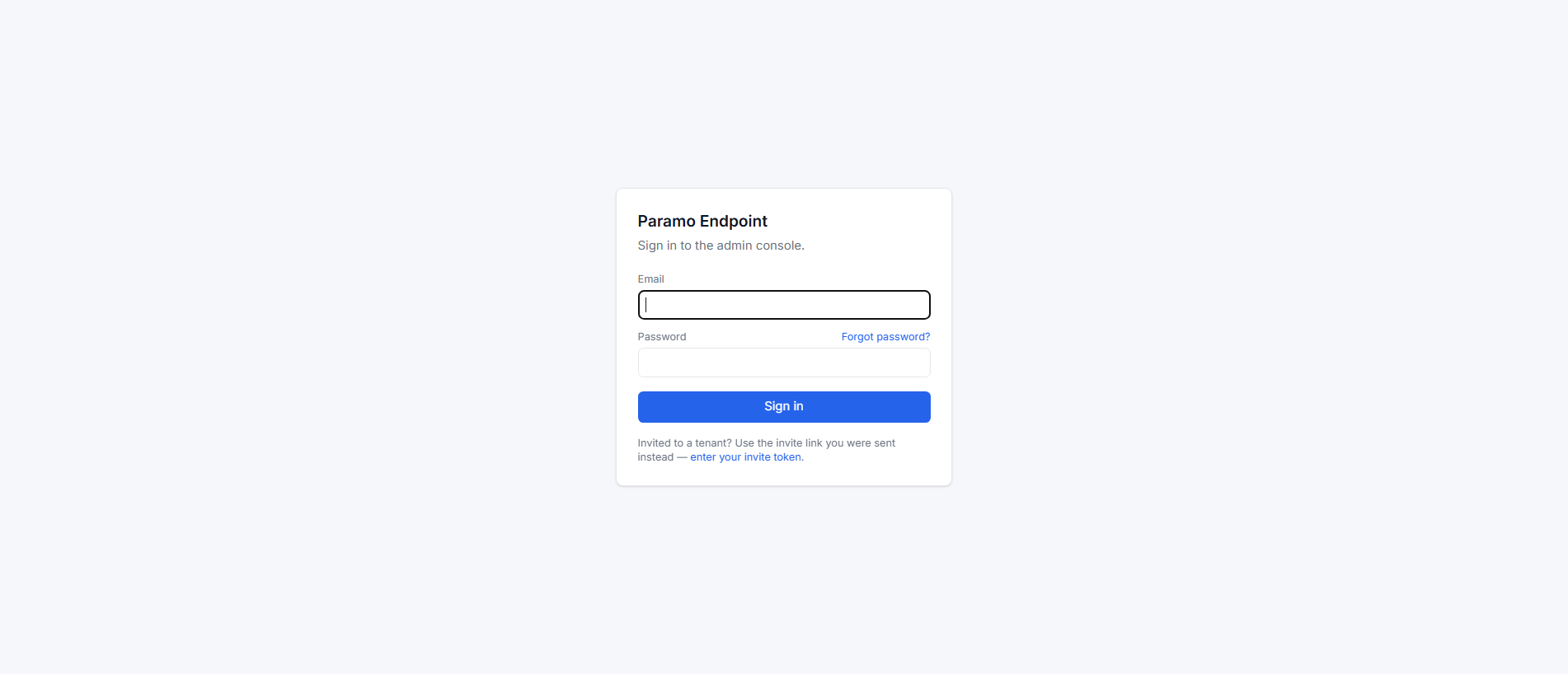
“Sign in - Paramo Endpoint Management”
yeniyerler.com — Nicht bestätigt. Markenidentität: Unknown; Betrugstyp: Credential Phishing. Zusammenfassung der Beweislage: VirusTotal 16/89 (alphaMountain.ai, BitDefender, Chong Lua Dao, CyRadar, ESET); URLQuery 2 det.; URLScan capture; CF Radar malicious; PhishDestroy score 98/100. Registrar: GoDaddy.
Die ausführliche Analyse von PhishDestroy AI bleibt auf Englisch, damit der ursprüngliche forensische Bericht unverändert bleibt.
PhishDestroy first observed yeniyerler.com on Sep 20, 2026. Stored content metadata identifies Unknown as the apparent target. The captured page title is “Sign in - Paramo Endpoint Management”. Stored page analysis classifies the content as credential phishing. Current evidence score: 98/100 (critical).
Positive findings are stored from 3 sources: VirusTotal, Cloudflare Radar, and URLQuery. VirusTotal recorded 16 detections among 89 engines: alphaMountain.ai, BitDefender, Chong Lua Dao, CyRadar, ESET, Forcepoint ThreatSeeker, Fortinet, G-Data, Gridinsoft, Kaspersky, Lionic, Seclookup, SOCRadar, Sophos, VIPRE, Webroot on Sep 20, 2026 at 22:36 UTC. Cloudflare Radar classified the hostname as malicious and assigned the categories malware and security threats; its verdict timestamp was not retained. URLQuery recorded 2 detections; no observation timestamp was retained. Non-positive and contextual checks: AlienVault OTX listed 5 community pulse references (not vendor detections) on Sep 20, 2026 at 22:37 UTC. The separate external-blocklist snapshot contained no matches on Sep 20, 2026 at 22:20 UTC. Google Safe Browsing returned no flag on Sep 20, 2026 at 22:36 UTC. URLScan captured the page on Sep 20, 2026 at 21:32 UTC.
The collector marked the hostname reachable on Sep 20, 2026 at 21:32 UTC, but did not retain the HTTP response code. Registration records for the domain list GoDaddy.com, LLC as the registrar and Jan 28, 2014 as the creation date. At collection time, the hostname resolved to 64.225.61.178 on AS14061 (DigitalOcean, LLC). The recorded endpoint location is Clifton, US. DOM analysis on Sep 20, 2026 at 22:20 UTC returned 98/100. The evidence archive retains 3 visual captures from PhishDestroy and URLScan. TLS metadata lists 64.225.61.178 as the certificate issuer with validity through Sep 8, 2036; checked Sep 20, 2026 at 22:02 UTC.
The content indicators and 3 positive source findings support the current Unknown-themed credential phishing classification.

64.225.61.178. Evasion analysis
Stored crawler-versus-browser observations for this host, plus a live fingerprint check for Keitaro-style traffic distribution systems.
 (US)
(US)
Wenn Sie Kontoanmeldeinformationen, persönliche oder Zahlungsinformationen eingegeben oder eine Datei von dieser Domain heruntergeladen haben, ergreifen Sie sofort Maßnahmen. Nachfolgend finden Sie Ressourcen, die Ihnen helfen, den Vorfall zu melden und sich zu schützen.


Wählen Sie Ihr Land aus, um Offizielle Kontakte im Bereich Cyberkriminalität oder einen Beschwerdeentwurf erstellen → zu erhalten.
Infrastructure map · yeniyerler.com
Each spoke is one reason two domains are linked. Ring size marks VirusTotal detections; dashed nodes are already offline. Full lists below.
Kürzlich hinzugefügte Berichte aus der PhishDestroy-Datenbank. Diese Discovery-Links implizieren keine gemeinsame Nutzung der Infrastruktur oder des Eigentums.
Bedrohungsanalyse anhand gespeicherter Blocklisten, WHOIS, DNS und öffentlicher Scan-Beweise
Jetzt scannenMelden Sie verdächtige Domains an unsere Bedrohungsdatenbank – schützen Sie die Community
MeldenAktuelle Phishing-Meldungen und beobachtete Verfügbarkeitsänderungen
ÜberwachenBeobachten Sie aktuelle Bedrohungen oder legen Sie Widerspruch gegen diesen Eintrag ein, wenn Sie der Meinung sind, dass es sich um einen Fehlalarm handelt
 wyposazeniemieszkan.com
  wrencapstead.digital