ChainPatrol
 Web-Check
  SOCRadar
  LeakIX
FBI IC3
Melden Sie internetbasierte Kriminalität in den Vereinigten Staaten
Federal tips line1-800-CALL-FBI
The sent-report ledger records the first outgoing report at .
The recorded recipient is complaint@gname.com.
The latest stored availability evidence still shows the domain reachable; 6 months has elapsed since the first outgoing report.
ICANN RAA §3.18 describes registrar abuse-contact and handling obligations. This section records outgoing timestamps, listed recipients, case identifiers, and later availability. It does not by itself prove receipt, acknowledgement, investigation, remediation, or contractual non-compliance.

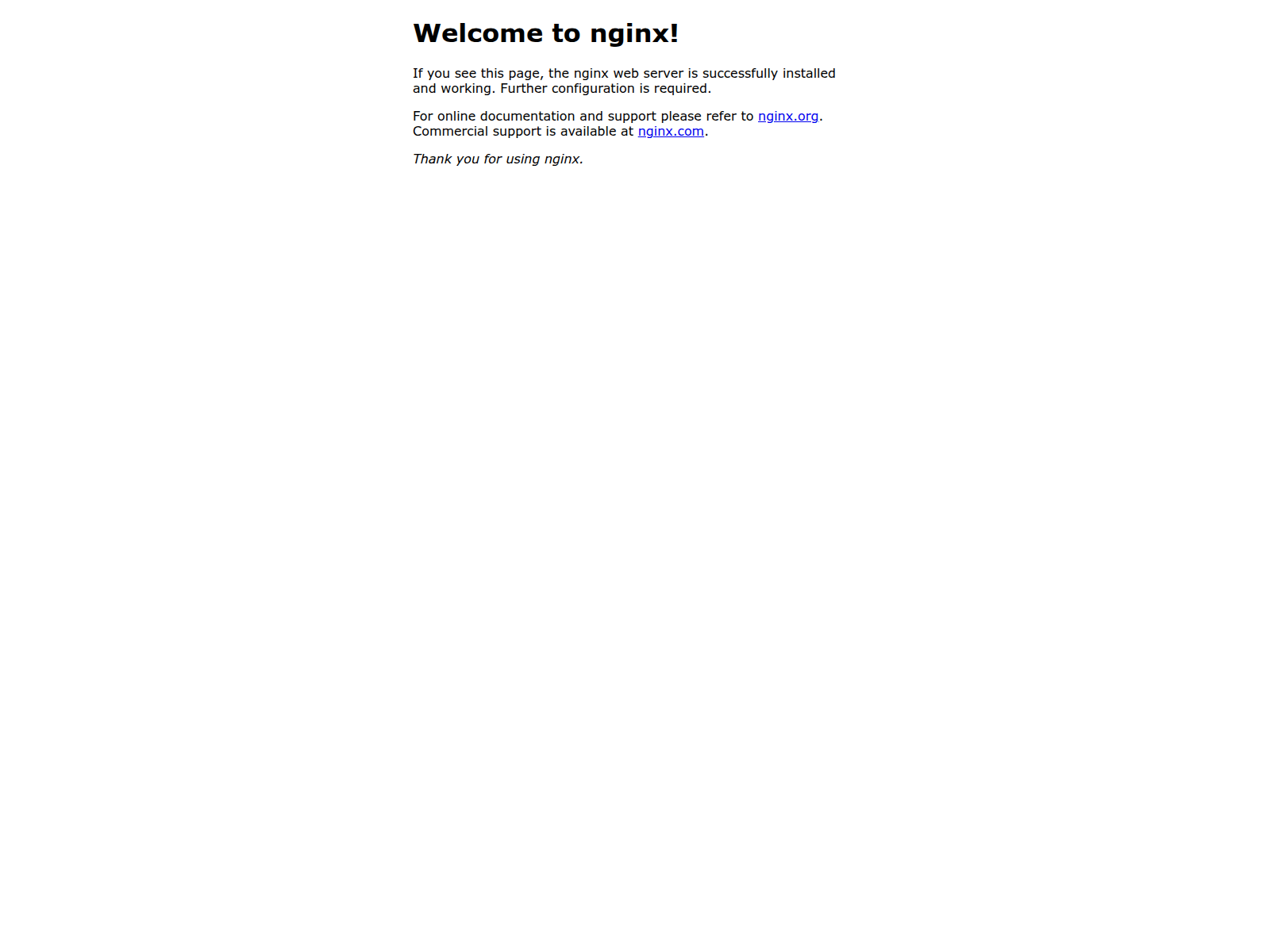
“Welcome to nginx!”
verizon.vtoifde.cc — Nicht bestätigt. Zusammenfassung der Beweislage: VirusTotal 13/91 (Criminal IP, BitDefender, Chong Lua Dao, CRDF, ESET); Spamhaus DBL_PHISH; PhishDestroy score 89/100. Registrar: Gname.
Die ausführliche Analyse von PhishDestroy AI bleibt auf Englisch, damit der ursprüngliche forensische Bericht unverändert bleibt.
The domain verizon.vtoifde.cc, which impersonates x.com, has been taken offline. Despite its current status, it was flagged as malicious by 12 out of 93 vendors on VirusTotal, indicating a significant threat level before its takedown. The site was listed on one public blocklist, specifically PhishDestroy, which first detected the domain on January 28, 2026.
This domain was registered through Gname.com Pte. Ltd. and hosted on an IP address associated with Cloudflare, Inc. in the United States. Notably, the domain did not employ SSL encryption, which is a common characteristic of phishing sites aiming to avoid detection while capturing sensitive user data.
The page displayed a generic "Welcome to nginx!" message, which is often used as a placeholder. This suggests that the attackers might have been in the process of setting up their phishing operation or had already completed their malicious activities by the time of detection. The platform risk score was relatively low at 10 out of 100, potentially due to the swift takedown and limited exposure.
Phishing domains like verizon.vtoifde.cc exploit the critical period between domain registration and widespread detection by antivirus databases. PhishDestroy's proactive monitoring captured this threat early, highlighting the importance of upstream detection systems in identifying and mitigating risks before they proliferate.

 (SG)
(SG)
 San Francisco, US
PD-20260128-B6C0AD Recipient: complaint@gname.com Wenn Sie Kontoanmeldeinformationen, persönliche oder Zahlungsinformationen eingegeben oder eine Datei von dieser Domain heruntergeladen haben, ergreifen Sie sofort Maßnahmen. Nachfolgend finden Sie Ressourcen, die Ihnen helfen, den Vorfall zu melden und sich zu schützen.


Wählen Sie Ihr Land aus, um Offizielle Kontakte im Bereich Cyberkriminalität oder einen Beschwerdeentwurf erstellen → zu erhalten.
Diese Berichte werden auf dieselbe gemeinsame Edge-IP aufgelöst. Sie helfen bei der Berichtserkennung, bedeuten jedoch keinen gemeinsamen Besitz oder einen gemeinsamen Ursprungsserver.
Kürzlich hinzugefügte Berichte aus der PhishDestroy-Datenbank. Diese Discovery-Links implizieren keine gemeinsame Nutzung der Infrastruktur oder des Eigentums.
Bedrohungsanalyse anhand gespeicherter Blocklisten, WHOIS, DNS und öffentlicher Scan-Beweise
Jetzt scannenMelden Sie verdächtige Domains an unsere Bedrohungsdatenbank – schützen Sie die Community
MeldenAktuelle Phishing-Meldungen und beobachtete Verfügbarkeitsänderungen
ÜberwachenBeobachten Sie aktuelle Bedrohungen oder legen Sie Widerspruch gegen diesen Eintrag ein, wenn Sie der Meinung sind, dass es sich um einen Fehlalarm handelt
 ourshopee7.mom
  tassmahal.xinruiweixin.com
  facebookteamhelp.blogspot.com