 ChainPatrol
 Web-Check
  SOCRadar
  LeakIX
FBI IC3
Melden Sie internetbasierte Kriminalität in den Vereinigten Staaten
Federal tips line1-800-CALL-FBI

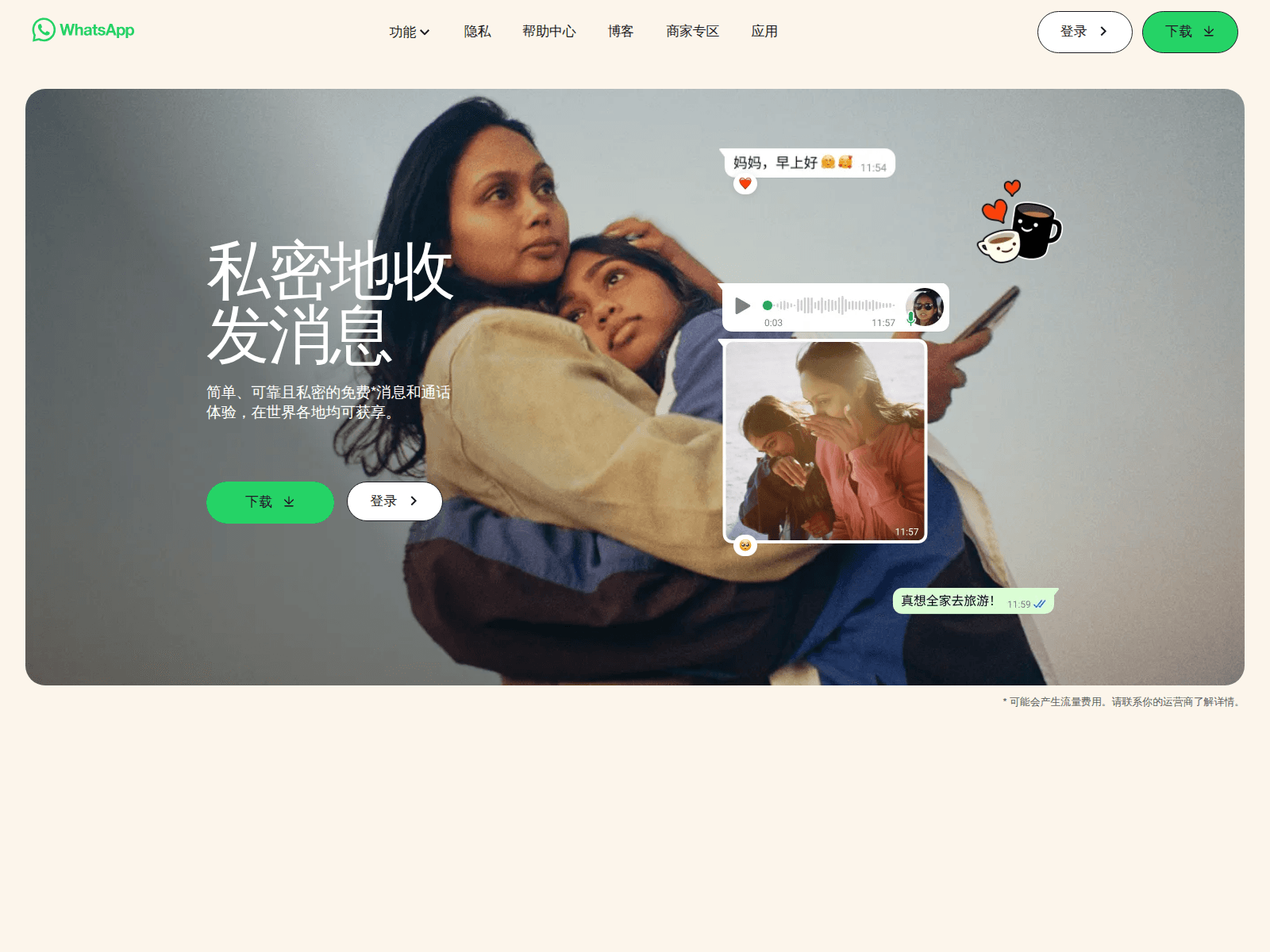
“WhatsApp | 安全可靠的免费私密消息和通话”
uw-ya-whatsapp.com.cn — Inhalt nicht verfügbar (HTTP 502). Markenidentität: WhatsApp; Betrugstyp: Social Media Phishing. Zusammenfassung der Beweislage: VirusTotal 24/93 (ADMINUSLabs, alphaMountain.ai, BitDefender, CRDF, CyRadar); URLQuery 4 alerts; URLScan malicious verdict; Google Safe Browsing flagged; Spamhaus DBL_PHISH; CF Radar malicious; PhishDestroy score 95/100. Registrar: 成都垦派科技有限公司.
Die ausführliche Analyse von PhishDestroy AI bleibt auf Englisch, damit der ursprüngliche forensische Bericht unverändert bleibt.
The domain uw-ya-whatsapp.com.cn is identified as a high-risk phishing site specifically designed to impersonate WhatsApp login pages. Analysis indicates this is a fake login credential harvesting operation, targeting users under the guise of the legitimate messaging platform. The domain is currently offline, but prior activity suggests it was actively used for malicious purposes. Infrastructure analysis reveals the domain was registered through 成都垦派科技有限公司 on February 25, 2026, an unusually future-dated creation that may indicate domain spoofing or registry manipulation. It resolved to the IP address 43.226.17.32, hosted on AS64050 (BGP Network Limited) in South Korea. The domain appears on one security blocklist and is flagged by 24 of 95 security vendors on VirusTotal. Google Safe Browsing classifies it as a phishing threat, and it used a Let's Encrypt SSL certificate (R12) to appear legitimate. The page title, 'WhatsApp | 安全可靠的免费私密消息和通话,' directly mimics WhatsApp's branding in Chinese. The domain has been taken offline, but similar infrastructure may reappear under different names. Users are advised to verify domain authenticity before entering credentials, particularly for messaging platforms. Organizations should block the domain and its associated IP (43.226.17.32) at the network level. Security teams should monitor for future registrations from the same registrar or hosting provider, as these may indicate continued malicious activity. If credentials were entered on this site, immediate password resets and multi-factor authentication enforcement are recommended.

| Detection System | Indicator | Verdict | Alert |
|---|---|---|---|
| Hagezi Threat Feed | uw-ya-whatsapp.com.cn |
malicious | Sinkholed |
| OpenDNS | uw-ya-whatsapp.com.cn |
phishing | Phishing Block |
| Cloudflare DNS | uw-ya-whatsapp.com.cn |
malicious | Sinkholed |
| DNS4EU | uw-ya-whatsapp.com.cn |
malicious | Sinkholed |
 (CN)
(CN)

High-performance HTTP server and reverse proxy, known for stability and low resource usage.
HTTP Strict Transport Security — forces browsers to use HTTPS connections only.
Google PageSpeed Insights — mobile performance audit of uw-ya-whatsapp.com.cn · checked Mar 1, 2026
PD-20260225-ECC2D4 Recipient: sztarkzvio@gmail.com Wenn Sie Kontoanmeldeinformationen, persönliche oder Zahlungsinformationen eingegeben oder eine Datei von dieser Domain heruntergeladen haben, ergreifen Sie sofort Maßnahmen. Nachfolgend finden Sie Ressourcen, die Ihnen helfen, den Vorfall zu melden und sich zu schützen.


Wählen Sie Ihr Land aus, um Offizielle Kontakte im Bereich Cyberkriminalität oder einen Beschwerdeentwurf erstellen → zu erhalten.
Diese Ursprungs-IP hostet mehrere Phishing-Domänen – die Infrastruktur kann kampagnenübergreifend gemeinsam genutzt werden.
These domains also target WhatsApp users. View all WhatsApp threats →
Kürzlich hinzugefügte Berichte aus der PhishDestroy-Datenbank. Diese Discovery-Links implizieren keine gemeinsame Nutzung der Infrastruktur oder des Eigentums.
Bedrohungsanalyse anhand gespeicherter Blocklisten, WHOIS, DNS und öffentlicher Scan-Beweise
Jetzt scannenMelden Sie verdächtige Domains an unsere Bedrohungsdatenbank – schützen Sie die Community
MeldenAktuelle Phishing-Meldungen und beobachtete Verfügbarkeitsänderungen
ÜberwachenBeobachten Sie aktuelle Bedrohungen oder legen Sie Widerspruch gegen diesen Eintrag ein, wenn Sie der Meinung sind, dass es sich um einen Fehlalarm handelt
 whatsapp.nm.hl.cn
  drk-whatsapp.hk.cn
  iforrhys-session-qarphegw-doc97w6vm---ldbaupeswc.kharwadejewellers.com
  dhlde.wallbee.dk