VirusTotal
11 / 91
Melden


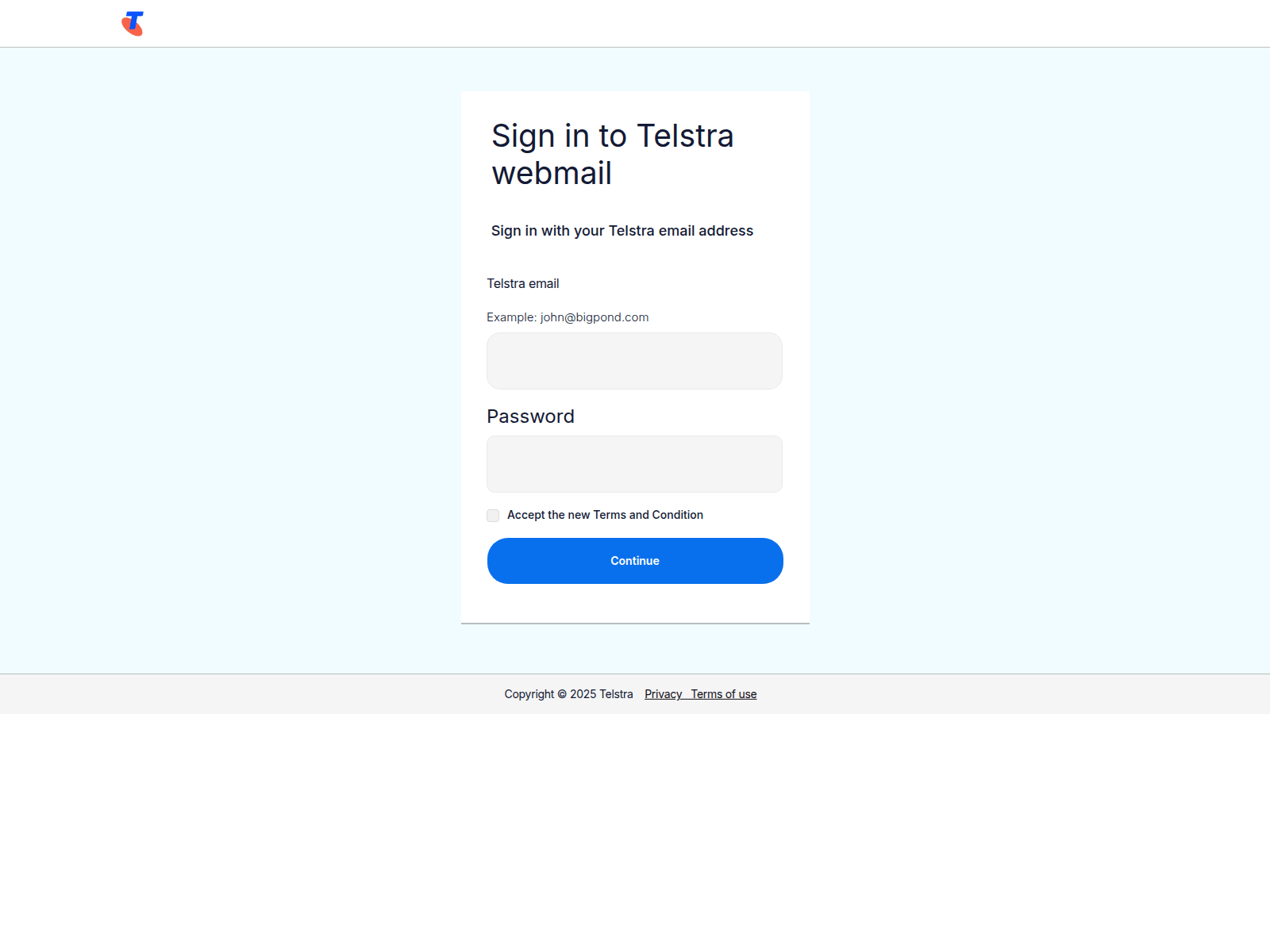
“Sign in with your Telstra ID”
telstrasystemreactivation.framer.website — Inhalt nicht verfügbar (HTTP 404). Markenidentität: Telstra; Betrugstyp: Credential Phishing. Zusammenfassung der Beweislage: VirusTotal 11/91 (ADMINUSLabs, alphaMountain.ai, Chong Lua Dao, ESET, Forcepoint ThreatSeeker); URLQuery 100 det.; URLScan malicious verdict; CF Radar malicious; PhishDestroy score 100/100. Registrar: CSC.
Die ausführliche Analyse von PhishDestroy AI bleibt auf Englisch, damit der ursprüngliche forensische Bericht unverändert bleibt.

Analysis as of 23 July 2026 confirms that telstrasystemreactivation.framer.website is being used for credential phishing targeting Telstra customers. The domain was registered on 19 November 2021 through CSC Corporate Domains, Inc. and resolves to the Amazon‑owned address 52.223.52.2 (AS16509, United States). A Let's Encrypt certificate (E7) is active, and the site presents the title “Sign in with your Telstra ID”, indicating a direct attempt to harvest Telstra credentials. HTTP requests return a 404 status, and the site has been taken offline, but evidence from security feeds shows it was previously reachable.
The hosting stack includes Framer Sites, React, HSTS and HTTP/3, consistent with a modern templated phishing kit. The domain appears on one external blocklist and has been flagged by PhishDestroy. VirusTotal scans reported 12 of 93 security vendors labeling the domain as malicious. Nameservers are ns-1243.awsdns-27.org, ns-1818.awsdns-35.co.uk, ns-336.awsdns-42.com and ns-792.awsdns, confirming use of AWS DNS services.
Uncertainty remains regarding any additional payloads or redirects that may have been delivered before takedown, as the live content is no longer accessible for forensic capture. Defenders should immediately block the domain and the associated IP address, add the domain to internal phishing blocklists, and monitor for other subdomains hosted on the same AWS infrastructure that employ Framer or React templates. Continuous re‑scanning of the IP range and observation of new TLS certificates issued by Let's Encrypt for similar naming patterns are recommended to detect re‑use of the infrastructure.
Gespeicherte Beobachtungen zum Vergleich zwischen Crawler und Browser für diesen Host sowie eine Echtzeit-Fingerabdruckprüfung für Verkehrsverteilungssysteme im Keitaro-Stil.
Framer/af6a429Anmerkung des Scanners: hosting_placeholder: raw=placeholder; http=404; via=https_proxy; server=Framer/af6a429
 (US)
(US)
ns-1243.awsdns-27.orgns-1818.awsdns-35.co.ukns-336.awsdns-42.comns-792.awsdns-35.netLocation describes the IP network.
b3445573cc07ede57a843d22babf8e3b977a95a08dd21a6706de7226e732d6ceSaved certificate metadata. Certificate dates without a timezone are shown as stored. Transport encryption does not establish that the site is trustworthy.
17 recorded events. These records describe collected evidence, outgoing notifications and publication; they do not confirm a complete investigation or a takedown.
We scan suspicious URLs, inspect public results and send evidence through the appropriate abuse-reporting channels. The dated events above show what is recorded for this domain. The directory below explains the wider workflow.
Capture the rendered page, requests and visible infrastructure.
Compare the available engine results and retain the analysis timestamp.
Check whether Google currently lists the URL as unsafe.
Inspect a public scan and its recorded network and classification data.
Look for indicator references and related community intelligence.
Compare archived captures and preserve historical context.
Look for matching indicators and associated threat records.
Inspect certificate records and related hostnames.
Compare security resolver responses and record observed blocking.
Inspect the public DNS, TLS, HTTP and technology surface.
Security services used for scanning, reputation checks and reporting are listed below. A service being listed is not evidence that it received, accepted or acted on this particular domain. Recorded submissions appear in the notification history above.
Von 1 Community-Mitglied gemeldet; erstmals gesehen am 31.12.2025
Wenn Sie Kontoanmeldeinformationen, persönliche oder Zahlungsinformationen eingegeben oder eine Datei von dieser Domain heruntergeladen haben, ergreifen Sie sofort Maßnahmen. Nachfolgend finden Sie Ressourcen, die Ihnen helfen, den Vorfall zu melden und sich zu schützen.


Wählen Sie Ihr Land aus, um Offizielle Kontakte im Bereich Cyberkriminalität oder einen Beschwerdeentwurf erstellen → zu erhalten.
Template-based draft · optional AI wording assistance requires separate consent
Jede Spalte gibt einen Grund an, warum eine Domain mit diesem Host verknüpft ist. Knoten in voller Größe kennzeichnen „VirusTotal“-Erkennungen, gestrichelte Knoten sind bereits offline. Die vollständigen Listen folgen weiter unten.
Derselbe Favicon-Hash oder derselbe Seitentitel wie bei diesem Host.
Diese Ursprungs-IP hostet mehrere Phishing-Domänen – die Infrastruktur kann kampagnenübergreifend gemeinsam genutzt werden.
Diese Domains richten sich ebenfalls an Nutzer von Telstra. Alle „Telstra“-Bedrohungen anzeigen →
Über denselben Registrar registriert. Ein Registrar betreut Millionen von Kunden, die in keiner Verbindung zueinander stehen; daher werden hier lediglich Berichte zusammengefasst, anstatt eine Verbindung nachzuweisen.
Bedrohungsanalyse anhand gespeicherter Blocklisten, WHOIS, DNS und öffentlicher Scan-Beweise
Jetzt scannenMelden Sie verdächtige Domains an unsere Bedrohungsdatenbank – schützen Sie die Community
MeldenAktuelle Phishing-Meldungen und beobachtete Verfügbarkeitsänderungen
ÜberwachenBeobachten Sie aktuelle Bedrohungen oder legen Sie Widerspruch gegen diesen Eintrag ein, wenn Sie der Meinung sind, dass es sich um einen Fehlalarm handelt