 ChainPatrol
 Web-Check
  SOCRadar
  LeakIX
FBI IC3
Melden Sie internetbasierte Kriminalität in den Vereinigten Staaten
Federal tips line1-800-CALL-FBI

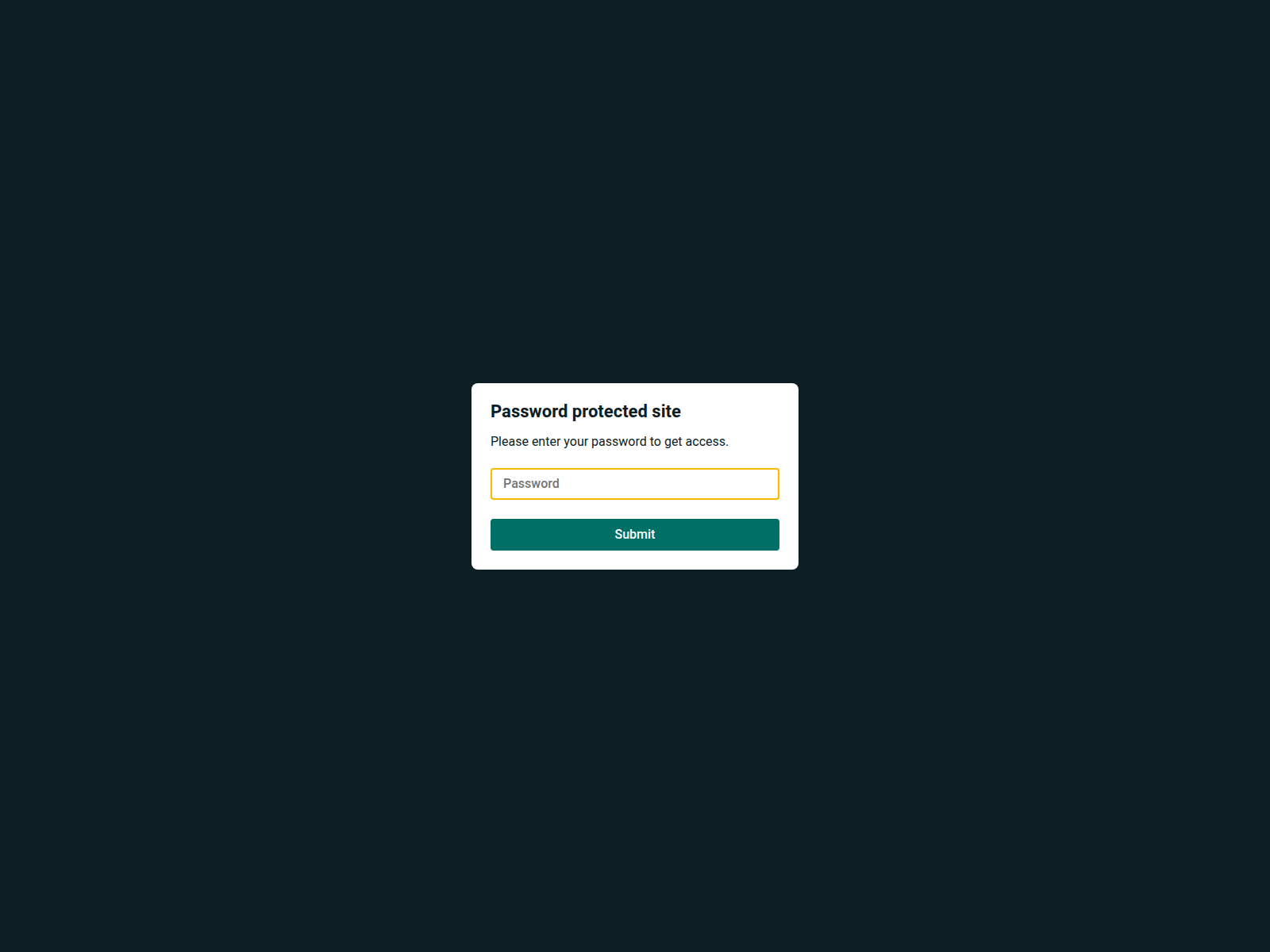
“Password Protection”
tdj-rig-usf-swt-tss-wcs-amfu.netlify.app — Inhalt nicht verfügbar. Betrugstyp: Credential Phishing. Zusammenfassung der Beweislage: VirusTotal 13/94 (ADMINUSLabs, ChainPatrol, alphaMountain.ai, Chong Lua Dao, CyRadar); URLQuery 1 alert; 2 external blocklist matches (MetaMask, SEAL); PhishDestroy score 94/100. Registrar: Netlify.
Die ausführliche Analyse von PhishDestroy AI bleibt auf Englisch, damit der ursprüngliche forensische Bericht unverändert bleibt.
This domain is flagged as a high-risk generic phishing threat designed to harvest credentials through a deceptive password protection interface. Analysis indicates the site mimics authentication portals to trick users into submitting sensitive login details, which are then exfiltrated to attacker-controlled infrastructure. The specific threat type involves a fake login mechanism, commonly used in credential theft campaigns targeting both corporate and personal accounts. Infrastructure analysis reveals multiple high-confidence indicators of compromise. The domain, registered through Netlify, resolves to IP address 63.176.8.218, hosted on AWS EC2 in the eu-central-1 region (Germany). The SSL certificate is issued by DigiCert Inc under the DigiCert Global G2 TLS RSA SHA256 2020 CA1 chain, a common but abused authority in phishing operations. The domain was created on March 22, 2026, an anomalous future date suggesting potential spoofing or misconfiguration. Detection engines flagged the domain on VirusTotal with 13 out of 95 security vendors marking it as malicious. Three independent security blocklists—PhishDestroy, MetaMask, and SEAL—have actively blocked this domain, reinforcing its classification as a confirmed phishing resource. The page title, 'Password Protection,' further corroborates the credential harvesting intent. Mitigation requires immediate action to prevent credential exposure. Users who may have interacted with this domain should invalidate any entered credentials across all platforms, particularly if password reuse is suspected. Network administrators are advised to block the domain and its resolving IP (63.176.8.218) at the perimeter firewall or DNS level. Security teams should monitor for outbound connections to the domain or IP in logs, as such activity may indicate successful phishing attempts. Given the domain's active status and high detection rate, organizations should treat any access attempts as potential security incidents and initiate appropriate response protocols, including user awareness training on recognizing fake login portals.

| Detection System | Indicator | Verdict | Alert |
|---|---|---|---|
| Quad9 DNS | tdj-rig-usf-swt-tss-wcs-amfu.netlify.app |
malicious | Sinkholed |
 (US)
(US)
 Frankfurt am Main, DE
Platform for deploying and hosting modern web applications.
HTTP Strict Transport Security — forces browsers to use HTTPS connections only.
Google PageSpeed Insights — mobile performance audit of tdj-rig-usf-swt-tss-wcs-amfu.netlify.app · checked Mar 21, 2026
Wenn Sie Kontoanmeldeinformationen, persönliche oder Zahlungsinformationen eingegeben oder eine Datei von dieser Domain heruntergeladen haben, ergreifen Sie sofort Maßnahmen. Nachfolgend finden Sie Ressourcen, die Ihnen helfen, den Vorfall zu melden und sich zu schützen.


Wählen Sie Ihr Land aus, um Offizielle Kontakte im Bereich Cyberkriminalität oder einen Beschwerdeentwurf erstellen → zu erhalten.
Diese Berichte werden auf dieselbe gemeinsame Edge-IP aufgelöst. Sie helfen bei der Berichtserkennung, bedeuten jedoch keinen gemeinsamen Besitz oder einen gemeinsamen Ursprungsserver.
Kürzlich hinzugefügte Berichte aus der PhishDestroy-Datenbank. Diese Discovery-Links implizieren keine gemeinsame Nutzung der Infrastruktur oder des Eigentums.
Bedrohungsanalyse anhand gespeicherter Blocklisten, WHOIS, DNS und öffentlicher Scan-Beweise
Jetzt scannenMelden Sie verdächtige Domains an unsere Bedrohungsdatenbank – schützen Sie die Community
MeldenAktuelle Phishing-Meldungen und beobachtete Verfügbarkeitsänderungen
ÜberwachenBeobachten Sie aktuelle Bedrohungen oder legen Sie Widerspruch gegen diesen Eintrag ein, wenn Sie der Meinung sind, dass es sich um einen Fehlalarm handelt
 mail.bitfinexcreditunion.co
  norvexis.cc