 ChainPatrol
 Web-Check
  SOCRadar
  LeakIX
FBI IC3
Melden Sie internetbasierte Kriminalität in den Vereinigten Staaten
Federal tips line1-800-CALL-FBI

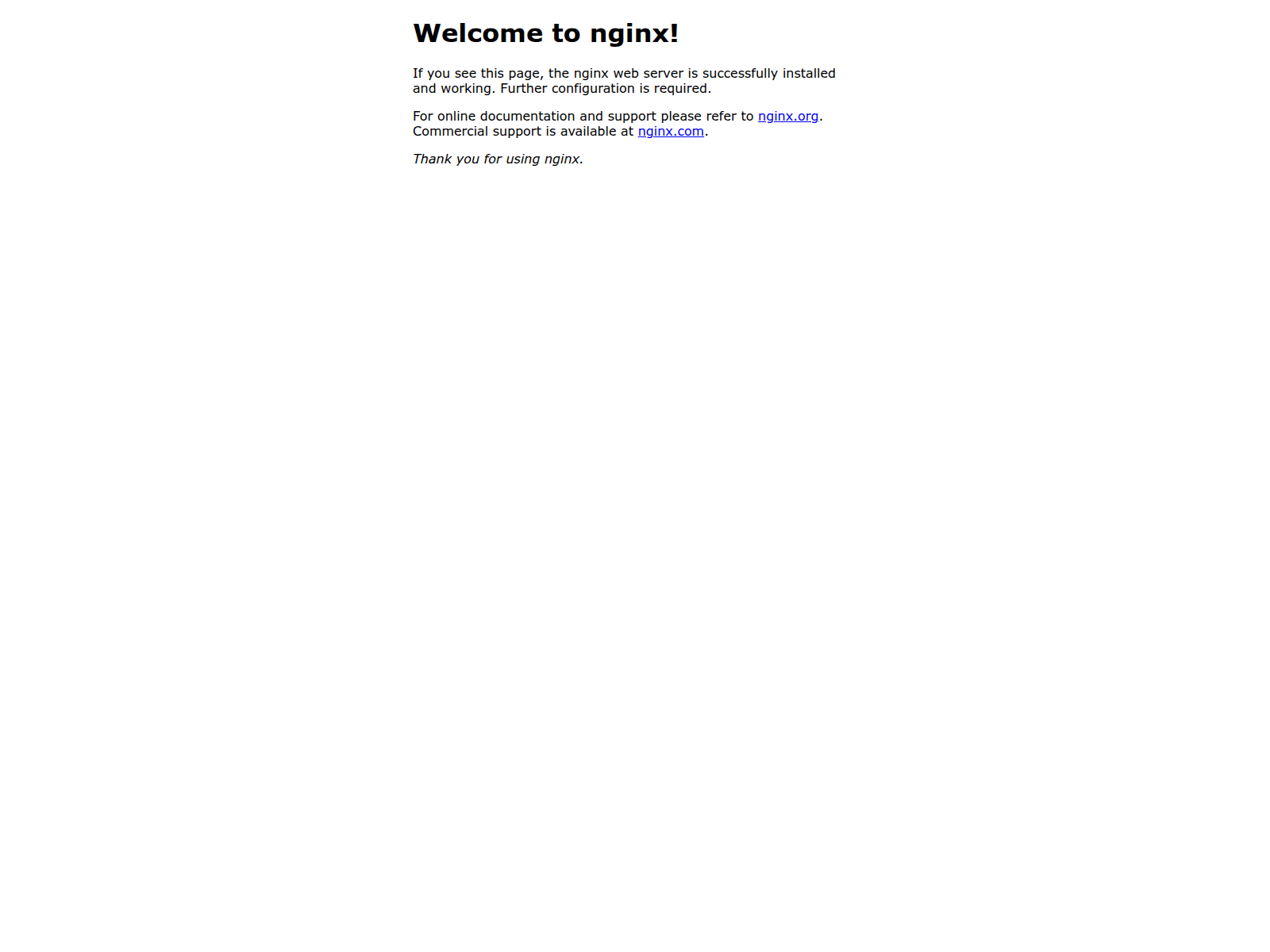
“Welcome to nginx!”
t-mobile.viflcbv.cc — Inhalt nicht verfügbar (HTTP 502). Zusammenfassung der Beweislage: VirusTotal 18/95 (ADMINUSLabs, BitDefender, Chong Lua Dao, Cluster25, CRDF); Spamhaus DBL_PHISH; PhishDestroy score 95/100.
Die ausführliche Analyse von PhishDestroy AI bleibt auf Englisch, damit der ursprüngliche forensische Bericht unverändert bleibt.
This domain, t-mobile.viflcbv.cc, is flagged as a brand impersonation phishing site designed to mimic X.com (formerly Twitter). Analysis indicates the threat type involves fraudulent login pages or credential harvesting, though no specific drainer kit signatures were identified in initial scans. The domain leverages the T-Mobile brand name in its subdomain structure to enhance credibility, a common tactic in phishing campaigns targeting social media platforms. The page title 'Welcome to nginx!' suggests a misconfigured or placeholder server, which may indicate either an incomplete setup or an attempt to evade detection by security tools. Technical indicators reveal the domain was created on February 21, 2026, an anomalous future date likely resulting from registrar data manipulation or a typo. It resolves to the IPv6 address 2606:4700:3030::6815:1ad9, hosted on Cloudflare's infrastructure (AS13335). VirusTotal reports 18 out of 95 security vendors flagging the domain as malicious, while it appears on one security blocklist. The SSL certificate is issued by WE1, a provider often associated with low-cost or automated certificate issuance. No Google Safe Browsing (GSB) detections were recorded at the time of analysis, though this may reflect a lag in GSB's detection pipeline rather than an absence of malicious activity. The domain is currently offline, likely taken down due to detection by security blocklists or manual intervention. However, residual risk remains for users who may have interacted with the site prior to takedown, particularly if credentials were entered or malicious payloads were delivered. Infrastructure analysis reveals the use of Cloudflare, which can obscure hosting details and complicate attribution. Organizations and users are advised to block the domain and associated IP address at the network level, monitor for credential reuse, and conduct password resets for any accounts potentially exposed. Future monitoring of the registrar and certificate provider may reveal additional related domains, as threat actors often reuse infrastructure across campaigns.

 San Francisco, US
Wenn Sie Kontoanmeldeinformationen, persönliche oder Zahlungsinformationen eingegeben oder eine Datei von dieser Domain heruntergeladen haben, ergreifen Sie sofort Maßnahmen. Nachfolgend finden Sie Ressourcen, die Ihnen helfen, den Vorfall zu melden und sich zu schützen.


Wählen Sie Ihr Land aus, um Offizielle Kontakte im Bereich Cyberkriminalität oder einen Beschwerdeentwurf erstellen → zu erhalten.
Kürzlich hinzugefügte Berichte aus der PhishDestroy-Datenbank. Diese Discovery-Links implizieren keine gemeinsame Nutzung der Infrastruktur oder des Eigentums.
Bedrohungsanalyse anhand gespeicherter Blocklisten, WHOIS, DNS und öffentlicher Scan-Beweise
Jetzt scannenMelden Sie verdächtige Domains an unsere Bedrohungsdatenbank – schützen Sie die Community
MeldenAktuelle Phishing-Meldungen und beobachtete Verfügbarkeitsänderungen
ÜberwachenBeobachten Sie aktuelle Bedrohungen oder legen Sie Widerspruch gegen diesen Eintrag ein, wenn Sie der Meinung sind, dass es sich um einen Fehlalarm handelt
 rainbetcasinoonline.de