rainbowmoon.cc
  dashs86agtqr.shop
  xzgjjr.vip
  deepstresser.su
  stresse.st
  wynavi.com
  navi77.pro
FBI IC3
Melden Sie internetbasierte Kriminalität in den Vereinigten Staaten
Federal tips line1-800-CALL-FBI
The sent-report ledger records the first outgoing report at . A report was sent to the recorded registrar; contact details remain in Domain Intelligence. The latest stored availability evidence still shows the domain reachable; 6 months has elapsed since the first outgoing report.
ICANN RAA §3.18 describes registrar abuse-contact and handling obligations. This section records outgoing timestamps and later availability. It does not by itself prove receipt, acknowledgement, investigation, remediation, or contractual non-compliance.

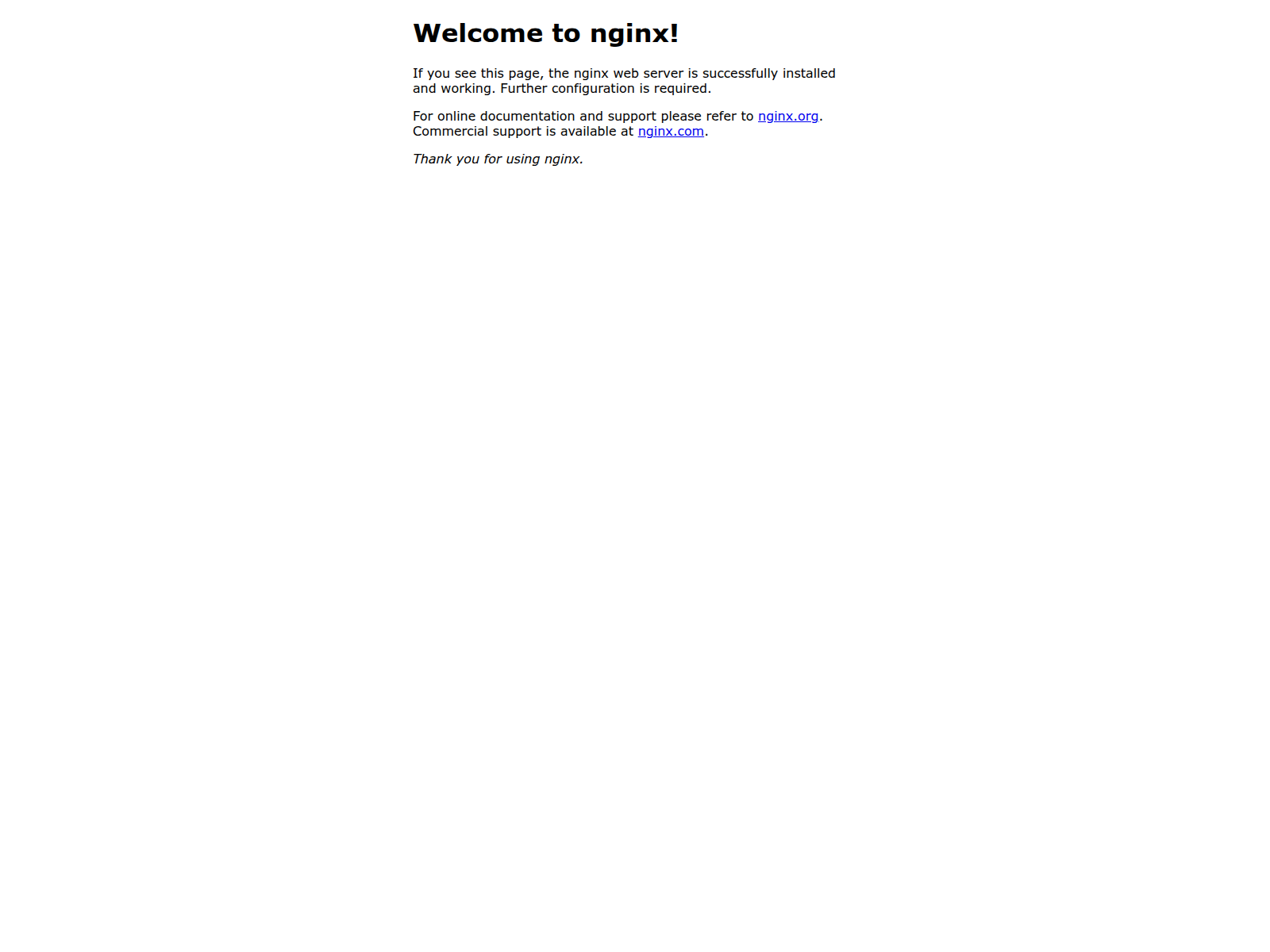
“Welcome to nginx!”
Gespeicherte Beobachtung
This domain is flagged as an elevated-risk brand impersonation threat designed to deceive users of X.com. Analysis indicates the infrastructure is specifically engineered to mimic the legitimate platform, likely for credential theft or unauthorized account access. The domain exhibits multiple indicators of malicious intent, including its recent creation and association with known phishing tactics. Infrastructure analysis reveals the domain t-mobile.mvbgp.cc was registered on January 28, 2026, through Gname.com Pte. Ltd. It resolves to the IP address 172.67.192.25, hosted on Cloudflare’s network (AS13335). The SSL certificate is issued by Google Trust Services (WE1), a common tactic to lend superficial legitimacy. Security vendors on VirusTotal flagged the domain 16 out of 95 times, and it appears on at least one security blocklist, specifically PhishDestroy. The page title, 'Welcome to nginx!', suggests a generic or misconfigured server setup, often seen in hastily deployed phishing infrastructure. Mitigation steps for this brand impersonation threat include immediately blocking the domain and its associated IP address across network security controls. Users who may have interacted with the domain should reset credentials for X.com and any linked accounts, particularly if multi-factor authentication was not enabled. Security teams should monitor for additional domains registered through the same registrar or resolving to the same IP range, as threat actors frequently reuse infrastructure. Organizations should also educate users on identifying brand impersonation tactics, such as scrutinizing domain names for slight misspellings or unusual subdomains.
PD-20260202-722A5D
10 überwachte externe Feeds · gespeicherter Stand 11.08.2026
Cloudflare-Radar-Scan gespeichert · Scan öffnen
Erreichbar → Nicht erreichbar
Cloudflare-Radar-Scan gespeichert · Scan öffnen
Erreichbar → Nicht erreichbar
Nicht erreichbar → Erreichbar
Erreichbar → Nicht erreichbar
Nicht erreichbar → Erreichbar
 (SG)
(SG)
 San Francisco, US
2 Technologien mit hoher Konfidenz erkannt
Google PageSpeed Insights — mobile performance audit of t-mobile.mvbgp.cc · checked Apr 23, 2026
Kürzlich hinzugefügte Berichte aus der PhishDestroy-Datenbank. Diese Discovery-Links implizieren keine gemeinsame Nutzung der Infrastruktur oder des Eigentums.
Wenn Sie Kontoanmeldeinformationen, persönliche oder Zahlungsinformationen eingegeben oder eine Datei von dieser Domain heruntergeladen haben, ergreifen Sie sofort Maßnahmen. Nachfolgend finden Sie Ressourcen, die Ihnen helfen, den Vorfall zu melden und sich zu schützen.


Wählen Sie Ihr Land aus, um Offizielle Kontakte im Bereich Cyberkriminalität oder einen Beschwerdeentwurf erstellen → zu erhalten.
Bedrohungsanalyse anhand gespeicherter Blocklisten, WHOIS, DNS und öffentlicher Scan-Beweise
Jetzt scannenMelden Sie verdächtige Domains an unsere Bedrohungsdatenbank – schützen Sie die Community
MeldenAktuelle Phishing-Meldungen und beobachtete Verfügbarkeitsänderungen
ÜberwachenBeobachten Sie aktuelle Bedrohungen oder legen Sie Widerspruch gegen diesen Eintrag ein, wenn Sie der Meinung sind, dass es sich um einen Fehlalarm handelt