ChainPatrol
 Web-Check
  SOCRadar
  LeakIX
FBI IC3
Melden Sie internetbasierte Kriminalität in den Vereinigten Staaten
Federal tips line1-800-CALL-FBI

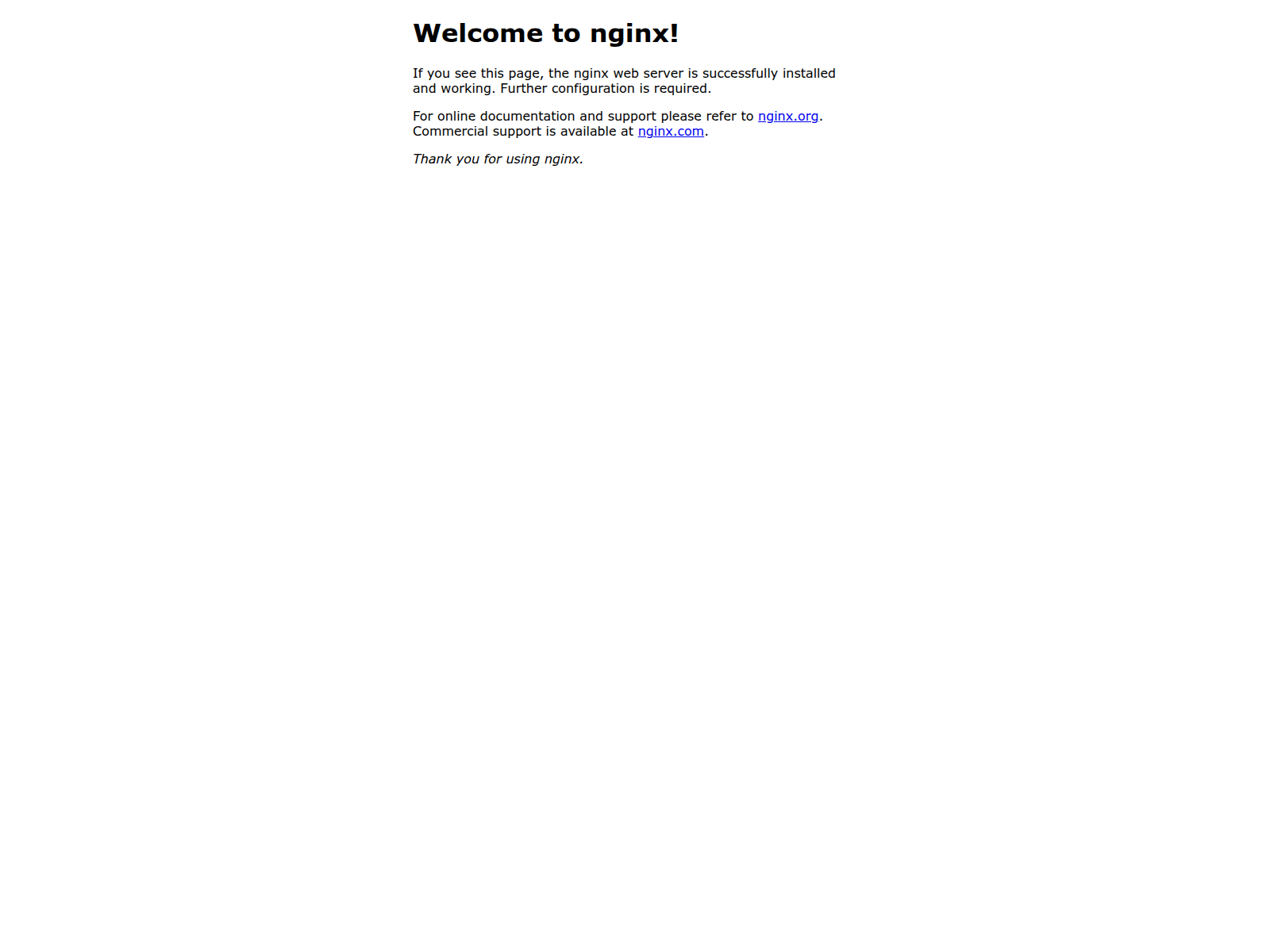
“Welcome to nginx!”
t-mobile.ickwa.cc — Inhalt nicht verfügbar (HTTP 502). Zusammenfassung der Beweislage: VirusTotal 18/95 (ADMINUSLabs, Criminal IP, alphaMountain.ai, BitDefender, Cluster25); URLQuery 3 alerts; PhishDestroy score 95/100. Registrar: Gname.
Die ausführliche Analyse von PhishDestroy AI bleibt auf Englisch, damit der ursprüngliche forensische Bericht unverändert bleibt.
This domain is flagged as an elevated-risk brand impersonation threat specifically targeting X.com, a high-profile social media platform. The site is designed to deceive users into believing they are interacting with legitimate X.com services, likely for credential theft or account takeover purposes. Analysis indicates the infrastructure was configured to exploit trust in the X.com brand, a common tactic in targeted phishing campaigns against verified accounts and corporate users. Infrastructure analysis reveals the domain t-mobile.ickwa.cc was registered on February 21, 2026, through Gname.com Pte. Ltd., a registrar frequently associated with malicious domain registrations. The domain resolves to IP address 172.67.150.166, hosted on AS13335 (Cloudflare, Inc.) in the United States, a network often leveraged to obfuscate malicious activity behind content delivery networks. At the time of assessment, the domain displayed an nginx default page, suggesting either a staging phase or rapid takedown. VirusTotal detection rates show 18 out of 95 security vendors flagging the domain, while it appears on one security blocklist. The absence of an SSL certificate further indicates low operational security standards, though this does not diminish the threat posed by brand impersonation tactics. To mitigate risks associated with this brand impersonation campaign, organizations and users should implement the following measures. First, block the domain t-mobile.ickwa.cc and its resolving IP 172.67.150.166 at the network perimeter to prevent accidental access. Second, monitor for suspicious login attempts or password reset requests originating from X.com-related domains, particularly those with unusual subdomains or registrar patterns. Third, enable multi-factor authentication (MFA) on all X.com accounts to reduce the impact of credential theft. Finally, security teams should conduct retrospective analysis of logs for connections to 172.67.150.166 or domains registered through Gname.com Pte. Ltd. to identify potential prior compromise. Given the domain's creation date in 2026, this campaign may represent an early-stage operation with potential for future iterations.

| Detection System | Indicator | Verdict | Alert |
|---|---|---|---|
| OpenDNS | t-mobile.ickwa.cc |
phishing | Phishing Block |
| DNS4EU | t-mobile.ickwa.cc |
malicious | Sinkholed |
| Hagezi Threat Feed | t-mobile.ickwa.cc |
malicious | Sinkholed |
 (SG)
(SG)
 San Francisco, US
PD-20260124-A6343D Recipient: complaint@gname.com Wenn Sie Kontoanmeldeinformationen, persönliche oder Zahlungsinformationen eingegeben oder eine Datei von dieser Domain heruntergeladen haben, ergreifen Sie sofort Maßnahmen. Nachfolgend finden Sie Ressourcen, die Ihnen helfen, den Vorfall zu melden und sich zu schützen.


Wählen Sie Ihr Land aus, um Offizielle Kontakte im Bereich Cyberkriminalität oder einen Beschwerdeentwurf erstellen → zu erhalten.
Diese Berichte werden auf dieselbe gemeinsame Edge-IP aufgelöst. Sie helfen bei der Berichtserkennung, bedeuten jedoch keinen gemeinsamen Besitz oder einen gemeinsamen Ursprungsserver.
Kürzlich hinzugefügte Berichte aus der PhishDestroy-Datenbank. Diese Discovery-Links implizieren keine gemeinsame Nutzung der Infrastruktur oder des Eigentums.
Bedrohungsanalyse anhand gespeicherter Blocklisten, WHOIS, DNS und öffentlicher Scan-Beweise
Jetzt scannenMelden Sie verdächtige Domains an unsere Bedrohungsdatenbank – schützen Sie die Community
MeldenAktuelle Phishing-Meldungen und beobachtete Verfügbarkeitsänderungen
ÜberwachenBeobachten Sie aktuelle Bedrohungen oder legen Sie Widerspruch gegen diesen Eintrag ein, wenn Sie der Meinung sind, dass es sich um einen Fehlalarm handelt
 boostcasino.cc
  ourshopee7.mom
  tassmahal.xinruiweixin.com
  sol-convert.com
  metamask-k.blogspot.co.ke