ChainPatrol
 Web-Check
  SOCRadar
  LeakIX
FBI IC3
Melden Sie internetbasierte Kriminalität in den Vereinigten Staaten
Federal tips line1-800-CALL-FBI

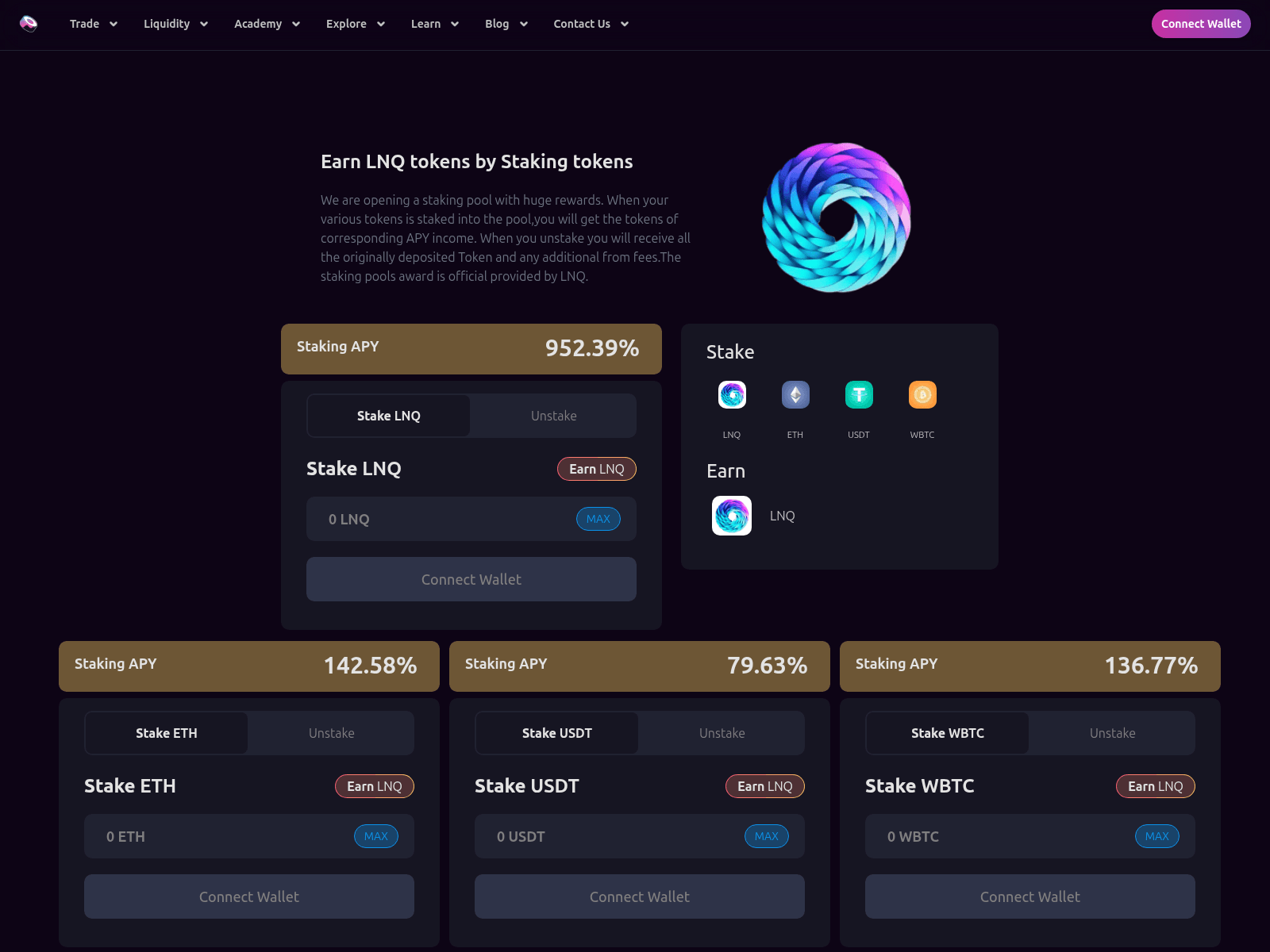
“Stake SUSHI | Sushi”
sushi-lnq.top — Inhalt nicht verfügbar (HTTP 502). Markenidentität: SushiSwap; Betrugstyp: Crypto Scam. Zusammenfassung der Beweislage: VirusTotal 8/93 (alphaMountain.ai, BitDefender, CyRadar, Fortinet, G-Data); 3 external blocklist matches (Polkadot, Enkrypt, Codeesura); PhishDestroy score 79/100.
Die ausführliche Analyse von PhishDestroy AI bleibt auf Englisch, damit der ursprüngliche forensische Bericht unverändert bleibt.
This domain is flagged as an elevated-risk crypto drainer specifically targeting users of the decentralized exchange SushiSwap. Analysis indicates the infrastructure is designed to impersonate legitimate staking interfaces, tricking victims into connecting wallets and authorizing malicious transactions that siphon funds without consent. The threat type is classified as brand impersonation with embedded crypto-draining functionality, a common tactic in decentralized finance (DeFi) scams. Infrastructure analysis reveals the domain sushi-lnq.top was registered on February 21, 2026, and resolves to the IP address 107.172.83.150, hosted on AS36352 (HostPapa) in the United States. The SSL certificate is issued under the R11 root, a detail often associated with low-reputation or ephemeral hosting environments. The page title, 'Stake SUSHI | Sushi,' directly mimics SushiSwap’s branding, while the domain appears on four security blocklists, including PhishDestroy, Polkadot, Enkrypt, and Codeesura. VirusTotal detection rates show 8 out of 95 security vendors flagging the domain as malicious, with the current status marked as offline following takedown actions. Mitigation against this threat type requires heightened vigilance from DeFi users. Wallet connections should never be authorized on unfamiliar domains, even if the interface appears identical to legitimate platforms. Users are advised to verify domain authenticity through official project documentation or community channels before interacting with any staking or yield farming portal. Wallet software and browser extensions that block known malicious domains provide an additional layer of protection. In cases where interaction has already occurred, immediate revocation of all recent smart contract approvals is critical to prevent further unauthorized transactions. Organizations managing DeFi infrastructure should proactively monitor for newly registered domains containing their brand names and take swift action to disrupt impersonation attempts.


Wenn Sie Kontoanmeldeinformationen, persönliche oder Zahlungsinformationen eingegeben oder eine Datei von dieser Domain heruntergeladen haben, ergreifen Sie sofort Maßnahmen. Nachfolgend finden Sie Ressourcen, die Ihnen helfen, den Vorfall zu melden und sich zu schützen.

Wählen Sie Ihr Land aus, um Offizielle Kontakte im Bereich Cyberkriminalität oder einen Beschwerdeentwurf erstellen → zu erhalten.
Diese Ursprungs-IP hostet mehrere Phishing-Domänen – die Infrastruktur kann kampagnenübergreifend gemeinsam genutzt werden.
These domains also target SushiSwap users. View all SushiSwap threats →
Kürzlich hinzugefügte Berichte aus der PhishDestroy-Datenbank. Diese Discovery-Links implizieren keine gemeinsame Nutzung der Infrastruktur oder des Eigentums.
Bedrohungsanalyse anhand gespeicherter Blocklisten, WHOIS, DNS und öffentlicher Scan-Beweise
Jetzt scannenMelden Sie verdächtige Domains an unsere Bedrohungsdatenbank – schützen Sie die Community
MeldenAktuelle Phishing-Meldungen und beobachtete Verfügbarkeitsänderungen
ÜberwachenBeobachten Sie aktuelle Bedrohungen oder legen Sie Widerspruch gegen diesen Eintrag ein, wenn Sie der Meinung sind, dass es sich um einen Fehlalarm handelt
 warrantytrustwallet.com