
 ChainPatrol
 Web-Check
  SOCRadar
  LeakIX
FBI IC3
Melden Sie internetbasierte Kriminalität in den Vereinigten Staaten
Federal tips line1-800-CALL-FBI
The sent-report ledger records the first outgoing report at .
The recorded recipient is abuse@dynadot.com.
The latest stored availability evidence still shows the domain reachable; 2 months has elapsed since the first outgoing report.
ICANN RAA §3.18 describes registrar abuse-contact and handling obligations. This section records outgoing timestamps, listed recipients, case identifiers, and later availability. It does not by itself prove receipt, acknowledgement, investigation, remediation, or contractual non-compliance.

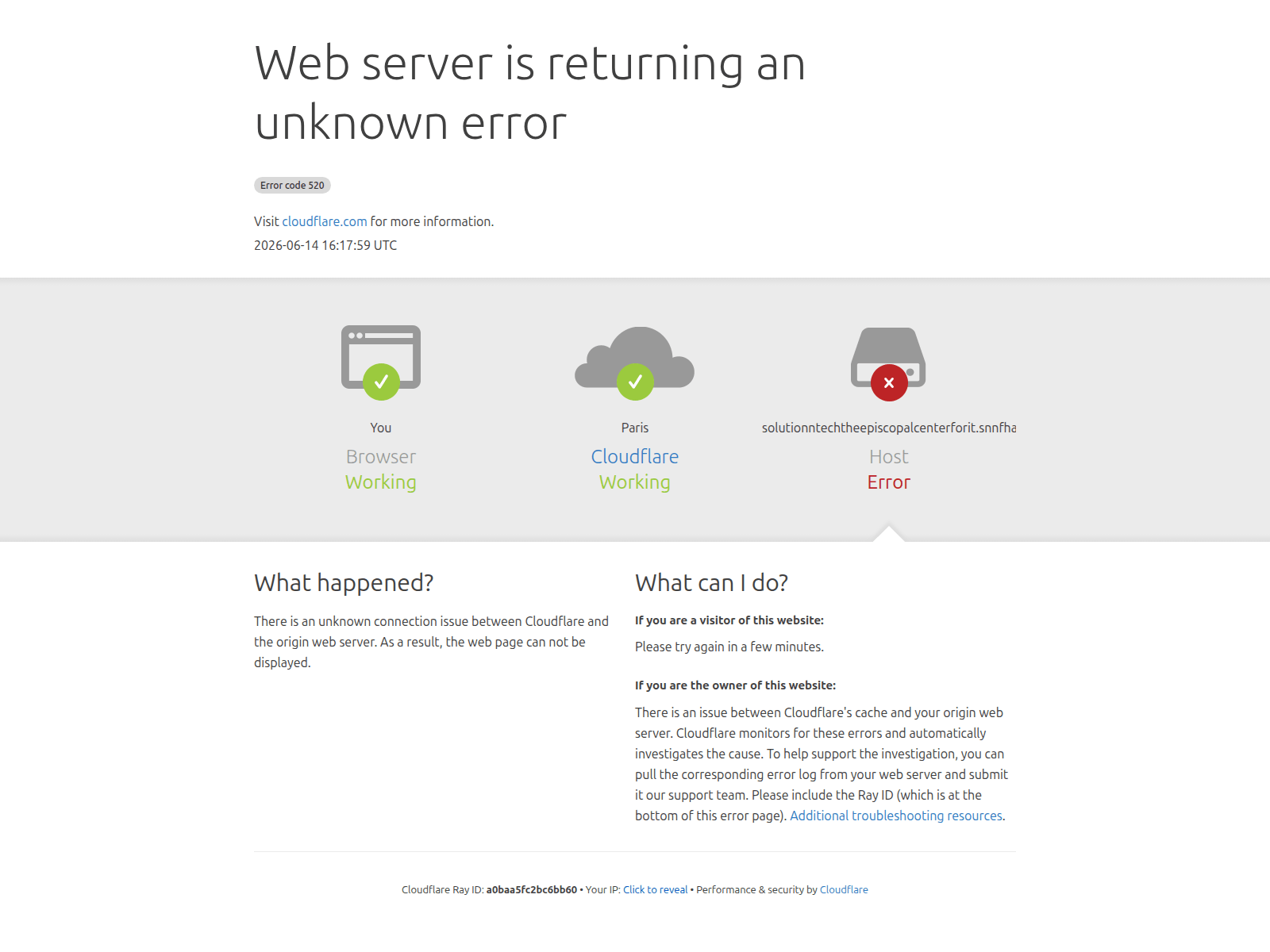
“snnfhawmedia.vu | 520: Web server is returning an unknown error”
solutionntechtheepiscopalcenterforit.snnfhawmedia.vu — Nicht bestätigt. Betrugstyp: Crypto Drainer. Zusammenfassung der Beweislage: VirusTotal 16/91 (BitDefender, Chong Lua Dao, CRDF, CyRadar, ESET); URLQuery 4 alerts; CF Radar malicious; PhishDestroy score 95/100. Registrar: DYNADOT.
Die ausführliche Analyse von PhishDestroy AI bleibt auf Englisch, damit der ursprüngliche forensische Bericht unverändert bleibt.
This domain, snnfhawmedia.vu, is assessed as a high-risk crypto drainer phishing threat. The domain is actively engaged in fraudulent activities, potentially compromising user data and financial assets.
Analysis indicates that the domain has been flagged by 17 out of 95 security vendors on VirusTotal, suggesting a significant level of suspicion and potential malicious intent. The domain is registered through DYNADOT LLC, a registrar that has been associated with various malicious activities in the past. The domain resolves to the IP address 104.21.80.202, which is known to host suspicious content. The domain was created on June 14, 2026, and currently appears on one security blocklist, further reinforcing its dubious nature. The SSL certificate is issued by Google Trust Services / WE1, which may be an attempt to appear legitimate and gain user trust. The page title, 'snnfhawmedia.vu | 520: Web server is returning an unknown error,' indicates a potential issue with the server, but this could also be a smokescreen to hide the true intent of the site.
To mitigate the risks associated with this crypto drainer phishing threat, users should avoid accessing the domain and refrain from providing any personal or financial information. Network administrators should block the IP address 104.21.80.202 and consider implementing additional security measures such as DNS filtering and web application firewalls. Regularly updating security software and conducting employee training on identifying phishing attempts can also significantly reduce the likelihood of successful attacks.

| Detection System | Indicator | Verdict | Alert |
|---|---|---|---|
| Cloudflare DNS | solutionntechtheepiscopalcenterforit.snnfhawmedia.vu |
malicious | Sinkholed |
| OpenDNS | solutionntechtheepiscopalcenterforit.snnfhawmedia.vu |
phishing | Phishing Block |
| Hagezi Threat Feed | solutionntechtheepiscopalcenterforit.snnfhawmedia.vu |
malicious | Sinkholed |
| DNS4EU | solutionntechtheepiscopalcenterforit.snnfhawmedia.vu |
malicious | Sinkholed |
 (US)
(US)
 Toronto, CA
Cloudflare is a web-infrastructure and website-security company, providing content-delivery-network services, DDoS mitigation, Internet security, and distributed domain-name-server services.
www.cloudflare.com 100 % KonfidenzHTTP/3 is the third major version of the Hypertext Transfer Protocol used to exchange information on the World Wide Web.
httpwg.org 100 % KonfidenzGoogle PageSpeed Insights — mobile performance audit of solutionntechtheepiscopalcenterforit.snnfhawmedia.vu · checked Jun 14, 2026
PD-20260617-285944 Recipient: abuse@dynadot.com Wenn Sie Kontoanmeldeinformationen, persönliche oder Zahlungsinformationen eingegeben oder eine Datei von dieser Domain heruntergeladen haben, ergreifen Sie sofort Maßnahmen. Nachfolgend finden Sie Ressourcen, die Ihnen helfen, den Vorfall zu melden und sich zu schützen.


Wählen Sie Ihr Land aus, um Offizielle Kontakte im Bereich Cyberkriminalität oder einen Beschwerdeentwurf erstellen → zu erhalten.
Kürzlich hinzugefügte Berichte aus der PhishDestroy-Datenbank. Diese Discovery-Links implizieren keine gemeinsame Nutzung der Infrastruktur oder des Eigentums.
Bedrohungsanalyse anhand gespeicherter Blocklisten, WHOIS, DNS und öffentlicher Scan-Beweise
Jetzt scannenMelden Sie verdächtige Domains an unsere Bedrohungsdatenbank – schützen Sie die Community
MeldenAktuelle Phishing-Meldungen und beobachtete Verfügbarkeitsänderungen
ÜberwachenBeobachten Sie aktuelle Bedrohungen oder legen Sie Widerspruch gegen diesen Eintrag ein, wenn Sie der Meinung sind, dass es sich um einen Fehlalarm handelt
 derp.airdrop9.click
  steam-pump.fun
  cashcattoken.co
  owqkoqoqoqoqoqqoqoo.info
  skingaben.net
  compensation-metronome.com
  hub-soil.cloud
  bscbox.xyz