 ChainPatrol
 Web-Check
  SOCRadar
  LeakIX
FBI IC3
Melden Sie internetbasierte Kriminalität in den Vereinigten Staaten
Federal tips line1-800-CALL-FBI

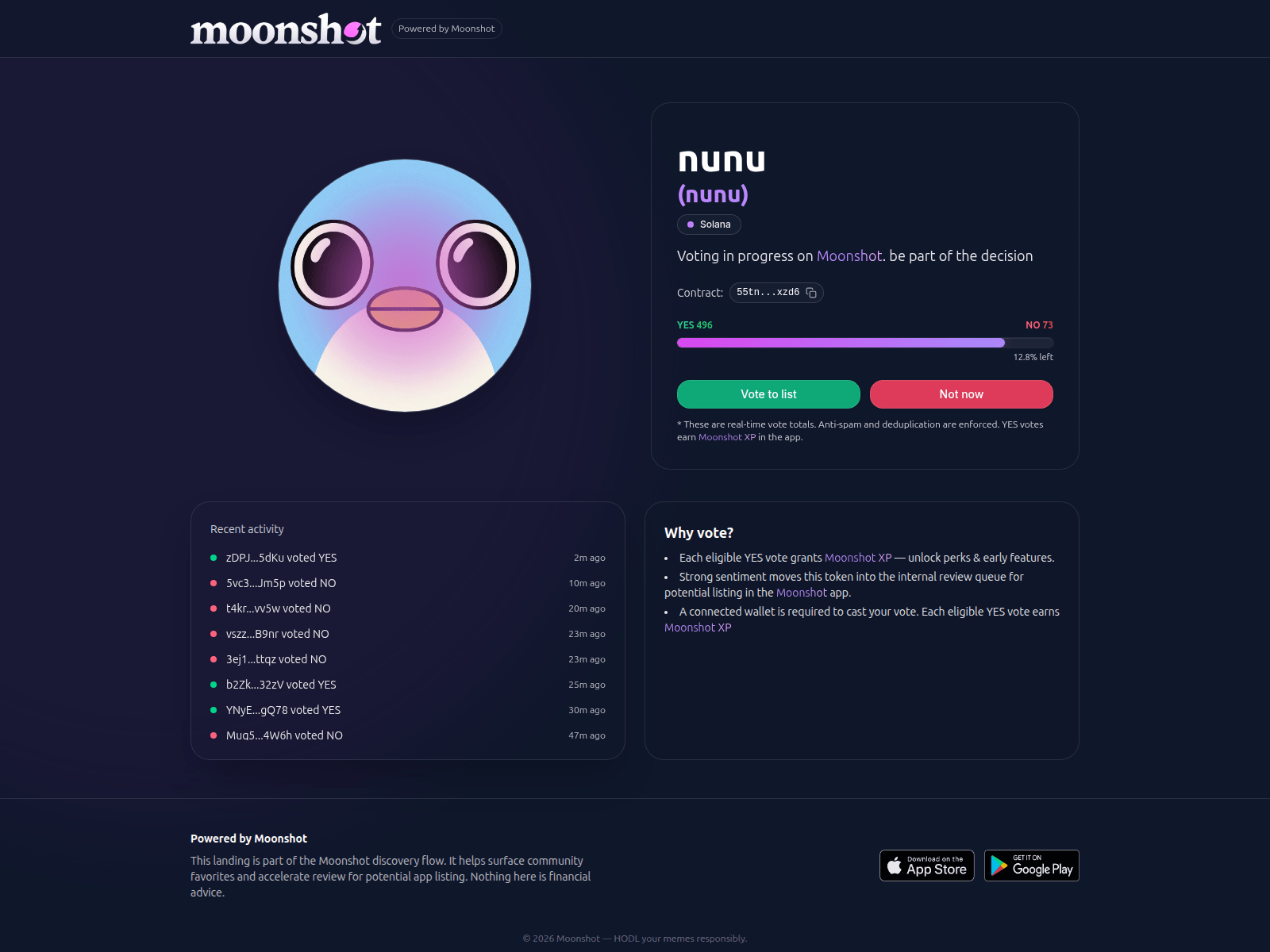
“Vote to List — Powered by Moonshot”
moonshot-listing-v74.netlify.app — Inhalt nicht verfügbar. Markenidentität: Moonshot; Betrugstyp: Impersonation. Zusammenfassung der Beweislage: VirusTotal 11/91 (BitDefender, ESET, Emsisoft, Forcepoint ThreatSeeker, Fortinet); URLScan malicious verdict; 3 external blocklist matches (MetaMask, ScamSniffer, SEAL); CF Radar malicious; PhishDestroy score 100/100. Registrar: Netlify.
Die ausführliche Analyse von PhishDestroy AI bleibt auf Englisch, damit der ursprüngliche forensische Bericht unverändert bleibt.
The domain moonshot-listing-v74.netlify.app is currently flagged as a high‑risk brand‑impersonation site targeting the Moonshot brand. Registration data shows the domain was provisioned through Netlify, and DNS resolution points to the IPv4 address 35.157.26.135. The domain appears on three security blocklists, specifically PhishDestroy, MetaMask, and SEAL, indicating that multiple threat‑intel feeds have observed malicious activity linked to this host. VirusTotal processed the domain with scans from 91 vendors; at the time of analysis none of the vendors reported a detection, which does not constitute evidence of safety.
The brand target is explicitly identified as Moonshot, and the seed identifier for this case is bb63fa. No page title, TLS certificate details, HTTP status code, or trust‑score metrics have been published, so the exact content and web‑application behavior remain unknown. Nameserver lookup returned NS_NOT_FOUND, suggesting that standard DNS‑based controls may not retrieve authoritative records for this host. Because the infrastructure is hosted on Netlify, the IP address resides within Netlify’s shared hosting pool, making attribution to a single operator difficult.
Defenders should proactively block the domain at perimeter firewalls and proxy filters, add the IP address 35.157.26.135 to deny lists, and incorporate the three blocklist entries into automated web‑filtering solutions. Continuous monitoring of Netlify‑hosted assets for similarly structured domains is recommended, as is user education for Moonshot customers to verify URLs before entering credentials. Organizations should also consider enforcing multi‑factor authentication for Moonshot accounts and establishing a reporting channel for any suspicious login attempts. The domain remains active as of the report date, August 06, 2026, and should be treated as a live threat.

 (US)
(US)
 Frankfurt am Main, DE
Netlify providers hosting and server-less backend services for web applications and static websites.
www.netlify.com 100 % KonfidenzHTTP Strict Transport Security (HSTS) informs browsers that the site should only be accessed using HTTPS.
www.rfc-editor.org 100 % KonfidenzGoogle PageSpeed Insights — mobile performance audit of moonshot-listing-v74.netlify.app · checked Aug 6, 2026
Wenn Sie Kontoanmeldeinformationen, persönliche oder Zahlungsinformationen eingegeben oder eine Datei von dieser Domain heruntergeladen haben, ergreifen Sie sofort Maßnahmen. Nachfolgend finden Sie Ressourcen, die Ihnen helfen, den Vorfall zu melden und sich zu schützen.

Wählen Sie Ihr Land aus, um Offizielle Kontakte im Bereich Cyberkriminalität oder einen Beschwerdeentwurf erstellen → zu erhalten.
Diese Berichte werden auf dieselbe gemeinsame Edge-IP aufgelöst. Sie helfen bei der Berichtserkennung, bedeuten jedoch keinen gemeinsamen Besitz oder einen gemeinsamen Ursprungsserver.
These domains also target Moonshot users. View all Moonshot threats →
Kürzlich hinzugefügte Berichte aus der PhishDestroy-Datenbank. Diese Discovery-Links implizieren keine gemeinsame Nutzung der Infrastruktur oder des Eigentums.
Bedrohungsanalyse anhand gespeicherter Blocklisten, WHOIS, DNS und öffentlicher Scan-Beweise
Jetzt scannenMelden Sie verdächtige Domains an unsere Bedrohungsdatenbank – schützen Sie die Community
MeldenAktuelle Phishing-Meldungen und beobachtete Verfügbarkeitsänderungen
ÜberwachenBeobachten Sie aktuelle Bedrohungen oder legen Sie Widerspruch gegen diesen Eintrag ein, wenn Sie der Meinung sind, dass es sich um einen Fehlalarm handelt
 amazon-clone-frontend-moss.netlify.app
  cnear.com