stressthem.ru
  panel.phantom-enterprise.ru
  whatsapper.leadball.ru
  filmistanstudios.com
  shopeeinc1111.blogspot.com
FBI IC3
Melden Sie internetbasierte Kriminalität in den Vereinigten Staaten
Federal tips line1-800-CALL-FBI

“krab4.at - Лайфхаки для путешественников”
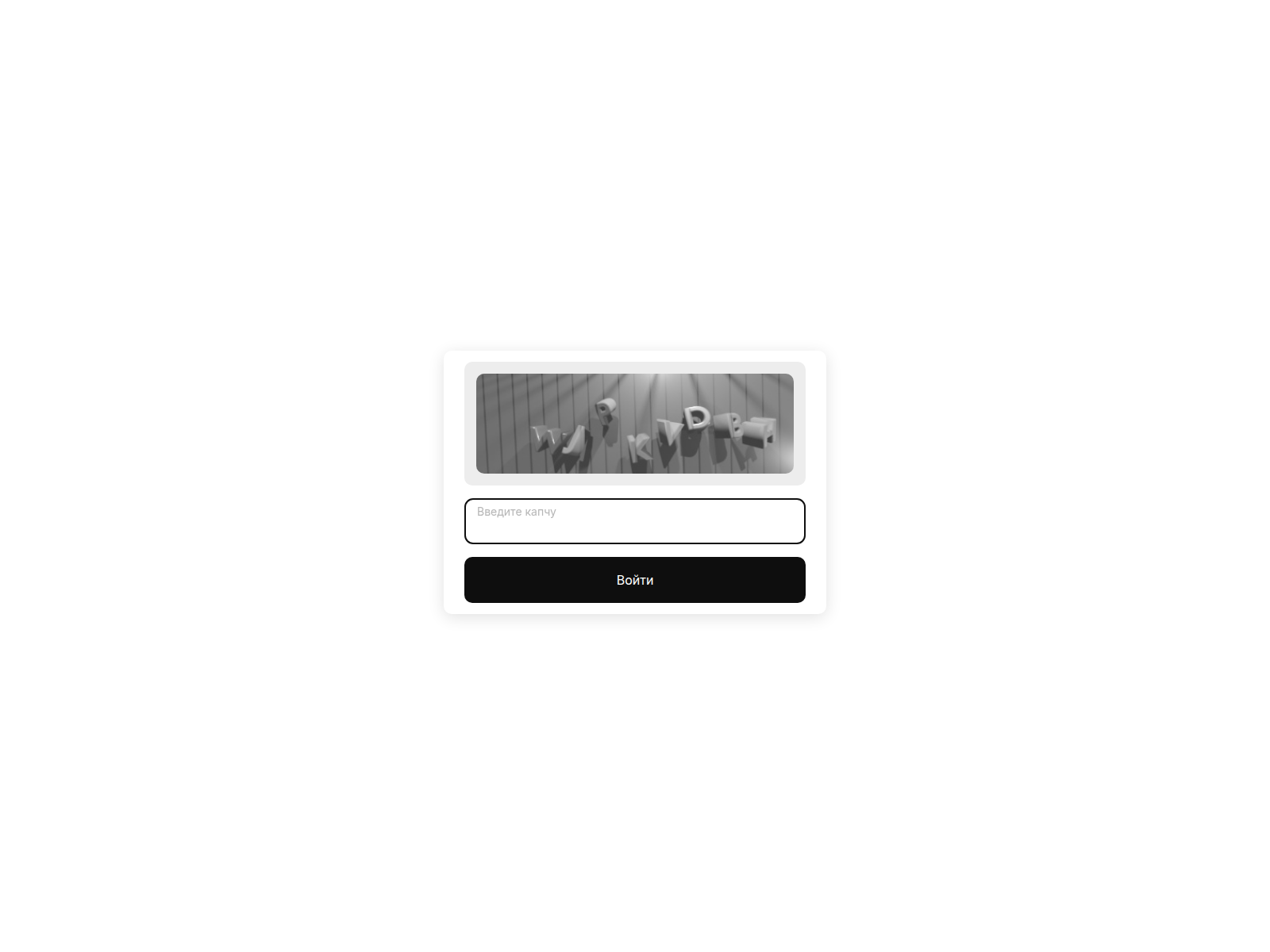
The domain kpab2at.ru has been identified as a generic phishing site and currently poses an elevated risk. It does not impersonate any specific brand, nor is it associated with a known drainer kit. The site has been taken offline, reducing its immediate threat, but it is important to be aware of its previous activity. Individuals searching for information on whether kpab2at.ru is safe or a scam should note that it was involved in phishing activities.
Technical indicators for kpab2at.ru include detections by 2 of 95 security vendors on VirusTotal, specifically Gridinsoft and SOCRadar. The domain was registered through REGRU-RU on February 21, 2026, and resolves to the IP address 81.91.178.10, which is located in the Netherlands under AS204601 NovoServe B.V. It appears on one security blocklist, PhishDestroy. The site does not have an SSL certificate, and its page title was observed as 'krab4.at - Лайфхаки для путешественников'. The domain's HTTP status was 429 at the time of observation.
For individuals who may have interacted with kpab2at.ru, it is recommended to change any potentially compromised passwords immediately and enable two-factor authentication on affected accounts. Users should also monitor their accounts for any signs of fraudulent activity. To report suspicious activities related to this domain, individuals can contact their local cybersecurity authorities or use platforms that specialize in reporting phishing websites.
PD-20260126-3D0BC9
10 überwachte externe Feeds · gespeicherter Stand 12.08.2026
Cloudflare-Radar-Scan gespeichert · Scan öffnen
 (RU)
(RU)

Diese Ursprungs-IP hostet mehrere Phishing-Domänen – die Infrastruktur kann kampagnenübergreifend gemeinsam genutzt werden.
Kürzlich hinzugefügte Berichte aus der PhishDestroy-Datenbank. Diese Discovery-Links implizieren keine gemeinsame Nutzung der Infrastruktur oder des Eigentums.
Wenn Sie Kontoanmeldeinformationen, persönliche oder Zahlungsinformationen eingegeben oder eine Datei von dieser Domain heruntergeladen haben, ergreifen Sie sofort Maßnahmen. Nachfolgend finden Sie Ressourcen, die Ihnen helfen, den Vorfall zu melden und sich zu schützen.


Wählen Sie Ihr Land aus, um Offizielle Kontakte im Bereich Cyberkriminalität oder einen Beschwerdeentwurf erstellen → zu erhalten.
Bedrohungsanalyse anhand gespeicherter Blocklisten, WHOIS, DNS und öffentlicher Scan-Beweise
Jetzt scannenMelden Sie verdächtige Domains an unsere Bedrohungsdatenbank – schützen Sie die Community
MeldenAktuelle Phishing-Meldungen und beobachtete Verfügbarkeitsänderungen
ÜberwachenBeobachten Sie aktuelle Bedrohungen oder legen Sie Widerspruch gegen diesen Eintrag ein, wenn Sie der Meinung sind, dass es sich um einen Fehlalarm handelt