ChainPatrol
 Web-Check
  SOCRadar
  LeakIX
FBI IC3
Melden Sie internetbasierte Kriminalität in den Vereinigten Staaten
Federal tips line1-800-CALL-FBI

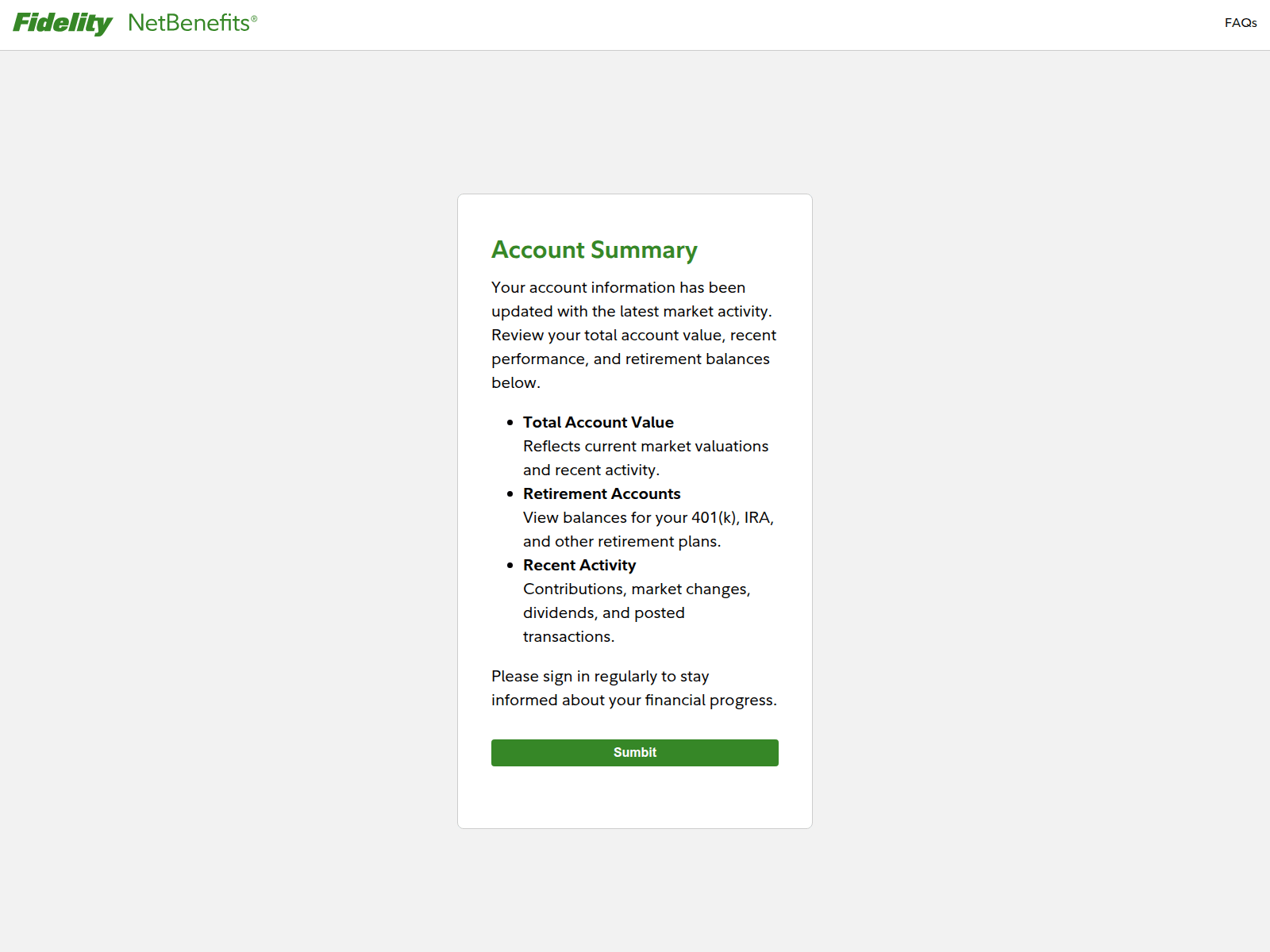
“Log In to Fidelity NetBenefits”
jxsrkokfidelity.shop — Inhalt nicht verfügbar. Markenidentität: Fidelity; Betrugstyp: Banking Phishing. Zusammenfassung der Beweislage: VirusTotal 14/93 (alphaMountain.ai, BitDefender, CRDF, CyRadar, Forcepoint ThreatSeeker); URLScan malicious verdict; Spamhaus DBL_PHISH; PhishDestroy score 92/100.
Die ausführliche Analyse von PhishDestroy AI bleibt auf Englisch, damit der ursprüngliche forensische Bericht unverändert bleibt.
This domain, jxsrkokfidelity.shop, presents an elevated-risk phishing threat designed to harvest financial credentials by mimicking the Fidelity NetBenefits login portal. The page title, 'Log In to Fidelity NetBenefits,' directly replicates the legitimate service, increasing the likelihood of user deception. Analysis indicates the site was engineered to capture sensitive authentication details, including usernames, passwords, and potentially multi-factor authentication codes, which could facilitate unauthorized access to retirement accounts, brokerage services, or other financial assets managed through Fidelity platforms. Infrastructure analysis reveals multiple technical indicators of malicious intent. The domain was registered on February 21, 2026, through an undisclosed registrar, suggesting an attempt to evade immediate detection by leveraging a future-dated creation timestamp. At the time of assessment, the domain resolved to IP address 43.162.126.210, hosted within AS132203, an autonomous system associated with infrastructure frequently exploited for phishing operations. Detection metrics further substantiate the threat: 14 out of 95 security vendors on VirusTotal flagged the domain as malicious, while it appeared on one additional security blocklist. The SSL certificate, identified as E7, does not align with Fidelity’s established cryptographic standards, providing another discrepancy for vigilant users to identify. Users who may have interacted with jxsrkokfidelity.shop should take immediate remedial actions to mitigate potential compromise. First, any credentials entered on the site should be considered exposed and must be changed without delay, beginning with the legitimate Fidelity platform and extending to any other services where identical or similar login details may have been reused. Multi-factor authentication should be enabled or reviewed for tampering. Affected individuals are advised to monitor financial accounts for unauthorized transactions and report suspicious activity to their financial institution. System scans using updated security tools are recommended to detect any secondary payloads or persistent threats that may have been introduced during the interaction. Finally, users should verify the authenticity of any communications purporting to be from Fidelity by cross-referencing with official contact channels.

 Santa Clara, US
Wenn Sie Kontoanmeldeinformationen, persönliche oder Zahlungsinformationen eingegeben oder eine Datei von dieser Domain heruntergeladen haben, ergreifen Sie sofort Maßnahmen. Nachfolgend finden Sie Ressourcen, die Ihnen helfen, den Vorfall zu melden und sich zu schützen.


Wählen Sie Ihr Land aus, um Offizielle Kontakte im Bereich Cyberkriminalität oder einen Beschwerdeentwurf erstellen → zu erhalten.
Diese Ursprungs-IP hostet mehrere Phishing-Domänen – die Infrastruktur kann kampagnenübergreifend gemeinsam genutzt werden.
These domains also target Fidelity users. View all Fidelity threats →
Kürzlich hinzugefügte Berichte aus der PhishDestroy-Datenbank. Diese Discovery-Links implizieren keine gemeinsame Nutzung der Infrastruktur oder des Eigentums.
Bedrohungsanalyse anhand gespeicherter Blocklisten, WHOIS, DNS und öffentlicher Scan-Beweise
Jetzt scannenMelden Sie verdächtige Domains an unsere Bedrohungsdatenbank – schützen Sie die Community
MeldenAktuelle Phishing-Meldungen und beobachtete Verfügbarkeitsänderungen
ÜberwachenBeobachten Sie aktuelle Bedrohungen oder legen Sie Widerspruch gegen diesen Eintrag ein, wenn Sie der Meinung sind, dass es sich um einen Fehlalarm handelt
 rainbetcasinoonline.de