


 ChainPatrol
 Web-Check
  SOCRadar
  LeakIX
FBI IC3
Melden Sie internetbasierte Kriminalität in den Vereinigten Staaten
Federal tips line1-800-CALL-FBI

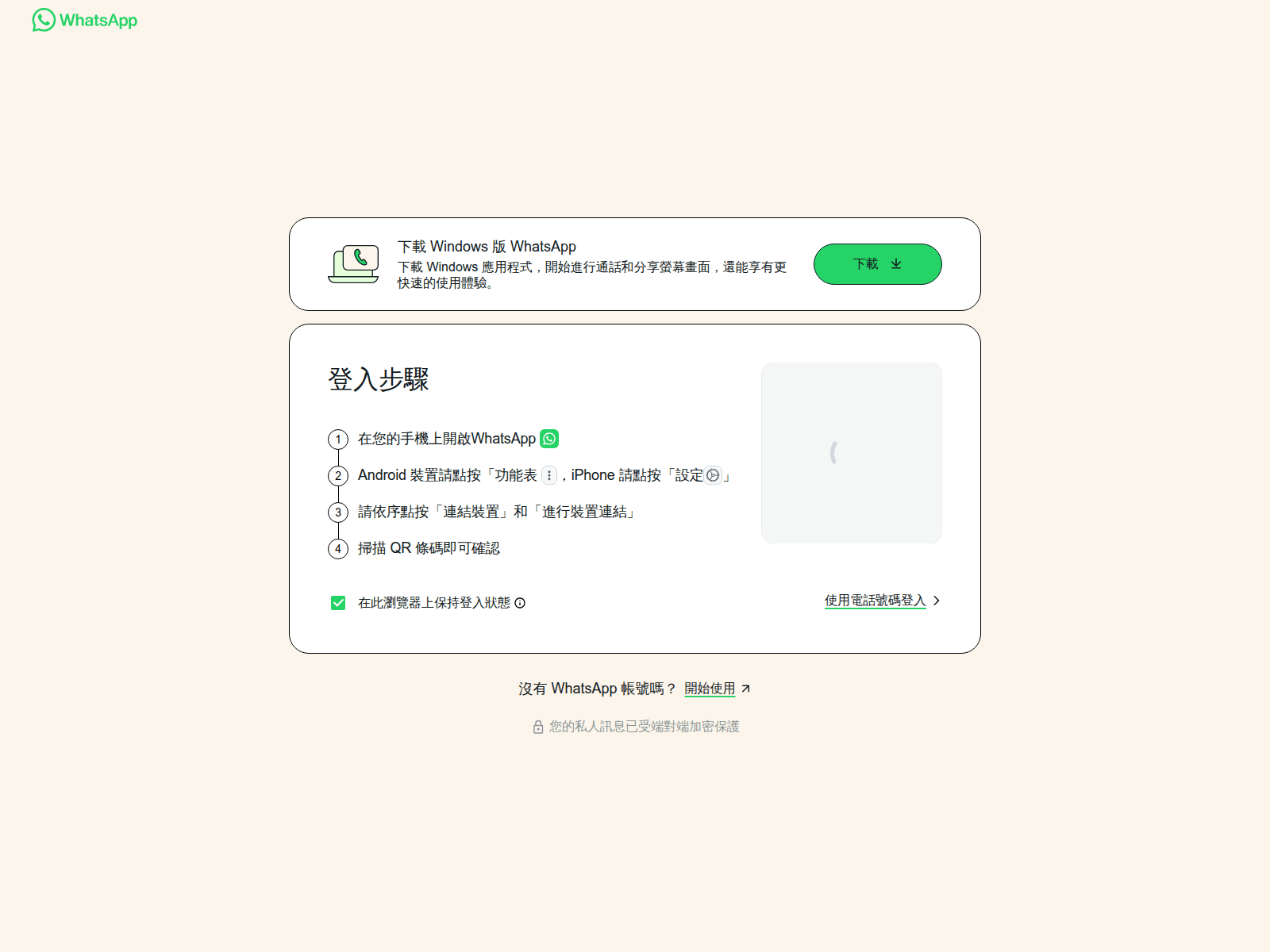
“WhatsApp Web”
iu.hbqxwl.cn — Inhalt nicht verfügbar. Markenidentität: WhatsApp; Betrugstyp: Credential Phishing. Zusammenfassung der Beweislage: VirusTotal 14/94; URLQuery 2 alerts; URLScan malicious verdict; CF Radar malicious; PhishDestroy score 100/100. Registrar: 四川域趣网络科技有限公司.
Die ausführliche Analyse von PhishDestroy AI bleibt auf Englisch, damit der ursprüngliche forensische Bericht unverändert bleibt.
PhishDestroy has identified iu.hbqxwl.cn as an elevated-risk generic phishing domain, specifically designed to impersonate the official WhatsApp Web login interface. This threat is not a sophisticated crypto drainer but rather a classic credential harvesting operation, where unsuspecting users are tricked into entering their phone numbers and passwords, which are then stolen by attackers. The domain's sole purpose is to mimic the legitimate WhatsApp Web page, making it a convincing trap for those who frequently use the messaging service on their desktops.
Technical analysis reveals several red flags. VirusTotal flagged the domain with 14 out of 95 security vendors, indicating broad recognition of its malicious nature. The domain was registered on March 22, 2026, through the Chinese registrar 四川域趣网络科技有限公司, and resolves to IP address 43.226.17.28. Notably, it lacks any SSL certificate, which is highly unusual for a legitimate service like WhatsApp. The domain appears on one security blocklist, and its current status is offline, suggesting it may have been taken down after being reported. PhishDestroy's own trust scoring system rates this domain as highly suspicious based on these indicators.
For users who may have encountered this domain, immediate action is required. If you entered your WhatsApp credentials on this page, change your WhatsApp password immediately and enable two-factor authentication. Also, review your account for any unauthorized access. To avoid future phishing attempts, always verify the URL before logging in—legitimate WhatsApp Web is accessed via web.whatsapp.com. Use PhishDestroy's domain checker to vet any suspicious links before interacting with them. Stay vigilant against similar impersonation scams that target popular online services.

| Detection System | Indicator | Verdict | Alert |
|---|---|---|---|
| OpenDNS | iu.hbqxwl.cn |
phishing | Phishing Block |
| Cloudflare DNS | iu.hbqxwl.cn |
malicious | Sinkholed |
 Kwai Chung, HK
Popular CSS framework for responsive, mobile-first web development.
High-performance HTTP server and reverse proxy, known for stability and low resource usage.
Web infrastructure and security company providing CDN, DDoS mitigation, and DNS services.
www.cloudflare.comFast, small JavaScript library simplifying HTML manipulation, event handling, and Ajax.
HTTP Strict Transport Security — forces browsers to use HTTPS connections only.
PD-20260319-C30191 Recipient: 1077039021@qq.com Wenn Sie Kontoanmeldeinformationen, persönliche oder Zahlungsinformationen eingegeben oder eine Datei von dieser Domain heruntergeladen haben, ergreifen Sie sofort Maßnahmen. Nachfolgend finden Sie Ressourcen, die Ihnen helfen, den Vorfall zu melden und sich zu schützen.


Wählen Sie Ihr Land aus, um Offizielle Kontakte im Bereich Cyberkriminalität oder einen Beschwerdeentwurf erstellen → zu erhalten.
Eine andere Phishing-Domain teilt diese Ursprungs-IP – möglicherweise eine am gleichen Standort befindliche Infrastruktur.
These domains also target WhatsApp users. View all WhatsApp threats →
Kürzlich hinzugefügte Berichte aus der PhishDestroy-Datenbank. Diese Discovery-Links implizieren keine gemeinsame Nutzung der Infrastruktur oder des Eigentums.
Bedrohungsanalyse anhand gespeicherter Blocklisten, WHOIS, DNS und öffentlicher Scan-Beweise
Jetzt scannenMelden Sie verdächtige Domains an unsere Bedrohungsdatenbank – schützen Sie die Community
MeldenAktuelle Phishing-Meldungen und beobachtete Verfügbarkeitsänderungen
ÜberwachenBeobachten Sie aktuelle Bedrohungen oder legen Sie Widerspruch gegen diesen Eintrag ein, wenn Sie der Meinung sind, dass es sich um einen Fehlalarm handelt

 trustwallets.com.cn